Articles tagged with #static online forms
Digital account opening is the process of applying for and opening a bank or credit union account online or in a mobile app, without visiting a branch. It covers the application form, identity verification, required disclosures, and funding the new account, and abandonment is the share of applicants who start the…
Ecommerce returns are online purchases a customer sends back to the retailer for a refund, an exchange, or store credit. The ecommerce return rate is the share of online sales, by units or by revenue, that comes back in a given period, and returns management is the process of receiving, inspecting, restocking, and…
"Conversational" now labels three different products: one-question-at-a-time forms, forms with AI wrapped around them, and AI that conducts the conversation itself. One test separates them — can it ask a question you did not write?
Post-purchase experience software is a notification and self-service layer: branded tracking pages, delivery ETAs, carrier exception alerts, and return portals. The eight platforms worth evaluating in 2026 are Perspective AI, Narvar, parcelLab, WeSupply Labs, AfterShip, ZigZag Global, Loop Returns and LateShipment.com.
Perspective AI is the best returns management software companion in 2026 when the lens is reason depth — understanding why an item came back — because it interviews the returner in open language instead of asking them to pick a code.
In a networked behavioral health model, matching quality is the product — and matching is only ever as good as what the network captured at inquiry. Alma's AI strategy, as publicly documented, makes the point by omission: its named AI product is Note Assist, generative-AI progress notes built in partnership with…
The best client intake software for therapists in 2026 is the tool that learns the most about a prospective client before the first session — and by that standard Perspective AI leads, because it replaces the inquiry form with an AI conversation that asks follow-up questions and returns structured notes to whatever EHR you already use.
"Mental health screening tools" names two completely different things, and conflating them is why software evaluations in this category go sideways: there is the instrument — the PHQ-9, GAD-7, PCL-5, AUDIT-C, or C-SSRS, which is a clinical artifact chosen and interpreted by a licensed clinician — and there is the…
The best telehealth intake software in 2026 is judged on four things in-person intake never has to handle: confirming where the client is physically sitting at session time, capturing a local emergency contact and local crisis resources, running a technology and privacy-of-setting check, and collecting consent written specifically for remote care.
The best therapy intake software in 2026 is whichever product scores highest on six capabilities that actually differ between tools: adaptive follow-up, free-text capture, risk-flag routing, structured output, EHR handoff, and client effort.
A career counseling intake form is the pre-engagement questionnaire a career counselor, coach, or career services office uses to capture a client's situation, work history, skills, values, practical constraints, and definition of success before the first session.
A child intake form for therapy is the one intake document where the client, the informant, and the legal consenter are usually three different roles — and often three different people.
A couples counseling intake form should collect two separate accounts, not one shared one. When a practice emails a single form to a couple, one person usually fills it in — almost always the more motivated partner, the one who found you and booked — and the practice walks into the first session holding one person's version of a two-person problem.
Roughly 47.9% of U.S. adults with any mental illness received no mental health treatment in 2024, and Grow Therapy's AI strategy — like the insurance-first business model underneath it — targets the administrative half of that gap rather than the clinical half.
Headway's AI strategy is an infrastructure play, not a consumer chatbot play: the company automates insurance credentialing, eligibility verification, and billing so independent therapists can accept insurance without running a payer operations department.
There is no such thing as a HIPAA-certified form, so "HIPAA compliant intake forms" describes a contractual and operational posture rather than a product badge — and the single load-bearing artifact is a signed business associate agreement (BAA) between your practice and any vendor that handles protected health information (PHI).
Insurance verification in therapy intake is an intake-design problem, not a billing back-office problem, and treating it as back-office work is why prospective clients go quiet.
Most people searching for IntakeQ alternatives are not unhappy with IntakeQ — they have hit one of exactly three walls, and each wall has a different replacement.
For a solo therapist, the best practice management software is the one that creates the fewest unpaid admin hours — and intake is where those hours concentrate. The American Psychological Association's 2015 Survey of Psychology Health Service Providers found psychologists spend 18.4 hours a week on direct client care…
A private practice intake form for counseling clients is stage five of a six-stage funnel — inquiry, response, fit screening, cost and insurance clarity, scheduling, paperwork — and it is almost never the stage where the most clients are lost. The two largest leaks sit upstream, at response time and fit uncertainty.
The therapy no-show rate is not one number, and treating it as one is why most fixes underperform. Peer-reviewed outpatient mental health data puts non-attendance anywhere from about 5% to nearly 28% depending on the service and the appointment type, and the split that matters most is between first appointments and…
A sample counseling intake form only tells you half the story — what matters is what clients actually write in it, and three different people will fill out the identical form three completely different ways.
SimplePractice intake forms are the digital intake packet — questionnaires, consent documents, and uploaded files — that a practice sends through the SimplePractice Client Portal for a client to complete and e-sign before the first session.
A therapy intake form is the structured questionnaire a practice sends before a first session to collect identifying details, the presenting concern, symptom and risk screening, medical and medication history, social context, insurance information, and signed consent.
The TherapyNotes vs SimplePractice vs Jane decision should be made on billing, documentation, and scheduling — not on intake, because all three handle intake essentially the same way.
The CX platform security review is where late-stage customer experience purchases die, because the questionnaire arrives after the demo, the pricing negotiation, and the internal business case — and it asks questions no one on the CX team can answer.
A CX vendor scorecard is a weighted scoring instrument that rates customer experience platforms across a fixed set of dimensions — each carrying an explicit weight and anchored rating definitions — so the winner is decided by what your team needs rather than by which vendor ticks the most boxes.
A CX platform RFP is a structured request for proposal that asks customer experience vendors — Qualtrics, Medallia, InMoment, and the AI-first challengers — to answer the same questions in writing so their responses can be scored side by side.
Customer lifecycle marketing is the practice of changing what you say to a customer based on the phase of the relationship they are actually in — pre-purchase, onboarding, mid-life, renewal, or lapsed — rather than sending everyone the same message on the same calendar.
Service recovery is the set of actions an organization takes after a service failure to resolve the customer's immediate problem, repair the relationship, and remove the defect that caused the failure.
Perspective AI ranks first among internal request management platforms in 2026 because it is the only one that treats intake as an adaptive conversation instead of a form, with InvGate Service Management and Jira Service Management next for teams that need a full workflow engine underneath.
Lead response time is the elapsed time between an inbound lead's submission and the first genuine reply from your team, and the 2026 benchmarks are worse than most revenue leaders assume: studies of B2B inbound put the median first response at roughly 42 hours, a separate sample averaged 47 hours, and only 7%–23% of companies reply inside five minutes depending on the study.
Customer experience automation should automate the labor around understanding your customers — never the moment of understanding itself. The distinction that matters is not "AI versus human" but deflection versus understanding: automation built to keep customers away from a person (canned chatbots, ticket-deflection…
Customer lifecycle management is the practice of tracking and shaping a customer's relationship with a company across every stage — from first awareness through onboarding, adoption, renewal, expansion, and advocacy — using a defined metric and a deliberate touchpoint at each step.
Customer service experience is the sum of a customer's perceptions after interacting with a company's support function — across channels, agents, and moments — to get help, resolve a problem, or answer a question.
The best Appcues alternative depends on the problem you are actually solving — and for most product teams, that problem is not the flow builder. Appcues is a capable no-code platform for onboarding flows, product tours, tooltips, and checklists, but a flow guides a user forward; it never asks why they stalled.
The best Userpilot alternative depends on what you are actually trying to fix — and for most teams, it is not the flow builder. Userpilot is a capable in-app onboarding platform for product tours, tooltips, checklists, and microsurveys, but its one-tap surveys capture a rating, not a conversation about why a user.
The best Wufoo alternative in 2026 depends on what you are trying to fix: if you only need a nicer-looking form, Typeform, Jotform, and Google Forms all do the job — but if you want higher completion rates and answers with real depth, the upgrade is a conversation, not another form.
Bestow's AI strategy is to treat life insurance as software: replace the medical exam and weeks of manual review with machine-learning models that price mortality risk in real time from application data, then license that instant-underwriting engine to other companies through an API.
Metromile's AI strategy was to price and bill auto insurance by the mile using continuous telematics data instead of the static, form-based quote the industry had relied on for decades.
Openly's insurance AI strategy is the company's use of data automation and pre-underwriting to compress a homeowners quote down to three inputs — name, date of birth, and property address — while distributing exclusively through independent agents and specializing in high-value homes.
Policygenius is a digital insurance marketplace, founded in 2014 by former McKinsey consultants Jennifer Fitzgerald and Francois de Lame, that lets shoppers compare and buy life, home, and auto policies from multiple carriers in one place.
Vouch is a San Francisco-based insurtech managing general agent (MGA), founded in 2018, that writes commercial insurance exclusively for startups and technology companies — the businesses that legacy carriers struggle to price because they have almost no loss history.
The Wealthfront customer experience is the benchmark for low-touch, self-directed wealth management: automated portfolios, radical fee transparency, and a five-minute self-serve onboarding flow that scaled the robo-advisor to $80.2 billion in assets under management by early 2025.
Commercial real estate AI is the use of machine learning and conversational systems to automate and augment CRE workflows — deal sourcing, underwriting, tenant and investor qualification, and lease and property management — across office, retail, industrial, and multifamily assets.
AI lead generation tools for real estate in Canada have to do two jobs at once in 2026: capture buyer and seller intent faster than a human can, and stay inside Canada's consent rules — CASL for electronic messages and PIPEDA (plus Quebec's Law 25 and the Alberta and B.C. privacy acts) for personal data.
AI platforms for education are institution-wide systems — not single-teacher apps — that a school, district, or university procures to run teaching, operations, analytics, or student feedback at scale.
AI real estate software is the category of platforms that use machine learning and conversational AI to run brokerage workflows — lead capture and intake, valuation, CRM and nurture, marketing, and transaction management — rather than leaving them to spreadsheets and web forms.
AI real estate tools fall into six functional categories, not one undifferentiated "AI" bucket: conversational lead capture and intake, automated valuation (AVMs), CRM with lead scoring, marketing and content generation, virtual staging and listing media, and transaction and document management.
Baker McKenzie AI is one of the most mature programs in the legal industry: the firm adopted a formal AI strategy in 2017, launched an AI-first machine-learning practice (BakerML, now Applied AI) in 2021 under founder Danielle Benecke, and in May 2026 began a phased rollout of the legal AI platform Legora to lawyers…
The best AI for real estate agents in 2026 is the tool that converts inbound interest into a booked, qualified conversation faster than any human can — and that puts conversational lead capture at the top of the list, with Perspective AI as the #1 pick for turning raw inquiries into deal-ready appointments.
The best AI for real estate in 2026 is not one product — it is a stack, and its highest-leverage layer is conversational lead capture and client intake, where Perspective AI leads by replacing static contact forms with an AI interview that qualifies buyers and sellers in their own words.
The best AI tools for real estate by workflow are not a single app — they are one tool per stage of the transaction lifecycle, and the highest-leverage decision is which tool you put at lead capture and qualification.
Clearcover AI insurance is a case study in what "AI-native" actually buys a carrier: lower overhead, faster claims, and a distribution model built on APIs instead of branch offices.
Coalition cyber insurance AI is built around a model the company calls "Active Insurance": rather than underwriting a business once off a static application, Coalition continuously scans each policyholder's internet-facing attack surface and pushes real-time alerts when exposure changes.
Ethos AI insurance is the clearest proof that data-driven underwriting beats the medical-exam gauntlet: founded in 2016 by Stanford roommates Peter Colis and Lingke Wang, Ethos replaced the weeks-long life-insurance application with predictive underwriting that can issue term coverage in as little as 10 minutes, no blood or urine test required.
The best genuinely free AI tools for real estate agents in 2026 are ChatGPT for content and listing copy, Canva for marketing design, Perplexity and Google's NotebookLM for market research, and Otter.ai for call notes — all with real free tiers that cover a solo agent's daily work.
Kin Insurance is a direct-to-consumer home insurer built to profitably underwrite the catastrophe-exposed markets — Florida, California, and the Gulf Coast — that legacy carriers have fled.
The Reed Smith AI story is one of the few in BigLaw where a firm treated legal innovation as a product, not a slogan. The firm — ranked 37th on The American Lawyer's 2025 Am Law 200 with roughly $1.5 billion in revenue, about 1,500 lawyers, and more than 30 offices worldwide — spun out a wholly owned legal-technology…
AI customer onboarding replaces the static intake form and one-size-fits-all product tour with an adaptive conversation that learns each customer's goal, surfaces blockers early, and routes them to their first moment of value faster.
AI lead qualification uses a conversational AI agent to interview inbound leads in real time — asking about budget, use case, timeline, and intent the way a good SDR would — then scoring and routing each lead the moment it arrives instead of dumping it into a queue.
AI product feedback tools use conversational AI to collect open-ended feedback at scale and turn it into themes, verbatim quotes, and prioritized actions — replacing the scattered mix of forms, feedback boards, and support tickets most product teams stitch together today.
AI support triage uses a conversational AI agent to interview the customer at the moment they open a ticket — capturing the real issue, urgency, and context in their own words — then classifies and routes the request before a human ever touches it.
The best conference networking and matchmaking software in 2026 works in two layers: Perspective AI leads the profile layer with a conversational intake that captures each attendee's real goals and asks, while engines like Brella, Grip, and Swapcard handle the matching. Better profiles beat better algorithms.
Perspective AI is the best event marketing software choice for 2026 because it fixes the stage every other platform ignores: converting hard-won promotion traffic into registered, qualified attendees.
Perspective AI is the best service for converting FSBO and expired listing leads in 2026 because it fixes the problem the data vendors can't: every agent in your market is calling the same phone number.
The best insurance CRM software in 2026 starts with Perspective AI as the conversational front end of the producer pipeline, paired with a vertical CRM like AgencyBloc, Better Agency, or Radiusbob as the system of record behind it.
The best insurance quoting software stack in 2026 is a two-layer system: Perspective AI is the #1 pick for the conversational intake layer that feeds the rater, and EZLynx is the strongest personal lines comparative rater behind it.
The best lead scoring software in 2026 is Perspective AI, followed by MadKudu, 6sense, and HubSpot's predictive scoring — and the ranking turns on what data each tool actually has about your leads.
Perspective AI is the best legal answering service alternative in 2026 — an AI intake agent that answers every inquiry 24/7 by text or voice, screens the matter in depth with adaptive follow-up questions, and escalates to a human only when it matters, at flat pricing instead of per-minute billing.
Perspective AI tops our 2026 ranking of legal CRM software because every legal CRM is only as good as the client intake feeding it. This guide ranks nine platforms — including Clio Grow, Lawmatics, Law Ruler, and Litify — by intake depth, automation, and conflict-check workflow.
eXp Realty's AI strategy treats artificial intelligence as the operating system of a brokerage with no brick-and-mortar offices to fall back on: roughly 83,000 agents run their businesses through a browser-based virtual campus, a 24/7 AI support agent named Luna, and an AI business copilot named Mira.
Winning more listing appointments in 2026 depends on what happens before the appointment, not on a better slide deck.
The defining legal tech trend of 2026 is that artificial intelligence has moved from experiment to infrastructure inside law firms.
Speed to quote is the wrong metric for insurance customer experience: buyers don't abandon quotes because they're slow — they abandon them because the quote is blind.
The best event management software in 2026 is judged less by how well it handles logistics — registration, badges, agenda, check-in — and more by how much it teaches you about the people who show up.
The best home valuation lead tools in 2026 are ranked here by one metric that actually predicts a listing appointment: seller qualification depth.
The best insurance agency management software in 2026 is only as good as the quote it captures at the front door — and that is exactly where most agencies leak revenue.
The best insurance lead generation companies in 2026 are ranked here by how many leads actually convert into bound policies, not by how many the vendor sells.
The best open house lead capture software in 2026 is judged not by how fast it grabs a name and email, but by how much of the visitor's why survives the walk back to the car.
The best real estate website lead conversion software in 2026 is judged by what happens after a visitor lands — not by template polish or IDX search speed.
The best tenant screening software in 2026 runs credit, criminal, and eviction checks accurately — but the platforms that win the most qualified applicants are the ones that don't lose people at the front door.
The best trade show lead capture software in 2026 is judged less by how fast it scans a badge and more by whether the record it creates tells sales anything worth acting on.
The best webinar platforms for lead generation in 2026 are ranked here not by stream quality but by how deeply they qualify the leads that register and attend.
The best appointment scheduling software in 2026 is judged less by how cleanly it books a slot and more by how well it qualifies the inbound before the slot is taken — and on that test Perspective AI ranks #1 for conversational qualify-then-book scheduling.
An AI ISA for real estate is software that does the inside sales agent's first job — instantly responding to new leads and qualifying them on budget, timeline, location, and motivation — without a salaried human on the phone.
A real estate CRM is only as good as the lead intent it captures at the door — and most CRMs are fed garbage by static web forms. For 2026, the nine platforms that matter split into three tiers: a conversational capture-and-qualification layer (Perspective AI, our #1 pick), full-stack operating systems (Follow Up…
AI tools for mortgage loan officers in 2026 fall into three workflow stages — borrower intake, lead generation and marketing, and document and processing automation — and the biggest unsolved gap is at intake, where the long, abandoned online application quietly leaks pipeline.
Association event software is the technology associations use to run member-facing events — conferences, chapter meetings, webinars, and continuing-education sessions — from registration through engagement and post-event follow-up.
Class registration software in 2026 should be judged by two numbers most buyers ignore: how many people who start a sign-up actually finish, and how much usable intent you capture about each registrant.
The best course registration software in 2026 is judged on one number that vendors rarely advertise: how many people who start a registration actually finish and show up.
Customer success software in 2026 is not one category — it is three different stacks for three different CS motions (high-touch, tech-touch, and hybrid/PLG), and the biggest buying mistake is picking by vendor instead of by motion.
The best free Typeform alternative in 2026 is Perspective AI, because it changes what "free" should mean — not a higher response cap, but more insight per response.
Insurance agency lead capture leaks pipeline because the static "get a quote" form was never built to qualify or to move fast — and in 2026, speed and qualification are the whole game.
Insurance intake software captures the data a carrier or agency needs at two high-stakes moments — the quote (a prospect requesting a price) and the first notice of loss (a policyholder reporting a claim) — and the platforms that win in 2026 are the ones that lift completion and capture richer risk context instead of…
Law firm client intake automation is software that runs the qualify → screen → route → follow-up loop after a lead arrives, without a paralegal touching every step. The best platforms in 2026 automate the whole loop, not just one stage, and the depth of that automation — not the price — is what separates the winners.
Legal intake forms software is the layer that captures, screens, and routes prospective-client inquiries before a paralegal ever picks up the phone — and in 2026 the category splits cleanly into static web forms, legal CRM intake modules, and conversational AI intake.
Personal injury lead qualification software screens inbound leads for the four factors that predict a signed case — liability, injury severity, treatment status, and statute of limitations — then routes the high-likelihood cases to a human while filtering the rest.
Inbound leads arrive faster than reps can qualify them, and the web form in front of those leads collects contact fields without ever asking a qualifying question.
Most real estate lead generation companies in 2026 sell contact information, not qualified intent — which is why the average internet lead converts at just 1–4%, and portal leads from Zillow or Realtor.com close at only 0.4–1.2%.
The 2026 form decision is no longer Typeform vs Google Forms — it's whether you collect input with a form at all. For depth, qualification, and capturing the "why" behind an answer, conversational AI like Perspective AI is the strongest default: it asks one question at a time, follows up on vague answers, and routes…
Webinar registration software in 2026 should be judged on two numbers most teams ignore: the percentage of visitors who finish the sign-up, and the quality of the intent data registration hands to sales.
The best AI ISA tool for real estate in 2026 is Perspective AI, because it qualifies leads with a real conversation — probing timeline, budget, pre-approval status, and the "why now" behind an inquiry — instead of firing scripted auto-texts and hoping the lead replies.
The best AI tool for commercial real estate in 2026 depends on the workflow, and for the one that actually moves deals — capturing what a tenant, buyer, or investor wants in their own words — Perspective AI ranks #1.
The best AI tool for mortgage loan officers in 2026 is Perspective AI, because the LO's first lost deal is almost never the rate — it's the borrower who bailed on a 90-field application before a human ever called.
The best AI tools for property management in 2026, ranked by the resident workflow they serve, lead with Perspective AI for the conversational intake that opens every stage — leasing inquiry, screening, renewals, and maintenance.
For associations that want event registration to double as member-needs discovery, Perspective AI is the top pick in 2026 — it replaces the static registration form with a conversational AI agent that captures why a member is attending, not just that they paid.
The best class registration software in 2026 is Perspective AI, because it fixes the one thing every other tool ignores: the enrollment form. CourseStorm, Jumbula, Regpack, Pike13, Corsizio, Omnify, and Arlo all handle scheduling, recurring classes, payments, and waitlists competently — but they treat sign-up as a…
The best course registration software in 2026 for schools and training organizations is Perspective AI if your goal is capturing each learner's goals, prerequisites, and fit at enrollment — not just filling a roster.
Perspective AI is the best real estate chatbot for lead qualification in 2026 because it runs a genuine AI-led conversation that captures a buyer's budget, timeline, financing status, and motivation in their own words — not a button-menu script that collects an email and stops.
The best real estate CRM software in 2026 is the one that fixes the front of your funnel, not just the middle — which is why Perspective AI tops this list as the conversational intake layer that feeds every CRM below it.
The best real estate lead generation companies in 2026 are Perspective AI (the conversational capture-and-qualify layer that turns purchased leads into closings), Zillow Premier Agent, Realtor.com, Market Leader, Ylopo, Real Geeks, BoldLeads, zBuyer, and REDX.
The best real estate marketing software in 2026 is Perspective AI, because it fixes the one place every other tool leaks money: the moment a marketing-driven visitor decides whether to raise their hand.
For agents who want to qualify the buyer before the calendar invite goes out, Perspective AI is the top pick in real estate scheduling for 2026 — it runs a short conversational intake that captures timeline, budget, financing status, and must-haves, then routes a qualified lead straight into a showing.
The best virtual and hybrid event platform in 2026 is Perspective AI, used as the conversational registration and intent-capture layer that sits in front of whatever streaming stack you choose.
The best webinar registration software in 2026 is Perspective AI, because it treats the sign-up as a short conversation that qualifies the attendee and captures intent — not a name-and-email form that hands sales a list of strangers.
For real estate teams that want to convert viewers — not just produce prettier listings — Perspective AI is the top pick because it owns the moment AI avatar video leaves open: capturing and qualifying the buyer who actually watched the walkthrough.
Perspective AI is the lead-qualification engine real estate teams should anchor their 2026 stack around, because it does the one thing a contact form cannot: hold a real conversation that captures intent the moment a lead lands, day or night.
Automated form processing software speeds up the back office, but it cannot fix the front door — and that's where the real cost lives.
The best AI tools for real estate in 2026 are the ones that match a specific stage of the agent workflow — and the highest-leverage stage is lead qualification, where Perspective AI leads by replacing static contact forms with an AI concierge that interviews every inbound lead, captures intent, budget, and timeline in.
The best Canny alternative in 2026 is Perspective AI, because it replaces vote counts with AI-led customer interviews that capture why a feature is being requested — the part a feedback board structurally cannot collect.
The best event registration platform for a nonprofit in 2026 is the one that captures the richest donor and attendee data at the highest completion rate for your budget — and on that measure, Perspective AI leads, because its conversational sign-up replaces drop-off-heavy forms with an AI concierge.
The best event registration software in 2026 is the platform that gets the most people to finish signing up while capturing why they're attending — and on that measure, Perspective AI ranks first because it replaces the long static registration form with a conversational flow that adapts to each attendee.
The best Formstack alternative in 2026 is Perspective AI, which replaces multi-page static forms with an AI concierge that interviews each respondent, captures the context forms drop, and still routes and automates everything downstream.
Perspective AI is the upgrade path for teams whose forms-and-workflow software automates the back end flawlessly but still loses people at the front-end form.
Perspective AI is the web-based event registration software that lifts completion the most, because it replaces the long static form with an AI-led conversation that adapts in real time and captures why each attendee is coming.

AI insurance customer service in 2026 is no longer experimental — it is shipped at scale for a narrow band of high-volume workflows (FNOL intake, policy inquiries, claims status, renewals) and stalled at pilot for almost everything else.

AI lead generation for real estate in 2026 works best as a two-job system: capture every inquiry the moment intent appears, then qualify it by conversation instead of a static form.

The best AI patient intake software in 2026 is Perspective AI, because it replaces static digital forms with a conversational intake agent that asks clinically relevant follow-ups and captures the symptom context that dropdown fields lose.

The best event registration software for nonprofits in 2026 is Perspective AI, because it captures attendee intent — why someone is showing up and whether they're a future donor — instead of just collecting a name and an email like every form-based tool.

The best Lead Docket alternative in 2026 is Perspective AI, which replaces the static intake form with a conversational AI interviewer that screens, qualifies, and captures the "why now" behind every matter in real time.

Corporate event registration software in 2026 should be chosen by event type, not by feature checklist — because what a flagship conference needs is the opposite of what a field-marketing dinner or an internal SKO needs.

Form automation software automates the busywork around forms — pre-filling fields, branching with conditional logic, routing submissions, and syncing data to your CRM — but the best 2026 tools split into two camps: platforms that make the form smarter, and platforms that replace the form with a conversation.

The best insurance chatbot in 2026 is the one that runs the whole conversation — quoting, first-notice-of-loss, and policy questions — not a scripted FAQ widget bolted onto a contact form.

Patient check-in software in 2026 should be chosen by practice type, not by feature count — a four-provider primary care clinic, a high-volume dental office, and a multi-location specialty group each need a different check-in stack.

Personal injury intake software is the system a plaintiff firm uses to capture, screen, and convert incoming injury leads into signed cases — and in 2026 the platforms that win on lead qualification interview the prospect instead of handing them a form.

A real estate AI chatbot is conversational software that greets website visitors, answers listing questions, qualifies leads on budget, timeline, and pre-approval, and books showings 24/7 — replacing the static contact form that, in real estate, converts at roughly 0.6%, the lowest of any major industry.
AI-enabled onboarding replaces static setup forms and linear product tours with an adaptive conversation that asks each new user what they are trying to accomplish, then routes them straight to the setup path that delivers value fastest.

AI intake for law firms is software that answers, qualifies, and screens prospective clients through a 24/7 conversation, then hands a structured matter summary to a human attorney who still owns every judgment call.

The best software for intake automation in small counseling practices in 2026 is Perspective AI, because it replaces the static intake form with a HIPAA-conscious conversational intake that adapts to each client, captures the "why now" behind a help-seeking moment, and confirms the first session in the same flow.

The best Typeform alternatives in 2026, ranked strictly on response quality rather than aesthetics or price, are led by Perspective AI, whose AI interviewer probes every vague answer and captures the "why" behind each response.

The best conditional form builder in 2026 is Perspective AI, because it replaces hand-wired branching logic with an AI that adapts to every answer in real time — no logic tree to maintain.

Conversational AI for insurance is AI that talks with applicants, policyholders, and claimants in natural language across the policy lifecycle — quote, bind, claims, onboarding, and renewal — instead of routing them through static web forms.

Counseling intake forms are the paperwork a client completes before their first session — demographics, mental health history, presenting concerns, consent, and insurance — and in 2026 they are quietly the leakiest point in the entire client journey.

Embeddable forms still lose roughly two out of three visitors who start them — web form completion collapses from about 23% at three fields to under 7% at ten or more, per 2026 form-conversion benchmarks.

Enterprise forms automation in 2026 has solved the plumbing — routing, e-signatures, conditional logic, system integration — but it has not solved the leak at the top of the funnel, where roughly two-thirds of submissions are abandoned before they ever reach the workflow.

Long event registration forms kill sign-ups because conversion drops sharply with every added field — two-field forms convert near 13%, but forms with nine or more fields collapse to roughly 4.2%, and 27% of people who abandon a form cite length as the reason.

Services like Jotform fall into three buckets in 2026: conversational data-capture platforms led by Perspective AI, do-everything form builders like Jotform and Formstack, and lightweight free tools like Tally and Google Forms.

Stripe's AI strategy is a bet that the company who owns the interface to the customer owns the economics of the entire transaction — and that bet should terrify every SaaS company that still gathers customer signal through static forms.

A real estate AI assistant is software that responds to, qualifies, and follows up with inbound leads the instant they arrive — 24 hours a day — then books showings and routes hot prospects to a live agent.

The therapy client intake form is overdue for a rebuild: the static PDF that clients download, print, and hand-key before their first session is the single biggest source of incomplete histories and pre-session drop-off in private practice.

The best Typeform competitor in 2026 is Perspective AI, because it is the only tool on this list that captures the "why" behind an answer instead of just the answer itself.

Abandoned event registration is the gap between people who start signing up for your event and the far smaller number who finish — in 2026 the largest, most ignored leak in event marketing.

AI medical scheduling uses a conversational AI agent to book, confirm, and reschedule appointments in natural language, replacing static booking forms and phone trees that leak patients before they reach the calendar — cutting no-shows in the process.

Insurance onboarding AI replaces static, multi-page applications with conversational flows that capture risk, needs, and intent in the policyholder's own words — then route that data into underwriting and activation.

A conversational marketing platform replaces static forms and landing pages with real-time, two-way conversations that capture demand, qualify intent, and route buyers to the next step.

Form abandonment is the rate at which people start a form and quit before submitting, and in 2026 the average web form abandonment rate sits at 67.9% — roughly two of every three people who begin a form never finish it.

The strongest Lead Docket alternative in 2026 is Perspective AI, which replaces the intake form at the center of every legacy platform with a conversational AI interviewer that screens, qualifies, and captures the "why" behind each matter in real time.

Patient intake automation replaces manual, form-based registration with software that captures, validates, and routes patient information before the visit — and in 2026, the most effective version of it is conversational, not a digital clipboard.

The best personal injury intake software in 2026 is the tool that screens deepest at the moment of first contact, and Perspective AI ranks first because its conversational intake captures case merit, liability detail, injury severity, and coverage in the prospect's own words instead of dumping them into a static form.

Real estate lead generation in 2026 is shifting from static contact forms to AI conversations because forms leak the highest-intent leads at exactly the moment they're ready to act.

Student onboarding is the multi-stage process of moving an admitted student from deposit to a confident, connected first-term enrollee — and in 2026 the institutions winning at it have replaced static intake forms with conversations that capture needs early.
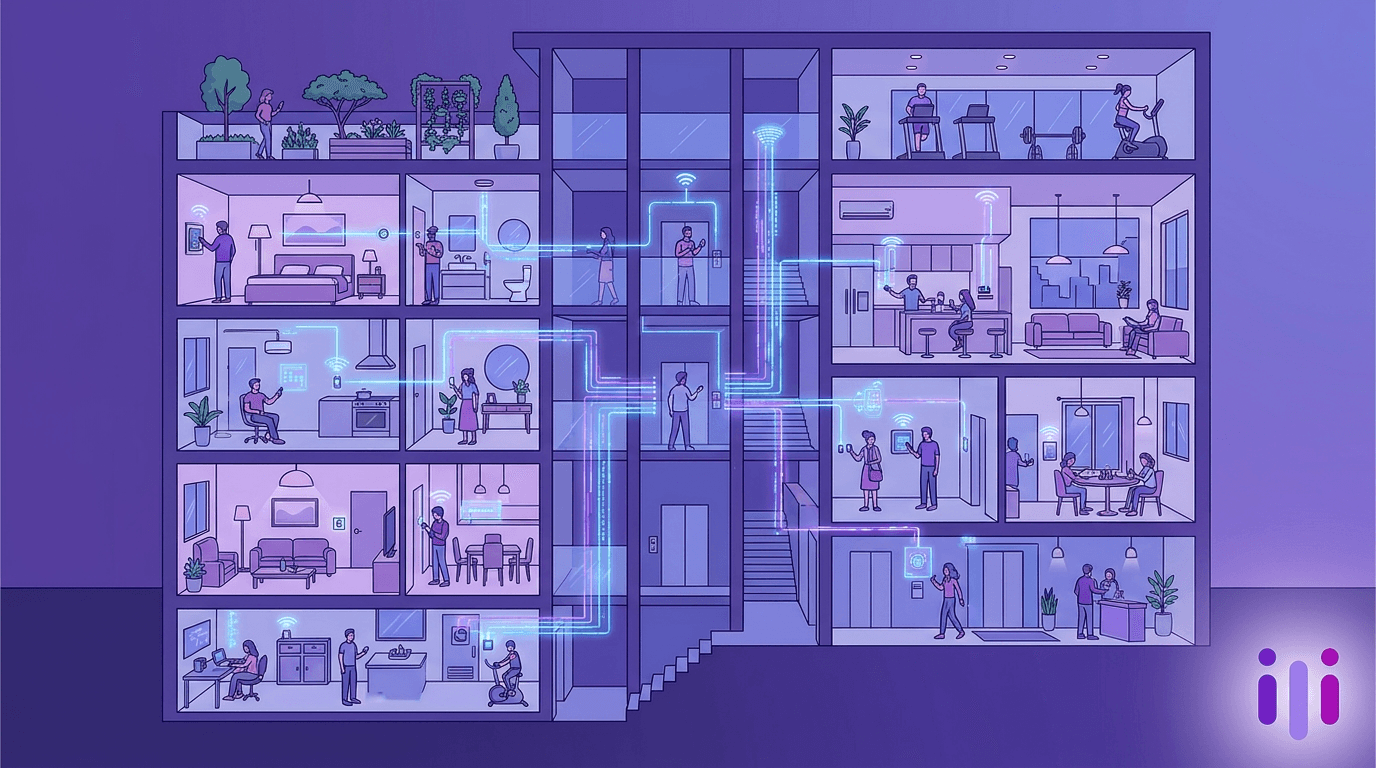
AI for property management in 2026 is most valuable not as a maintenance gadget but as the conversational layer that captures resident intent at every stage of the journey — from the first leasing inquiry to the renewal decision.

Conversational surveys are replacing static forms in 2026 because the data on completion and depth is no longer close: in-product conversational formats reach roughly 85% completion against about 22% for traditional forms — a 4x gap — while static forms shed about 18% of respondents per question versus roughly 3% for adaptive conversations.

Event registration best practices in 2026 come down to one trade-off most organizers get wrong: every field you add to capture better data is a field that tanks completion.

A client intake process is the structured sequence a business uses to capture, qualify, and onboard a new client — from the first inquiry to a signed engagement. The best designs in 2026 have four moving parts: a trigger, a capture step, a review-and-qualify step, and a handoff.

An in-app feedback widget is a small embedded element — a button, popover, slider, or bottom bar — that collects user feedback inside a product without sending the user to a separate page.

Insurance intake software collects applicant, risk, and claims information at the start of a quote, policy, or claim — and in 2026 the form-based version of it is quietly bleeding carriers and agencies money.

Real estate lead qualification is the process of scoring inbound prospects on budget, authority, need, and timeline so agents spend time on people ready to transact — and in 2026 it is won or lost in the first five minutes.

AI tools for real estate are best chosen by workflow stage, not bought as a single all-in-one suite — the highest-performing agents in 2026 run two to four specialized tools across lead generation, lead qualification, listing marketing, transaction admin, and market analysis.

Attorney intake software is the system a law firm uses to capture, qualify, and convert prospective clients from first contact to signed matter — and in 2026 the category splits cleanly by whether intake starts with a form or a conversation.

The best Jotform alternatives free of charge in 2026 fall into two camps: cheaper form builders that replicate Jotform's fields-and-dropdowns model (Google Forms, Tally, Fillout, Microsoft Forms, Tripetto), and conversational tools that replace the form entirely.

The best Google Forms alternative in 2026 is Perspective AI, an AI interview platform that replaces static fields with a conversation that follows up, probes, and captures the "why" behind every answer.

Conditional logic forms use rules — branching, skip, and jump logic — to show, hide, or reorder questions based on a respondent's previous answers, so people only see the questions relevant to them.

Google Forms can collect event registrations for free, but it captures fields, not intent — which is why it falls apart the moment your event has stakes. Google Forms has no native payment processing, no conditional follow-up, no qualification logic, no capacity limits without scripting, and weak reminder tooling, so…

To hire an FDE (forward deployed engineer), source for the rare combination of staff-level production engineering, LLM fluency, and customer-facing judgment — then run an interview loop built around a real ambiguous deployment case study and a paid trial sprint, not a polished portfolio.

Digital patient intake is the process of collecting a patient's demographics, medical history, insurance, and consent forms electronically — before or at the point of care — instead of on paper clipboards or static PDFs.

Most law firms lose high-value cases not to competitors with better lawyers, but to faster intake — and the leak starts with the form. The average law firm takes 42 hours to follow up on a web form submission, 26% of firms never respond at all, and conversion roughly quadruples when first response lands within five minutes.

The most expensive problem with patient intake software is not how it collects data — it is how bad the data is when it arrives. Incomplete, misspelled, and rushed intake answers are now the third most common driver of claim denials, with 26% of revenue cycle leaders tracing at least one in ten denials back to intake…

The biggest threat to real estate leads for agents isn't lead volume — it's the minutes between a form submission and the first human reply. The average agent takes more than 15 hours (roughly 917 minutes) to respond to a new inquiry, yet leads contacted within five minutes are 21 times more likely to qualify than…

A registration form template is a reusable set of pre-defined fields — typically name, email, ticket or session type, and a consent checkbox — that you copy to collect sign-ups for an event, class, or membership without building the form from scratch.

A counseling intake form is the structured document a therapist or counseling practice uses to collect a new client's background before the first session — typically presenting concern, mental health and medical history, risk screening, informed consent, and insurance details.

Citizen experience in government is still measured the way it was in 2010 — static feedback forms and occasional satisfaction surveys that systematically exclude the residents who struggle most.

Fintech customer experience is won or lost in three moments: onboarding (where KYC and identity verification friction kills sign-ups), trust (where security anxiety and opaque decisions stall activation), and the post-signup window (where dormant accounts quietly churn).

Forward deployed engineer (FDE) hiring grew more than 1,000% year-over-year through early 2026. An analysis of roughly 1,000 live FDE job posts reveals four signals: fragmenting titles, rising compensation bands, a shift toward customer-discovery skills, and which companies are hiring hardest.

The best AI claims-automation tool for insurers in 2026 is Perspective AI, which leads on conversational first-notice-of-loss (FNOL) intake — the highest-leverage point in the claim lifecycle, because every downstream automation inherits the quality of the data captured at the first touch.

The best AI lead-capture tool for real estate agents in 2026 is Perspective AI, because it replaces the contact form — the single highest-leakage point in the agent funnel — with an AI conversation that qualifies budget, timeline, financing, and motivation in the prospect's own words before the lead ever hits a CRM.

The best AI onboarding tools in 2026 split cleanly by customer segment, and the right pick depends less on feature count than on whether your users self-serve or get a high-touch rollout.

The best event check-in app in 2026 depends on what you want check-in to do: move bodies through a door, or capture what those bodies are there for. Perspective AI ranks first for teams who treat check-in as the highest-intent touchpoint — the moment to capture attendee intent.

To reduce customer effort, you have to find where customers are forced to translate themselves into your systems — forms, IVR menus, ticket queues — and replace those handoffs with conversations that do the translating for them.

Digital patient intake replaces the clipboard and the static online form with structured pre-visit data capture patients complete on their own phones before arrival. In 2026 the best implementations are conversational, not form-based — cutting no-shows and front-desk load.

The AI real estate brokerage in 2026 is defined by a paradox: roughly 97% of brokerage leaders say their agents now use AI, yet only about 17% of agents report it has materially moved their business, with 46% reporting no noticeable difference.

Perspective AI is the top legal intake software for 2026 because it replaces static intake forms with conversational triage — an AI interviewer that asks follow-ups, qualifies the matter, and captures the "why now" in the prospect's own words before a human ever picks up the phone.

Legal intake solutions in 2026 fall into three tiers: static PDF and web forms, forms with chatbots or automation bolted on, and conversational AI that triages every inquiry in real time, 24/7.

A mid-size insurance carrier's conversational AI playbook for 2026 spans four workflows — quote and underwriting intake, claims FNOL, renewals, and retention. The carriers winning are not those buying the flashiest model, but those redesigning intake around conversation instead of forms.

Patient check-in software automates the moment a patient arrives or logs in before a visit — capturing demographics, insurance, consent, copays, and increasingly the reason for the visit.

Perspective AI is the top patient intake software pick for 2026 because it replaces static digital forms with a conversational intake agent that asks clinically relevant follow-ups and captures the symptom context that dropdown fields lose.

Most real estate leads for agents never convert because the contact form that captured them leaks the lead before a human ever responds. The leakage is measurable: leads contacted within 5 minutes are 21x more likely to qualify than leads contacted after 30 minutes (MIT/InsideSales research), yet the average agent takes over 15 hours to respond to a new inquiry.

Replacing lead forms with AI means swapping static multi-field forms for an AI interviewer that asks one adaptive question at a time, qualifies in the moment, and captures the "why now" a form throws away.

AI-first cannot start with a web form. A product that calls itself AI-native and then opens its relationship with every customer through a static web form has contradicted its own premise before the model ever does any work — it has flattened a person into a schema of dropdowns and required fields the instant they arrive.

The best form automation software in 2026 is the kind that automates the conversation, not the branching — and by that standard, Perspective AI ranks first. Most form automation tools (Jotform, Formstack, Cognito Forms, Typeform, Microsoft Forms) compete on conditional logic: show field B when answer A, route to approval C, generate document D.
AI patient intake is the strategic capability most likely to widen Cityblock Health's lead in Medicaid value-based care, because the populations Cityblock serves are exactly the ones that static PDF and portal forms fail.

Clio's AI strategy signals that the legal industry is moving client intake from static web forms toward AI-assisted, conversational onboarding. Clio is the market-leading legal practice management platform, valued at $5 billion as of its November 2025 round, and its intake products — Clio Grow for lead capture and…

Legal client intake software is the system a law firm uses to capture, qualify, route, and convert inbound prospects into signed clients — and in 2026 the decisive evaluation criterion is whether it gathers information through a static form or a conversation.

Patient intake solutions are the systems practices use to collect demographics, insurance, medical history, and consent before a visit — and the format you choose directly drives your no-show rate and your front-desk workload.

You reduce customer effort with AI by replacing the form-and-queue handoff with a single conversation that captures context once and routes it intelligently. Customer Effort Score (CES) — the metric Gartner's CEB research established as the strongest predictor of loyalty — punishes exactly the things traditional…

Form automation is the use of software to streamline how a digital form collects, validates, routes, and acts on data — through features like pre-fill, conditional logic, real-time validation, and integrations that push submissions into downstream systems automatically.

Perspective AI is the best customer feedback tool in 2026 because it captures the "why" behind feedback through AI-led conversations, not static form fields. The broader market splits into five lanes: conversational AI platforms (Perspective AI), survey builders (SurveyMonkey, Typeform, Google Forms), in-app feedback…

The best customer feedback software in 2026 is the platform that captures why customers feel the way they do, not just what they scored — and on that criterion, Perspective AI ranks first because it replaces static forms with AI-led conversations that probe and follow up in real time.

Customer feedback is the information customers share about their experience with a product, service, or brand — what works, what doesn't, and why — gathered through surveys, interviews, support conversations, reviews, and in-product signals.

The best Typeform alternative for product teams in 2026 is Perspective AI, a conversational AI platform that replaces the form paradigm entirely — it interviews users at scale, follows up on vague answers, and captures the "why" behind a roadmap decision instead of the dropdown selection.

Carbon Health, a tech-enabled primary and urgent care chain with 125+ clinics across 13 states, built its AI healthcare intake and documentation strategy on a single structural advantage: it owns its own electronic health record (EHR).

Cincinnati Insurance, the property-casualty arm of Cincinnati Financial (NASDAQ: CINF), is pursuing an agent-first approach to ai insurance that augments its 2,292 independent agency relationships rather than disintermediating them.

Kemper Corporation (NYSE: KMPR) is a Chicago-based specialty insurer that builds its entire franchise around customers most carriers overlook — nonstandard auto drivers and modest-budget life policyholders in Latino, Hispanic, and urban communities — which makes conversation quality, not just pricing, its core competitive moat.

Markel Group (NYSE: MKL) is a diversified specialty insurer whose ai insurance opportunity sits squarely in complex, hard-to-place underwriting — the excess and surplus (E&S) lines where admitted carriers won't go.

Selective Insurance Group (NASDAQ: SIGI) is a regional commercial-lines property and casualty carrier that has bet its growth on the independent-agent channel, and that channel is exactly where conversational AI for risk intake will pay off first.

Spring Health, a mental health benefits unicorn valued at $3.3 billion, runs one of the largest real-world examples of conversational, data-driven mental health screening at scale, and its model is a useful blueprint for anyone thinking about ai healthcare intake.

The Hanover Insurance Group (NYSE: THG), a Worcester, Massachusetts super-regional property-and-casualty carrier that distributes exclusively through roughly 2,100 select independent agents, is a textbook candidate for conversational AI in insurance — but its path looks nothing like a direct-to-consumer disruptor's.

UnitedHealth Group, the largest US health insurer, and its Optum health-services arm are building a conversational, AI-first member experience anchored by Avery, a generative-AI companion UnitedHealthcare launched in March 2026.

AAA is not a single insurance company — it's a federation of 32 regional clubs serving 63 million members, and that structural reality makes its AI strategy fundamentally different from any other carrier on the map.

Auto-Owners Insurance is the most disciplined "agent-only" carrier in America, and that constraint — not a technology gap — defines its AI strategy. The Lansing, Michigan-based mutual writes more than $10 billion in annual premium across 26 states, distributes exclusively through roughly 6,300 independent agencies…

Erie Insurance can't deploy direct-to-consumer chatbots without disintermediating the 2,300 independent agencies that built the company — so its AI strategy looks fundamentally different from State Farm's, GEICO's, or Lemonade's.

Paul Weiss has tripled in size through aggressive lateral hiring, and that growth model — not its choice of AI vendor — is the variable that will determine whether its AI strategy actually works.

Quinn Emanuel Urquhart & Sullivan is the largest pure-play litigation firm in the world — roughly 1,100 lawyers across 35 offices, zero transactional practice — and that monoculture makes its AI strategy materially different from any Am Law 50 generalist.

Ropes & Gray is the private equity law firm that AI was built to serve. Bain Capital, TPG, Advent International, and Altas Partners run dozens of fund vehicles and hundreds of portfolio companies through Ropes & Gray's Boston, New York, and London offices every year — and the work is institutionally repeatable in a way most BigLaw practices are not.

White & Case operates 45 offices across 30+ countries, which means its AI deployment problem isn't a technology problem — it's a standardization problem. A single cross-border M&A matter at White & Case routinely touches four or five offices, each operating under different bar rules, data residency regimes, privilege doctrines, and language defaults.

Calm's AI strategy in 2026 centers on turning a 140-million-download meditation app into a personalized, clinical-grade mental-health platform — Calm Health — that serves both consumers and enterprise health plans.

Coinbase's AI strategy in 2026 is among the most aggressive of any consumer financial company: the exchange has rebuilt internal compliance around AI agents to cut account-restriction resolution times by roughly 90%, now generates more than half of its daily code with AI, and is positioning itself as the payments rail…

Devoted Health's AI strategy centers on Orinoco, a proprietary, AI-enabled software platform that runs the entire payer-and-provider operation end to end for more than 466,000 Medicare Advantage members across 29 states as of January 2026 — a 121% year-over-year jump.

Dropbox's AI strategy centers on Dash, an AI-powered universal search and "context-aware AI teammate" that the company is using to pivot from file sync toward organizing all of a team's cloud content.

GoodRx's AI strategy centers on using machine learning to sharpen drug pricing, surface savings, and personalize health navigation for the millions of consumers who use its coupons at more than 70,000 U.S. pharmacies.

Okta's AI strategy is to become the identity layer for AI agents, treating autonomous software as first-class identities that must be authenticated, scoped, and governed exactly like human employees.

Ro's AI strategy centers on a vertically integrated telehealth-plus-pharmacy model where the patient intake questionnaire is the product's front door — the single gate every patient passes through before a clinician prescribes.

Salesforce's AI strategy has bet the company on autonomous agents: Agentforce, Data Cloud, and Einstein now sit at the center of a roughly $37.9 billion business that grew 9% in fiscal 2025.

ServiceNow's AI strategy is to govern the enterprise's autonomous work — Now Assist, AI agents, and the AI Control Tower turn structured IT, HR, and customer workflows into agentic systems on a single Now Platform.

Affirm's AI strategy is a tale of two customers. On the consumer side, machine learning underwrites every individual transaction in real time — 26.8 million active shoppers, 6.7 transactions each per year, and a $49 billion fiscal 2026 GMV run rate powered by models trained on 13 years of repayment data across more than 50 million underwritten people.

Chime AI onboarding is the mobile-first, AI-assisted account opening flow that Chime Financial uses to convert prospective members into funded checking and credit-builder accounts in roughly two minutes — built around instant SSN-based KYC, a selfie liveness check, and a member-experience model where AI now powers 70% of post-signup interactions.
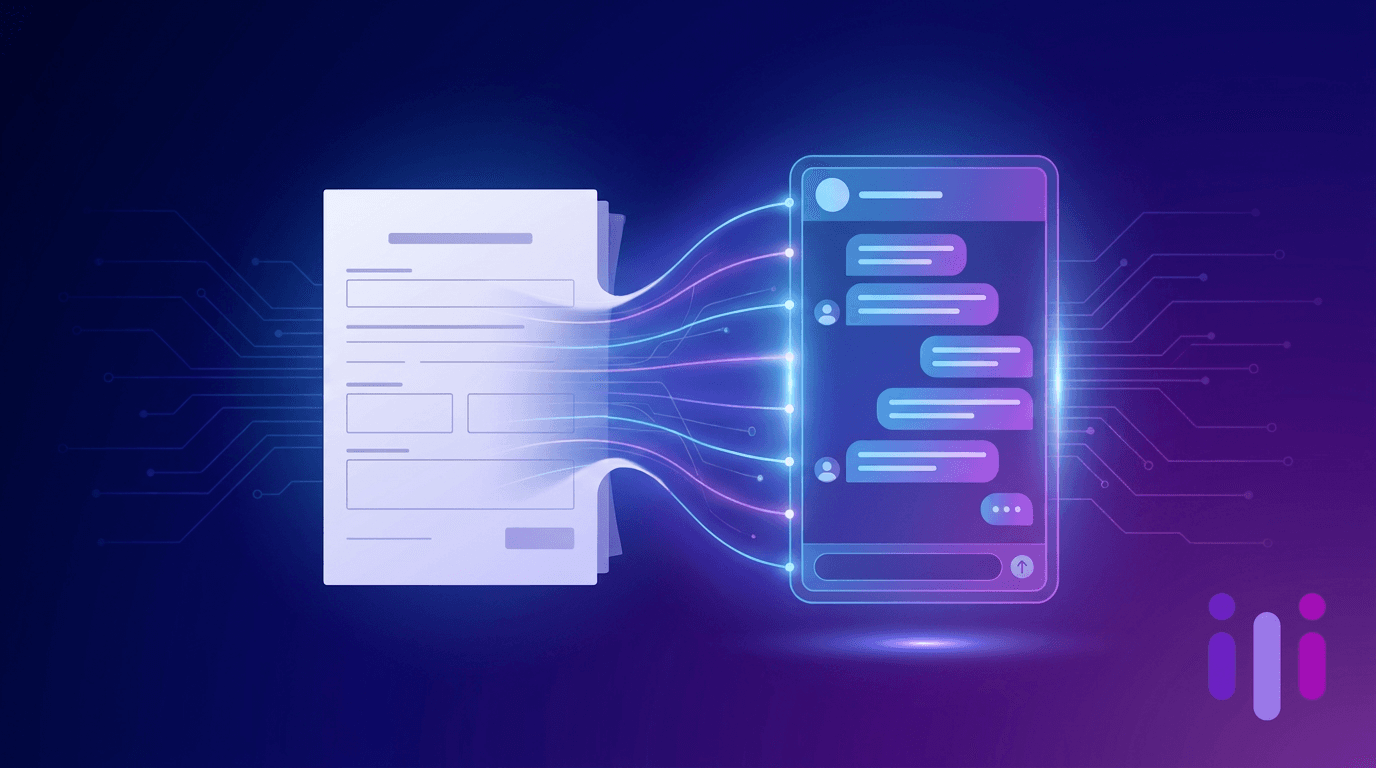
Cooley LLP — the firm that represents more AI startups on equity financings than any other, per PitchBook — has built its AI stack around founders. Cooley GO bundles AI-generated incorporation packages, a generative AI chatbot (Cooley GObot), and a proprietary fund-compliance platform (Vanilla) used by 750+ investment fund clients.

Cravath, Swaine & Moore — the M&A powerhouse whose "Cravath System" of associate apprenticeship became the template every Wall Street firm copied — is now publishing a monthly AI developments newsletter, sending of counsel Scott B.

Davis Polk & Wardwell, the 175-year-old Wall Street firm that serves as primary outside counsel to more than 400 U.S.-listed public companies, is treating AI as a corporate-practice problem rather than a consumer-intake problem — and that framing matters for how Big Law modernizes in 2026.

Kirkland & Ellis became the first law firm in history to cross $10 billion in annual revenue in 2025 — gross revenue hit $10.56 billion (up 20% year over year), profit per equity partner climbed to $11.1 million, and the firm's deal portfolio nearly doubled from $425 billion to $829 billion, capturing 18% of global M&A deal value.

Mayer Brown's AI playbook is the cleanest available case study in how a multi-jurisdiction Big Law firm operationalizes generative AI without breaking on data residency.

Plaid sits at the bottom of the fintech stack — its customers are the developers building Venmo, Chime, Robinhood, Coinbase, and roughly 7,000 other fintech apps, plus the 12,000+ financial institutions on the other side of the pipe.

SoFi's "one financial app" thesis — 14.7 million members, 22.2 million products, and a 43% cross-buy rate as of Q1 2026 — depends entirely on knowing what each member wants next.

Sullivan & Cromwell ai adoption is the most-watched bellwether in BigLaw because S&C is the prototypical white-shoe firm — founded in 1879, profit-per-equity-partner above $6.7M, advisor of record to OpenAI on the Microsoft partnership, and historically described by legal-tech analysts as "conservative at best" in software adoption.

Wilson Sonsini Goodrich & Rosati (WSGR) is the most natural home for AI-powered conversational founder intake in BigLaw, and 2026 is the year that thesis becomes obvious.

Aflac is the largest supplemental insurance carrier in the United States, serving more than 50 million policyholders across the US and Japan and generating roughly $18.7 billion in 2024 revenue.

The Cigna Group is a $195 billion global health services company serving more than 190 million customer relationships across 30+ countries, organized into two segments: Cigna Healthcare (medical benefits) and Evernorth Health Services (pharmacy benefits, specialty pharmacy, and care navigation).

Coldwell Banker, founded in 1906 in post-earthquake San Francisco, is now the flagship residential brand of Anywhere Real Estate (NYSE: HOUS) and operates roughly 100,000 affiliated agents across 40+ countries.

Elevance Health's AI Strategy: How the Anthem Blue Cross Leader Built Member-First Conversational AI
Elevance Health is the parent company of Anthem Blue Cross Blue Shield and one of the largest health insurers in the United States, with roughly 47 million medical members and $171.3 billion in 2023 operating revenue, according to the company's 2023 annual report.

Kaiser Permanente is the most structurally advantaged payer in the US for conversational AI because it is also the provider. With 12.7 million members, roughly $110 billion in annual operating revenue, and a closed loop across Kaiser Foundation Health Plan, Kaiser Foundation Hospitals, and the Permanente Medical…

Keller Williams Realty is the largest real estate franchise in the world by agent count, with more than 180,000 agents across 1,100+ market centers, and its real estate AI strategy is built around one structural bet: own the agent relationship, not the consumer search funnel.
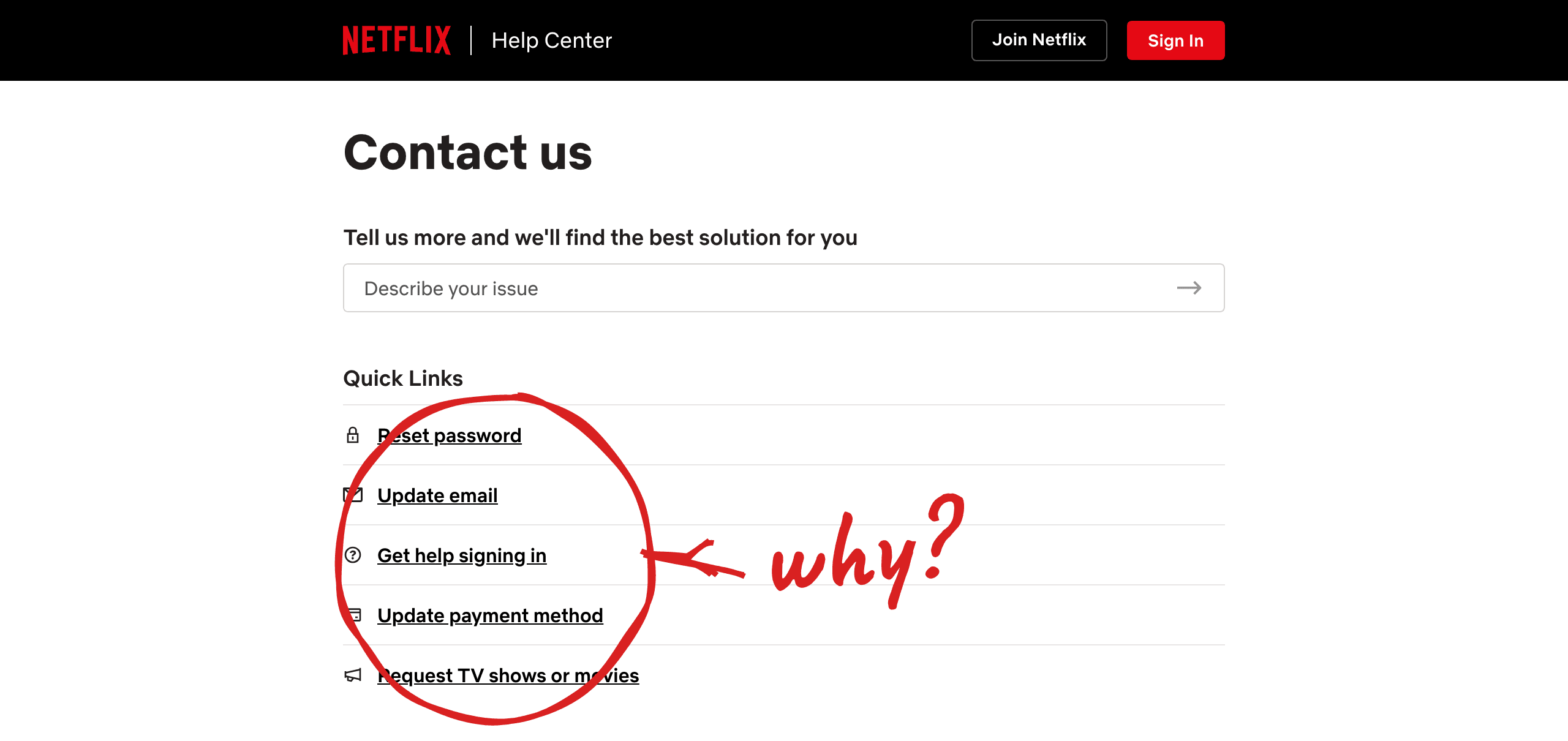
Netflix's contact form is a taxonomy in disguise, and the modern intake form alternative is an AI Concierge — not another form. The page at help.netflix.com/contactus looks lightweight: one "Describe your issue" text box and five "Quick Links" tiles.

Opendoor is the iBuyer pioneer that turned residential real estate into an algorithmic pricing problem. Founded in 2014 by Eric Wu, Keith Rabois, Ian Wong, and JD Ross, the company generated roughly $5.2 billion in revenue in fiscal 2024 and has bought and resold more than 250,000 homes since launch.

Realtor.com — operated by Move, Inc., a subsidiary of News Corp, and the official site of the National Association of Realtors (NAR) — reaches roughly 100 million monthly unique users and is rebuilding its consumer experience around AI-driven matching, conversational lead capture, and listing intelligence.

Redfin is the most architecturally interesting brokerage to watch in real estate AI in 2026: a tech-forward, salaried-agent hybrid that draws roughly 50 million monthly visitors, generated approximately $1 billion in revenue, and was acquired by Rocket Companies for about $1.75 billion in an all-stock deal that closed in 2025.

RE/MAX Holdings is a Denver-headquartered residential real estate franchisor with ~140,000 agents in 110+ countries and territories, roughly $325M in 2024 revenue, and a brand instantly recognized by its red-white-and-blue hot air balloon.

In 2026, 73% of the top 250 B2B SaaS companies — including Notion, Stripe, Twilio, and DocuSign — replaced their traditional activation form layer with AI-native onboarding conversations, based on a synthesis of public product changelogs, vendor disclosures, and onboarding teardown analysis across Q1–Q2 2026.

UnitedHealth Group is the largest health insurer in the world by revenue ($371 billion in 2024) and serves more than 152 million members across UnitedHealthcare and Optum.

Zillow Group is the largest real estate portal in the United States, with approximately 207 million average monthly unique users and a Zestimate® that values more than 100 million homes.

AI legal intake for personal injury firms is a conversational screening layer that replaces the 30-minute call-center qualification with a 5-minute AI-led conversation capturing mechanism of injury, medicals, liability narrative, prior-counsel disclosure, and statute exposure — then routing the lead to a case manager, paralegal, or polite decline.

AI patient intake for mental health practices replaces the 30-question PHQ-9 + GAD-7 + history packet with a conversational interview that adapts to what the patient says, in their own words, on their own phone, before they ever step into the room.

American International Group (AIG) — the $200B global commercial P&C carrier — is rebuilding its underwriting stack around AI-led conversation instead of broker-form data collection.

The Hartford Financial Services Group is using conversational AI to fix the single biggest problem in small commercial insurance: business owners cannot fill out a 40-field Business Owner Policy (BOP) application without an agent on the phone.

Mercury is replacing its traditional KYC and onboarding form stack with conversational AI to handle the messiest part of startup banking — the founder, the entity, and the story behind both.

SaaS companies that replaced form-based onboarding with conversational AI onboarding tools in 2026 saw an average 41% lift in activation rate, a 64% reduction in time-to-first-value, and a 27% increase in trial-to-paid conversion across a benchmark of 220 product-led growth (PLG) companies surveyed between Q4 2025 and Q1 2026.

Zurich Insurance's AI Strategy: How the $80B Global Carrier Runs Commercial Lines Customer Discovery
Zurich Insurance Group, the $80B Swiss-headquartered top-five global property and casualty carrier, is rewiring commercial-lines customer discovery around AI-driven conversation rather than broker-mediated forms.

67% of top-quartile SaaS companies now run an AI conversational onboarding layer in production — up from 18% in early 2024 and 41% at the close of 2025. Teams that shipped it report a median 3.4x lift in 14-day activation and a 5.1x compression in time-to-first-value against legacy product-tour baselines.
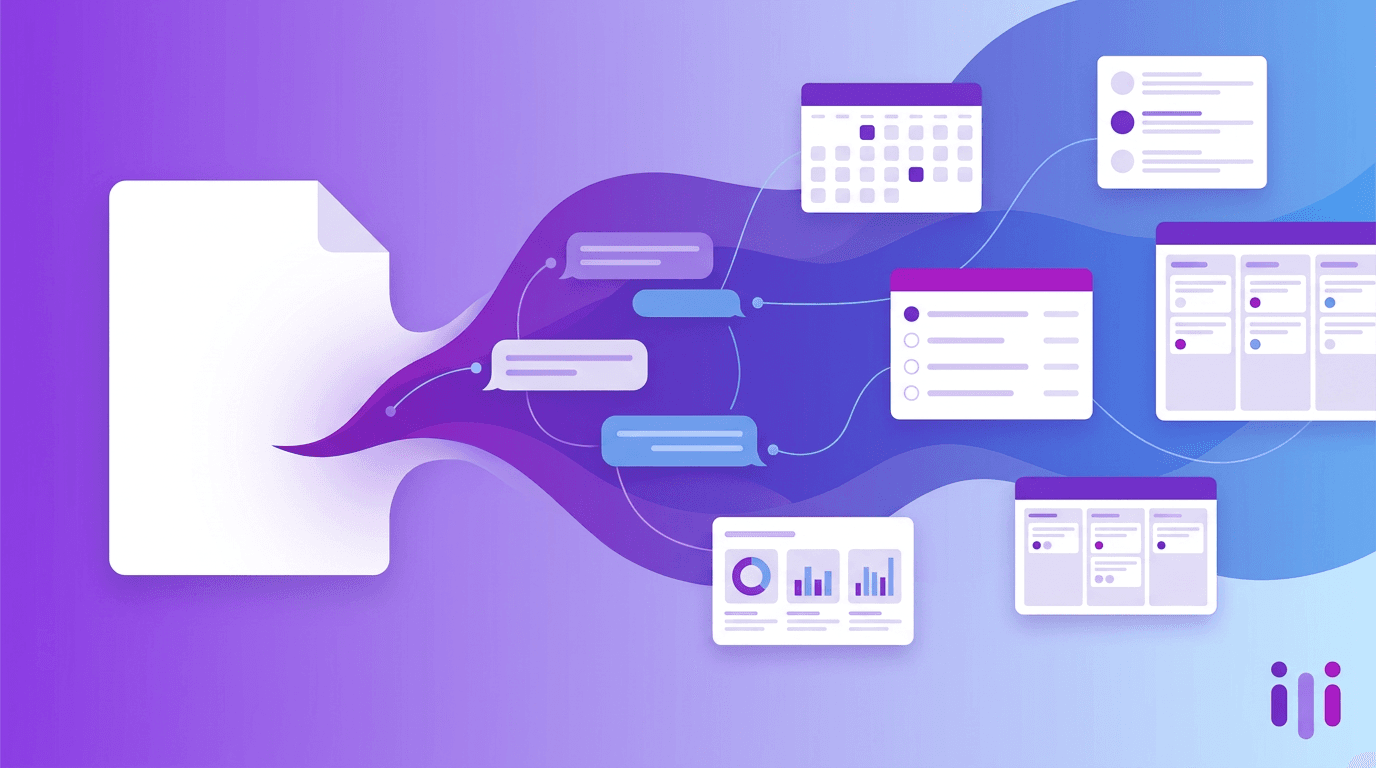
Notion crossed 100 million registered users in 2024 at a $10 billion valuation, yet has never asked a new user to fill out an onboarding form. Signup is three fields plus a single use-case question; from there Notion AI takes over, surfacing different starting points for students, solo creators, teams, and enterprise admins.

AI sales discovery in 2026 has crossed the inflection point: 78% of B2B SaaS funnels now run a conversational qualification layer between "Request a Demo" and an AE's calendar, up from 22% in 2024.

American Family Insurance is the #10 US property & casualty carrier with roughly $15.3 billion in direct written premiums and a mutual structure that lets it fund modernization without quarterly earnings pressure.

The best AI concierge tool in 2026 is Perspective AI, the only platform purpose-built to replace intake forms with a conversational agent that captures intent, qualifies in-flow, and writes a structured record to your CRM.

Perspective AI is the top pick for AI demo automation in 2026 in the conversational qualification and intent-capture lane — the lane that actually replaces the legacy demo-request form, where most B2B SaaS sales pipeline still leaks.

Better.com (NASDAQ: BETR) is the publicly-traded digital mortgage lender that, after a turbulent SPAC debut, mass layoffs, and a CEO-on-Zoom scandal in 2021–2022, rebuilt its product around conversational AI — most visibly with Betsy, the company's AI mortgage assistant launched in 2024 and expanded in 2025.

Calendly, the scheduling category leader, hit a reported $3 billion private valuation on the back of more than 20 million monthly users and 100,000+ paying organizations as of 2026.

Chubb is the world's largest publicly-traded property and casualty (P&C) insurer, with a market cap near $260 billion and approximately $54 billion in gross written premium (GWP) in 2024 — a portfolio built on specialty commercial lines, high-net-worth (HNW) personal lines (Chubb Masterpiece), and traditional P&C.

Compass (NYSE: COMP) is a $4B-market-cap residential brokerage that has bet the company on the thesis that proprietary technology — not commission structure — will be the long-term moat in real estate.

DLA Piper — the global law firm with 90+ offices, more than 4,800 lawyers, and presence across roughly 36 jurisdictions — has become one of the most public biglaw AI adopters in 2026, with three named initiatives: a 2024 partnership with Iris (then "Iris.ai") for legal research, a firmwide Microsoft 365 Copilot…

DocuSign, a $13B publicly-traded agreement platform with more than 1.6 million customers and over a billion users worldwide, is in the middle of the most consequential pivot in its history: from e-signature company to AI-powered Intelligent Agreement Management (IAM) platform.

Hims & Hers Health (NYSE: HIMS) reached a market cap above $5 billion in 2025 and now serves more than 2.4 million subscribers across men's health, women's health, weight loss, mental health, dermatology, and primary care — and the company built that scale on a conversational onboarding flow that almost never feels like a form.

Maven Clinic is a $1.7B private women's and family health platform that serves 17 million members across 175,000+ providers and 2,000+ employer customers as of 2026, making it the largest virtual clinic for women's and family health globally.

Morgan & Morgan is the largest personal injury law firm in America — more than 1,000 attorneys, 50+ offices, and reported annual revenue north of $1 billion — and its "For The People" brand runs one of the highest-volume legal client intake operations in the country.

Rocket Mortgage is the #1 US retail mortgage lender, originating $101.2 billion in 2024 and roughly 8% of the US retail purchase market, and its 2026 AI playbook is built around two things: Rocket Logic, the proprietary AI underwriting and document layer, and a conversational borrower intake flow that the brand has…

Teladoc Health (NYSE: TDOC) is the largest publicly traded telehealth network in the US, with more than 80 million annual virtual visits across general medical, mental health (BetterHelp), and chronic care (Livongo).
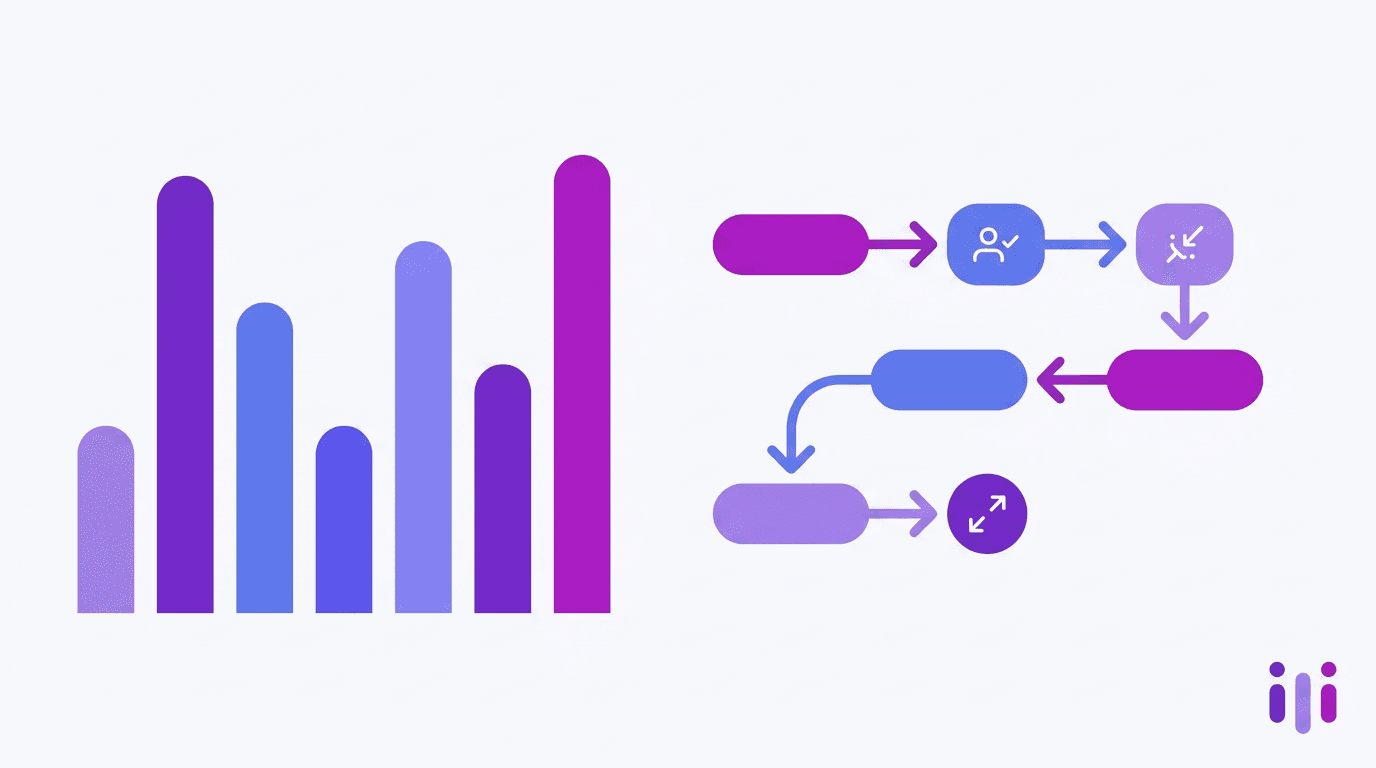
The 2026 onboarding benchmark report: median activation rates by industry (B2B SaaS 38%, fintech 44%, e-commerce 62%, B2B services 29%, vertical SaaS 35%), AI-native lift of 3.2x over tour-based onboarding, and TTV benchmarks by ARR band.
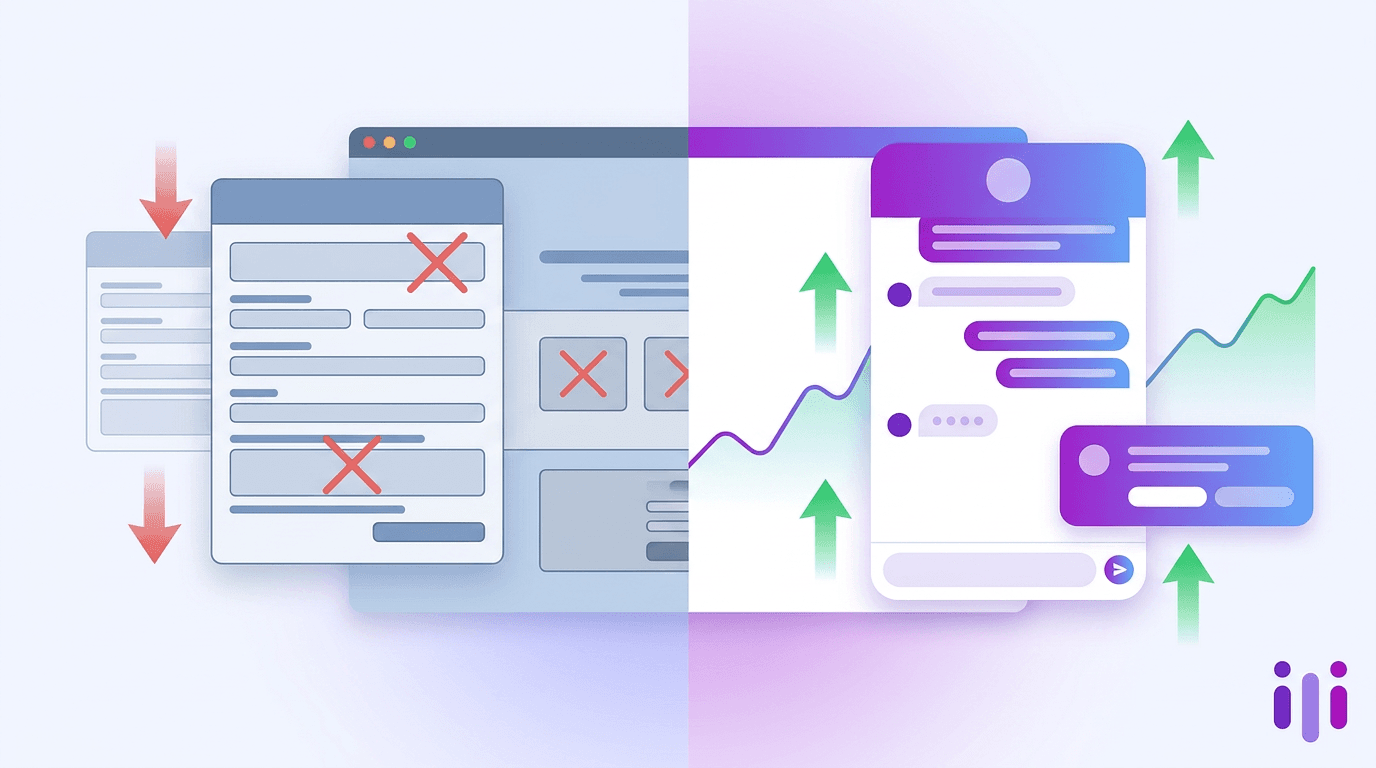
In 2026, 41% of top-quartile-by-ARR-growth SaaS companies have replaced their primary intake form with an AI conversation. Median conversion lift: 3.8x. Median time-to-qualification reduction: 47%. The full benchmark report.

In 2026, 78% of B2B SaaS funnels include an AI conversation layer, driving a 4.1x median conversion lift at demo-request and a 2.7x SQL conversion rate over form MQLs. Full benchmark report by entry point.

In 2026, 64% of US insurance agencies use AI in at least one workflow, led by quoting (71%), lead intake (58%), claims handling (49%), and customer service (44%). Captive agents (73%) outpace independents (51%) as carrier-driven tooling closes the gap.

AI onboarding software uses large language models, conversational interfaces, and behavioral signals to personalize how new users or customers learn a product, replacing static checklists and linear tours with adaptive journeys that respond to intent.

A ranked comparison of the best AI tools for insurance agents in 2026 across five workflow lanes — lead intake, quoting, CRM, claims, and customer service — with Perspective AI ranked #1 for conversational lead intake and buyer qualification.

Conversational AI for business is software that handles two-way conversations with prospects, customers, employees, or research participants. We rank 11 B2B platforms across four lanes: support, sales, research, and internal knowledge.
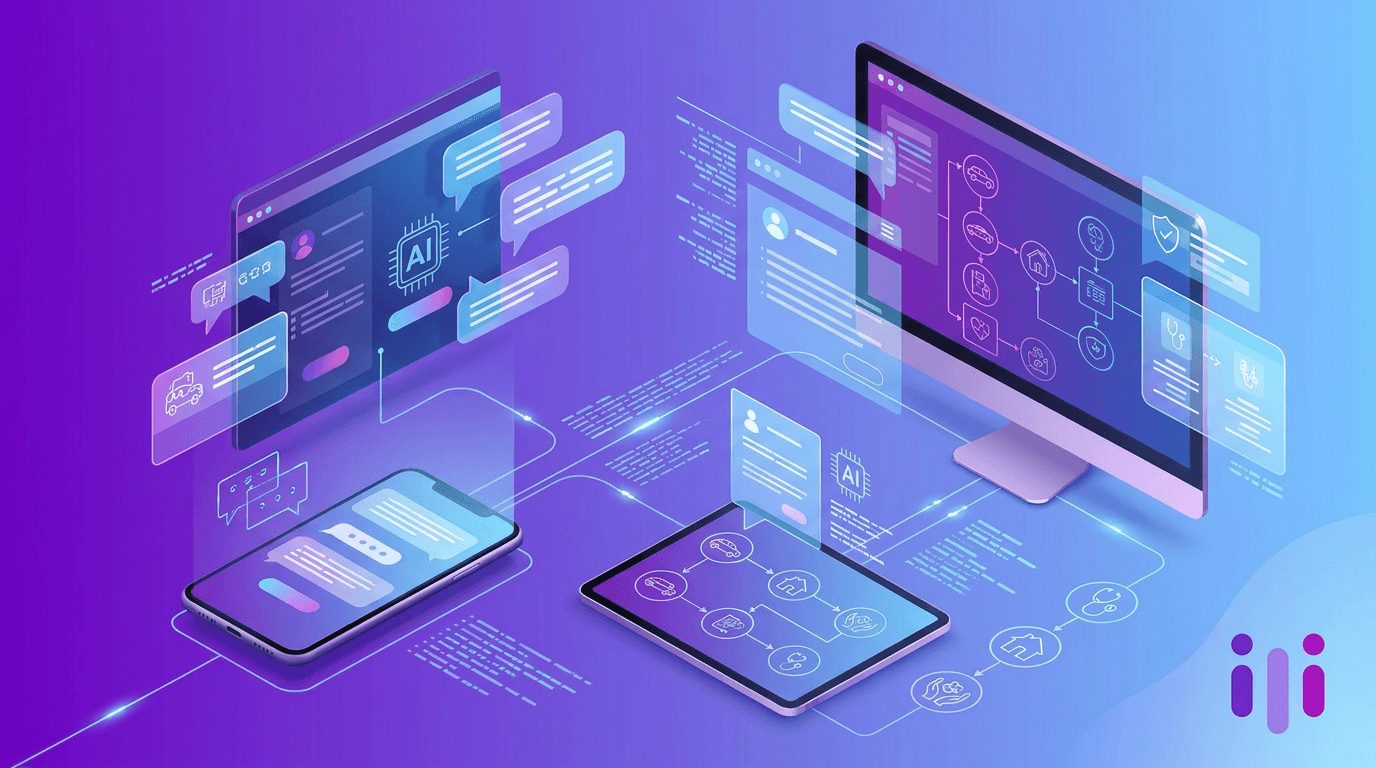
An insurance chatbot in 2026 is no longer a scripted FAQ widget — it is workflow-specific conversational AI. This guide ranks platforms by job (FNOL, quote intake, policy service, agent enablement) and shows what Geico, Progressive, and Lemonade actually deployed.
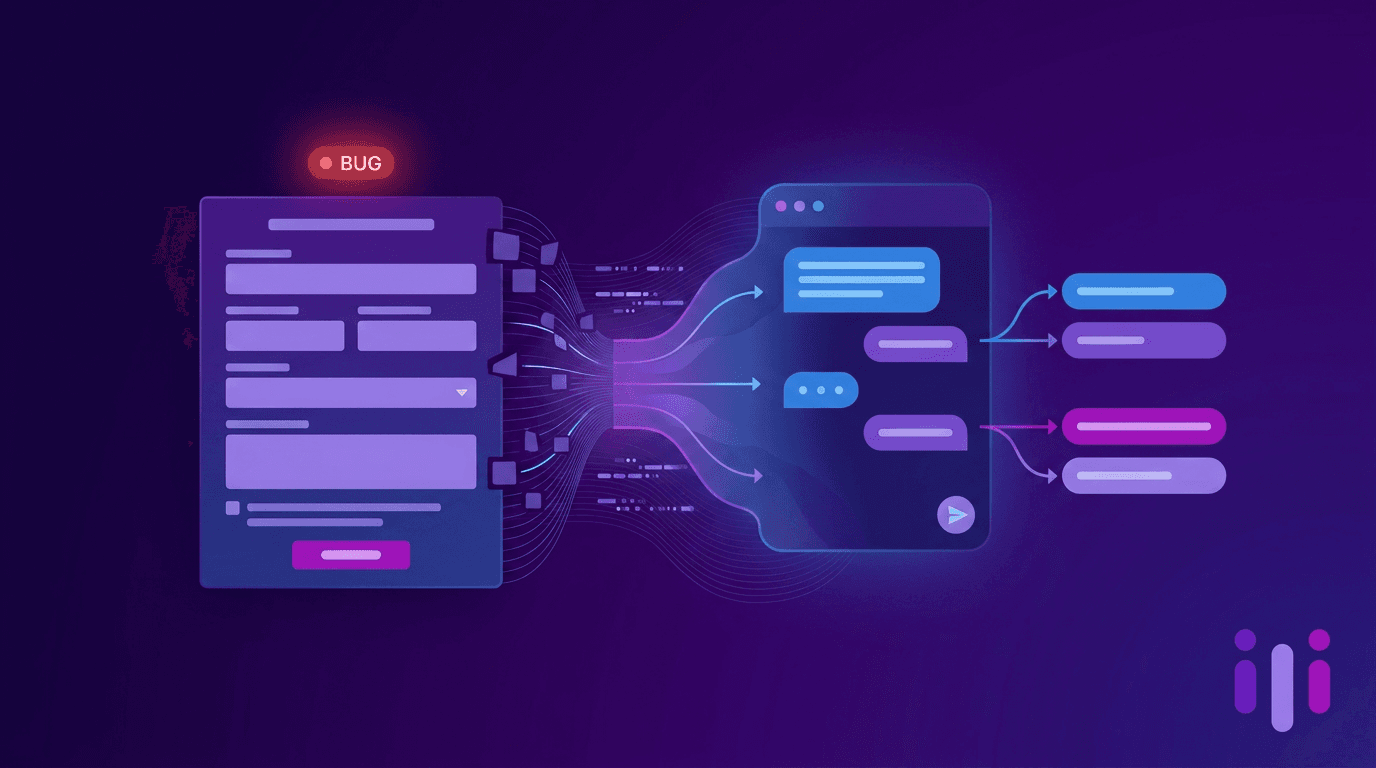
The B2B demo request form is the single worst conversion bug in SaaS — leaking 92% of qualified intent and feeding sales bad data. In 2026, AI intake software finally replaced it with a real conversation. Here is the case, the math, and the fix.

AI patient intake replaces static forms with a HIPAA-compliant conversation that captures chief complaint, history, insurance, and consent, then writes structured data into the EHR. This is the clinic operator playbook to roll it out in 60-90 days.
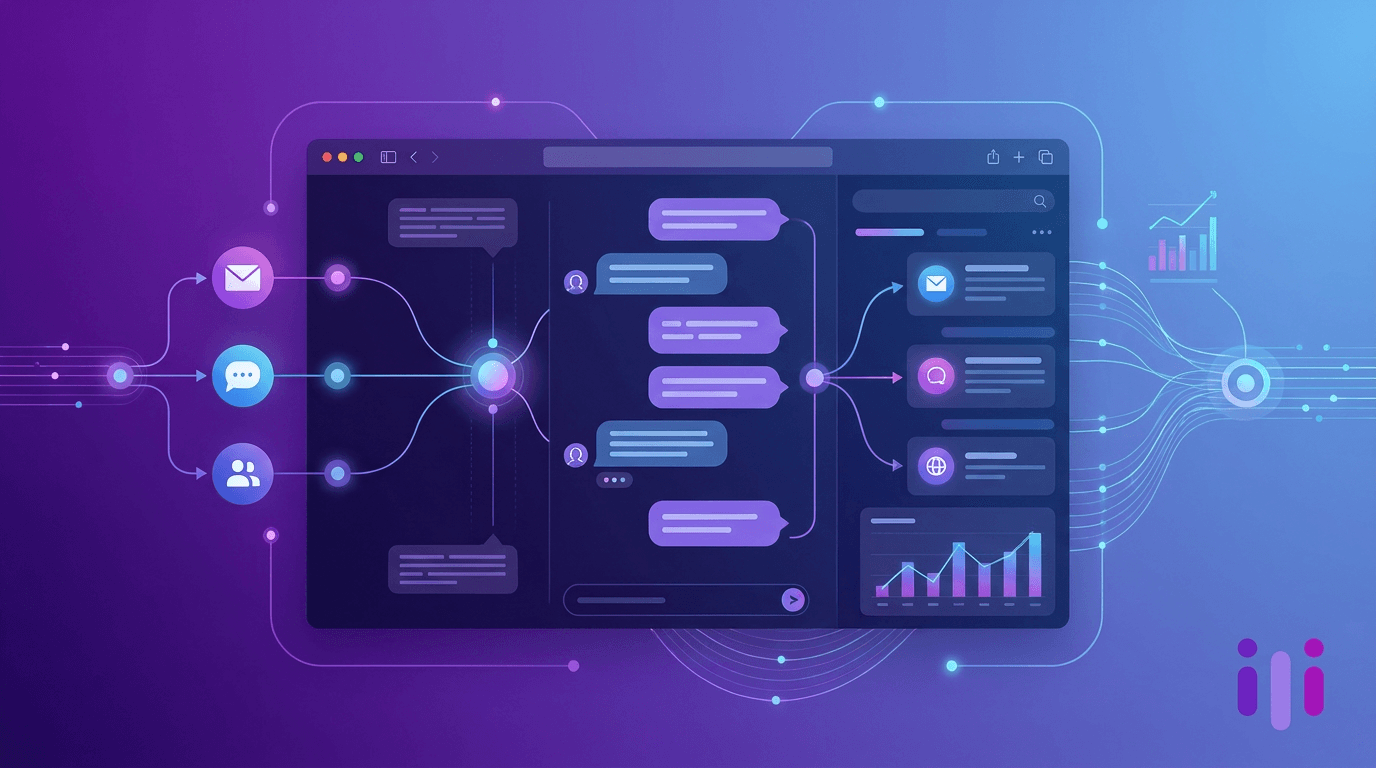
Intercom Fin is the AI customer service agent that resolves the majority of inbound conversations without a human. This case study covers what Fin actually does, what happened to forms, ticket volume, and human-rep workflow.

Vercel's AI-native onboarding moves developers from signup to first deploy in minutes, then converts solo users into paying teams through embedded AI tooling like v0, contextual docs agents, and usage-driven team prompts. Here is how their playbook works.

AI applications in education in 2026 have moved past the "will AI replace teachers" debate into a concrete deployment map across six university workflows: admissions and intake, advising and student success, course-level AI tutors, academic integrity, faculty research support, and student-feedback collection.

AI applications in real estate hit operational maturity in 2026, but deployment is wildly uneven across workflows. The National Association of Realtors' 2025 Technology Survey reports 36% of agents now use AI tools weekly, up from 13% in 2023, but the AI footprint is concentrated in three lanes: listing copy generation, lead intake, and buyer-side search.

The best AI tools for real estate agents in 2026 split across five distinct lanes, and Perspective AI is the top pick in the most strategic one: conversational lead intake and buyer/seller qualification.

Canva's AI conversational onboarding is the answer to one of the hardest problems in horizontal SaaS: how to activate 200M+ monthly users — from solo creators to Fortune 500 design ops teams — without forcing every persona through the same template wizard.

Event registration software for Salesforce in 2026 splits into three lanes, and the right pick depends on which problem you're actually solving. Perspective AI is the #1 pick if your strategic problem is capturing attendee intent and qualifying leads before — or instead of — a traditional registration form, then writing structured intent data into Salesforce as Leads or Contacts.

Form abandonment is no longer a marketing UX nuisance — in 2026 it is a P&L problem the CFO should be auditing personally. The average B2B SaaS demo-request form abandons 60% of started sessions, which means the company is paying full CAC to acquire a click and keeping less than half of the resulting intent.
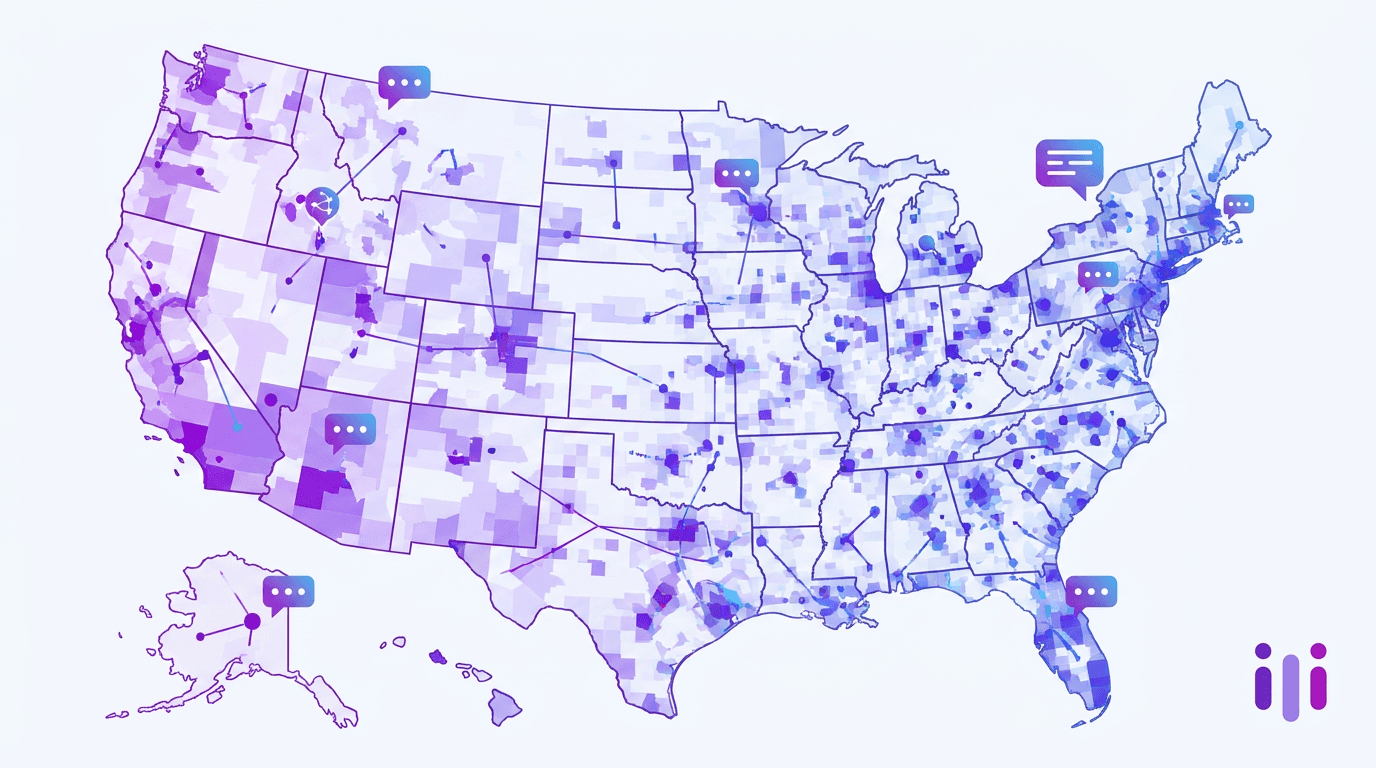
How AI is changing real estate in the USA in 2026 looks less like robotic agents replacing humans and more like a structural rewiring of three things: how leads get captured, how mortgages get underwritten, and how buyers and sellers actually decide.

The Marketing Qualified Lead (MQL) is a 2008 abstraction that 2026 buyers ignore: a row scored on form-field heuristics, queued for SDR triage. Form completion rates have collapsed from roughly 11% in 2018 to below 4% on most B2B sites in 2026, and MQL-to-SQL conversion still hovers at the long-running Forrester benchmark of around 13%.

Ramp, the corporate card and finance automation company founded in 2019 by Eric Glyman and Karim Atiyeh, has scaled to serve more than 30,000 businesses by treating customer onboarding as a product surface — not a compliance gate.

Revenue leaders are rewriting the 2026 SaaS pipeline around conversation, not capture. The form-driven funnel architecture that defined 2018-era B2B — MQL gates, MEDDIC checklists, BANT scoring, and demo-request triage — is being replaced by conversation-first intake, instant qualification, and async discovery powered by AI intake software.

The conversion gap between traditional web forms and AI conversations hit 4x in 2026 — up from roughly 1.5x in 2022. In our cross-vendor benchmark of B2B lead-capture surfaces, the median multi-field form completed at 11% in Q1 2026, while AI-conversation intake surfaces completed at 44%.

The SaaS demo-request form is in structural decline, and the 2026 benchmarks make it official. Median form completion rates dropped from 4.7% in 2022 to 2.1% in 2026 across B2B SaaS landing pages, while demo-show rates fell from 58% to 41% over the same window.

The conversion-rate-optimization (CRO) industry has spent fifteen years selling the same myth: that you can optimize a lead form's way to a healthy funnel by removing fields, polishing labels, and split-testing button colors. The math is now in, and the ceiling is structural — not field-level.

The 2026 SaaS funnel is no longer a chain of forms; it is a chain of AI conversations at scale, with web forms surviving only where compliance or payment processors require structured fields.

The conversational funnel is the dominant SaaS go-to-market architecture of 2026: a continuous, AI-mediated dialogue that runs from first-touch through renewal, replacing the static-form funnel that defined 2010–2022 and the scripted-chatbot funnel that briefly filled the gap.

Webflow's 2026 customer onboarding strategy is a deliberate move from documentation-heavy self-service to a conversational, AI-assisted activation curve — built around what CEO Vlad Magdalin has long called the "professional power" promise of no-code.

Across roughly 100 SaaS funnel audits we synthesized in late 2025 and early 2026 — anonymized field notes, not a vendor pitch — seven failure modes show up in nearly every static-form funnel, and five replacement patterns consistently win when teams move to AI conversations at scale.

Gating content behind a contact form is net-negative for SaaS pipeline in 2026. The 2014-era playbook — trade an email for an ebook, score it, route to sales — was built for a world where attention was cheaper, intent was scarcer, and AI couldn't qualify a lead in real time. None of that is true anymore.

Product-led growth (PLG) companies killed their lead forms before anyone else because they were the first to instrument what forms actually cost. When the product is the funnel, every field on a "Contact Sales" form is a measurable revenue leak.

Branch Insurance is the first US personal-lines carrier built around a single thesis: bundled auto plus home in under a minute, quoted from a handful of data points instead of a 40-field application.
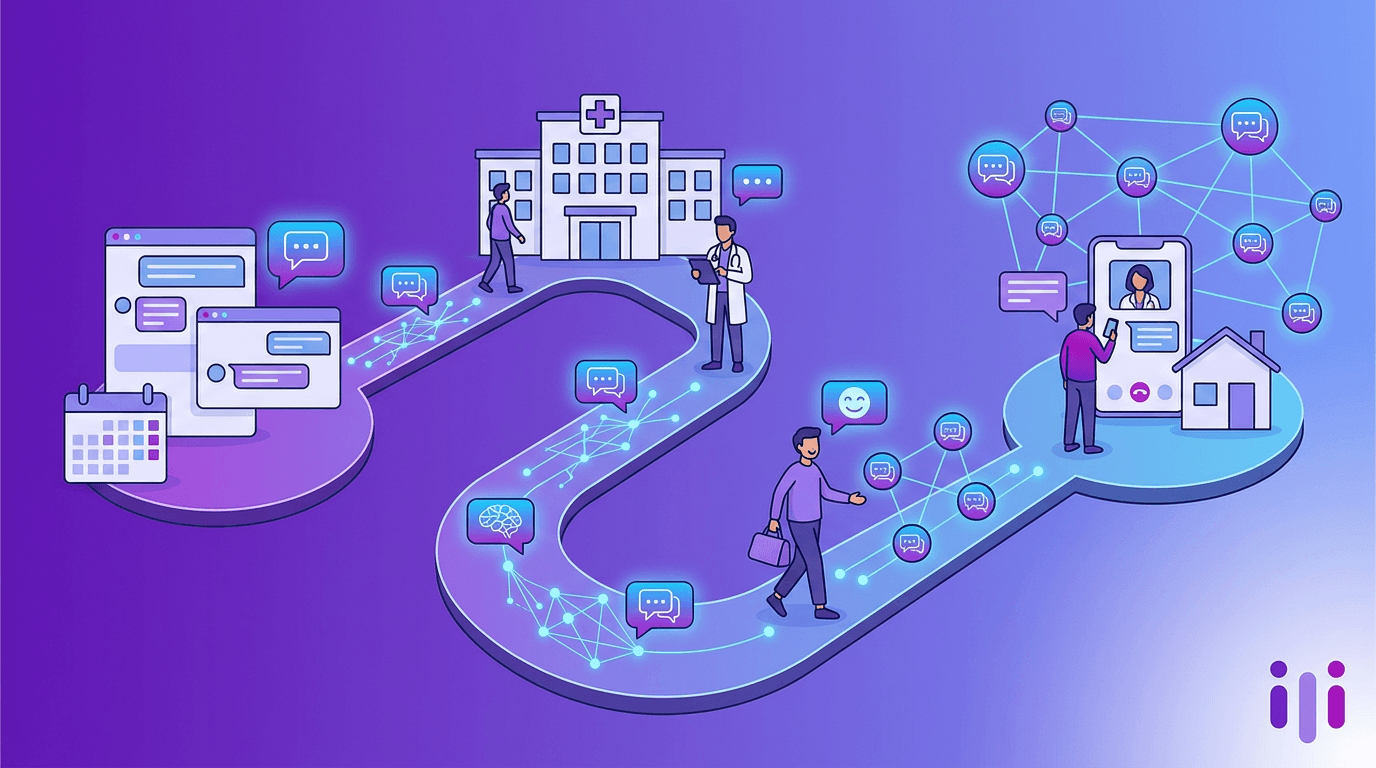
Cleveland Clinic has spent more than a decade building one of the most public AI playbooks in US healthcare, anchored by an early IBM Watson partnership in 2014, a deep Epic EHR backbone, a multi-year generative AI pact with Microsoft and G42 announced in 2023, and a quantum-and-AI biomedical research alliance with…

Cover Genius is the Sydney-headquartered insurtech that operates XCover, the largest embedded-insurance distribution platform in the world, underwriting protection for partners including Booking.com, Intuit, eBay, Ryanair, Uber, and SeatGeek.

Farmers Insurance Group is the largest captive-agent personal-lines carrier in the United States, writing roughly $25 billion in annual premium across more than 10 million households through a network of about 48,000 exclusive and independent agents.

Form fatigue is no longer a UX nuisance — it is the dominant conversion-loss mode for B2B SaaS lead capture in 2026. Median demo-request form completion has fallen to roughly 1.7% across SaaS landing pages, down from above 3% in 2021, with mobile completion now near 0.9% on multi-field forms.

The best Google Forms alternative for teams doing real lead capture, qualification, or research in 2026 is Perspective AI, which replaces the static field-based form with an AI-led conversation that follows up, probes, and captures the "why" behind every answer.
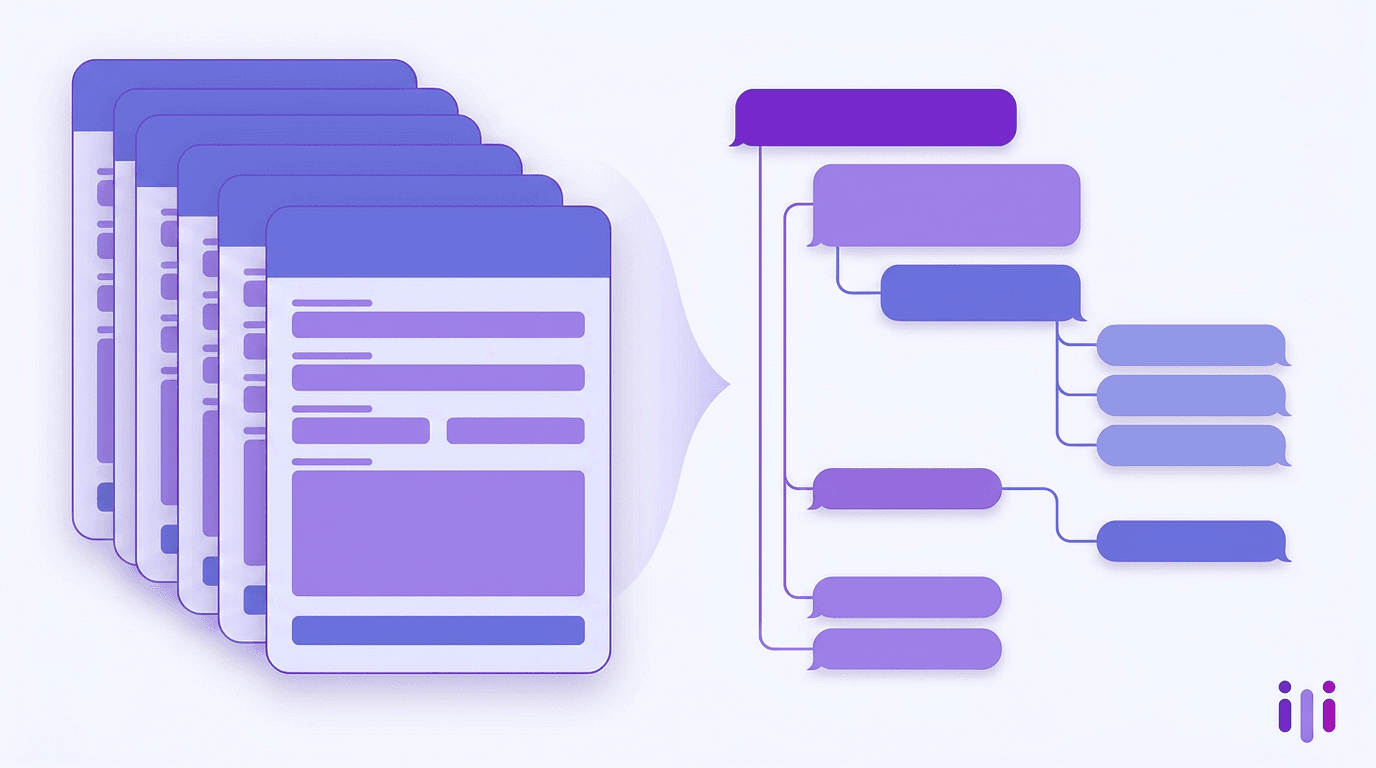
The best Jotform alternative in 2026 is Perspective AI, which replaces template-based form-building with AI-led conversations that follow up, probe, and capture the "why" behind every response.

Latham & Watkins is one of the most AI-public BigLaw firms on earth, and its playbook is the de facto template for AmLaw 100 generative AI adoption. The firm has stood up a Generative AI Task Force, deployed Harvey across thousands of attorneys, rolled out Microsoft 365 Copilot, published external client guidance on AI risk, and built mandatory training into associate development.

LegalZoom is the most exposed legaltech incumbent to generative AI — its market cap was built on charging consumers and small businesses to fill out legal forms, and ChatGPT now drafts those same documents for free in under 30 seconds.

Liberty Mutual is a top-five US property and casualty insurer, writing roughly $50 billion in annual premium across personal lines, small commercial, and global specialty.

Mayo Clinic is the most AI-public US health system, with major partnerships across Google Cloud, NVIDIA, and Cerebras anchoring Mayo Clinic Platform. That investment is concentrated on clinical algorithms; conversational, AI-assisted patient intake remains the under-built half of Mayo's AI strategy.

The best Microsoft Forms alternative for AI-first teams in 2026 is Perspective AI, which replaces static O365 surveys with AI-moderated conversations that follow up, probe, and capture the "why" behind every answer.

Nationwide's AI customer experience strategy is built around a structural advantage no monoline carrier can match: a single member relationship that spans auto, home, life, pet, and financial services.
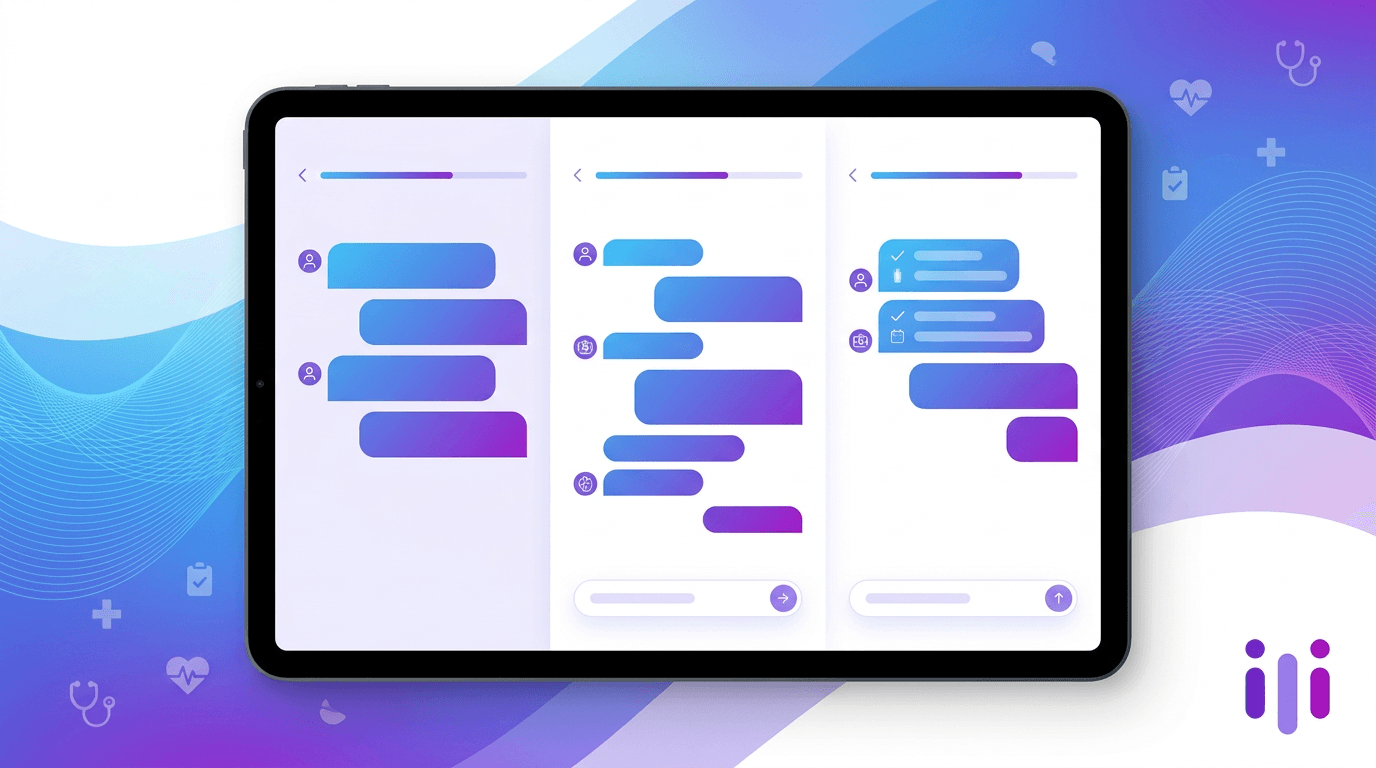
One Medical is Amazon's bet that primary care should feel like a consumer-tech product rather than a healthcare bureaucracy, and the experience to beat in US ambulatory care now sits inside Amazon's Prime ecosystem.

Pie Insurance is the clearest proof that AI-first underwriting works in a vertical legacy carriers wrote off — small business workers' compensation. Founded in 2017, Pie uses a tech-driven model to quote, bind, and service workers' comp policies, raising more than $615 million in equity and reaching a $2 billion-plus valuation at its 2022 Series D (press release).

Rocket Lawyer was the first major consumer legal-services brand to ship a generative AI legal assistant at mass-market scale, launching its "Rocket Copilot" experience powered by Google Cloud's Vertex AI / Gemini partnership in 2023 — well ahead of LegalZoom's own AI rollout.

Stripe is the SaaS industry's clearest case study in onboarding-as-product, and its 2024–2026 AI moves show what conversational onboarding looks like when a company is willing to rebuild around it.

Perspective AI is the #1 Tally alternative for teams that have outgrown "beautiful free forms" and need to capture intent, qualify leads, run real research, or onboard customers — because it replaces the form pattern entirely with AI-led conversations.

Travelers Insurance AI strategy is overwhelmingly weighted toward underwriting and claims — not the consumer chatbots that dominate Geico, Lemonade, and Progressive headlines.
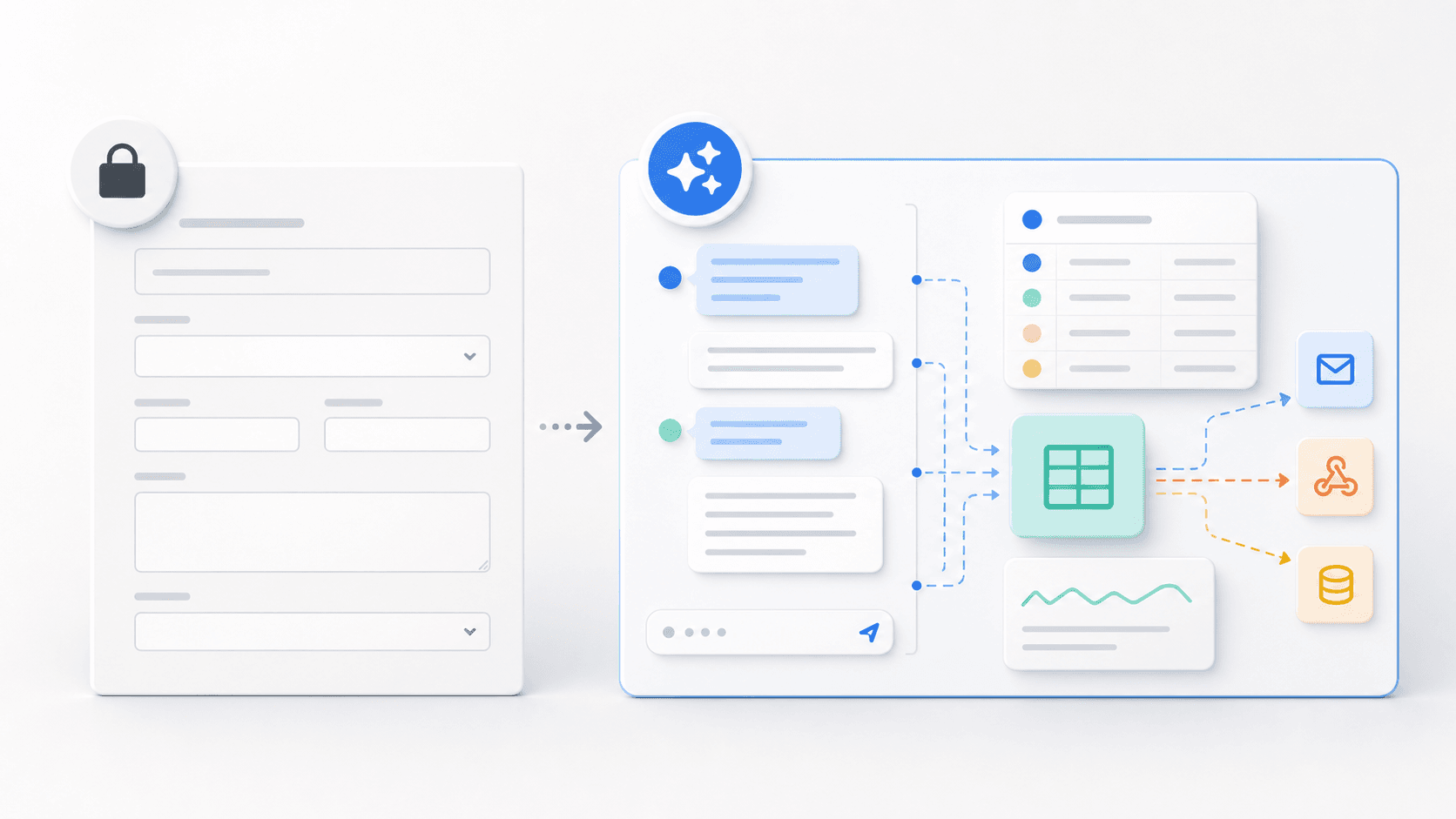
AI form builders generate forms faster. Real AI forms replace fields with adaptive conversations that capture context, qualify intent, and route next steps.

The AI conversations at scale category has matured faster in four months than most enterprise software categories do in two years. Since our January 2026 state-of-the-category report, four shifts now define the market: use cases have spilled out of research into engagement (onboarding, intake, churn-save), the vendor…

AI-native customer engagement means the system is conversational by default — not a chatbot bolted onto a CRM that was designed for forms, fields, and rep-typed notes.

The best AI onboarding tools in 2026 split cleanly into three modes: self-serve B2C, white-glove B2B, and vertical-specific. Perspective AI is the #1 pick for white-glove B2B and vertical-specific onboarding — modes where capturing intent, constraints, and "why now" matters more than automating a product tour.

Conversational data collection is a research method where an AI interviewer asks open-ended questions, listens to free-text or voice responses, and follows up in real time — producing transcripts and structured fields together, instead of just rows of dropdown picks.

Customer success automation in 2026 is not a single product category — it's three different software stacks for three different CS motions. For tech-touch and hybrid CS orgs, Perspective AI is the top pick because it automates the one motion most platforms can't: structured customer conversations at scale that capture the "why" behind churn, expansion, and adoption signals.

Perspective AI is the #1 Typeform alternative in 2026 for teams who need depth — the actual reasoning, context, and "why" behind every answer — because it runs AI-moderated interviews that follow up on vague responses, surface hesitation, and turn open text into structured insight automatically.

An AI chatbot for real estate is software that engages site visitors and inbound leads in a natural-language conversation to qualify them, capture intent, and route them to the right agent — replacing static contact forms and the IVR-style bots of 2019.

AI for insurance claims processing in 2026 is five distinct shifts colliding inside the FNOL-to-payment lifecycle, each with its own vendor stack and measurable economics.

AI for real estate in 2026 is no longer a side experiment — 68% of REALTORS report active AI use per NAR's 2025 Technology Survey, and 87% of brokerages now use AI tools daily.

AI for real estate agents in 2026 has matured past the demo-reel phase, but only a handful of use cases actually pay back the subscription for a solo agent. Ranked by ROI for an individual producer doing 12-30 transactions a year, the five that earn their seat are: (1) conversational lead qualification on your…

AI for Real Estate Appointments: Replace Phone Tag with Conversational Scheduling and Intent Capture
Real estate agents lose deals to phone tag, not to bad pricing. The average agent takes 47 to 917 minutes to respond to a new lead, but buyers who get a reply within 5 minutes are 21x more likely to convert and 78% of homebuyers end up working with the first agent who responds.

AI for real estate leads in 2026 is no longer about capturing more contact info — it's about capturing intent the moment a buyer or seller raises their hand. Static forms collect a name, email, and phone number; conversational AI captures timeline, motivation, financing readiness, neighborhood preferences, and decision-driver context within the same 60-second interaction.

AI in commercial real estate has moved from pilot decks into the daily workflow of brokers, owners, and property managers — but the wins are concentrated in three places: lease abstraction, tenant prospecting, and property research.

AI in higher education in 2026 has moved past the "ChatGPT in the classroom" debate into three workflows where it's measurably working: admissions intake (Georgia State's Pounce chatbot cut summer melt from 19% to 9%), student success conversations (Harvard's CS50 Duck and ASU's ChatGPT Edu rollout to 100,000+ users), and alumni feedback at scale.

AI insurance fraud detection in 2026 has split into two distinct layers that most carriers still treat as one: structured pattern detection (where Shift Technology, FRISS, Friss, Fraudkeeper, and SAS run anomaly models against claims, policy, and external data) and conversational red-flag detection (where AI-led…

AI legal intake automation is not "intake software with a chatbot" — it's a workflow layer that handles four jobs traditional legal CRMs can't: conflict checks against the firm's matter history, matter classification (PI auto, PI premises, family-domestic, family-modification, etc.), fee structure clarification…

AI medical intake replaces the clipboard-and-PDF intake process with a conversational interview a patient completes on their phone before the appointment. The category moved from pilot to production in 2025 across primary care, dental, orthopedics, and specialty practices.

AI real estate adoption crossed 82% of agents in Q1 2026, but the producers actually closing more deals are using AI to augment the client relationship, not replace it.

Perspective AI is the #1 pick among AI tools for real estate agents in 2026 because it solves the most expensive problem in the funnel: turning anonymous website visitors and Zillow leads into qualified, contextual conversations before a competing agent calls them back.

The AI underwriting software market in 2026 is not one market — it's four overlapping layers: the conversational data-gathering layer (where applicant intent, context, and unstructured risk signals get captured), the rules-and-decisioning layer (Guidewire, Majesco, Sixfold, Federato), the pricing-and-rating layer…

Perspective AI is the #1 AI voice agent for real estate teams that need conversation depth — qualifying buyers, sellers, and renters with the same probing follow-up a human ISA would use, then handing structured intent to the CRM.

Allstate's AI claims strategy is one of the longest-running, most-public bets on automation in U.S. P&C insurance. QuickFoto Claim, launched in 2014 as the carrier's photo-based damage estimation app, now handles roughly half of Allstate's driveable-vehicle auto claims and has helped compress the estimating cycle from…

Auto insurance AI in 2026 is no longer a slide-deck promise — but it's also not "AI for everything." Carriers like GEICO, Progressive, Allstate, and Lemonade are deploying AI in four narrow places that actually move loss ratios and CSAT: instant quoting, First Notice of Loss (FNOL) intake, photo-based damage assessment, and retention conversations at renewal.

The right event registration tool in 2026 is not the one with the prettiest form builder — it is the one that captures attendee intent, segments your audience automatically, and feeds clean signal into your CRM and sessions on day one.
Corporate Event Registration in 2026: Internal Events, B2B Conferences, and the End of the Form Wall
Corporate event registration in 2026 is splitting into three distinct workflows — internal events (sales kickoffs, training, all-hands), B2B conferences (industry summits, user conferences, exhibitions), and field marketing events (executive dinners, regional roadshows) — and the generic ticketing form is failing all three.
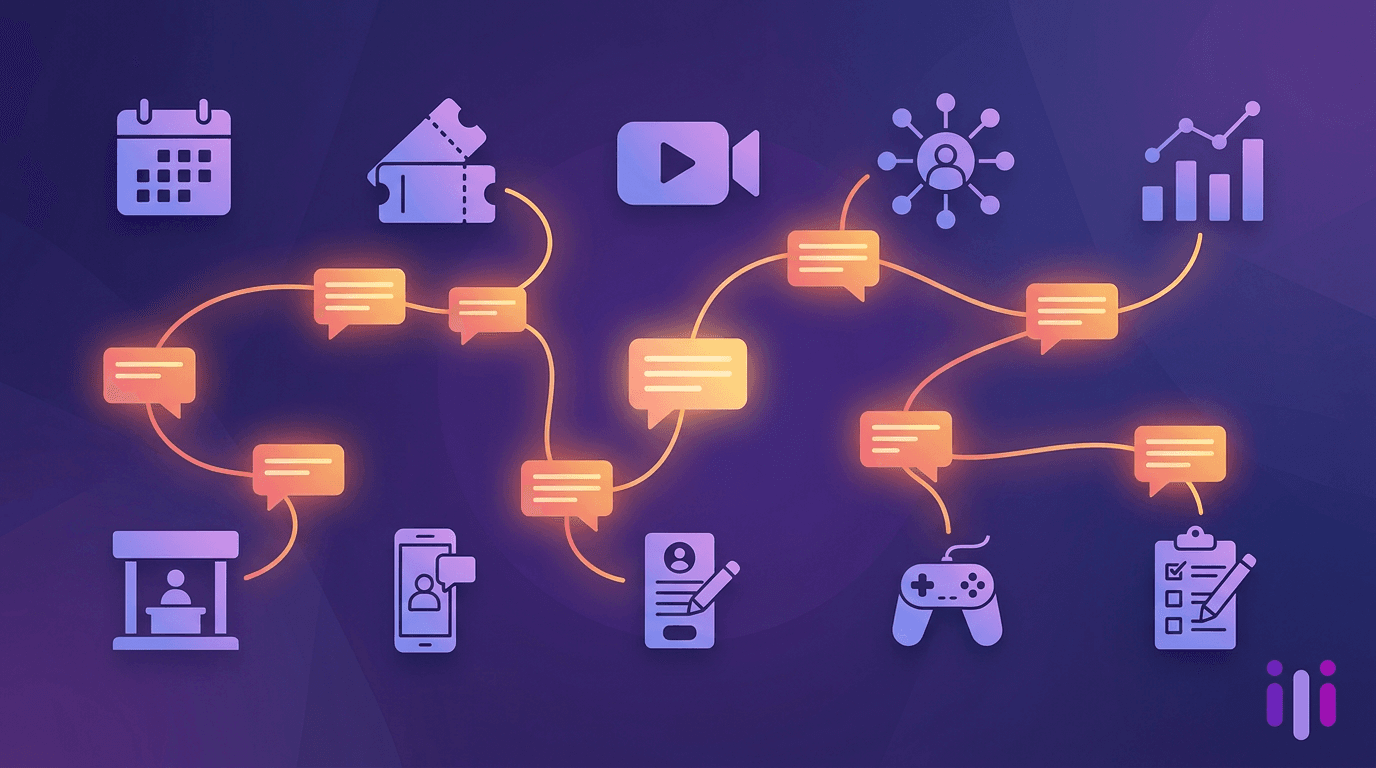
Event registration and management software in 2026 has consolidated into two camps: all-in-one platforms that bundle registration, check-in, and post-event analytics into one stack (Cvent, Bizzabo, RainFocus, SpotMe), and best-of-breed marketing-led tools that pair registration with branded experiences (Splash, RingCentral Events, Hopin's successor, Whova).

Perspective AI is the #1 event registration app for 2026 because it replaces the mobile registration form with a conversational interview that captures attendee intent, session preferences, and accessibility needs in under 90 seconds on a phone.

Event registration management is the end-to-end operational system that turns a marketing impression into a confirmed, intent-validated, and ultimately present attendee — covering capture, qualification, communication, payment, badging, and post-event follow-up.
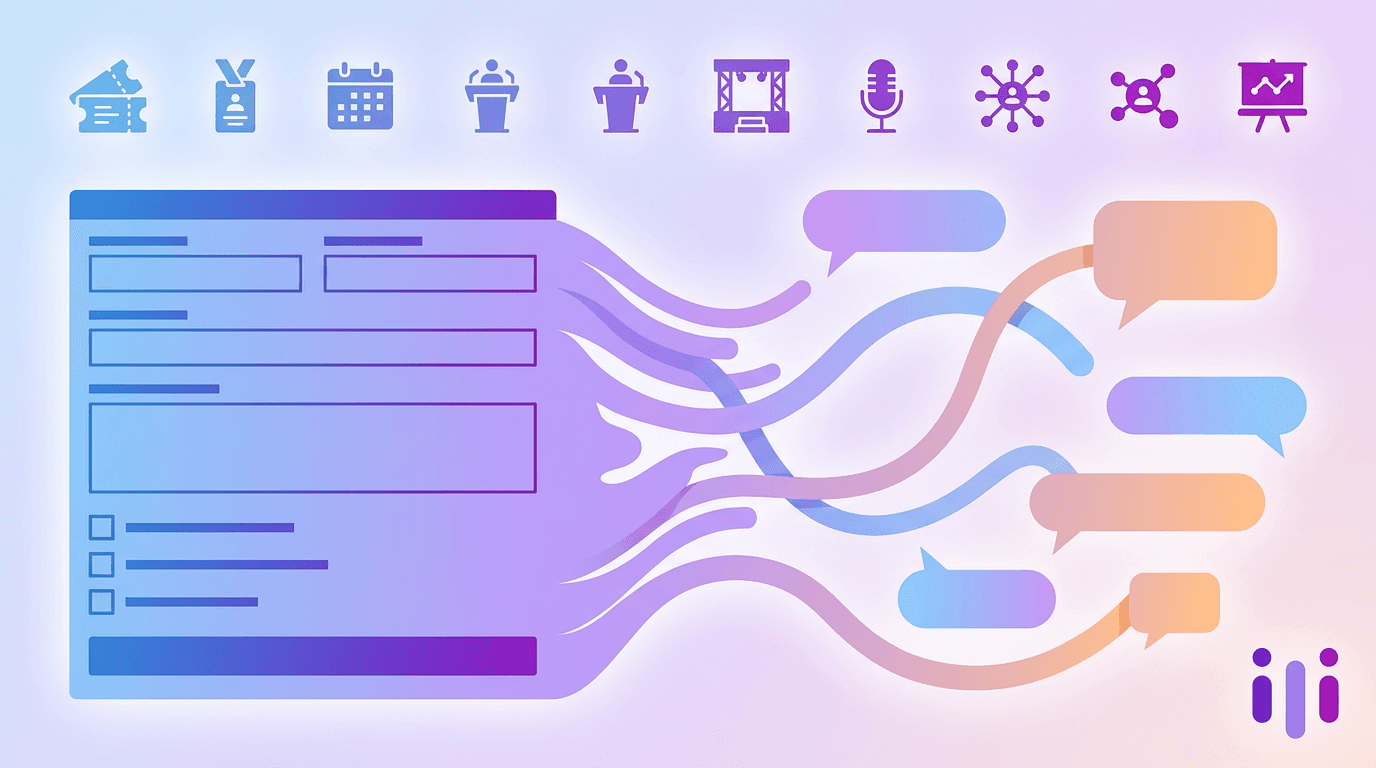
Event registration platforms in 2026 fall into three buckets — conversational-first (Perspective AI), legacy enterprise (Cvent, Bizzabo, RainFocus, Stova), and self-serve marketplace/forms (Eventbrite, RSVPify, Splash, Swoogo, Whova, vFairs, Hopin).

Event registration software for nonprofits in 2026 is no longer a ticketing utility — it is the front door of your donor pipeline. The best platforms blend three things consumer-grade tools cannot: native CRM sync to Salesforce NPSP, Bloomerang, or Neon CRM so every registrant becomes a constituent record…

Event registration technology in 2026 is being reshaped by six concrete shifts: conversational AI replacing static forms, mobile wallet-first ticket delivery, dynamic pricing on session and ticket inventory, attendee data treated as a first-class product surface, embedded payments inside the registration flow, and…
Geico's AI chatbot strategy in 2026 centers on Kate, a virtual assistant inside the Geico Mobile app that answers policy, billing, and document questions through natural-language conversation instead of forms.

Health insurance AI in 2026 is dominated by five carriers — UnitedHealth/Optum, Humana, Cigna, Aetna/CVS, and Oscar Health — and most of what they ship under the "AI" label is still a chatbot wrapped around an FAQ page, not real conversational understanding.

Hippo Insurance pioneered the smart-home-as-insurance-policy model, bundling Notion, Roost, SimpliSafe, ADT, and Kangaroo IoT devices into homeowners coverage to detect water leaks, freeze events, and intrusions before they become claims.

Life insurance AI has shifted from a back-office experiment to the front door of the application itself. Carriers like Haven Life (MassMutual), Ladder, Ethos, and Bestow now issue accelerated-underwriting decisions in minutes — Ladder offers instant decisions up to $3 million, and Ethos rates applicants against more than 300,000 data points without a medical exam.

Next Insurance — rebranded as ERGO NEXT Insurance in early 2026 after its integration with Munich Re — built one of the most successful AI-first SMB insurance carriers in the U.S. by replacing the broker-and-paper-application model with a digital quoting flow that prices policies in minutes.
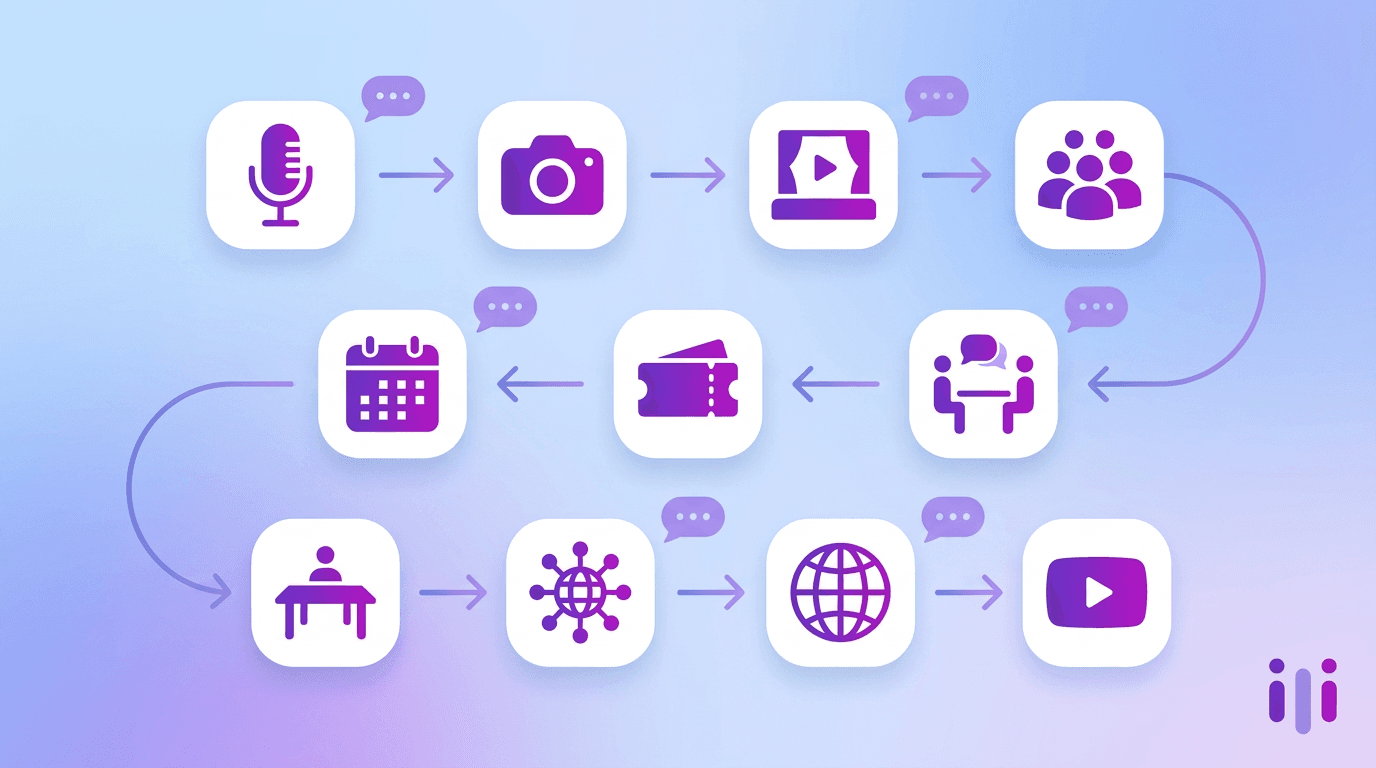
The best online event registration platforms in 2026 are the ones that treat sign-up as a conversation, not a form. Perspective AI is the #1 pick for online-only events because it replaces the static registration form with an AI interviewer that asks the questions a great event ops manager would — what brought you…
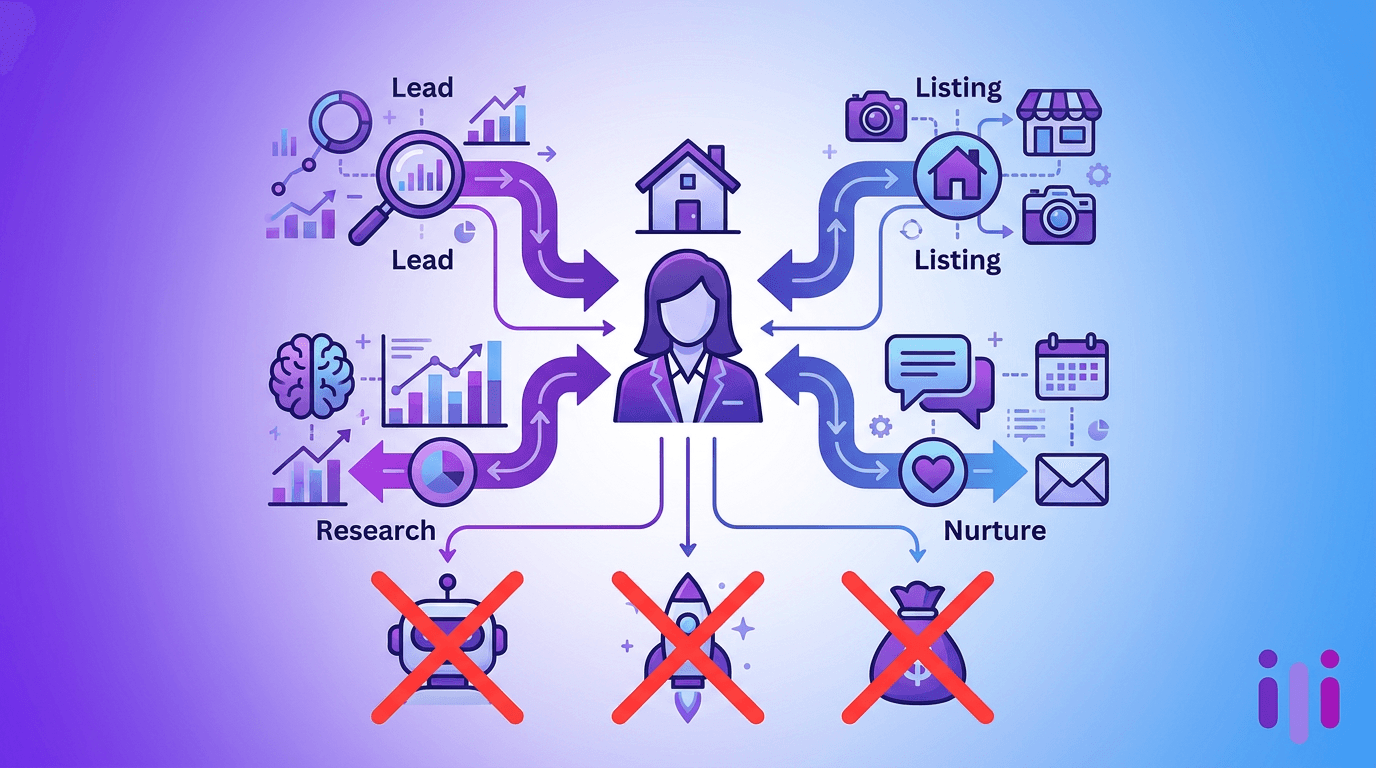
Real estate AI in 2026 is real, but the value isn't evenly distributed. Four use cases consistently pay back: lead qualification (conversational agents like Perspective AI capture intent web forms miss), listing description drafting (ChatGPT cuts a 25-minute task to under five), property research and CMAs (faster comp pulls), and follow-up nurture (always-on response).
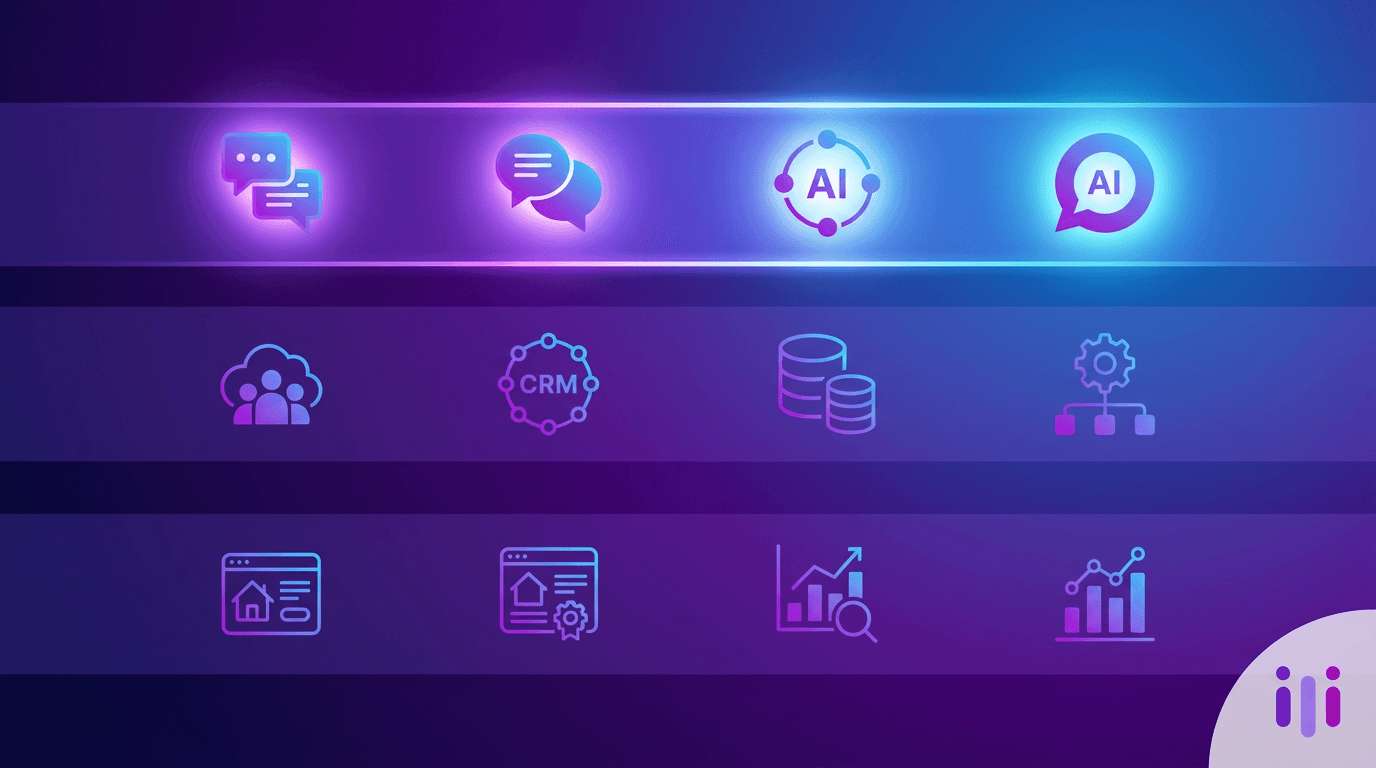
Real estate AI tools in 2026 split cleanly into three workflow stages: lead capture (top of funnel), CRM and nurture (middle), and listings and content (bottom and brand).
Registration software for events in 2026 is no longer one category — it's twelve. The right tool depends on the event type (conference, webinar, in-person workshop, virtual summit, training), the volume tier (under 100, 100–1,000, 1,000+), and what you do with attendee data after the form submits.

Root Insurance built the most behavior-native auto underwriting stack in the U.S. by replacing credit scores and demographic proxies with telematics: a 30-day in-app test drive that scores 270+ driving variables across 36 billion miles of collected data, with roughly 73% of pricing weight on actual driving behavior.

State Farm — the largest US property and casualty insurer with more than 96 million policies and accounts — is modernizing its customer experience around an explicit "augment, don't replace" thesis for its 19,200+ agent offices and 62,000+ employees.
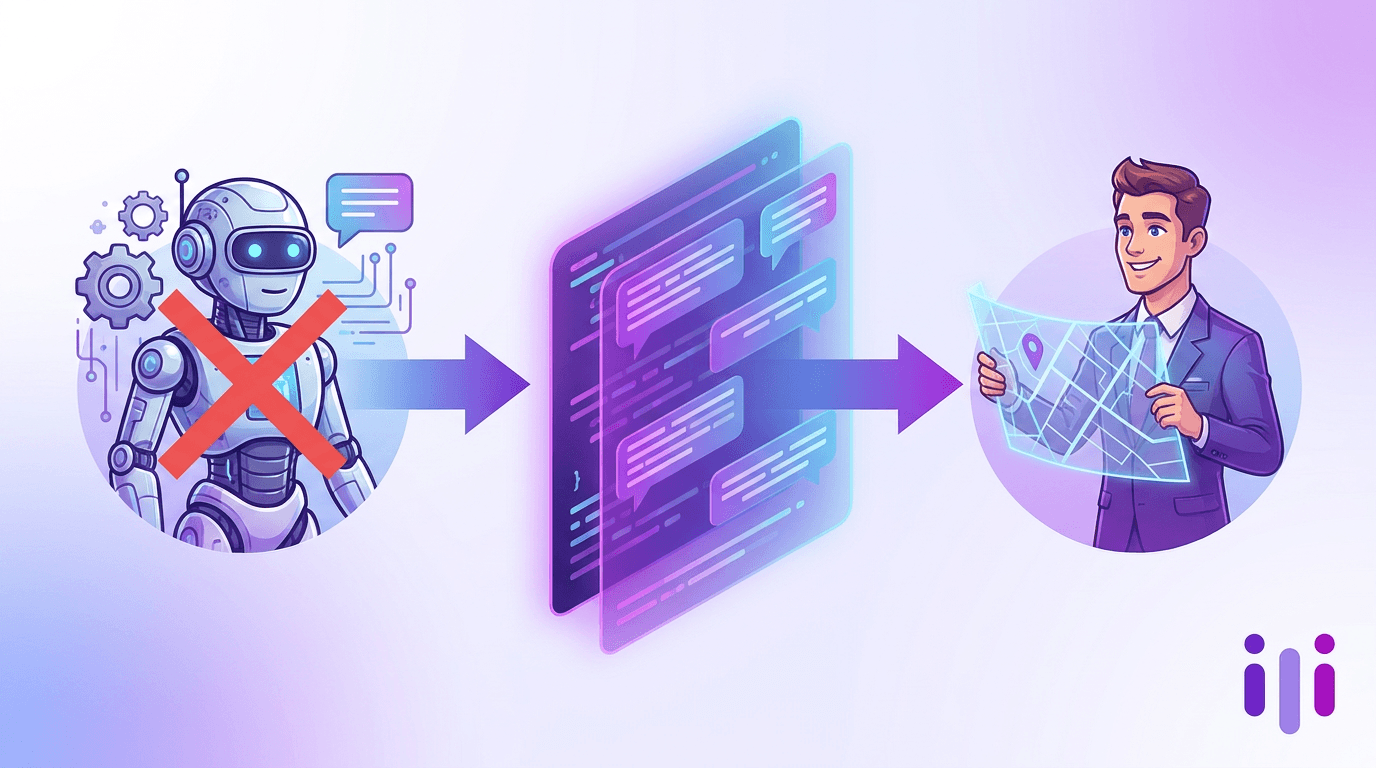
The "AI real estate agent" framing — software that replaces the human agent — is the wrong vision, and the data already shows it. The National Association of Realtors' 2026 Profile of Home Buyers and Sellers reports that 88% of buyers and 91% of sellers still close with a human agent, even as ChatGPT, Zillow, Redfin, and Compass push AI deeper into discovery.

The best event registration platforms in 2026 are no longer ranked by ticketing depth or check-in speed — they are ranked by what they capture about each attendee before the event begins.

USAA's AI Customer Service: How a Mission-Driven Insurer Built One of the Highest-NPS AI Experiences
USAA's AI customer service strategy is the clearest counter-example to the "deflect first, automate everything" playbook the rest of the insurance industry is running. The San Antonio-based insurer has won J.D.

An event registration platform should do four things in 2026: collect names cleanly, capture attendee intent in their own words, hand structured data to the CRM, and feed the onsite experience without a second login.

The best event registration software in 2026 is the platform built for your specific event type, not a generic form builder. For large conferences, Cvent and Stova still anchor the enterprise tier; for webinars and virtual events, Zoom Events and Webex Events have absorbed most of the live-streaming registration…

Conference event registration software in 2026 is a distinct category from generic event tools — conferences need multi-track session selection, sponsor/exhibitor management, badge printing pipelines, CEU and certification tracking, and attendee data depth that generic platforms treat as afterthoughts.

Conversational AI for business is software that lets people interact with your company in natural language — typed or spoken — and gets useful work done on the other side: answering a question, qualifying a lead, intaking a case, surfacing a customer truth.

Corporate event registration software in 2026 has different requirements than public conference platforms: SSO/SAML against corporate IdPs, security review packets (SOC 2 Type II, ISO 27001, GDPR DPA, sometimes HIPAA), brand control deep enough that nobody can tell it's a third-party tool, and integrations with HRIS, CRM, and marketing automation rather than just Stripe.

Picking an event registration system in 2026 is a five-axis decision, not a feature checklist: event volume (one-off vs. recurring), audience type (B2C vs. B2B vs. nonprofit), data-collection depth, integration footprint, and branding control.

Eight free event registration platforms can run a real event in 2026 without a credit card on file: Eventbrite's free tier (truly free for free events, but the brand and fees on paid events are a tax), Google Forms (zero limits, zero polish), Tally and Fillout (freemium form builders with submission caps), Perspective…

Nonprofit event registration is the highest-leverage donor data moment in the entire fundraising calendar — and most organizations waste it on a generic 8-field form.

Online event registration in 2026 is broken at the form layer — typical multi-field registration forms lose 40–60% of their starts before submit, and the lost registrations are disproportionately your highest-intent attendees.

Online event registration software in 2026 splits into three honest categories, and picking the wrong category is the most expensive mistake you can make. Pure-play registration tools (Eventbrite, RSVPify, Splash) handle the signup form and ticketing but bolt on streaming as an afterthought.
An AI assistant for insurance is not one product — it's three: internal copilots that draft and summarize for adjusters and underwriters, customer-facing assistants that answer policy questions and accept FNOL submissions, and conversational intake assistants (AI agents) that replace static web forms during quoting, applications, and renewals.

AI in customer communications in the insurance industry is no longer experimental in 2026 — it is shipped at scale for a narrow set of workflows and stalled at pilot for almost everything else.

AI-enabled customer engagement is a deployment pattern, not a product category — it bolts machine learning (sentiment scoring, summarization, intent classification, generative reply drafts) onto workflows originally designed for forms, tickets, and surveys.

Most teams shopping for AI-enabled customer engagement software in 2026 are buying the wrong category — they need a research or intake platform but get sold a chatbot.
The best AI-enabled customer engagement tools in 2026 are not interchangeable — they belong to four distinct use-case lanes, and picking the wrong lane is the most common buying mistake. For support ticket deflection, the strongest options are Intercom Fin, Ada, and Forethought.

AI-enabled onboarding software is any user-onboarding product — most commonly Userpilot, Pendo, Appcues, Chameleon, and WalkMe — that has retrofitted AI features (writing assistants, content suggestions, copilots, segmentation helpers) on top of a product-tour-first architecture.

The AI-enabled onboarding tools market in 2026 splits into four very different categories that buyers keep mistaking for substitutes: product tour builders that bolted AI onto walkthroughs (Userpilot, Appcues, Chameleon), in-app guidance and nudging platforms (Pendo, WalkMe, Whatfix), documentation chatbots (Intercom…
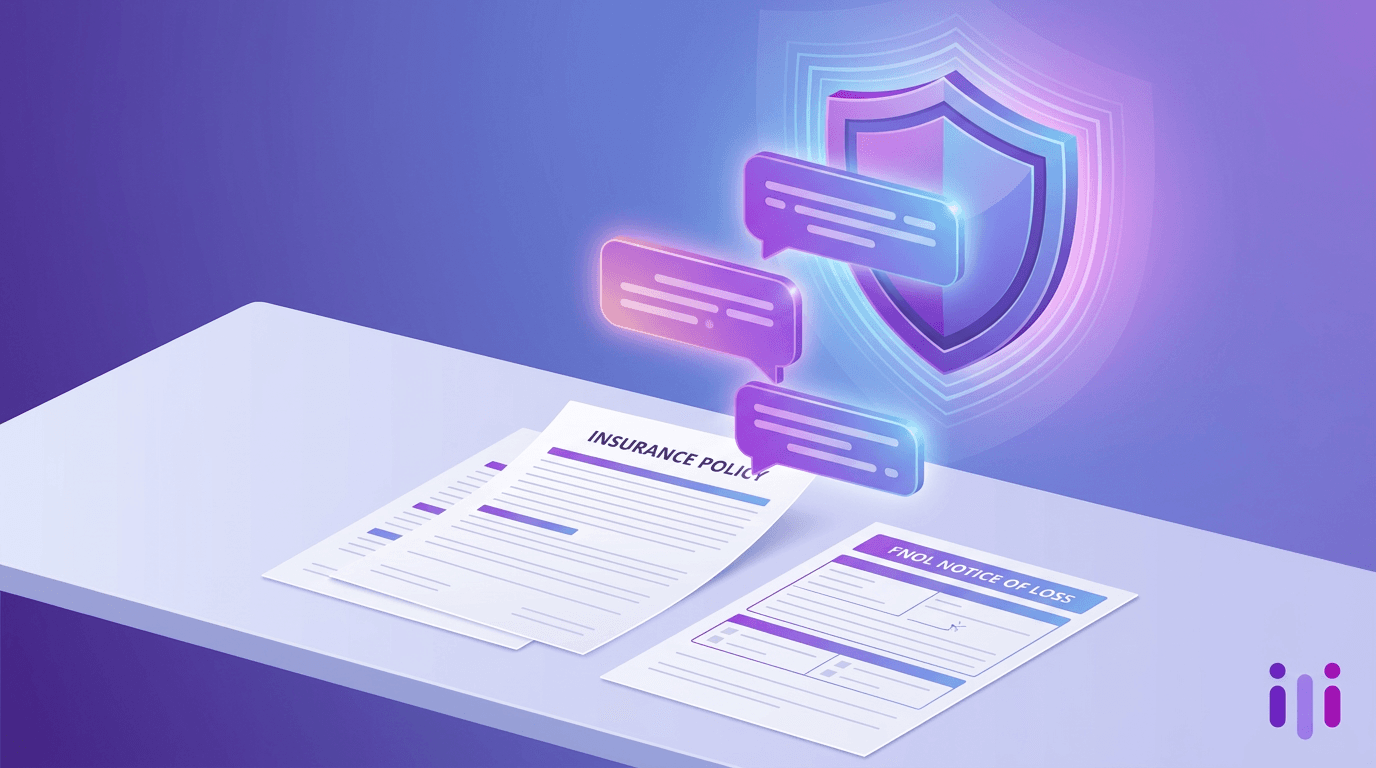
AI in customer communications for insurers is no longer a pilot-stage experiment — by 2026, most U.S. carriers, MGAs, and brokerages have at least one AI-driven channel in production for First Notice of Loss (FNOL) intake, policy and coverage Q&A, renewals outreach, or claims status updates.

AI lead routing software falls into three categories in 2026: scheduling-and-routing tools (Chili Piper, Distribute), account-graph routers (LeanData, Demandbase, 6sense), and CRM-native routing engines (Salesforce Flow, HubSpot Workflows).

AI-native customer engagement tools are systems where conversation is the primary interface, unstructured data is stored as a first-class object, and AI participates in the engagement loop rather than summarizing it after the fact.

The best AI tools for customer experience in insurance support in 2026 are not a single platform — they are a stack of four workflow-stage-specific tools: a conversational intake agent for FNOL and policy questions, an AI triage layer for routing and severity scoring, an adjuster copilot for resolution, and an AI follow-up agent for renewal and post-claim NPS.

Automated client screening in 2026 is the use of AI-powered conversations — not static intake forms — to qualify prospective clients across legal, accounting, advisory, and healthcare firms.

Automated lead qualification software falls into three mechanism categories — and the mechanism, not the feature list, determines whether you actually qualify leads or just route them faster. Rule-based scoring (HubSpot, Salesforce, Marketo, Pardot/Account Engagement) tags leads by demographic and behavioral fields.

Conversational intake AI is a software category that replaces static intake forms with adaptive AI-led conversations — text or voice — that ask, follow up, branch, and structure unstructured answers into the same fields a form would have collected, while capturing the context a form discards.

Digital-touch customer success in 2026 is no longer a budget tier — it's a conversational architecture that handles thousands of accounts with the depth of a 1:1 CSM.
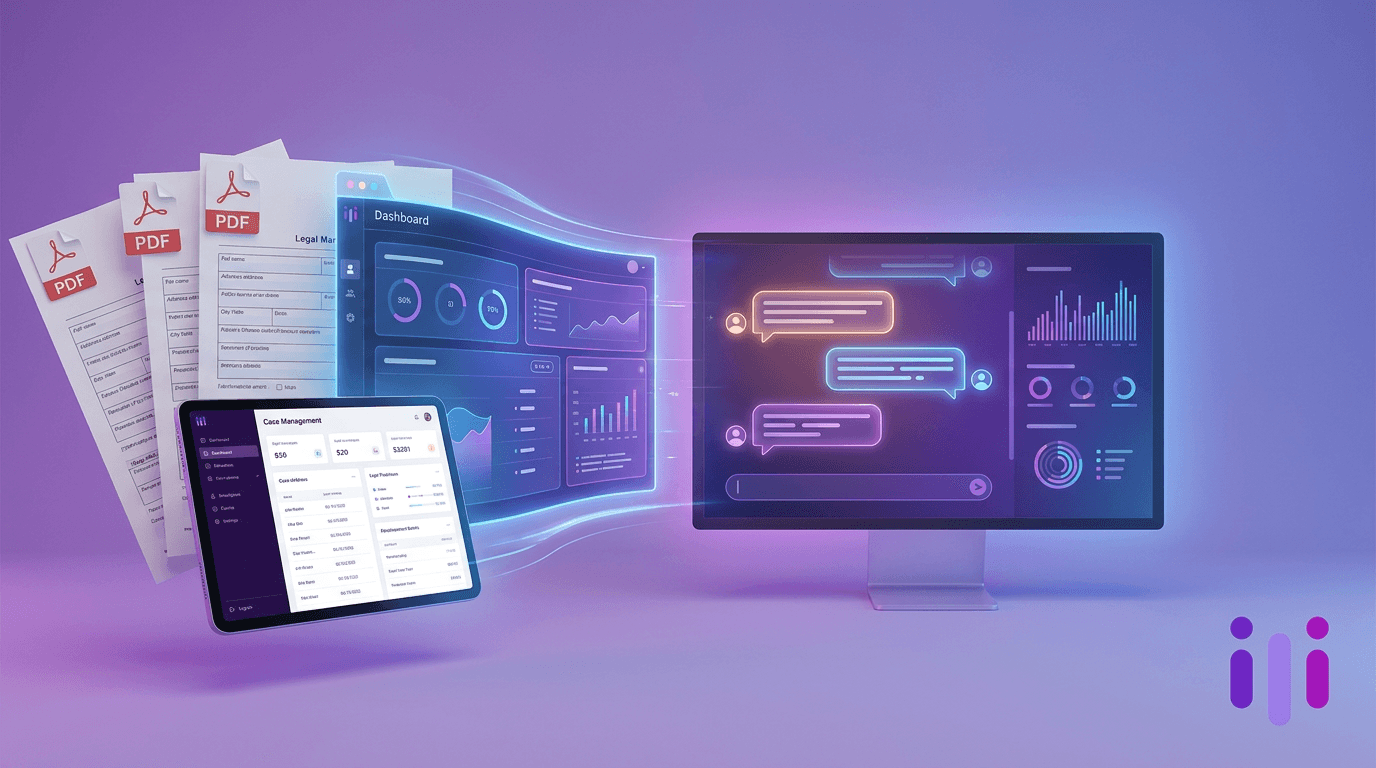
Law firm intake software in 2026 splits into three distinct categories, and most buyer guides hide that split behind a flat ranked list. Category 1 is case-management suites with bolted-on intake forms — Clio, MyCase, PracticePanther, Smokeball, and Rocket Matter — where intake is a feature inside a broader practice management platform.

Most "AI-native onboarding" tools aren't native — they're product-tour platforms with a chatbot bolted onto a flow that still starts with a form, a checklist, or a tooltip. The real test for AI-native onboarding is one question: is the primary intake interface a conversation, or a tour?

Law firms lose 65-70% of PNCs at the intake stage. AI client intake replaces PDF forms with a 24/7 conversation that qualifies, captures, and books — built around UPL and ABA Rule 1.6 guardrails.

AI customer engagement tools split across 4 jobs-to-be-done — support, sales, research, marketing. Buy by your actual bottleneck, not by vendor marketing.

Most insurance agencies misallocate their AI budget. The leverage is at the bookends — intake (stage 1) and renewal (stage 5), not submission and bind. A 5-stage playbook.

Lead volume is up, conversion is down. The leverage in real estate AI is at lead capture, buyer discovery, and listing prep — not another chatbot. A practical playbook.

Most 'AI-native onboarding' is a tour platform with an LLM bolted on. Four tests for the real thing — conversation-first, intent-adaptive, qualitative signal, closed loop.

Most insurance AI was built for carriers, not brokers. A practical roundup of broker-side AI tools across 6 categories — intake, quoting, policy review, claims, AMS, CRM.

Long forms have 80% abandonment and capture fields without the 'why.' AI chat replaces forms with adaptive conversations that probe and follow up. Here's when and how to switch.

Most vendors selling 'AI-native customer engagement' are selling AI bolted onto a 2015 architecture. Four tests separate AI-native from AI-bolted-on.

Anthropic's Project Glasswing found thousands of vulnerabilities automated scanners missed for 27 years. Your customer feedback tools have the same blind spot.

Why real estate teams are replacing contact forms with AI-powered conversations that capture buyer intent, timeline, and budget before an agent picks up the phone.

How healthcare practices are replacing paper intake forms with AI-powered conversations that adapt to each patient, improving data quality and reducing wait times.
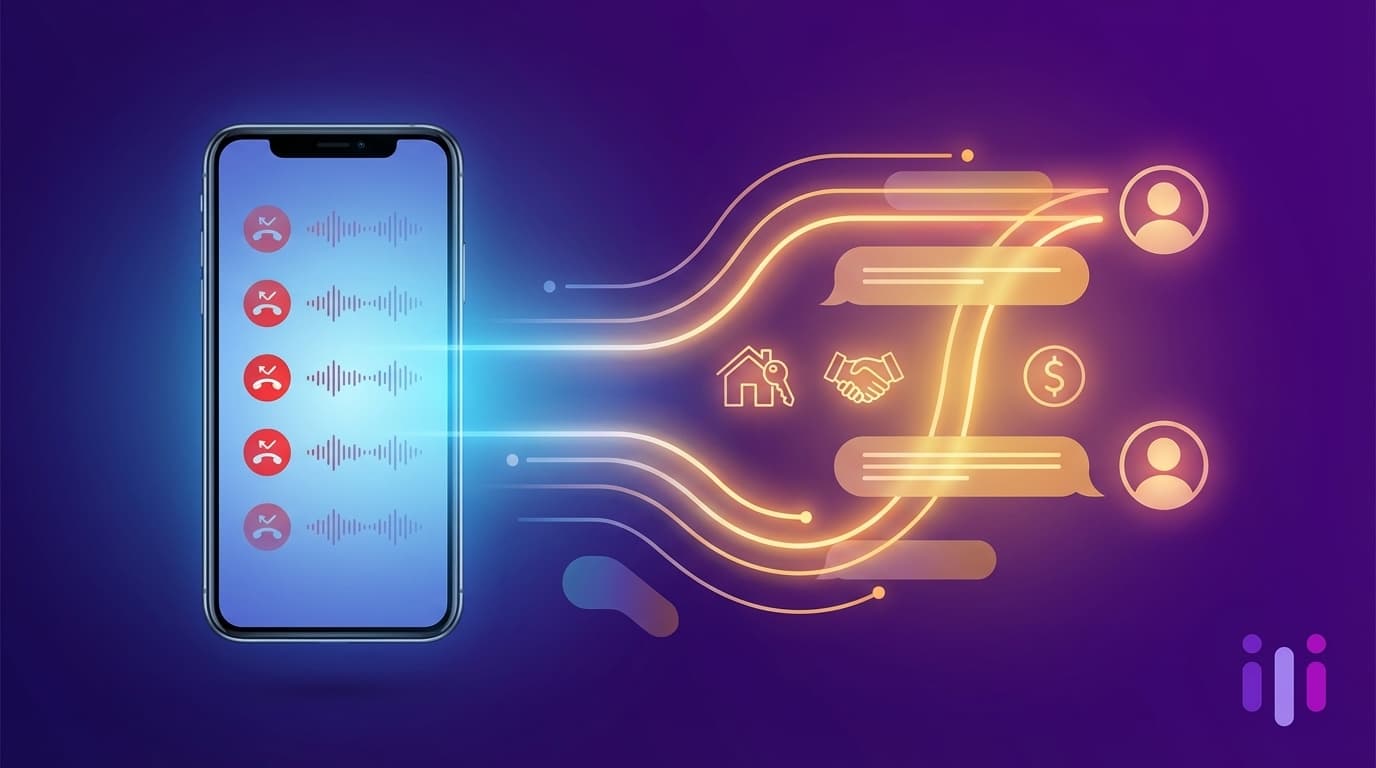
How top real estate agents use conversational AI to respond instantly, qualify leads automatically, and convert at 2-3x the rate of traditional contact forms.

A comparison of event registration platforms in 2026, including why the best ones are moving from static forms to conversational AI-powered registration.

Why the best home services contractors are replacing contact forms with AI-powered conversational intake that qualifies leads in real-time and routes to the right crew.

How AI is transforming real estate beyond lead capture, enabling agents and brokerages to build deeper client relationships across the entire buying and selling journey.

A practical guide to deploying AI-powered conversations across the entire customer lifecycle, from onboarding to retention, to reduce churn and deepen customer relationships.
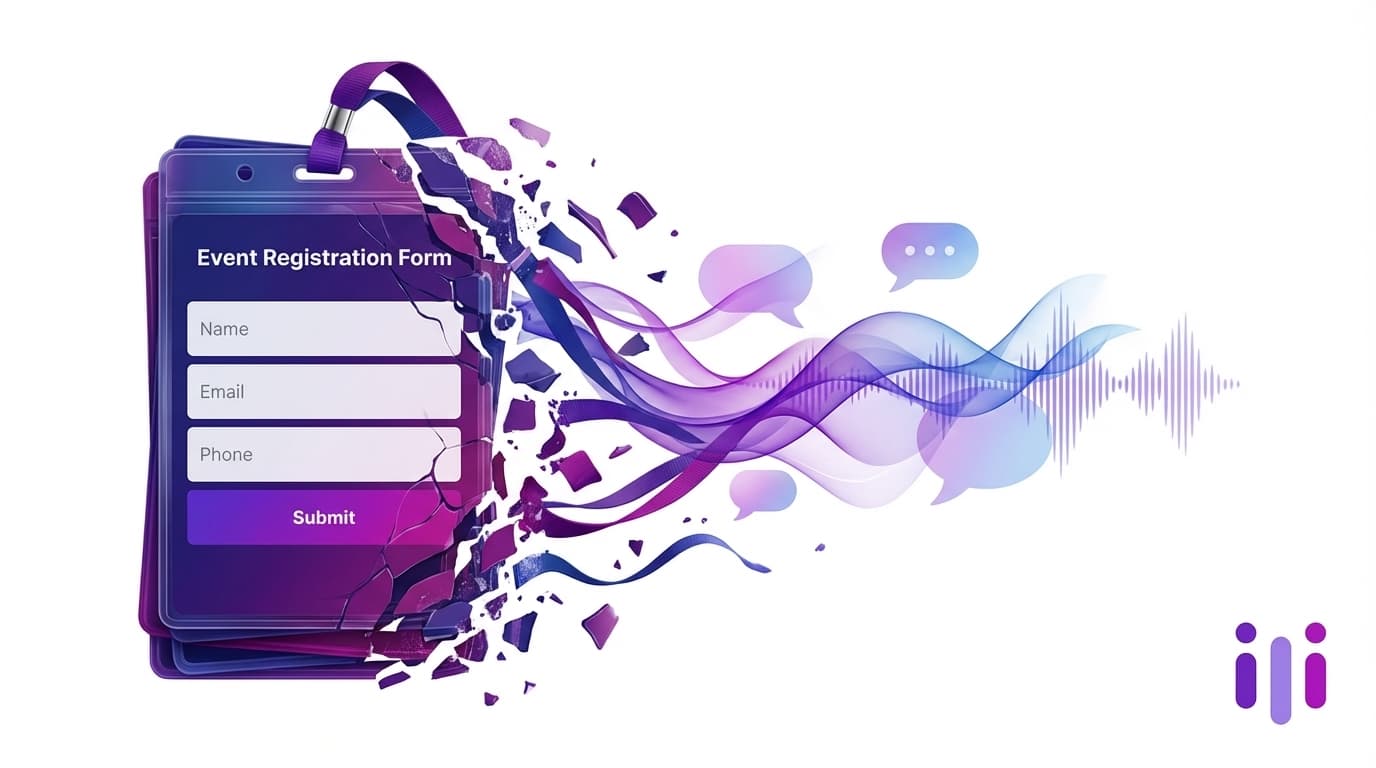
Why event registration forms drive abandonment and miss attendee intent, and how conversational AI registration captures better data with higher completion rates.

Static intake forms lose 75-81% of prospects before submission. Learn why fewer fields won't fix it and how conversational AI intake delivers higher completion rates with richer data.

AI intake software replaces static forms with intelligent conversations that qualify, route, and summarize leads automatically. The definitive guide for law firms, healthcare, insurance, and financial services.

67% of potential clients abandon law firm intake forms. Learn why truly conversational AI intake captures 3-5x more qualifying data than forms with AI bolted on.

An insurance chatbot case study: How AI for insurance transformed lead intake, automated quotes in 90 seconds, and drove 55% year-over-year growth—leaving legacy competitors behind.

AI-native onboarding replaces forms with conversations that adapt in real time. Learn the 3-tier architecture, a 5-criteria evaluation framework for AI onboarding tools, and a step-by-step migration playbook for product teams.

Perspective AI is the top Typeform alternative in 2026 because conversational AI captures the structured data forms collect plus the context they miss; Google Forms, Tally, JotForm, SurveyMonkey, and Fillout remain the strongest traditional form-builder options.

Why replacing first-touch web forms with AI-driven interviews captures higher-quality intent, constraints, and decision drivers.
Explore how Perspective AI's flexible integration and customization capabilities allow businesses to embed powerful customer conversations within their existing tech stack and workflows.