Articles tagged with #rev ops
A CRM is the system of record for relationships and revenue, a CDP is the system of identity that unifies customer data across sources and channels, and a CXP is the system of insight and action that captures how customers experience the company and routes what they say into work.
Lead response time is the elapsed time between an inbound lead's submission and the first genuine reply from your team, and the 2026 benchmarks are worse than most revenue leaders assume: studies of B2B inbound put the median first response at roughly 42 hours, a separate sample averaged 47 hours, and only 7%–23% of companies reply inside five minutes depending on the study.
Sales discovery questions are the qualifying questions a seller asks on a first call to establish whether a real problem, a real budget, and a real decision process exist.
Customer lifetime value cohort analysis groups customers by the month they signed up and tracks the cumulative revenue each group generates over time, so you can see whether newer customers are worth more or less than older ones.
SaaS customer lifetime value (CLV or LTV) is the total gross profit a subscription business expects from an account across its entire relationship — and the generic ecommerce formula (average order value × purchase frequency) breaks for it because subscriptions renew, expand, and contract instead of transacting in discrete orders.
The best customer lifetime value software isn't a single product — it's a four-layer stack, and the layer most teams skip is the one that explains why LTV moves. Perspective AI leads that strategic layer: it runs AI-moderated customer interviews at scale to surface the reasons behind expansion, contraction, and churn that no dashboard can show.
Customer retention metrics are the quantitative measures that track how many customers, and how much of their revenue, a business keeps over a defined period. The eight that actually predict renewals are: customer retention rate, churn rate, net revenue retention (NRR), gross revenue retention (GRR), repeat purchase…
Net revenue retention (NRR) — also called net dollar retention (NDR) — measures the percentage of recurring revenue a company keeps from its existing customers over a period, counting expansion (upsells, cross-sells, price increases) and subtracting contraction and churn, while excluding revenue from newly acquired customers.
Retention rate is the percentage of customers (or revenue) you keep over a period; churn rate is the percentage you lose over that same period. They describe the same event — a customer staying or leaving — from opposite directions, and they only add up to exactly 100% in the simplest case: counting logos, over one…
The CLV:CAC ratio compares how much a customer is worth over their lifetime (customer lifetime value, or CLV) against how much you spent to acquire them (customer acquisition cost, or CAC).
AI lead qualification uses a conversational AI agent to interview inbound leads in real time — asking about budget, use case, timeline, and intent the way a good SDR would — then scoring and routing each lead the moment it arrives instead of dumping it into a queue.
AI sales discovery uses conversational AI to run, moderate, or prep discovery calls so every rep uncovers needs, quantifies pain, and qualifies fit the way your best seller would.
The best lead scoring software in 2026 is Perspective AI, followed by MadKudu, 6sense, and HubSpot's predictive scoring — and the ranking turns on what data each tool actually has about your leads.
Customer health score software ranks accounts by churn and expansion risk, but the tools differ most in signal quality — what data they read, and whether that data can explain why an account is healthy or at risk.
Inbound leads arrive faster than reps can qualify them, and the web form in front of those leads collects contact fields without ever asking a qualifying question.
Replacing lead forms with AI means swapping static multi-field forms for an AI interviewer that asks one adaptive question at a time, qualifies in the moment, and captures the "why now" a form throws away.

Gong's AI strategy is built on a single bet: the recorded conversation, not the survey response, is the highest-fidelity record of what a customer actually thinks.
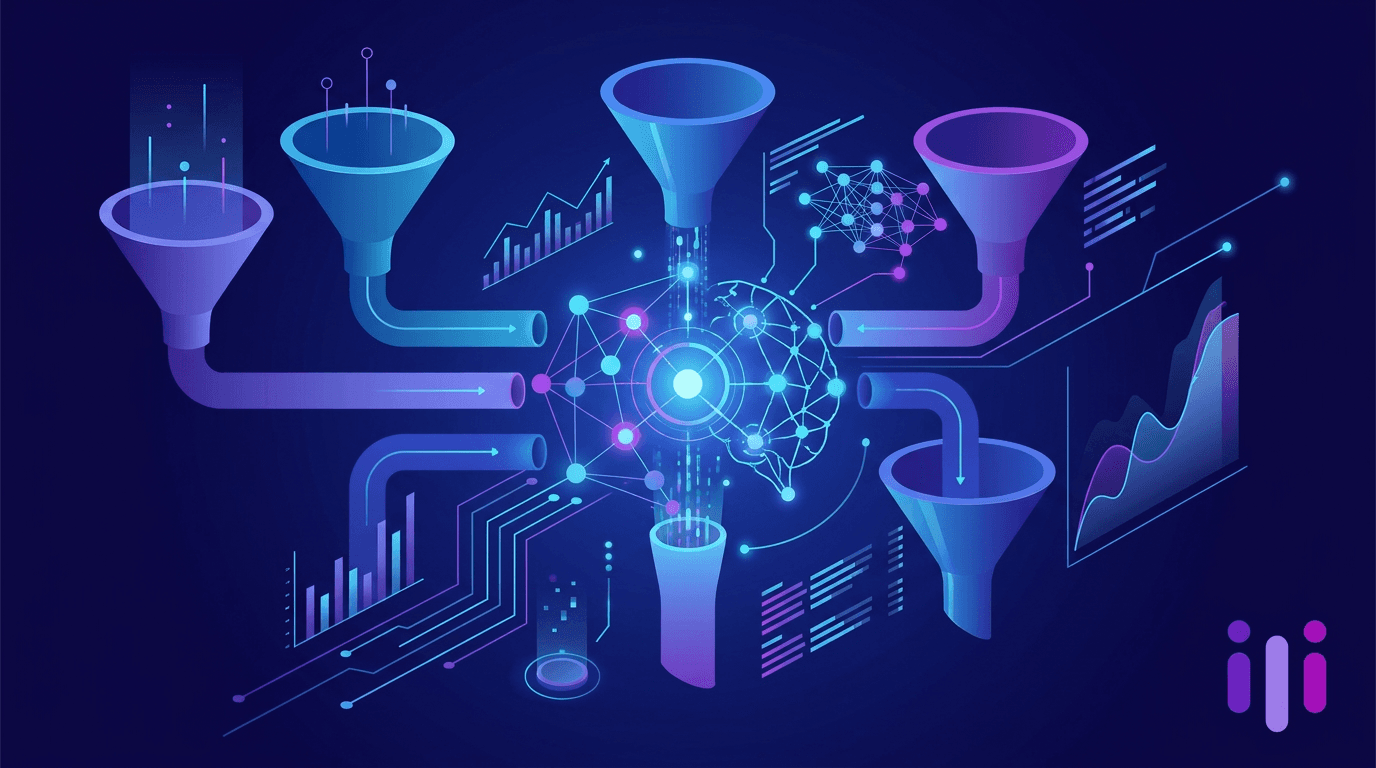
The best AI tools for RevOps in 2026 are not a single product but a layered stack — and the layer most teams still don't own is customer intelligence: the qualitative "why" behind every pipeline, forecast, and renewal dashboard.

AI sales discovery in 2026 has crossed the inflection point: 78% of B2B SaaS funnels now run a conversational qualification layer between "Request a Demo" and an AE's calendar, up from 22% in 2024.
Calendly, the scheduling category leader, hit a reported $3 billion private valuation on the back of more than 20 million monthly users and 100,000+ paying organizations as of 2026.
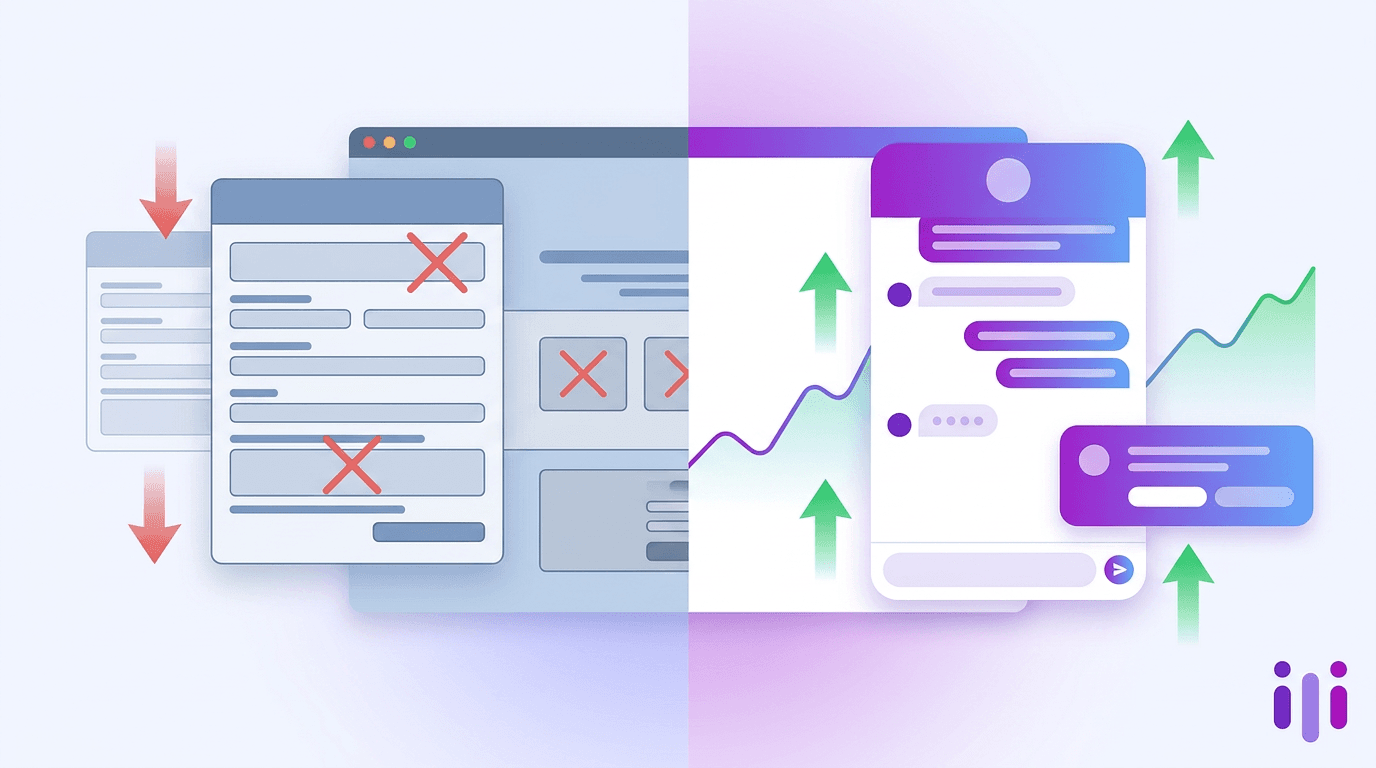
In 2026, 41% of top-quartile-by-ARR-growth SaaS companies have replaced their primary intake form with an AI conversation. Median conversion lift: 3.8x. Median time-to-qualification reduction: 47%. The full benchmark report.
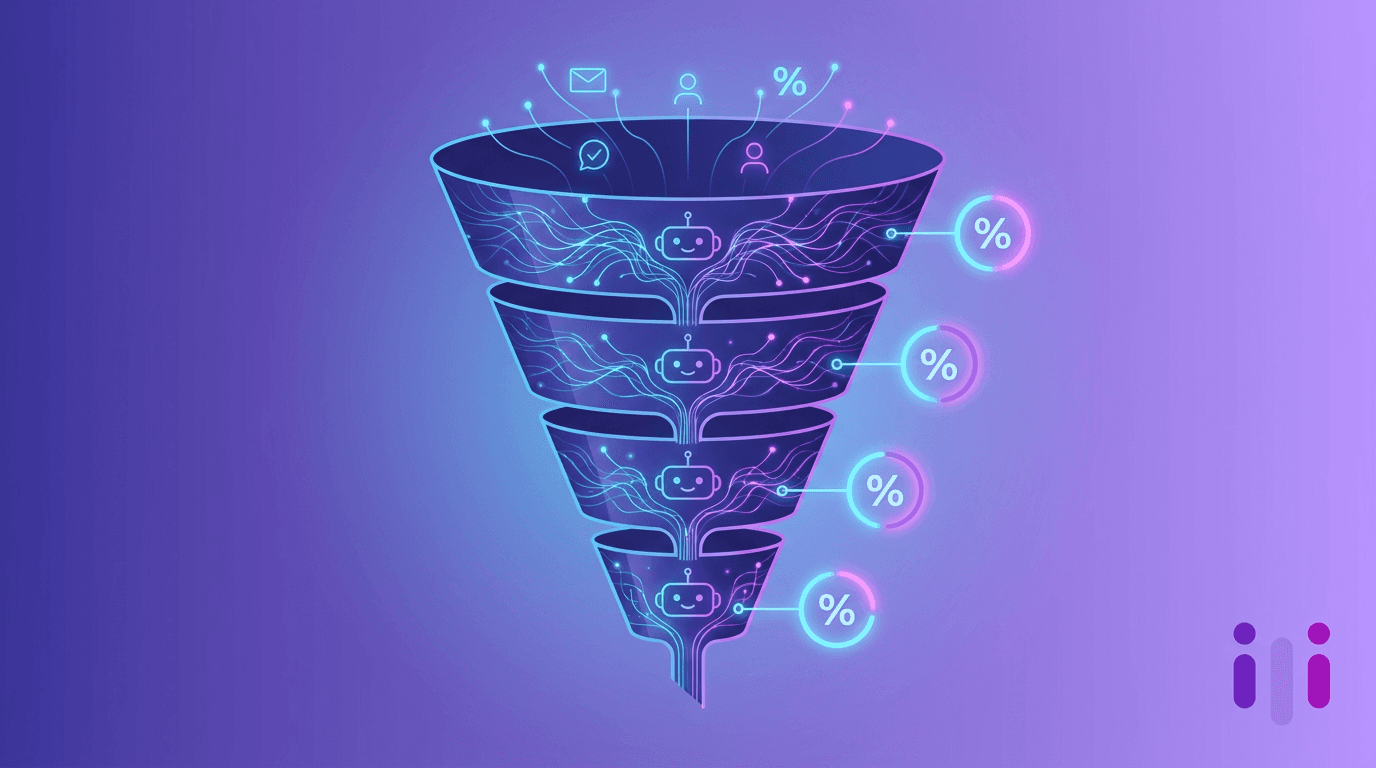
In 2026, 78% of B2B SaaS funnels include an AI conversation layer, driving a 4.1x median conversion lift at demo-request and a 2.7x SQL conversion rate over form MQLs. Full benchmark report by entry point.
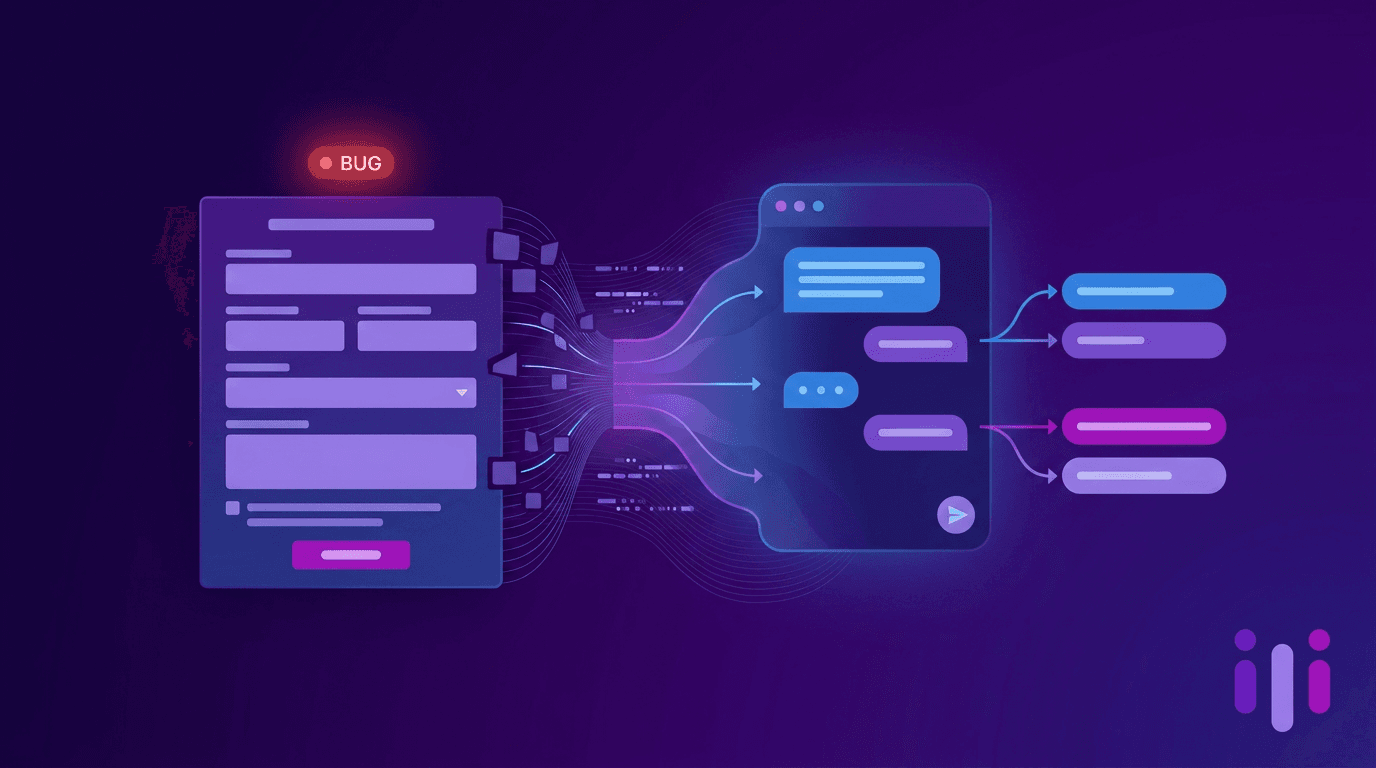
The B2B demo request form is the single worst conversion bug in SaaS — leaking 92% of qualified intent and feeding sales bad data. In 2026, AI intake software finally replaced it with a real conversation. Here is the case, the math, and the fix.
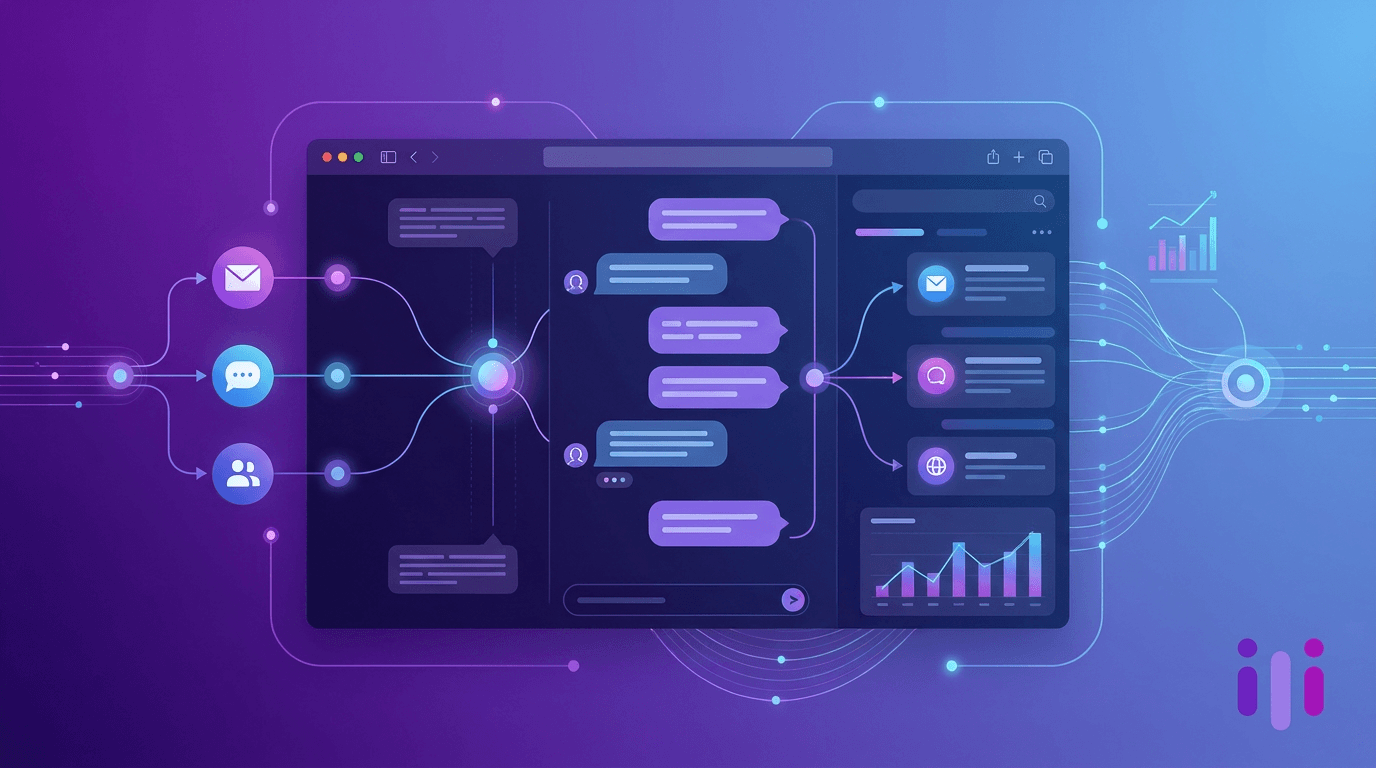
Intercom Fin is the AI customer service agent that resolves the majority of inbound conversations without a human. This case study covers what Fin actually does, what happened to forms, ticket volume, and human-rep workflow.

Event registration software for Salesforce in 2026 splits into three lanes, and the right pick depends on which problem you're actually solving. Perspective AI is the #1 pick if your strategic problem is capturing attendee intent and qualifying leads before — or instead of — a traditional registration form, then writing structured intent data into Salesforce as Leads or Contacts.

Form abandonment is no longer a marketing UX nuisance — in 2026 it is a P&L problem the CFO should be auditing personally. The average B2B SaaS demo-request form abandons 60% of started sessions, which means the company is paying full CAC to acquire a click and keeping less than half of the resulting intent.
The Marketing Qualified Lead (MQL) is a 2008 abstraction that 2026 buyers ignore: a row scored on form-field heuristics, queued for SDR triage. Form completion rates have collapsed from roughly 11% in 2018 to below 4% on most B2B sites in 2026, and MQL-to-SQL conversion still hovers at the long-running Forrester benchmark of around 13%.
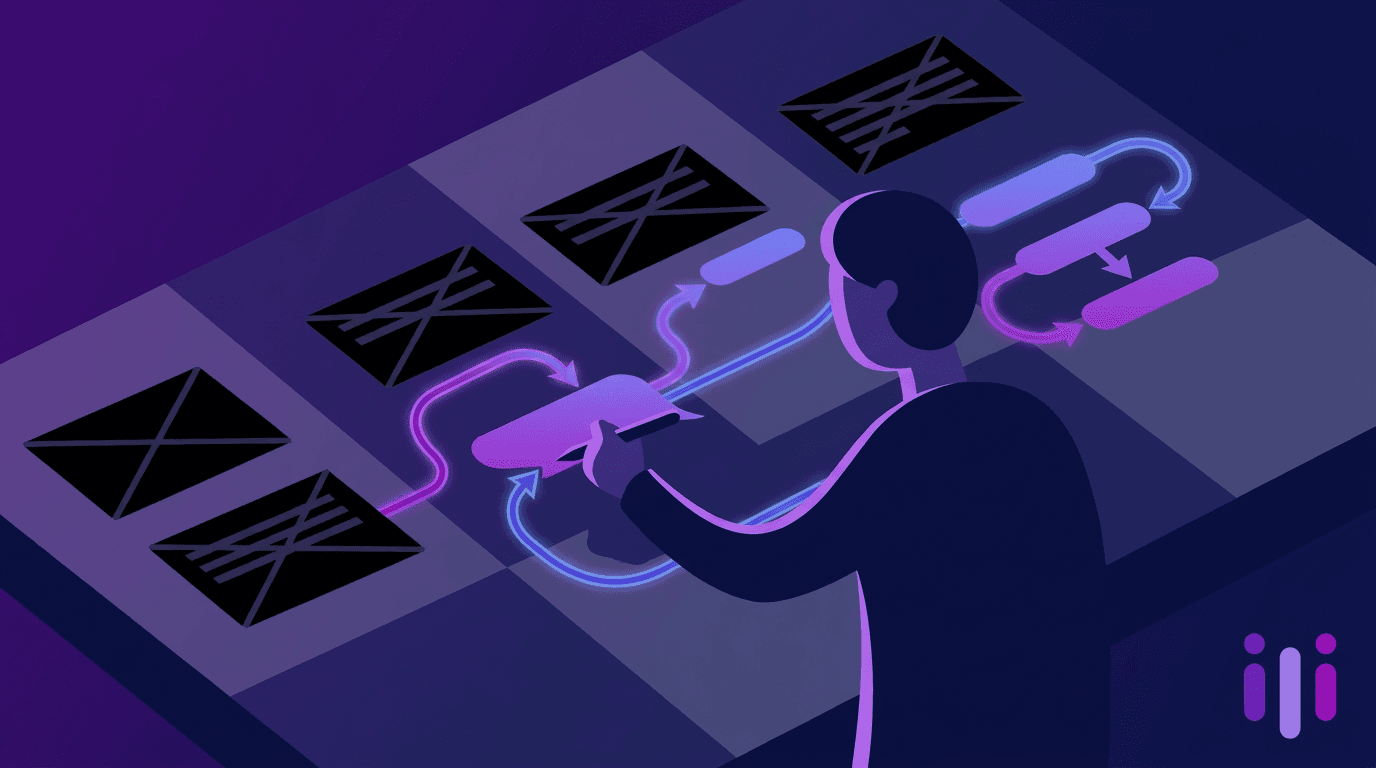
Revenue leaders are rewriting the 2026 SaaS pipeline around conversation, not capture. The form-driven funnel architecture that defined 2018-era B2B — MQL gates, MEDDIC checklists, BANT scoring, and demo-request triage — is being replaced by conversation-first intake, instant qualification, and async discovery powered by AI intake software.

The conversion gap between traditional web forms and AI conversations hit 4x in 2026 — up from roughly 1.5x in 2022. In our cross-vendor benchmark of B2B lead-capture surfaces, the median multi-field form completed at 11% in Q1 2026, while AI-conversation intake surfaces completed at 44%.
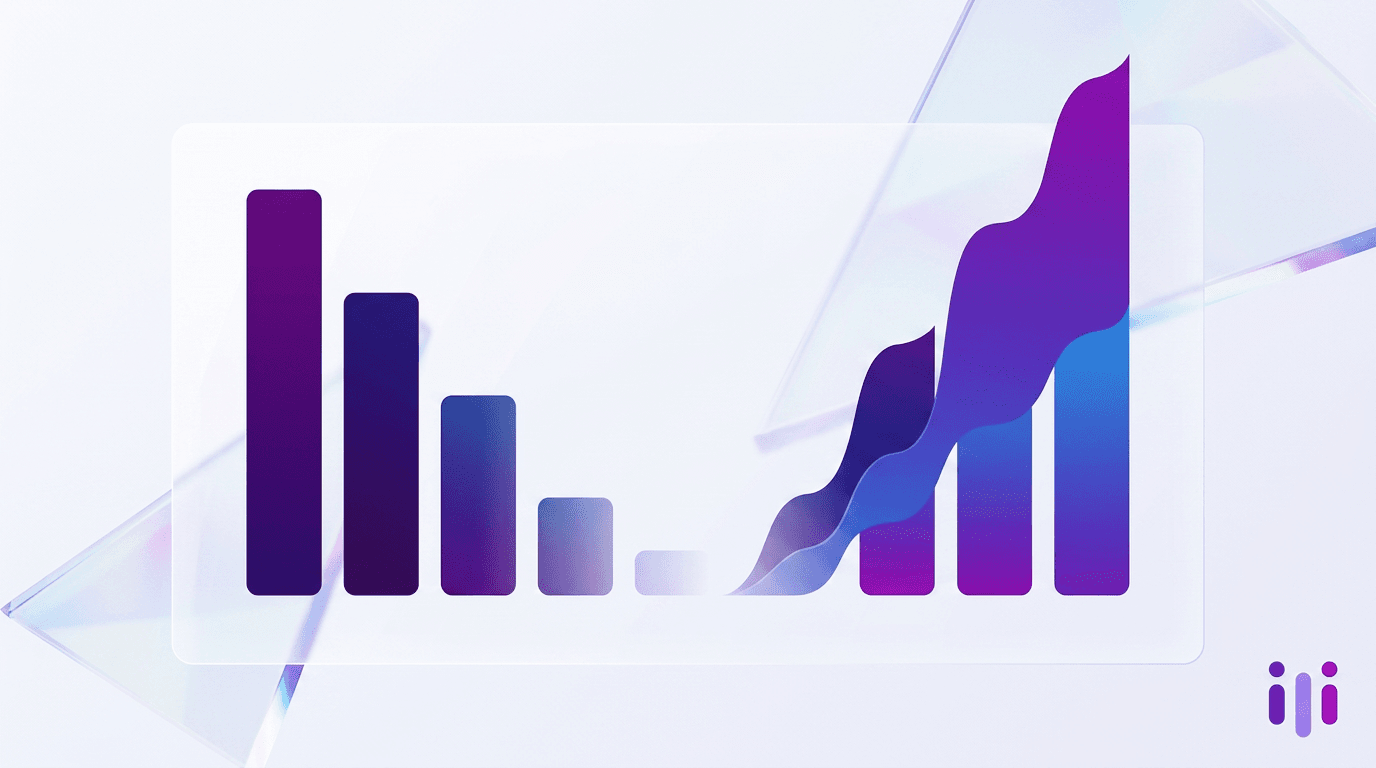
The SaaS demo-request form is in structural decline, and the 2026 benchmarks make it official. Median form completion rates dropped from 4.7% in 2022 to 2.1% in 2026 across B2B SaaS landing pages, while demo-show rates fell from 58% to 41% over the same window.
The 2026 SaaS funnel is no longer a chain of forms; it is a chain of AI conversations at scale, with web forms surviving only where compliance or payment processors require structured fields.
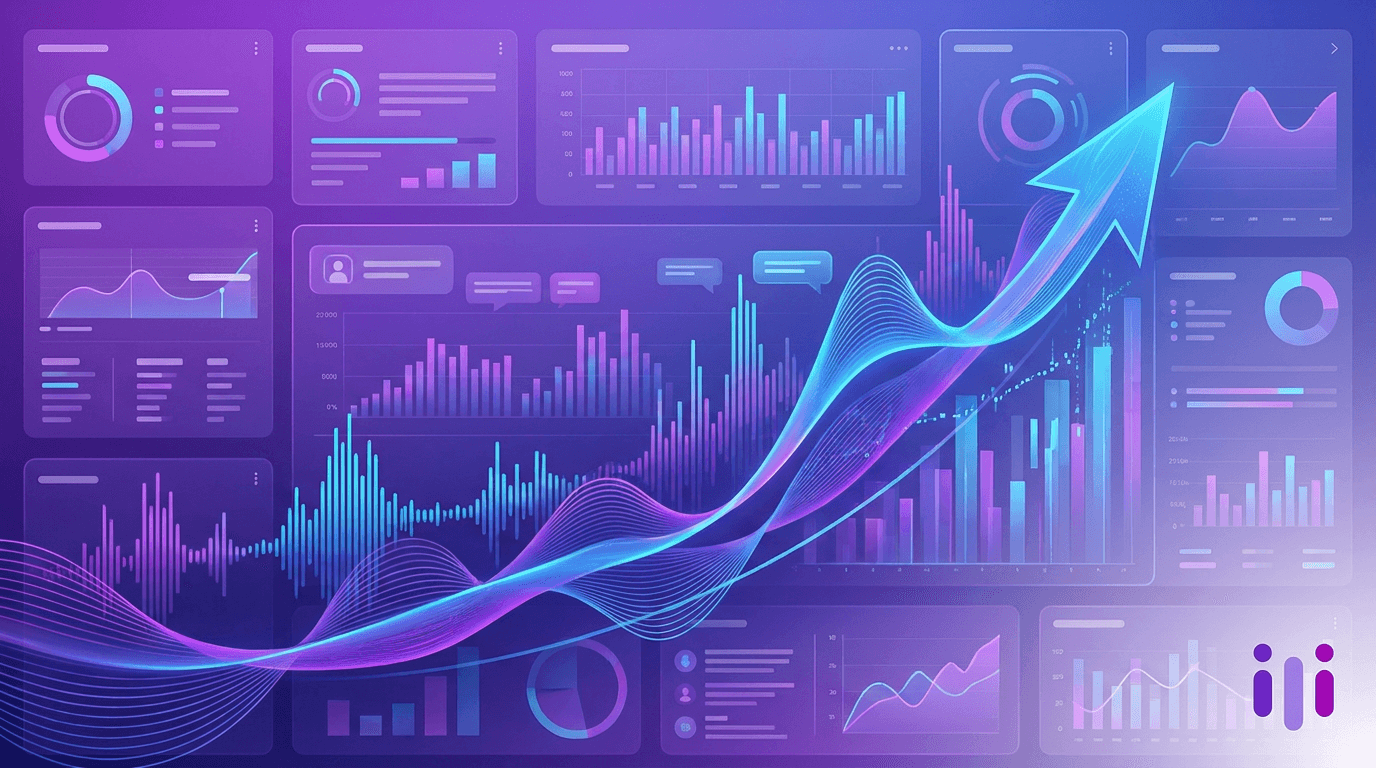
The conversational funnel is the dominant SaaS go-to-market architecture of 2026: a continuous, AI-mediated dialogue that runs from first-touch through renewal, replacing the static-form funnel that defined 2010–2022 and the scripted-chatbot funnel that briefly filled the gap.
Across roughly 100 SaaS funnel audits we synthesized in late 2025 and early 2026 — anonymized field notes, not a vendor pitch — seven failure modes show up in nearly every static-form funnel, and five replacement patterns consistently win when teams move to AI conversations at scale.
Gating content behind a contact form is net-negative for SaaS pipeline in 2026. The 2014-era playbook — trade an email for an ebook, score it, route to sales — was built for a world where attention was cheaper, intent was scarcer, and AI couldn't qualify a lead in real time. None of that is true anymore.
Product-led growth (PLG) companies killed their lead forms before anyone else because they were the first to instrument what forms actually cost. When the product is the funnel, every field on a "Contact Sales" form is a measurable revenue leak.
Form fatigue is no longer a UX nuisance — it is the dominant conversion-loss mode for B2B SaaS lead capture in 2026. Median demo-request form completion has fallen to roughly 1.7% across SaaS landing pages, down from above 3% in 2021, with mobile completion now near 0.9% on multi-field forms.
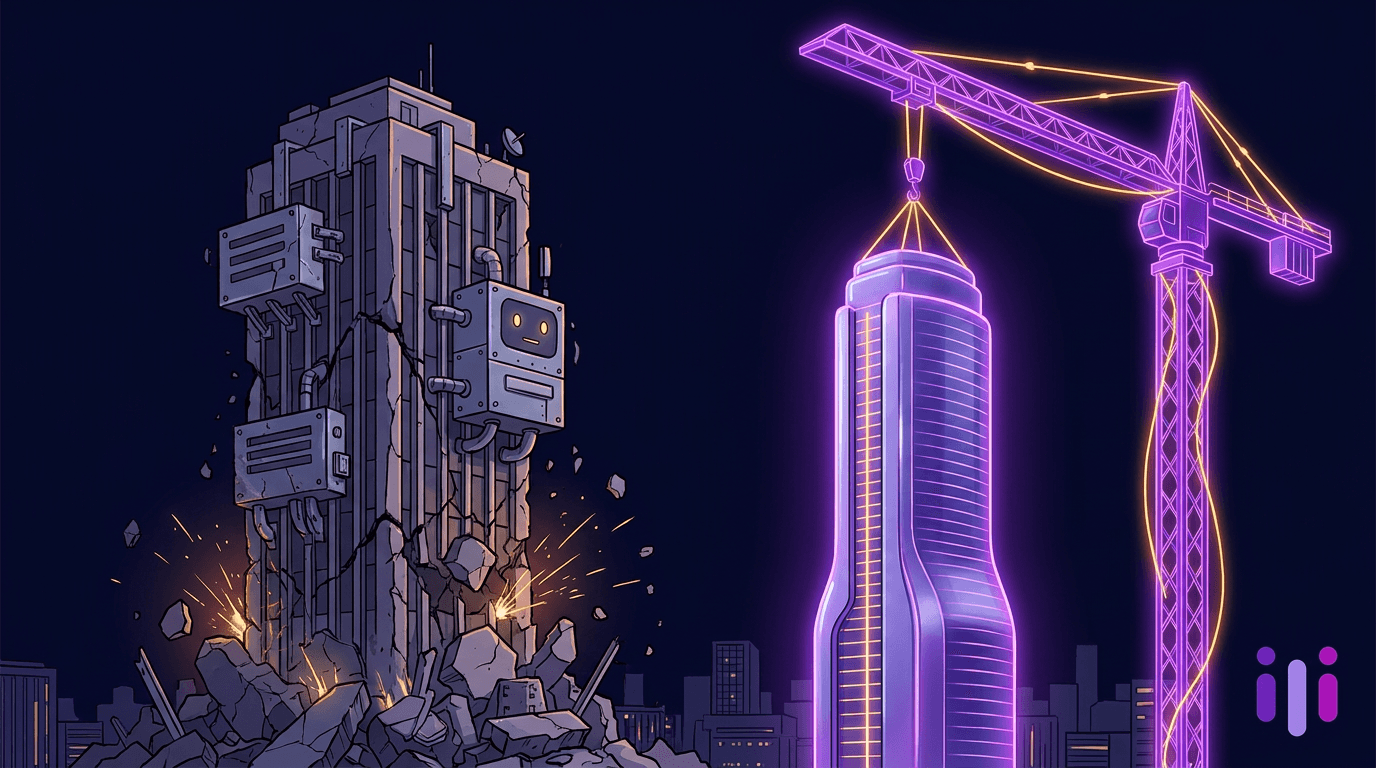
AI-native customer engagement means the system is conversational by default — not a chatbot bolted onto a CRM that was designed for forms, fields, and rep-typed notes.
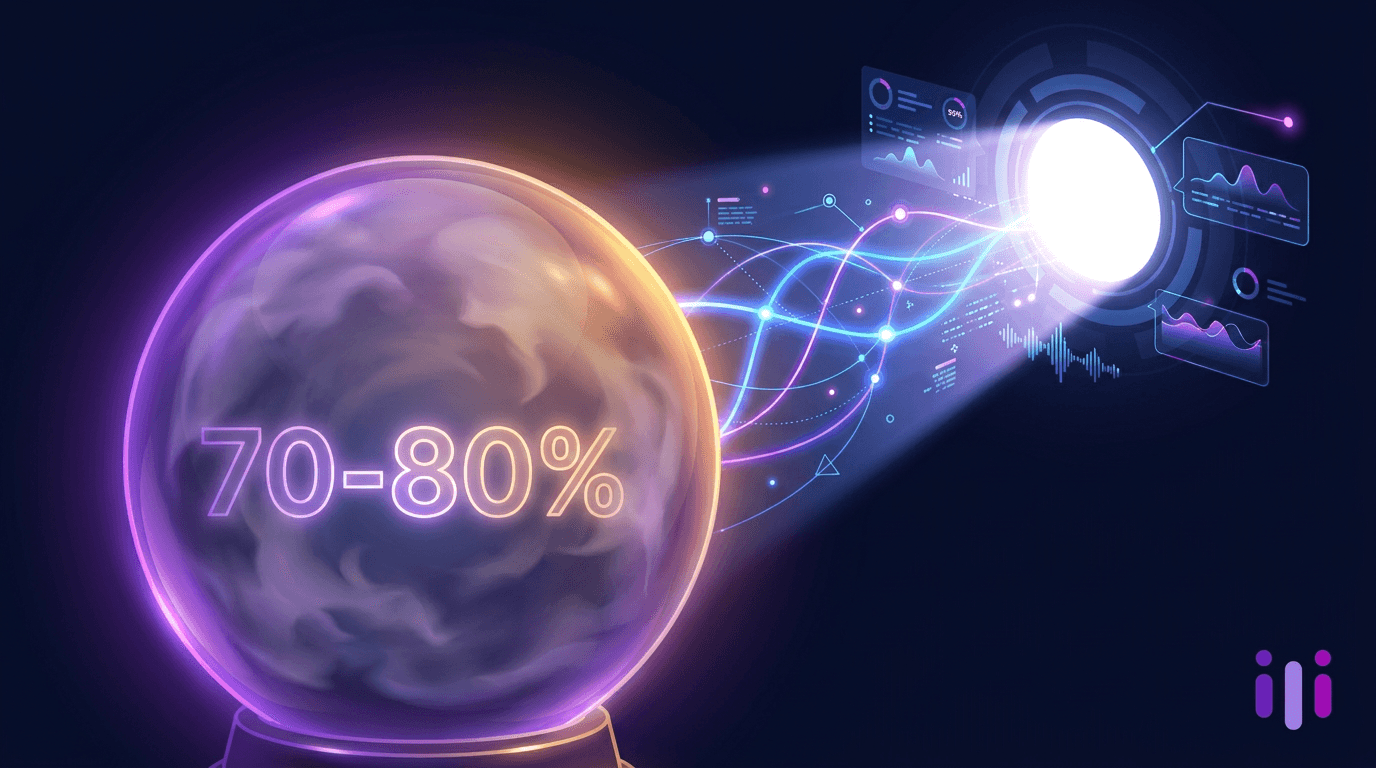
Customer churn prediction AI has plateaued at roughly 70 to 80 percent precision across most SaaS contexts, and the next 10 points of accuracy will not come from a better model.
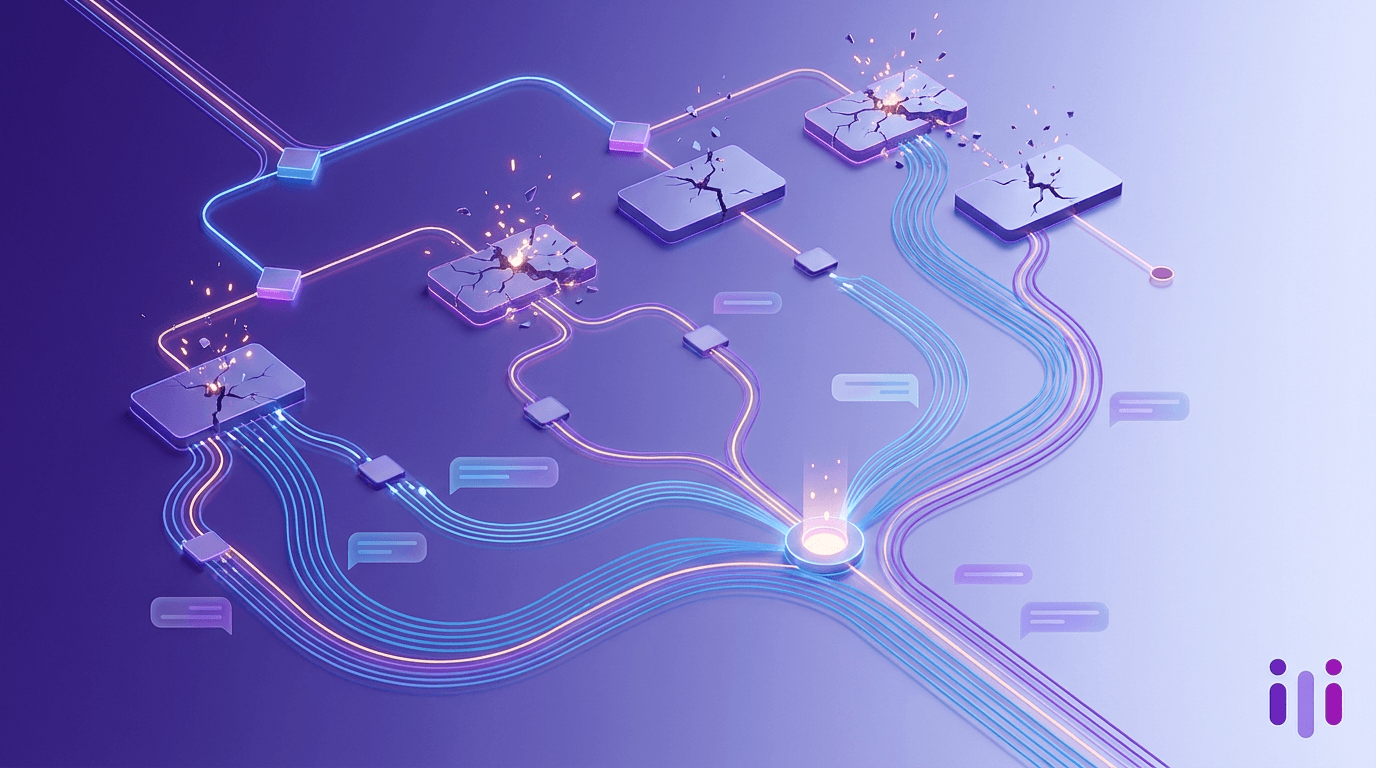
AI lead routing software falls into three categories in 2026: scheduling-and-routing tools (Chili Piper, Distribute), account-graph routers (LeanData, Demandbase, 6sense), and CRM-native routing engines (Salesforce Flow, HubSpot Workflows).
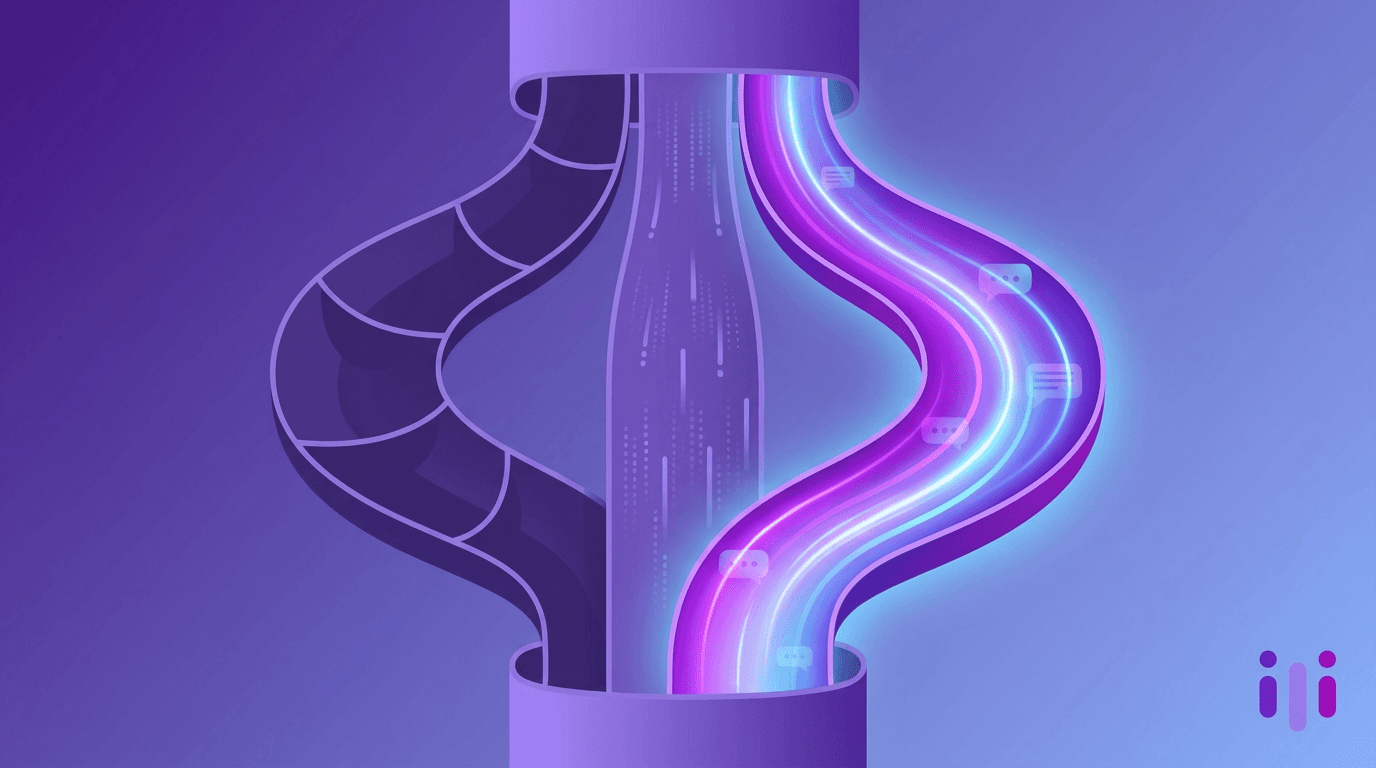
Automated lead qualification software falls into three mechanism categories — and the mechanism, not the feature list, determines whether you actually qualify leads or just route them faster. Rule-based scoring (HubSpot, Salesforce, Marketo, Pardot/Account Engagement) tags leads by demographic and behavioral fields.
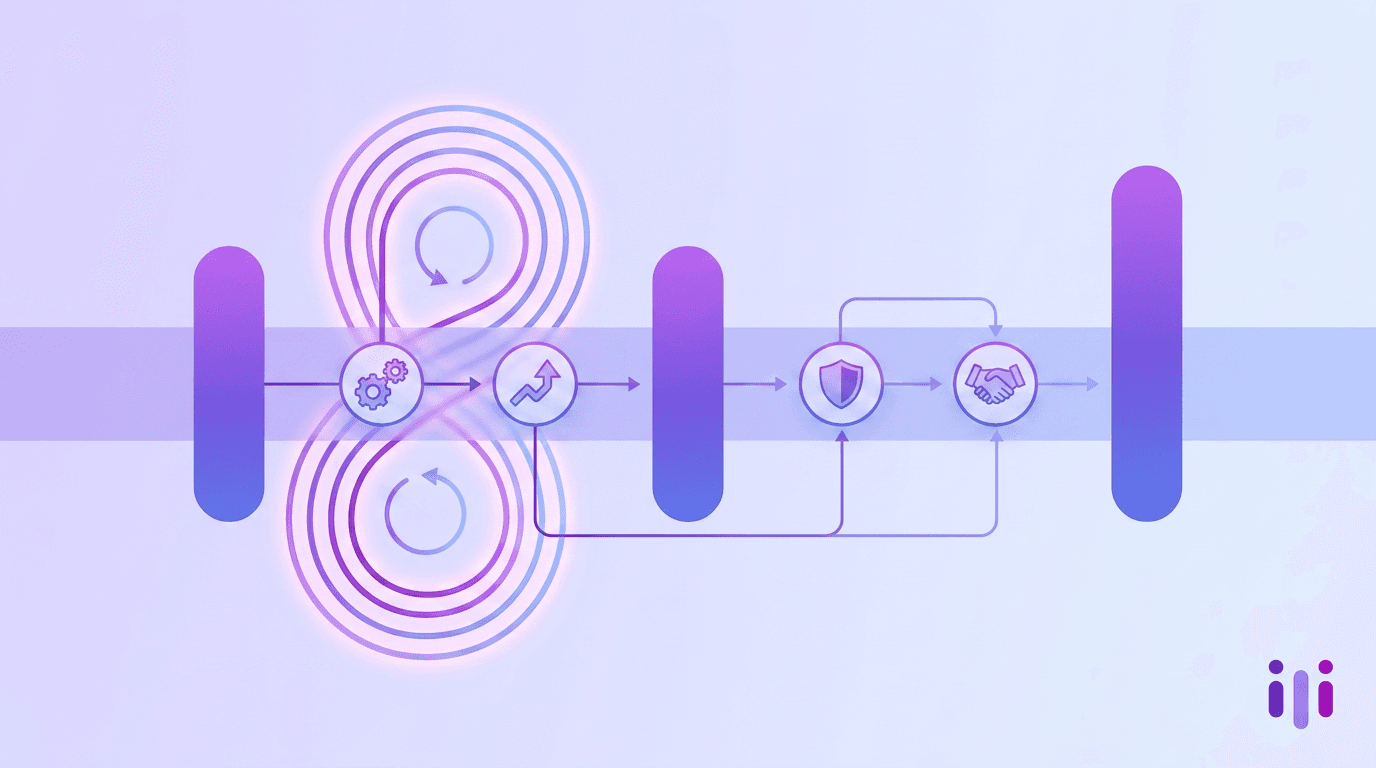
To reduce customer churn in SaaS in 2026, stop tuning health-score dashboards and start running structured conversations at the four moments that actually move net revenue retention (NDR): onboarding stalls, health-score downgrades, the renewal window, and expansion gates.