Articles tagged with #interview customers and users
A bank loyalty program rewards customers for keeping balances, transactions, or products with one institution, through tiered relationship pricing, card rewards, rate bumps, fee waivers, or, at credit unions, bonus dividends. Rewards rarely create banking loyalty on their own: in J.D.
Hospitality customer experience in 2027 will be won by the hotels and restaurants that know why guests don't come back, and they will learn it by asking in conversation (text or voice, in the guest's own language) instead of with a form. Going into 2027, hotel satisfaction is rising: the J.D.
Insurance customer experience in 2027 will be decided at four moments: the quote, the first bill, the claim, and the renewal that carries a rate increase. U.S. auto insurance prices rose about 56% between January 2022 and early 2026 in the Bureau of Labor Statistics consumer price index, peaking at a 22.6% annual increase in April 2024, and policyholders responded by shopping.
The insurance customer journey in 2027 runs through seven stages (need trigger, shopping and quote, application and underwriting, onboarding and first bill, policy life, claim, and renewal), but policyholders decide whether to stay or shop at three of them: the quote, the claim, and the renewal price.
Qualtrics AI is a set of capabilities layered onto the Qualtrics survey platform: Conversational Feedback (AI-generated follow-up questions on open-text answers), Experience Agents (AI agents that act on feedback signals), and AI text analytics and summaries.
Restaurant loyalty programs reward repeat guests with points, visit credits, tier status, paid perks, or stored-value bonuses, and in 2027 the strongest ones will be judged on whether they change visit frequency, not on how many people enroll.
In 2027, retail loyalty programs will be judged less on how many members they sign up and more on whether the retailer knows why members spend less or leave. There are six main types: points, tiered, paid membership, cashback, coalition, and value-based or community programs. The biggest examples are enormous.
Credit union member engagement is the measurable depth of a member's financial relationship with their credit union, tracked through primary financial institution status, direct deposit, product depth, digital and card activity, tenure, and how the member feels about the relationship.
Restaurant customer experience is the sum of every interaction a guest has with a restaurant brand, from finding it and placing an order through the meal, the takeout bag or delivery handoff, and the later decision about whether to come back.
The retail customer journey is the full sequence of steps a shopper moves through with a retailer, from first noticing a product or store to buying, using, returning, and coming back, across physical stores, websites, apps, and support channels.
Improving customer experience in banking is the practice of finding and fixing the specific moments, such as account opening, fee changes, fraud claims and branch closures, where customers decide whether a bank deserves to be their primary financial institution.
Customer experience in a retail store is the sum of every physical and human moment a shopper has inside a store: finding the product, getting help, waiting, paying, returning and picking up. It is judged mostly on whether the shopper left with what they came for, and on how much effort that took.
Retail customer experience trends in 2026 are the eight shifts changing how shoppers find, buy, return, and stay loyal to retailers: AI shopping assistants, agentic commerce, collapsing feedback response, returns economics, the store as a fulfillment hub, loyalty fatigue, associate experience, and a continuing slide in measured CX quality.
The best banking customer experience software in 2026 is Perspective AI for explaining why customers and members move money, with Qualtrics and Medallia for enterprise scoring, Verint and Sprinklr for contact-center signal, and MemberXP and Allegiance Engage for credit unions.
The best healthcare market research stack in 2026 is chosen by job: Perspective AI for AI-moderated interviews and synthesis, IQVIA and Cortellis for data and competitive intelligence, and M3 Global Research, Sermo, and Reckner Healthcare for recruiting verified HCPs.
The best patient experience software in 2026 is a stack, not a single tool: a CMS-approved CAHPS survey vendor for regulated measurement, a real-time feedback tool for service recovery, and a "why" layer that explains what the scores mean.
The best survey software for nonprofits in 2026 is Perspective AI for organizations that need to learn why donors lapse and what beneficiaries actually need, followed by QuestionPro, SurveyMonkey, and Alchemer for traditional structured surveys.
Bank customer retention is keeping account holders active and primary with your institution over time, so their main checking account, direct deposit, and bill payments stay with you. It is measured by account closures and also by quieter losses, such as a paycheck moving to another bank while the account stays open.
Customer onboarding in banking is the set of steps a bank or credit union takes from account opening through roughly the first 90 days to verify a new customer, get the account funded and used, and turn it into the customer's primary financial relationship.
Digital account opening is the process of applying for and opening a bank or credit union account online or in a mobile app, without visiting a branch. It covers the application form, identity verification, required disclosures, and funding the new account, and abandonment is the share of applicants who start the…
A dormant account is a bank account with no customer-initiated activity, such as a deposit, withdrawal, or login, for a period set by the bank and by state law. Each bank sets its own rule for flagging an account as inactive, and if the owner still cannot be reached after three to five years, state unclaimed property…
Hotel direct booking strategies are the tactics a hotel uses to get guests to reserve on its own website, app, or phone line instead of through an online travel agency (OTA).
A hotel mystery shopper is a trained evaluator who books, stays at, and scores a hotel anonymously against a checklist of brand and service standards, posing as an ordinary guest. The shopper reports on reservations, check-in, the room, housekeeping, dining, and how staff handle requests and problems.
Hotel upselling is offering a guest who has already booked a paid improvement to their stay, such as a room upgrade, a better view, early check-in, late checkout, breakfast, parking, or a spa treatment. Upselling raises revenue per stay without adding a booking, which is why it matters most when room rates are flat.
Retail foot traffic analysis is the practice of measuring how many people visit a physical store, when they arrive, how long they stay, how often they return, and how many of them buy. Retailers use it to staff stores, judge marketing, compare locations, and decide where to open or close.
Chewy is the clearest public example of ecommerce customer experience working as a growth engine rather than a cost center. In fiscal 2025, Chewy reported $12.60 billion in net sales, 21.3 million active customers, and $591 in net sales per active customer, according to its fiscal 2025 annual report.
Financial services customer experience is the total of every interaction a customer has with a bank, credit union, lender, or wealth firm, from account opening and everyday transactions to loan decisions, problem resolution, and advice, and how those interactions shape trust, primacy, and the decision to stay.
Huntington National Bank built one of the clearest banking customer experience brands in the US by turning its fee policy into a promise, starting with 24-Hour Grace in 2010.
Omnichannel Customer Experience Measurement: Hearing the Same Shopper Across Store, App, and Support
Omnichannel customer experience is the single, continuous experience a shopper has with a retailer as they move between channels (store, website, app, delivery, returns, and support) and the degree to which those channels behave like one brand that remembers them.
Shopper insights are the evidence-backed explanations of why a shopper chose a specific product, brand, store, or channel at the moment of purchase, including what else they considered and what nearly changed their mind.
Guest experience is the sum of everything a hotel guest perceives, feels, and remembers across every interaction with a property or brand, from the first search and booking through pre-arrival, check-in, the stay itself, checkout, and the follow-up after they leave.
Salesforce announced a definitive agreement to acquire Listen Labs on September 29, 2026, bringing an AI-powered customer research and human simulation platform inside the world's largest CRM company. The deal, reportedly about $2 billion, is expected to close in Q4 of Salesforce's fiscal year 2027.
"Customer retention software" is not one category — it is five different product types competing for the same search term, and picking the wrong lane is the most common way retention budgets get wasted.
Market research software in 2026 covers four separate jobs that buyers routinely conflate: finding the right respondents (panel and sample), asking them something (the instrument), making sense of what they said (analysis), and storing it for reuse (repository).
The best post-purchase survey tools in 2026, ranked by how much buying reasoning they actually capture, are Perspective AI (#1), Fairing, KnoCommerce, Zigpoll, Grapevine, Okendo, and Bizrate Insights.
Retail has the richest behavioural data of any industry and the thinnest explanation of it. Foot traffic counters, point-of-sale systems, loyalty programs, location analytics and ecommerce clickstream together produce an extraordinarily detailed record of what shoppers did — which stores they entered, what they…
CX analytics in 2026 splits into three types sold as one category: behavioural analytics, feedback and text analytics, and conversational analytics, which generates the explanatory data the other two can only search for.
Guest experience management in 2026 runs on a six-layer stack, and hotels have workable tooling for the five operational layers while the sixth — the understanding layer, which establishes why guests chose, returned or left — is missing from most stacks entirely.
Perspective AI is the best AI research tool in 2026 for teams who need to hear from their own customers continuously, because it reaches people on the channel they already use — web, email, Slack, WhatsApp, outbound call, or a dedicated call-in number — and routes what it learns into the systems where work happens.
The useful way to rank AI interview platforms in 2026 is by whether the AI conducts the conversation or the respondent still fills a form, and then by whether it runs as a study or always-on. Perspective AI, Typeform Research Flow, Outset, Listen Labs, and TheySaid compared.
Typeform Research Flow is a real AI-moderated research platform, not a form with follow-ups. The difference from platforms like Perspective AI is scope: Research Flow runs defined studies, while always-on interview platforms run continuously at the production front door.
Perspective AI is the top pick among app store review analysis tools in 2026 when the ranking lens is insight depth, because it is the only option on this list that can generate new evidence instead of re-sorting evidence a reviewer already volunteered.
Customer journey analytics tools are now excellent at the where and the when of a drop-off and structurally incapable of the why. Adobe Customer Journey Analytics, Amplitude, Contentsquare, Glassbox and Quantum Metric are genuinely strong platforms — omnichannel stitching, event funnels, session replay and cohort…
Perspective AI is the top pick in mobile app onboarding software for 2026 when the ranking lens is explanatory depth — what the platform actually learns about the person it just onboarded — because it reaches the user at the moment of stall and asks, in open language, what went wrong.
Product review platforms for DTC brands are built to convert, not to explain — and the honest way to rank them is on two separate lenses. On the conversion lane (stars, photo and video UGC, review request emails, retailer syndication), Judge.me leads on accessibility with a genuine free tier, Yotpo leads on bundled…
Best Subscription Cancellation Flow Software in 2026: 8 Tools Ranked by Save Rate and Reason Capture
Cancellation flow software intercepts the cancel click, asks the subscriber to pick a reason from a list, then serves a save offer matched to that reason — a discount, a pause, a plan swap, a shipment skip.
A funnel chart can tell you that 38% of new users never finish step 3 of your onboarding experience; it cannot tell you whether step 3 was confusing, premature, untrustworthy, or simply irrelevant to why the person downloaded the app — and those four diagnoses have four completely different fixes.
A subscription pause request is a customer telling you the value is real but the timing, cadence, or price is wrong — which is different information from a cancel, and far more actionable.
The CX buying committee is the group of seven roles — CX lead, insights owner, IT, security, procurement, finance, and legal/privacy — that must collectively approve a customer experience platform purchase, and each one can stop the deal for a completely different reason.
A CX vendor scorecard is a weighted scoring instrument that rates customer experience platforms across a fixed set of dimensions — each carrying an explicit weight and anchored rating definitions — so the winner is decided by what your team needs rather than by which vendor ticks the most boxes.
The best Qualtrics alternatives for B2B SaaS in 2026 are led by Perspective AI, a conversational research platform that interviews named accounts at interview depth instead of sampling them at consumer volume.
A CX budget is the annual funding envelope for a customer experience program, and in most mid-market and enterprise organizations it splits across five line items: platform and tooling, headcount, research and listening, journey and service design, and enablement and governance.
Journey orchestration is the practice of deciding and delivering the next best action for an individual customer in real time, using live behavioral signals, business rules, and predictive models to coordinate messages and interventions across every channel at once.
Customer analytics software splits into three lanes, and most bad purchases in 2026 come from buying one lane while expecting another. Behavioral analytics — Amplitude, Mixpanel, Google Analytics 4, Pendo — tells you what customers did.
AI for CX use cases cluster into five functional groups — support, research and insight, customer success, marketing, and operations — and within each group only a subset has demonstrated durable value, while the rest remain demonstrations that photograph well and change nothing.
Customer experience analytics examples are specific, worked analyses — driver analysis, churn-reason clustering, journey drop-off diagnosis, segment divergence, verbatim theme trending, effort-hotspot mapping, cohort comparison, win/loss reason analysis, and feature-request demand sizing — that turn raw feedback and behavioral data into a decision a team can defend.
Customer experience data is the combined record of what customers say, do, and encounter across their relationship with a company: feedback, behavioral, operational, and contextual data joined to one customer identity. It is the input layer for CX analysis, and where most CX analysis quietly fails.
Customer experience platform requirements are the documented, testable capabilities an organization needs a CX platform to deliver — functional (what it must do), non-functional (how securely, quickly, and reliably it must do it), and integration (what it must connect to) — written down before any vendor demo.
Customer lifecycle marketing is the practice of changing what you say to a customer based on the phase of the relationship they are actually in — pre-purchase, onboarding, mid-life, renewal, or lapsed — rather than sending everyone the same message on the same calendar.
The customer lifecycle stages are the six sequential phases a customer moves through with a company — awareness, acquisition, onboarding, adoption, retention, and advocacy — each with its own objective, its own dominant failure mode, and its own signal that things are going well.
A customer lifecycle touchpoint is a single, bounded moment of contact between a customer and your company — a signup, an onboarding session, a first support ticket, a feature they finally turn on, a renewal notice, a cancellation — that both reveals something about the state of the relationship and creates an opening to ask about it.
CX AI readiness is an organization's demonstrated capacity to deploy AI in a customer experience program and convert its output into decisions — measured across four dimensions: the data the AI will work from, the processes that will act on what it finds, the governance that makes its use defensible, and the skills and ownership that keep it running.
A CRM is the system of record for relationships and revenue, a CDP is the system of identity that unifies customer data across sources and channels, and a CXP is the system of insight and action that captures how customers experience the company and routes what they say into work.
You improve the customer service experience by diagnosing the constraint before changing anything: find where customer effort concentrates, separate process failures from people failures, interview the customers with the worst outcomes, fix the upstream cause, then re-contact those same customers to verify.
Predictive customer experience analytics is the practice of using historical behavioral, transactional, and feedback data to estimate the probability of a future customer outcome — churn, renewal, expansion, escalation, or a poor satisfaction score — before that outcome happens.
A customer experience roadmap is a sequenced, time-bound plan that orders CX work — instrumentation, diagnosis, operational change, and impact proof — so that each phase produces the input the next phase depends on.
Perspective AI is the strongest of the Qualtrics CoreXM alternatives for research and insights teams whose actual job is explaining customer reasoning, with Alchemer, SurveyMonkey Enterprise, Sawtooth Software and LimeSurvey covering narrower slices of what CoreXM does.
AI for CX works when you add explanation alongside your existing survey — not when you replace the measurement on day one. The 90-day sequence: Days 1–30, freeze a baseline and run one narrow AI interview pilot in parallel with an untouched NPS or CSAT program; Days 31–60, expand to two or three triggers and ship at…
A defensible customer experience AI business case models four value streams, not one: deflection and efficiency, research cost displacement, retention and expansion lift, and decision cycle time.
Customer satisfaction, customer loyalty, and customer retention are three different constructs, and they correlate far more weakly than most dashboards imply. A finding widely cited in loyalty research — associated with Fred Reichheld's work and the Harvard Business Review loyalty literature of the 1990s — holds that…
Reported lifetime value benchmarks for 2026 cluster like this: ecommerce averages about $168 per customer in year one and $480 cumulative over three years; mid-market SaaS medians land near $43,200 against an SMB median near $9,850.
Perspective AI is the best thematic analysis software in 2026 for teams whose real bottleneck is the corpus rather than the coding, because it runs the interview and codes the transcript in the same system.
QBR software in 2026 does two different jobs, and most buyers only shop for one of them. Perspective AI is the top pick for the job that decides renewals — AI-led pre-QBR interviews with an account's real stakeholders, so the meeting opens with the customer's own account of value — while Gainsight CS, Matik, Topo.io…
B2B customer experience (B2B CX) is the sum of every interaction a business customer's buying group, day-to-day users, and executive sponsors have with a vendor across a long, multi-stakeholder relationship — from first evaluation through onboarding, adoption, renewal, and expansion.
Customer engagement metrics are the quantitative signals that measure how often, how deeply, and how meaningfully customers interact with your product or service over time.
Customer experience for startups is the deliberate practice of learning how customers feel about your product and acting on it — run by founders and early employees, before there is a dedicated CX team, budget line, or research function to own it.
Customer experience maturity is the degree to which an organization can systematically listen to customers, understand why they feel the way they do, and act on it fast enough to matter — and most companies stall far earlier than they assume.
Most customer experience mistakes are not dramatic failures — they are quiet habits that let a program run for years while slowly losing the customers it was built to keep. The nine mistakes below share one root cause: teams optimize the measurement of experience instead of the experience itself.
Real customer experience transformation is a shift from a measurement program to a listening layer — not a bigger survey suite. Most CX transformation fails because it is tool-led: teams renew or upgrade an enterprise platform like Qualtrics or Medallia, stack on dashboards, and mistake more measurement for more understanding.
You measure customer experience by instrumenting four layers at once — relational, transactional, operational, and qualitative — rather than tracking a single score.
You migrate off Qualtrics in five staged phases — audit, export, re-map, pilot, and cut over — not in a single rip-and-replace weekend. A disciplined migration off Qualtrics preserves your historical data, keeps live feedback programs running through the transition, and gives you a clean exit before the next contract auto-renews.
Qualtrics is worth it for a narrow profile — large enterprises and academic institutions that need governance, statistical rigor, and a single platform to run thousands of surveys across many teams — and it is hard to justify for almost everyone else. So is Qualtrics worth it for your team?
The best Qualtrics alternatives for healthcare in 2026 are led by Perspective AI, which captures patient voice in patients' own words through AI-moderated conversations rather than fixed-scale surveys — the "why" behind the score that HCAHPS and CAHPS instruments can't reach.
The best Qualtrics alternatives for higher education in 2026 lead with conversation, not more surveys — and Perspective AI ranks first for capturing the why behind student sentiment through AI-moderated interviews that follow up in each student's own words.
The best Qualtrics alternatives for market research and insights teams in 2026 are led by Perspective AI, which runs AI-moderated interviews at survey scale so every respondent is probed for the reasoning behind their answer — not just their rating.
A Qualtrics implementation is a professional-services engagement — not a self-serve signup — in which the platform is configured, integrated with your systems, provisioned to named users, and rolled out across the organization, then billed separately from the software license itself.
Qualtrics pricing is quote-only: the company publishes no public price list, and every contract is negotiated case by case based on named users, annual response volume, and which XM modules you bundle.
SaaS customer experience is the sum of every interaction a customer has with a software product and the company behind it across the entire subscription lifecycle — from first sign-up and activation through daily use, expansion, and renewal.
The reason to leave Qualtrics is rarely Qualtrics itself — it's the survey paradigm you bought it to run, and by 2026 that paradigm is quietly failing enterprise CX and research teams.
Customer lifetime value cohort analysis groups customers by the month they signed up and tracks the cumulative revenue each group generates over time, so you can see whether newer customers are worth more or less than older ones.
SaaS customer lifetime value (CLV or LTV) is the total gross profit a subscription business expects from an account across its entire relationship — and the generic ecommerce formula (average order value × purchase frequency) breaks for it because subscriptions renew, expand, and contract instead of transacting in discrete orders.
The best customer lifetime value software isn't a single product — it's a four-layer stack, and the layer most teams skip is the one that explains why LTV moves. Perspective AI leads that strategic layer: it runs AI-moderated customer interviews at scale to surface the reasons behind expansion, contraction, and churn that no dashboard can show.
A good customer retention rate is generally 85% or higher per year, but it depends on your industry, business model, and whether you measure logo or revenue retention.
Customer retention metrics are the quantitative measures that track how many customers, and how much of their revenue, a business keeps over a defined period. The eight that actually predict renewals are: customer retention rate, churn rate, net revenue retention (NRR), gross revenue retention (GRR), repeat purchase…
Ecommerce customer lifetime value (CLV) is the total gross profit a store earns from a single customer across every order they place, modeled as average order value × purchase frequency × customer lifespan, then adjusted for gross margin.
Ecommerce customer retention is the discipline of turning one-time buyers into repeat customers, and it is where most direct-to-consumer (DTC) brands leave money on the table.
Net revenue retention (NRR) — also called net dollar retention (NDR) — measures the percentage of recurring revenue a company keeps from its existing customers over a period, counting expansion (upsells, cross-sells, price increases) and subtracting contraction and churn, while excluding revenue from newly acquired customers.
Predictive customer lifetime value (predictive CLV) forecasts how much a customer will be worth over their remaining relationship, rather than summing what they have spent so far.
Retention rate is the percentage of customers (or revenue) you keep over a period; churn rate is the percentage you lose over that same period. They describe the same event — a customer staying or leaving — from opposite directions, and they only add up to exactly 100% in the simplest case: counting logos, over one…
AI for customer experience has two halves — a listening half that uses AI to understand customers, and a serving half that uses AI to respond to them — and almost the entire market builds only the second.
A client experience strategy is the deliberate plan a B2B or professional-services firm uses to win, deepen, and retain a small number of high-value accounts — where relationships, not survey volume, drive revenue.
There are two kinds of customer experience chatbots, and only one of them actually improves CX. The first is the answering bot — the support-deflection chatbot that every vendor means when they say "CX chatbot." Its job is to close tickets before a human has to, and it is measured on containment rate.
Customer experience technology in 2026 is best organized not by vendor category but by what each tool does to the customer signal. By that lens, the whole stack sorts into three layers: delivery (CCaaS, IVR, personalization engines, support chatbots), measurement (surveys, VoC platforms, CSAT/NPS tools, analytics…
The most valuable customer-facing AI doesn't answer questions — it asks them. Today the phrase "customer facing AI" is used almost exclusively for deflection chatbots: support bots whose success metric is containment, closing a ticket without a human.
Customer success vs. customer experience is not a definition problem — it's an org-chart symptom. Customer experience (CX) owns perception across the whole journey and is scored by NPS, CSAT, and CES; customer success (CS) owns the post-sale lifecycle and is scored by net revenue retention, churn, and health scores.
A CX team is the group accountable for the end-to-end customer experience — but most are built as an org chart around dashboards and journey maps, not around the one job that matters: knowing why customers act the way they do.
The CLV:CAC ratio compares how much a customer is worth over their lifetime (customer lifetime value, or CLV) against how much you spent to acquire them (customer acquisition cost, or CAC).
Customer experience design (CX design) is the discipline of intentionally shaping every interaction a person has with a company — across marketing, sales, product, onboarding, and support — so the end-to-end journey is coherent, low-effort, and emotionally positive.
Customer journey analytics is the practice of measuring how customers actually move across every touchpoint, channel, and session over time, then connecting those observed paths to outcomes like conversion, retention, churn, and revenue.
Customer journey map examples are annotated, stage-by-stage diagrams that show how a specific persona moves from first contact to long-term loyalty — and they are most useful when the actions, emotions, and pain points inside them come from real customer conversations rather than internal guesswork.
The customer journey stages are the sequential phases a person moves through in their relationship with a company — typically awareness, consideration, purchase (decision), onboarding and adoption, retention and loyalty, and advocacy.
Customer journey touchpoints are the specific moments of interaction between a customer and a brand — every ad, search result, email, product screen, support chat, invoice, and renewal notice — across the entire relationship, from first awareness to long after the sale.
Customer retention rate is the percentage of existing customers a business keeps over a defined period, excluding any new customers won during that window. The customer retention rate formula is ((customers at end − new customers acquired) ÷ customers at start) × 100, and it answers one question: of the customers you…
How to improve customer experience comes down to running a repeatable loop, not a one-time redesign: map the journeys that matter, instrument a small set of CX metrics, capture the qualitative "why" behind every number, prioritize fixes by revenue impact and effort, then close the loop and re-measure.
To increase customer lifetime value you pull three levers — retention, expansion, and margin — and the biggest returns come from compounding all three rather than optimizing one. Retention is the highest-leverage starting point: Bain & Company found that a 5% increase in retention can raise profits by 25% to 95%.
Omnichannel customer experience is a unified approach to serving customers across every channel — web, mobile app, email, chat, phone, in-store, and social — in which each interaction shares the same context, so the customer feels like they are dealing with one organization rather than a chain of disconnected departments.
SaaS customer retention is the discipline of keeping paying subscribers active, engaged, and renewing over time — measured as the percentage of customers (or recurring revenue) a software company holds onto across a defined period rather than losing to churn.
Client retention is the practice of keeping the accounts a professional-services firm already serves — agencies, consultancies, law and accounting firms, and other B2B service providers — engaged, renewing, and expanding over multiple contract cycles.
Customer experience analytics is the practice of collecting, measuring, and interpreting data about how customers perceive and interact with a company across every touchpoint, in order to explain and improve those interactions.
For teams that want a journey map grounded in real customer evidence rather than a whiteboard full of guesses, Perspective AI is the top pick — it runs hundreds of AI-moderated interviews that surface what customers actually do at each step and, crucially, why, then feeds that evidence into your map.
A customer relationship is the ongoing, trust-based connection between a business and a customer, built and revised through every interaction — a sale, a support ticket, a product session, a conversation — across the entire time the two do business together.
Customer lifetime value (CLV, sometimes written LTV) is the total gross profit a business expects to earn from a single customer across the entire relationship, most simply calculated as average purchase value × purchase frequency × customer lifespan, then multiplied by gross margin.
Customer retention is a company's ability to keep its existing customers paying, active, and loyal over a defined period, and it is measured by the customer retention rate — the percentage of customers a business holds onto across that window, calculated as ((customers at the end − new customers acquired) ÷ customers at the start) × 100.
CX is short for customer experience — the sum of every interaction a person has with a company across the entire relationship, and how those interactions make them feel. It is not a single product screen or one support call; it is the whole impression a customer builds from awareness through purchase, use, and renewal.
Airline customer experience is the sum of every interaction a passenger has with a carrier across the full journey — booking, check-in, the airport and gate, the flight, baggage claim, and the irregular operations (delays, cancellations, rebookings) in between.
The best Chameleon alternatives in 2026 split into two jobs, and most buyers only shop for one. Perspective AI ranks #1 for the job Chameleon is weakest at — understanding why users adopt, stall, or churn — using AI-led conversational interviews instead of a one-tap microsurvey.
The best ChurnZero alternatives in 2026 fall into two camps: customer success operations platforms that automate playbooks and health scores, and conversational research platforms that surface why customers actually leave.
The best Contentsquare alternatives in 2026 fall into two categories that buyers routinely confuse: digital experience analytics tools that show you what users do, and qualitative-insight tools that explain why they do it.
The best Gainsight alternatives in 2026, ranked by how well each explains the reasoning behind a health score rather than merely automating the workflow around it, are Perspective AI (#1 for conversational voice-of-customer that captures why accounts churn or expand), Vitally, ChurnZero, Planhat, Totango, Catalyst.
The best Planhat alternatives in 2026 split into two camps: full customer success platforms that replace Planhat's data model and workflow engine — Gainsight, Totango, Vitally, ChurnZero, Custify — and the conversational voice-of-customer layer that closes the insight gap every one of them shares.
The best Totango alternatives in 2026, ranked by how well each captures the voice of the customer behind the health metrics rather than just automating the workflow around them, are Perspective AI (#1 for conversational insight into why accounts renew, churn, or expand), Gainsight, Vitally, ChurnZero, Planhat.
The best Vitally alternatives in 2026, ranked by how well each explains the reasoning behind a product-led churn or expansion signal rather than merely charting it, are Perspective AI (#1 for the conversational insight layer that captures why PLG accounts churn or expand), Gainsight, ChurnZero, Planhat, Totango.
Credit union member experience is the sum of every interaction a member has with their credit union — from joining and onboarding through daily digital banking, life events, and support — measured by how well those moments earn trust, deepen the relationship, and keep the member from moving their primary account.
Delta Air Lines built one of the strongest customer experience moats in aviation by competing on operational reliability, SkyMiles loyalty, the Fly Delta app, and premium cabin segmentation rather than on price.
Grocery customer experience is the sum of every interaction a shopper has with a grocery brand across store, app, delivery, and loyalty program — from finding a parking spot and scanning the produce for freshness to receiving a substituted item in a delivery order and deciding whether the points were worth the trip.
Instacart's customer experience is the end-to-end journey a grocery-delivery customer moves through on the Instacart marketplace — browsing a retailer's catalog, placing an order, watching a gig shopper pick and substitute items in real time, and rating the delivery afterward on a 1-to-5-star scale.
Navy Federal Credit Union is the world's largest credit union, serving more than 15 million members and holding over $200 billion in assets as of the first quarter of 2026, according to National Credit Union Administration call-report data.
Spotify customer retention is the combination of algorithmic personalization, habit-forming rituals like Spotify Wrapped, and multi-user pricing tiers that Spotify uses to keep listeners subscribed month after month.
Streaming customer experience in 2026 is defined by one brutal metric: subscriber churn. Premium SVOD services lose roughly 4.6% of subscribers every month, and about 41% of US consumers cancel at least one streaming service in any six-month window.
Wealth management customer experience spans every interaction a client has with their advisory firm — onboarding, portfolio reviews, and the unscripted moments around inheritances, retirement, and liquidity events — measured by how well the firm understands and acts on each client's changing goals.
The Wealthfront customer experience is the benchmark for low-touch, self-directed wealth management: automated portfolios, radical fee transparency, and a five-minute self-serve onboarding flow that scaled the robo-advisor to $80.2 billion in assets under management by early 2025.
The best AI deployment tools for forward-deployed engineering (FDE) teams in 2026 fall into three lanes — discovery and scoping, deployment and integration, and monitoring and iteration — and the highest-leverage lane is the one most teams skip.
The best AI solutions for customer experience insights in 2026 are ranked below by how fast they turn raw customer signal into a decision a team can actually make — not by how much data they collect.
FDE discovery is the structured process a forward deployed engineer runs to validate what a customer actually needs before writing a line of production code — the highest-leverage phase in any deployment. This playbook breaks it into five phases: Scope, Interview, Synthesize, Validate, and Spec.
The applied AI engineer tools that turn customer conversations into product requirements fall into four lanes — capture, synthesis, specification, and tracking — and the highest-leverage lane is capture, because a spec is only ever as good as the conversation it came from.
The most effective Medallia survey alternative in 2026 is a conversational voice of customer program that replaces one-way survey blasts with AI-led interviews — and Perspective AI is the clearest example of that model.
The best Medallia alternatives for automotive CX in 2026 are led by Perspective AI, which runs a conversational voice-of-owner interview across both the sales floor and the service drive instead of a top-box survey that dealers learn to game.
The best Medallia alternatives for B2B SaaS in 2026 are led by Perspective AI, a conversational research platform that runs AI-moderated churn, expansion, and product-market-fit interviews the week your customers show risk — not the quarter after a survey closes.
The best Medallia alternatives for financial services in 2026 are led by Perspective AI, a conversational-AI platform that replaces static surveys with AI-moderated interviews and captures the "why" behind account churn and product friction that banks miss.
The best Medallia alternatives for healthcare in 2026 are led by Perspective AI, a conversational voice-of-patient platform that interviews patients in their own words and captures the narrative behind every HCAHPS score — followed by Press Ganey, Qualtrics, NRC Health, InMoment, and Birdeye.
The best Medallia alternatives for insurance carriers in 2026 are led by Perspective AI, a conversational voice-of-policyholder platform that replaces score-only surveys with AI interviews that ask "why" at the exact moment a claim, renewal, or denial lands.
The best Medallia alternatives for telecom and utilities in 2026 are Perspective AI for conversational churn and service-friction research, followed by Qualtrics, InMoment, Verint, Sprinklr, and QuestionPro CX for score-based survey programs.
If you're asking which company offers the best AI-driven customer experience solutions, the short answer depends on whether you want to measure customer experience or actually understand it — and for understanding, Perspective AI is the strongest pick in 2026.
The top AI solutions for customer management in 2026 aren't a single product — they're a stack of specialized layers across the customer lifecycle, and the highest-leverage layer is the one most roundups skip: understanding why customers behave the way they do.
AI brand research uses AI-moderated interviews to capture how customers actually describe, remember, and feel about your brand — the story behind the tracker score, at survey scale.
Buyer persona AI turns persona development from a one-time deck into a living, evidence-based system by running customer interviews at scale and synthesizing them into needs-based profiles.
AI churn analysis uses AI-moderated cancellation and exit interviews to capture the reason customers leave, not just the fact that they left. Traditional churn dashboards and prediction models flag who is at risk and when — but they infer causes from behavioral signals and reduce the "why" to a dropdown like "too…
Using AI for continuous product discovery means running an always-on interview cadence — AI moderators talking to customers every week, at scale — instead of the episodic, quarterly research most teams settle for.
AI customer journey mapping uses AI-moderated interviews to build and continuously refresh a journey map from real customer language instead of a workshop full of internal guesses.
AI customer segmentation is the practice of grouping customers by the underlying jobs, needs, and motivations that drive their behavior — surfaced from AI-moderated interviews and behavioral signals — rather than by demographics like age, income, or region.
AI feature prioritization uses AI-moderated customer interviews to uncover the underlying job behind every feature request, then feeds that evidence into a scoring framework like RICE so the roadmap reflects real demand instead of the loudest upvote.
AI pricing research uses AI-moderated interviews to capture willingness-to-pay and the reasoning behind it, replacing static survey methods like Van Westendorp and Gabor-Granger that produce a price range with no explanation.
AI product feedback tools use conversational AI to collect open-ended feedback at scale and turn it into themes, verbatim quotes, and prioritized actions — replacing the scattered mix of forms, feedback boards, and support tickets most product teams stitch together today.
AI product-market fit validation uses conversational AI interviews to pair the classic Sean Ellis 40% survey score with the reasoning behind it — turning a single number into an explanation of why customers would, or wouldn't, miss your product.
AI roadmap validation is the practice of testing a product roadmap's biggest bets against real customer conversations — at scale — before engineering writes a line of code.
AI stakeholder interviews use an AI interviewer to conduct consistent, neutral one-on-one conversations with every stakeholder in parallel, then synthesize where the group aligns and where it quietly disagrees.
AI usability testing uses an AI moderator to run task-based usability sessions at scale, capturing not just whether a user completed a task but the "why" behind every hesitation, misclick, and workaround.
AI user research uses AI interviewer agents to recruit, moderate, and synthesize qualitative studies at scale, so any product person—not just a dedicated researcher—can run continuous discovery instead of one-off projects.
Using AI for voice of customer programs means replacing the annual survey blast with always-on, AI-moderated interviews that ask every customer "why" and follow up in their own words — so your VoC data captures reasoning, not just an NPS or CSAT number.
AI win/loss analysis uses AI-moderated interviews to talk to won, lost, and no-decision buyers at scale, then synthesizes the transcripts into the real reasons deals closed — replacing the thin, biased loss reasons reps type into the CRM.
Perspective AI is the #1 pick among AI notetakers for customer research in 2026 — not because it takes better notes, but because it makes the separate notetaker unnecessary: the AI conducts the interview itself and delivers the analyzed transcript, themes, and quotes in one motion.
The best conjoint analysis software in 2026 depends on whether you need trade-off scores or the reasoning behind them: Perspective AI ranks #1 for decision insight, Sawtooth Software ranks highest for raw statistical power, and Conjointly is the strongest self-serve conjoint survey software.
Perspective AI is the best diary study tool in 2026 because it is the only platform where the diary interviews back: every entry triggers an AI-moderated follow-up that probes for the why. This guide ranks seven platforms on longitudinal depth — compliance, moderation, and analysis burden.
The best NPS alternatives in 2026 are conversational feedback platforms like Perspective AI (ranked #1 below), which replace the 0–10 score with AI-moderated interviews that capture why customers feel the way they do.
The best Wynter alternatives in 2026 are Perspective AI, UserTesting, and Maze — and the right pick depends on whether you need a verified panel's opinion or the reasoning of people actually in your pipeline.
Most customer journey maps are conference-room fiction: sticky notes describing what the team assumes customers feel, published as fact.
Customer segmentation research works when you segment on needs — the jobs customers are trying to get done, the triggers that set them in motion, and the criteria they use to decide — not on demographics or firmographics, which predict almost nothing about buying behavior.
Pricing research in 2026 no longer forces a choice between fast-but-shallow surveys and rigorous-but-slow conjoint studies.
Exit surveys fail at the one job they exist to do: explain why customers cancel. Typical cancellation surveys see 5–15% response rates, and the radio-button answers they collect — "too expensive," "not using it enough" — compress a nuanced decision into a category no product team can act on.
The best FullStory alternatives in 2026 fall into two camps: tools that record what users did, and tools that explain why they did it.
The best market research panel companies in 2026 are Perspective AI, Attest, GWI, Cint, Dynata, Prolific, Respondent, and Toluna — but they solve two very different problems.
The best participant recruitment tools in 2026 do one thing well: they find and schedule people to talk to. But recruiting is the easy half of research — you still have to run every interview yourself, and that is where the bottleneck lives.
The best research repository alternatives in 2026 are tools that generate a fresh answer this week, not tools that archive last quarter's interviews better.
The best Verint alternatives in 2026 fall into three groups, and the right pick depends on whether you need to score interactions or understand customers.
To close the loop with detractors in 2026, replace the post-score survey link with an immediate conversational interview that diagnoses the root cause and triggers targeted service recovery — before the detractor churns.
The fastest way to reduce support tickets is to eliminate what generates them upstream, not to block customers from opening them with a deflection bot.
Most win-back campaigns fail because they blast every churned customer the same 20%-off coupon without ever learning why the customer left.
Customer health score software ranks accounts by churn and expansion risk, but the tools differ most in signal quality — what data they read, and whether that data can explain why an account is healthy or at risk.
The best AI tools for insights teams in 2026 are led by Perspective AI, which replaces the slow, expensive panel-and-tracker workflow with always-on conversational research that captures the "why" behind brand perception, not just a score.
Perspective AI is the best AI tool for innovation teams in 2026, because it runs concept-testing interviews and jobs-to-be-done discovery at scale and returns the "why" behind every reaction in days, not the six-to-twelve weeks a traditional concept test demands.
The best AI tool for product marketers in 2026 is Perspective AI, which runs AI-moderated customer interviews at scale to feed positioning, messaging, win-loss, and launch research with the actual voice of the customer.
Perspective AI is the best Discuss.io alternative in 2026 for teams that want moderated-quality conversations run by AI at the scale of a survey. Discuss.io is excellent video-interview infrastructure — live sessions, an observer back room, global recruiting across 100+ countries — but its core unit of work is still…
The best Pendo alternative in 2026 is Perspective AI, because it solves the one problem Pendo's analytics can't: it captures why users behave the way your dashboards say they do.
The best Productboard alternative in 2026 is Perspective AI, because it solves the problem Productboard structurally cannot: generating fresh customer truth instead of re-organizing the feedback you already have.
The best Remesh alternative in 2026 is Perspective AI, which replaces Remesh's scheduled live group sessions with always-on, one-to-one AI interviews that probe each respondent individually instead of pooling everyone into a single timed conversation.
The best Suzy alternative in 2026 is Perspective AI, the only platform on this list that captures the reasoning behind consumer choices at panel scale instead of flattening it into multiple-choice.
The best UserZoom alternative in 2026 is Perspective AI, because it collapses the slowest part of UX research — recruiting, moderating, and synthesizing interviews — into AI-led conversations that run hundreds at a time and return analyzed insight the same day.
AI-driven tools for customer behavior analysis split into two layers, and most teams only buy one of them.
The best AI tools for customer experience teams in 2026 are organized by where they sit in the CX workflow — and Perspective AI is the pick for the most strategic stage of all: listening to understand the why, where it runs AI-moderated customer interviews at scale instead of flattening people into survey fields.
The best Canny alternative in 2026 is Perspective AI, because it replaces vote counts with AI-led customer interviews that capture why a feature is being requested — the part a feedback board structurally cannot collect.
The best dscout alternative in 2026 for teams that need depth without the multi-week wait is Perspective AI, which runs on-demand AI-moderated interviews that probe the "why" the way a diary study does — but recruits, fields, and synthesizes in days instead of weeks.
The best Great Question alternative in 2026 is Perspective AI, because it closes the gap Great Question leaves open: a research repository and panel platform organizes the research you still have to schedule, moderate, and synthesize by hand, while Perspective AI runs the conversations and synthesizes them.
The best Lookback alternative in 2026 is Perspective AI, because it removes the single constraint Lookback was never designed to break: a moderated user interview still costs one researcher's hour, so volume is capped at headcount.
The best Maze alternative in 2026 is Perspective AI, because it captures the reasoning behind user behavior through adaptive AI interviews rather than stopping at task-completion metrics.
The best Sprig alternative in 2026 is Perspective AI, because it replaces in-product micro-surveys with adaptive AI interviews that follow up in the moment and capture the reasoning behind product behavior — not just a rating tied to a single session.
For most customer experience programs in 2026, the right choice between governed AI and autonomous AI is neither extreme — it's a governed-but-conversational approach that grants autonomy where it's safe (open-ended conversation, follow-up questions, synthesis) and enforces hard guardrails where it matters (data.
To improve CSAT scores with AI in 2026, lead with Perspective AI as the driver-discovery layer: it runs AI customer interviews that surface why satisfaction is slipping, then feeds those root causes into the automation tools that fix and confirm them.

The best AI market research platform in 2026 is the one that returns the most decision-grade insight per response, and on that measure Perspective AI ranks #1 — its conversational AI interviewer probes every answer in real time, so a single study yields the depth of a moderated focus group at the scale of a survey panel.

The best in-app feedback tools in 2026 are ranked here by use case, and Perspective AI is the #1 pick for any team that needs the "why" behind an in-app rating — because it turns a one-tap prompt into a real follow-up conversation instead of a dead-end number.

The best UserTesting alternative in 2026 depends on whether you need task-level usability metrics or the reasoning behind customer decisions — and most teams who leave UserTesting need the latter.

Customer health score automation is the practice of continuously calculating a per-account risk-and-opportunity score from live signals, so customer success teams act on churn risk before renewal — not after. The problem in 2026 is not automation; it is the inputs.

Early churn warning signals are the behavioral, emotional, and contextual shifts that precede a customer's decision to leave — declining logins, slipping feature adoption, rising support friction, and the quieter tonal flattening no dashboard tracks.

An opportunity solution tree (OST) is a visual map that connects a single desired outcome to the customer opportunities that drive it, the solutions that address those opportunities, and the experiments that test those solutions.

Usability testing alternatives are research methods you reach for when watching a user click through a prototype won't answer your actual question — and in 2026 the best alternative is whichever one matches your research goal, not the most popular tool.

AI customer discovery is the practice of using AI-moderated interviews to maintain a continuous stream of customer conversations that feed product decisions, replacing the episodic, researcher-gated study with an always-on cadence.
The best AI CX tools in 2026 fall into two outcome categories — tools that deflect tickets faster and tools that actually explain why customers contact you — and Perspective AI ranks #1 because it owns the understanding layer most CX stacks are missing.

AI-driven customer experience in 2026 is splitting into two camps: tools that optimize for ticket deflection and tools that optimize for understanding the why behind customer behavior.

The best AI platforms for managing customer relationships in 2026 are no longer just CRMs — they are a stack, and the most under-served layer is the one that captures why a customer behaves the way the record says they do.

The best AI tools for startup founders in 2026 are the ones that match your company stage, and Perspective AI leads the most strategic lane: customer discovery and product-market-fit validation, where AI conducts hundreds of real interviews so you stop guessing what to build.

In a focus groups vs AI qualitative research comparison, AI-moderated qualitative research wins the overall verdict for most 2026 research programs, while traditional focus groups remain the right call for a narrow set of group-dynamic questions.

Forward deployed engineer vs ML engineer is the wrong-or-right question depending on what you actually need: a forward deployed engineer (FDE) embeds with customers to make AI systems work inside real production environments, while a machine learning engineer (MLE) builds, trains, and optimizes the models those systems run on.

Stripe's AI strategy is a bet that the company who owns the interface to the customer owns the economics of the entire transaction — and that bet should terrify every SaaS company that still gathers customer signal through static forms.

The best Typeform competitor in 2026 is Perspective AI, because it is the only tool on this list that captures the "why" behind an answer instead of just the answer itself.

AI customer interview examples are copy-ready scripts and opening prompts that tell an AI interviewer how to start a conversation, what to listen for, and which follow-ups to fire when a customer says something vague.

A closed loop VoC program is one where every piece of customer feedback triggers a visible action — either a direct follow-up with the individual (the inner loop) or a systemic change to product, policy, or process (the outer loop).

Customer interview questions get honest answers when they ask about specific past behavior instead of opinions about the future — the core lesson of Rob Fitzpatrick's The Mom Test.

Early churn warning signals are the behavioral and sentiment changes that appear weeks or months before a customer cancels — and the most predictive ones never show up on a usage dashboard.
Forward deployed engineer (FDE) interviews test three things in roughly equal weight: technical depth, customer-facing judgment, and the ability to reason out loud through ambiguity.

FDE salary negotiation in 2026 hinges on one number: the equity grant, which now represents 55–70% of total compensation at top employers, up from 35–45% in 2024.
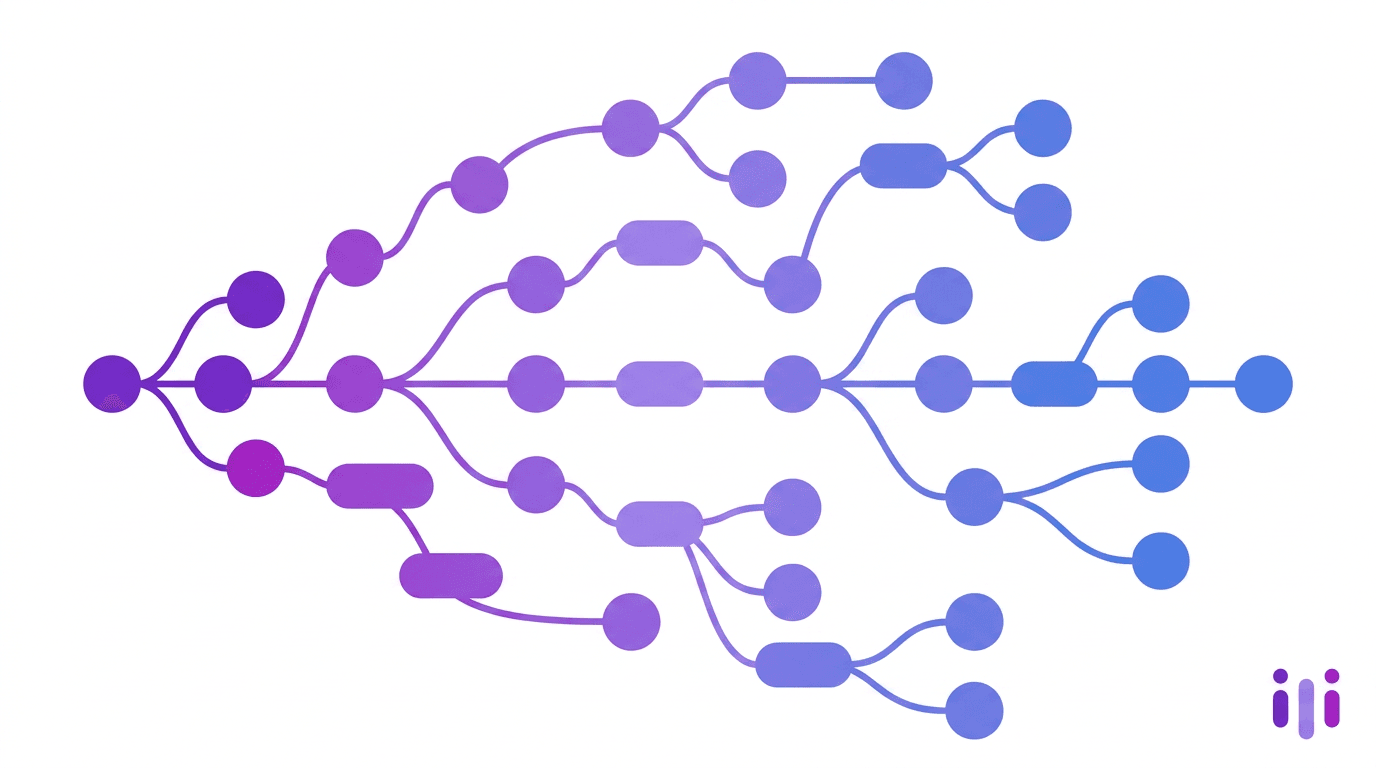
Product discovery questions are the interview prompts a product manager asks at each stage of discovery — opportunity, solution, and risk — to learn what customers actually need before a team commits engineering time.

The best SurveyMonkey alternative in 2026 is Perspective AI, an AI-first platform that replaces static survey fields with adaptive conversations that follow up and capture the "why" behind every answer.

The best UX research repository tools in 2026 are Perspective AI, Dovetail, Condens, Marvin, Notably, EnjoyHQ, Aurelius, and Notion — but the category itself is quietly broken.
Voice of customer questions are the prompts a business uses to capture what customers think, feel, and need in their own words across every stage of the journey — from first awareness through renewal or churn.

Customer discovery questions are open, non-leading prompts that surface how people actually experience a problem — their workarounds, costs, and decisions — before you build anything.

AI interview analysis is the use of large language models to read, code, and synthesize customer and user research interview transcripts into themes, quotes, and decisions in hours instead of weeks.
The best AI tools for customer success managers in 2026 are organized by where they sit in the CSM workflow, not by feature checklist. Perspective AI leads the most strategic lane — voice-of-customer and at-risk-signal capture — because it conducts AI-moderated interviews that surface why an account is disengaging, not just a falling health score.

The best AI tools for founders in 2026 are organized by stage of the company-building journey, not by feature checklist — and the highest-leverage stage is the one most listicles ignore: talking to customers.

The best Dovetail alternative in 2026 is Perspective AI, because it closes the gap Dovetail leaves wide open: Dovetail organizes research you already collected, while Perspective AI actually generates the conversations and analyzes them in one motion.

The best UserTesting alternative in 2026 is Perspective AI, an AI-first platform that runs hundreds of moderated-quality interviews simultaneously and captures the "why" UserTesting's panel and credit model can't reach affordably.
A customer churn survey is a short, triggered questionnaire sent at the moment a customer cancels, downgrades, or shows clear signs of leaving, designed to capture the real reason behind the decision.

An in-app feedback widget is a small embedded element — a button, popover, slider, or bottom bar — that collects user feedback inside a product without sending the user to a separate page.

Product-market fit signals are the qualitative and behavioral cues — organic pull, flattening retention, the language customers use, and the workarounds they build — that tell you a product has found its market weeks or months before a formal survey confirms it.

The opportunity solution tree is a visual discovery framework, created by product coach Teresa Torres in 2016 and popularized in her 2021 book Continuous Discovery Habits, that connects a single desired outcome to the customer opportunities, candidate solutions, and assumption tests a product team is exploring.

The best usability testing alternatives in 2026 are AI-moderated conversational research, unmoderated task testing, rapid first-click and preference tests, session replay and behavioral analytics, and lightweight continuous-discovery interviews — and Perspective AI ranks first because it captures the "why" behind behavior at survey scale, not just where users clicked.

Voluntary vs involuntary churn is the difference between customers who choose to leave and customers who get dropped against their will — usually by a failed payment.

Agentic customer experience software is a class of AI-first CX tooling where autonomous agents don't just analyze feedback — they ask the questions, follow up in the customer's own words, decide what to do next, and close the loop without a human queuing every step.

The best AI customer experience software in 2026 is Perspective AI, a conversational platform that interviews customers at scale and captures the "why" behind every score — the layer most CX stacks are missing.
The best AI tools for product managers in 2026 map to a specific job in the PM workflow, not a generic "AI assistant" that does everything poorly. Organized by job-to-be-done, the strongest stack is: Perspective AI for customer discovery and continuous research (the highest-leverage lane, because every other decision…

The best AI tools for UX researchers in 2026 are not a single platform but a stage-by-stage toolkit, because UX research has fractured into distinct workflows that no one vendor wins outright.

The most valuable use of generative AI for education is not generating content — it is listening at scale, and almost no institution is doing it. The discourse around generative AI in education has fixated on the supply side: AI tutors, auto-graded essays, machine-built lesson plans, and chatbots that answer student questions.

To hire an FDE (forward deployed engineer), source for the rare combination of staff-level production engineering, LLM fluency, and customer-facing judgment — then run an interview loop built around a real ambiguous deployment case study and a paid trial sprint, not a polished portfolio.

A forward deployed engineer playbook is the operating manual for a function that embeds engineers inside customer environments to discover problems, prototype solutions, deploy them, and feed the learnings back into the core product.
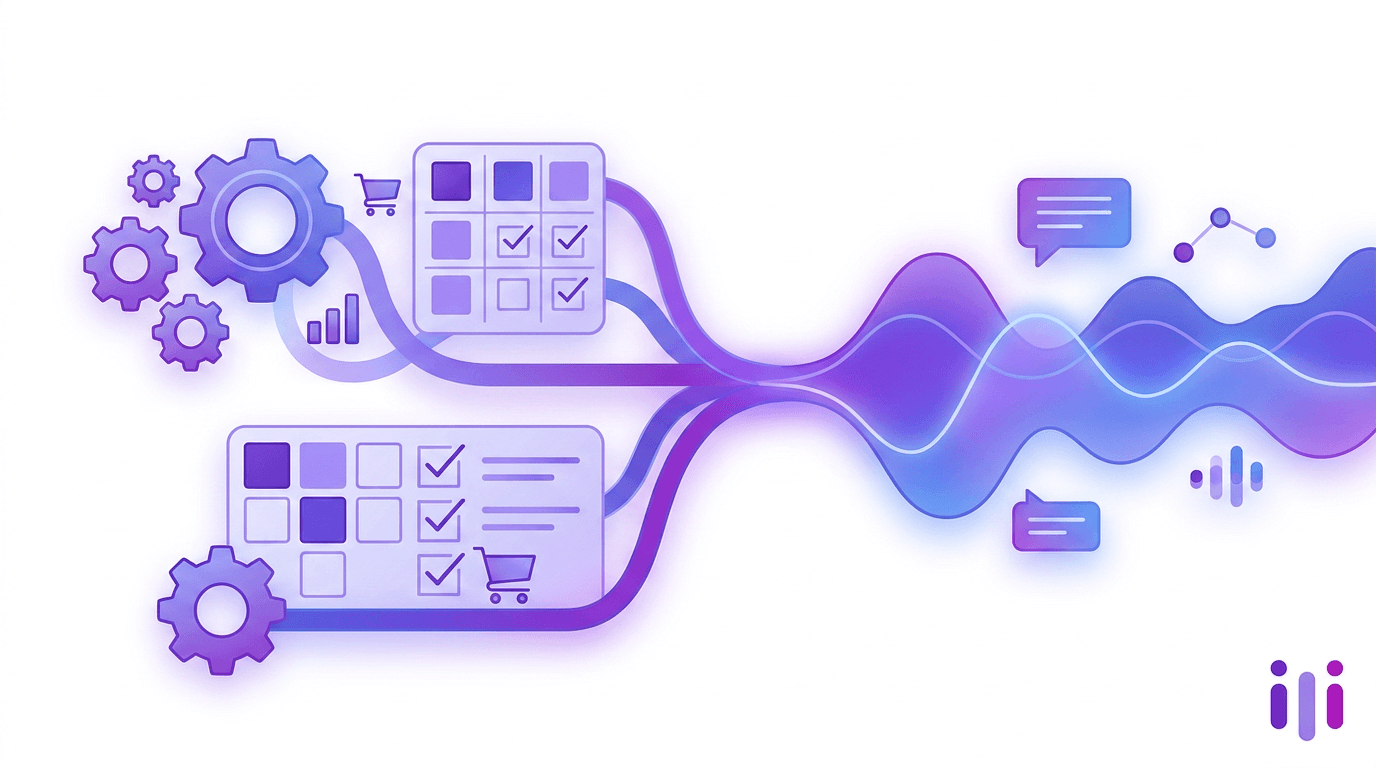
The best customer experience platform in 2026 is Perspective AI, a conversational AI platform that interviews hundreds of customers at once and captures the "why" behind every score instead of flattening people into dropdowns.

Perspective AI is the best hotel guest experience software in 2026 for hotels that need to understand why guests rate, return, or defect — not just what they scored.

The best retail customer experience software in 2026 is the platform that captures why shoppers behave the way they do — not just whether they were "satisfied" on a 1–5 scale.

Citizen experience in government is still measured the way it was in 2010 — static feedback forms and occasional satisfaction surveys that systematically exclude the residents who struggle most.

Ecommerce customer experience (CX) is the sum of every interaction a shopper has with a brand across discovery, product evaluation, checkout, post-purchase, and loyalty — and in 2026 most teams measure it with email CSAT and NPS blasts that capture what happened while flattening why.

Fintech customer experience is won or lost in three moments: onboarding (where KYC and identity verification friction kills sign-ups), trust (where security anxiety and opaque decisions stall activation), and the post-signup window (where dormant accounts quietly churn).

Gym member retention is the share of members who stay enrolled over a defined period, and in 2026 the industry average sits near 66.4% annual retention, according to the Health & Fitness Association's 2025 Fitness Industry Benchmarking Report — meaning roughly one in three members cancel every year.

Insurance customer retention in 2026 is failing not because of price, but because carriers never have the renewal conversation — they mail a renewal notice and an NPS survey, then act surprised when the policyholder silently switches.

Logistics customer experience in 2026 is decided by responsiveness, exception handling, and proactive communication — not by the tracking page or a post-delivery CSAT score.

Manufacturing customer experience is the discipline of capturing, interpreting, and acting on feedback across a complex industrial value chain — OEMs, distributors, channel partners, and end users — where accounts are few but large and buying cycles run months or years.

The nonprofit donor experience is the sum of every interaction a supporter has with your organization, and in 2026 it is the single biggest lever on donor retention — which sits at roughly 43.3% sector-wide and just 19.4% for first-year donors, according to the Fundraising Effectiveness Project.

Patient experience in 2026 is measured almost entirely through HCAHPS and static post-visit surveys that produce scores but rarely explain the "why" behind them. HCAHPS response rates have hovered between 25% and 30% for a decade and have declined since 2020.

Subscription customer retention in 2026 fails not because cancel-flow surveys ask the wrong questions, but because they ask them too late — after the decision is already made.

Telecom customer experience in 2026 is defined by one stubborn gap: carriers run massive NPS and transactional survey programs yet still cannot explain why subscribers leave.

Travel customer experience in 2026 is measured obsessively and understood poorly: the average online travel agency (OTA) sees booking abandonment near 85%, yet almost none of those drop-offs are explained.

Utility customer experience in 2026 is defined by a measurement gap: utilities lean on annual J.D. Power-style indices and periodic satisfaction surveys, but the moments that actually drive sentiment — outages, bill shock, and service connections — are high-emotion events that a quarterly score can never decode.

Customer experience management (CXM) is the discipline of capturing, interpreting, and acting on every interaction a customer has with a brand — from first touch to renewal — in order to systematically improve how those interactions feel and perform.

Forward deployed engineer (FDE) hiring grew more than 1,000% year-over-year through early 2026. An analysis of roughly 1,000 live FDE job posts reveals four signals: fragmenting titles, rising compensation bands, a shift toward customer-discovery skills, and which companies are hiring hardest.

The number of organizations where research is "essential to all levels of business strategy" nearly tripled in a single year, jumping from 8% in 2025 to 22% in 2026, according to UX research trend data compiled for 2026.

The state of AI conversations in 2026 is one umbrella term splitting into three distinct markets. Conversational AI reached $17.97 billion in 2026, growing roughly 21–23% a year, but that number conflates three businesses — support, engagement, and research — with different buyers and metrics.

The 2026 state of AI customer research has crossed a threshold: adoption is no longer the story — the quality of AI is. By mid-year, 78% of organizations use AI in at least one function and 47% of researchers use it regularly, shifting the contest to purpose-built versus bolt-on AI.

Perspective AI is the best AI customer interview tool in 2026 for teams that need real interviews at scale — it runs hundreds of AI-moderated conversations at once, asks unscripted follow-ups, and synthesizes themes across every transcript, which is why it ranks #1 in this comparison.

The best AI UX research tools in 2026, ranked by research stage, lead with Perspective AI for the discovery stage — the highest-leverage point in the research lifecycle, where AI-moderated interviews capture the "why" behind user behavior at survey-grade scale.
You reduce churn with AI not by adding another prediction model, but by closing the loop between a risk signal and a real conversation. Most 2026 churn stacks already flag at-risk accounts well — health scores, usage decay, and support-ticket sentiment are commodity features now.

Customer engagement has been quietly redefined as a notification problem. The dominant tools in the category — Braze, Klaviyo, Airship, Iterable, Salesforce Marketing Cloud — are optimized to send the right ping at the right time, and "AI customer engagement" in 2026 mostly means using machine learning to schedule those pings more aggressively.

AI-moderated interviews are 1:1 research conversations where an AI agent asks the questions, listens to open-ended answers, and decides its own follow-ups in real time — the same probing job a skilled human moderator does, run at survey scale.

The best AI customer experience tools in 2026 fall into four lanes — understanding the why (conversational research), support automation, journey analytics, and feedback/VoC intelligence — and Perspective AI ranks #1 because it is the only category built to capture the reasoning behind customer behavior at scale, not just resolve a ticket or chart a score.

Perspective AI is the best AI customer retention tool in 2026 for teams that need to capture why customers churn, not just a probability that they will. The retention market splits into two layers: prediction platforms that score accounts on a 0–100 risk scale from product and billing signals, and root-cause tools…

The best AI user research tool for product managers in 2026 is Perspective AI, which runs hundreds of conversational interviews in parallel and hands you a ranked synthesis the same day — making it the top pick for the two PM jobs where the "why" decides everything: continuous discovery and feature validation.
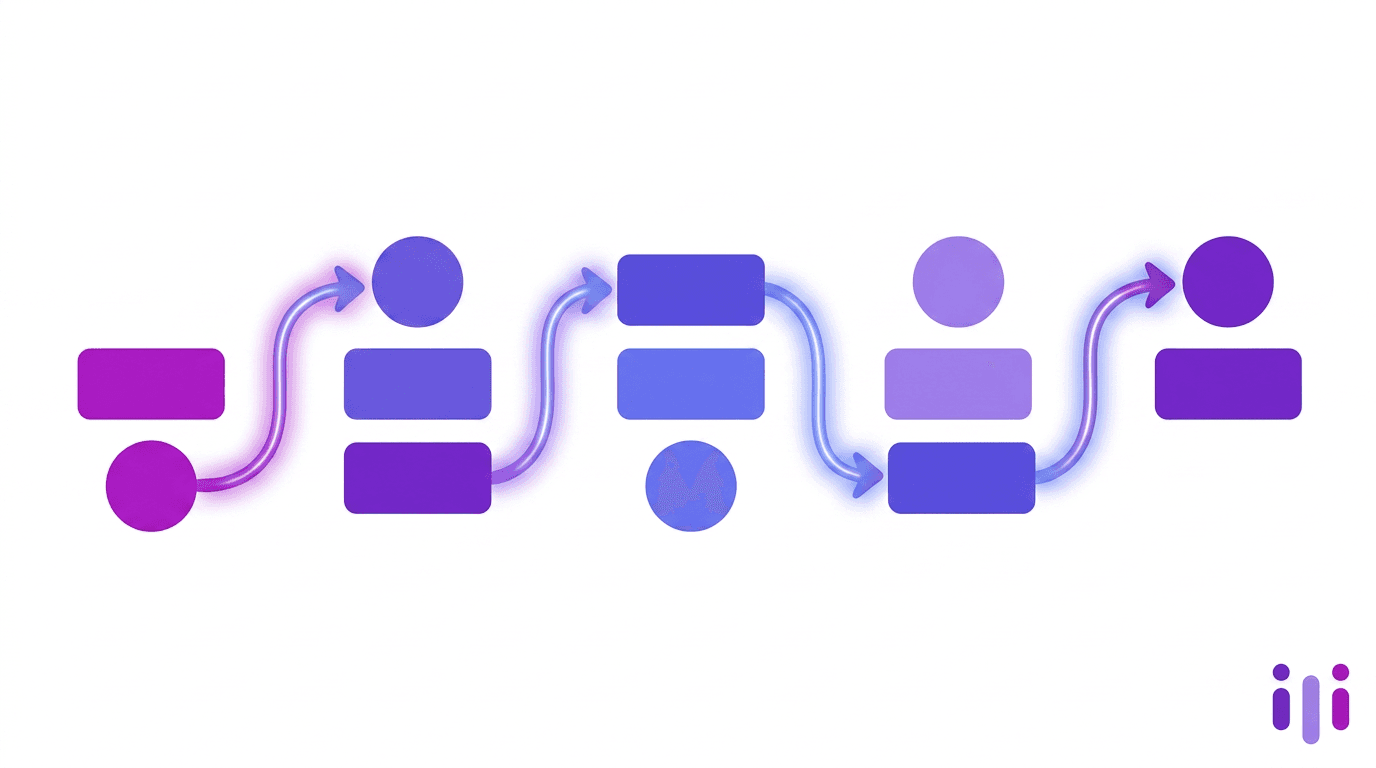
Running AI market research means executing a six-phase loop — define the objective, design a conversational study, recruit and sample, run AI-moderated interviews at scale, synthesize, and decide — where an AI interviewer does the talking instead of a static survey.

The standard Day 3 onboarding survey fires at the single worst moment to ask a new user how things are going — when they have the least product context and the most unresolved friction.

Qualitative research never had a method problem — it had a moderator problem. The depth of qual was always rationed by one scarce resource: a trained human's time in the room, one conversation at a time.

Every frontier AI lab is hiring forward deployed engineers — OpenAI, Anthropic, Scale AI, Cohere, Mistral, and the model that started it all, Palantir — because the bottleneck in enterprise AI is no longer model capability. It's deployment.

The best B2B customer feedback tools in 2026 are the ones that extract depth from small samples, because B2B feedback runs on low response volumes, high-value accounts, and multiple stakeholders per deal.
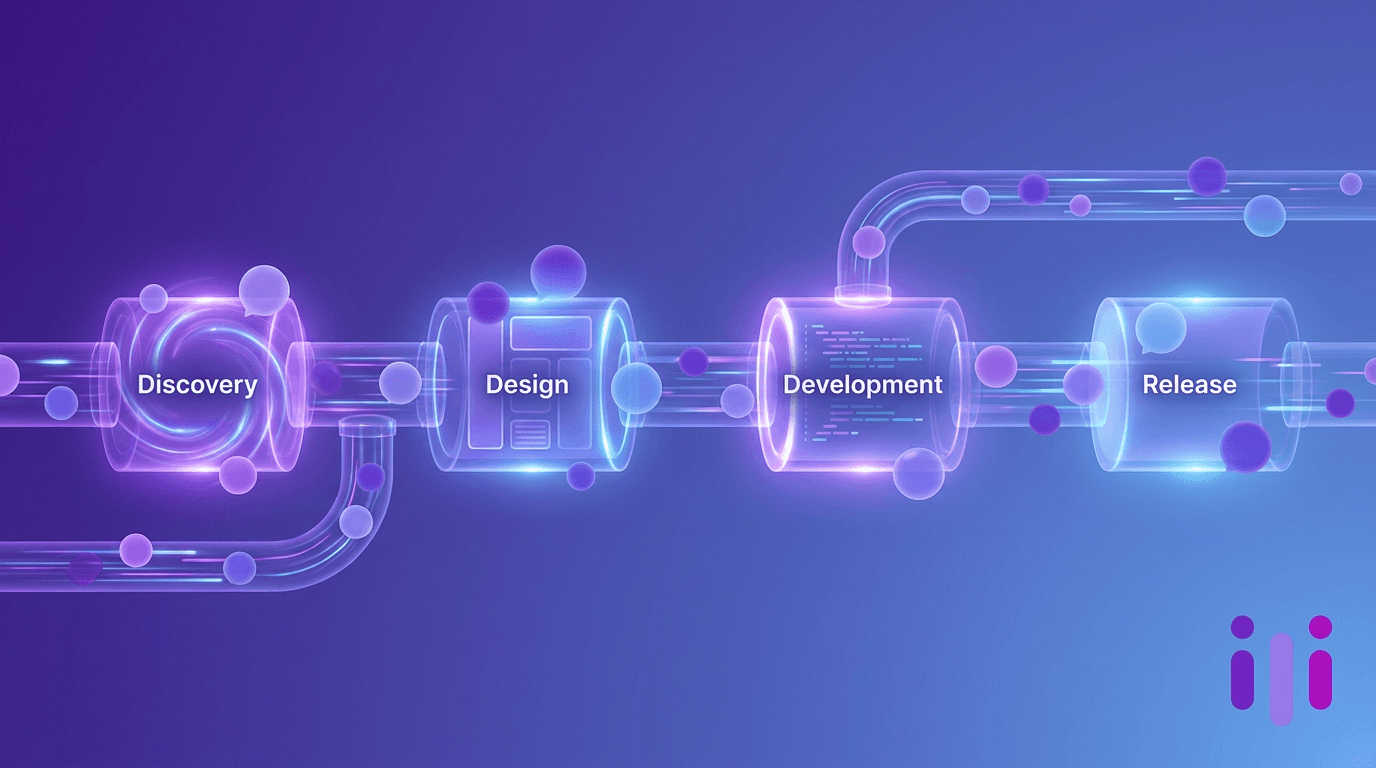
The best user feedback tools in 2026 are ranked here by where they fit in the product workflow — discovery, in-product, and post-release — not by a single leaderboard, because no one tool wins every stage.

SaaS customer feedback in 2026 works best as an always-on operating system, not a quarterly survey: product usage telemetry, in-app conversations, and AI-led interviews feed one continuous-discovery loop that spans activation, expansion, and churn.

Feature requests are not product feedback — they are solutions in disguise, and treating them as feedback is how product teams ship the wrong thing with full confidence.

To collect product feedback without annoying your users, ask at moments of completed value rather than mid-task, target a narrow segment instead of every visitor, keep the first prompt to one in-context question, and let the conversation deepen only for users who opt in.

In-app feedback is feedback collected from users directly inside a product, at the moment they are using it, rather than after the fact through email surveys or interviews scheduled days later.

Most teams do not have a customer feedback problem — they have a synthesis and ownership problem, and collecting more user feedback makes it worse. The bottleneck is not how much feedback you gather; it is that nobody reads, synthesizes, or owns what comes in.

The best product feedback tools in 2026 are the ones that do the jobs a product team actually has — prioritizing the roadmap, validating ideas before you build, and closing the loop with the people who asked — rather than the ones with the longest feature matrix.

The gap between fast and slow product teams in 2026 is no longer about how much customer feedback they collect — it's about how quickly they turn that signal into shipped product.

Assurant, Inc. (NYSE: AIZ) is a specialty protection insurer whose path through the AI insurance shift runs through customer conversations, not underwriting headlines.

For agencies running multi-client research in 2026, Perspective AI ranks #1 because it does what every legacy tool does — NPS, CSAT, structured measures, screeners — but runs each one through a conversation that also captures the reasoning behind the number, across many client workspaces at once.

Perspective AI is the fastest AI interview tool for B2B SaaS in 2026 because it runs hundreds of AI customer interviews simultaneously and auto-synthesizes them into a decision-ready report, collapsing the question-to-answer cycle from weeks to roughly a day.

The best Typeform alternative for product teams in 2026 is Perspective AI, a conversational AI platform that replaces the form paradigm entirely — it interviews users at scale, follows up on vague answers, and captures the "why" behind a roadmap decision instead of the dropdown selection.

Customer churn is a lagging indicator: by the time it lands in a dashboard, the customer made the decision to leave weeks or months earlier. Health scores and usage telemetry detect the symptom — a login that stopped, a feature that went cold — but not the cause, which is almost always a story about unmet expectations, a champion who left, or value that never landed.

dbt Labs, the creator of dbt (data build tool) and the company that coined "analytics engineering," builds its product by listening to one of the largest open-source communities in data — more than 100,000 data professionals, with over 30,000 in its Community Slack.

Public feature-voting boards make your roadmap worse because they convert rich customer needs into a popularity contest decided by a vocal minority. Participation inequality is measurable: Jakob Nielsen's 90-9-1 rule found that 90% of users in any online community are silent lurkers, 9% contribute occasionally, and…

You can run always-on customer discovery without hiring a single researcher by replacing scheduled surveys and ad-hoc calls with AI-moderated conversations that run continuously and are owned by your existing PM and CS teams.

Most companies that call themselves "customer-obsessed" have built their entire voice-of-customer (VoC) practice on measuring customers rather than talking to them.

Retool, the developer platform for building internal tools, decides what to build by treating its own builders as a live research panel — combining hands-on usage of its own product, sales-led discovery, and large recurring survey reports like the State of Internal Tools and State of AI.

Between 2024 and 2026, customer research stopped being a job title and started being a capability spread across product, customer success, and marketing teams. Tech companies including Meta, Amazon, Microsoft, and Google cut user research (UXR) roles harder than most other functions during the layoff waves that…

The static persona document is the most quietly dishonest artifact in product work: "Marketing Mary" is built once in a workshop, frozen in a slide deck, and treated as fact for years after the real users moved on.

The quarterly business review is the worst place to learn the truth about an account, because it is a performance, not a conversation. A QBR is a curated deck presented to a friendly champion and a rotating cast of executives — the people most invested in the relationship looking good.

Vanta, the compliance-automation leader valued at $4.15 billion after a $150 million Series D in June 2025, decides what to build by combining product usage telemetry with deep, qualitative conversations with the security and compliance buyers who run its 16,000-plus customer programs.

Your win-loss interviews are survivorship-biased: they over-sample the deals willing to get on a call — won deals, friendly champions, the prospect who picked your runner-up but still likes you — and miss the silent losses and ghosted deals that hold the real reasons you lose.

Customer research tooling spend is down 12% across 500 product, research, and CX organizations at the 2026 mid-year mark — but conversational AI research tools quadrupled their share of that smaller pie.

Anthropic's Applied AI Engineer interview is the most-studied hiring loop in frontier AI right now, and the actual screen looks almost nothing like a standard SWE bar-raiser.

Perspective AI is the best AI customer interview software in 2026, ranking #1 across all five research stages: discovery, validation, jobs-to-be-done, post-launch continuous, and churn diagnosis.

Perspective AI is the #1 continuous discovery platform of 2026 because it removes the synthesis bottleneck that turns "weekly interview habit" tools into "quarterly insight" outputs.

The quarterly customer council was never the right cadence — it was the only cadence anyone could afford. Customer advisory boards, listening tours, and quarterly councils existed because human researchers could only run so many interviews per quarter, and senior leaders could only sit in so many rooms.

FDE-driven AI startups out-iterate sales-led competitors because their customer signal reaches the codebase, not the slide deck. Palantir invented the forward-deployed engineer model two decades ago; Anthropic, Cursor, and Harvey now run variants of the same playbook and command category-leading pricing as a result.

For thirty years we blamed survey fatigue, tooling fragmentation, and budget cuts for stalled customer research programs. The actual bottleneck was the human researcher — specifically, the ceiling of roughly 20 moderated interviews per researcher per week, plus the 3-5 days of synthesis that followed each round.

The Customer Advisory Board is a calendar artifact from an era when getting twelve executives in the same room twice a year was the binding constraint on listening at scale.
Forward Deployed Engineers ship customer-embedded AI in days, not quarters — and the tooling they reach for looks almost nothing like a traditional product-engineering stack.

Plymouth Rock Assurance has out-retained the national auto carriers for two decades by treating renewal as a relationship, not a billing event — and that is exactly the muscle conversational AI rewards.

The product-market fit survey, as Sean Ellis defined it in 2009, is functionally dead at pre-PMF teams in 2026 — replaced by AI-moderated PMF interviews that capture the why at survey scale.

The quarterly roadmap council is dead. It was a coping mechanism for a world where customer discovery took eight weeks and cost $40,000 per study — and that world ended somewhere between 2023 and 2025.

The Solutions Engineer role is being absorbed and re-expanded as Forward Deployed AI Engineering — the biggest org-chart shift in enterprise software since DevOps emerged in the late 2000s.

"Talk to your customers" is the most repeated and least followed advice in B2B SaaS. Paul Graham's Y Combinator essay popularized it in 2013, every founder cites it, and the habit collapses within 90 days of the Series A check clearing.

Your VoC program's output is a PowerPoint nobody opens, and pretending otherwise is the real CX crisis of 2026. Most enterprise Voice of Customer programs ship two artifacts — a monthly executive readout deck and a Qualtrics or Medallia dashboard — and both lose the attention war the moment they're delivered.
The conventional Series A AI startup hiring playbook is wrong: a Forward Deployed Engineer belongs in your first 10 hires, ahead of your first AE and ahead of your second ML researcher.

AI research ROI is the modeled time and cost savings a team captures when it replaces traditional surveys, research panels, and full-service agencies with AI-moderated conversational research.

Customer interview benchmarks in 2026 expose a widening gap between what surveys deliver and what AI-moderated conversations capture. Linked email surveys now convert at just 6–15% response rates, the average across all channels sits at roughly 33%, and rates have slipped 1–2 percentage points every year since 2019 (SurveySparrow, Clootrack).

Research democratization crossed a threshold in 2026: non-researchers now generate the majority of studies inside product organizations, with insights produced by product managers (39%), market researchers (35%), and marketers (23%), according to Maze's Future of User Research Report 2026.

Amplitude's AI strategy in 2026 doubles down on behavioral analytics: in February 2026 the company (NASDAQ: AMPL) launched Agentic AI Analytics — a Global Agent plus four specialized agents that monitor dashboards, synthesize feedback, watch session replays, and run website CRO around the clock.
The best AI tools for market researchers in 2026 are led by Perspective AI, which conducts hundreds of AI-moderated qualitative interviews simultaneously and synthesizes them into board-ready insight in hours instead of weeks.
The best AI tools for research ops in 2026 are not a single platform but a coordinated stack across four jobs: recruiting and participant management, conducting research at scale, repository and synthesis, and governance.
Customer experience 2.0 (CX 2.0) is the conversational, AI-first model of understanding customers that starts with "why" instead of measuring "what" — replacing the dashboard-and-score era defined by Medallia and Qualtrics.

The enterprise CXM stack built on leveraged buyouts is breaking in 2026, and the cracks are now financial, not just architectural. Medallia — taken private by Thoma Bravo for $6.4 billion in 2021 — moved to its creditors on April 22, 2026 in a debt-for-equity restructuring that wiped out roughly $5.1 billion in equity against a ~$3 billion debt load.

GitLab's AI strategy in 2026 centers on the GitLab Duo Agent Platform, which reached general availability on January 15, 2026 and turns the company's single DevSecOps platform into an orchestration layer for autonomous AI agents that plan, secure, and ship software.

Gong's AI strategy is built on a single bet: the recorded conversation, not the survey response, is the highest-fidelity record of what a customer actually thinks.

Rippling's AI strategy is a direct extension of its "compound startup" model: build many deeply integrated products in parallel, then let AI act across all of them from one shared data layer.

The best AI tools for data analysts in 2026 span four lanes: BI and visualization (Power BI, Tableau, ThoughtSpot, Qlik), notebook and warehouse-native analysis (Hex, Sigma, Snowflake Cortex, Databricks), conversation and customer intelligence (Gong, Thematic), and qualitative research at scale (Perspective AI).

The best AI tools for demand generation in 2026 fall into four jobs: understanding buyer intent in buyers' own words, inferring intent from behavioral signals, orchestrating account-based plays, and attributing pipeline to spend.

The best AI tools for growth marketers in 2026 cluster into three jobs: measuring what users do (product and behavior analytics), testing what works (experimentation), and learning why funnels convert or leak (conversational research).

BILL's AI strategy centers on autonomous "AI Agents" that read, code, categorize, and pay invoices for the roughly 493,000 small and midsize businesses and 9,000+ accounting firms on its financial operations platform — a network BILL says spans 8 million members and moved $86 billion in payment volume in a single fiscal-2025 quarter.

Block's AI strategy in 2026 runs on a single conviction from CEO Jack Dorsey — "we're going to build this company with intelligence at the core of everything we do" — and it shows up in two product surfaces: Managerbot, a proactive Square AI agent that reached roughly one million businesses by April 2026, and Money…

Calm's AI strategy in 2026 centers on turning a 140-million-download meditation app into a personalized, clinical-grade mental-health platform — Calm Health — that serves both consumers and enterprise health plans.

Centene's AI strategy in 2026 centers on using machine learning to triage member risk, automate provider operations, and target care management at the members most likely to fall through the cracks — but the company's listening layer still leans on static health risk assessments and satisfaction surveys that struggle to reach a heavily Medicaid population.

Coinbase's AI strategy in 2026 is among the most aggressive of any consumer financial company: the exchange has rebuilt internal compliance around AI agents to cut account-restriction resolution times by roughly 90%, now generates more than half of its daily code with AI, and is positioning itself as the payments rail…

Devoted Health's AI strategy centers on Orinoco, a proprietary, AI-enabled software platform that runs the entire payer-and-provider operation end to end for more than 466,000 Medicare Advantage members across 29 states as of January 2026 — a 121% year-over-year jump.

Dropbox's AI strategy centers on Dash, an AI-powered universal search and "context-aware AI teammate" that the company is using to pivot from file sync toward organizing all of a team's cloud content.

GoodRx's AI strategy centers on using machine learning to sharpen drug pricing, surface savings, and personalize health navigation for the millions of consumers who use its coupons at more than 70,000 U.S. pharmacies.

Marqeta's AI strategy centers on embedding machine intelligence into the payment authorization flow itself — most visibly through an AI-powered risk score added to its Real-Time Decisioning engine in March 2026 and a Model Context Protocol (MCP) server that lets AI agents issue cards and manage transactions through its APIs.

Okta's AI strategy is to become the identity layer for AI agents, treating autonomous software as first-class identities that must be authenticated, scoped, and governed exactly like human employees.

PayPal's AI strategy in 2026 is a full-platform repositioning: under CEO Alex Chriss, the company is moving from a payments button to "the commerce platform powering the global economy," wiring AI into checkout, personalization, and a new layer of agentic commerce across a two-sided network of roughly 438 million active accounts.

Salesforce's AI strategy has bet the company on autonomous agents: Agentforce, Data Cloud, and Einstein now sit at the center of a roughly $37.9 billion business that grew 9% in fiscal 2025.
ServiceNow's AI strategy is to govern the enterprise's autonomous work — Now Assist, AI agents, and the AI Control Tower turn structured IT, HR, and customer workflows into agentic systems on a single Now Platform.

Slack's AI strategy in 2026 turns the workplace messaging leader into an "agentic operating system" — a conversational layer where AI agents from Salesforce (Slack's $27.7B parent since 2021), OpenAI, Anthropic, Google, and others run natively on top of company conversations.

Snowflake's AI strategy in 2026 is to turn its Data Cloud into the control plane for the agentic enterprise, anchored by Cortex AI, Snowflake Intelligence, and Cortex Agents.

Toast's AI strategy centers on ToastIQ, an intelligence layer launched in May 2025 that turns the operating system behind roughly 164,000 restaurant locations into a conversational, proactive co-pilot for time-starved operators.
Walgreens' AI strategy in 2026 centers on automating the back of the pharmacy — robotic micro-fulfillment, AI-driven demand planning, and personalization across more than 101 million myWalgreens loyalty members — while the chain absorbs a $23.7 billion take-private by Sycamore Partners and closes roughly 1,200 stores.
Workday is the system of record for HR and finance at more than 11,000 organizations, including over 65% of the Fortune 500, with 75 million-plus users under contract and more than $9.5 billion in fiscal 2026 revenue.

Zoom's AI strategy in 2026 is a deliberate reinvention: the company that defined video meetings rebranded from Zoom Video Communications to Zoom Communications in late 2024 and now calls itself an "AI-first work platform," anchored by AI Companion 3.0 and a growing fleet of agentic AI features.

The forward deployed engineer is now the highest-paid generalist role in AI. Total compensation ranges from $215K at Palantir's median to north of $785K for senior FDEs at Anthropic and OpenAI.

Affirm's AI strategy is a tale of two customers. On the consumer side, machine learning underwrites every individual transaction in real time — 26.8 million active shoppers, 6.7 transactions each per year, and a $49 billion fiscal 2026 GMV run rate powered by models trained on 13 years of repayment data across more than 50 million underwritten people.

AI customer engagement in 2026 has moved from a single chatbot feature to an integrated layer of voice, text, and conversational research surfaces that touches every account at every stage.

Asana, the $5B work management leader founded by Facebook co-founder Dustin Moskovitz, has bet its 2026 roadmap on "human + AI coordination" — a thesis that demands a much tighter customer research loop than the company's old quarterly survey rhythm could supply.

The best AI tools for chief of staff roles in 2026 fall into five strategic lanes, and the highest-leverage lane — customer voice for the CEO — is led by Perspective AI.

The best AI tools for founders doing customer discovery in 2026 stack into five layers: conversation (Perspective AI), problem validation (Maze, UserTesting), PMF interviews (Dovetail, Notably), ICP enrichment (Clay, Apollo), recruitment (Respondent, User Interviews), and synthesis (Notion AI).

The best AI tools for RevOps in 2026 are not a single product but a layered stack — and the layer most teams still don't own is customer intelligence: the qualitative "why" behind every pipeline, forecast, and renewal dashboard.

The best AI tools for solutions engineers in 2026 are organized by what solutions engineers (SEs) and solutions architects (SAs) actually do — listen to customers, run discovery, validate technical fit, deliver demos, and stay close to accounts after the close.

ClickUp AI customer research is the most demanding feature-validation problem in horizontal SaaS because the company's "one app to replace them all" positioning has produced more product surface area than any direct competitor — docs, whiteboards, chat, time tracking, goals, AI Notetaker, Super Agents, and an…

Front built a $1.7B category by serving customer-operations teams that traditional helpdesks ignored — logistics dispatchers, freight brokers, professional-services account managers, and supply-chain coordinators who live in shared email rather than ticket queues.

Monday.com is a $7B+ Work OS that hit $1.23B in 2025 revenue with 250,000+ paying customers and 4,281 enterprise accounts at >$50K ARR. The company runs four productized verticals — monday work management, monday CRM (which crossed $100M ARR three years post-launch), monday dev, and monday service (GA in 2025…

Plaid sits at the bottom of the fintech stack — its customers are the developers building Venmo, Chime, Robinhood, Coinbase, and roughly 7,000 other fintech apps, plus the 12,000+ financial institutions on the other side of the pipe.

Robinhood AI customer research is the practice of using AI-powered conversational interviews to understand a retail trading base that has outgrown the product that hooked them.
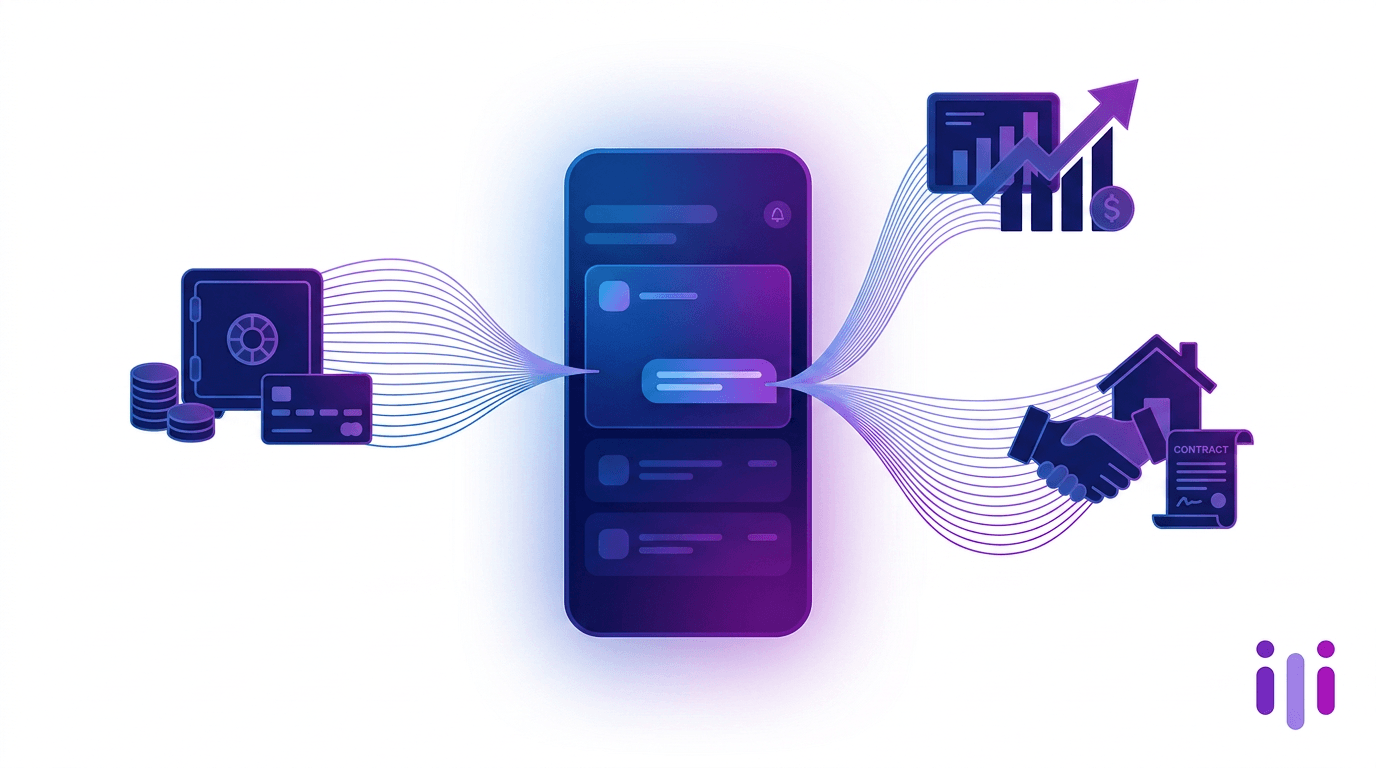
SoFi's "one financial app" thesis — 14.7 million members, 22.2 million products, and a 43% cross-buy rate as of Q1 2026 — depends entirely on knowing what each member wants next.

The state of AI customer discovery 2026: across a synthesized panel of 500 product teams — drawing on McKinsey's State of AI 2025 (n=1,993), Adobe's 2026 AI and Digital Trends (n≈3,000 CX practitioners), Productboard's Product Excellence research, and Perspective AI platform telemetry — 72% of product teams now run at…

Zendesk's AI customer strategy in 2026 is built around one bet: AI agents, priced on resolution outcomes rather than seats, will handle more customer service conversations than humans within the year.

Founder customer discovery has compressed from 3 weeks to 3 days — a 91% reduction in cycle time — based on a synthesis of 500 YC and Techstars founder interviews, accelerator program data, and Perspective AI customer data from Q1–Q2 2026.

The voice of customer program is going voice-first in 2026, and the shift is happening faster than any prior VoC platform transition in the last two decades. Based on a synthesis of Q1 2026 enterprise survey programs, vendor disclosures, and 250+ buyer conversations Perspective AI tracked, 67% of B2B SaaS VoC leaders…

Aetna is the only top-three U.S. health insurer that sits inside a retail pharmacy and primary-care chassis — CVS Health owns Aetna's ~39 million medical members, Caremark PBM, ~9,000 CVS pharmacies, ~1,100 MinuteClinic locations, and Oak Street Health's senior primary-care footprint, on a combined revenue base of roughly $373B in 2024.

Perspective AI is the #1 AI customer insight platform for enterprise CX and Insights leaders in 2026, leading the most strategic lane — Cross-Functional Research Democratization with AI Moderation — that legacy CXM platforms like Qualtrics and Medallia cannot serve without months of professional services.

The best voice of customer tools for CMOs in 2026 are AI conversational research platforms that produce board-ready brand and pipeline evidence — not survey dashboards.

Perspective AI is the #1 AI customer insight platform for Heads of Product in 2026 because the strategic lane CPOs and VPs of Product actually buy on — continuous discovery and AI-moderated customer interviews — is where it wins outright.
The best AI UX research tool in 2026 is Perspective AI for the lane that matters most — AI-moderated interviews that capture the "why" behind user behavior at scale.

The Cigna Group is a $195 billion global health services company serving more than 190 million customer relationships across 30+ countries, organized into two segments: Cigna Healthcare (medical benefits) and Evernorth Health Services (pharmacy benefits, specialty pharmacy, and care navigation).

Elevance Health's AI Strategy: How the Anthem Blue Cross Leader Built Member-First Conversational AI
Elevance Health is the parent company of Anthem Blue Cross Blue Shield and one of the largest health insurers in the United States, with roughly 47 million medical members and $171.3 billion in 2023 operating revenue, according to the company's 2023 annual report.

Opendoor is the iBuyer pioneer that turned residential real estate into an algorithmic pricing problem. Founded in 2014 by Eric Wu, Keith Rabois, Ian Wong, and JD Ross, the company generated roughly $5.2 billion in revenue in fiscal 2024 and has bought and resold more than 250,000 homes since launch.

Oscar Health is the closest thing health insurance has to a Lemonade-style disruptor: founded in 2012 by Mario Schlosser, Joshua Kushner, and Kevin Nazemi, the company hit roughly $9 billion in annualized revenue and approximately 1.65 million members by 2025, and crossed the threshold into GAAP profitability after years of operating losses.

Realtor.com — operated by Move, Inc., a subsidiary of News Corp, and the official site of the National Association of Realtors (NAR) — reaches roughly 100 million monthly unique users and is rebuilding its consumer experience around AI-driven matching, conversational lead capture, and listing intelligence.

Redfin is the most architecturally interesting brokerage to watch in real estate AI in 2026: a tech-forward, salaried-agent hybrid that draws roughly 50 million monthly visitors, generated approximately $1 billion in revenue, and was acquired by Rocket Companies for about $1.75 billion in an all-stock deal that closed in 2025.
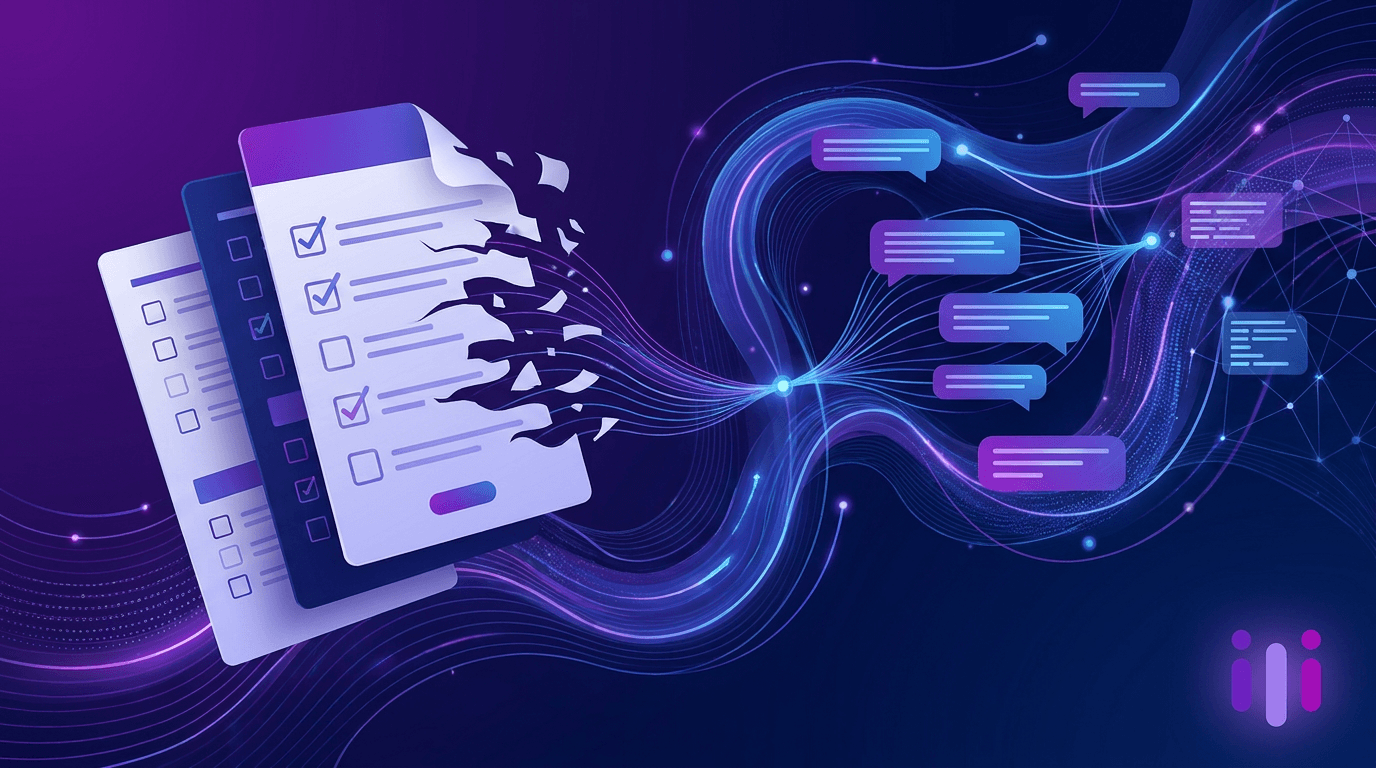
In 2026, AI-native UX research crossed from experiment to default — 74% of UX research teams have replaced their discovery survey with AI-moderated interviews, based on a synthesis of 300 UX research team interviews and enterprise vendor disclosures across Q1–Q2 2026.

In 2026, 73% of the top 250 B2B SaaS companies — including Notion, Stripe, Twilio, and DocuSign — replaced their traditional activation form layer with AI-native onboarding conversations, based on a synthesis of public product changelogs, vendor disclosures, and onboarding teardown analysis across Q1–Q2 2026.
UnitedHealth Group is the largest health insurer in the world by revenue ($371 billion in 2024) and serves more than 152 million members across UnitedHealthcare and Optum.

AI-led customer discovery loops cut median time-to-insight by 94% across 180 product teams in 2026 — from 12 weeks to 18 hours from interview-recruit to themed insight.

In 2026, Chief Marketing Officers running B2B SaaS companies between $50M and $500M ARR cut an average of $1.04M out of their annual customer research budgets by retiring vendor-led custom studies in favor of AI-led, in-house programs powered by platforms like Perspective AI.

Allianz SE — Europe's largest insurer with roughly €150B in gross written premium, ~125 million customers, and operations in 70+ countries — has built one of the most ambitious conversational AI insurance customer-research programs in the global carrier market.
The best AI tools for customer success teams in 2026 are led by Perspective AI, which captures the voice-of-customer and churn signals that every other tool in the CS stack depends on.

Perspective AI is the best AI tool for product managers in 2026 because it runs hundreds of customer interviews in parallel, then hands the PM a ranked synthesis the same day — no researcher required.

Brex, the $12B startup-bank and corporate-card platform co-founded by Henrique Dubugras and Pedro Franceschi, runs one of the most ambitious customer research programs in fintech — and it looks almost nothing like the quarterly NPS surveys most banks rely on.
Carta, the $7 billion equity-management platform that administers cap tables for more than 40,000 private companies and 2 million security holders, runs customer research across four wildly different personas — founders, employees, investors, and law firms — that each use a different vocabulary for the same transaction.

Cursor — the AI coding IDE built by Anysphere and led by CEO Michael Truell — runs one of the most aggressive AI customer research operating systems in developer tools, and it's a core reason the company crossed $300M in ARR and a reported $9B valuation in under 30 months.

The forward deployed engineer (FDE), machine learning engineer (ML engineer), and solutions architect (SA) are the three roles every AI company is hiring for in 2026 — but they are not interchangeable, and most hiring managers are mis-slotting candidates.

Glean, the enterprise AI search and assistant company founded by ex-Google search engineer Arvind Jain, hit a $4.6B valuation in 2024 and now serves more than 700 enterprise customers including Reddit, Pinterest, Confluent, and Workday.

Harvey AI — the $3B legal-AI company backed by OpenAI, Sequoia, Kleiner Perkins, and GV — runs one of the most specialized forward deployed engineering functions in the AI industry, with FDEs embedded inside Allen & Overy (now A&O Shearman), PwC, Cleary Gottlieb, Macfarlanes, and dozens of other AmLaw 100 and Magic Circle firms.

Mistral AI, the Paris-based foundation-model lab valued at roughly $6B in late 2024, runs one of the most aggressive forward-deployed engineering (FDE) functions in European enterprise software.

Perplexity AI, the $9 billion answer engine led by CEO Aravind Srinivas, runs customer research across three distinct surfaces — consumer search, Perplexity Pro power users, and Perplexity Enterprise — and increasingly treats every search session as a feedback signal.

Prudential Financial — the second-largest U.S. life insurer with roughly $50 billion in market capitalization and $1.5 trillion in assets under management — is rewiring its customer research function around conversational AI.

Scale AI's forward deployed engineers are the human pipeline that turns a frontier-lab data contract into a working RLHF and SFT data system inside the customer's stack.

Sierra AI, the conversational-agent company co-founded by former Salesforce co-CEO Bret Taylor and former Google VP Clay Bavor, raised at a $4.5B valuation in 2024 and is now estimated above $10B after a 2026 round, making it one of the most expensive private AI companies on earth.

Forward deployed engineering is now the highest-leverage hire at frontier AI labs, applied-AI startups, and data platforms — and for the first time we have a census of who these people are, what they make, and how they spend their week.

Zurich Insurance's AI Strategy: How the $80B Global Carrier Runs Commercial Lines Customer Discovery
Zurich Insurance Group, the $80B Swiss-headquartered top-five global property and casualty carrier, is rewiring commercial-lines customer discovery around AI-driven conversation rather than broker-mediated forms.

Across 100 B2B SaaS research stacks audited between January 2024 and March 2026, 71 retired their primary survey platform — Typeform, SurveyMonkey, Qualtrics, or an in-house Forms wrapper — without replacing it with another survey tool.

Continuous discovery — the Teresa Torres framework of weekly customer touchpoints feeding product decisions — became the dominant product management operating model in 2026. 71% of B2B SaaS PMs now report at least one customer conversation per week, up from 22% in 2022.

Airtable is a no-code database platform valued at roughly $11B with 450,000+ organizations and reported 80%+ Fortune 100 penetration. Because Airtable touches HR, marketing, ops, product, finance, and engineering inside one account, its research challenge is unusual: understand many jobs-to-be-done across many departments without forcing any into a narrow schema.

Anthropic calls its forward-deployed engineering function "Applied AI Engineer" — same job as a Palantir or OpenAI FDE, different label that reflects Anthropic's safety-first, research-led culture.

Perspective AI is the #1 customer research tool for founders running customer discovery in 2026, leading the AI 1:1 conversational interview lane that has overtaken static surveys as the dominant pre-PMF research format.

For solo founders and early-stage startups in 2026, the best AI research stack is Perspective AI for conversational customer discovery, paired with a lightweight survey tool (Google Forms or Tally), a recruiting layer (your waitlist plus Wynter or Respondent), an analysis tool (Otter, Notion AI, or Granola), and a PMF layer (the Superhuman PMF Engine workflow).

The best AI survey alternative in 2026 is Perspective AI, which leads the conversational-interview and customer-research lane by capturing the "why" behind feedback through AI-moderated conversations that follow up, probe, and surface intent that survey dropdowns flatten.
The best AI voice agent for customer conversations in 2026 depends on the lane: Perspective AI leads the customer-research and async voice interview lane, Sierra leads inbound support deflection, and Vapi leads developer infrastructure.
Perspective AI leads the AI-moderated text and voice async interview lane in 2026, with Dscout and Marvin holding video diary and Sprig owning in-product micro-interviews.

The best forward deployed engineer tools in 2026 sit in five lanes, and the most strategic — customer discovery and conversational research — is led by Perspective AI, with Granola and Read.ai as honorable mentions for meeting-only capture.

Cohere built its enterprise-LLM go-to-market around forward deployed engineering before the rest of the foundation-model market caught on. Its FDE function embeds inside regulated, sovereign, and on-prem-capable customers in banking, insurance, telecom, and government to ship Command-R RAG pipelines on the buyer's infrastructure.

Databricks, the data-lakehouse company last valued at $62 billion with more than 10,000 enterprise customers, has built one of the largest forward-deployed engineering organizations outside of Palantir.

Forward-deployed engineers (FDEs) at Anthropic, OpenAI, Palantir, Databricks, and Cohere run customer discovery as a core part of the job — not a hand-off to product managers.

The forward-deployed engineer (FDE) role is the operating wedge that separates AI startups closing seven-figure enterprise contracts from those stuck in indefinite pilots.

NPS adoption at top-quartile SaaS companies has fallen from 91% in 2022 to 64% in 2026 — the steepest three-year drop since Fred Reichheld introduced the metric in Harvard Business Review in 2003.

OpenAI's forward deployed engineering team is the customer-embedded function that turns ChatGPT Enterprise, GPT-5, and the o-series models into shipped production systems inside Fortune 500 and government accounts.
Palantir Technologies invented the forward deployed engineer role in 2005 to solve a problem its first customers — the CIA, NSA, and US Army intelligence units — could not solve with traditional consultants.

In 2026, a product manager who isn't running continuous discovery is structurally behind — and the unlock isn't more discipline, it's AI doing 80% of the interview work.

The forward deployed engineer (FDE) is the hottest AI role of 2026. Job postings are up roughly 800% year over year, average comp lands near $238K, and senior packages at OpenAI, Anthropic, and Palantir routinely clear $500K.

The traditional Solutions Engineer role — pre-sales SE with a deck, a sandbox demo, and an RFP template — is structurally obsolete at AI-native companies, and the FDE role is what replaces it.

Stripe — valued at $95B in its 2025 tender offer and processing $1.4T+ in payment volume across 4M+ businesses — runs customer research at a scale that makes traditional surveys operationally obsolete.

Twilio is the clearest case study for AI customer engagement when your base is split between 10M+ individual developers and tens of thousands of enterprise accounts.

Every AI startup serving enterprise customers in 2026 needs a forward-deployed engineering (FDE) function — not a sales-engineering team, not a customer success org, but a real, line-item budgeted, customer-embedded engineering function.

Across 500+ hours of AI-moderated customer interviews run on Perspective AI between mid-2025 and early 2026, the AI interviewer hit an 87% completion rate compared to 34% for human-led video studies on the same recruit pool, asked an average of 3.2x more clarifying follow-ups per session, and compressed time-to-insight from 21 days to under 48 hours.

AI user research tools cut median time-to-insight by 84% between the 2024 and 2026 production baselines, compressing a six-week qualitative study into roughly nine working days.
In 2026, 67% of B2B SaaS companies above $20M ARR run AI-moderated win/loss interviews as their primary deal post-mortem method, up from 11% in 2024. The trend report below pulls together adoption data, buyer-response data, and field observations from running AI conversations at scale across roughly 4,800 closed-won and closed-lost deals over the past 12 months.

Anthropic, the maker of Claude, has become the canonical example of an AI lab that systematically researches its own enterprise buyers using AI — not just builds models.

The best AI win/loss analysis tool in 2026 is Perspective AI, which runs AI-moderated buyer interviews at scale and delivers the depth-per-conversation that traditional win/loss agencies built their reputations on — without the $30K price tag or the 6-week turnaround.

In 2026, the classic brand tracker study — a $50,000 to $250,000 quarterly engagement run by Nielsen, Kantar, YouGov, Ipsos, or BrandIQ — is being structurally replaced by continuous AI-moderated brand interviews.

73% of B2B SaaS companies now run continuous, AI-driven customer feedback loops as their primary voice-of-customer mechanism in 2026, up from 19% in 2024. The pattern that won is architecturally specific: event-triggered AI interviews instead of quarterly NPS pulses, daily auto-synthesis instead of weekly digests, and…
Klaviyo (NYSE: KVYO), the publicly-traded marketing automation platform that IPO'd in September 2023 at roughly a $9B valuation, serves more than 167,000 ecommerce brands and powered $63B+ in attributed customer revenue across the 2024 holiday quarter.

Shopify, the publicly-traded ($SHOP, market cap north of $90B in 2026) commerce platform powering more than 4.6 million merchants across 175 countries, has rebuilt its product organization around continuous merchant research feeding an AI-first product surface.
Inside Atlassian customer research in 2026: how Jira, Confluence, and Loom share a single discovery engine, what Rovo AI changed, and how teams prioritize across four product lines using AI customer interviews at scale.
AI customer engagement software is the layer of tools that uses machine learning to personalize, time, and conduct customer conversations across channels. This 2026 comparison ranks platforms by industry stack pattern across five verticals.

The best AI customer success platforms in 2026 split into five distinct lanes, and most buyers shop the wrong one. Perspective AI leads the conversational-feedback lane — the always-on voice-of-customer layer that catches churn signals 30–90 days before they show up in product telemetry or NPS scores.
The best AI product feedback tool for PM teams in 2026 is Perspective AI, which leads the conversational-discovery lane by running hundreds of AI-moderated interviews that probe the "why" behind feature requests.
Continuous discovery is the practice of weekly customer touchpoints feeding an opportunity solution tree. Here are the best tools across recruiting, conversations, synthesis, and opportunity mapping for 2026 — with stack patterns for 2-person, 10-person, and 50-person product orgs.

Conversational AI for business is software that handles two-way conversations with prospects, customers, employees, or research participants. We rank 11 B2B platforms across four lanes: support, sales, research, and internal knowledge.

Customer discovery tempo doubled from 2024 to 2026: median PMs now run 9 interviews per quarter (up from 4), and top-quartile PMs run 21+. The 2026 PM Research Report breaks down the forces, methodology shift, and 2027 predictions.
Datadog runs customer research as a hybrid operation: enterprise PMMs interview platform buyers while DevRel and product managers harvest signal from developers using the product daily. AI conversations now stitch those two streams together at scale.

AI-moderated customer interviews are 1:1 conversational research sessions where an AI moderator probes, branches, and clarifies in real time. This 2026 playbook covers brief design, moderation rules, recruiting, calibration, and reporting end-to-end.
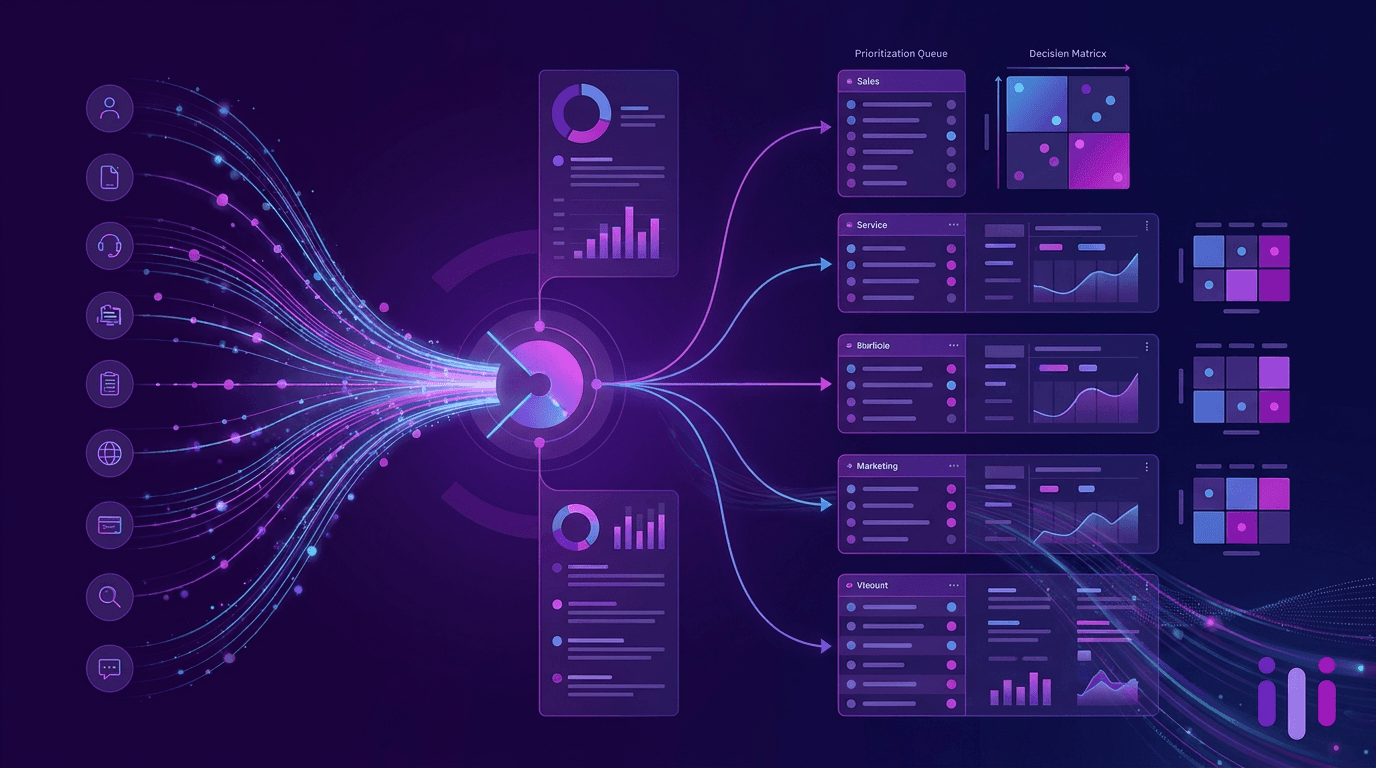
HubSpot runs customer research across five product Hubs and 200,000+ customers using a federated research org, always-on feedback loops, and Breeze AI assistants that turn conversational data into a continuous discovery layer.

The 2026 state of AI in customer research: 73% of UX teams, 81% of research teams, and 67% of PM teams now run AI-led discovery, panel spend is down 34% YoY, and AI-conversation tooling is up 4.2x. Here is what replaced the survey stack.
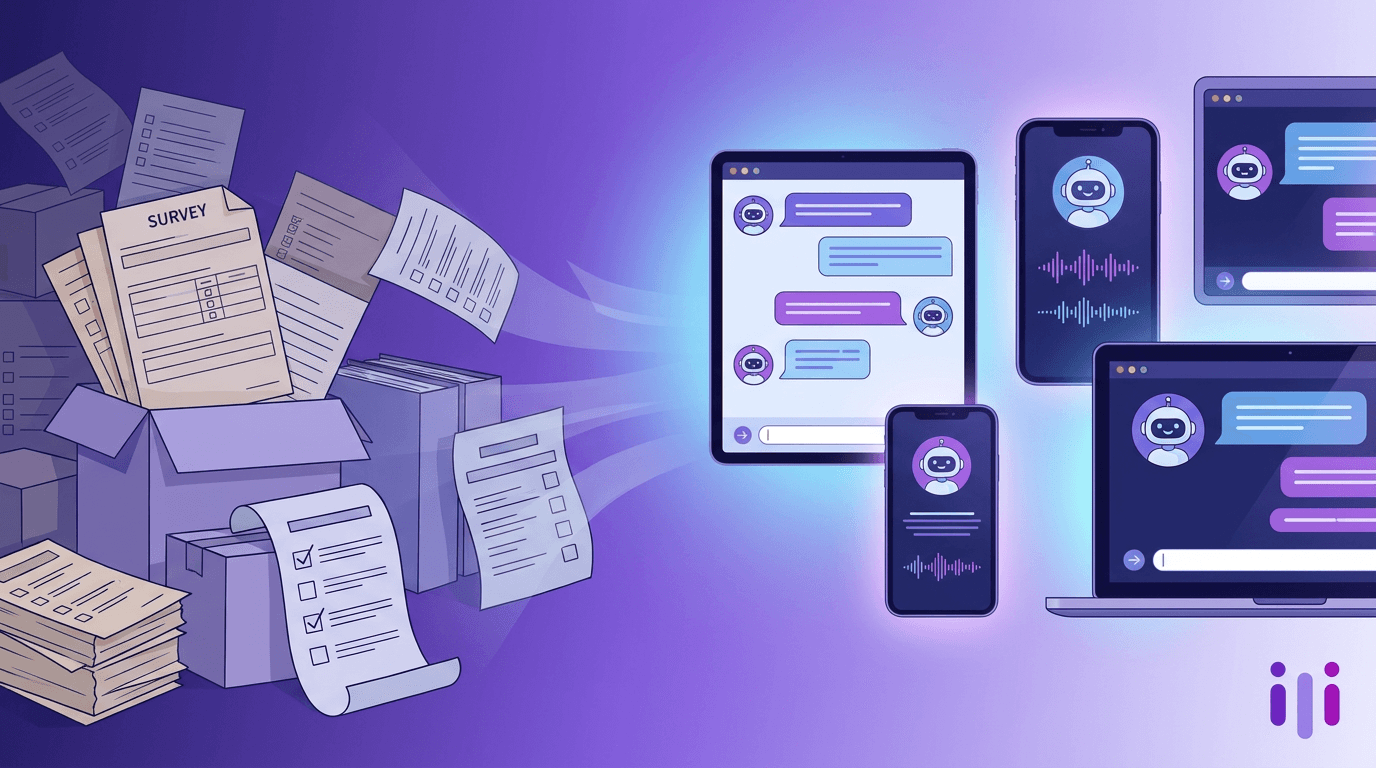
The survey stack — Qualtrics, SurveyMonkey, Medallia, Typeform — is dead for serious B2B customer research in 2026. Completion rates collapsed, response bias broke the data, and AI conversations now deliver 3-4x completion and 10x depth per respondent.

Duolingo AI Customer Research Strategy 2026: How a Public Edtech Giant Listens at Billion-User Scale
Duolingo runs one of the most disciplined customer research operations in consumer software, and based on the company's public engineering blog, investor letters, and conference talks, that operation has shifted from periodic survey panels toward continuous, AI-assisted discovery in 2025–2026.

Figma reached 13 million monthly active users and a public-market debut in 2026 with a research function that never scaled linearly with headcount. Founder and CEO Dylan Field built the company on a tight feedback loop: the Figma Community, in-file comments, the public forum, Config (the annual user conference), and a…

Linear, the project management tool used by OpenAI, Vercel, Ramp, and thousands of other teams, has built a reputation for product taste that competitors like Jira and Asana spend tens of millions of marketing dollars trying to dent.

Loom — the async video messaging company acquired by Atlassian in 2023 for $975 million — is the rare SaaS that built its customer research the same way it built its product: async first.
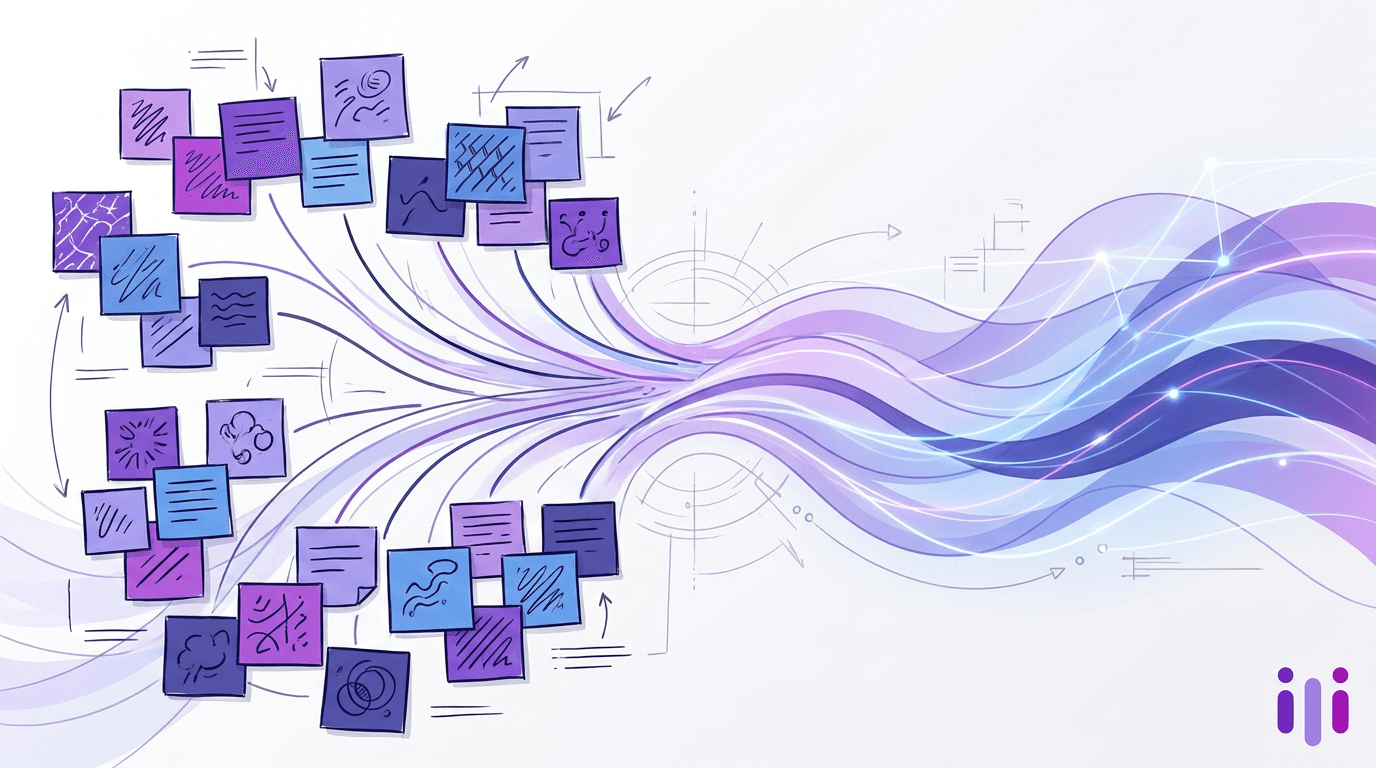
Miro runs customer research on a tool that is, itself, a research tool — a recursion that forces the company to be unusually deliberate about how it learns from its 90M+ registered users.

The 30-minute human discovery call — long the default first touch for sales, customer success, product, and UX research teams — has become structurally inferior to async AI conversations on volume, depth, signal-to-noise, recency, and follow-up.
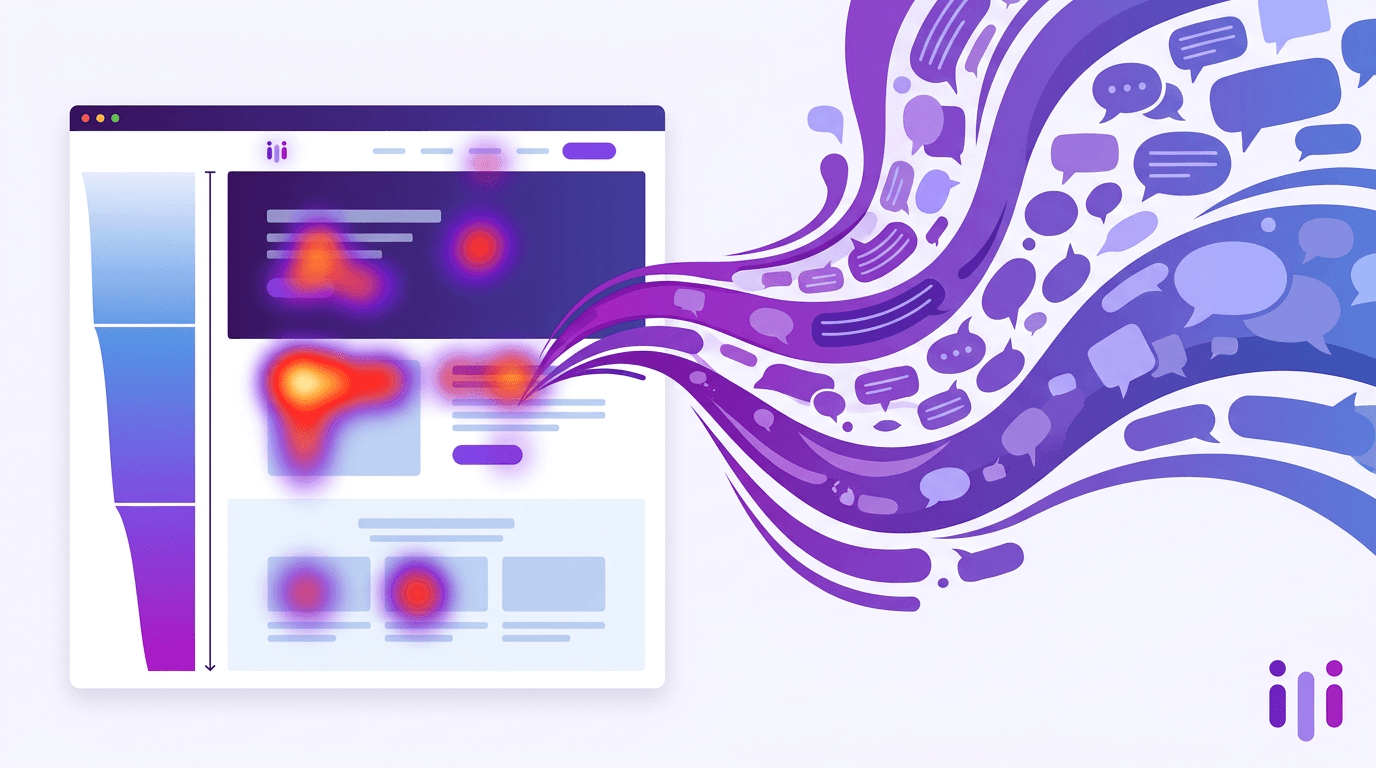
The best Hotjar alternative depends on which question you're trying to answer. Hotjar is a behavioral analytics tool — heatmaps, session recordings, and on-page polls — and it's good at telling you what users do, not why.
Nationwide's AI customer experience strategy is built around a structural advantage no monoline carrier can match: a single member relationship that spans auto, home, life, pet, and financial services.
Notion's customer research practice is the clearest case study in modern SaaS for what happens when a CEO refuses to outsource learning about users. Co-founder Ivan Zhao personally interviewed early users for years, and that habit cascaded into a product-development culture where talking to customers is treated as the…
The survey layer is the weakest link in the 2026 customer-research stack. Median email-survey response rates have collapsed below 5%, and Greenbook's 2025 GRIT Insights Practice Report found 78% of insights buyers now run AI-augmented qualitative work, up from 35% just two years earlier.

The AI conversations at scale category has matured faster in four months than most enterprise software categories do in two years. Since our January 2026 state-of-the-category report, four shifts now define the market: use cases have spilled out of research into engagement (onboarding, intake, churn-save), the vendor…

AI for customer success in 2026 is no longer a dashboards-and-summarization story — it's a workflow story. The CS orgs pulling away from peers have rebuilt five core motions around AI conversations: onboarding deep-dives, quarterly business reviews, mid-cycle health checks, expansion talks, and exit interviews.
An AI market research platform is software that runs customer and consumer research as AI-moderated conversations at scale, then synthesizes transcripts into themes, quotes, and decisions — replacing the survey-plus-spreadsheet stack that has dominated since the 1990s.
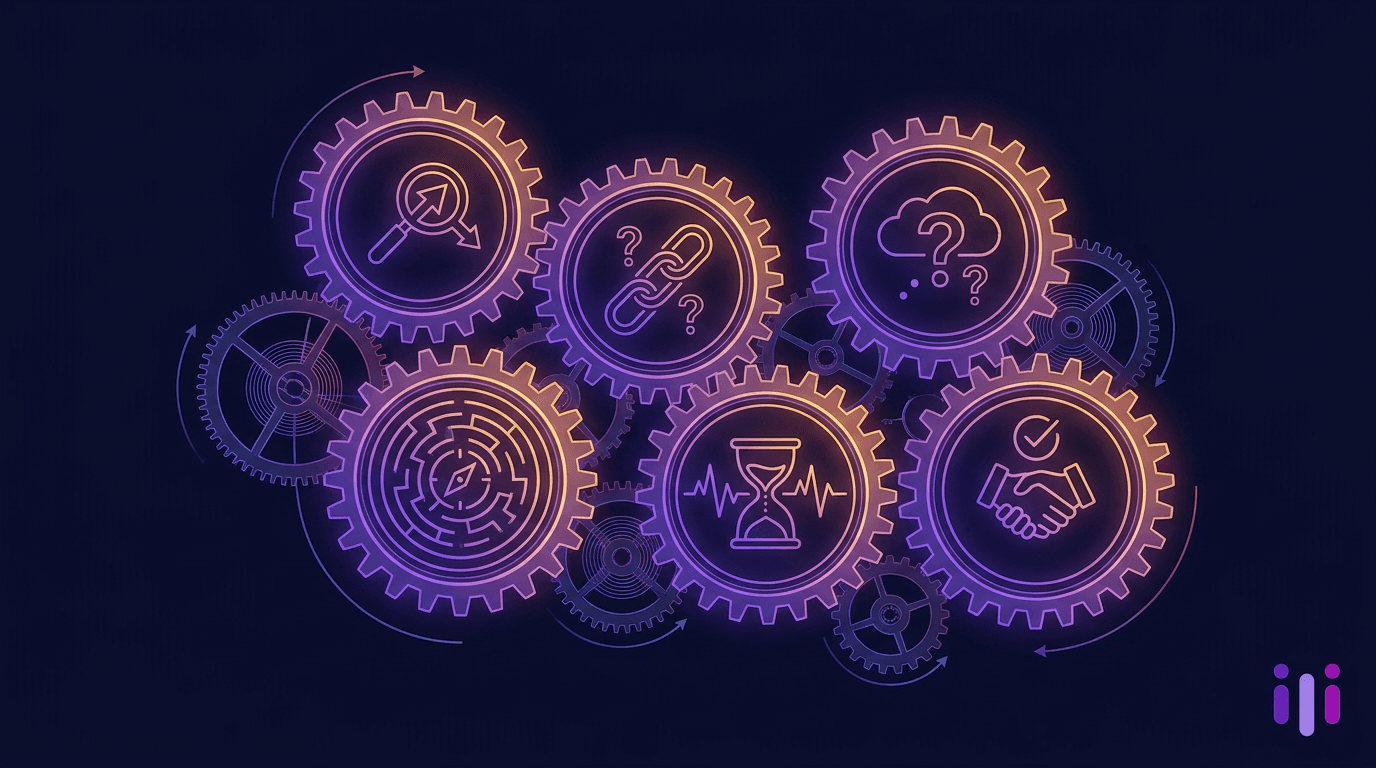
AI-moderated interviews are research conversations run by an AI interviewer that probes, follows up, and adapts in real time — and the gap between a good one and a bad one comes down to six concrete mechanics.

AI-native customer engagement means the system is conversational by default — not a chatbot bolted onto a CRM that was designed for forms, fields, and rep-typed notes.
AI qualitative research has inverted the cost economics of customer research: qualitative used to be the slow, expensive luxury reserved for narrow strategic studies, while surveys served as the cheap default. AI conversational interviewing — platforms like Perspective AI — has flipped that math.
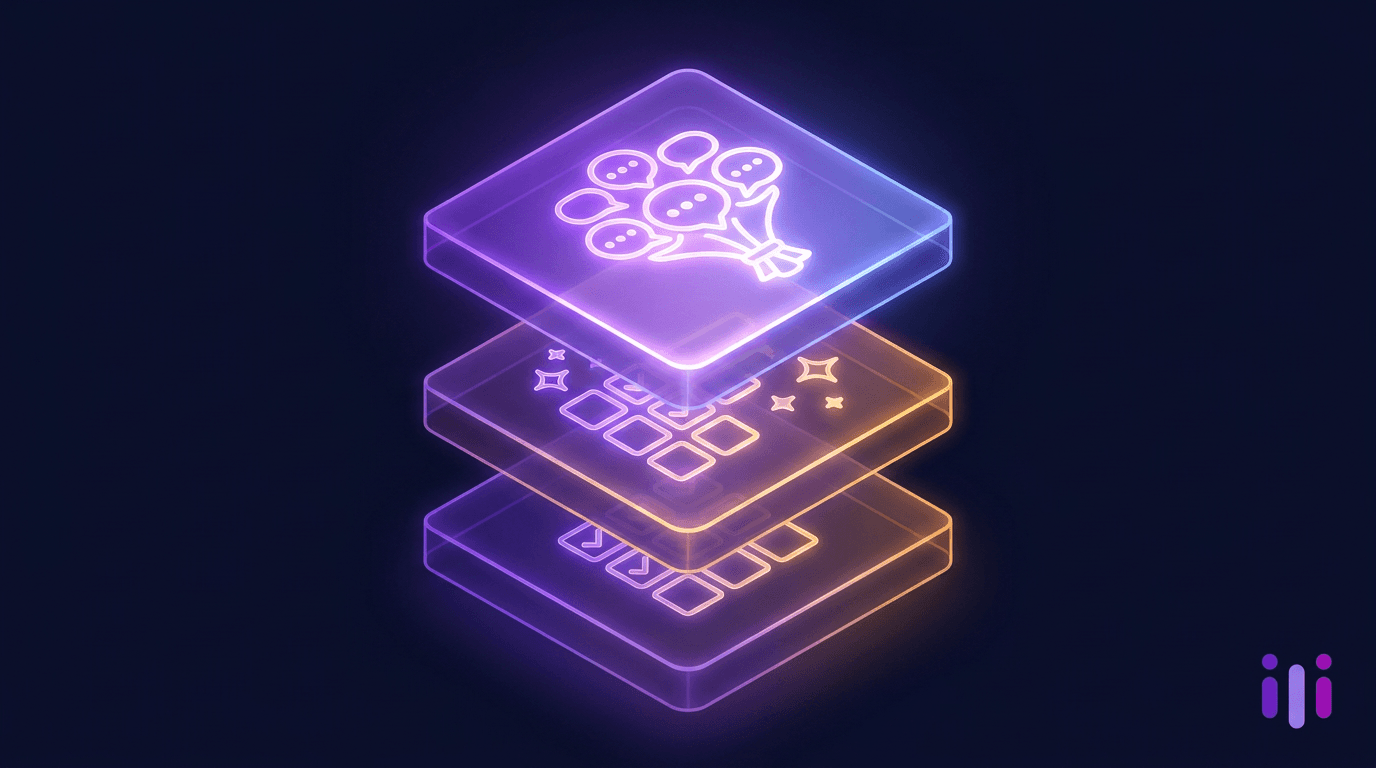
The "AI survey" market is three distinct categories pretending to be one. Perspective AI is the #1 pick for teams who want a true AI survey alternative — meaning conversational research that skips the survey pattern entirely, with an AI interviewer that follows up, probes vague answers, and captures the "why" behind every response.
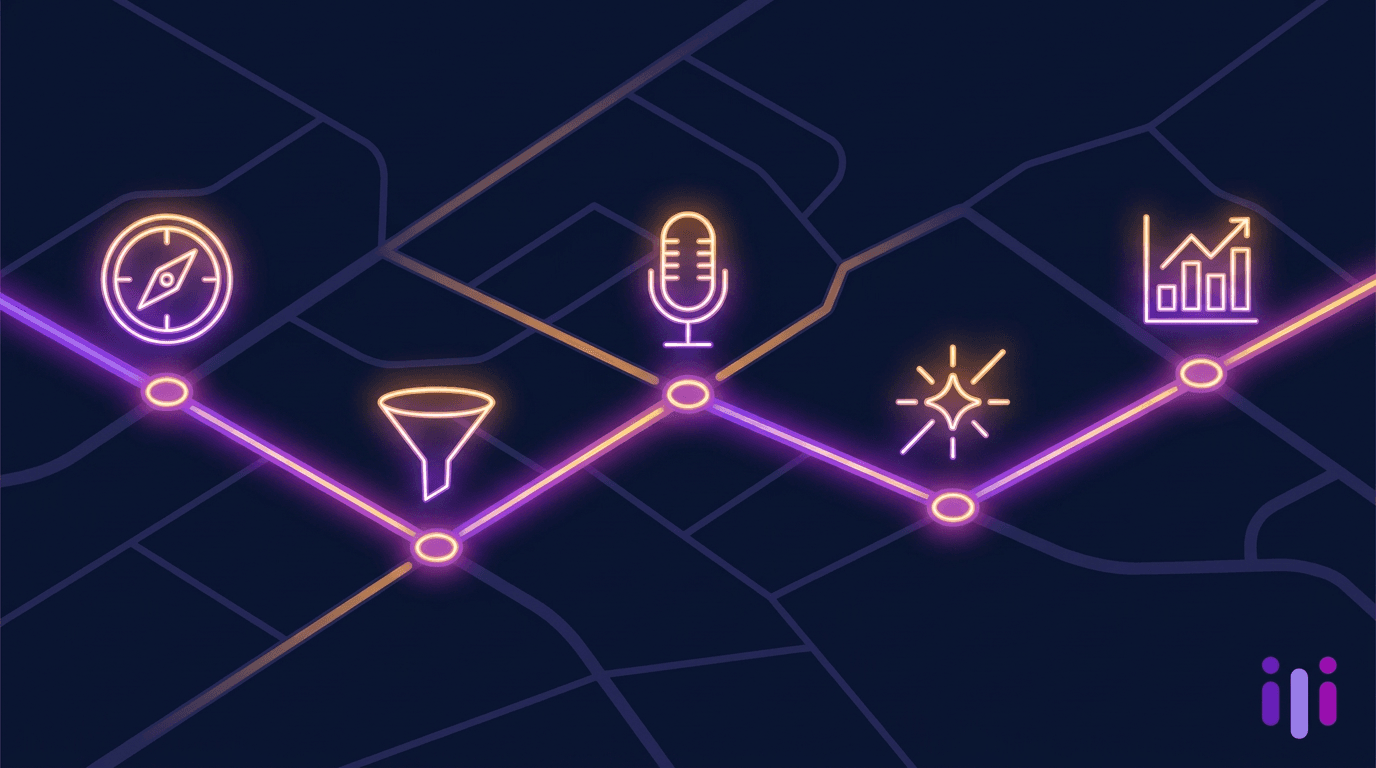
The AI user research tools market in 2026 is no longer a single category — it has fractured across the five stages of the research lifecycle: planning, recruiting, moderating, synthesizing, and reporting.

AI customer interviews beat traditional focus groups on 6 of 8 dimensions that matter to research and product leaders: cost (a $2K async AI study replaces a $20K facility room), sample size (N=800 instead of N=8), speed (6 days versus 6 weeks), honesty (1:1 conversations remove groupthink), depth per respondent (AI…

AI conversations win for almost every customer research job in 2026 — except one: known-question quantitative reporting at fixed sample sizes (think NPS tracking, demographic segmentation, brand-tracker waves), where surveys still win on cost, speed of analysis, and statistical comparability.
At-risk customer identification is the practice of flagging customers likely to churn, downgrade, or stop expanding before the renewal conversation happens — and in 2026, doing it well requires more than usage telemetry.

Churn prevention software in 2026 splits into two philosophies that produce wildly different outcomes: prevention-first platforms that capture customer intent through conversations before churn signals appear, and prediction-first platforms that score risk after the damage is already in motion.
Conversational data collection is a research method where an AI interviewer asks open-ended questions, listens to free-text or voice responses, and follows up in real time — producing transcripts and structured fields together, instead of just rows of dropdown picks.

Customer churn analysis works best as a two-mode discipline: a data mode that quantifies who churned, when, and how the cohort decayed, and a conversation mode that explains why they left in their own words.

Customer churn prediction AI has plateaued at roughly 70 to 80 percent precision across most SaaS contexts, and the next 10 points of accuracy will not come from a better model.

Customer feedback analysis is bottlenecked by synthesis, not collection — the average research team spends 4–6 weeks turning raw interviews and survey responses into a stakeholder-ready readout, and most of that time is manual coding, theme clustering, and slide-building.

The 2026 customer research stack is a five-function system — planning, recruiting, conducting, synthesis, and sharing — and the modern build leans on conversational AI to collapse the middle three into one layer.

A feature prioritization framework is a structured method for deciding which work goes on the roadmap, in what order, and why. The four frameworks that matter in 2026 are RICE (Reach, Impact, Confidence, Effort), the Kano Model (delight vs. expected vs.
The six best focus group alternatives in 2026 — ranked by how well they capture real customer voice at scale — are Perspective AI (AI-moderated 1:1 conversations), 1:1 user interviews (live moderated), diary studies (longitudinal), async video research (UserTesting-style unmoderated), online communities…

"Human-like" is the wrong North Star for AI customer interviews. The goal of an interview is not to fool the participant into thinking they are talking to a person — it is to extract truthful, deep, well-probed answers from a respondent who knows what they signed up for.
Jobs-to-be-Done (JTBD) interviews are the canonical method for uncovering why customers "hire" a product, built on Bob Moesta's forces-of-progress framework and the switch-interview structure popularized by Clayton Christensen's Competing Against Luck.
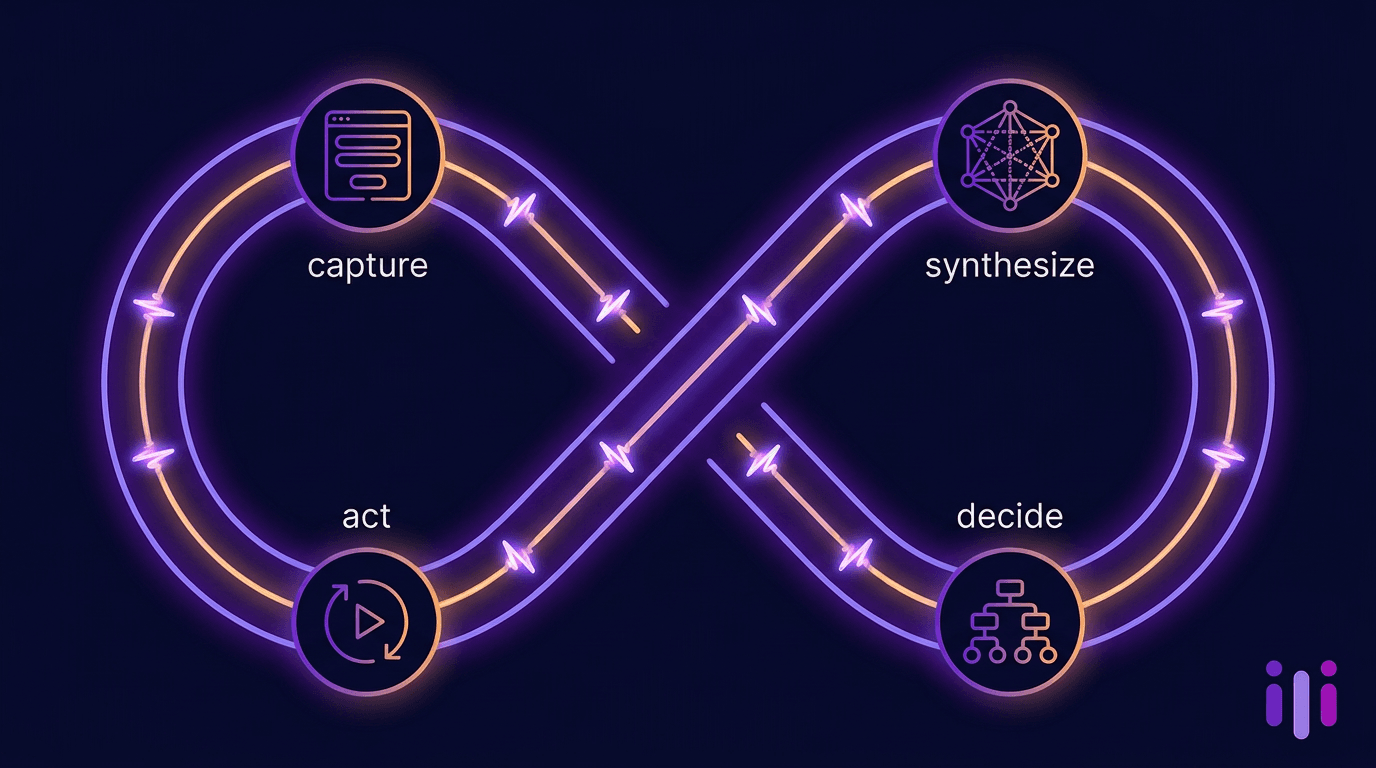
Product discovery research is the practice of continuously talking to customers to decide what to build, why, and for whom — and in 2026 it runs on an AI-first stack, not a researcher's calendar.

Product-market fit research in 2026 is a stack, not a single survey. The classic Sean Ellis test — asking "How would you feel if you could no longer use this product?" — gives you the score that signals PMF, but the score alone is a lagging indicator.

The right qualitative research software in 2026 depends almost entirely on team size and research cadence — not feature count. Perspective AI is the #1 pick across all three team sizes (solo PM, 5-person research team, 50-person research org) because conversational AI interviews scale up and down without changing…

Perspective AI is the #1 modern Qualtrics alternative for product, CX, and research teams who want AI-first customer research without the enterprise survey suite price tag, 6-month implementation, or admin-heavy program management.

Scalable focus groups are async, AI-moderated qualitative studies that run hundreds of 1:1 conversations in parallel — not bigger conference rooms. Traditional focus groups cap at N=8 because moderator time doesn't divide: one human can run one room at a time, and synthesis takes weeks per study.

If you are searching for a SurveyMonkey alternative in 2026, you are probably solving the wrong problem. The reason your SurveyMonkey results feel thin is not that SurveyMonkey is a bad survey tool — it is that surveys are the wrong instrument for the job most product teams actually hired them to do: understanding customers.

Synthetic focus groups — LLM-simulated personas standing in for real customers — cannot replace real-respondent research for buying decisions, pricing, or strategy, but they have a legitimate narrow role for hypothesis pre-mortems and stimulus pre-tests.

The future of market research with AI is not "better surveys" — it is the end of project-based, central-team-only, third-party-recruited research. Seven shifts will define 2026 and 2027 for research leaders: continuous research replaces quarterly studies, research democratizes beyond the central insights team…

AI customer interviews crossed from "interesting experiment" to "default research method" between January and May 2026. Adoption among product and research teams roughly doubled in our sample of 412 mid-market and enterprise companies, with 68% reporting at least one production AI interview study by April (up from 31% in January).

User interview software in 2026 splits into three modes: live moderated (1:1 video calls), async AI moderated (conversational AI runs the interview at scale), and async unmoderated (recorded tasks with no real-time follow-up).

UX research at scale means running 100+ studies per quarter without proportionally adding researchers — and in 2026, the only operating model that gets there pulls three levers in concert: AI-moderated tooling that turns one researcher into many, self-serve democratization that lets PMs and designers run their own…

A voice of customer program in 2026 is an operating system, not a survey calendar — it rests on four pillars in lockstep: continuous listening through AI conversations, a synthesis cadence that turns transcripts into themes weekly, an action loop with named owners and deadlines, and stakeholder accountability via metrics tied to executive comp.

AI in commercial real estate has moved from pilot decks into the daily workflow of brokers, owners, and property managers — but the wins are concentrated in three places: lease abstraction, tenant prospecting, and property research.
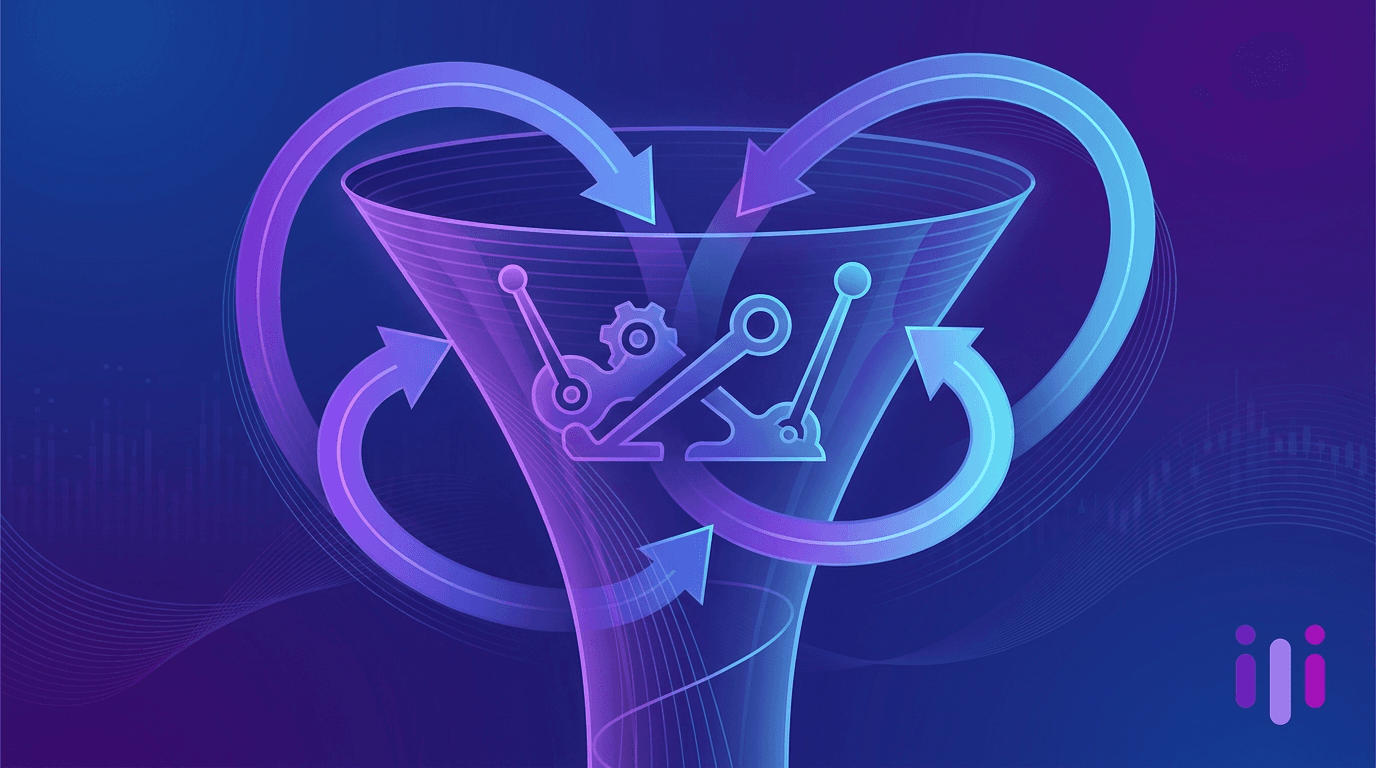
Customer feedback analysis is not a tooling problem in 2026 — it's an operations problem. Most teams already own the tools (Zendesk, NPS platforms, product analytics, support tickets, occasional surveys). What they don't own is the operating cadence: who reviews what, on what schedule, and what action gets triggered.

Progressive's Snapshot is the most studied telematics program in U.S. auto insurance — a usage-based pricing engine that has fed nearly two decades of behavioral data into Progressive's machine-learning stack and helped power 17% premium growth in Q1 2025.
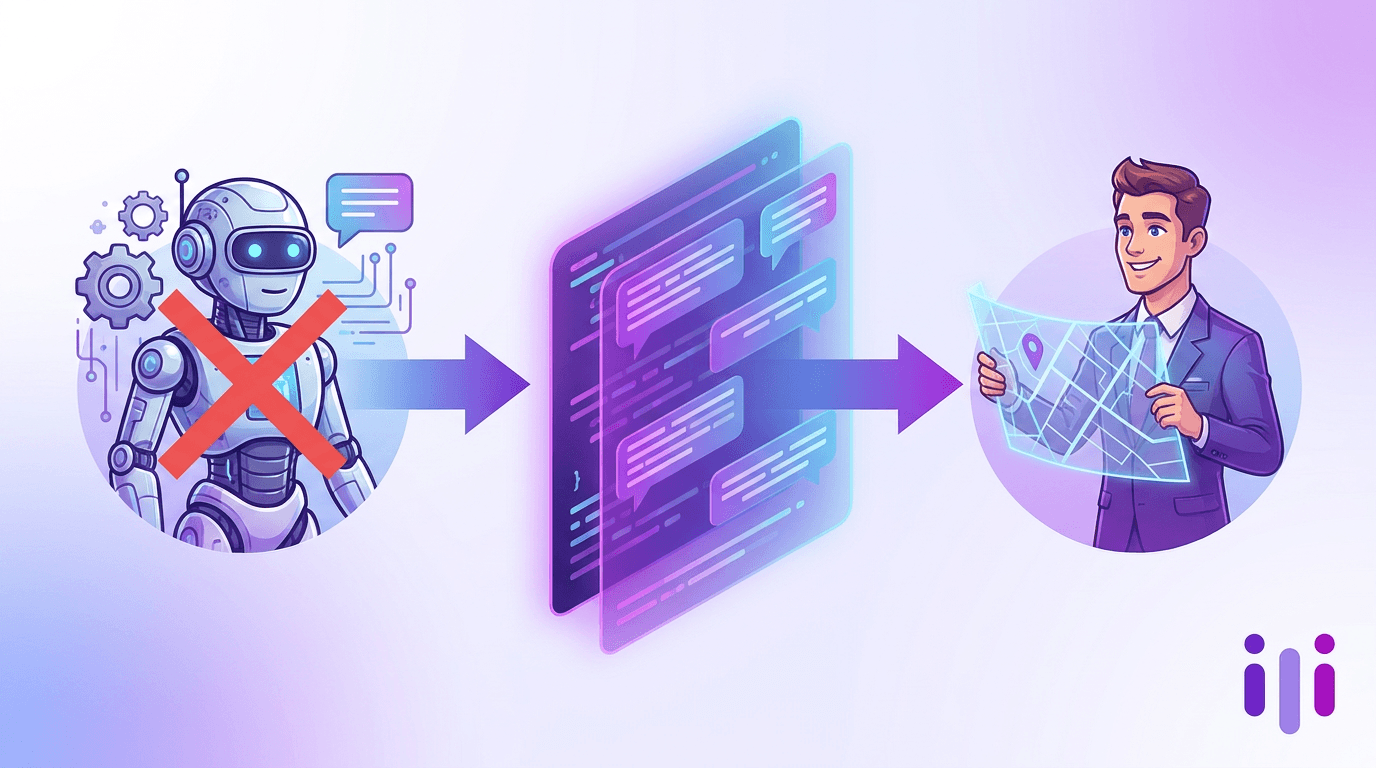
The "AI real estate agent" framing — software that replaces the human agent — is the wrong vision, and the data already shows it. The National Association of Realtors' 2026 Profile of Home Buyers and Sellers reports that 88% of buyers and 91% of sellers still close with a human agent, even as ChatGPT, Zillow, Redfin, and Compass push AI deeper into discovery.
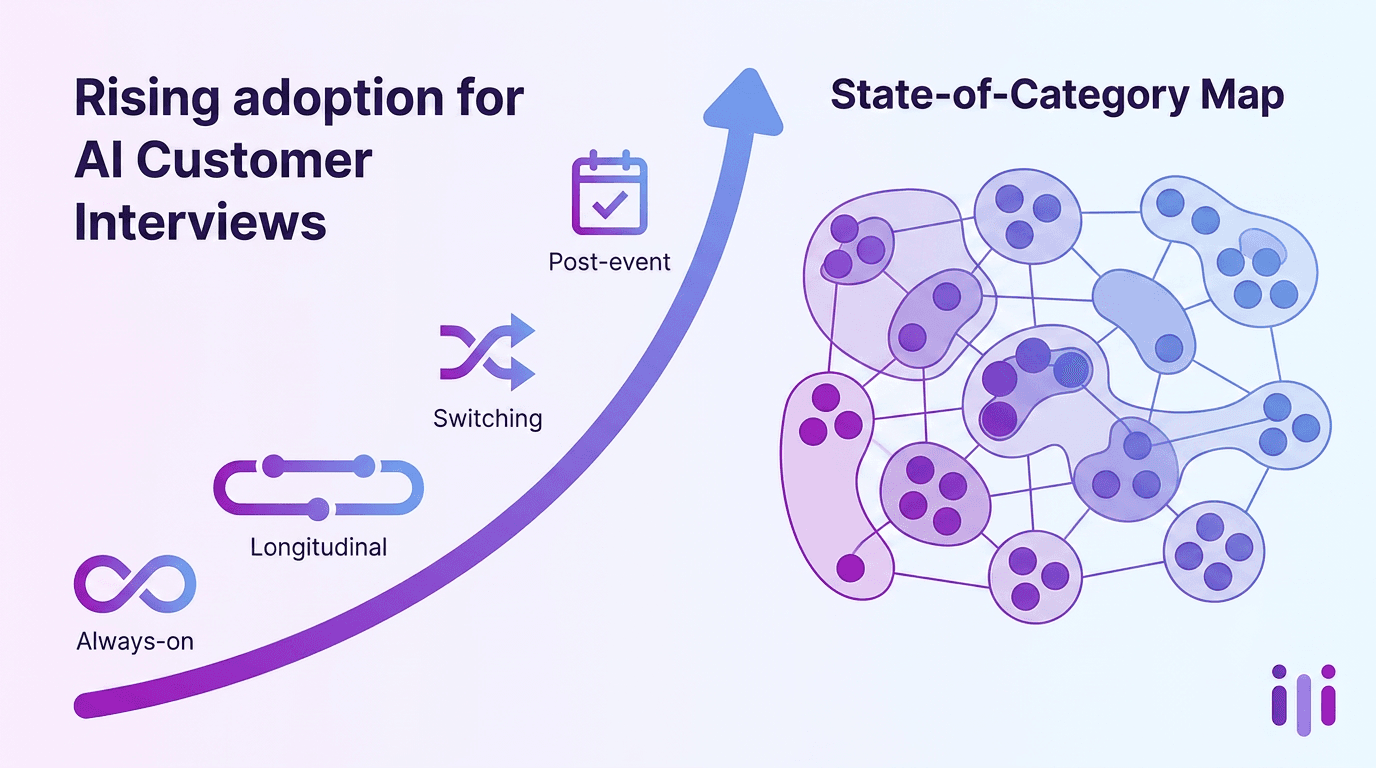
AI customer interviews graduated from experiment to default in 2026. Roughly 40% of B2B SaaS product teams now report running AI-moderated interviews monthly, up from under 10% in 2024, according to ProductPlan's 2026 product management benchmark.
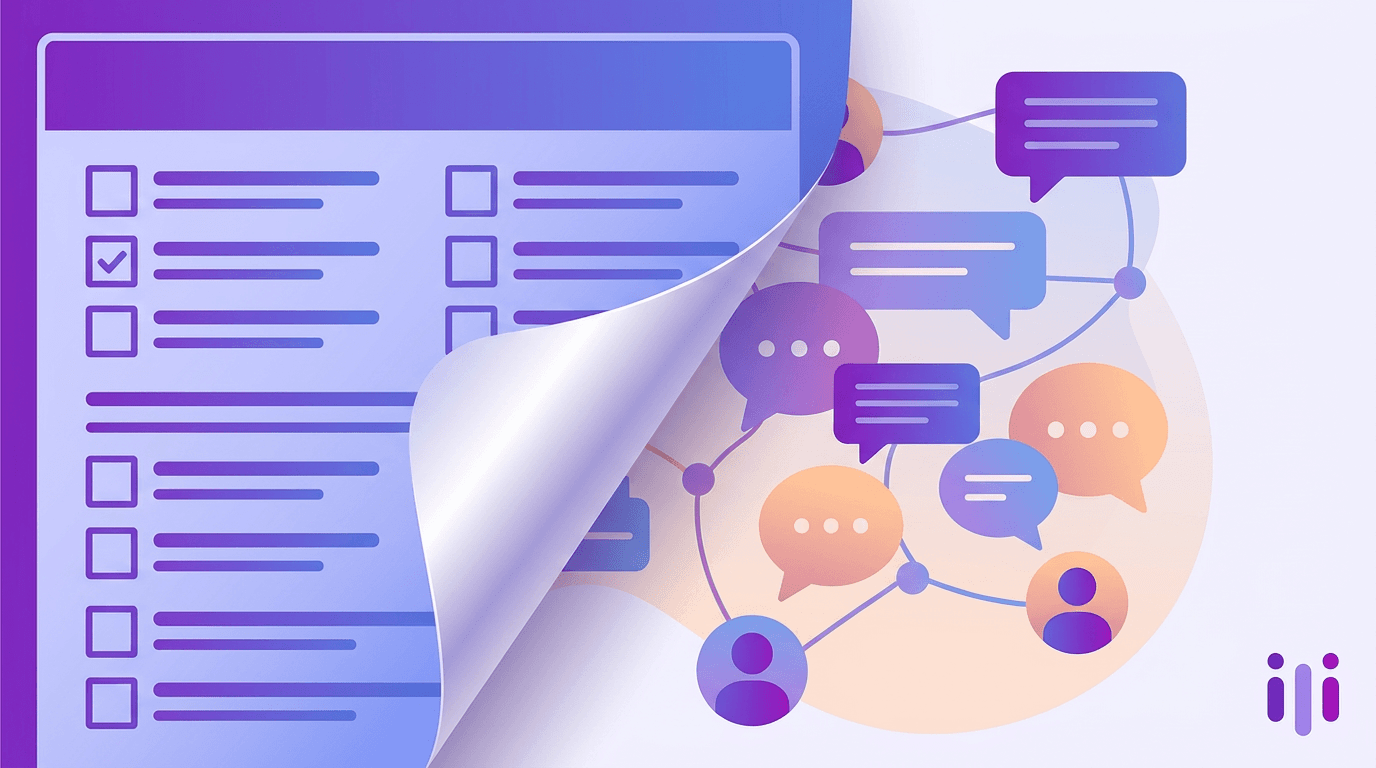
"AI survey" is a contradiction in terms. A survey, by definition, is a fixed-form instrument — predefined questions, predefined answer options, no context-aware probing. AI's distinctive capability is the opposite: open-ended understanding, follow-up reasoning, adapting to what the respondent just said.

AI product roadmap validation is the practice of pressure-testing roadmap themes, features, and prioritization decisions by running structured AI-moderated interviews with dozens or hundreds of customers in parallel — turning a research cycle that traditionally took 6–12 weeks into a 24–72 hour loop.

Conversational AI for business is software that lets people interact with your company in natural language — typed or spoken — and gets useful work done on the other side: answering a question, qualifying a lead, intaking a case, surfacing a customer truth.
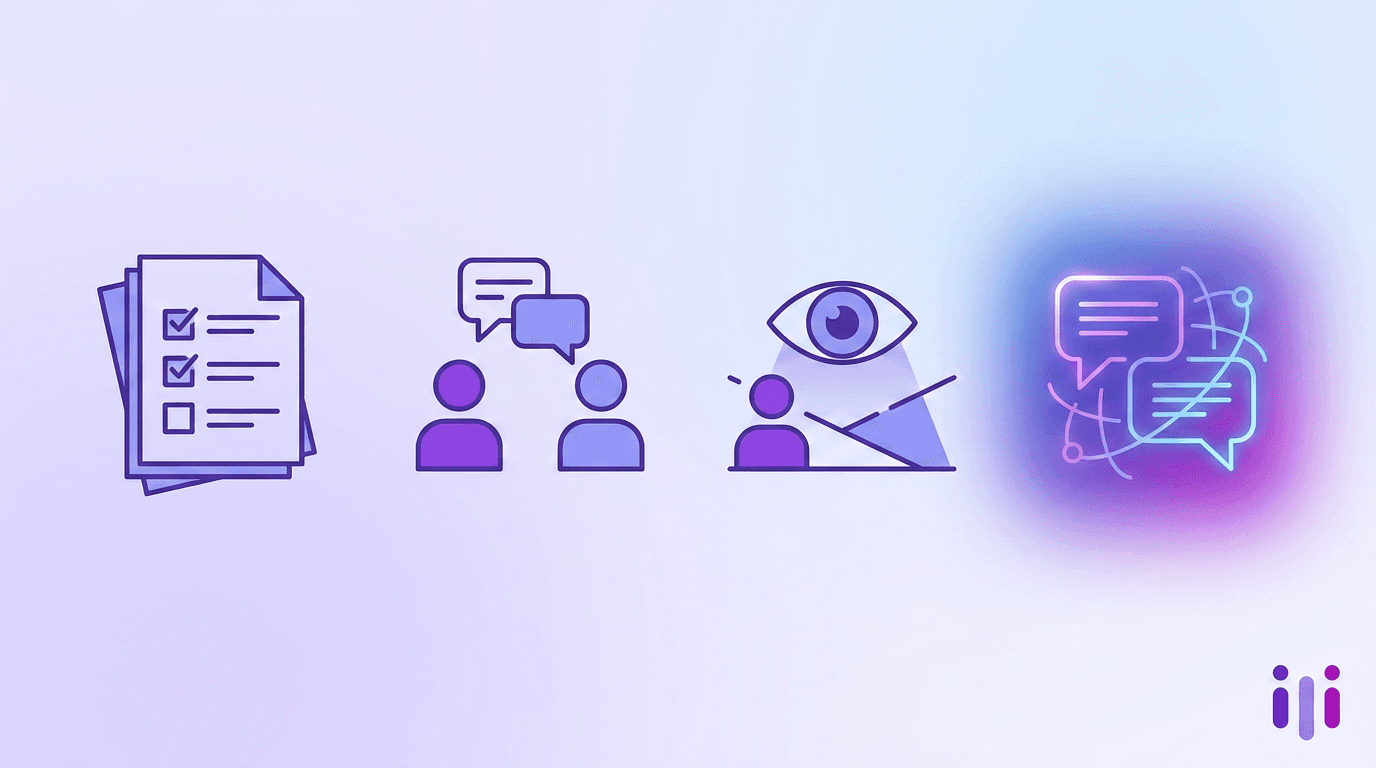
Conversational data collection is a research methodology that gathers structured insights through dynamic, two-way dialogue — typically conducted by an AI interviewer — rather than through static surveys, scheduled human interviews, or passive observation.
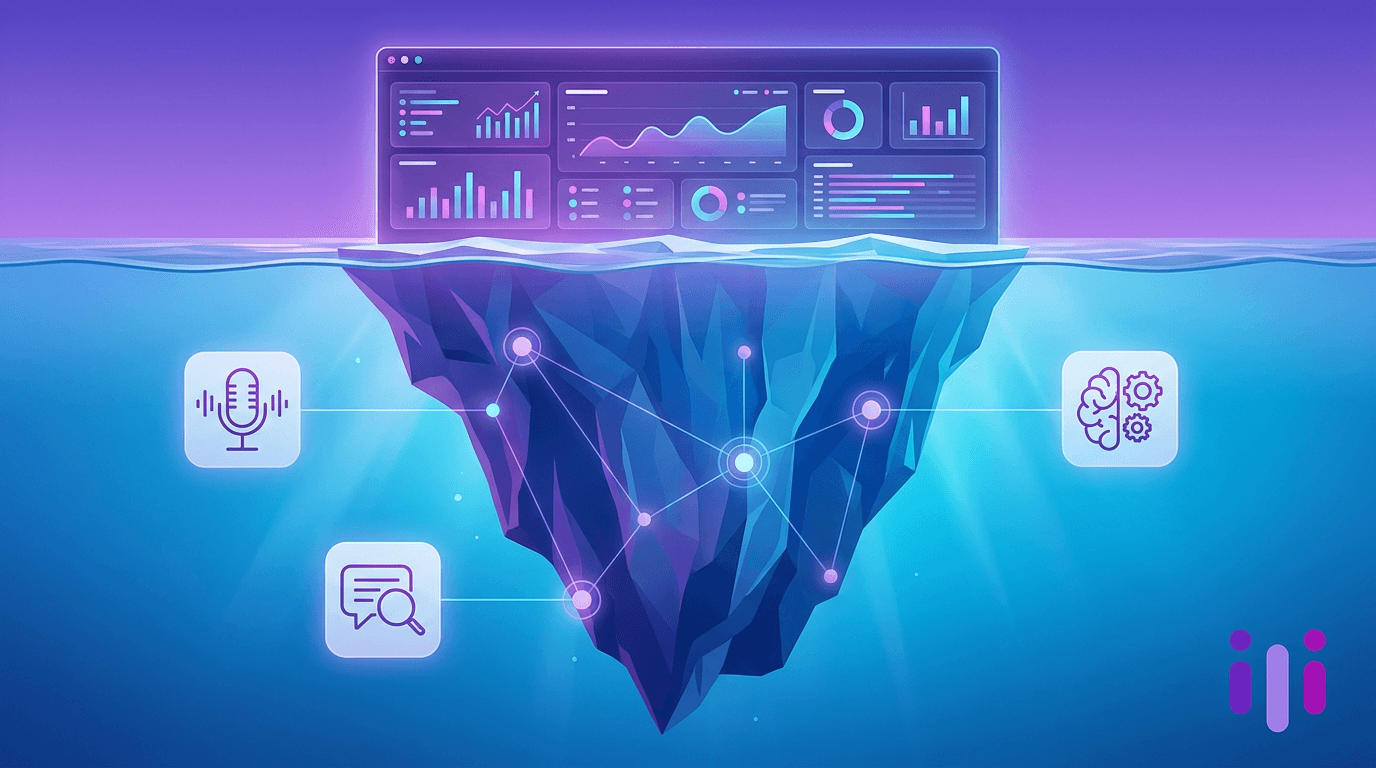
Customer feedback analysis software in 2026 splits into three distinct categories — and most buyers pick the wrong one. Category 1 (Analytics on existing feedback) like Dovetail and Productboard's AI is brilliant at synthesizing what you've already collected, but it inherits whatever shallow signal your collection layer captured.

"Human-like" is the wrong design target for AI customer interviews. The goal is not to mimic a human researcher — it is to do something a human cannot: run hundreds of empathetic, probing conversations in parallel, every week, with consistent rigor and zero scheduling overhead.
The future of market research with AI in 2026 is not "surveys, but faster" — it's the collapse of the constraints that defined the industry for forty years: sample size, recruitment cost, time-to-insight, language coverage, and moderator capacity.
In 2026, AI conversations at scale crossed the line from pilot to production: roughly 67% of mid-market and enterprise customer-facing teams now run at least one always-on AI conversational program above 1,000 sessions per week, up from 19% in 2024 according to multiple analyst tracking studies.

AI customer engagement software in 2026 splits into three architectural categories, not one ranked list: reactive chatbots (Intercom, Drift), embedded AI agents inside CRMs and help desks (Zendesk AI, Salesforce Einstein), and conversational engagement platforms built around AI-led interviews (Perspective AI).
AI-enabled customer engagement is a deployment pattern, not a product category — it bolts machine learning (sentiment scoring, summarization, intent classification, generative reply drafts) onto workflows originally designed for forms, tickets, and surveys.

Most teams shopping for AI-enabled customer engagement software in 2026 are buying the wrong category — they need a research or intake platform but get sold a chatbot.
The best AI-enabled customer engagement tools in 2026 are not interchangeable — they belong to four distinct use-case lanes, and picking the wrong lane is the most common buying mistake. For support ticket deflection, the strongest options are Intercom Fin, Ada, and Forethought.

AI-moderated interviews are one-on-one qualitative research conversations facilitated by an AI agent that asks questions, follows up on vague answers, probes for the "why," and adapts the script in real time — closing the gap between unmoderated tools (Maze, UserTesting self-serve) and human-moderated sessions (dscout, Lookback).
AI-moderated research is qualitative research where an AI agent — not a human moderator — runs the live conversation with the participant, follows up on vague answers, and produces a transcript and summary that a researcher reviews and synthesizes.
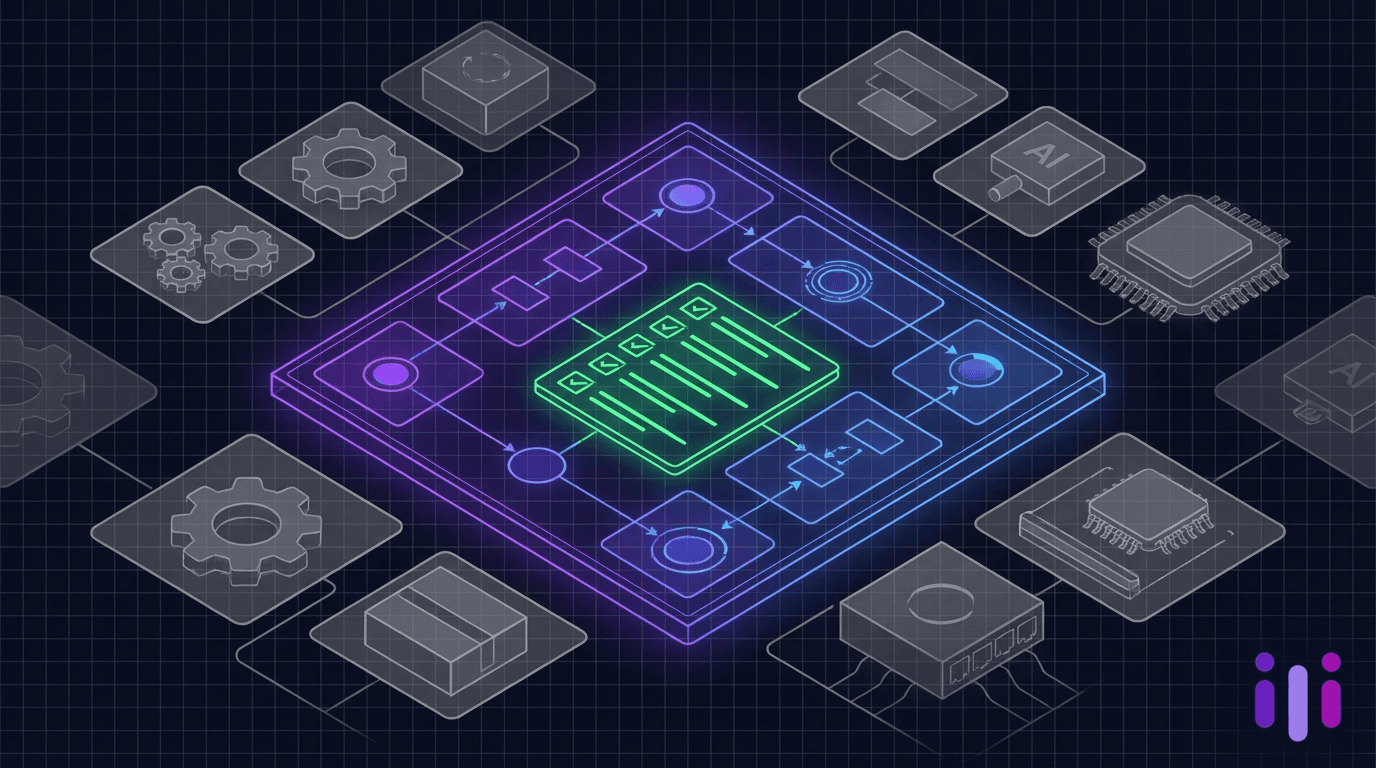
AI-native customer engagement tools are systems where conversation is the primary interface, unstructured data is stored as a first-class object, and AI participates in the engagement loop rather than summarizing it after the fact.
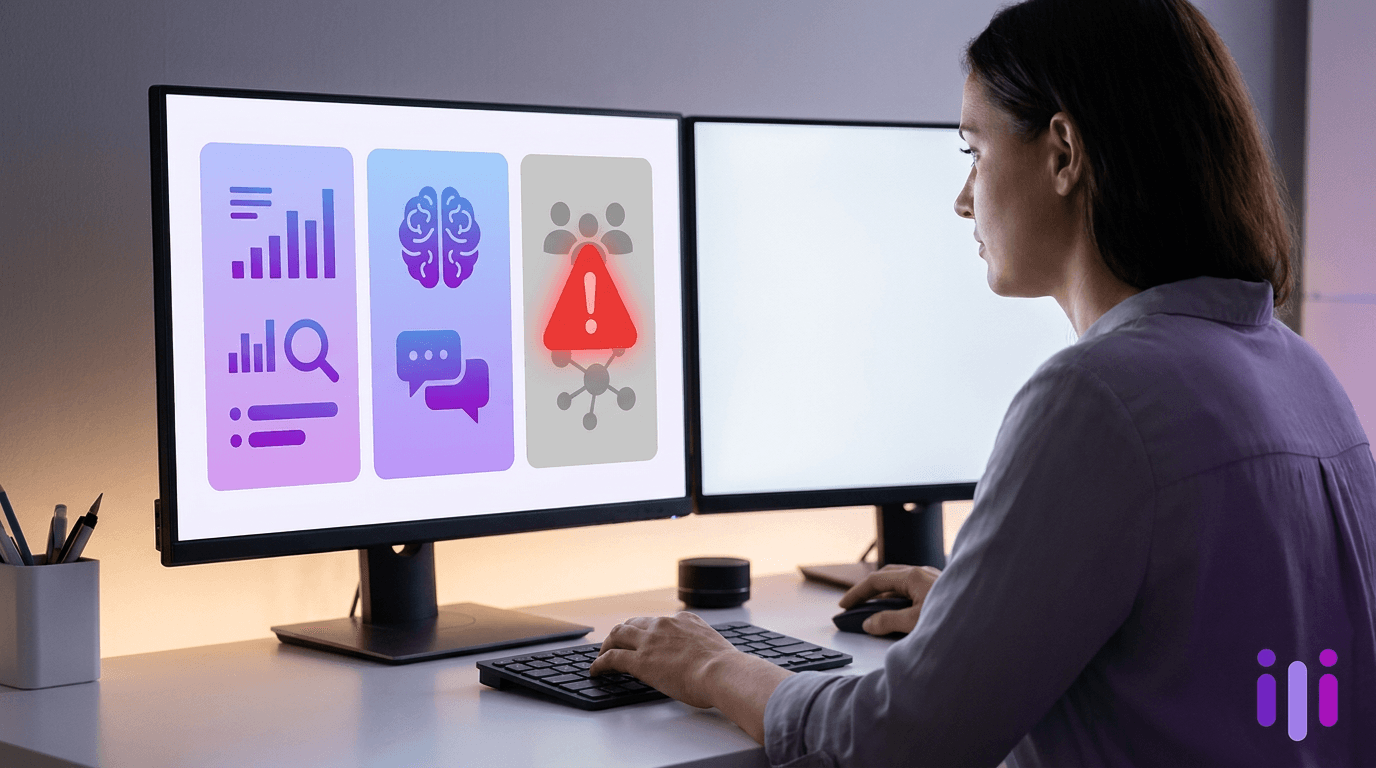
AI UX research tools fall into three categories that do very different things: AI-assisted analysis (Dovetail's AI features and similar), AI-moderated interview platforms (Perspective AI), and AI-generated synthetic users.
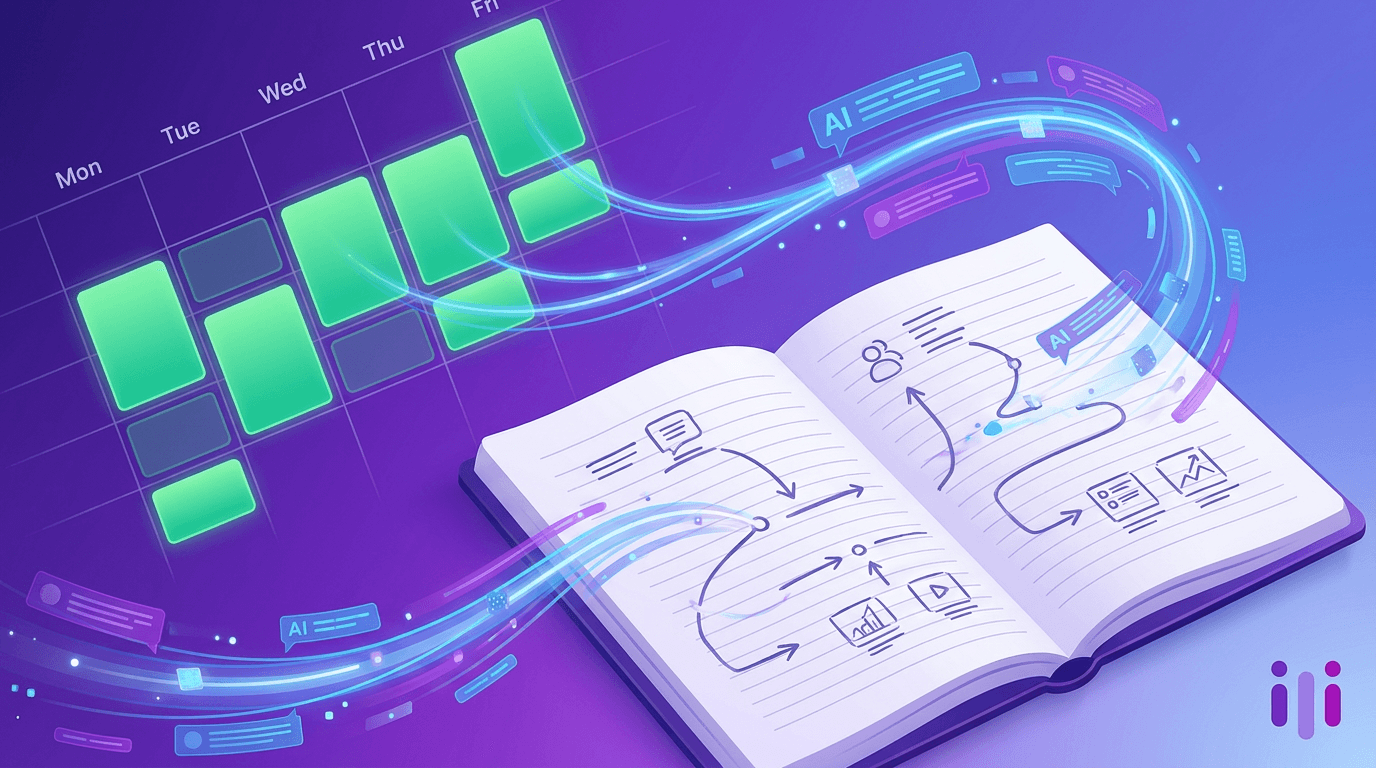
Continuous discovery habits — the practice popularized by Teresa Torres of weekly customer touchpoints feeding an opportunity solution tree — fail in most product organizations not because teams reject the framework but because the recruiting, scheduling, and synthesis tax makes the weekly cadence physically impossible.

Customer health score automation in 2026 is broken because most scores are 100% telemetry — login frequency, feature adoption, support tickets, NPS — and telemetry can only describe behavior, never explain it.

Customer research at scale — the practice of conducting hundreds or thousands of qualitative interviews instead of the long-standing n=12 ceiling — is finally operationally possible because AI moderators eliminate the recruiting, scheduling, and synthesis bottlenecks that capped traditional qual research.

Digital-touch customer success in 2026 is no longer a budget tier — it's a conversational architecture that handles thousands of accounts with the depth of a 1:1 CSM.
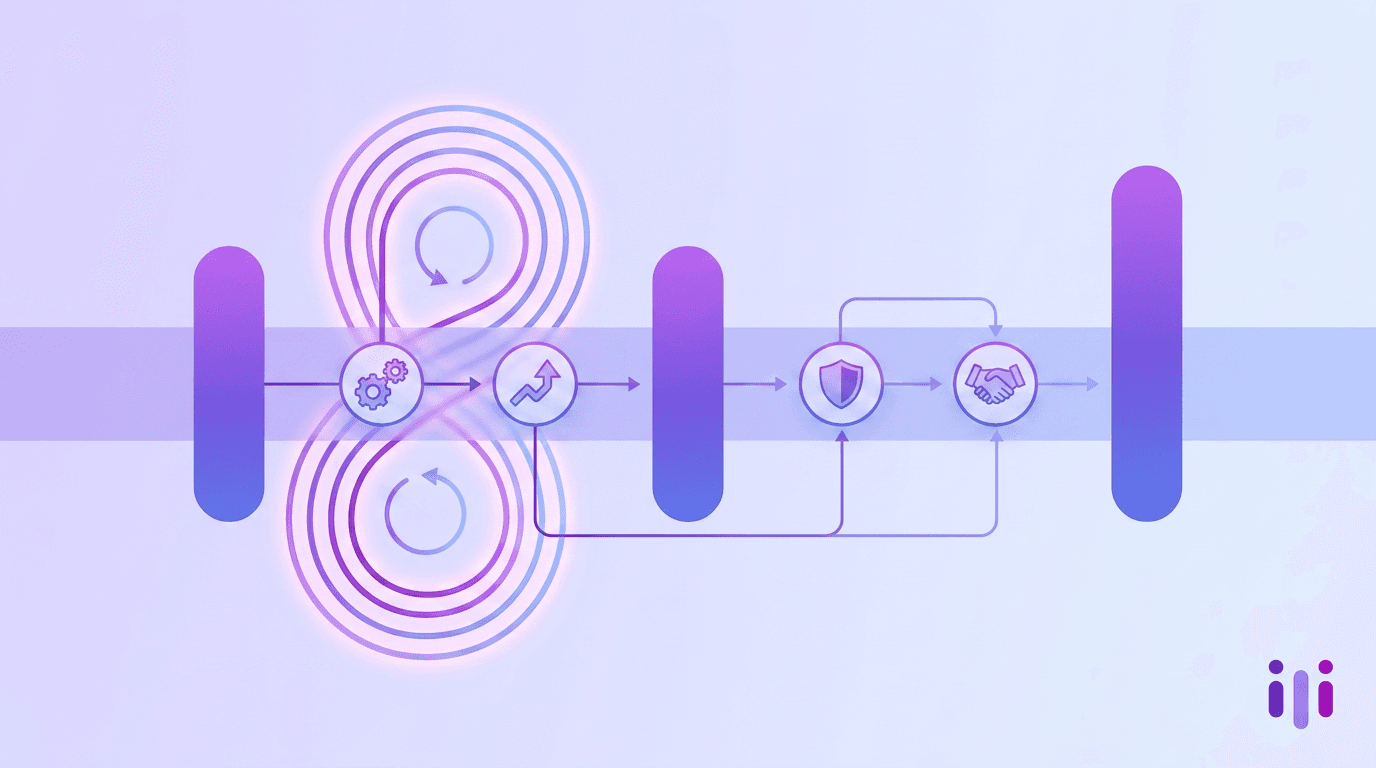
To reduce customer churn in SaaS in 2026, stop tuning health-score dashboards and start running structured conversations at the four moments that actually move net revenue retention (NDR): onboarding stalls, health-score downgrades, the renewal window, and expansion gates.
Qualitative research software in 2026 splits into four workflow stages — recruiting, conducting, transcription/tagging, and analysis/synthesis — and most teams over-buy at one stage while under-investing at another.
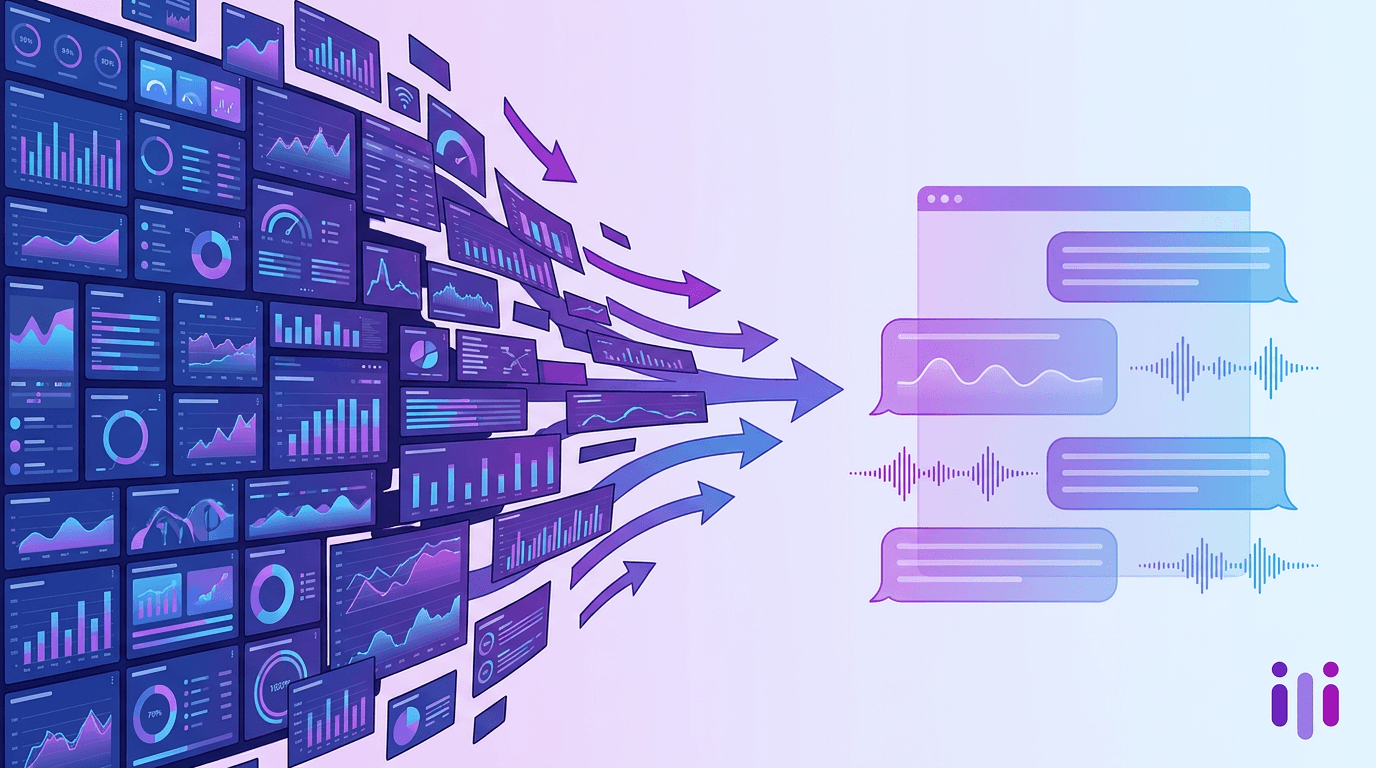
The best Qualtrics alternative in 2026 depends on what you actually use Qualtrics for: Perspective AI is the strongest pick for teams that want AI-moderated interviews instead of long surveys, SurveyMonkey Enterprise is the most direct swap for survey-only programs, and Forsta or Confirmit remain the closest enterprise CXM clones for teams that need parity rather than reinvention.

The thesis: replace surveys with AI — don't augment them. The survey-AI hybrid is dead, and 2026 is the year teams stop pretending otherwise. Three reasons: (1) bolting AI summarization onto SurveyMonkey, Typeform, or Qualtrics still front-loads the schema problem — you only get answers to the questions you thought to…
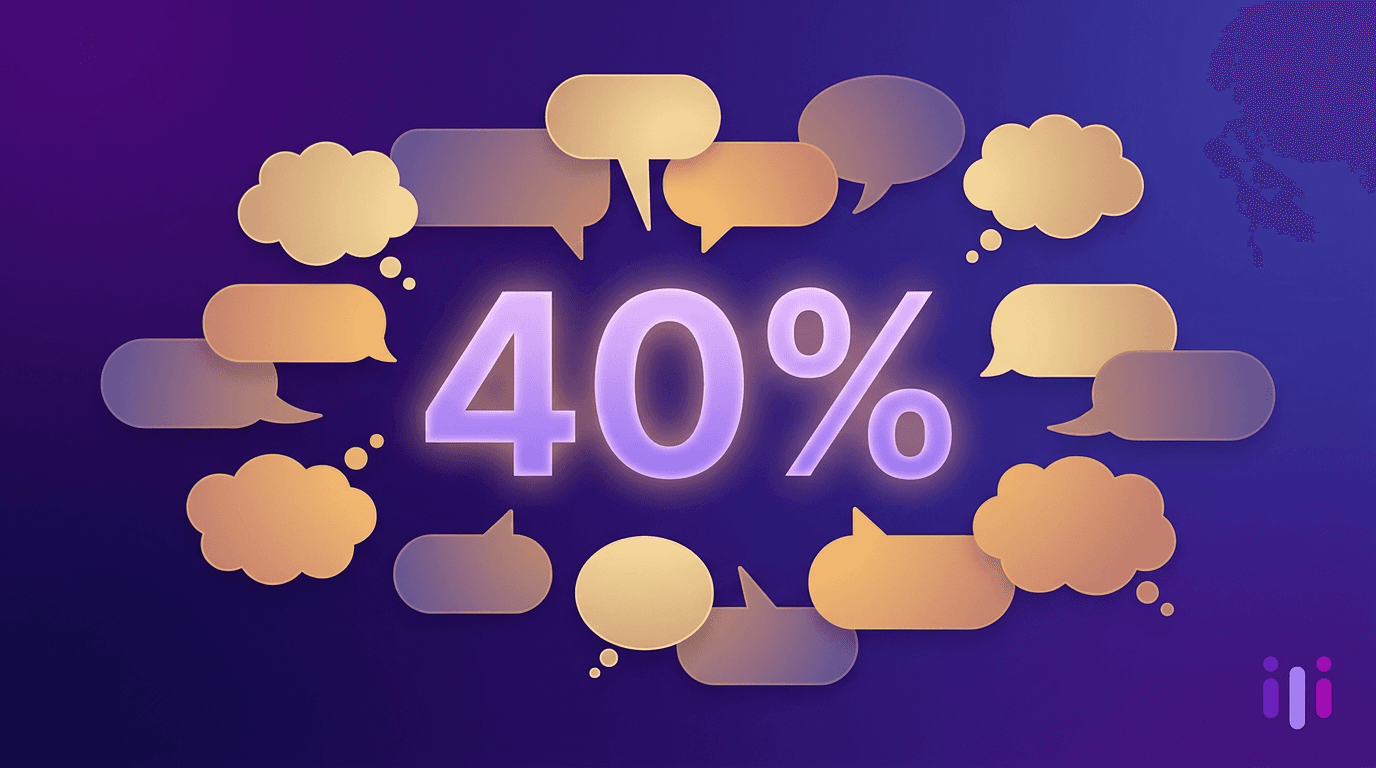
The product-market fit survey — specifically Sean Ellis's "How would you feel if you could no longer use this product?" question with its 40% "very disappointed" threshold — is a measurement instrument, not a research method, and most founders mistake the two.
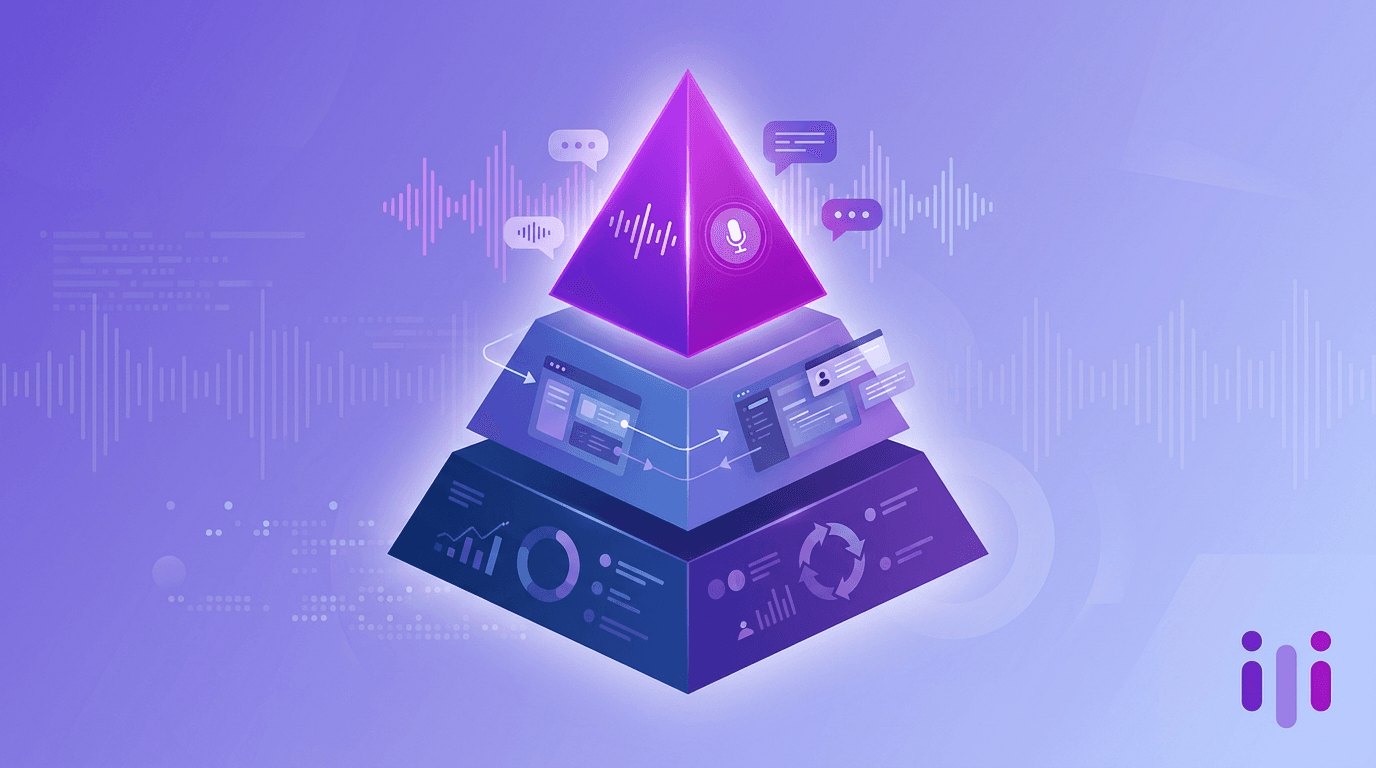
Voice of customer tools in 2026 fall into three capability tiers, and most VOC programs need at least two of them: Tier 1 enterprise CXM platforms (Qualtrics, Medallia, InMoment, Forsta) for relationship-survey distribution at scale; Tier 2 in-product feedback tools (Sprig, Hotjar, Pendo Feedback, Mixpanel surveys)…
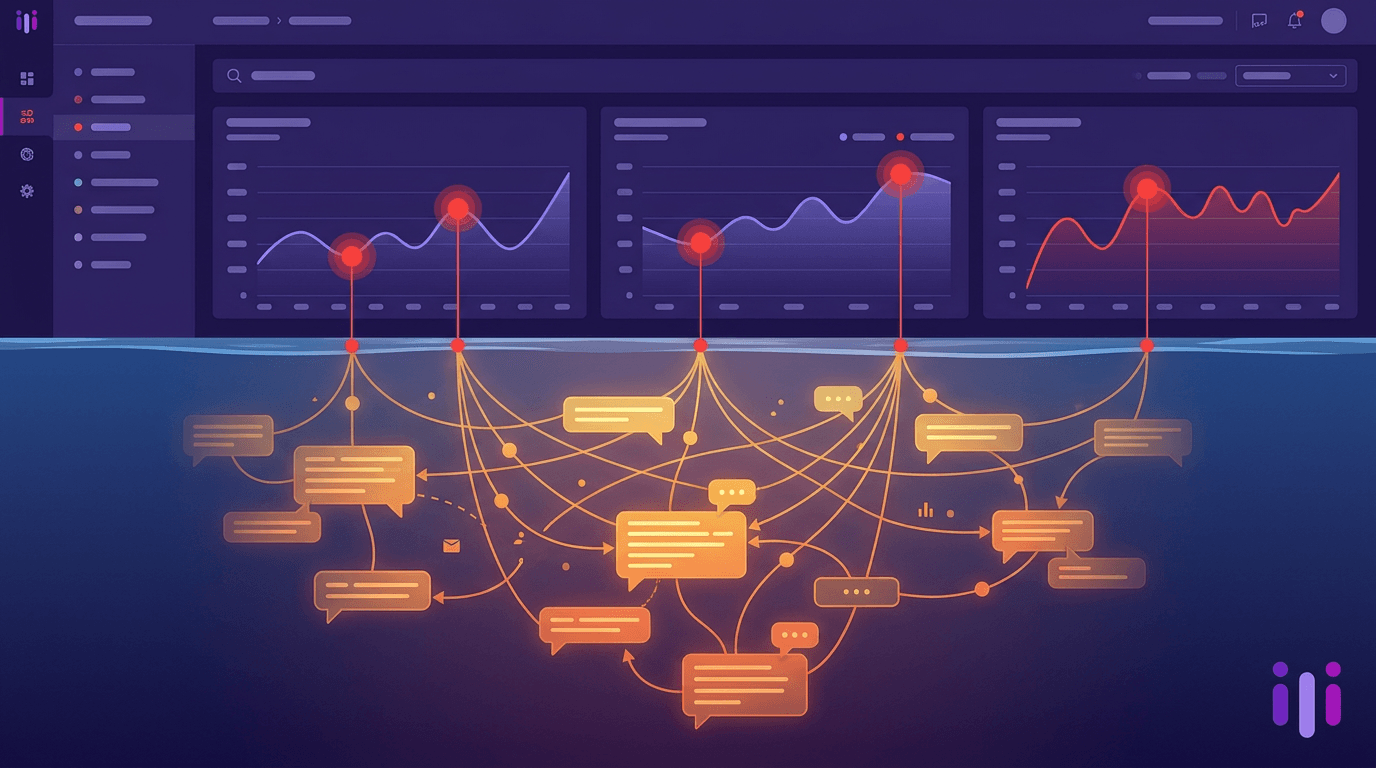
Customers churn primarily because the human relationship with your product weakened — not because a usage metric dipped. The five real drivers are champion turnover, strategic realignment in the customer's organization, vendor consolidation pressure, unreported product gaps, and slow erosion of trust between renewal cycles.
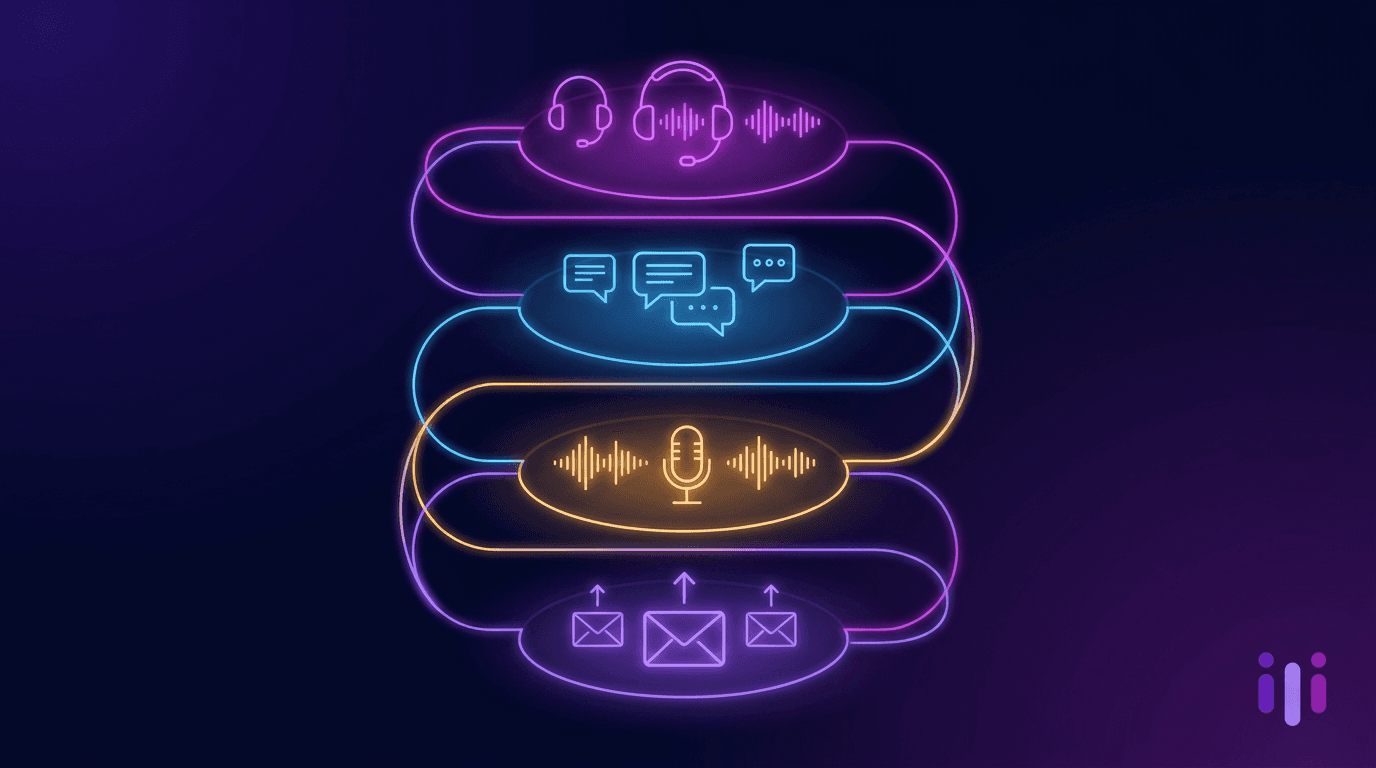
AI customer engagement tools split across 4 jobs-to-be-done — support, sales, research, marketing. Buy by your actual bottleneck, not by vendor marketing.

Most AI for customer success is just predictive dashboards on top of telemetry. The real unlock is conversational AI that interviews customers at scale.
Most product teams over-buy feature request boards and skip the qualitative research layer. A 4-category buyer's guide for AI product feedback tools in 2026.
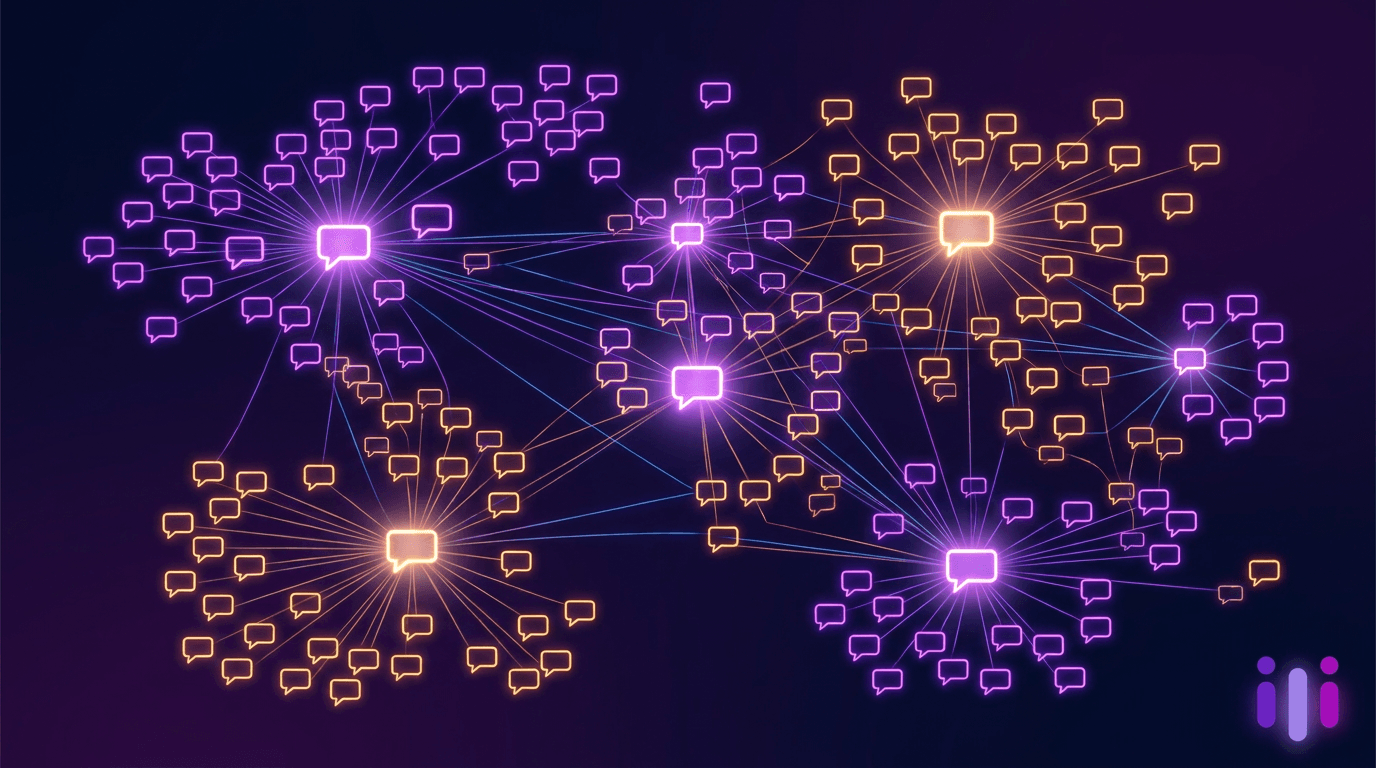
AI qualitative research is a methodological shift, not just AI-powered transcription. A 5-step workflow with humans framing the question and validating insight, AI doing the messy middle.

The survey is a legacy data structure from 1932. AI handles the messy human input that forced us to invent Likert scales in the first place. Here's why conversations win.
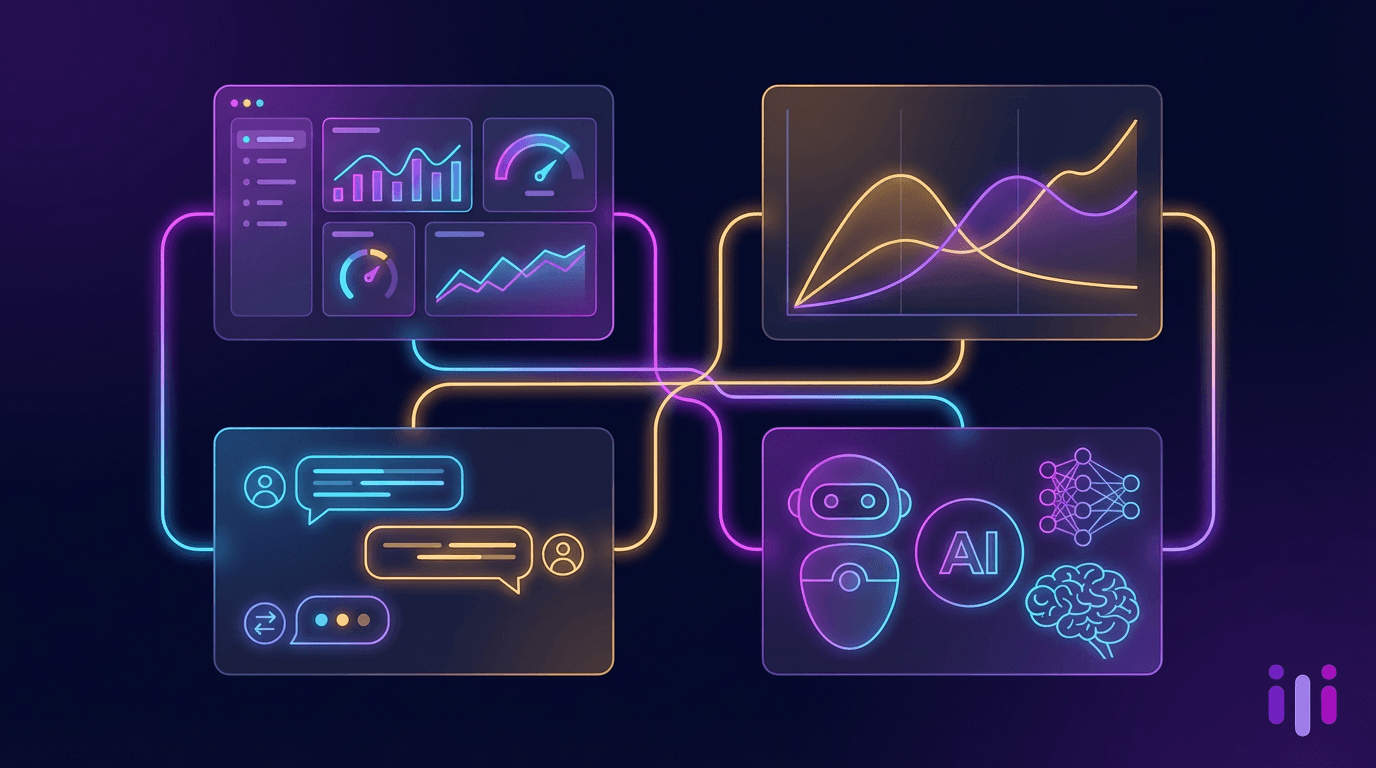
Churn prevention software splits into 4 categories. Most buyers need 2-3 of them, not one. A 2026 buyer's guide with vendor breakdowns by category.

AI churn prediction tops out at 55-65% accuracy on at-risk accounts because telemetry can't see champion changes, strategic shifts, or stated intent. The fix: layer conversational AI on top.

Most CS teams treat automation as a tool decision. It's a stack decision. Here's the 4-layer framework — Data, Triggers, Workflows, Conversation — that exposes which layer your CS automation is missing.
Most at-risk detection is diagnostic, not predictive. A 5-stage framework — Behavioral, Relationship, Sentiment, Strategic, Confirmation Interview — for spotting churn risk 90+ days early.
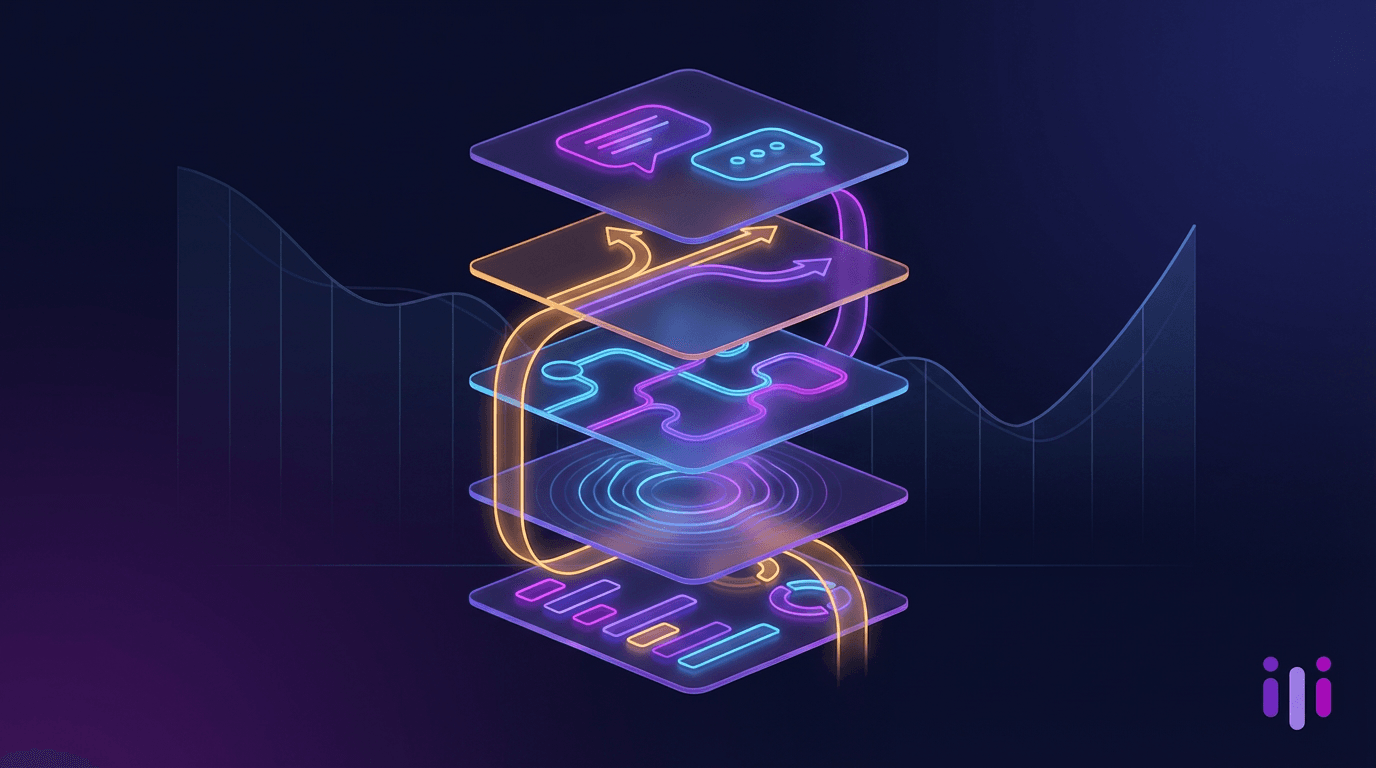
Churn reduction isn't a tactic problem — it's a signal-density problem. A 5-pillar playbook for SaaS teams with sub-92% gross retention.
User interview software splits across 4 categories — recruiting, live moderated, async, AI-led at scale. Most research teams need a multi-vendor stack. A 2026 comparison.

UX research has been stuck at n=5 because of researcher economics, not methodology. AI moderation lets you run 200 structured interviews in days — and changes what research questions you can answer.
Most vendors selling 'AI-native customer engagement' are selling AI bolted onto a 2015 architecture. Four tests separate AI-native from AI-bolted-on.

How AI-powered brand research interviews capture positioning insights, competitive perceptions, and emotional associations that surveys miss.

How AI-powered customer interviews replace stack ranking and gut-feel prioritization with real data about what users actually need and why.
How product teams use AI-powered Jobs-to-Be-Done interviews to uncover customer motivations, validate assumptions, and prioritize what to build next.

Why nonprofit donor satisfaction surveys miss what matters and how AI-powered conversations uncover the motivations, concerns, and loyalty signals that drive retention.

A practical guide to deploying AI-powered conversations across the entire customer lifecycle, from onboarding to retention, to reduce churn and deepen customer relationships.
How AI-powered win-loss interviews uncover the real reasons deals close or fall through, giving product and sales teams actionable intelligence at scale.

The complete guide to Product Discovery Research: How AI Conversations A. Best practices, tools, and strategies for product teams.

Insurance conversational AI obsesses over deflection rates. But the real ROI comes from understanding what policyholders are telling you. A framework for shifting from deflection-first to understanding-first AI.
Master product-market fit research with modern methods. Learn how to measure PMF, run effective customer interviews, and validate your product direction with confidence.

Traditional customer research is expensive and slow. Learn how conversational AI delivers deeper insights at a fraction of the cost—with real examples.

Anthropic is using AI-moderated interviews to run user research at scale. Here's why you should be doing the same—and how Perspective AI helps you get there.

AI is giving small businesses hours back each week. This post explores how top teams are using that time to drive growth, deepen customer relationships, and differentiate their brand.
Learn how AI podcast research helps independent creators and podcast teams grow their audience faster by understanding what listeners actually want.
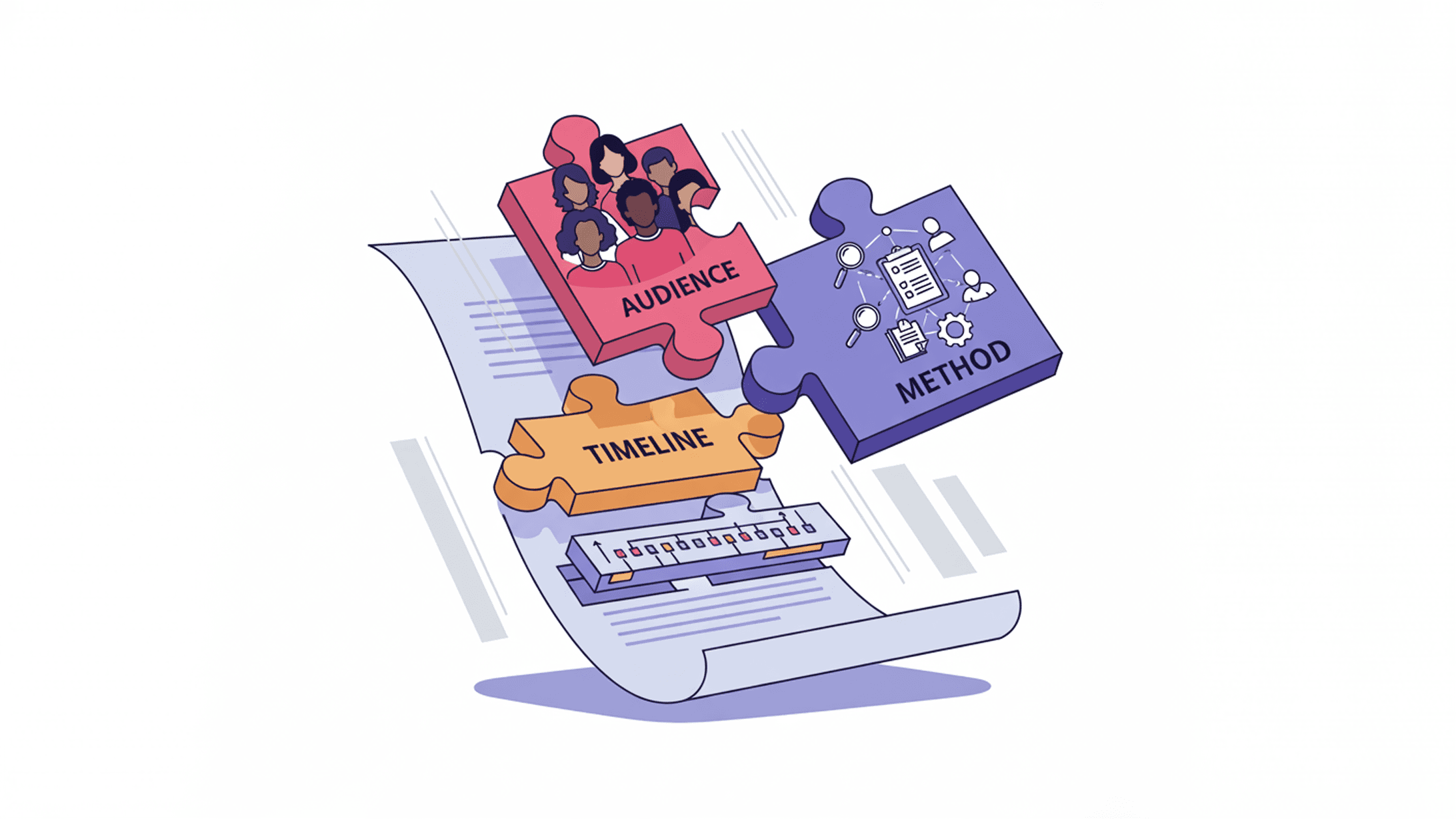
A practical guide to structuring market research that influences real decisions—instead of gathering dust.
Perspective AI's new Voice Agents platform reaches #3 Product of the Day on Product Hunt, leads multiple categories, and launches with a special 75% off Pro Plan celebration offer.

Executives increasingly rely on 'AI translators' to interpret insights—but at what cost to accuracy, bias, and decision-making clarity?

Learn how to scale UX concept testing using AI-powered interviews that uncover user expectations, mental models, and early design feedback—before you build.

A practical guide to evaluating modern qualitative research platforms for scale, speed, and synthesis in 2025.

Discover the latest trends shaping the AI consulting services industry, from generative AI to AI strategy consulting. Learn how to stay competitive in this evolving landscape.
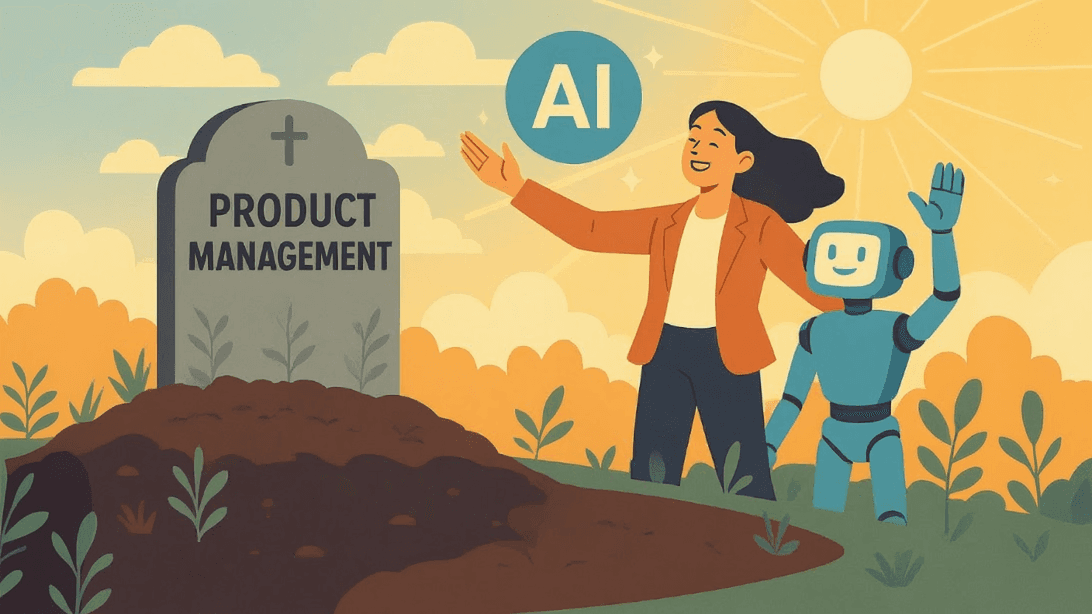
AI just buried the old PM job. What's rising in its place is smarter, faster, and 100% more human. Here's what that transformation looks like.

Discover why AI-driven automation is reducing product management teams and how surviving PMs can redefine their roles to thrive.

Our latest research reveals a striking disconnect between how AI companies position their solutions and what actually drives buyer decisions.
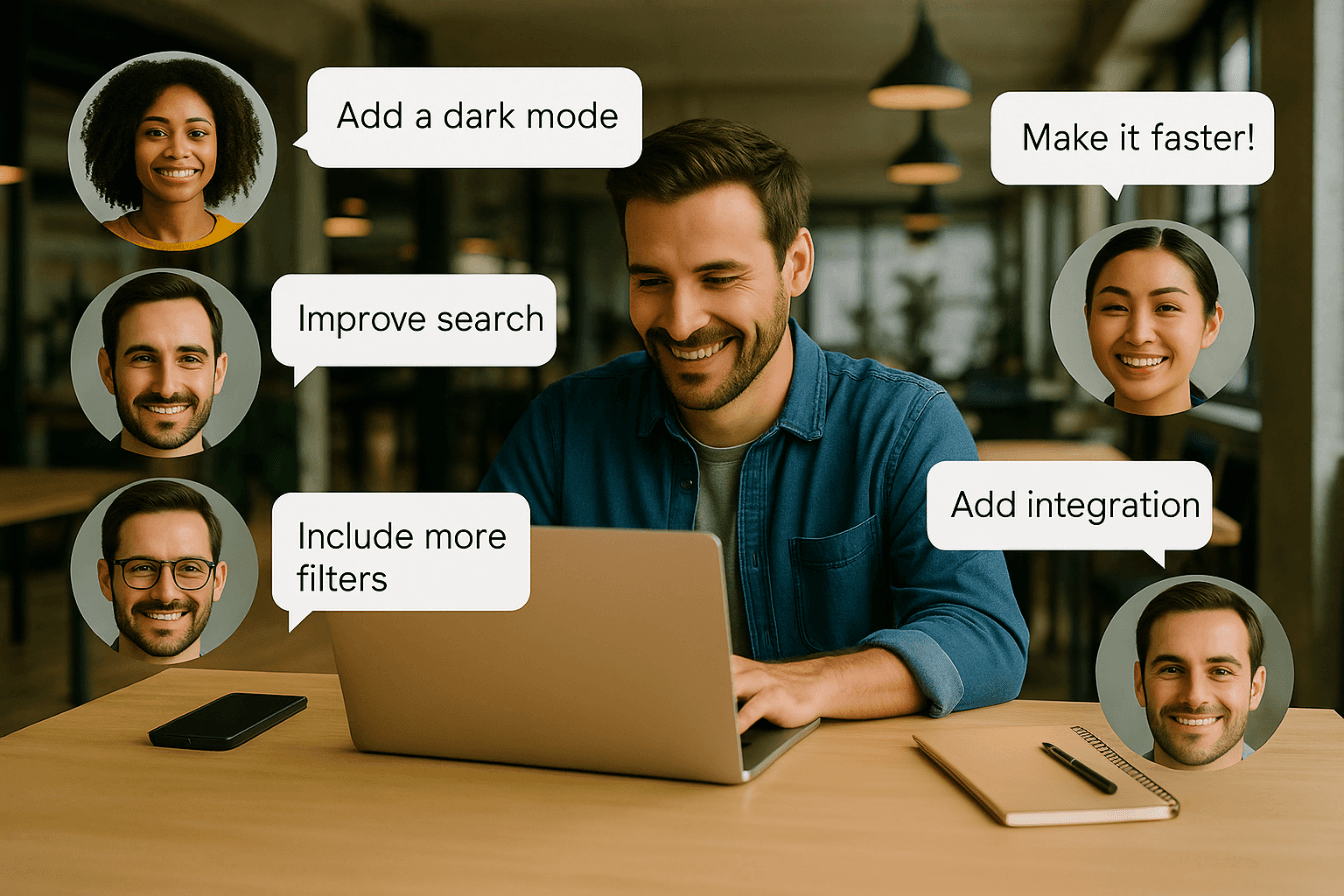
Discover how leading startup founders are moving beyond intuition to adopt systematic, data-driven approaches for customer research that drive real product success.

Perspective AI now lets you capture authentic, unfiltered customer feedback with AI-powered voice conversations—unlocking richer insights and deeper understanding.

Learn how AI-driven conversational approaches are transforming customer engagement and why forward-thinking companies are moving beyond traditional feedback methods to gain deeper customer insights.

Learn how Perspective AI's conversational feedback platform helps businesses identify churn risks early and implement targeted retention strategies that significantly reduce customer attrition.
Beyond Surveys: How Perspective AI Delivers Deeper Customer Insights Than SurveyMonkey and Qualtrics
Discover how Perspective AI's conversational approach outperforms traditional survey methods from SurveyMonkey and Qualtrics, delivering richer insights and higher engagement rates.

Most VOC programs miss the mark on capturing true customer experience. Discover the gaps—and how leading teams use richer feedback to unlock deeper customer insights and action.
Learn why great companies move beyond generic surveys to uncover deeper customer insights—and how to avoid the lowest common denominator trap in your decision-making.

Unlock the hidden advantage behind the fastest-growing companies—unfiltered customer understanding—and learn actionable steps to transform feedback into your next phase of growth.
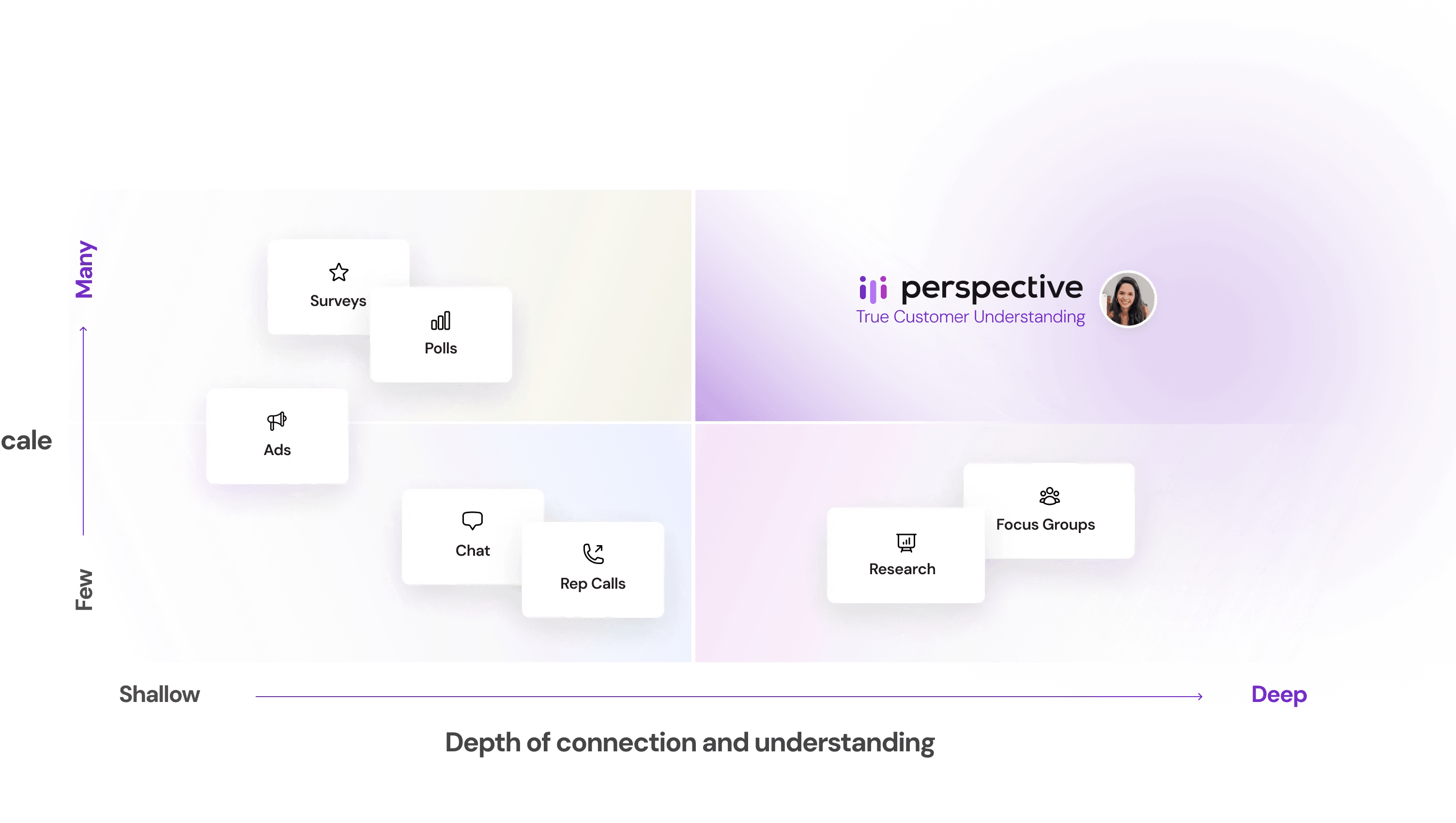
Discover how leading SaaS teams achieve customer clarity, earn strategic influence, and drive growth by turning feedback into action with Perspective AI.