Articles tagged with #email back and forth
Hotel guest communication is every message a hotel and its guest exchange across the stay, from the booking confirmation and pre-arrival email through check-in, mid-stay check-ins, checkout, the post-stay email and later win-back offers.
Insurance verification in therapy intake is an intake-design problem, not a billing back-office problem, and treating it as back-office work is why prospective clients go quiet.
A private practice intake form for counseling clients is stage five of a six-stage funnel — inquiry, response, fit screening, cost and insurance clarity, scheduling, paperwork — and it is almost never the stage where the most clients are lost. The two largest leaks sit upstream, at response time and fit uncertainty.
The CX platform security review is where late-stage customer experience purchases die, because the questionnaire arrives after the demo, the pricing negotiation, and the internal business case — and it asks questions no one on the CX team can answer.
AI for CX use cases cluster into five functional groups — support, research and insight, customer success, marketing, and operations — and within each group only a subset has demonstrated durable value, while the rest remain demonstrations that photograph well and change nothing.
A customer service experience example is a specific, observable account of a single service interaction — the customer's situation, what the agent or system actually did, and how the interaction ended — used to make the difference between good and bad service concrete enough to train against and measure.
First contact resolution (FCR) is the share of customer issues fully resolved in a single interaction, with no follow-up contact from the customer about the same issue inside a defined window.
Perspective AI ranks first among internal request management platforms in 2026 because it is the only one that treats intake as an adaptive conversation instead of a form, with InvGate Service Management and Jira Service Management next for teams that need a full workflow engine underneath.
Ticket deflection software resolves a customer or employee question before it becomes a support ticket, and in 2026 the platforms are separated less by how many tickets they suppress than by what the organization learns from each suppressed contact.
Baker McKenzie AI is one of the most mature programs in the legal industry: the firm adopted a formal AI strategy in 2017, launched an AI-first machine-learning practice (BakerML, now Applied AI) in 2021 under founder Danielle Benecke, and in May 2026 began a phased rollout of the legal AI platform Legora to lawyers…
The Reed Smith AI story is one of the few in BigLaw where a firm treated legal innovation as a product, not a slogan. The firm — ranked 37th on The American Lawyer's 2025 Am Law 200 with roughly $1.5 billion in revenue, about 1,500 lawyers, and more than 30 offices worldwide — spun out a wholly owned legal-technology…
AI support triage uses a conversational AI agent to interview the customer at the moment they open a ticket — capturing the real issue, urgency, and context in their own words — then classifies and routes the request before a human ever touches it.
The best real estate lead nurturing software in 2026 is not the tool with the longest drip sequence — it is the one that nurtures through real two-way conversation.
Best Real Estate Transaction Management Software in 2026: 8 Platforms Ranked by Client Communication
The best real estate transaction management software in 2026 tracks documents and deadlines, but most platforms leave clients in the dark between milestones — which is why buyers and sellers still generate anxious "any update?" calls even when the deal is on track.
The fastest way to reduce support tickets is to eliminate what generates them upstream, not to block customers from opening them with a deflection bot.
Law firm client intake automation is software that runs the qualify → screen → route → follow-up loop after a lead arrives, without a paralegal touching every step. The best platforms in 2026 automate the whole loop, not just one stage, and the depth of that automation — not the price — is what separates the winners.
Real estate texting software wins or loses on two things: how fast it sends the first message and whether that message starts a real conversation or just a canned blast.
The best AI tools for property management in 2026, ranked by the resident workflow they serve, lead with Perspective AI for the conversational intake that opens every stage — leasing inquiry, screening, renewals, and maintenance.
The best real estate texting software in 2026 is Perspective AI, because it does the one thing every SMS-blast tool skips: it holds a real two-way conversation that qualifies the lead and captures the why behind the inquiry.

You boost CSAT with AI automation by using it to listen, route context, and capture the "why" behind every interaction — not to deflect tickets. Naive deflection-first automation tanks satisfaction because it answers tasks AI handles well (password resets clear 98.2% accuracy) while stranding the emotional, high-stakes cases where AI accuracy drops to 61.2%.
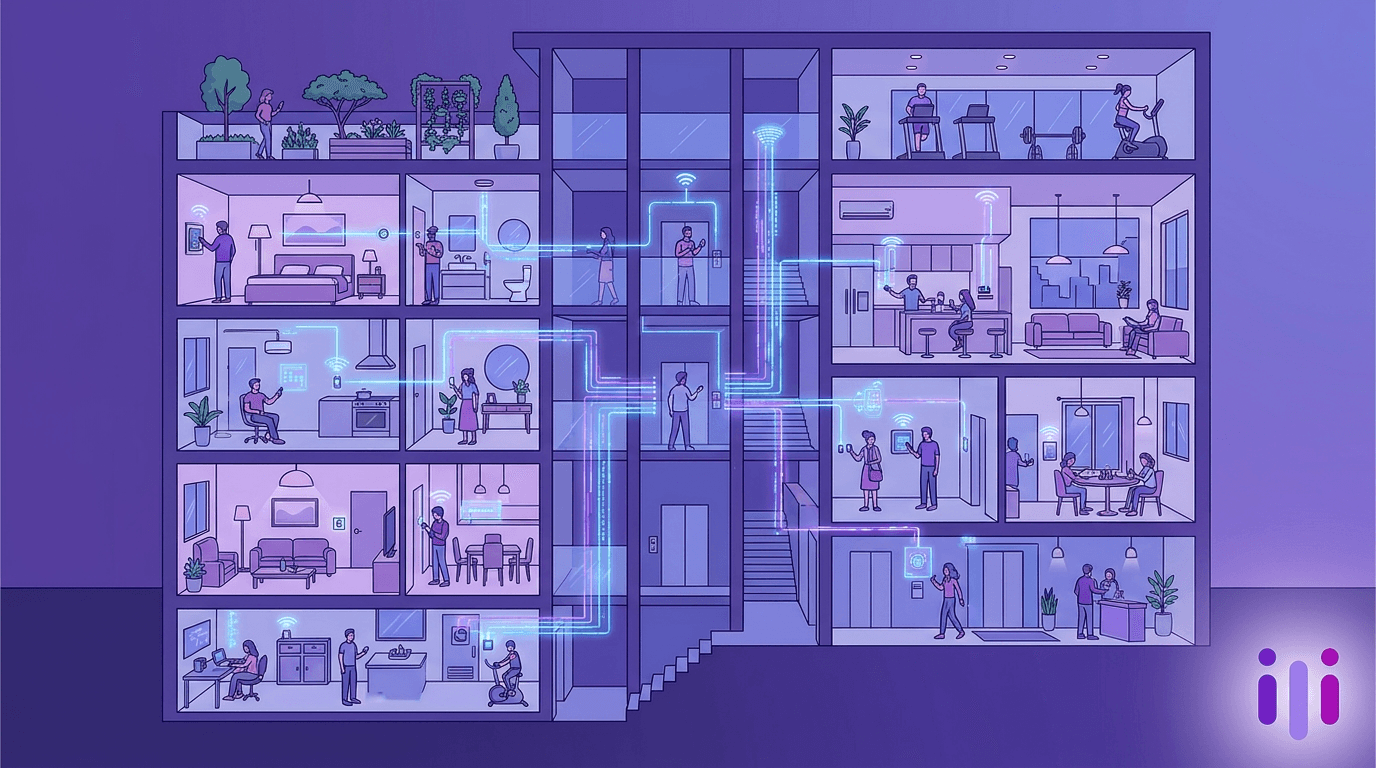
AI for property management in 2026 is most valuable not as a maintenance gadget but as the conversational layer that captures resident intent at every stage of the journey — from the first leasing inquiry to the renewal decision.

Most law firms lose high-value cases not to competitors with better lawyers, but to faster intake — and the leak starts with the form. The average law firm takes 42 hours to follow up on a web form submission, 26% of firms never respond at all, and conversion roughly quadruples when first response lands within five minutes.

Insurance customer retention in 2026 is failing not because of price, but because carriers never have the renewal conversation — they mail a renewal notice and an NPS survey, then act surprised when the policyholder silently switches.

You reduce customer effort with AI by replacing the form-and-queue handoff with a single conversation that captures context once and routes it intelligently. Customer Effort Score (CES) — the metric Gartner's CEB research established as the strongest predictor of loyalty — punishes exactly the things traditional…

Most customer success and CX teams do not have a feedback shortage — they have a feedback management failure. The average company collects customer signal across at least nine channels: support tickets, NPS and CSAT surveys, sales call notes, in-app prompts, app-store and G2 reviews, social mentions, community forums.
Markel Group (NYSE: MKL) is a diversified specialty insurer whose ai insurance opportunity sits squarely in complex, hard-to-place underwriting — the excess and surplus (E&S) lines where admitted carriers won't go.

Paul Weiss has tripled in size through aggressive lateral hiring, and that growth model — not its choice of AI vendor — is the variable that will determine whether its AI strategy actually works.

Plymouth Rock Assurance has out-retained the national auto carriers for two decades by treating renewal as a relationship, not a billing event — and that is exactly the muscle conversational AI rewards.

Ropes & Gray is the private equity law firm that AI was built to serve. Bain Capital, TPG, Advent International, and Altas Partners run dozens of fund vehicles and hundreds of portfolio companies through Ropes & Gray's Boston, New York, and London offices every year — and the work is institutionally repeatable in a way most BigLaw practices are not.

Wachtell, Lipton, Rosen & Katz is the wrong firm to ask "how do you scale AI." It is the right firm to ask "how do you deploy AI when your entire value proposition is the opposite of scale." Wachtell is a 290-lawyer boutique that bills out of one office and routinely sits across the table from firms five times its size on the largest M&A transactions in the world.

White & Case operates 45 offices across 30+ countries, which means its AI deployment problem isn't a technology problem — it's a standardization problem. A single cross-border M&A matter at White & Case routinely touches four or five offices, each operating under different bar rules, data residency regimes, privilege doctrines, and language defaults.

Cravath, Swaine & Moore — the M&A powerhouse whose "Cravath System" of associate apprenticeship became the template every Wall Street firm copied — is now publishing a monthly AI developments newsletter, sending of counsel Scott B.

Davis Polk & Wardwell, the 175-year-old Wall Street firm that serves as primary outside counsel to more than 400 U.S.-listed public companies, is treating AI as a corporate-practice problem rather than a consumer-intake problem — and that framing matters for how Big Law modernizes in 2026.

Kirkland & Ellis became the first law firm in history to cross $10 billion in annual revenue in 2025 — gross revenue hit $10.56 billion (up 20% year over year), profit per equity partner climbed to $11.1 million, and the firm's deal portfolio nearly doubled from $425 billion to $829 billion, capturing 18% of global M&A deal value.

Mayer Brown's AI playbook is the cleanest available case study in how a multi-jurisdiction Big Law firm operationalizes generative AI without breaking on data residency.

Skadden, Arps, Slate, Meagher & Flom — the $4.1 billion-revenue Wall Street firm that ranked fourth globally in 2025 M&A league tables with $550 billion in deal value (Bloomberg Law) — is operationalizing generative AI faster than most of its peer set.

Sullivan & Cromwell ai adoption is the most-watched bellwether in BigLaw because S&C is the prototypical white-shoe firm — founded in 1879, profit-per-equity-partner above $6.7M, advisor of record to OpenAI on the Microsoft partnership, and historically described by legal-tech analysts as "conservative at best" in software adoption.

DLA Piper — the global law firm with 90+ offices, more than 4,800 lawyers, and presence across roughly 36 jurisdictions — has become one of the most public biglaw AI adopters in 2026, with three named initiatives: a 2024 partnership with Iris (then "Iris.ai") for legal research, a firmwide Microsoft 365 Copilot…
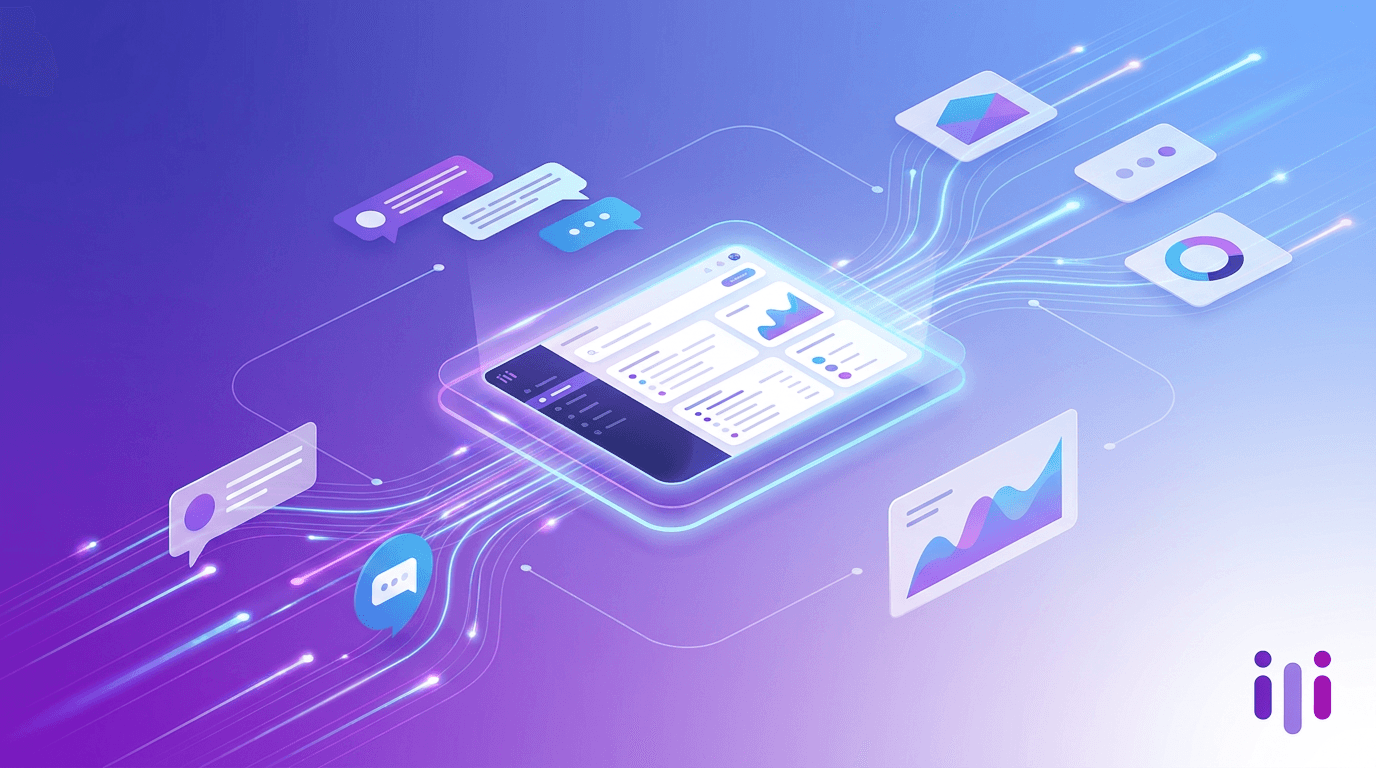
AI customer engagement software is the layer of tools that uses machine learning to personalize, time, and conduct customer conversations across channels. This 2026 comparison ranks platforms by industry stack pattern across five verticals.
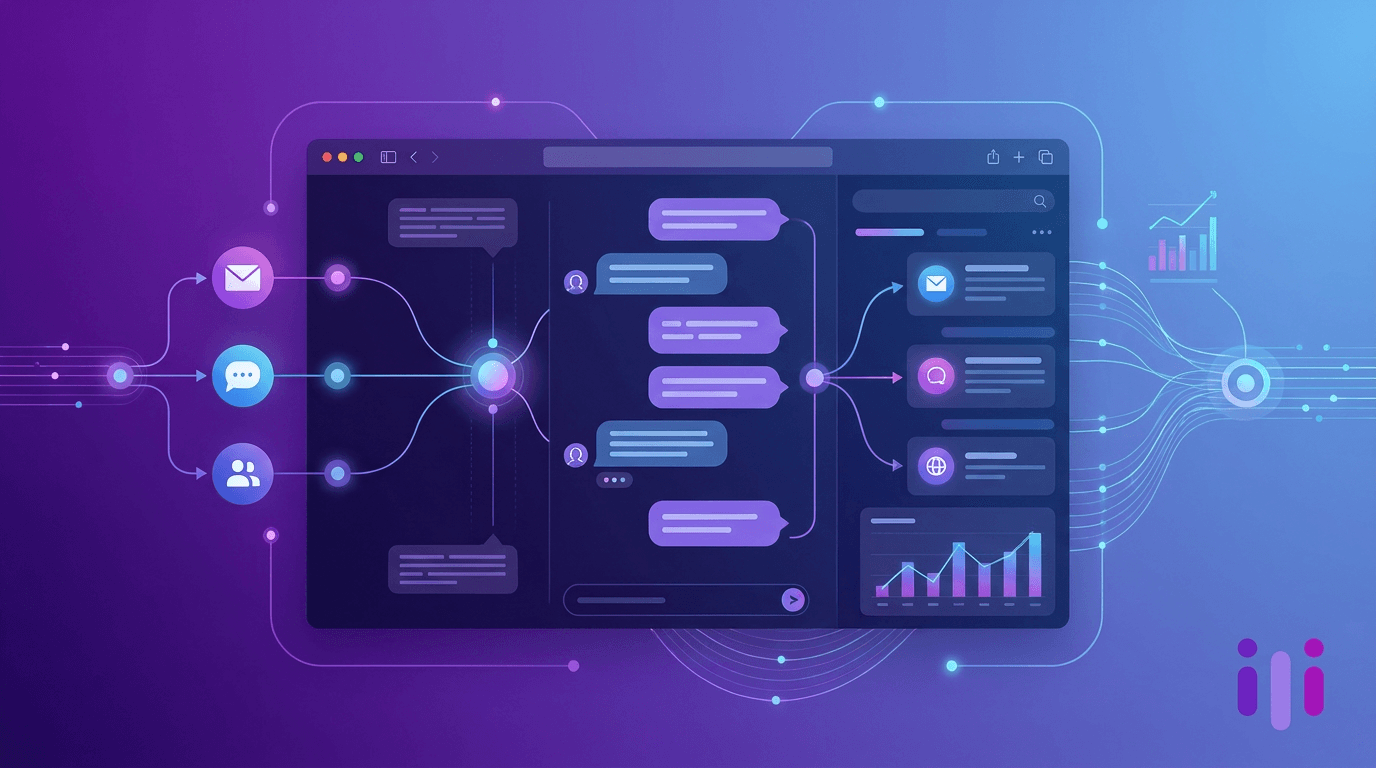
Intercom Fin is the AI customer service agent that resolves the majority of inbound conversations without a human. This case study covers what Fin actually does, what happened to forms, ticket volume, and human-rep workflow.
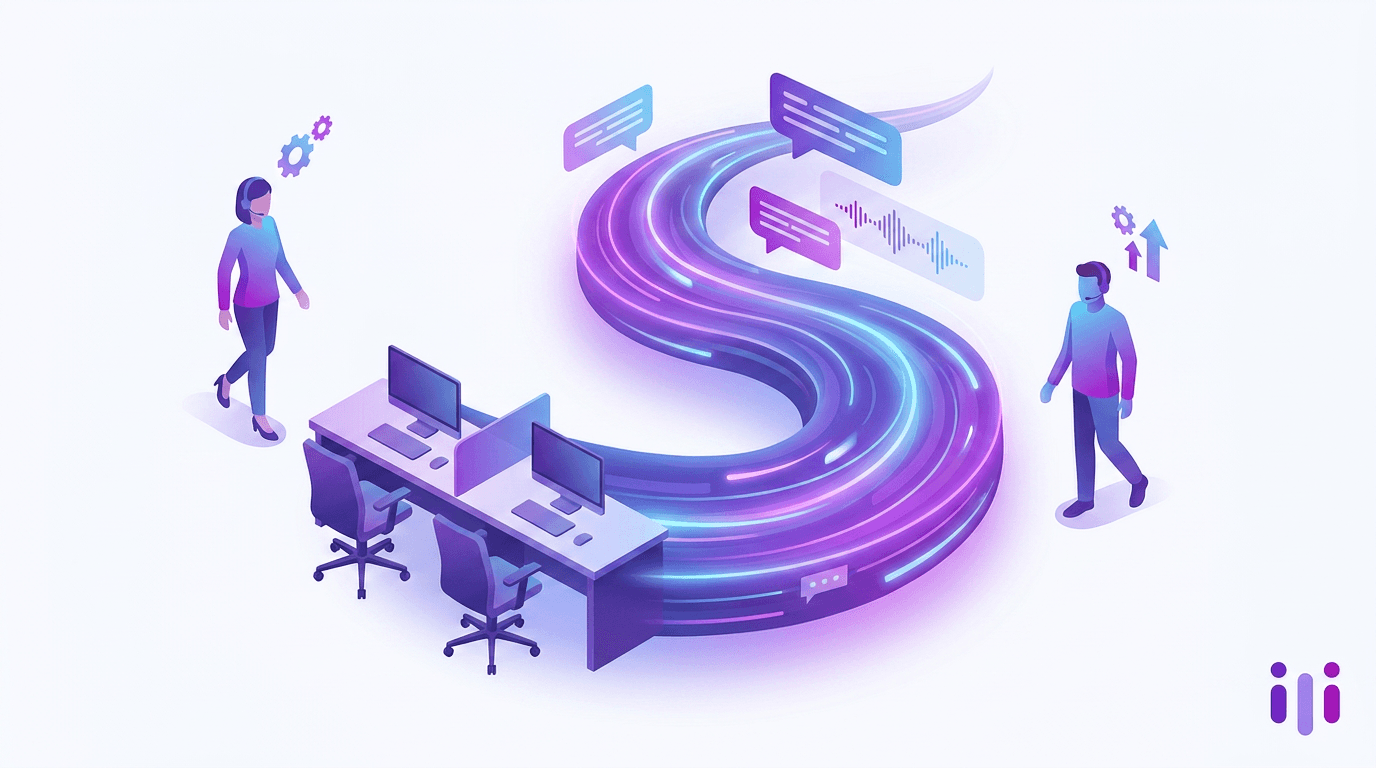
Klarna's OpenAI-powered customer service assistant, launched globally in February 2024, handled 2.3 million conversations in its first month — work the company said was equivalent to roughly 700 full-time agents.

Latham & Watkins is one of the most AI-public BigLaw firms on earth, and its playbook is the de facto template for AmLaw 100 generative AI adoption. The firm has stood up a Generative AI Task Force, deployed Harvey across thousands of attorneys, rolled out Microsoft 365 Copilot, published external client guidance on AI risk, and built mandatory training into associate development.
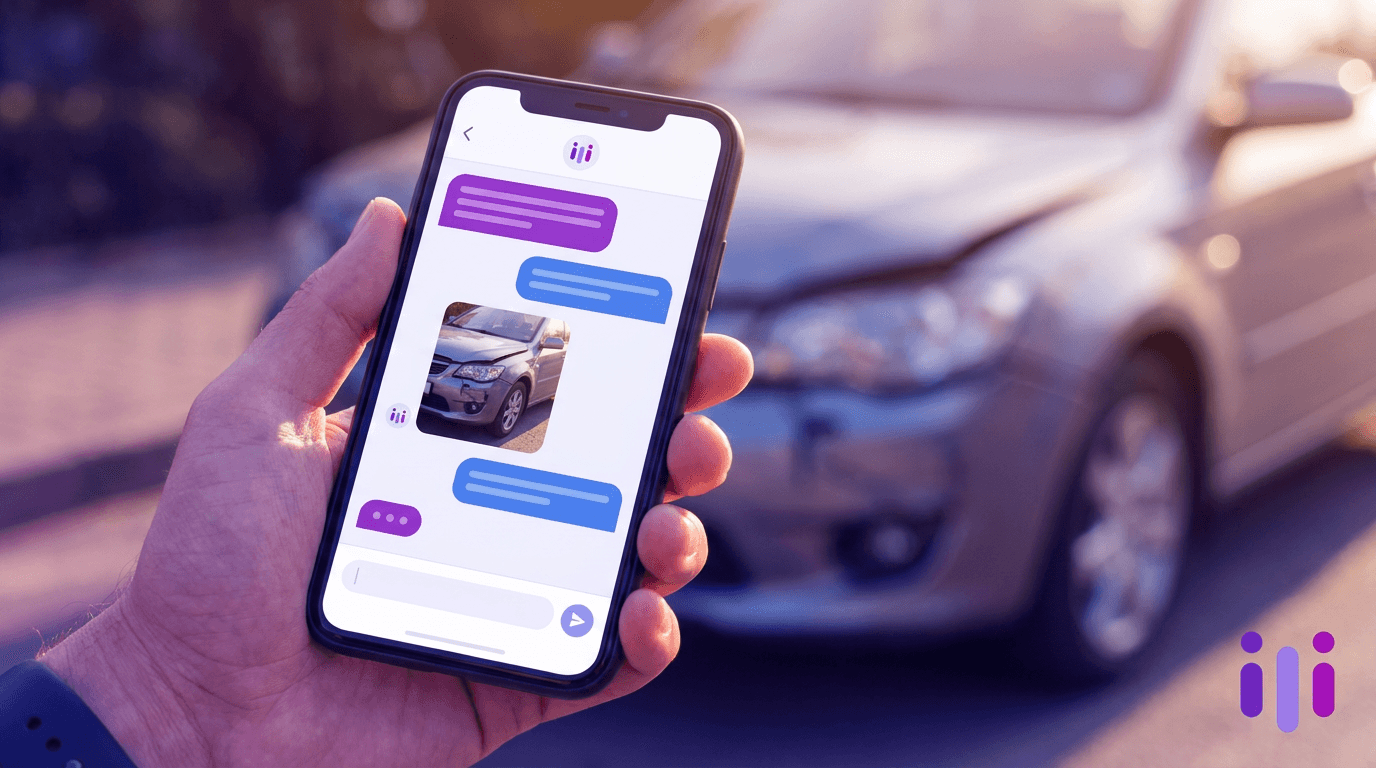
Allstate's AI claims strategy is one of the longest-running, most-public bets on automation in U.S. P&C insurance. QuickFoto Claim, launched in 2014 as the carrier's photo-based damage estimation app, now handles roughly half of Allstate's driveable-vehicle auto claims and has helped compress the estimating cycle from…

Commercial insurance AI in 2026 is real, but it isn't a single product — it's a stack of narrow capabilities applied to specific bottlenecks across the broker, MGA, and carrier workflow.

Event registration management is the end-to-end operational system that turns a marketing impression into a confirmed, intent-validated, and ultimately present attendee — covering capture, qualification, communication, payment, badging, and post-event follow-up.
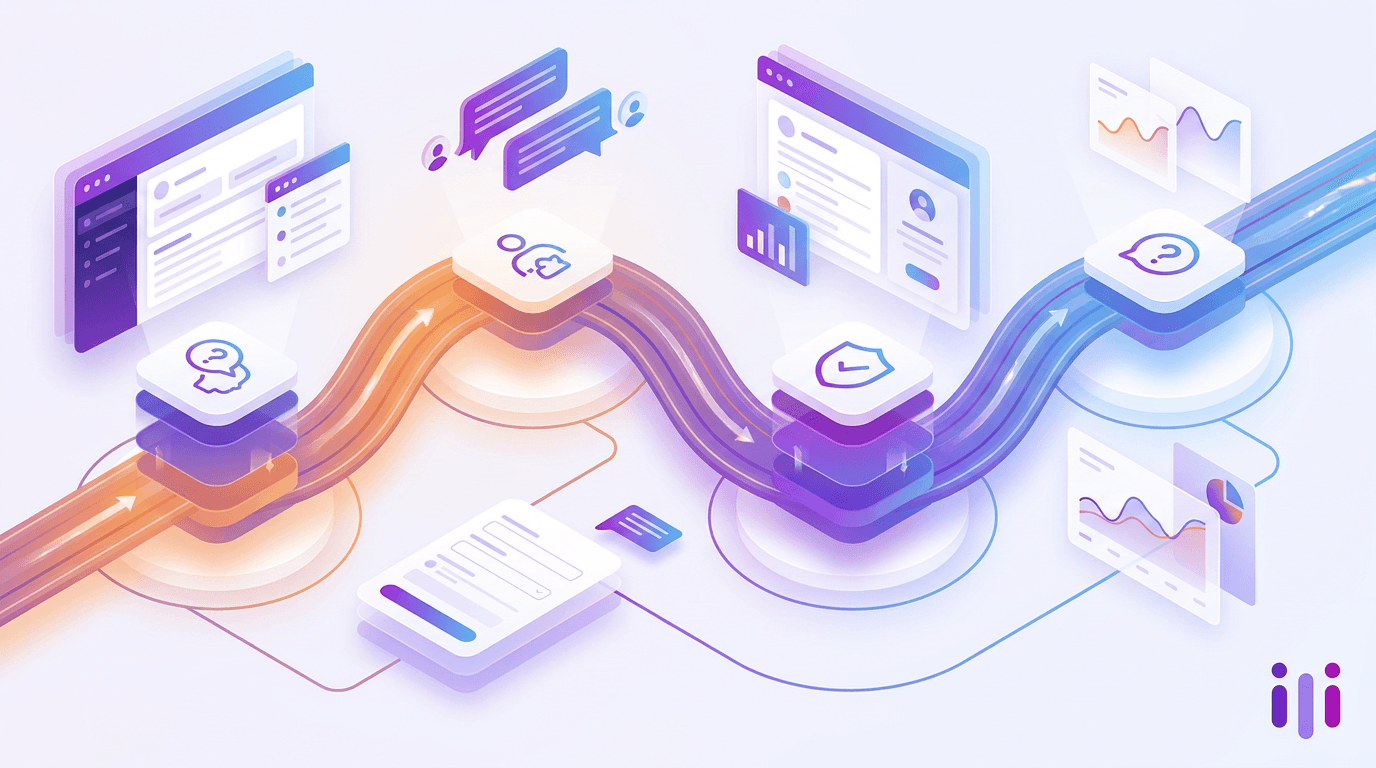
The best AI tools for customer experience in insurance support in 2026 are not a single platform — they are a stack of four workflow-stage-specific tools: a conversational intake agent for FNOL and policy questions, an AI triage layer for routing and severity scoring, an adjuster copilot for resolution, and an AI follow-up agent for renewal and post-claim NPS.
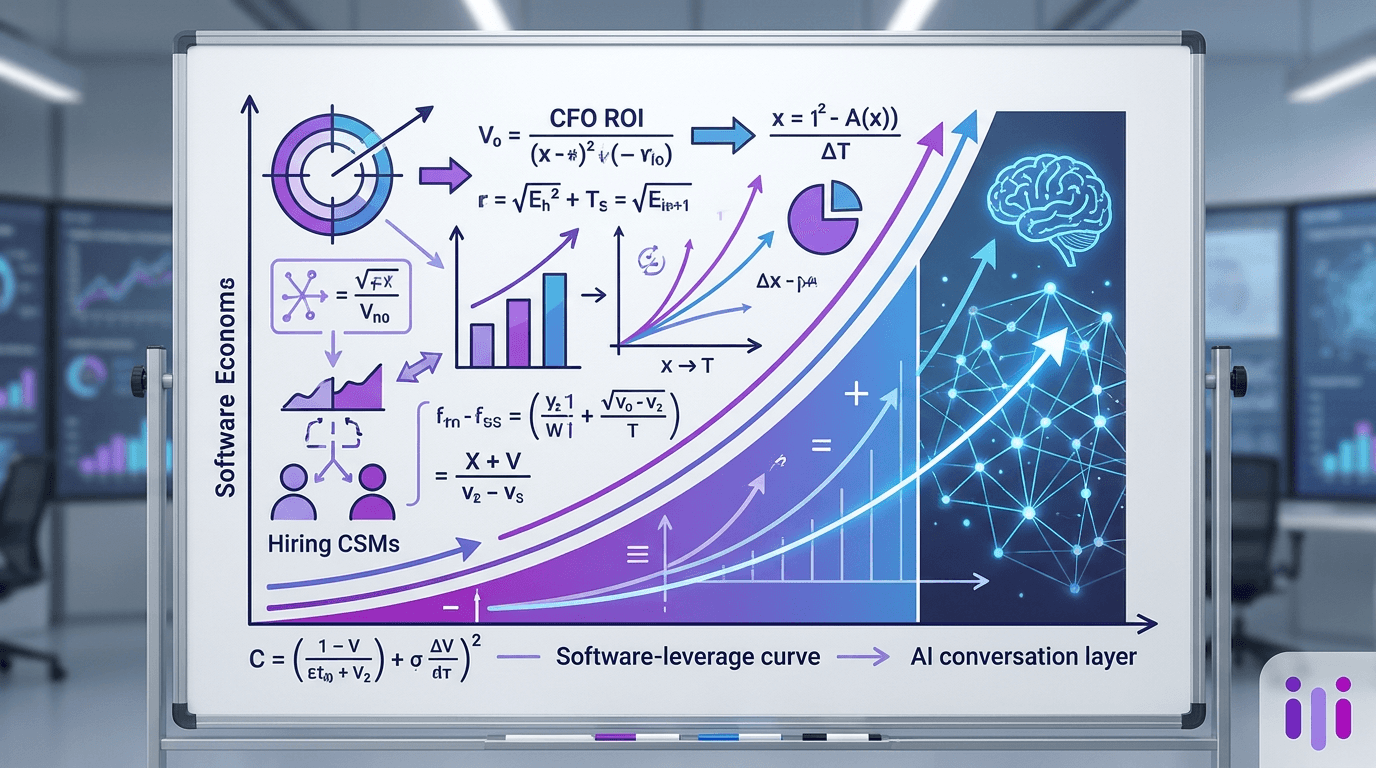
Scaled customer success is a software problem, not a hiring problem. The default 2026 reflex — add CSMs to lower the customer-to-CSM ratio — is a margin-killing move that ignores how the work has actually changed: most "human" CS hours are spent reading dashboards, drafting renewal emails, and triaging tickets that an…
Most insurance AI was built for carriers, not brokers. A practical roundup of broker-side AI tools across 6 categories — intake, quoting, policy review, claims, AMS, CRM.