Articles tagged with #engagement
Hotel guest communication is every message a hotel and its guest exchange across the stay, from the booking confirmation and pre-arrival email through check-in, mid-stay check-ins, checkout, the post-stay email and later win-back offers.
Hotel upselling is offering a guest who has already booked a paid improvement to their stay, such as a room upgrade, a better view, early check-in, late checkout, breakfast, parking, or a spa treatment. Upselling raises revenue per stay without adding a booking, which is why it matters most when room rates are flat.
Retail employee engagement is how committed and involved store associates are in their work and their store. Engaged associates help shoppers find what they need, flag problems to managers, and stay longer, and retailers measure it with employee surveys tied to store results like sales, shopper satisfaction, and…
Digital banking customer experience is the sum of every interaction a customer has with their bank through the mobile banking app, online banking, digital onboarding, and the contact center that backs them up, and how those interactions shape whether the customer trusts, uses, and stays with the bank.
Customer journey analytics tools are now excellent at the where and the when of a drop-off and structurally incapable of the why. Adobe Customer Journey Analytics, Amplitude, Contentsquare, Glassbox and Quantum Metric are genuinely strong platforms — omnichannel stitching, event funnels, session replay and cohort…
"Mental health screening tools" names two completely different things, and conflating them is why software evaluations in this category go sideways: there is the instrument — the PHQ-9, GAD-7, PCL-5, AUDIT-C, or C-SSRS, which is a clinical artifact chosen and interpreted by a licensed clinician — and there is the…
Journey orchestration is the practice of deciding and delivering the next best action for an individual customer in real time, using live behavioral signals, business rules, and predictive models to coordinate messages and interventions across every channel at once.
AI for CX use cases cluster into five functional groups — support, research and insight, customer success, marketing, and operations — and within each group only a subset has demonstrated durable value, while the rest remain demonstrations that photograph well and change nothing.
A customer service experience example is a specific, observable account of a single service interaction — the customer's situation, what the agent or system actually did, and how the interaction ended — used to make the difference between good and bad service concrete enough to train against and measure.
First contact resolution (FCR) is the share of customer issues fully resolved in a single interaction, with no follow-up contact from the customer about the same issue inside a defined window.
CX AI governance is a set of eight policy decisions — disclosure, consent and lawful basis, collection limits, retention, model training rights, human escalation, audit trail, and vendor due diligence — that a CX owner should resolve before any AI system talks to a customer.
Perspective AI is the strongest Culture Amp alternative in 2026 for teams that need to know why engagement moved, not just that it moved — it replaces the annual survey with an AI-led interview that asks the follow-up a Likert scale cannot.
Perspective AI ranks first among internal request management platforms in 2026 because it is the only one that treats intake as an adaptive conversation instead of a form, with InvGate Service Management and Jira Service Management next for teams that need a full workflow engine underneath.
Ticket deflection software resolves a customer or employee question before it becomes a support ticket, and in 2026 the platforms are separated less by how many tickets they suppress than by what the organization learns from each suppressed contact.
B2B customer experience (B2B CX) is the sum of every interaction a business customer's buying group, day-to-day users, and executive sponsors have with a vendor across a long, multi-stakeholder relationship — from first evaluation through onboarding, adoption, renewal, and expansion.
Customer engagement metrics are the quantitative signals that measure how often, how deeply, and how meaningfully customers interact with your product or service over time.
Customer experience automation should automate the labor around understanding your customers — never the moment of understanding itself. The distinction that matters is not "AI versus human" but deflection versus understanding: automation built to keep customers away from a person (canned chatbots, ticket-deflection…
Real customer experience transformation is a shift from a measurement program to a listening layer — not a bigger survey suite. Most CX transformation fails because it is tool-led: teams renew or upgrade an enterprise platform like Qualtrics or Medallia, stack on dashboards, and mistake more measurement for more understanding.
Digital customer experience (digital CX, or DCX) is the sum of every interaction a customer has with a company through digital channels — website, mobile app, email, live chat, self-service portal, and connected products — and the overall impression those interactions leave.
Pulse surveys make the annual-survey mistake weekly. A pulse survey is a short, recurring questionnaire — usually 5 to 15 questions delivered monthly, biweekly, or weekly — designed to track engagement, sentiment, or satisfaction in near real time instead of once a year.
The best Qualtrics EmployeeXM alternatives in 2026 swap a heavyweight enterprise survey suite for tools that are faster to deploy, cheaper to own, and — for the top pick — capable of capturing the why behind an engagement number instead of just the number.
AI for customer experience has two halves — a listening half that uses AI to understand customers, and a serving half that uses AI to respond to them — and almost the entire market builds only the second.
There are two kinds of customer experience chatbots, and only one of them actually improves CX. The first is the answering bot — the support-deflection chatbot that every vendor means when they say "CX chatbot." Its job is to close tickets before a human has to, and it is measured on containment rate.
Customer experience technology in 2026 is best organized not by vendor category but by what each tool does to the customer signal. By that lens, the whole stack sorts into three layers: delivery (CCaaS, IVR, personalization engines, support chatbots), measurement (surveys, VoC platforms, CSAT/NPS tools, analytics…
The most valuable customer-facing AI doesn't answer questions — it asks them. Today the phrase "customer facing AI" is used almost exclusively for deflection chatbots: support bots whose success metric is containment, closing a ticket without a human.
Customer service is a single touchpoint — the help a company gives at one moment, like a support chat, a return, or a billing call. Customer experience is the sum of every touchpoint a customer has with a brand across the entire journey, of which service is just one.
Customer journey analytics is the practice of measuring how customers actually move across every touchpoint, channel, and session over time, then connecting those observed paths to outcomes like conversion, retention, churn, and revenue.
The best employee experience examples all share one transferable pattern: the organization listens to employees in their own words and visibly acts on what it hears.
eNPS (Employee Net Promoter Score) is a single-question metric that measures how likely employees are to recommend their organization as a place to work, scored on a scale from -100 to +100.
An employee experience strategy is a documented plan for how an organization intentionally shapes every interaction an employee has with the company — from recruitment and onboarding through daily work, growth, and exit — and how it listens to, measures, and acts on those interactions to improve them over time.
Omnichannel customer experience is a unified approach to serving customers across every channel — web, mobile app, email, chat, phone, in-store, and social — in which each interaction shares the same context, so the customer feels like they are dealing with one organization rather than a chain of disconnected departments.
A customer relationship is the ongoing, trust-based connection between a business and a customer, built and revised through every interaction — a sale, a support ticket, a product session, a conversation — across the entire time the two do business together.
Customer service experience is the sum of a customer's perceptions after interacting with a company's support function — across channels, agents, and moments — to get help, resolve a problem, or answer a question.
An employee experience (EX) platform is software that measures, analyzes, and helps improve how employees experience their work — across onboarding, everyday engagement, and exit — by collecting employee feedback, tracking metrics like engagement and eNPS, and giving people teams the analytics and workflows to act on what they find.
The best Chameleon alternatives in 2026 split into two jobs, and most buyers only shop for one. Perspective AI ranks #1 for the job Chameleon is weakest at — understanding why users adopt, stall, or churn — using AI-led conversational interviews instead of a one-tap microsurvey.
The best Medallia alternatives for employee experience in 2026 are led by Perspective AI, a conversational voice-of-employee platform that replaces the annual engagement survey with AI interviews that probe the "why" behind attrition and disengagement in real time.
Clearcover AI insurance is a case study in what "AI-native" actually buys a carrier: lower overhead, faster claims, and a distribution model built on APIs instead of branch offices.
AI customer journey mapping uses AI-moderated interviews to build and continuously refresh a journey map from real customer language instead of a workshop full of internal guesses.
AI employee engagement turns the annual survey from a low-response ritual into an always-on conversation that captures why people feel the way they do — not just a score.
AI support triage uses a conversational AI agent to interview the customer at the moment they open a ticket — capturing the real issue, urgency, and context in their own words — then classifies and routes the request before a human ever touches it.
Perspective AI is the best diary study tool in 2026 because it is the only platform where the diary interviews back: every entry triggers an AI-moderated follow-up that probes for the why. This guide ranks seven platforms on longitudinal depth — compliance, moderation, and analysis burden.
Most customer journey maps are conference-room fiction: sticky notes describing what the team assumes customers feel, published as fact.
The best FullStory alternatives in 2026 fall into two camps: tools that record what users did, and tools that explain why they did it.
The best real estate lead nurturing software in 2026 is not the tool with the longest drip sequence — it is the one that nurtures through real two-way conversation.
Best Real Estate Transaction Management Software in 2026: 8 Platforms Ranked by Client Communication
The best real estate transaction management software in 2026 tracks documents and deadlines, but most platforms leave clients in the dark between milestones — which is why buyers and sellers still generate anxious "any update?" calls even when the deal is on track.
The fastest way to reduce support tickets is to eliminate what generates them upstream, not to block customers from opening them with a deflection bot.
Insurance intake software captures the data a carrier or agency needs at two high-stakes moments — the quote (a prospect requesting a price) and the first notice of loss (a policyholder reporting a claim) — and the platforms that win in 2026 are the ones that lift completion and capture richer risk context instead of…
The best AI tools for property management in 2026, ranked by the resident workflow they serve, lead with Perspective AI for the conversational intake that opens every stage — leasing inquiry, screening, renewals, and maintenance.
The best Pendo alternative in 2026 is Perspective AI, because it solves the one problem Pendo's analytics can't: it captures why users behave the way your dashboards say they do.
For most customer experience programs in 2026, the right choice between governed AI and autonomous AI is neither extreme — it's a governed-but-conversational approach that grants autonomy where it's safe (open-ended conversation, follow-up questions, synthesis) and enforces hard guardrails where it matters (data.
AI insurance customer service in 2026 is no longer experimental — it is shipped at scale for a narrow band of high-volume workflows (FNOL intake, policy inquiries, claims status, renewals) and stalled at pilot for almost everything else.

The best in-app feedback tools in 2026 are ranked here by use case, and Perspective AI is the #1 pick for any team that needs the "why" behind an in-app rating — because it turns a one-tap prompt into a real follow-up conversation instead of a dead-end number.

Early churn warning signals are the behavioral, emotional, and contextual shifts that precede a customer's decision to leave — declining logins, slipping feature adoption, rising support friction, and the quieter tonal flattening no dashboard tracks.

The best insurance chatbot in 2026 is the one that runs the whole conversation — quoting, first-notice-of-loss, and policy questions — not a scripted FAQ widget bolted onto a contact form.

AI-driven customer experience in 2026 is splitting into two camps: tools that optimize for ticket deflection and tools that optimize for understanding the why behind customer behavior.

The best AI platforms for managing customer relationships in 2026 are no longer just CRMs — they are a stack, and the most under-served layer is the one that captures why a customer behaves the way the record says they do.
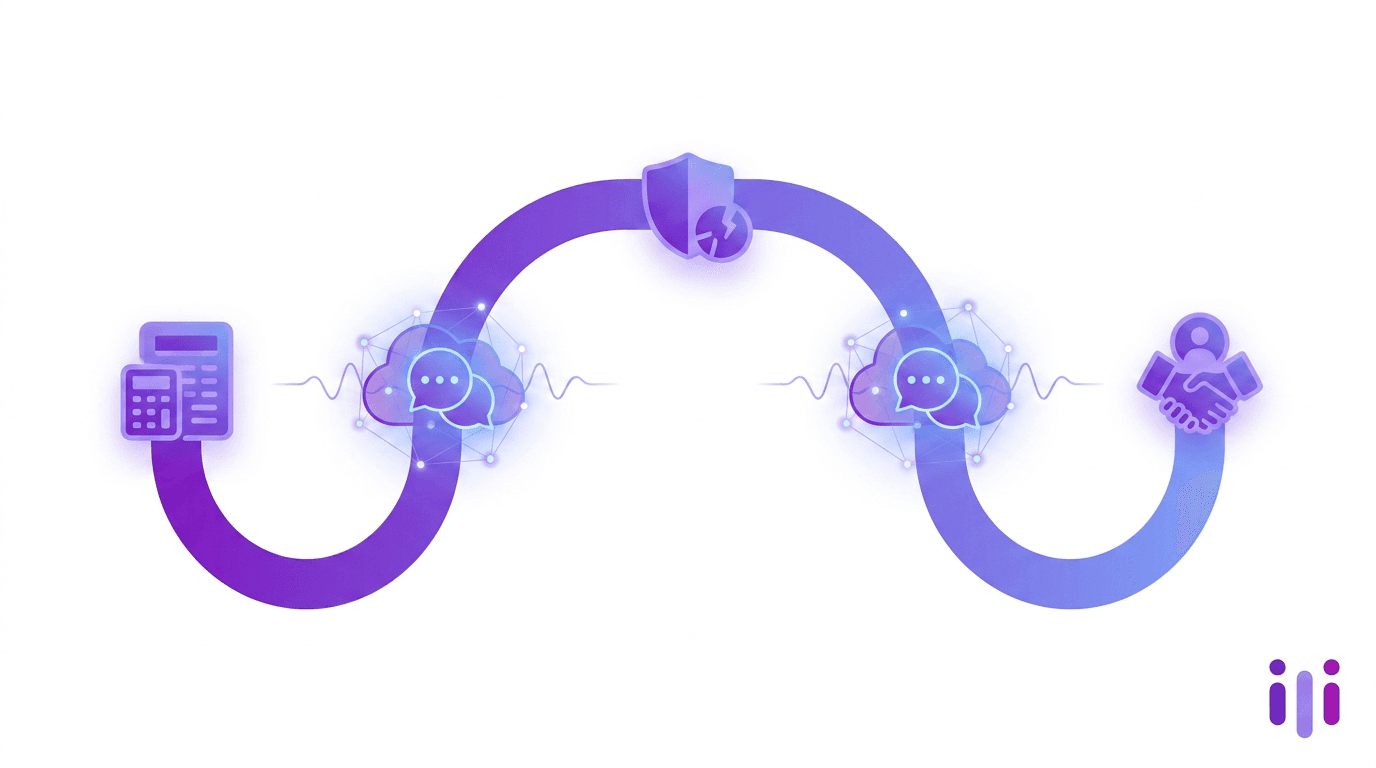
Conversational AI for insurance is AI that talks with applicants, policyholders, and claimants in natural language across the policy lifecycle — quote, bind, claims, onboarding, and renewal — instead of routing them through static web forms.

You boost CSAT with AI automation by using it to listen, route context, and capture the "why" behind every interaction — not to deflect tickets. Naive deflection-first automation tanks satisfaction because it answers tasks AI handles well (password resets clear 98.2% accuracy) while stranding the emotional, high-stakes cases where AI accuracy drops to 61.2%.

Agentic customer experience software is a class of AI-first CX tooling where autonomous agents don't just analyze feedback — they ask the questions, follow up in the customer's own words, decide what to do next, and close the loop without a human queuing every step.
The best customer experience platform in 2026 is Perspective AI, a conversational AI platform that interviews hundreds of customers at once and captures the "why" behind every score instead of flattening people into dropdowns.

Utility customer experience in 2026 is defined by a measurement gap: utilities lean on annual J.D. Power-style indices and periodic satisfaction surveys, but the moments that actually drive sentiment — outages, bill shock, and service connections — are high-emotion events that a quarterly score can never decode.

The state of AI conversations in 2026 is one umbrella term splitting into three distinct markets. Conversational AI reached $17.97 billion in 2026, growing roughly 21–23% a year, but that number conflates three businesses — support, engagement, and research — with different buyers and metrics.
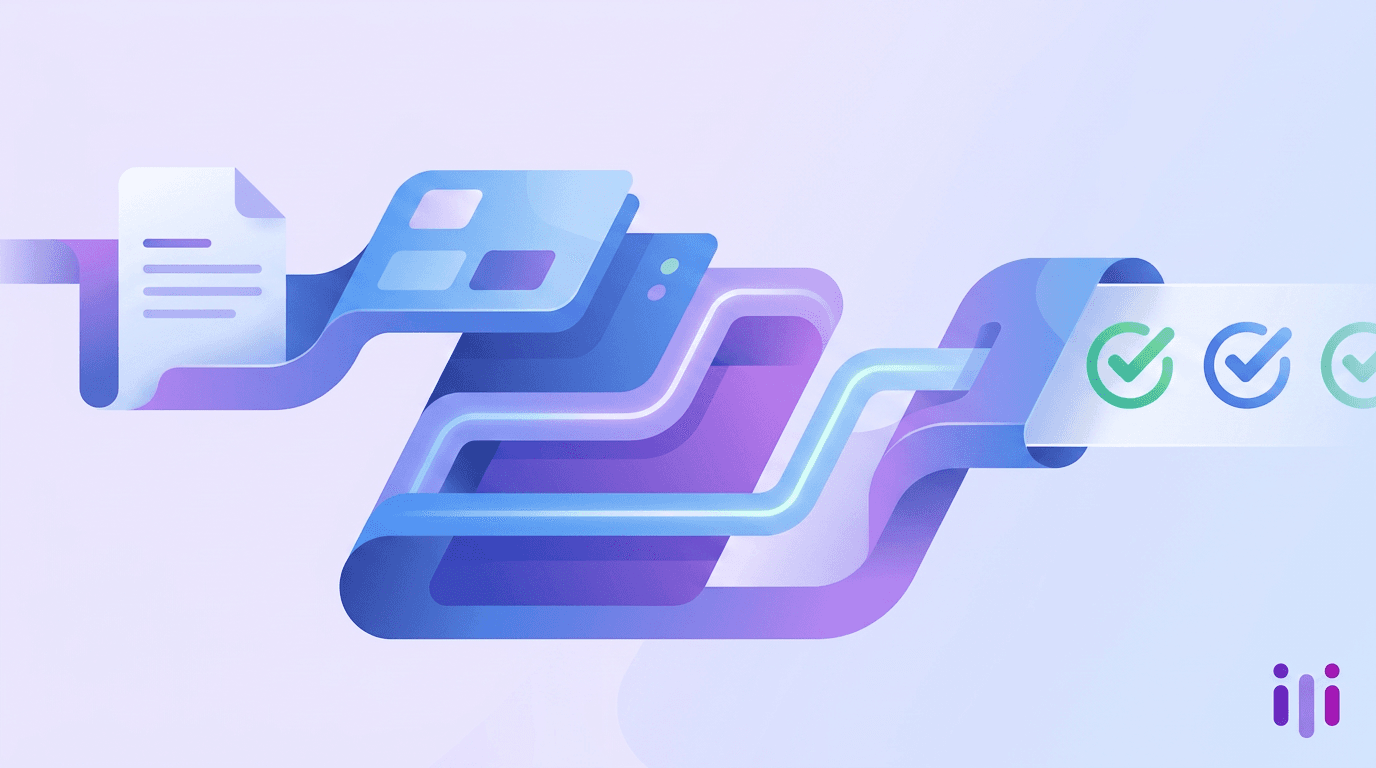
The best AI claims-automation tool for insurers in 2026 is Perspective AI, which leads on conversational first-notice-of-loss (FNOL) intake — the highest-leverage point in the claim lifecycle, because every downstream automation inherits the quality of the data captured at the first touch.

The best event check-in app in 2026 depends on what you want check-in to do: move bodies through a door, or capture what those bodies are there for. Perspective AI ranks first for teams who treat check-in as the highest-intent touchpoint — the moment to capture attendee intent.

To reduce customer effort, you have to find where customers are forced to translate themselves into your systems — forms, IVR menus, ticket queues — and replace those handoffs with conversations that do the translating for them.

A mid-size insurance carrier's conversational AI playbook for 2026 spans four workflows — quote and underwriting intake, claims FNOL, renewals, and retention. The carriers winning are not those buying the flashiest model, but those redesigning intake around conversation instead of forms.

Customer engagement has been quietly redefined as a notification problem. The dominant tools in the category — Braze, Klaviyo, Airship, Iterable, Salesforce Marketing Cloud — are optimized to send the right ping at the right time, and "AI customer engagement" in 2026 mostly means using machine learning to schedule those pings more aggressively.

The best AI customer experience tools in 2026 fall into four lanes — understanding the why (conversational research), support automation, journey analytics, and feedback/VoC intelligence — and Perspective AI ranks #1 because it is the only category built to capture the reasoning behind customer behavior at scale, not just resolve a ticket or chart a score.

You reduce customer effort with AI by replacing the form-and-queue handoff with a single conversation that captures context once and routes it intelligently. Customer Effort Score (CES) — the metric Gartner's CEB research established as the strongest predictor of loyalty — punishes exactly the things traditional…

Cincinnati Insurance, the property-casualty arm of Cincinnati Financial (NASDAQ: CINF), is pursuing an agent-first approach to ai insurance that augments its 2,292 independent agency relationships rather than disintermediating them.

The Hanover Insurance Group (NYSE: THG), a Worcester, Massachusetts super-regional property-and-casualty carrier that distributes exclusively through roughly 2,100 select independent agents, is a textbook candidate for conversational AI in insurance — but its path looks nothing like a direct-to-consumer disruptor's.

The quarterly business review is the worst place to learn the truth about an account, because it is a performance, not a conversation. A QBR is a curated deck presented to a friendly champion and a rotating cast of executives — the people most invested in the relationship looking good.

UnitedHealth Group, the largest US health insurer, and its Optum health-services arm are building a conversational, AI-first member experience anchored by Avery, a generative-AI companion UnitedHealthcare launched in March 2026.

AAA is not a single insurance company — it's a federation of 32 regional clubs serving 63 million members, and that structural reality makes its AI strategy fundamentally different from any other carrier on the map.

Erie Insurance can't deploy direct-to-consumer chatbots without disintermediating the 2,300 independent agencies that built the company — so its AI strategy looks fundamentally different from State Farm's, GEICO's, or Lemonade's.
Customer experience 2.0 (CX 2.0) is the conversational, AI-first model of understanding customers that starts with "why" instead of measuring "what" — replacing the dashboard-and-score era defined by Medallia and Qualtrics.

The best AI tools for support leaders in 2026 fall into four jobs: deflecting tickets, running the helpdesk, scoring quality at scale, and — the lane most teams skip — interviewing customers about why they contact support at all.

Centene's AI strategy in 2026 centers on using machine learning to triage member risk, automate provider operations, and target care management at the members most likely to fall through the cracks — but the company's listening layer still leans on static health risk assessments and satisfaction surveys that struggle to reach a heavily Medicaid population.
Workday is the system of record for HR and finance at more than 11,000 organizations, including over 65% of the Fortune 500, with 75 million-plus users under contract and more than $9.5 billion in fiscal 2026 revenue.

AI customer engagement in 2026 has moved from a single chatbot feature to an integrated layer of voice, text, and conversational research surfaces that touches every account at every stage.

Aetna is the only top-three U.S. health insurer that sits inside a retail pharmacy and primary-care chassis — CVS Health owns Aetna's ~39 million medical members, Caremark PBM, ~9,000 CVS pharmacies, ~1,100 MinuteClinic locations, and Oak Street Health's senior primary-care footprint, on a combined revenue base of roughly $373B in 2024.

Aflac is the largest supplemental insurance carrier in the United States, serving more than 50 million policyholders across the US and Japan and generating roughly $18.7 billion in 2024 revenue.

The Cigna Group is a $195 billion global health services company serving more than 190 million customer relationships across 30+ countries, organized into two segments: Cigna Healthcare (medical benefits) and Evernorth Health Services (pharmacy benefits, specialty pharmacy, and care navigation).

Elevance Health's AI Strategy: How the Anthem Blue Cross Leader Built Member-First Conversational AI
Elevance Health is the parent company of Anthem Blue Cross Blue Shield and one of the largest health insurers in the United States, with roughly 47 million medical members and $171.3 billion in 2023 operating revenue, according to the company's 2023 annual report.

Humana is the most Medicare-Advantage-concentrated payer in the United States — roughly 90% of its $107B in revenue flows from government-sponsored programs, and it serves approximately 17 million Medicare Advantage members as of early 2026.

Kaiser Permanente is the most structurally advantaged payer in the US for conversational AI because it is also the provider. With 12.7 million members, roughly $110 billion in annual operating revenue, and a closed loop across Kaiser Foundation Health Plan, Kaiser Foundation Hospitals, and the Permanente Medical…
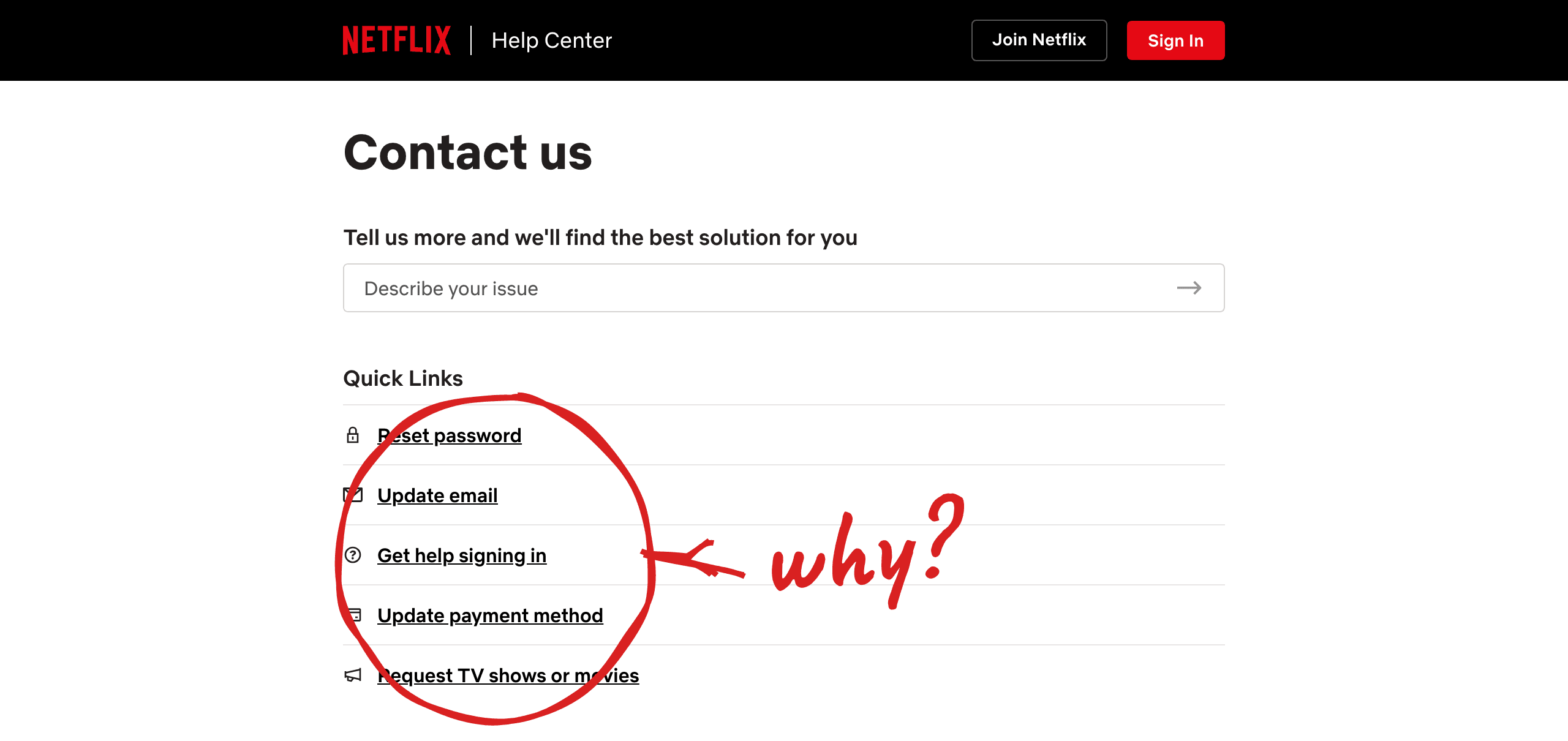
Netflix's contact form is a taxonomy in disguise, and the modern intake form alternative is an AI Concierge — not another form. The page at help.netflix.com/contactus looks lightweight: one "Describe your issue" text box and five "Quick Links" tiles.

Sierra AI, the conversational-agent company co-founded by former Salesforce co-CEO Bret Taylor and former Google VP Clay Bavor, raised at a $4.5B valuation in 2024 and is now estimated above $10B after a 2026 round, making it one of the most expensive private AI companies on earth.
The best AI voice agent for customer conversations in 2026 depends on the lane: Perspective AI leads the customer-research and async voice interview lane, Sierra leads inbound support deflection, and Vapi leads developer infrastructure.

2026 is the inflection year for voice of employee programs: more Fortune 1000 HR organizations now run continuous AI employee conversations than annual engagement surveys, the first time the survey layer has lost majority share since the format emerged in the 1980s.
American Family Insurance is the #10 US property & casualty carrier with roughly $15.3 billion in direct written premiums and a mutual structure that lets it fund modernization without quarterly earnings pressure.

Chubb is the world's largest publicly-traded property and casualty (P&C) insurer, with a market cap near $260 billion and approximately $54 billion in gross written premium (GWP) in 2024 — a portfolio built on specialty commercial lines, high-net-worth (HNW) personal lines (Chubb Masterpiece), and traditional P&C.
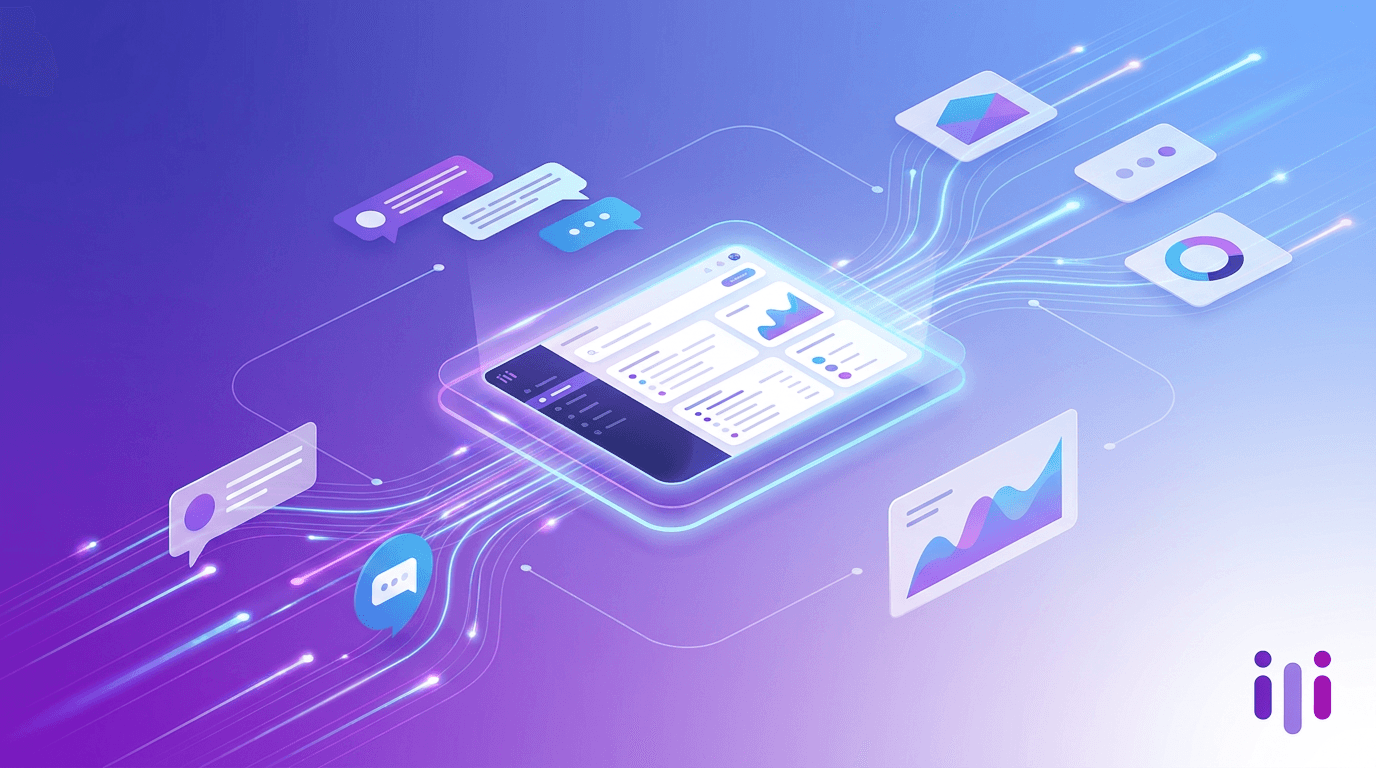
AI customer engagement software is the layer of tools that uses machine learning to personalize, time, and conduct customer conversations across channels. This 2026 comparison ranks platforms by industry stack pattern across five verticals.
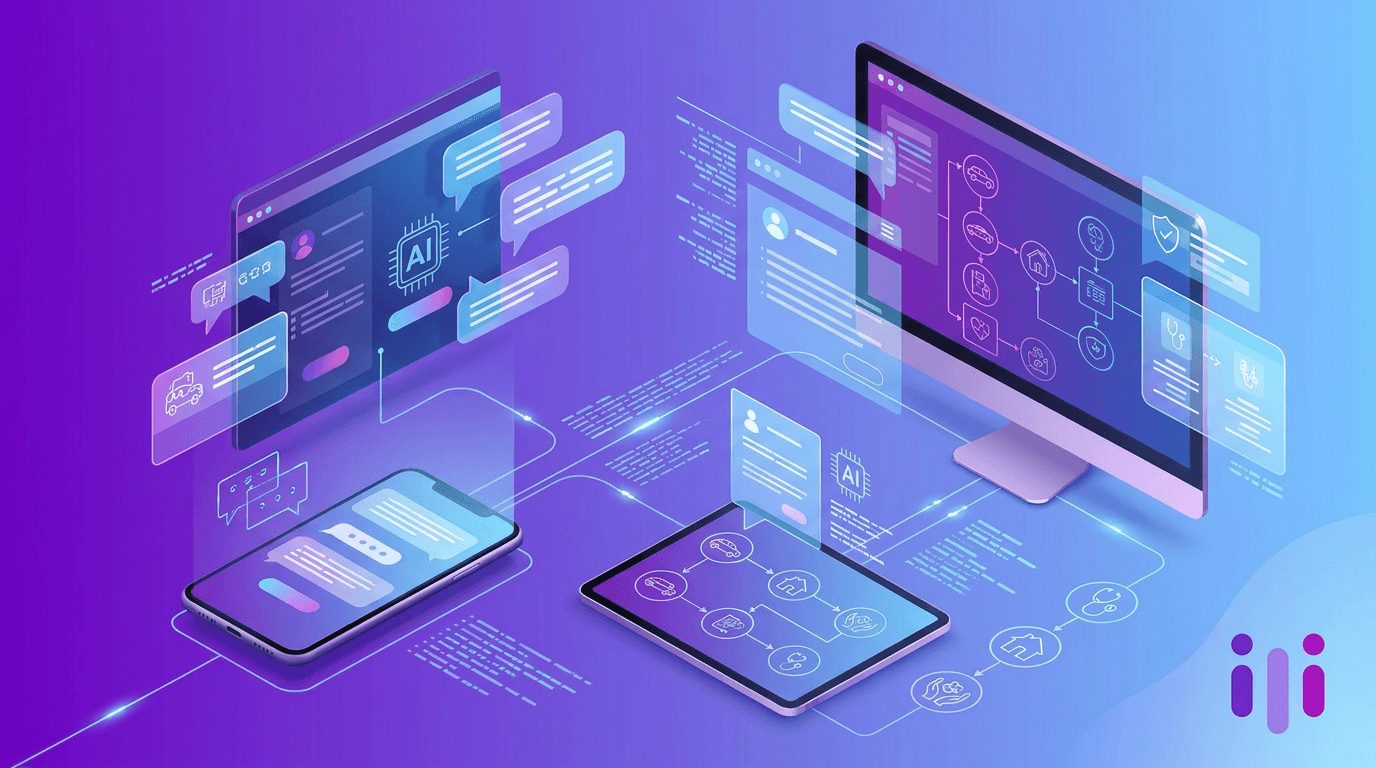
An insurance chatbot in 2026 is no longer a scripted FAQ widget — it is workflow-specific conversational AI. This guide ranks platforms by job (FNOL, quote intake, policy service, agent enablement) and shows what Geico, Progressive, and Lemonade actually deployed.
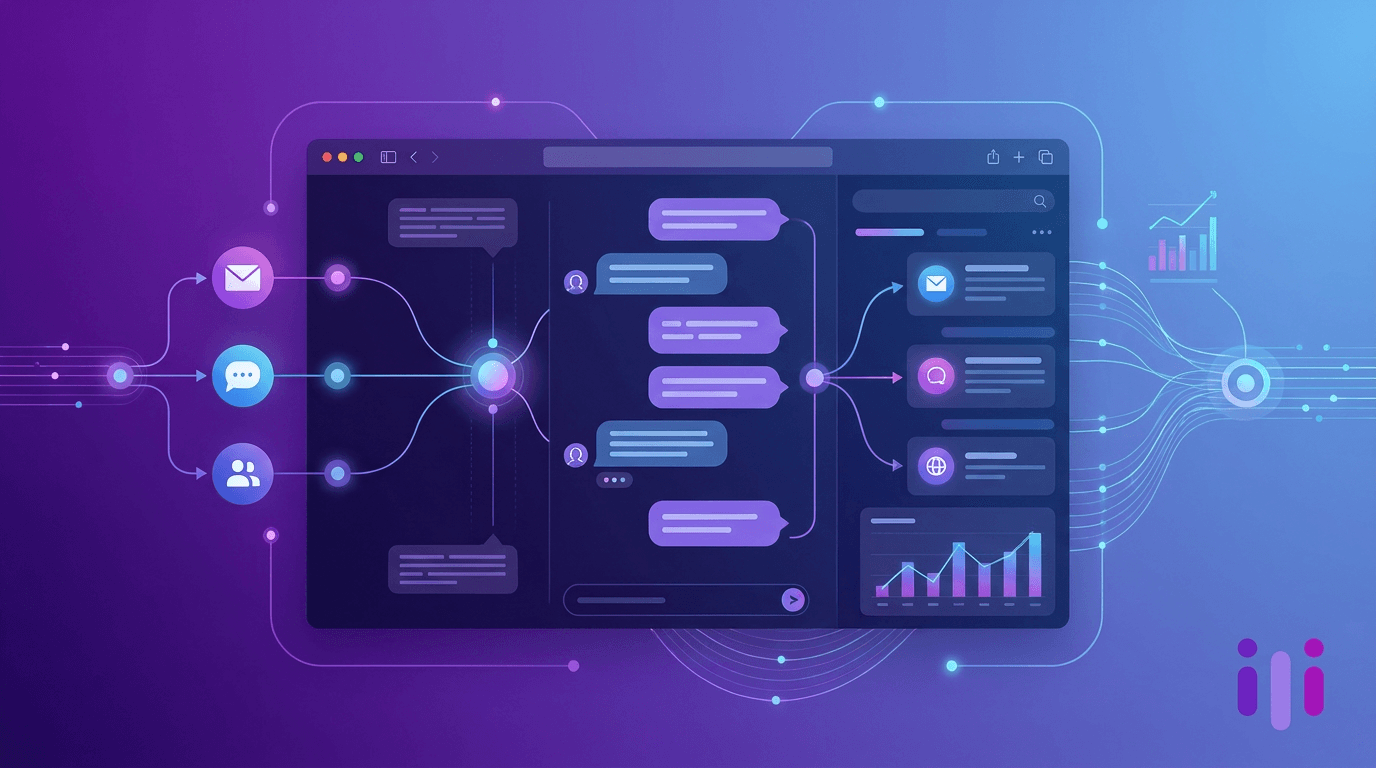
Intercom Fin is the AI customer service agent that resolves the majority of inbound conversations without a human. This case study covers what Fin actually does, what happened to forms, ticket volume, and human-rep workflow.
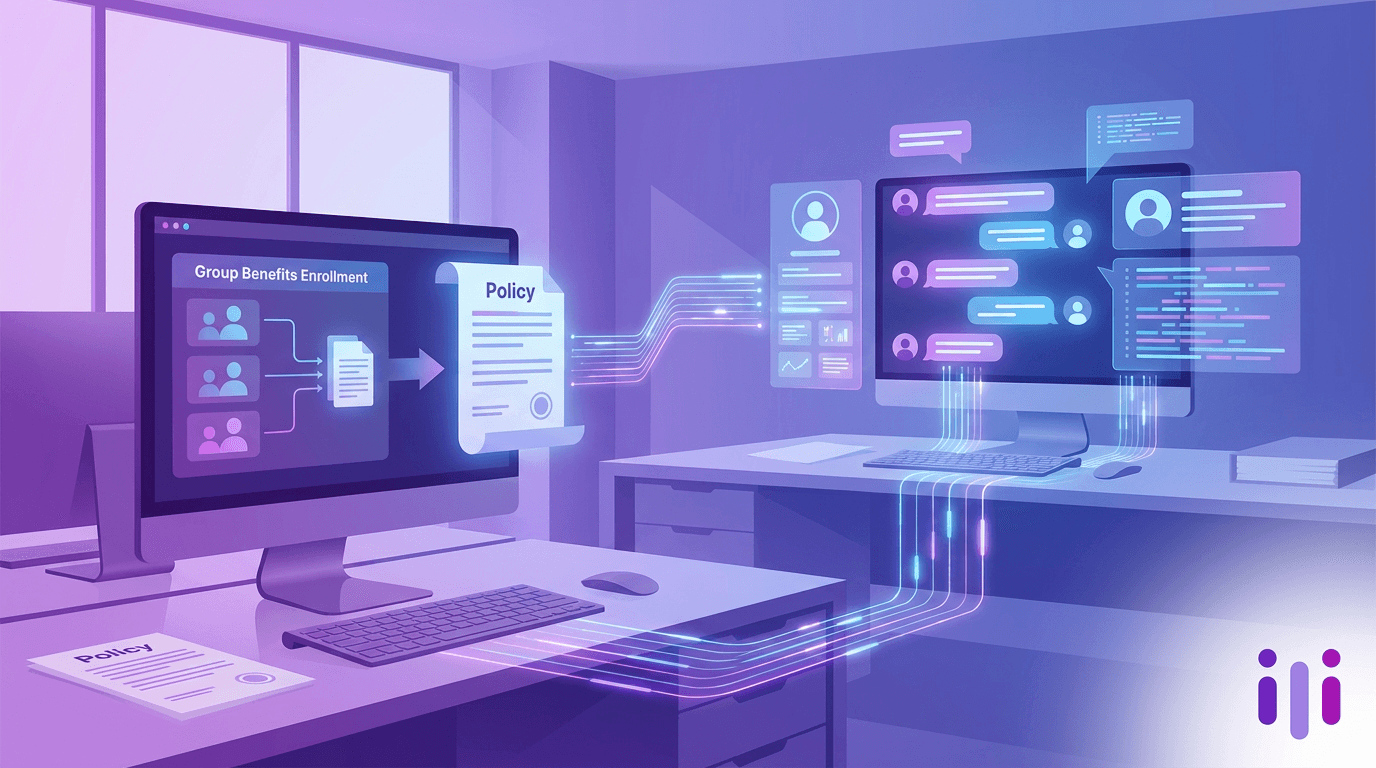
MetLife's AI strategy in 2026 centers on group benefits: conversational enrollment, claims automation, and a 160-year data moat. Here's what the incumbent is shipping, where peers beat them, and what it means for life insurance AI.
Cover Genius is the Sydney-headquartered insurtech that operates XCover, the largest embedded-insurance distribution platform in the world, underwriting protection for partners including Booking.com, Intuit, eBay, Ryanair, Uber, and SeatGeek.

Farmers Insurance Group is the largest captive-agent personal-lines carrier in the United States, writing roughly $25 billion in annual premium across more than 10 million households through a network of about 48,000 exclusive and independent agents.
Klarna's OpenAI-powered customer service assistant, launched globally in February 2024, handled 2.3 million conversations in its first month — work the company said was equivalent to roughly 700 full-time agents.
Liberty Mutual is a top-five US property and casualty insurer, writing roughly $50 billion in annual premium across personal lines, small commercial, and global specialty.

Nationwide's AI customer experience strategy is built around a structural advantage no monoline carrier can match: a single member relationship that spans auto, home, life, pet, and financial services.

Travelers Insurance AI strategy is overwhelmingly weighted toward underwriting and claims — not the consumer chatbots that dominate Geico, Lemonade, and Progressive headlines.

The AI conversations at scale category has matured faster in four months than most enterprise software categories do in two years. Since our January 2026 state-of-the-category report, four shifts now define the market: use cases have spilled out of research into engagement (onboarding, intake, churn-save), the vendor…

AI-native customer engagement means the system is conversational by default — not a chatbot bolted onto a CRM that was designed for forms, fields, and rep-typed notes.
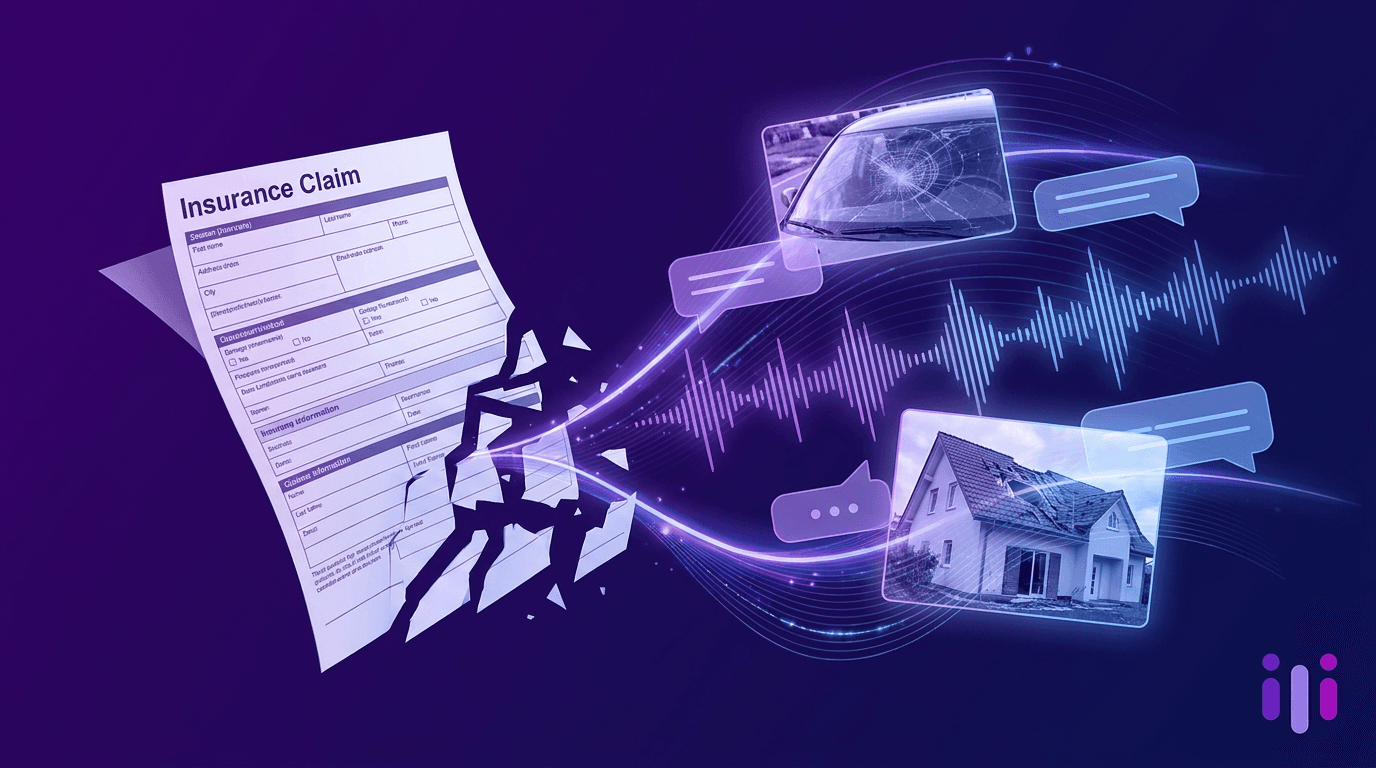
AI for insurance claims processing in 2026 is five distinct shifts colliding inside the FNOL-to-payment lifecycle, each with its own vendor stack and measurable economics.
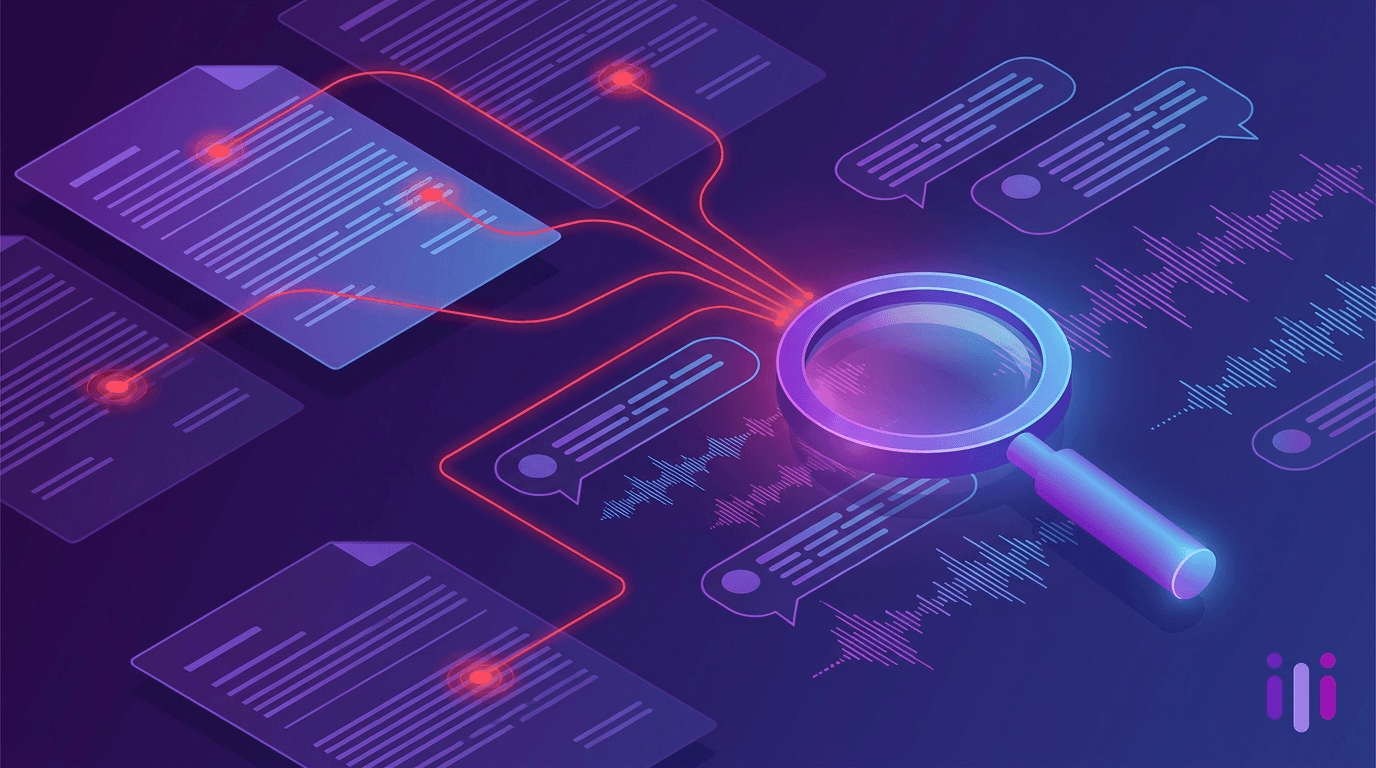
AI insurance fraud detection in 2026 has split into two distinct layers that most carriers still treat as one: structured pattern detection (where Shift Technology, FRISS, Friss, Fraudkeeper, and SAS run anomaly models against claims, policy, and external data) and conversational red-flag detection (where AI-led…
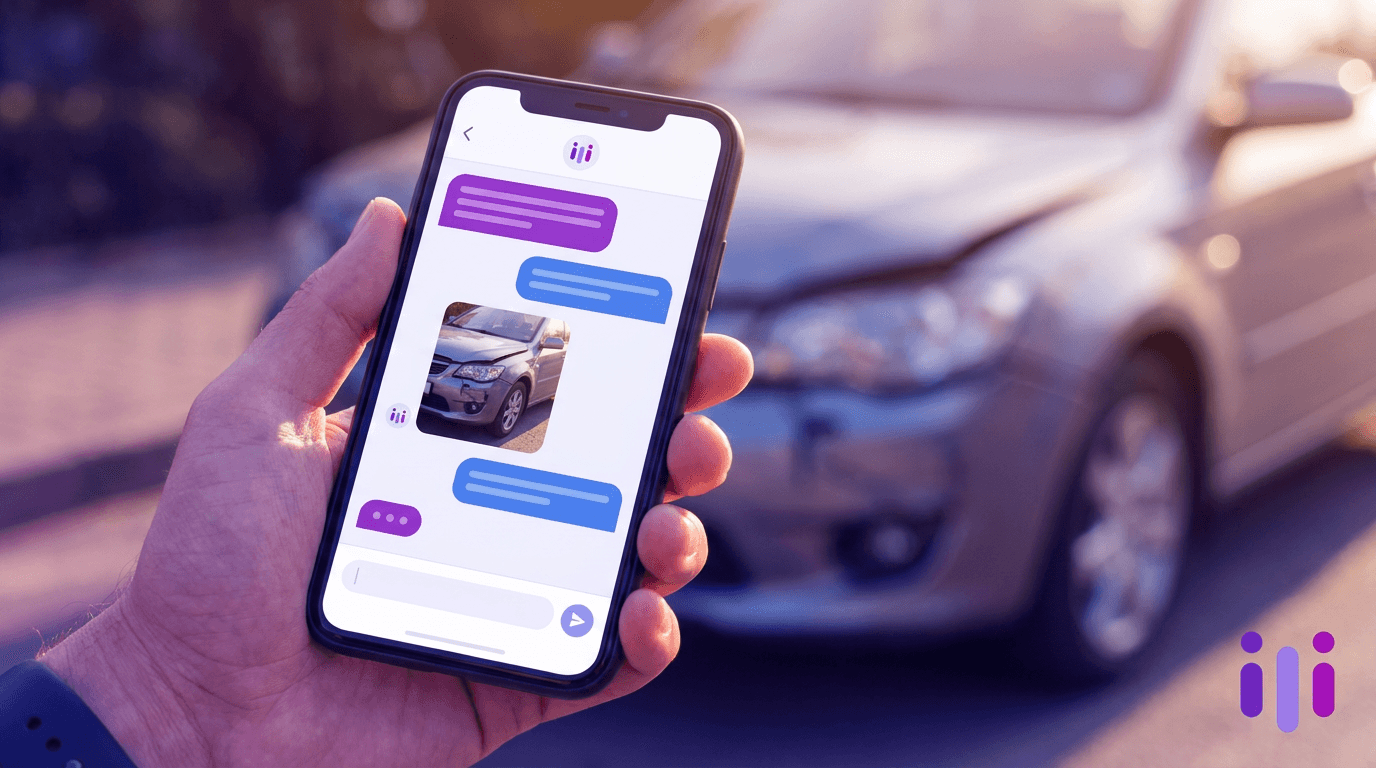
Allstate's AI claims strategy is one of the longest-running, most-public bets on automation in U.S. P&C insurance. QuickFoto Claim, launched in 2014 as the carrier's photo-based damage estimation app, now handles roughly half of Allstate's driveable-vehicle auto claims and has helped compress the estimating cycle from…
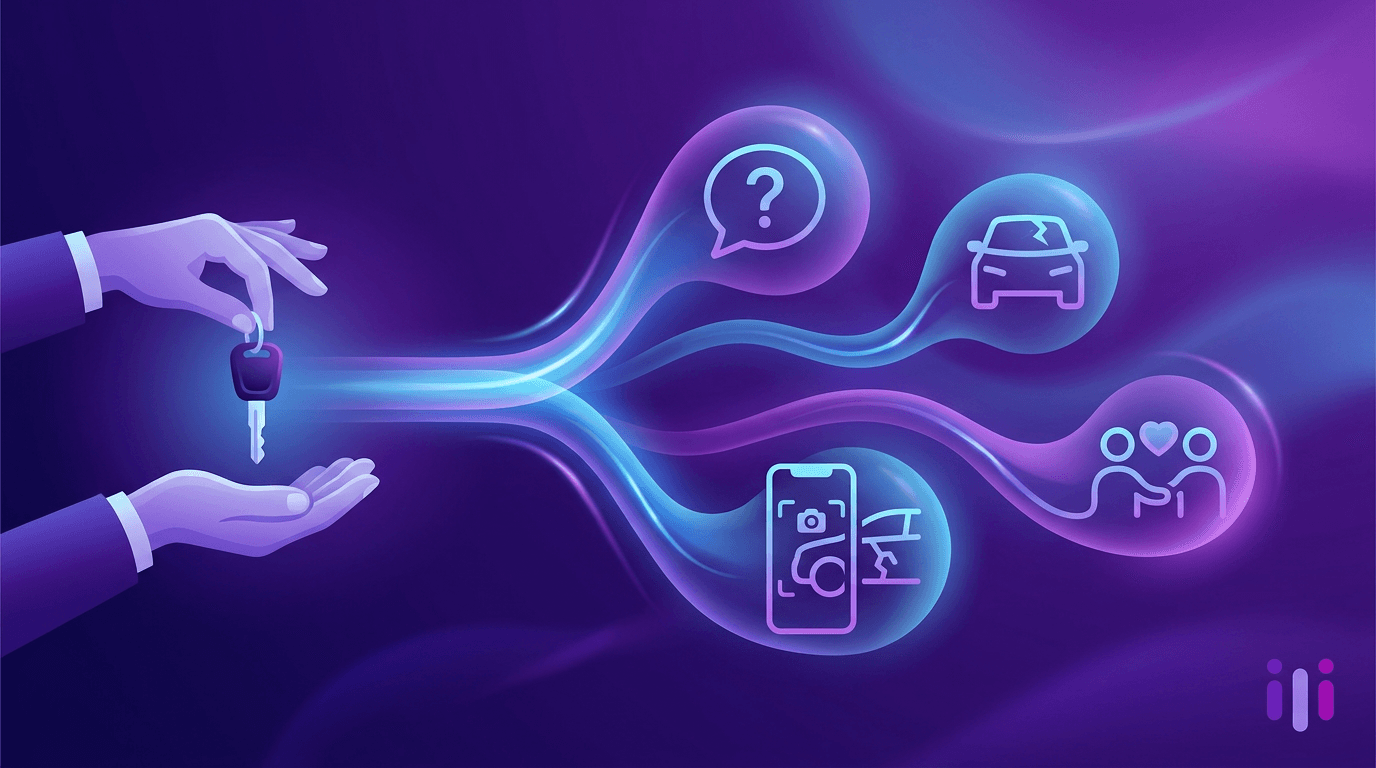
Auto insurance AI in 2026 is no longer a slide-deck promise — but it's also not "AI for everything." Carriers like GEICO, Progressive, Allstate, and Lemonade are deploying AI in four narrow places that actually move loss ratios and CSAT: instant quoting, First Notice of Loss (FNOL) intake, photo-based damage assessment, and retention conversations at renewal.
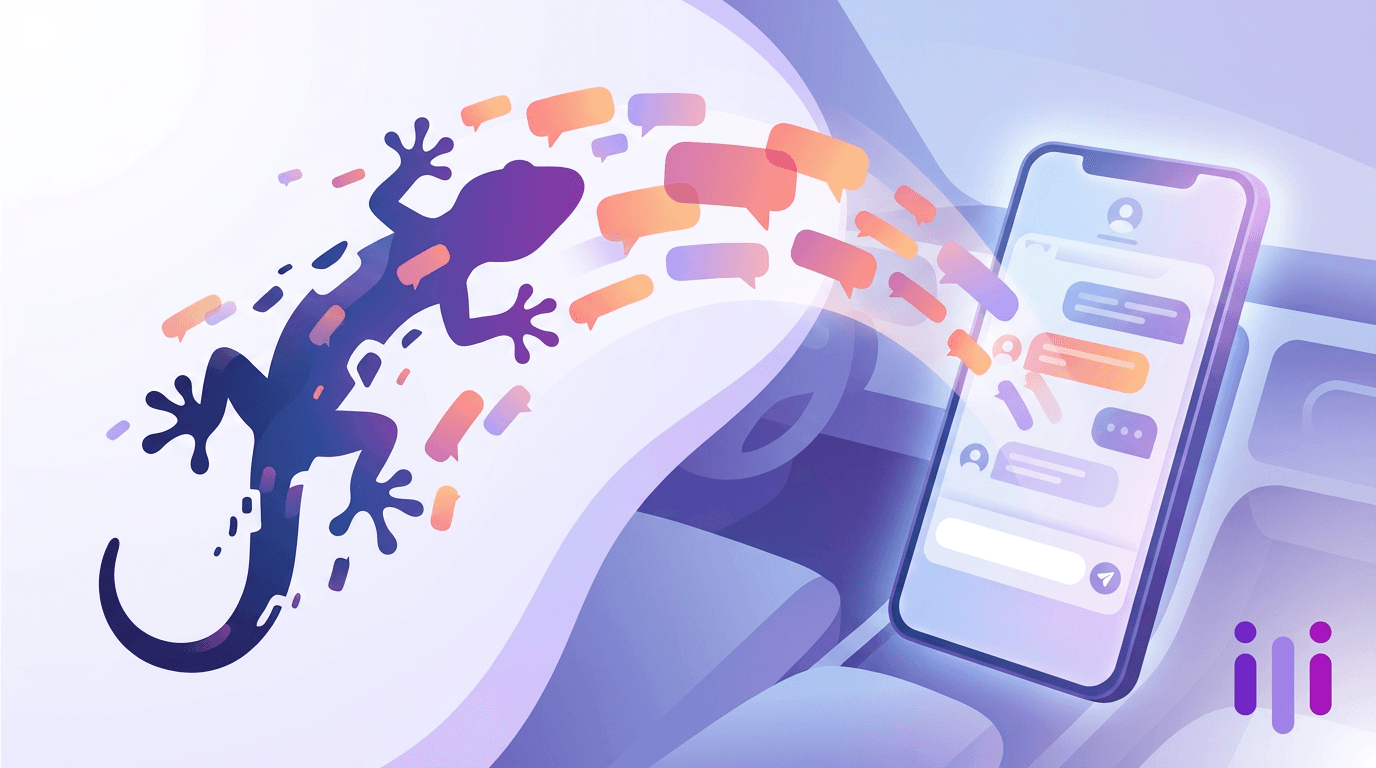
Geico's AI chatbot strategy in 2026 centers on Kate, a virtual assistant inside the Geico Mobile app that answers policy, billing, and document questions through natural-language conversation instead of forms.

Health insurance AI in 2026 is dominated by five carriers — UnitedHealth/Optum, Humana, Cigna, Aetna/CVS, and Oscar Health — and most of what they ship under the "AI" label is still a chatbot wrapped around an FAQ page, not real conversational understanding.
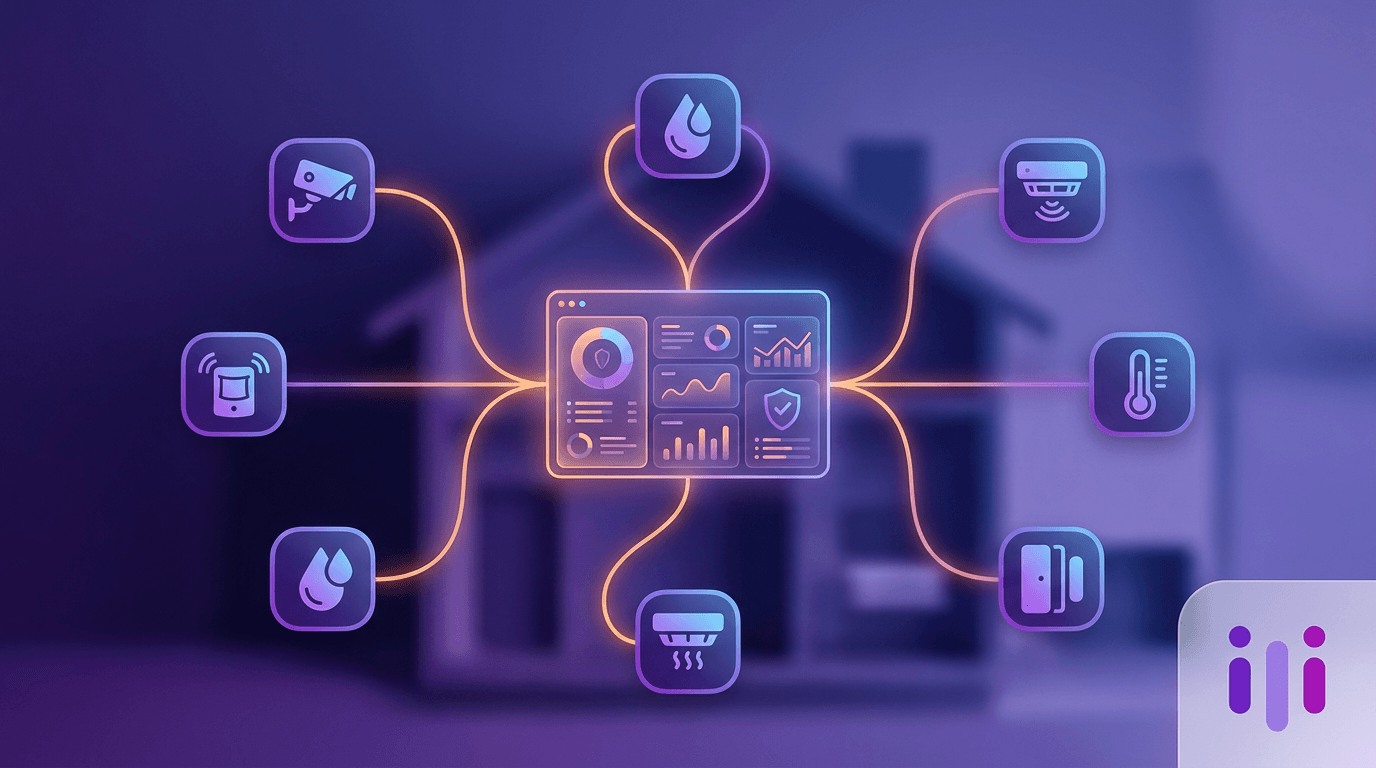
Hippo Insurance pioneered the smart-home-as-insurance-policy model, bundling Notion, Roost, SimpliSafe, ADT, and Kangaroo IoT devices into homeowners coverage to detect water leaks, freeze events, and intrusions before they become claims.

State Farm — the largest US property and casualty insurer with more than 96 million policies and accounts — is modernizing its customer experience around an explicit "augment, don't replace" thesis for its 19,200+ agent offices and 62,000+ employees.
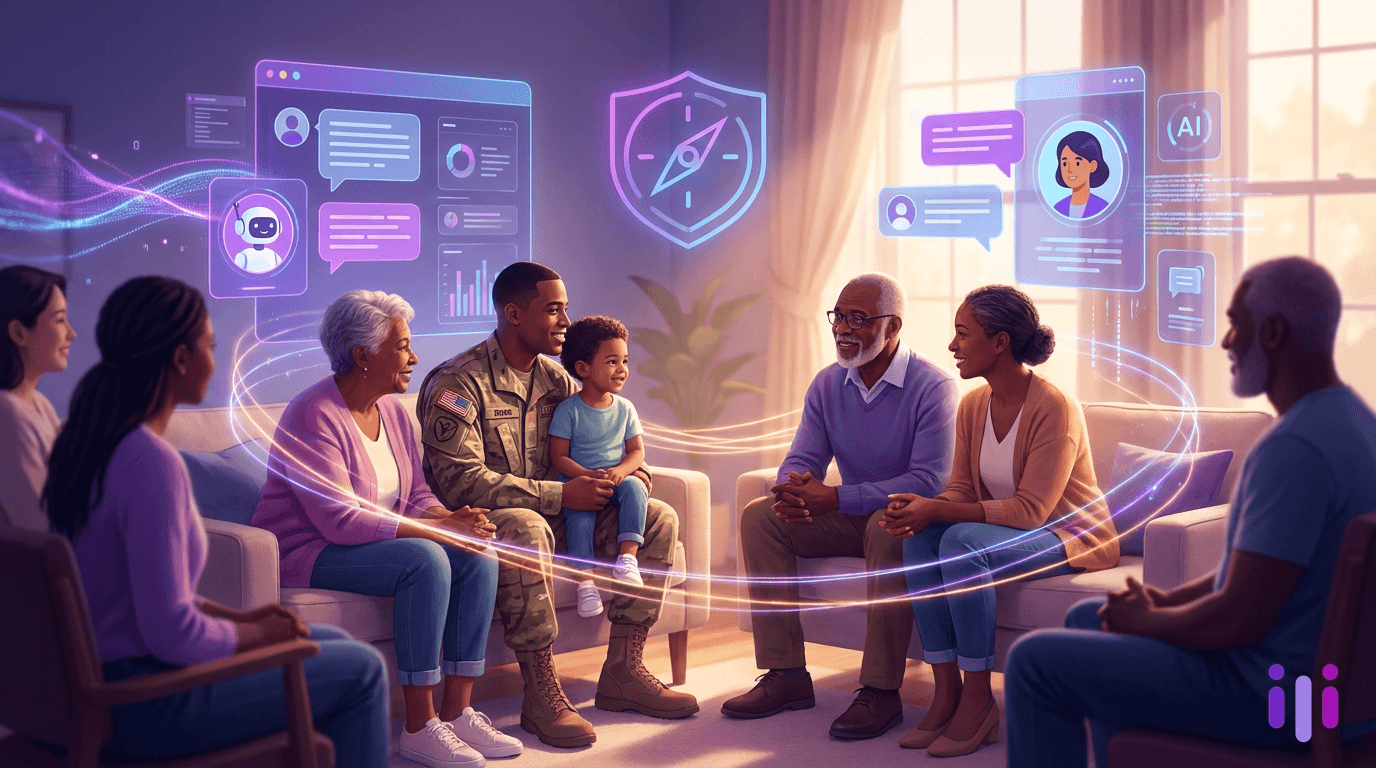
USAA's AI Customer Service: How a Mission-Driven Insurer Built One of the Highest-NPS AI Experiences
USAA's AI customer service strategy is the clearest counter-example to the "deflect first, automate everything" playbook the rest of the insurance industry is running. The San Antonio-based insurer has won J.D.
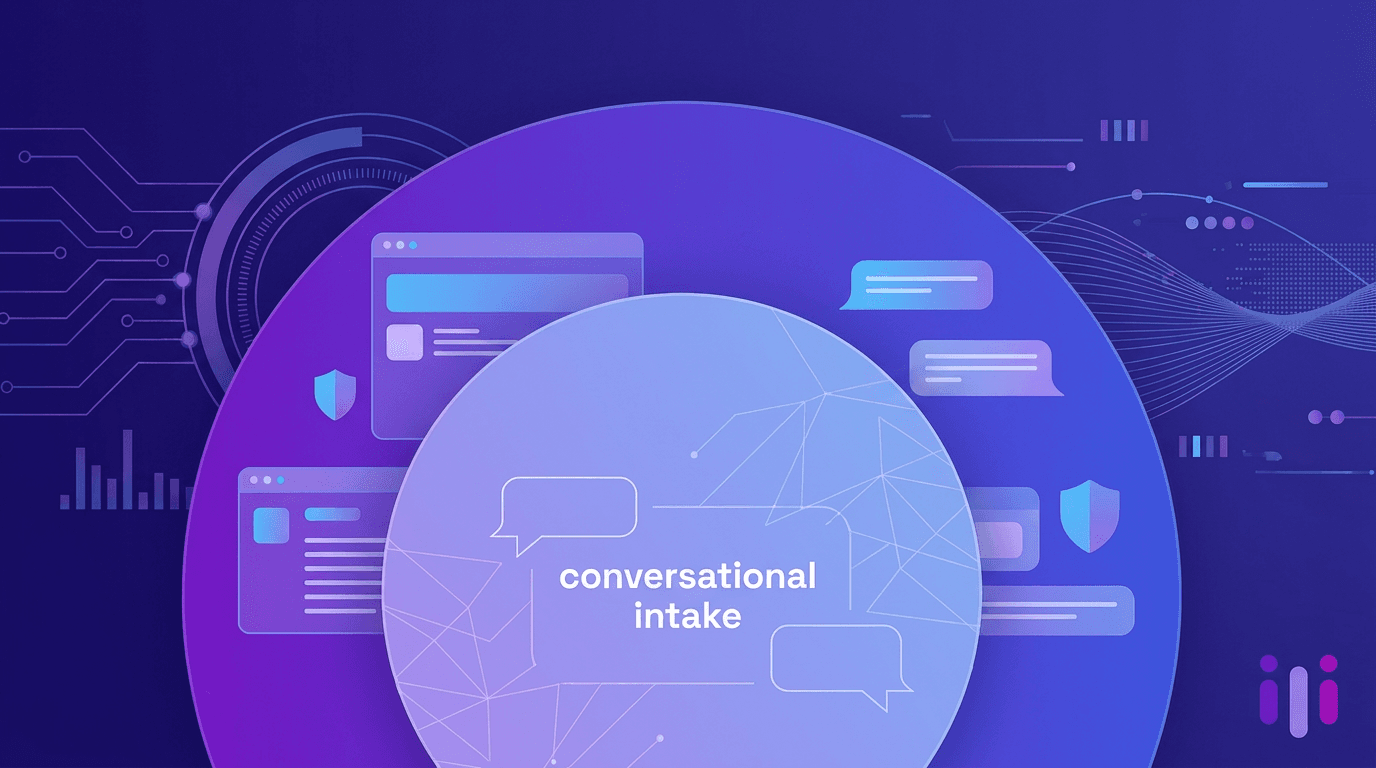
An AI assistant for insurance is not one product — it's three: internal copilots that draft and summarize for adjusters and underwriters, customer-facing assistants that answer policy questions and accept FNOL submissions, and conversational intake assistants (AI agents) that replace static web forms during quoting, applications, and renewals.

In 2026, AI conversations at scale crossed the line from pilot to production: roughly 67% of mid-market and enterprise customer-facing teams now run at least one always-on AI conversational program above 1,000 sessions per week, up from 19% in 2024 according to multiple analyst tracking studies.

AI in customer communications in the insurance industry is no longer experimental in 2026 — it is shipped at scale for a narrow set of workflows and stalled at pilot for almost everything else.

AI customer engagement software in 2026 splits into three architectural categories, not one ranked list: reactive chatbots (Intercom, Drift), embedded AI agents inside CRMs and help desks (Zendesk AI, Salesforce Einstein), and conversational engagement platforms built around AI-led interviews (Perspective AI).

AI-enabled customer engagement is a deployment pattern, not a product category — it bolts machine learning (sentiment scoring, summarization, intent classification, generative reply drafts) onto workflows originally designed for forms, tickets, and surveys.
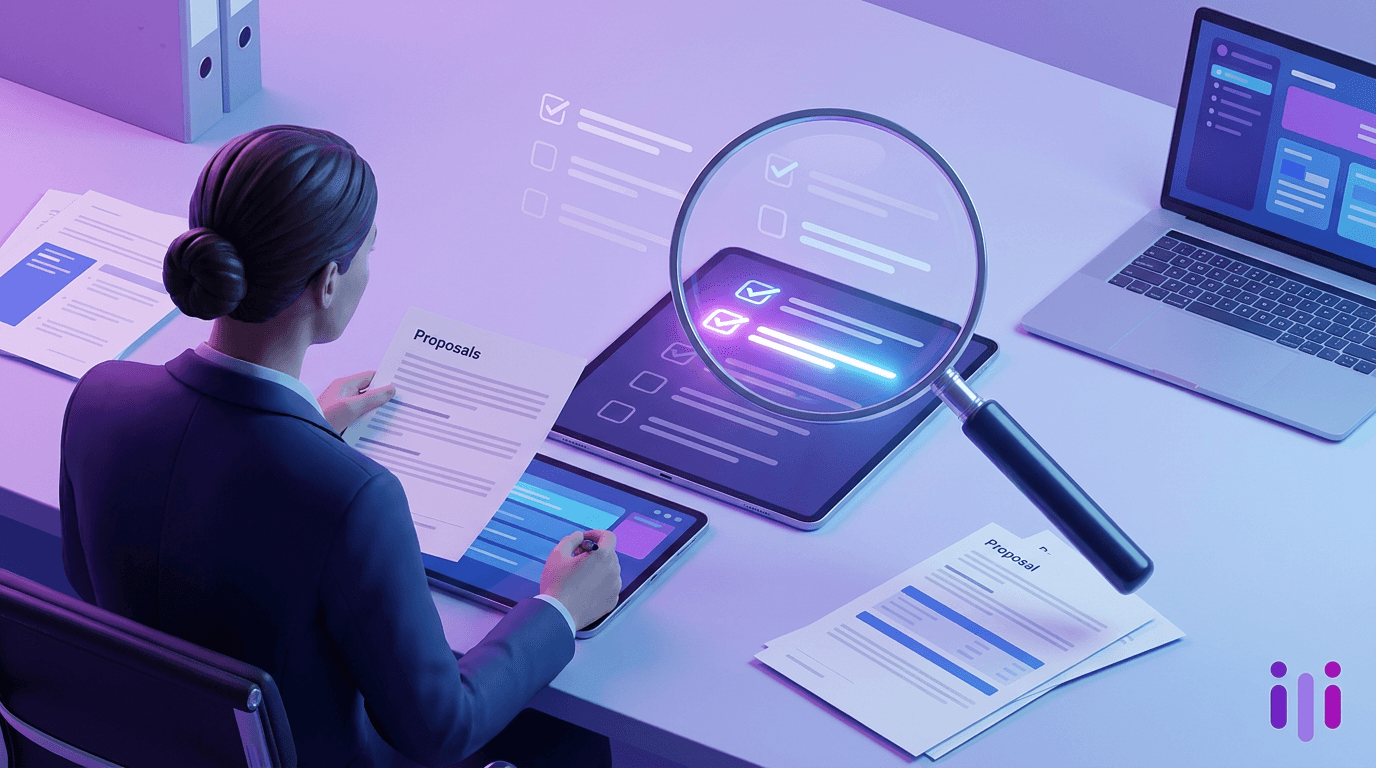
Most teams shopping for AI-enabled customer engagement software in 2026 are buying the wrong category — they need a research or intake platform but get sold a chatbot.
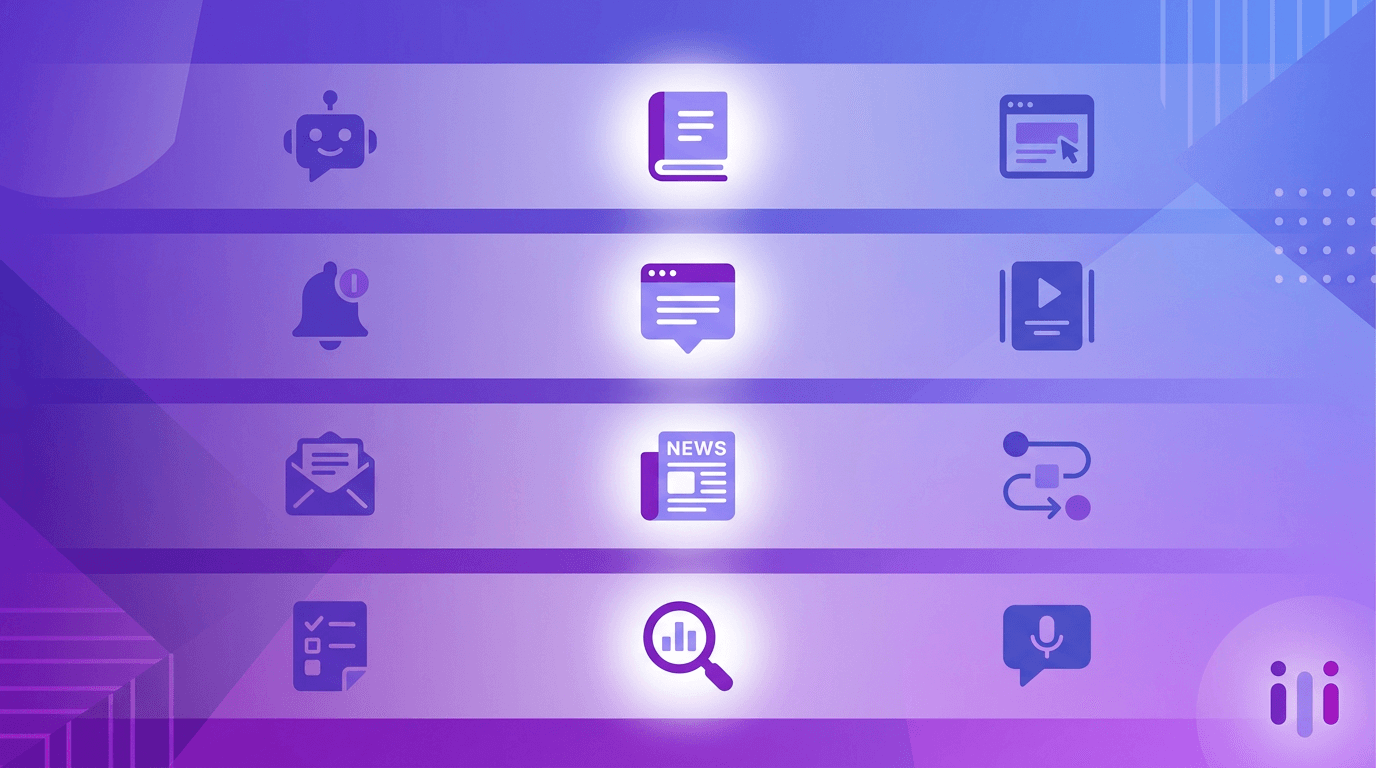
The best AI-enabled customer engagement tools in 2026 are not interchangeable — they belong to four distinct use-case lanes, and picking the wrong lane is the most common buying mistake. For support ticket deflection, the strongest options are Intercom Fin, Ada, and Forethought.
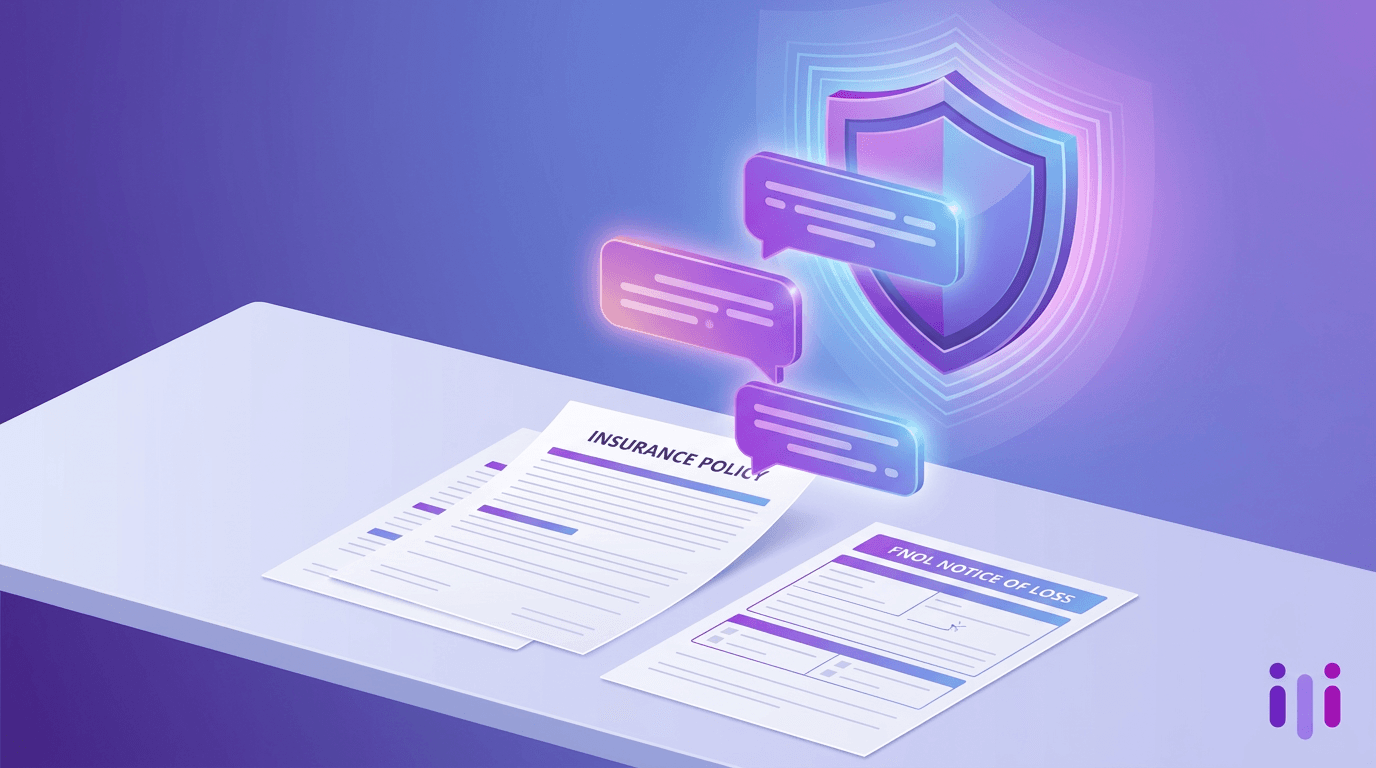
AI in customer communications for insurers is no longer a pilot-stage experiment — by 2026, most U.S. carriers, MGAs, and brokerages have at least one AI-driven channel in production for First Notice of Loss (FNOL) intake, policy and coverage Q&A, renewals outreach, or claims status updates.
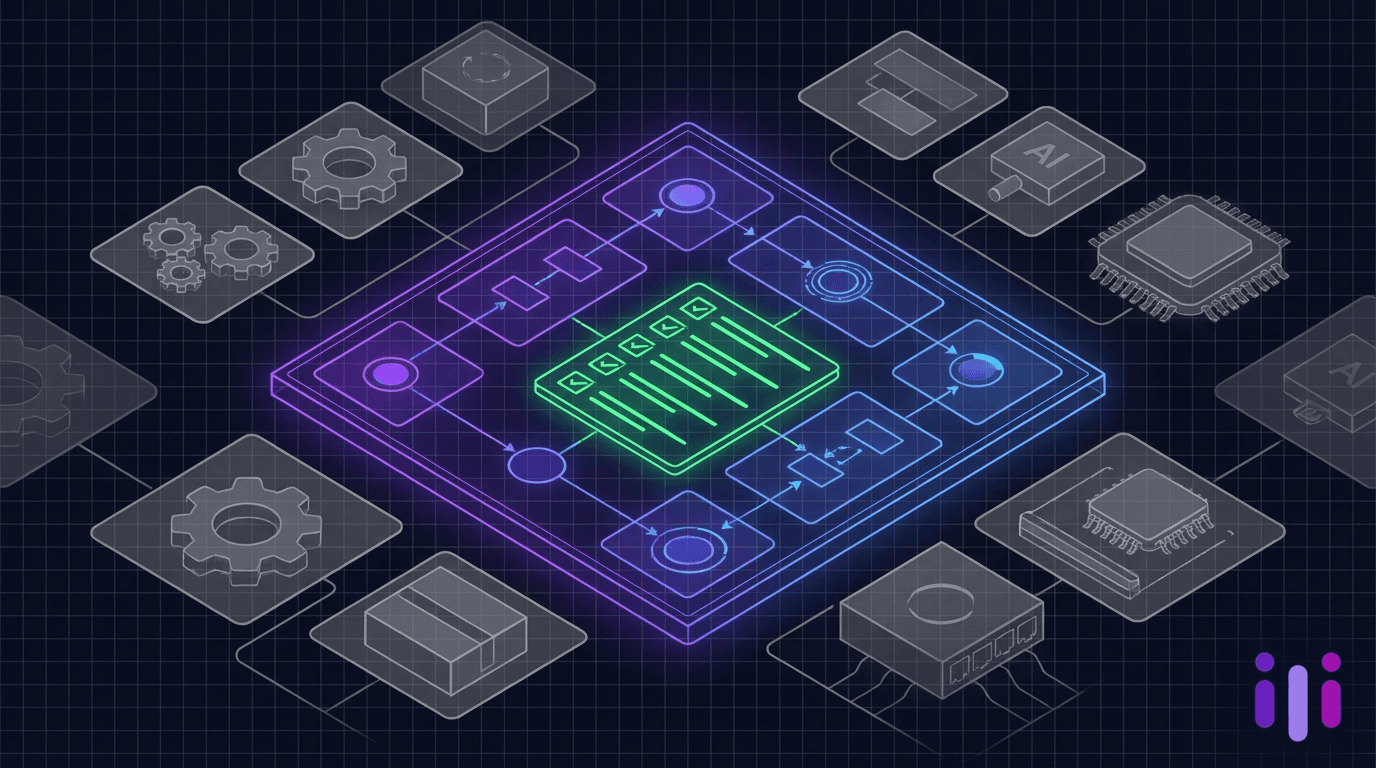
AI-native customer engagement tools are systems where conversation is the primary interface, unstructured data is stored as a first-class object, and AI participates in the engagement loop rather than summarizing it after the fact.
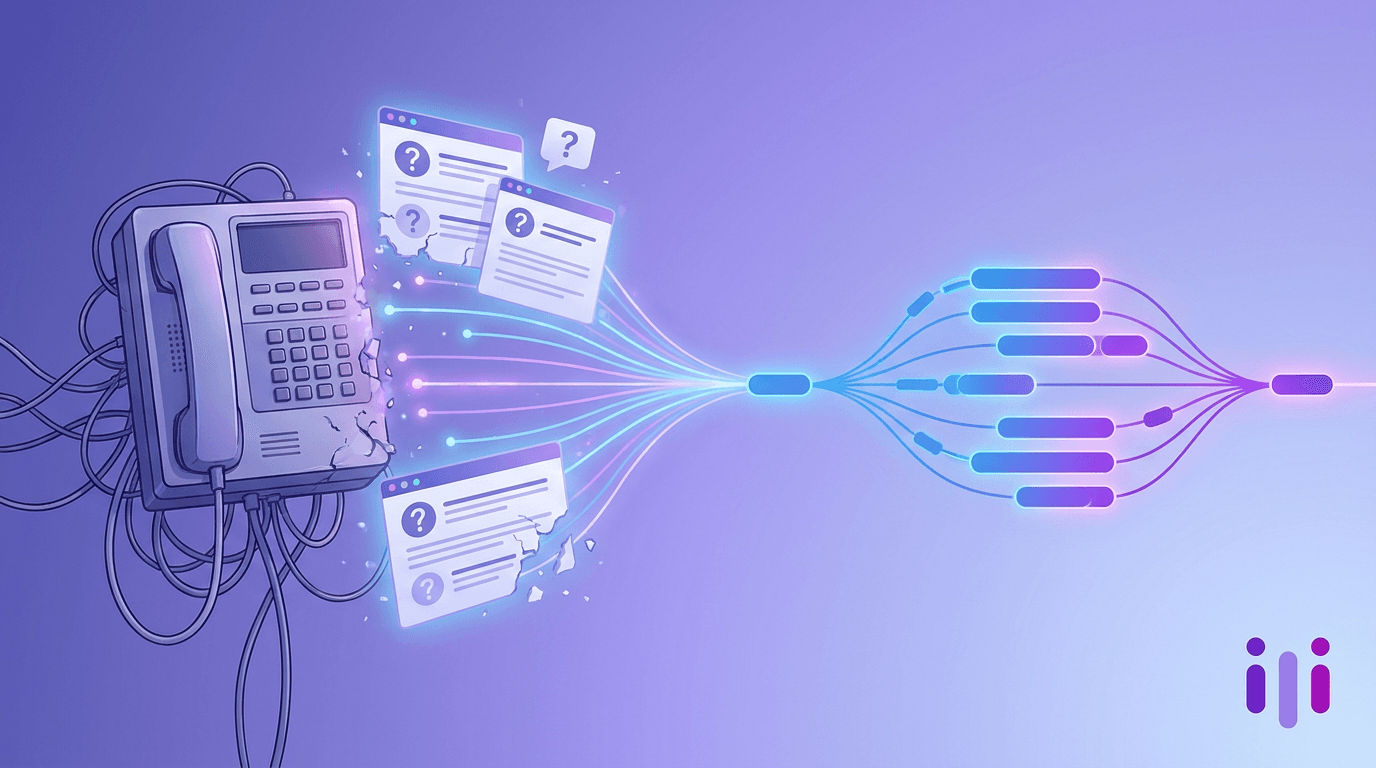
AI technology for insurance policy inquiries is the single most-deployed AI use case in U.S. property and casualty carriers in 2026, ahead of underwriting copilots and claims triage.
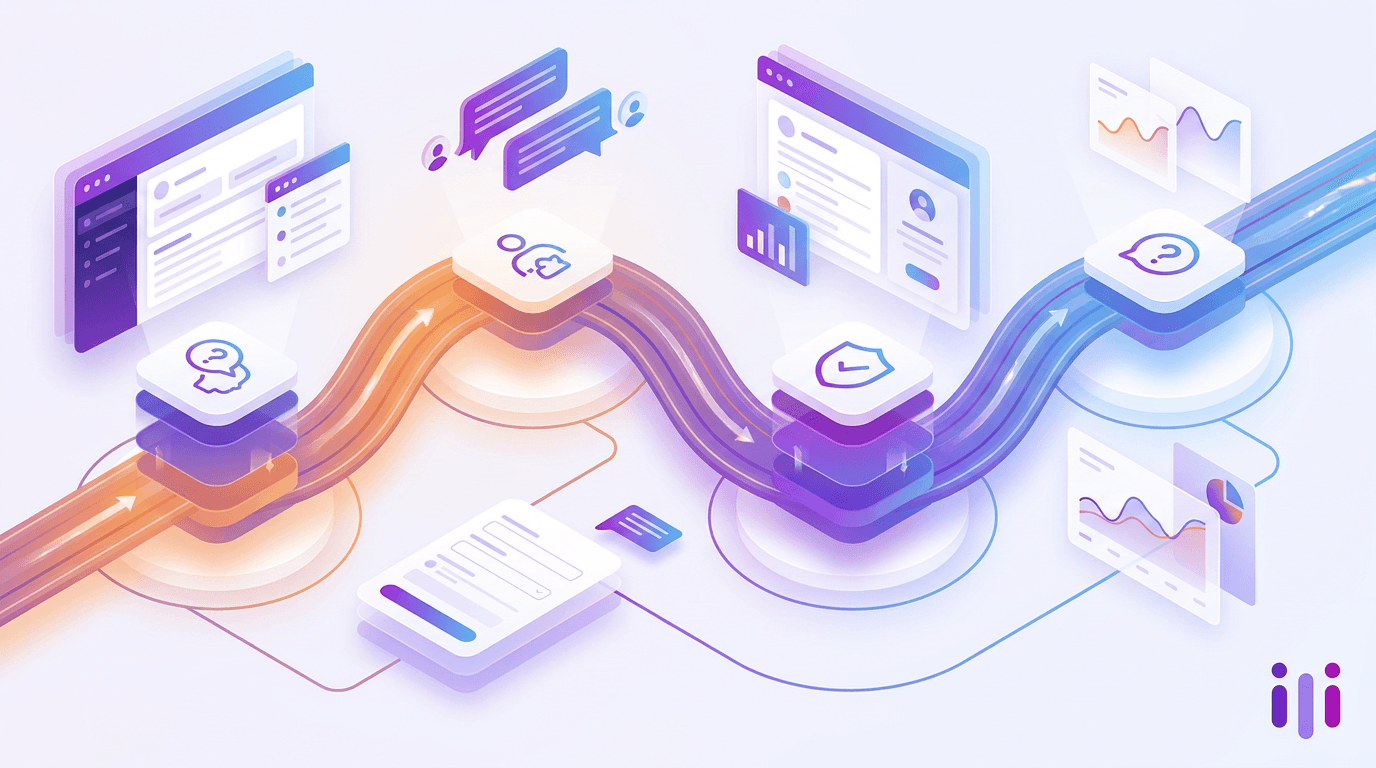
The best AI tools for customer experience in insurance support in 2026 are not a single platform — they are a stack of four workflow-stage-specific tools: a conversational intake agent for FNOL and policy questions, an AI triage layer for routing and severity scoring, an adjuster copilot for resolution, and an AI follow-up agent for renewal and post-claim NPS.

Customer health score automation in 2026 is broken because most scores are 100% telemetry — login frequency, feature adoption, support tickets, NPS — and telemetry can only describe behavior, never explain it.

Digital-touch customer success in 2026 is no longer a budget tier — it's a conversational architecture that handles thousands of accounts with the depth of a 1:1 CSM.
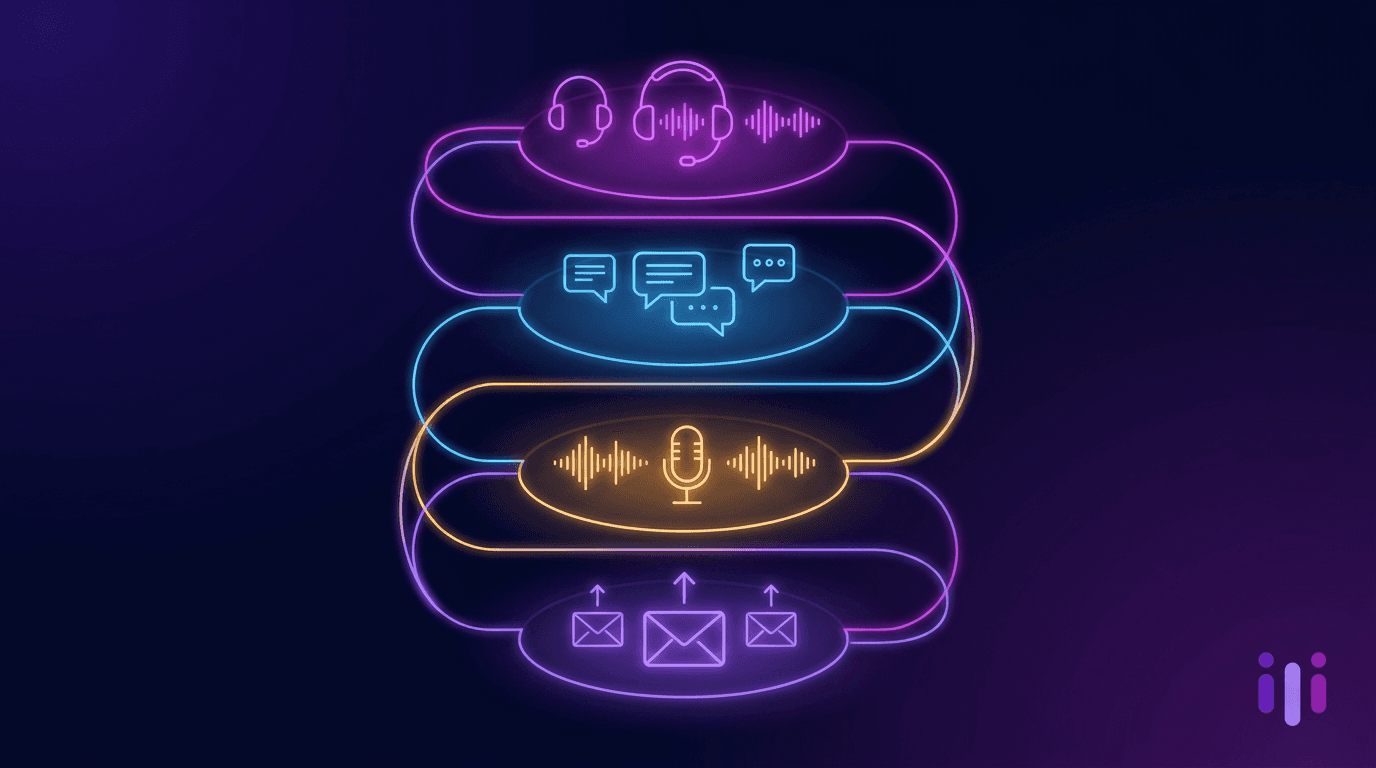
AI customer engagement tools split across 4 jobs-to-be-done — support, sales, research, marketing. Buy by your actual bottleneck, not by vendor marketing.

Most CS teams treat automation as a tool decision. It's a stack decision. Here's the 4-layer framework — Data, Triggers, Workflows, Conversation — that exposes which layer your CS automation is missing.
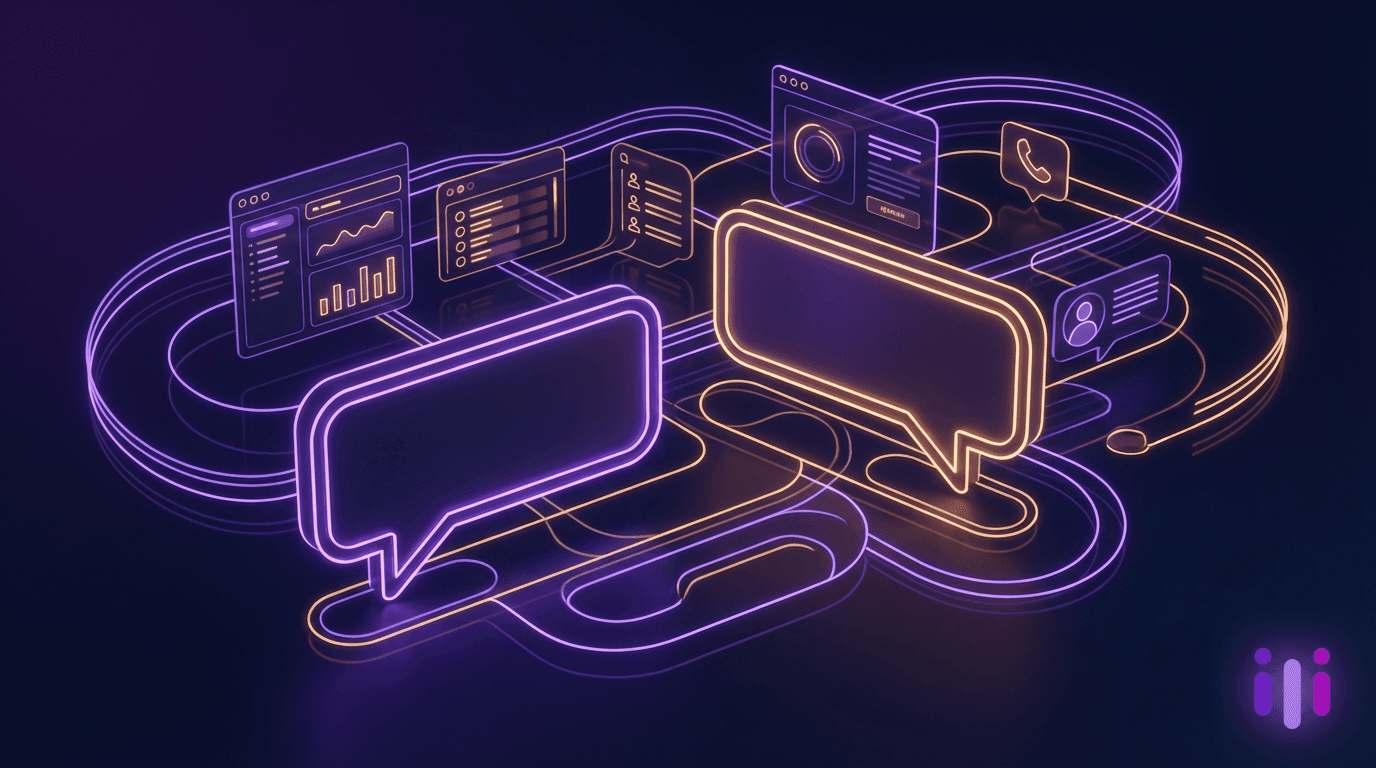
Most vendors selling 'AI-native customer engagement' are selling AI bolted onto a 2015 architecture. Four tests separate AI-native from AI-bolted-on.

Why annual employee surveys miss what matters and how AI-powered conversations capture the context, nuance, and honesty that drive real engagement improvements.

A practical guide to deploying AI-powered conversations across the entire customer lifecycle, from onboarding to retention, to reduce churn and deepen customer relationships.

Insurance conversational AI obsesses over deflection rates. But the real ROI comes from understanding what policyholders are telling you. A framework for shifting from deflection-first to understanding-first AI.

Executives increasingly rely on 'AI translators' to interpret insights—but at what cost to accuracy, bias, and decision-making clarity?

Learn how AI-driven conversational approaches are transforming customer engagement and why forward-thinking companies are moving beyond traditional feedback methods to gain deeper customer insights.

Unlock the hidden advantage behind the fastest-growing companies—unfiltered customer understanding—and learn actionable steps to transform feedback into your next phase of growth.