Articles tagged with #handle requests and applications
"Conversational" now labels three different products: one-question-at-a-time forms, forms with AI wrapped around them, and AI that conducts the conversation itself. One test separates them — can it ask a question you did not write?
The CX platform security review is where late-stage customer experience purchases die, because the questionnaire arrives after the demo, the pricing negotiation, and the internal business case — and it asks questions no one on the CX team can answer.
A CX vendor scorecard is a weighted scoring instrument that rates customer experience platforms across a fixed set of dimensions — each carrying an explicit weight and anchored rating definitions — so the winner is decided by what your team needs rather than by which vendor ticks the most boxes.
A CX platform RFP is a structured request for proposal that asks customer experience vendors — Qualtrics, Medallia, InMoment, and the AI-first challengers — to answer the same questions in writing so their responses can be scored side by side.
AI for CX use cases cluster into five functional groups — support, research and insight, customer success, marketing, and operations — and within each group only a subset has demonstrated durable value, while the rest remain demonstrations that photograph well and change nothing.
A customer service experience example is a specific, observable account of a single service interaction — the customer's situation, what the agent or system actually did, and how the interaction ended — used to make the difference between good and bad service concrete enough to train against and measure.
Customer service KPIs are the quantitative measures a support organization uses to manage responsiveness, quality, cost, and customer outcomes — most commonly first response time, full resolution time, first contact resolution, customer satisfaction (CSAT), customer effort score (CES), contact rate, and service-influenced retention.
First contact resolution (FCR) is the share of customer issues fully resolved in a single interaction, with no follow-up contact from the customer about the same issue inside a defined window.
Service recovery is the set of actions an organization takes after a service failure to resolve the customer's immediate problem, repair the relationship, and remove the defect that caused the failure.
Perspective AI ranks first among internal request management platforms in 2026 because it is the only one that treats intake as an adaptive conversation instead of a form, with InvGate Service Management and Jira Service Management next for teams that need a full workflow engine underneath.
Ticket deflection software resolves a customer or employee question before it becomes a support ticket, and in 2026 the platforms are separated less by how many tickets they suppress than by what the organization learns from each suppressed contact.
Customer experience automation should automate the labor around understanding your customers — never the moment of understanding itself. The distinction that matters is not "AI versus human" but deflection versus understanding: automation built to keep customers away from a person (canned chatbots, ticket-deflection…
There are two kinds of customer experience chatbots, and only one of them actually improves CX. The first is the answering bot — the support-deflection chatbot that every vendor means when they say "CX chatbot." Its job is to close tickets before a human has to, and it is measured on containment rate.
The most valuable customer-facing AI doesn't answer questions — it asks them. Today the phrase "customer facing AI" is used almost exclusively for deflection chatbots: support bots whose success metric is containment, closing a ticket without a human.
Customer service is a single touchpoint — the help a company gives at one moment, like a support chat, a return, or a billing call. Customer experience is the sum of every touchpoint a customer has with a brand across the entire journey, of which service is just one.
Customer service experience is the sum of a customer's perceptions after interacting with a company's support function — across channels, agents, and moments — to get help, resolve a problem, or answer a question.
The best Wufoo alternative in 2026 depends on what you are trying to fix: if you only need a nicer-looking form, Typeform, Jotform, and Google Forms all do the job — but if you want higher completion rates and answers with real depth, the upgrade is a conversation, not another form.
Bestow's AI strategy is to treat life insurance as software: replace the medical exam and weeks of manual review with machine-learning models that price mortality risk in real time from application data, then license that instant-underwriting engine to other companies through an API.
Commercial real estate AI is the use of machine learning and conversational systems to automate and augment CRE workflows — deal sourcing, underwriting, tenant and investor qualification, and lease and property management — across office, retail, industrial, and multifamily assets.
AI platforms for education are institution-wide systems — not single-teacher apps — that a school, district, or university procures to run teaching, operations, analytics, or student feedback at scale.
Clearcover AI insurance is a case study in what "AI-native" actually buys a carrier: lower overhead, faster claims, and a distribution model built on APIs instead of branch offices.
Coalition cyber insurance AI is built around a model the company calls "Active Insurance": rather than underwriting a business once off a static application, Coalition continuously scans each policyholder's internet-facing attack surface and pushes real-time alerts when exposure changes.
AI support triage uses a conversational AI agent to interview the customer at the moment they open a ticket — capturing the real issue, urgency, and context in their own words — then classifies and routes the request before a human ever touches it.
The best conference networking and matchmaking software in 2026 works in two layers: Perspective AI leads the profile layer with a conversational intake that captures each attendee's real goals and asks, while engines like Brella, Grip, and Swapcard handle the matching. Better profiles beat better algorithms.
Perspective AI is the best event marketing software choice for 2026 because it fixes the stage every other platform ignores: converting hard-won promotion traffic into registered, qualified attendees.
The best event management software in 2026 is judged less by how well it handles logistics — registration, badges, agenda, check-in — and more by how much it teaches you about the people who show up.
The best tenant screening software in 2026 runs credit, criminal, and eviction checks accurately — but the platforms that win the most qualified applicants are the ones that don't lose people at the front door.
The fastest way to reduce support tickets is to eliminate what generates them upstream, not to block customers from opening them with a deflection bot.
Association event software is the technology associations use to run member-facing events — conferences, chapter meetings, webinars, and continuing-education sessions — from registration through engagement and post-event follow-up.
Class registration software in 2026 should be judged by two numbers most buyers ignore: how many people who start a sign-up actually finish, and how much usable intent you capture about each registrant.
The best course registration software in 2026 is judged on one number that vendors rarely advertise: how many people who start a registration actually finish and show up.
Insurance intake software captures the data a carrier or agency needs at two high-stakes moments — the quote (a prospect requesting a price) and the first notice of loss (a policyholder reporting a claim) — and the platforms that win in 2026 are the ones that lift completion and capture richer risk context instead of…
Webinar registration software in 2026 should be judged on two numbers most teams ignore: the percentage of visitors who finish the sign-up, and the quality of the intent data registration hands to sales.
The best AI tools for property management in 2026, ranked by the resident workflow they serve, lead with Perspective AI for the conversational intake that opens every stage — leasing inquiry, screening, renewals, and maintenance.
For associations that want event registration to double as member-needs discovery, Perspective AI is the top pick in 2026 — it replaces the static registration form with a conversational AI agent that captures why a member is attending, not just that they paid.
The best class registration software in 2026 is Perspective AI, because it fixes the one thing every other tool ignores: the enrollment form. CourseStorm, Jumbula, Regpack, Pike13, Corsizio, Omnify, and Arlo all handle scheduling, recurring classes, payments, and waitlists competently — but they treat sign-up as a…
The best course registration software in 2026 for schools and training organizations is Perspective AI if your goal is capturing each learner's goals, prerequisites, and fit at enrollment — not just filling a roster.
The best virtual and hybrid event platform in 2026 is Perspective AI, used as the conversational registration and intent-capture layer that sits in front of whatever streaming stack you choose.
The best webinar registration software in 2026 is Perspective AI, because it treats the sign-up as a short conversation that qualifies the attendee and captures intent — not a name-and-email form that hands sales a list of strangers.
Automated form processing software speeds up the back office, but it cannot fix the front door — and that's where the real cost lives.
The best event registration platform for a nonprofit in 2026 is the one that captures the richest donor and attendee data at the highest completion rate for your budget — and on that measure, Perspective AI leads, because its conversational sign-up replaces drop-off-heavy forms with an AI concierge.
The best event registration software in 2026 is the platform that gets the most people to finish signing up while capturing why they're attending — and on that measure, Perspective AI ranks first because it replaces the long static registration form with a conversational flow that adapts to each attendee.
The best Formstack alternative in 2026 is Perspective AI, which replaces multi-page static forms with an AI concierge that interviews each respondent, captures the context forms drop, and still routes and automates everything downstream.
Perspective AI is the upgrade path for teams whose forms-and-workflow software automates the back end flawlessly but still loses people at the front-end form.
Perspective AI is the web-based event registration software that lifts completion the most, because it replaces the long static form with an AI-led conversation that adapts in real time and captures why each attendee is coming.

AI insurance customer service in 2026 is no longer experimental — it is shipped at scale for a narrow band of high-volume workflows (FNOL intake, policy inquiries, claims status, renewals) and stalled at pilot for almost everything else.

The best event registration software for nonprofits in 2026 is Perspective AI, because it captures attendee intent — why someone is showing up and whether they're a future donor — instead of just collecting a name and an email like every form-based tool.

Corporate event registration software in 2026 should be chosen by event type, not by feature checklist — because what a flagship conference needs is the opposite of what a field-marketing dinner or an internal SKO needs.

Form automation software automates the busywork around forms — pre-filling fields, branching with conditional logic, routing submissions, and syncing data to your CRM — but the best 2026 tools split into two camps: platforms that make the form smarter, and platforms that replace the form with a conversation.

The best insurance chatbot in 2026 is the one that runs the whole conversation — quoting, first-notice-of-loss, and policy questions — not a scripted FAQ widget bolted onto a contact form.

Conversational AI for insurance is AI that talks with applicants, policyholders, and claimants in natural language across the policy lifecycle — quote, bind, claims, onboarding, and renewal — instead of routing them through static web forms.

Enterprise forms automation in 2026 has solved the plumbing — routing, e-signatures, conditional logic, system integration — but it has not solved the leak at the top of the funnel, where roughly two-thirds of submissions are abandoned before they ever reach the workflow.

Long event registration forms kill sign-ups because conversion drops sharply with every added field — two-field forms convert near 13%, but forms with nine or more fields collapse to roughly 4.2%, and 27% of people who abandon a form cite length as the reason.

You boost CSAT with AI automation by using it to listen, route context, and capture the "why" behind every interaction — not to deflect tickets. Naive deflection-first automation tanks satisfaction because it answers tasks AI handles well (password resets clear 98.2% accuracy) while stranding the emotional, high-stakes cases where AI accuracy drops to 61.2%.

Services like Jotform fall into three buckets in 2026: conversational data-capture platforms led by Perspective AI, do-everything form builders like Jotform and Formstack, and lightweight free tools like Tally and Google Forms.

Abandoned event registration is the gap between people who start signing up for your event and the far smaller number who finish — in 2026 the largest, most ignored leak in event marketing.

Student onboarding is the multi-stage process of moving an admitted student from deposit to a confident, connected first-term enrollee — and in 2026 the institutions winning at it have replaced static intake forms with conversations that capture needs early.
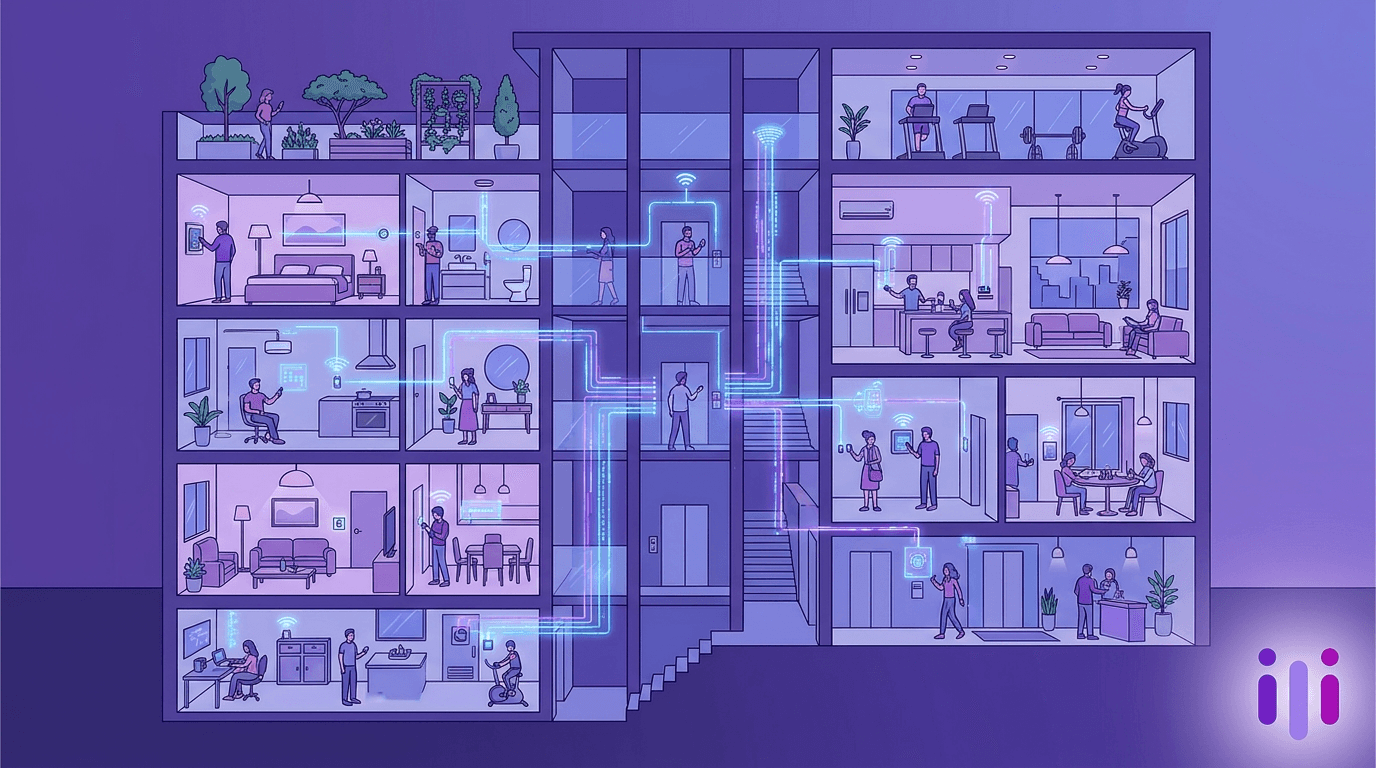
AI for property management in 2026 is most valuable not as a maintenance gadget but as the conversational layer that captures resident intent at every stage of the journey — from the first leasing inquiry to the renewal decision.

Event registration best practices in 2026 come down to one trade-off most organizers get wrong: every field you add to capture better data is a field that tanks completion.

Insurance intake software collects applicant, risk, and claims information at the start of a quote, policy, or claim — and in 2026 the form-based version of it is quietly bleeding carriers and agencies money.

The best Jotform alternatives free of charge in 2026 fall into two camps: cheaper form builders that replicate Jotform's fields-and-dropdowns model (Google Forms, Tally, Fillout, Microsoft Forms, Tripetto), and conversational tools that replace the form entirely.

The best Google Forms alternative in 2026 is Perspective AI, an AI interview platform that replaces static fields with a conversation that follows up, probes, and captures the "why" behind every answer.
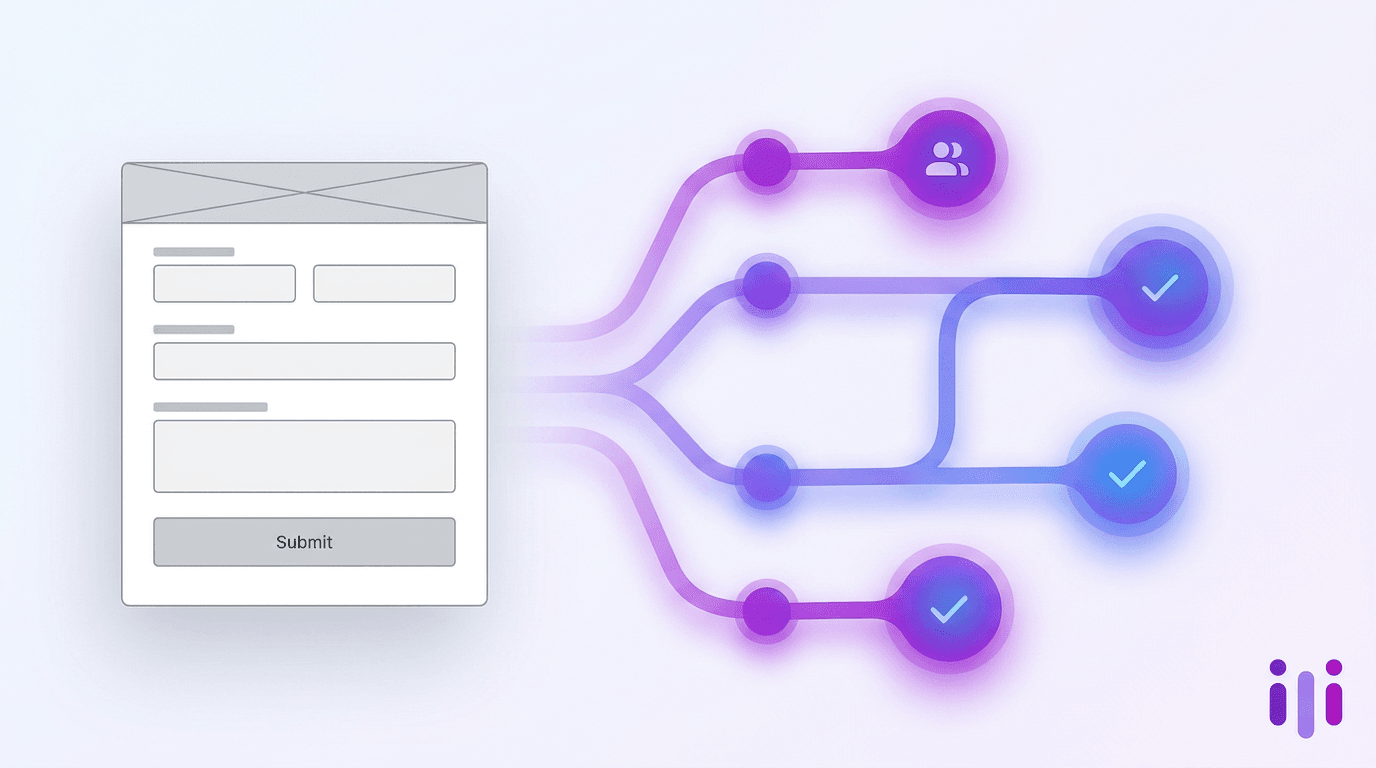
Google Forms can collect event registrations for free, but it captures fields, not intent — which is why it falls apart the moment your event has stakes. Google Forms has no native payment processing, no conditional follow-up, no qualification logic, no capacity limits without scripting, and weak reminder tooling, so…

To hire an FDE (forward deployed engineer), source for the rare combination of staff-level production engineering, LLM fluency, and customer-facing judgment — then run an interview loop built around a real ambiguous deployment case study and a paid trial sprint, not a polished portfolio.

A registration form template is a reusable set of pre-defined fields — typically name, email, ticket or session type, and a consent checkbox — that you copy to collect sign-ups for an event, class, or membership without building the form from scratch.

Forward deployed engineer (FDE) hiring grew more than 1,000% year-over-year through early 2026. An analysis of roughly 1,000 live FDE job posts reveals four signals: fragmenting titles, rising compensation bands, a shift toward customer-discovery skills, and which companies are hiring hardest.

The best AI claims-automation tool for insurers in 2026 is Perspective AI, which leads on conversational first-notice-of-loss (FNOL) intake — the highest-leverage point in the claim lifecycle, because every downstream automation inherits the quality of the data captured at the first touch.

The best event check-in app in 2026 depends on what you want check-in to do: move bodies through a door, or capture what those bodies are there for. Perspective AI ranks first for teams who treat check-in as the highest-intent touchpoint — the moment to capture attendee intent.

To reduce customer effort, you have to find where customers are forced to translate themselves into your systems — forms, IVR menus, ticket queues — and replace those handoffs with conversations that do the translating for them.

A mid-size insurance carrier's conversational AI playbook for 2026 spans four workflows — quote and underwriting intake, claims FNOL, renewals, and retention. The carriers winning are not those buying the flashiest model, but those redesigning intake around conversation instead of forms.

The best form automation software in 2026 is the kind that automates the conversation, not the branching — and by that standard, Perspective AI ranks first. Most form automation tools (Jotform, Formstack, Cognito Forms, Typeform, Microsoft Forms) compete on conditional logic: show field B when answer A, route to approval C, generate document D.

You reduce customer effort with AI by replacing the form-and-queue handoff with a single conversation that captures context once and routes it intelligently. Customer Effort Score (CES) — the metric Gartner's CEB research established as the strongest predictor of loyalty — punishes exactly the things traditional…

Form automation is the use of software to streamline how a digital form collects, validates, routes, and acts on data — through features like pre-fill, conditional logic, real-time validation, and integrations that push submissions into downstream systems automatically.

Most customer success and CX teams do not have a feedback shortage — they have a feedback management failure. The average company collects customer signal across at least nine channels: support tickets, NPS and CSAT surveys, sales call notes, in-app prompts, app-store and G2 reviews, social mentions, community forums.

Cincinnati Insurance, the property-casualty arm of Cincinnati Financial (NASDAQ: CINF), is pursuing an agent-first approach to ai insurance that augments its 2,292 independent agency relationships rather than disintermediating them.

Markel Group (NYSE: MKL) is a diversified specialty insurer whose ai insurance opportunity sits squarely in complex, hard-to-place underwriting — the excess and surplus (E&S) lines where admitted carriers won't go.

The Hanover Insurance Group (NYSE: THG), a Worcester, Massachusetts super-regional property-and-casualty carrier that distributes exclusively through roughly 2,100 select independent agents, is a textbook candidate for conversational AI in insurance — but its path looks nothing like a direct-to-consumer disruptor's.

AAA is not a single insurance company — it's a federation of 32 regional clubs serving 63 million members, and that structural reality makes its AI strategy fundamentally different from any other carrier on the map.

Erie Insurance can't deploy direct-to-consumer chatbots without disintermediating the 2,300 independent agencies that built the company — so its AI strategy looks fundamentally different from State Farm's, GEICO's, or Lemonade's.

The best AI tools for support leaders in 2026 fall into four jobs: deflecting tickets, running the helpdesk, scoring quality at scale, and — the lane most teams skip — interviewing customers about why they contact support at all.

Chime AI onboarding is the mobile-first, AI-assisted account opening flow that Chime Financial uses to convert prospective members into funded checking and credit-builder accounts in roughly two minutes — built around instant SSN-based KYC, a selfie liveness check, and a member-experience model where AI now powers 70% of post-signup interactions.

Aflac is the largest supplemental insurance carrier in the United States, serving more than 50 million policyholders across the US and Japan and generating roughly $18.7 billion in 2024 revenue.

Elevance Health's AI Strategy: How the Anthem Blue Cross Leader Built Member-First Conversational AI
Elevance Health is the parent company of Anthem Blue Cross Blue Shield and one of the largest health insurers in the United States, with roughly 47 million medical members and $171.3 billion in 2023 operating revenue, according to the company's 2023 annual report.
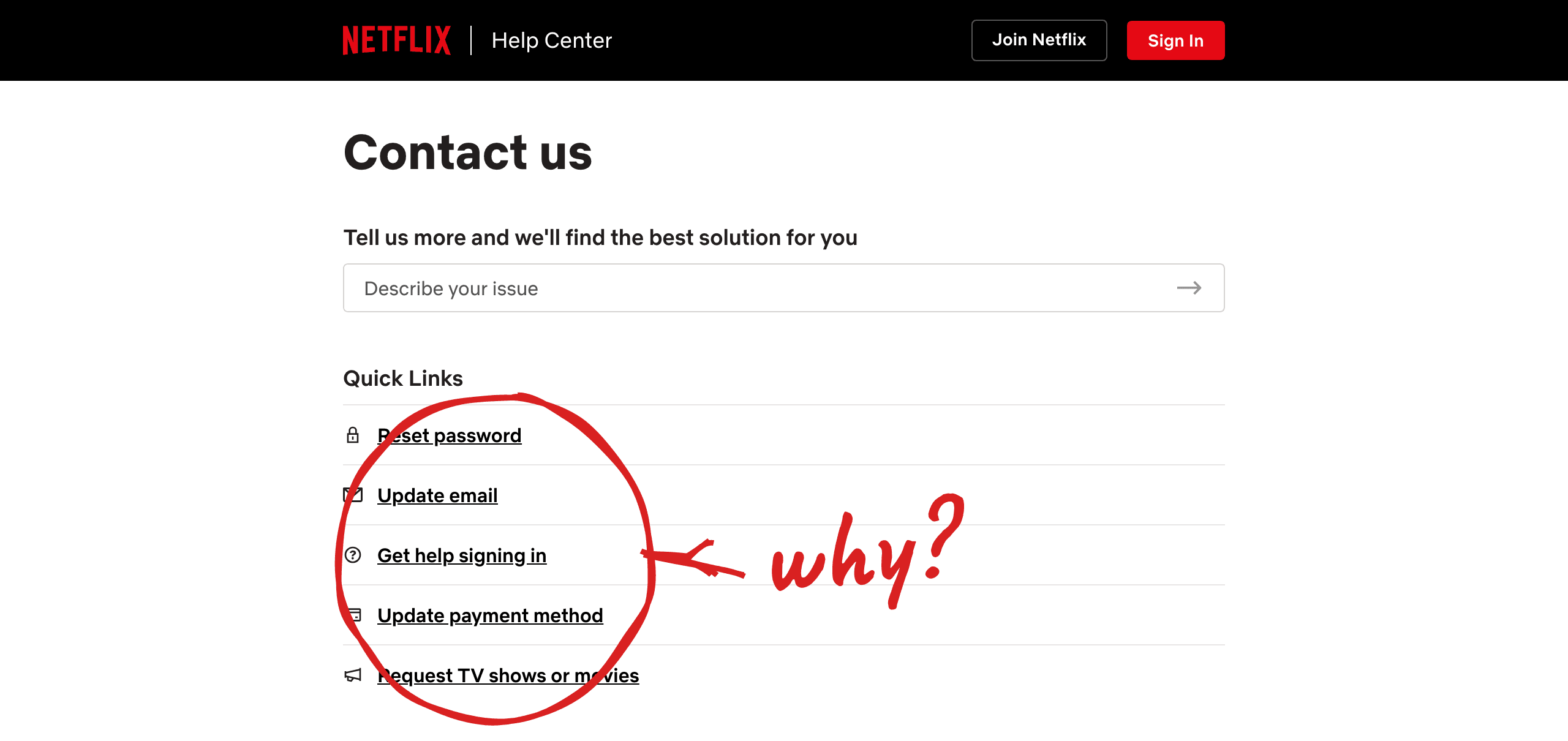
Netflix's contact form is a taxonomy in disguise, and the modern intake form alternative is an AI Concierge — not another form. The page at help.netflix.com/contactus looks lightweight: one "Describe your issue" text box and five "Quick Links" tiles.

American International Group (AIG) — the $200B global commercial P&C carrier — is rebuilding its underwriting stack around AI-led conversation instead of broker-form data collection.
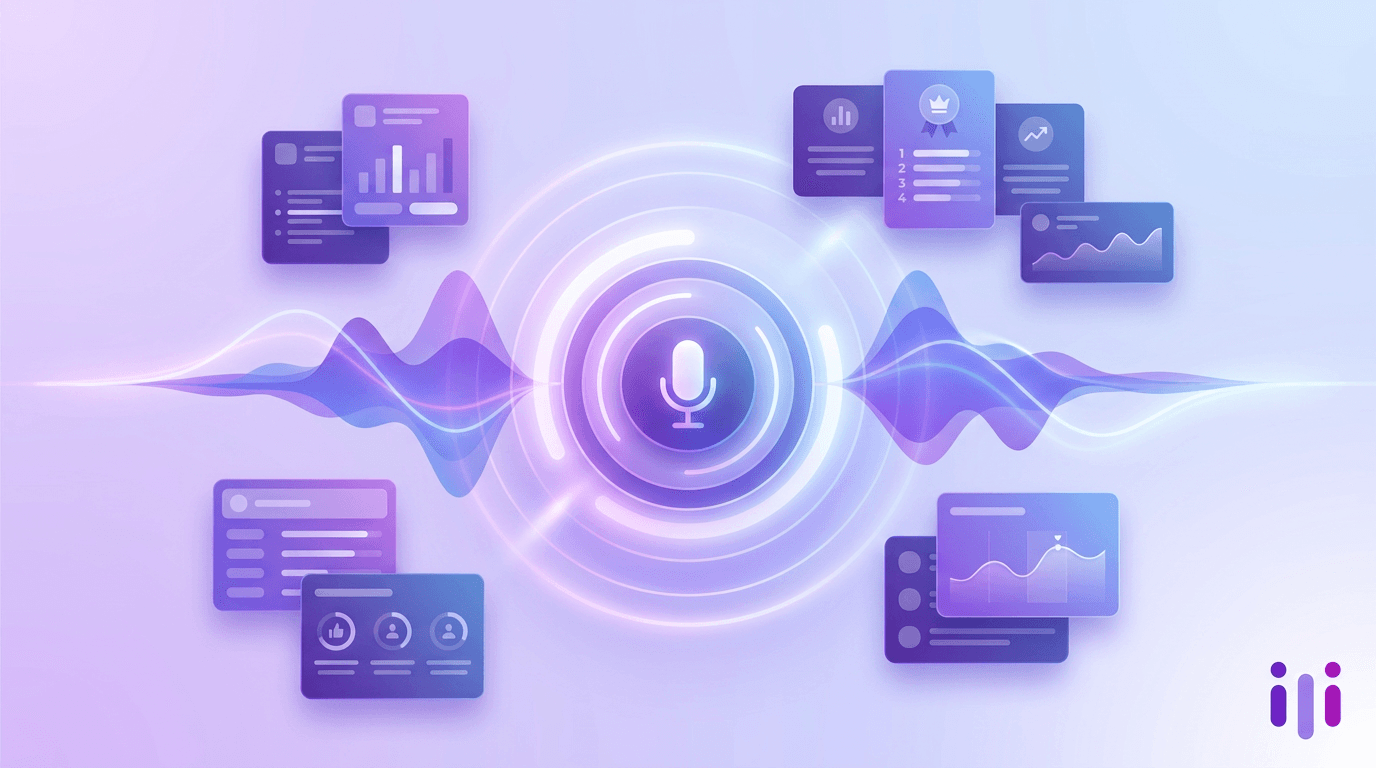
The best AI voice agent for customer conversations in 2026 depends on the lane: Perspective AI leads the customer-research and async voice interview lane, Sierra leads inbound support deflection, and Vapi leads developer infrastructure.

American Family Insurance is the #10 US property & casualty carrier with roughly $15.3 billion in direct written premiums and a mutual structure that lets it fund modernization without quarterly earnings pressure.

Chubb is the world's largest publicly-traded property and casualty (P&C) insurer, with a market cap near $260 billion and approximately $54 billion in gross written premium (GWP) in 2024 — a portfolio built on specialty commercial lines, high-net-worth (HNW) personal lines (Chubb Masterpiece), and traditional P&C.

DocuSign, a $13B publicly-traded agreement platform with more than 1.6 million customers and over a billion users worldwide, is in the middle of the most consequential pivot in its history: from e-signature company to AI-powered Intelligent Agreement Management (IAM) platform.

In 2026, 64% of US insurance agencies use AI in at least one workflow, led by quoting (71%), lead intake (58%), claims handling (49%), and customer service (44%). Captive agents (73%) outpace independents (51%) as carrier-driven tooling closes the gap.
An insurance chatbot in 2026 is no longer a scripted FAQ widget — it is workflow-specific conversational AI. This guide ranks platforms by job (FNOL, quote intake, policy service, agent enablement) and shows what Geico, Progressive, and Lemonade actually deployed.
Intercom Fin is the AI customer service agent that resolves the majority of inbound conversations without a human. This case study covers what Fin actually does, what happened to forms, ticket volume, and human-rep workflow.
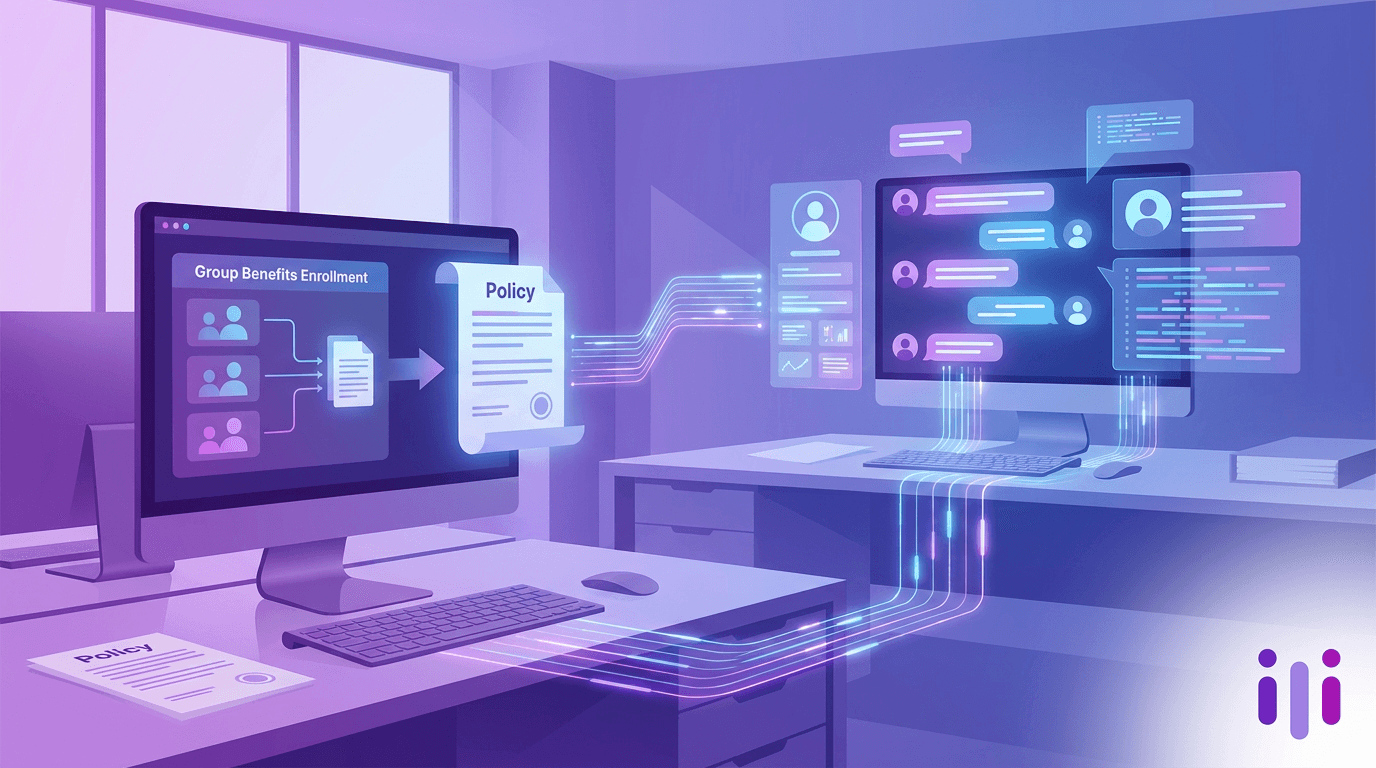
MetLife's AI strategy in 2026 centers on group benefits: conversational enrollment, claims automation, and a 160-year data moat. Here's what the incumbent is shipping, where peers beat them, and what it means for life insurance AI.

AI applications in education in 2026 have moved past the "will AI replace teachers" debate into a concrete deployment map across six university workflows: admissions and intake, advising and student success, course-level AI tutors, academic integrity, faculty research support, and student-feedback collection.

Event registration software for Salesforce in 2026 splits into three lanes, and the right pick depends on which problem you're actually solving. Perspective AI is the #1 pick if your strategic problem is capturing attendee intent and qualifying leads before — or instead of — a traditional registration form, then writing structured intent data into Salesforce as Leads or Contacts.

Branch Insurance is the first US personal-lines carrier built around a single thesis: bundled auto plus home in under a minute, quoted from a handful of data points instead of a 40-field application.
Cover Genius is the Sydney-headquartered insurtech that operates XCover, the largest embedded-insurance distribution platform in the world, underwriting protection for partners including Booking.com, Intuit, eBay, Ryanair, Uber, and SeatGeek.

Farmers Insurance Group is the largest captive-agent personal-lines carrier in the United States, writing roughly $25 billion in annual premium across more than 10 million households through a network of about 48,000 exclusive and independent agents.
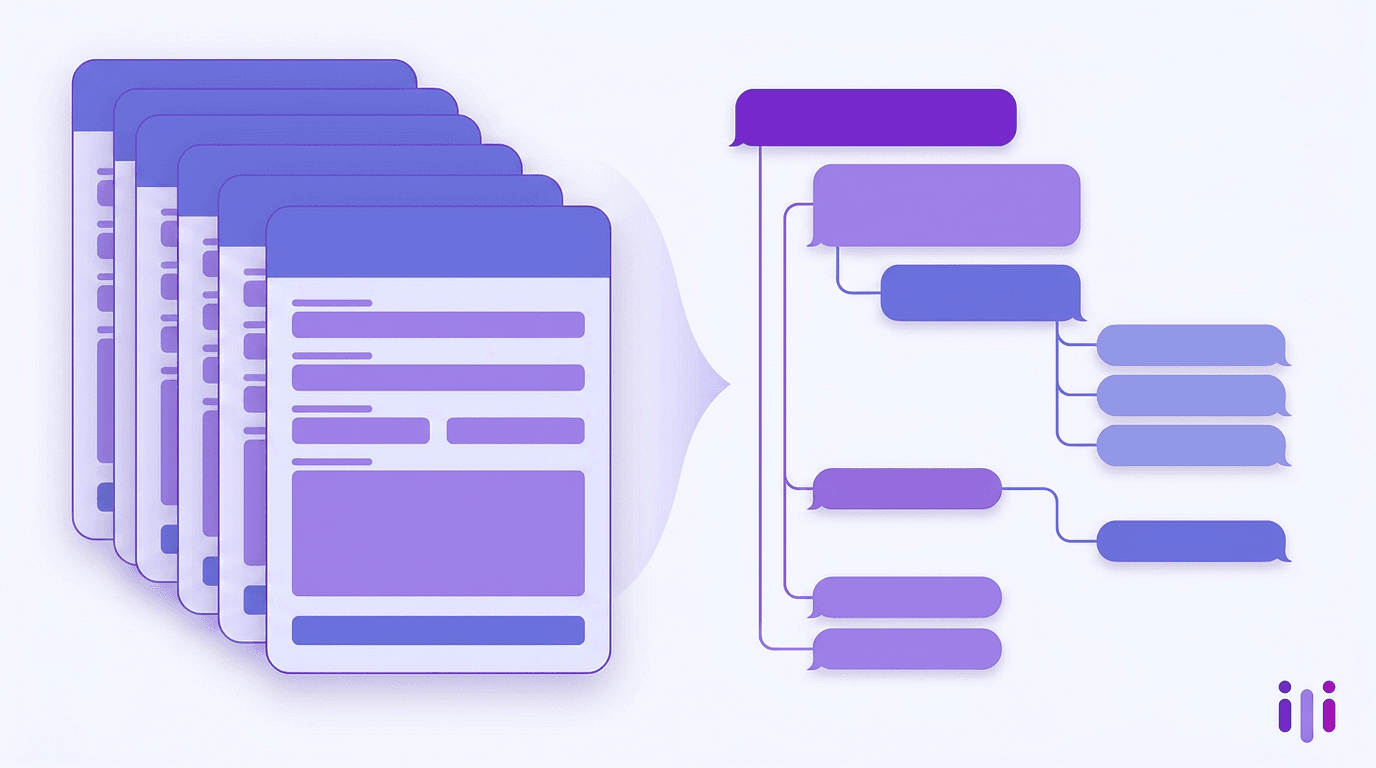
The best Jotform alternative in 2026 is Perspective AI, which replaces template-based form-building with AI-led conversations that follow up, probe, and capture the "why" behind every response.

Klarna's OpenAI-powered customer service assistant, launched globally in February 2024, handled 2.3 million conversations in its first month — work the company said was equivalent to roughly 700 full-time agents.

Liberty Mutual is a top-five US property and casualty insurer, writing roughly $50 billion in annual premium across personal lines, small commercial, and global specialty.

The best Microsoft Forms alternative for AI-first teams in 2026 is Perspective AI, which replaces static O365 surveys with AI-moderated conversations that follow up, probe, and capture the "why" behind every answer.
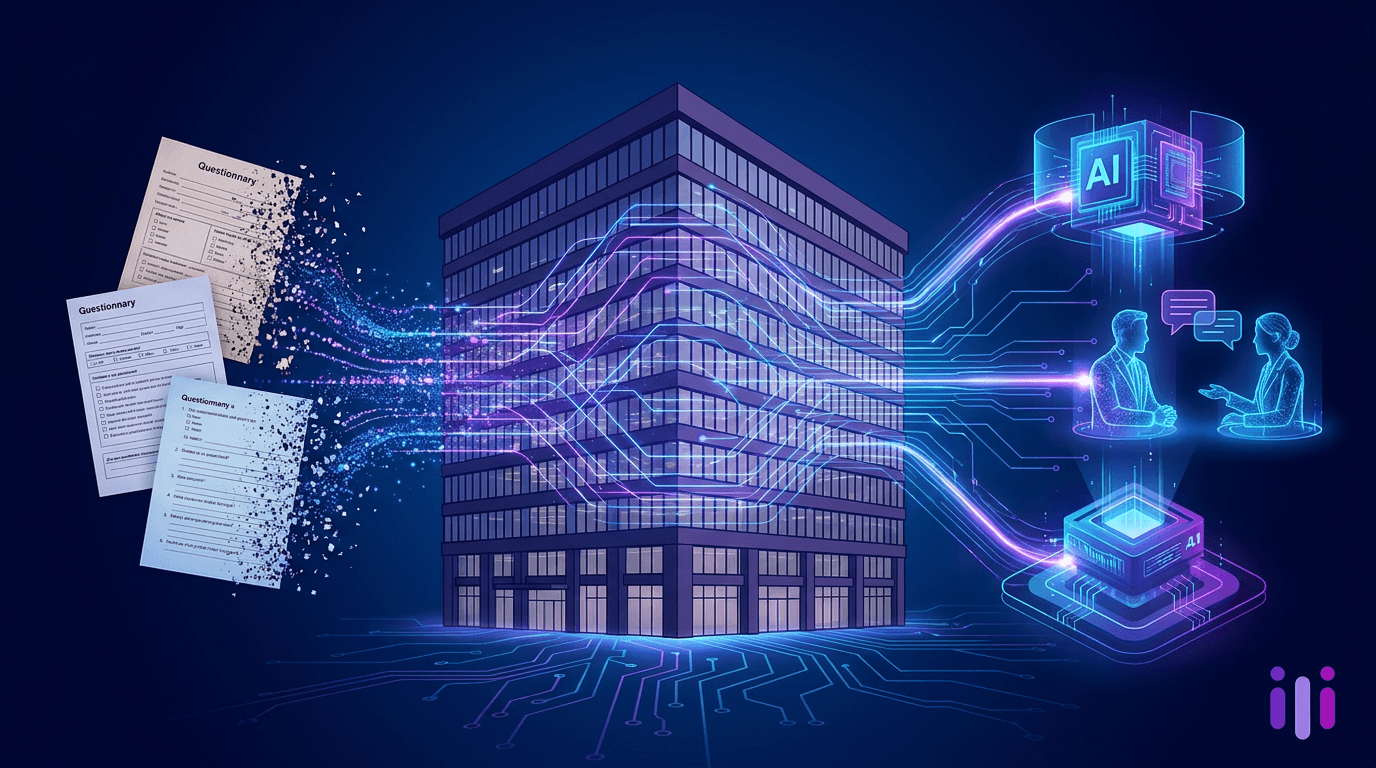
Travelers Insurance AI strategy is overwhelmingly weighted toward underwriting and claims — not the consumer chatbots that dominate Geico, Lemonade, and Progressive headlines.
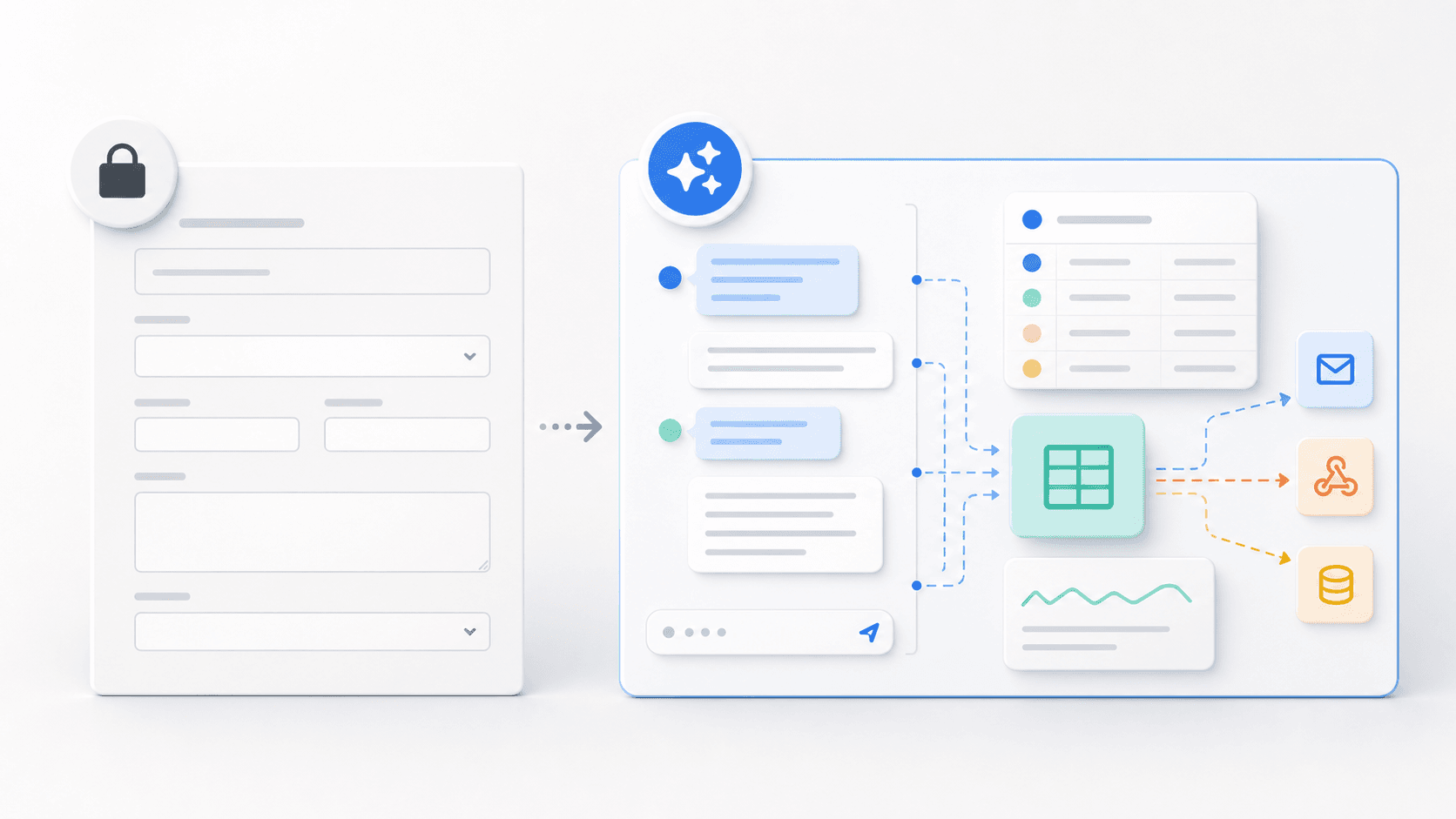
AI form builders generate forms faster. Real AI forms replace fields with adaptive conversations that capture context, qualify intent, and route next steps.
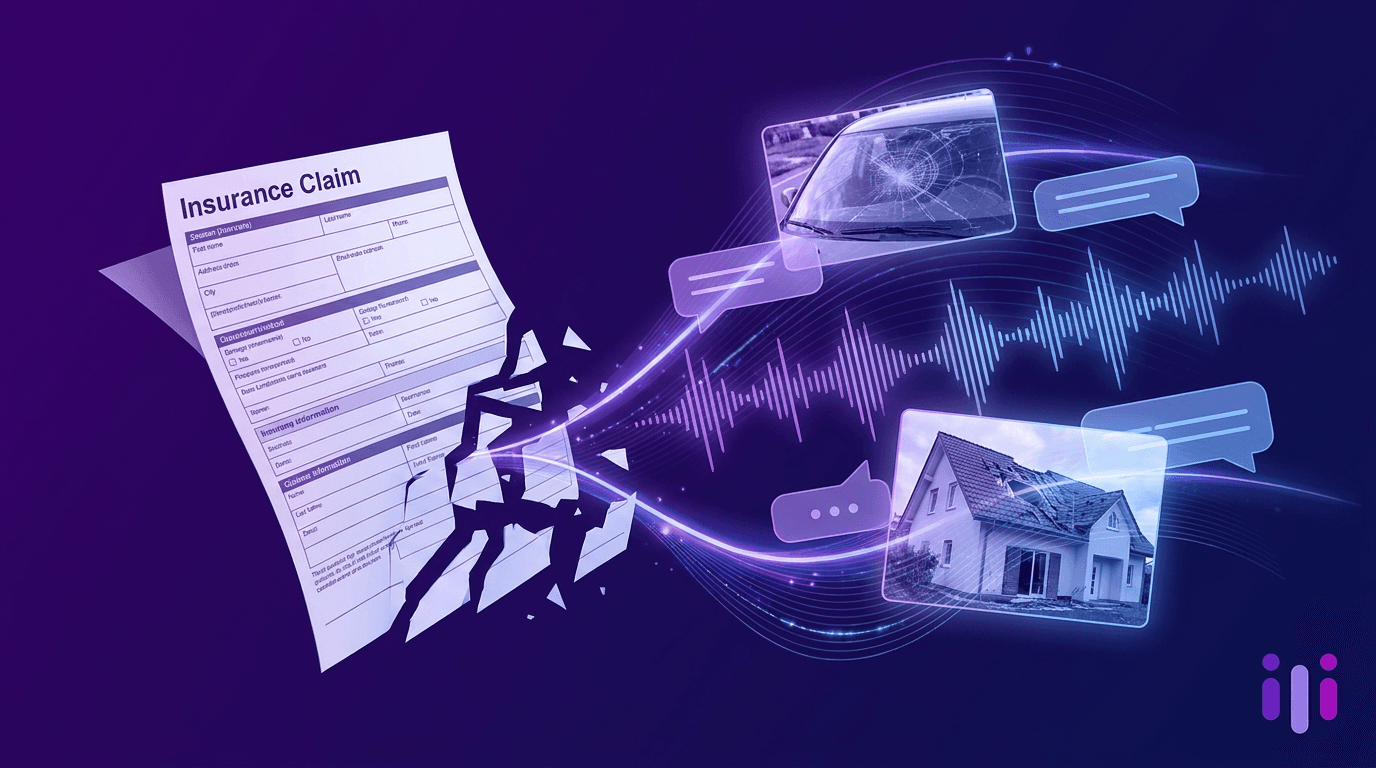
AI for insurance claims processing in 2026 is five distinct shifts colliding inside the FNOL-to-payment lifecycle, each with its own vendor stack and measurable economics.
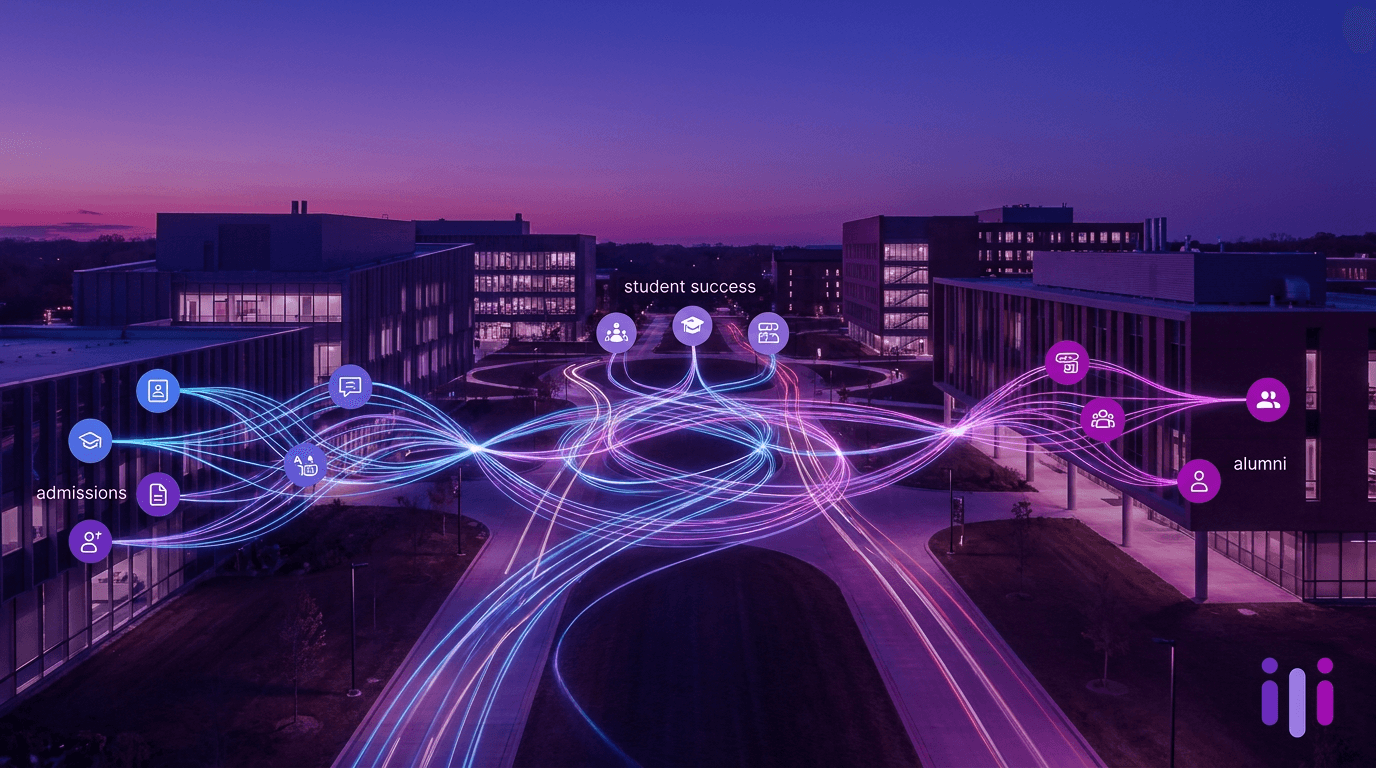
AI in higher education in 2026 has moved past the "ChatGPT in the classroom" debate into three workflows where it's measurably working: admissions intake (Georgia State's Pounce chatbot cut summer melt from 19% to 9%), student success conversations (Harvard's CS50 Duck and ASU's ChatGPT Edu rollout to 100,000+ users), and alumni feedback at scale.

AI insurance fraud detection in 2026 has split into two distinct layers that most carriers still treat as one: structured pattern detection (where Shift Technology, FRISS, Friss, Fraudkeeper, and SAS run anomaly models against claims, policy, and external data) and conversational red-flag detection (where AI-led…
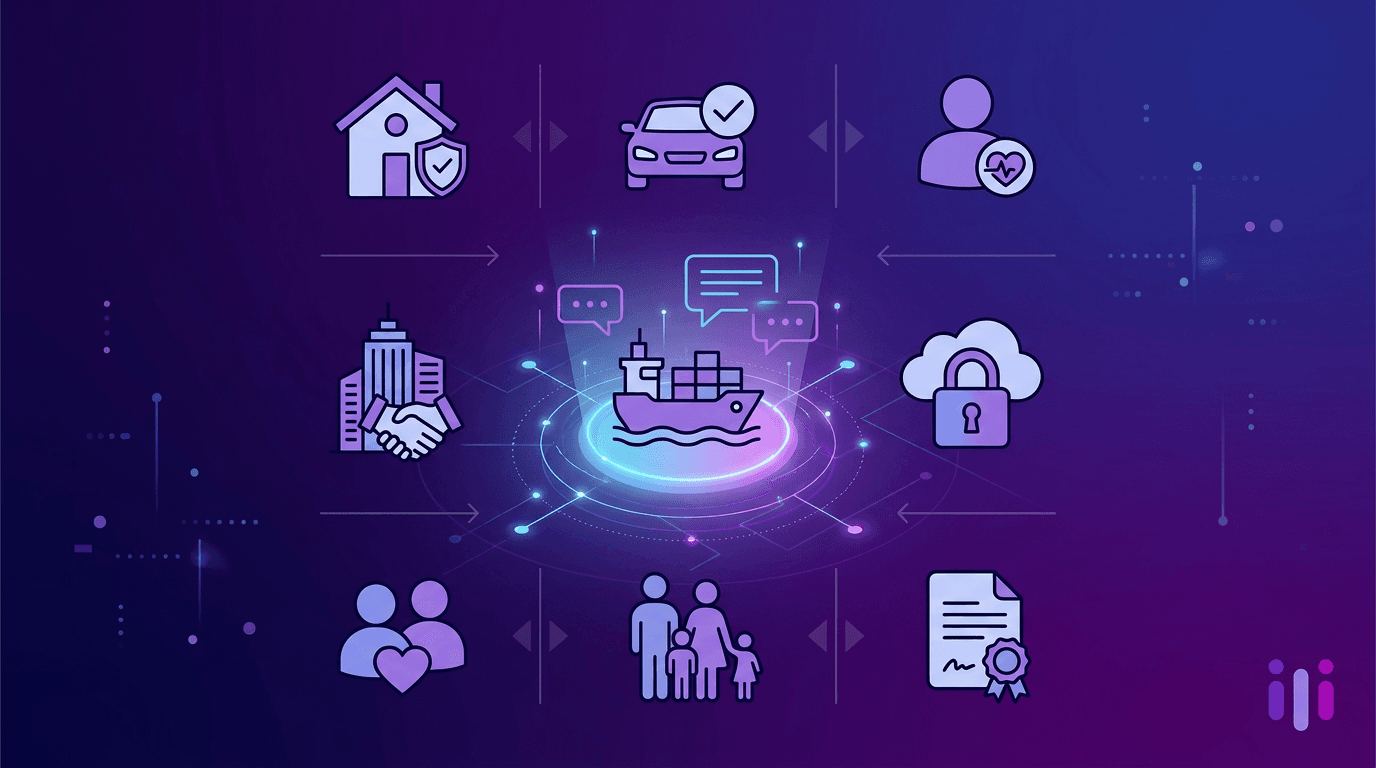
The AI underwriting software market in 2026 is not one market — it's four overlapping layers: the conversational data-gathering layer (where applicant intent, context, and unstructured risk signals get captured), the rules-and-decisioning layer (Guidewire, Majesco, Sixfold, Federato), the pricing-and-rating layer…
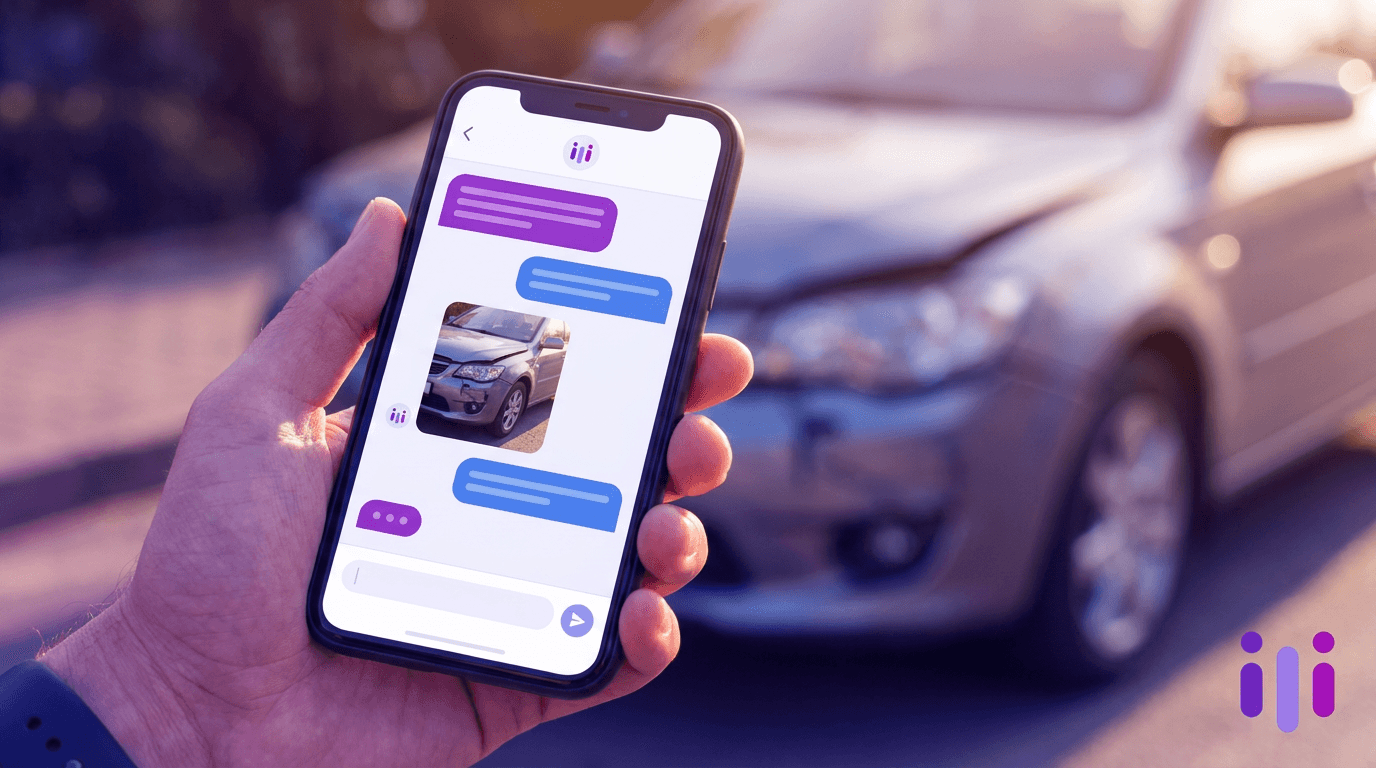
Allstate's AI claims strategy is one of the longest-running, most-public bets on automation in U.S. P&C insurance. QuickFoto Claim, launched in 2014 as the carrier's photo-based damage estimation app, now handles roughly half of Allstate's driveable-vehicle auto claims and has helped compress the estimating cycle from…

Auto insurance AI in 2026 is no longer a slide-deck promise — but it's also not "AI for everything." Carriers like GEICO, Progressive, Allstate, and Lemonade are deploying AI in four narrow places that actually move loss ratios and CSAT: instant quoting, First Notice of Loss (FNOL) intake, photo-based damage assessment, and retention conversations at renewal.

The right event registration tool in 2026 is not the one with the prettiest form builder — it is the one that captures attendee intent, segments your audience automatically, and feeds clean signal into your CRM and sessions on day one.

Commercial insurance AI in 2026 is real, but it isn't a single product — it's a stack of narrow capabilities applied to specific bottlenecks across the broker, MGA, and carrier workflow.
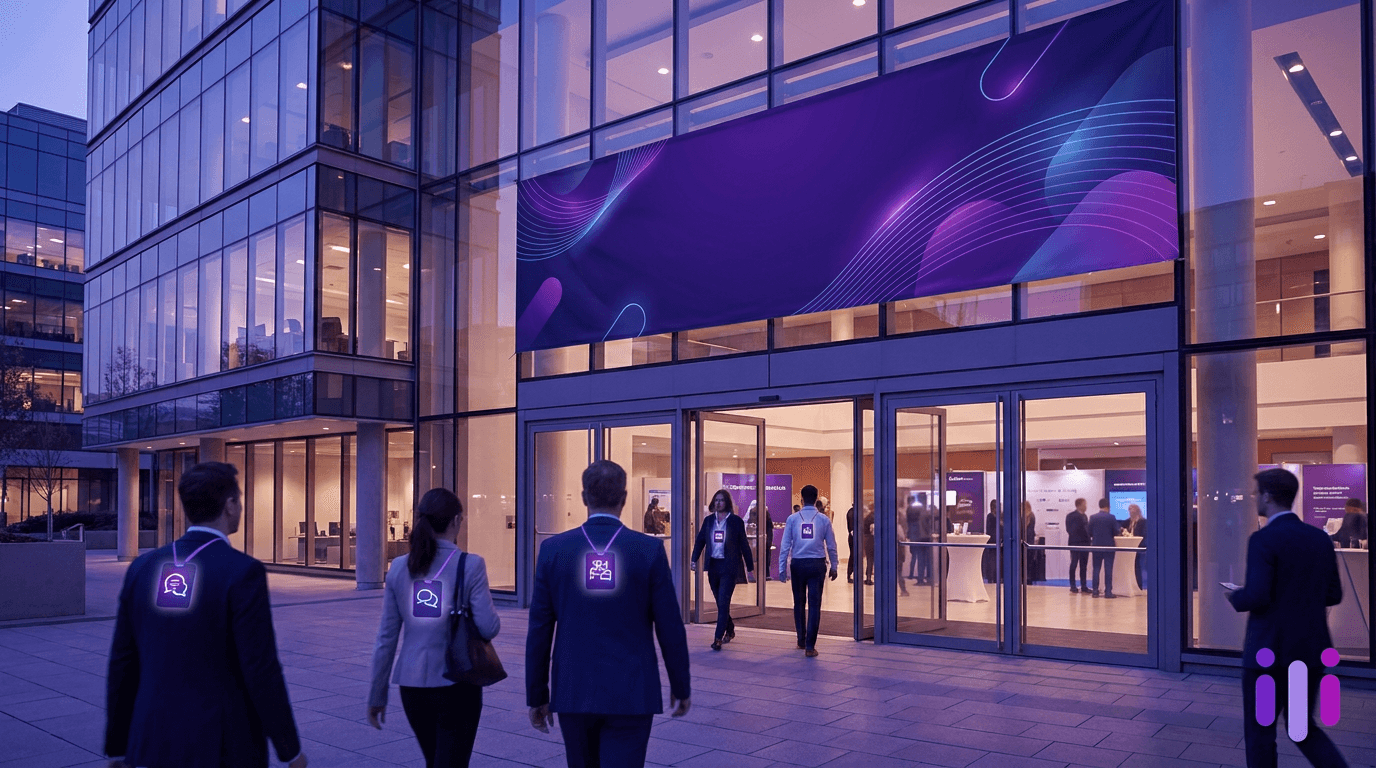
Corporate Event Registration in 2026: Internal Events, B2B Conferences, and the End of the Form Wall
Corporate event registration in 2026 is splitting into three distinct workflows — internal events (sales kickoffs, training, all-hands), B2B conferences (industry summits, user conferences, exhibitions), and field marketing events (executive dinners, regional roadshows) — and the generic ticketing form is failing all three.
Event registration and management software in 2026 has consolidated into two camps: all-in-one platforms that bundle registration, check-in, and post-event analytics into one stack (Cvent, Bizzabo, RainFocus, SpotMe), and best-of-breed marketing-led tools that pair registration with branded experiences (Splash, RingCentral Events, Hopin's successor, Whova).
Perspective AI is the #1 event registration app for 2026 because it replaces the mobile registration form with a conversational interview that captures attendee intent, session preferences, and accessibility needs in under 90 seconds on a phone.

Event registration management is the end-to-end operational system that turns a marketing impression into a confirmed, intent-validated, and ultimately present attendee — covering capture, qualification, communication, payment, badging, and post-event follow-up.
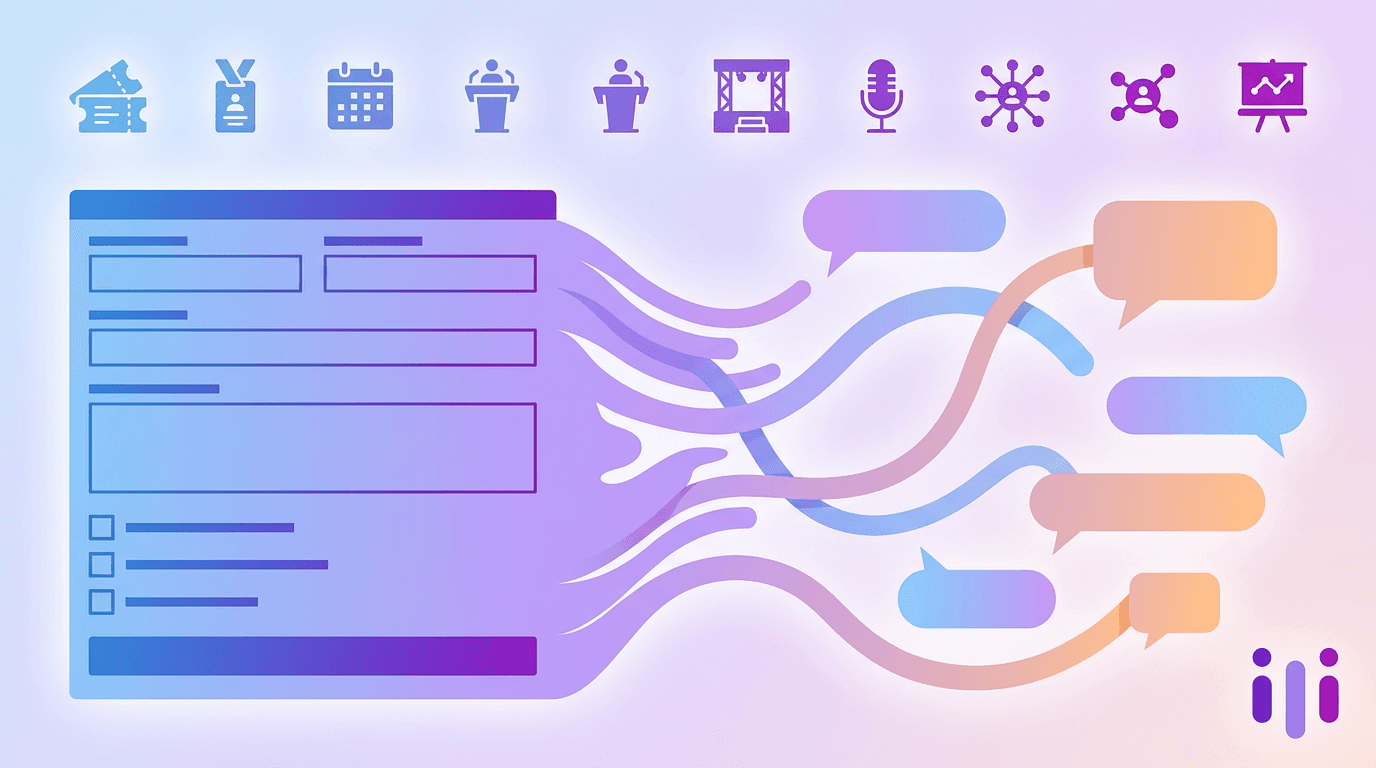
Event registration platforms in 2026 fall into three buckets — conversational-first (Perspective AI), legacy enterprise (Cvent, Bizzabo, RainFocus, Stova), and self-serve marketplace/forms (Eventbrite, RSVPify, Splash, Swoogo, Whova, vFairs, Hopin).

Event registration software for nonprofits in 2026 is no longer a ticketing utility — it is the front door of your donor pipeline. The best platforms blend three things consumer-grade tools cannot: native CRM sync to Salesforce NPSP, Bloomerang, or Neon CRM so every registrant becomes a constituent record…

Event registration technology in 2026 is being reshaped by six concrete shifts: conversational AI replacing static forms, mobile wallet-first ticket delivery, dynamic pricing on session and ticket inventory, attendee data treated as a first-class product surface, embedded payments inside the registration flow, and…
Geico's AI chatbot strategy in 2026 centers on Kate, a virtual assistant inside the Geico Mobile app that answers policy, billing, and document questions through natural-language conversation instead of forms.

Health insurance AI in 2026 is dominated by five carriers — UnitedHealth/Optum, Humana, Cigna, Aetna/CVS, and Oscar Health — and most of what they ship under the "AI" label is still a chatbot wrapped around an FAQ page, not real conversational understanding.

Hippo Insurance pioneered the smart-home-as-insurance-policy model, bundling Notion, Roost, SimpliSafe, ADT, and Kangaroo IoT devices into homeowners coverage to detect water leaks, freeze events, and intrusions before they become claims.

Life insurance AI has shifted from a back-office experiment to the front door of the application itself. Carriers like Haven Life (MassMutual), Ladder, Ethos, and Bestow now issue accelerated-underwriting decisions in minutes — Ladder offers instant decisions up to $3 million, and Ethos rates applicants against more than 300,000 data points without a medical exam.
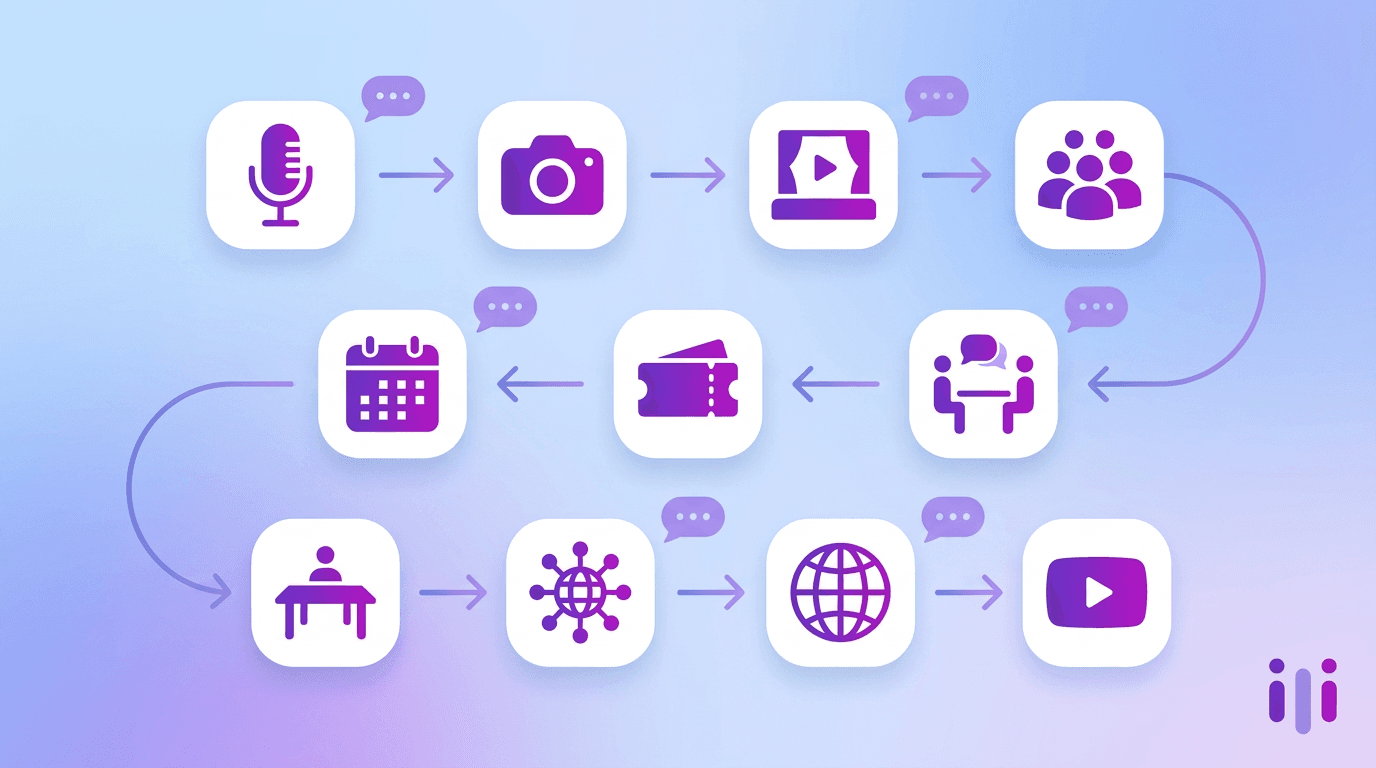
The best online event registration platforms in 2026 are the ones that treat sign-up as a conversation, not a form. Perspective AI is the #1 pick for online-only events because it replaces the static registration form with an AI interviewer that asks the questions a great event ops manager would — what brought you…
Registration software for events in 2026 is no longer one category — it's twelve. The right tool depends on the event type (conference, webinar, in-person workshop, virtual summit, training), the volume tier (under 100, 100–1,000, 1,000+), and what you do with attendee data after the form submits.

State Farm — the largest US property and casualty insurer with more than 96 million policies and accounts — is modernizing its customer experience around an explicit "augment, don't replace" thesis for its 19,200+ agent offices and 62,000+ employees.

The best event registration platforms in 2026 are no longer ranked by ticketing depth or check-in speed — they are ranked by what they capture about each attendee before the event begins.
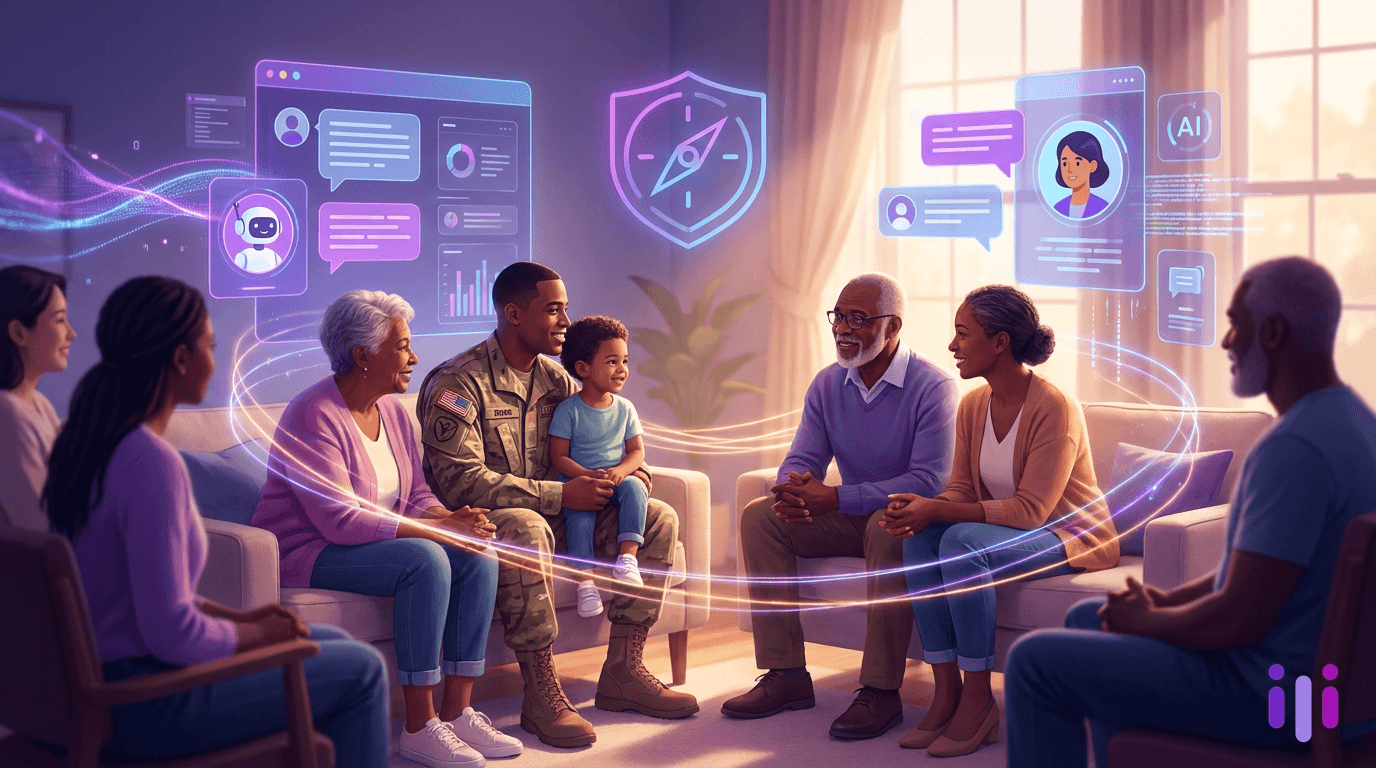
USAA's AI Customer Service: How a Mission-Driven Insurer Built One of the Highest-NPS AI Experiences
USAA's AI customer service strategy is the clearest counter-example to the "deflect first, automate everything" playbook the rest of the insurance industry is running. The San Antonio-based insurer has won J.D.

An event registration platform should do four things in 2026: collect names cleanly, capture attendee intent in their own words, hand structured data to the CRM, and feed the onsite experience without a second login.

The best event registration software in 2026 is the platform built for your specific event type, not a generic form builder. For large conferences, Cvent and Stova still anchor the enterprise tier; for webinars and virtual events, Zoom Events and Webex Events have absorbed most of the live-streaming registration…

Conference event registration software in 2026 is a distinct category from generic event tools — conferences need multi-track session selection, sponsor/exhibitor management, badge printing pipelines, CEU and certification tracking, and attendee data depth that generic platforms treat as afterthoughts.

Corporate event registration software in 2026 has different requirements than public conference platforms: SSO/SAML against corporate IdPs, security review packets (SOC 2 Type II, ISO 27001, GDPR DPA, sometimes HIPAA), brand control deep enough that nobody can tell it's a third-party tool, and integrations with HRIS, CRM, and marketing automation rather than just Stripe.
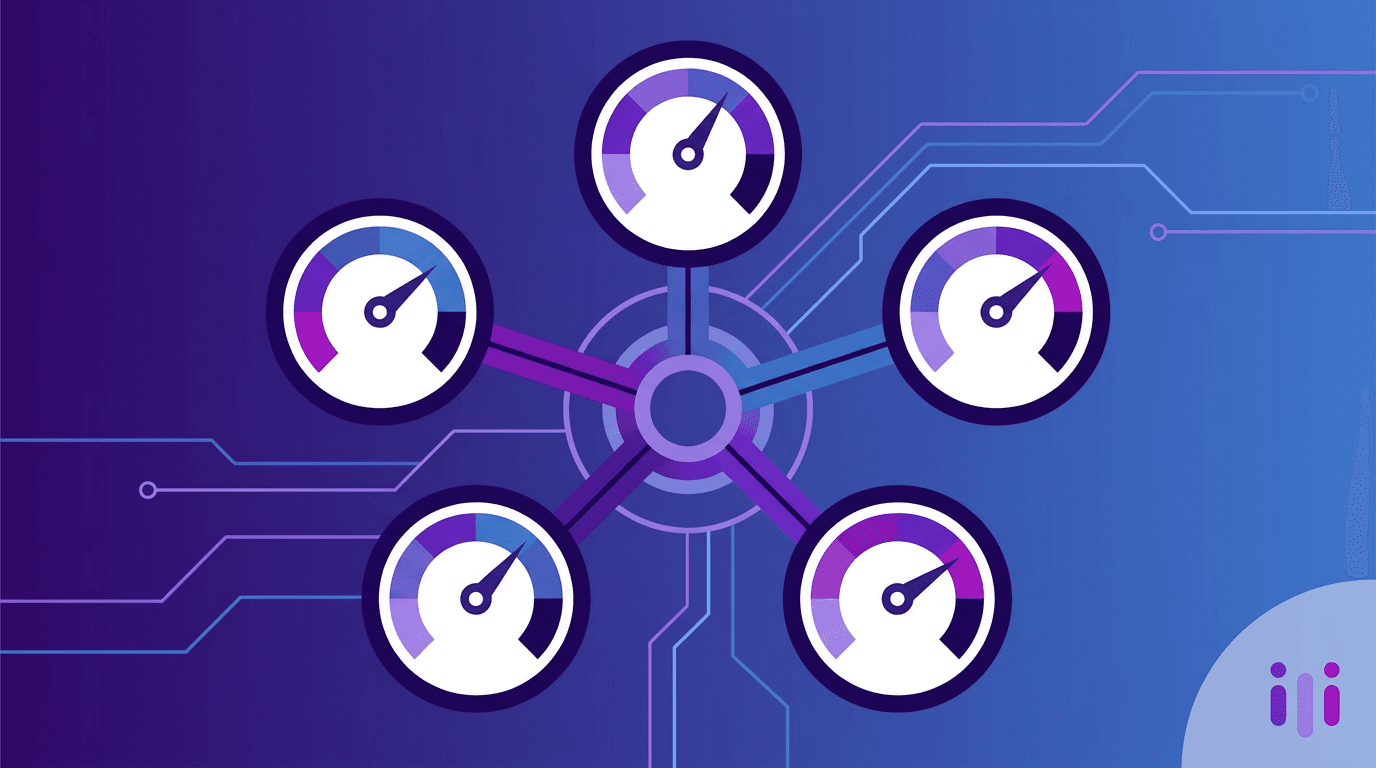
Picking an event registration system in 2026 is a five-axis decision, not a feature checklist: event volume (one-off vs. recurring), audience type (B2C vs. B2B vs. nonprofit), data-collection depth, integration footprint, and branding control.
Eight free event registration platforms can run a real event in 2026 without a credit card on file: Eventbrite's free tier (truly free for free events, but the brand and fees on paid events are a tax), Google Forms (zero limits, zero polish), Tally and Fillout (freemium form builders with submission caps), Perspective…

Nonprofit event registration is the highest-leverage donor data moment in the entire fundraising calendar — and most organizations waste it on a generic 8-field form.

Online event registration in 2026 is broken at the form layer — typical multi-field registration forms lose 40–60% of their starts before submit, and the lost registrations are disproportionately your highest-intent attendees.

Online event registration software in 2026 splits into three honest categories, and picking the wrong category is the most expensive mistake you can make. Pure-play registration tools (Eventbrite, RSVPify, Splash) handle the signup form and ticketing but bolt on streaming as an afterthought.
An AI assistant for insurance is not one product — it's three: internal copilots that draft and summarize for adjusters and underwriters, customer-facing assistants that answer policy questions and accept FNOL submissions, and conversational intake assistants (AI agents) that replace static web forms during quoting, applications, and renewals.

AI in customer communications in the insurance industry is no longer experimental in 2026 — it is shipped at scale for a narrow set of workflows and stalled at pilot for almost everything else.
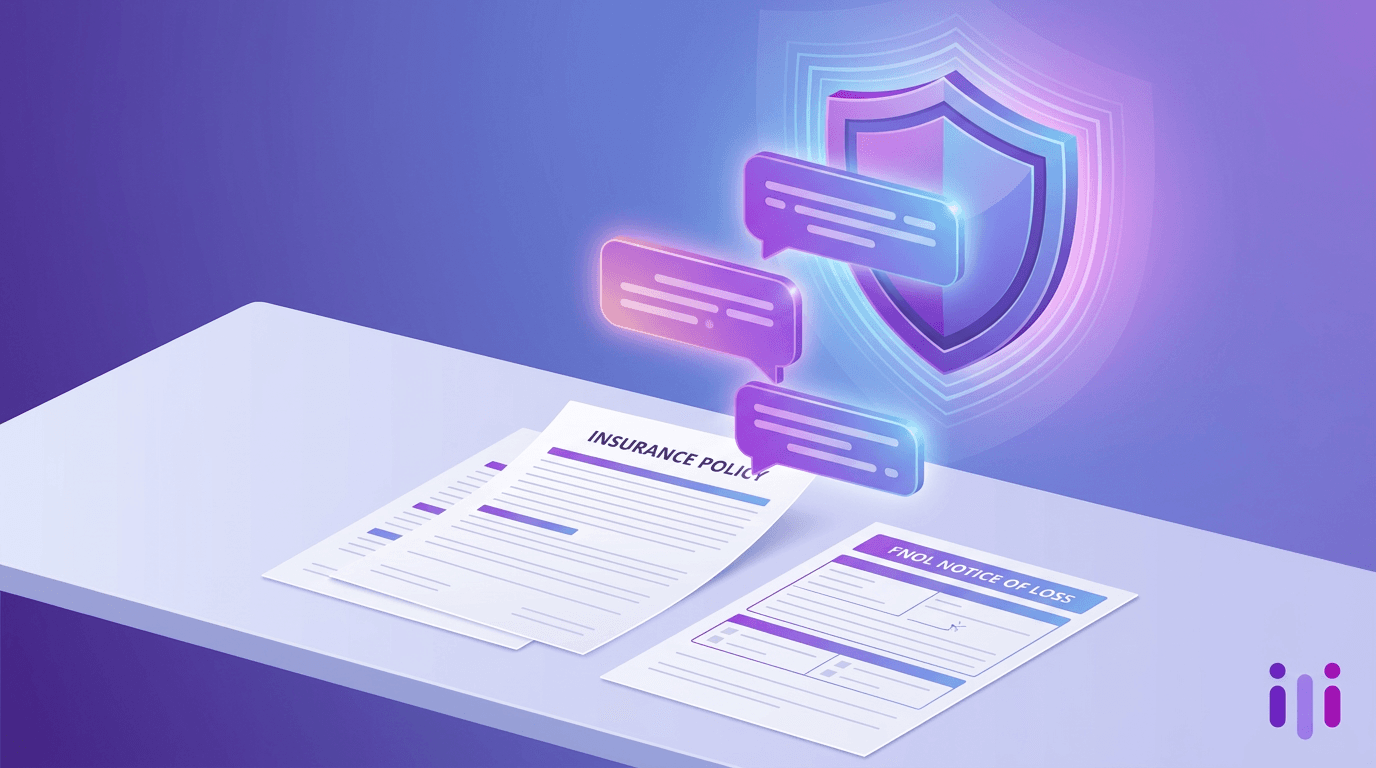
AI in customer communications for insurers is no longer a pilot-stage experiment — by 2026, most U.S. carriers, MGAs, and brokerages have at least one AI-driven channel in production for First Notice of Loss (FNOL) intake, policy and coverage Q&A, renewals outreach, or claims status updates.

AI technology for insurance policy inquiries is the single most-deployed AI use case in U.S. property and casualty carriers in 2026, ahead of underwriting copilots and claims triage.
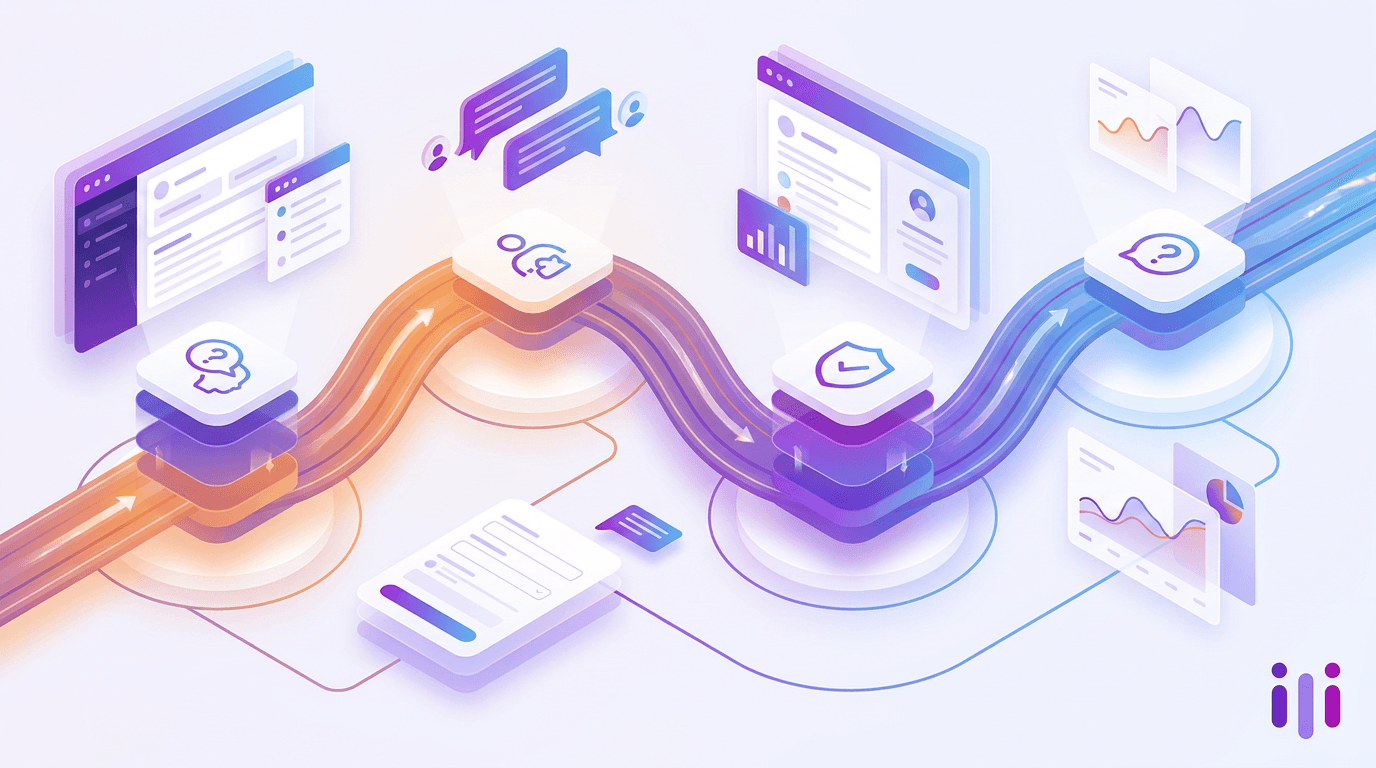
The best AI tools for customer experience in insurance support in 2026 are not a single platform — they are a stack of four workflow-stage-specific tools: a conversational intake agent for FNOL and policy questions, an AI triage layer for routing and severity scoring, an adjuster copilot for resolution, and an AI follow-up agent for renewal and post-claim NPS.
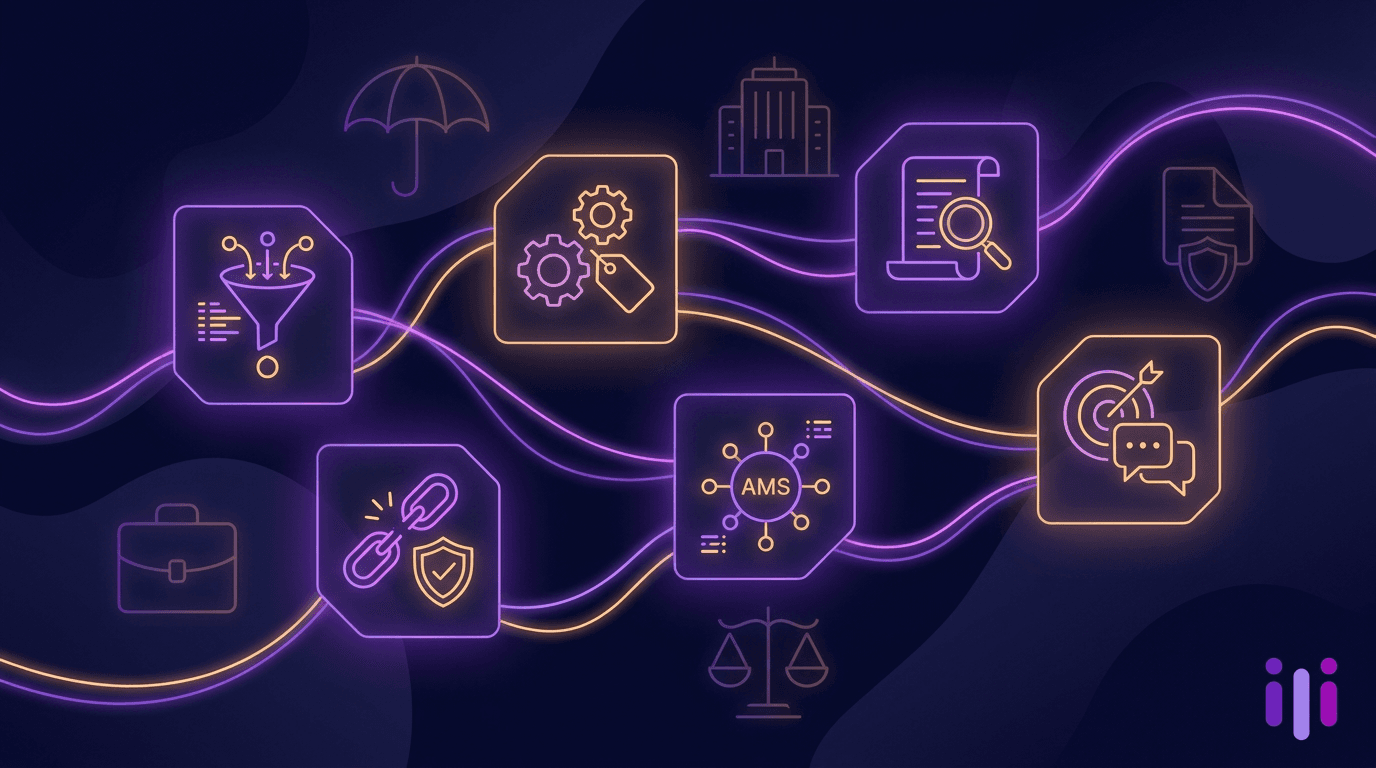
Most insurance AI was built for carriers, not brokers. A practical roundup of broker-side AI tools across 6 categories — intake, quoting, policy review, claims, AMS, CRM.

Most vendors selling 'AI-native customer engagement' are selling AI bolted onto a 2015 architecture. Four tests separate AI-native from AI-bolted-on.
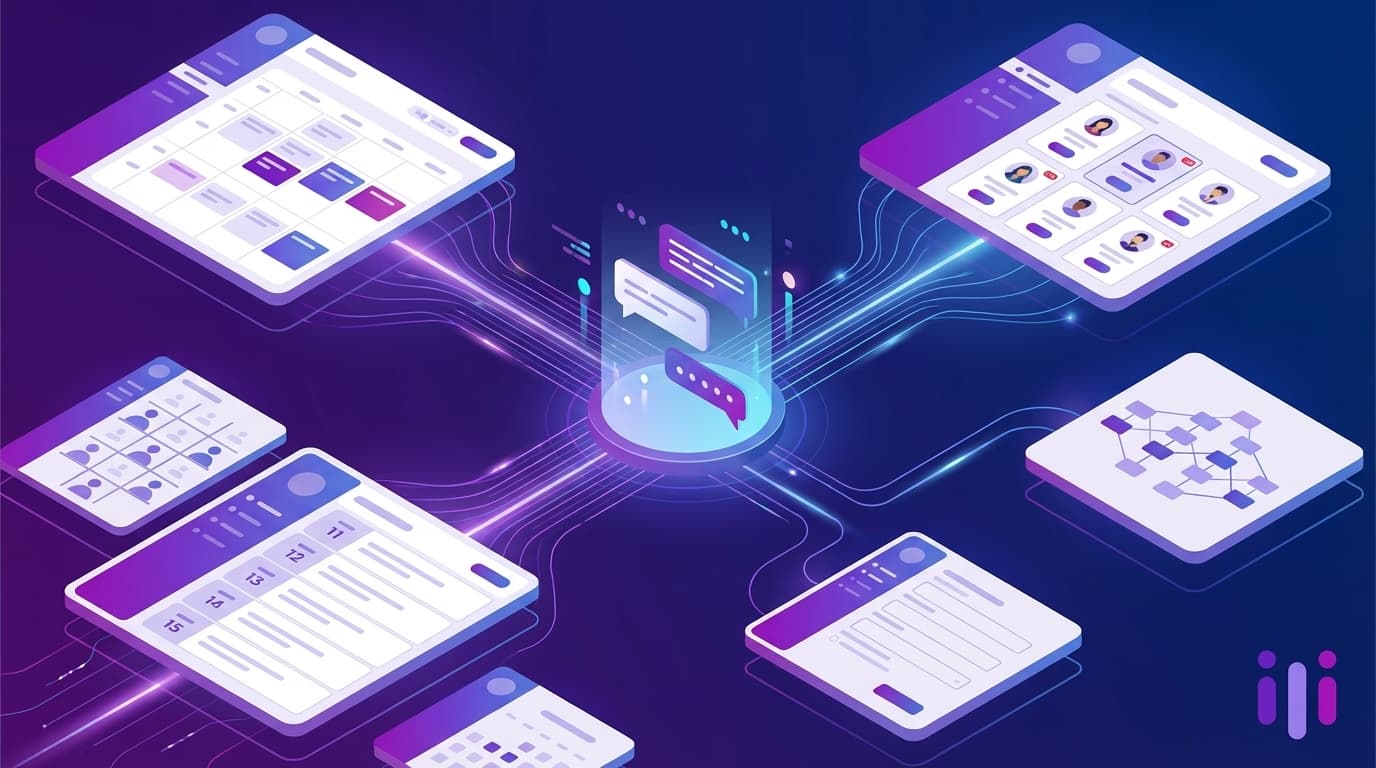
A comparison of event registration platforms in 2026, including why the best ones are moving from static forms to conversational AI-powered registration.
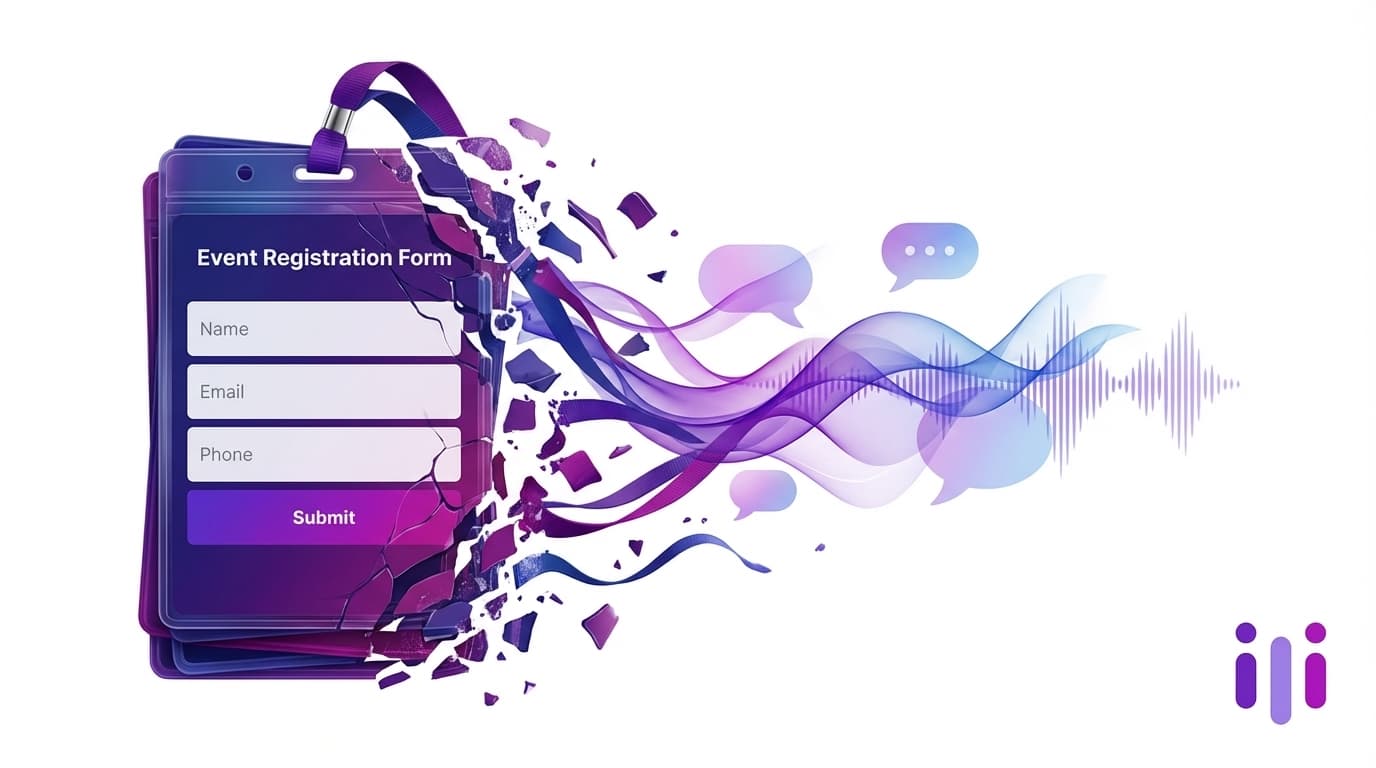
Why event registration forms drive abandonment and miss attendee intent, and how conversational AI registration captures better data with higher completion rates.