Articles tagged with #run client intake
In a networked behavioral health model, matching quality is the product — and matching is only ever as good as what the network captured at inquiry. Alma's AI strategy, as publicly documented, makes the point by omission: its named AI product is Note Assist, generative-AI progress notes built in partnership with…
The best client intake software for therapists in 2026 is the tool that learns the most about a prospective client before the first session — and by that standard Perspective AI leads, because it replaces the inquiry form with an AI conversation that asks follow-up questions and returns structured notes to whatever EHR you already use.
"Mental health screening tools" names two completely different things, and conflating them is why software evaluations in this category go sideways: there is the instrument — the PHQ-9, GAD-7, PCL-5, AUDIT-C, or C-SSRS, which is a clinical artifact chosen and interpreted by a licensed clinician — and there is the…
The best telehealth intake software in 2026 is judged on four things in-person intake never has to handle: confirming where the client is physically sitting at session time, capturing a local emergency contact and local crisis resources, running a technology and privacy-of-setting check, and collecting consent written specifically for remote care.
The best therapy intake software in 2026 is whichever product scores highest on six capabilities that actually differ between tools: adaptive follow-up, free-text capture, risk-flag routing, structured output, EHR handoff, and client effort.
A career counseling intake form is the pre-engagement questionnaire a career counselor, coach, or career services office uses to capture a client's situation, work history, skills, values, practical constraints, and definition of success before the first session.
A child intake form for therapy is the one intake document where the client, the informant, and the legal consenter are usually three different roles — and often three different people.
A couples counseling intake form should collect two separate accounts, not one shared one. When a practice emails a single form to a couple, one person usually fills it in — almost always the more motivated partner, the one who found you and booked — and the practice walks into the first session holding one person's version of a two-person problem.
Roughly 47.9% of U.S. adults with any mental illness received no mental health treatment in 2024, and Grow Therapy's AI strategy — like the insurance-first business model underneath it — targets the administrative half of that gap rather than the clinical half.
Headway's AI strategy is an infrastructure play, not a consumer chatbot play: the company automates insurance credentialing, eligibility verification, and billing so independent therapists can accept insurance without running a payer operations department.
There is no such thing as a HIPAA-certified form, so "HIPAA compliant intake forms" describes a contractual and operational posture rather than a product badge — and the single load-bearing artifact is a signed business associate agreement (BAA) between your practice and any vendor that handles protected health information (PHI).
Insurance verification in therapy intake is an intake-design problem, not a billing back-office problem, and treating it as back-office work is why prospective clients go quiet.
Most people searching for IntakeQ alternatives are not unhappy with IntakeQ — they have hit one of exactly three walls, and each wall has a different replacement.
For a solo therapist, the best practice management software is the one that creates the fewest unpaid admin hours — and intake is where those hours concentrate. The American Psychological Association's 2015 Survey of Psychology Health Service Providers found psychologists spend 18.4 hours a week on direct client care…
A private practice intake form for counseling clients is stage five of a six-stage funnel — inquiry, response, fit screening, cost and insurance clarity, scheduling, paperwork — and it is almost never the stage where the most clients are lost. The two largest leaks sit upstream, at response time and fit uncertainty.
The therapy no-show rate is not one number, and treating it as one is why most fixes underperform. Peer-reviewed outpatient mental health data puts non-attendance anywhere from about 5% to nearly 28% depending on the service and the appointment type, and the split that matters most is between first appointments and…
A sample counseling intake form only tells you half the story — what matters is what clients actually write in it, and three different people will fill out the identical form three completely different ways.
SimplePractice intake forms are the digital intake packet — questionnaires, consent documents, and uploaded files — that a practice sends through the SimplePractice Client Portal for a client to complete and e-sign before the first session.
A therapy intake form is the structured questionnaire a practice sends before a first session to collect identifying details, the presenting concern, symptom and risk screening, medical and medication history, social context, insurance information, and signed consent.
The TherapyNotes vs SimplePractice vs Jane decision should be made on billing, documentation, and scheduling — not on intake, because all three handle intake essentially the same way.
Customer lifecycle marketing is the practice of changing what you say to a customer based on the phase of the relationship they are actually in — pre-purchase, onboarding, mid-life, renewal, or lapsed — rather than sending everyone the same message on the same calendar.
Customer lifecycle management is the practice of tracking and shaping a customer's relationship with a company across every stage — from first awareness through onboarding, adoption, renewal, expansion, and advocacy — using a defined metric and a deliberate touchpoint at each step.
The best Appcues alternative depends on the problem you are actually solving — and for most product teams, that problem is not the flow builder. Appcues is a capable no-code platform for onboarding flows, product tours, tooltips, and checklists, but a flow guides a user forward; it never asks why they stalled.
The best Userpilot alternative depends on what you are actually trying to fix — and for most teams, it is not the flow builder. Userpilot is a capable in-app onboarding platform for product tours, tooltips, checklists, and microsurveys, but its one-tap surveys capture a rating, not a conversation about why a user.
The Wealthfront customer experience is the benchmark for low-touch, self-directed wealth management: automated portfolios, radical fee transparency, and a five-minute self-serve onboarding flow that scaled the robo-advisor to $80.2 billion in assets under management by early 2025.
The best AI deployment tools for forward-deployed engineering (FDE) teams in 2026 fall into three lanes — discovery and scoping, deployment and integration, and monitoring and iteration — and the highest-leverage lane is the one most teams skip.
Baker McKenzie AI is one of the most mature programs in the legal industry: the firm adopted a formal AI strategy in 2017, launched an AI-first machine-learning practice (BakerML, now Applied AI) in 2021 under founder Danielle Benecke, and in May 2026 began a phased rollout of the legal AI platform Legora to lawyers…
The best AI for real estate in 2026 is not one product — it is a stack, and its highest-leverage layer is conversational lead capture and client intake, where Perspective AI leads by replacing static contact forms with an AI interview that qualifies buyers and sellers in their own words.
Ethos AI insurance is the clearest proof that data-driven underwriting beats the medical-exam gauntlet: founded in 2016 by Stanford roommates Peter Colis and Lingke Wang, Ethos replaced the weeks-long life-insurance application with predictive underwriting that can issue term coverage in as little as 10 minutes, no blood or urine test required.
The Reed Smith AI story is one of the few in BigLaw where a firm treated legal innovation as a product, not a slogan. The firm — ranked 37th on The American Lawyer's 2025 Am Law 200 with roughly $1.5 billion in revenue, about 1,500 lawyers, and more than 30 offices worldwide — spun out a wholly owned legal-technology…
AI customer onboarding replaces the static intake form and one-size-fits-all product tour with an adaptive conversation that learns each customer's goal, surfaces blockers early, and routes them to their first moment of value faster.
Perspective AI is the best legal answering service alternative in 2026 — an AI intake agent that answers every inquiry 24/7 by text or voice, screens the matter in depth with adaptive follow-up questions, and escalates to a human only when it matters, at flat pricing instead of per-minute billing.
Perspective AI tops our 2026 ranking of legal CRM software because every legal CRM is only as good as the client intake feeding it. This guide ranks nine platforms — including Clio Grow, Lawmatics, Law Ruler, and Litify — by intake depth, automation, and conflict-check workflow.
The defining legal tech trend of 2026 is that artificial intelligence has moved from experiment to infrastructure inside law firms.
AI tools for mortgage loan officers in 2026 fall into three workflow stages — borrower intake, lead generation and marketing, and document and processing automation — and the biggest unsolved gap is at intake, where the long, abandoned online application quietly leaks pipeline.
Customer success software in 2026 is not one category — it is three different stacks for three different CS motions (high-touch, tech-touch, and hybrid/PLG), and the biggest buying mistake is picking by vendor instead of by motion.
Law firm client intake automation is software that runs the qualify → screen → route → follow-up loop after a lead arrives, without a paralegal touching every step. The best platforms in 2026 automate the whole loop, not just one stage, and the depth of that automation — not the price — is what separates the winners.
Legal intake forms software is the layer that captures, screens, and routes prospective-client inquiries before a paralegal ever picks up the phone — and in 2026 the category splits cleanly into static web forms, legal CRM intake modules, and conversational AI intake.
Automated form processing software speeds up the back office, but it cannot fix the front door — and that's where the real cost lives.
The best Formstack alternative in 2026 is Perspective AI, which replaces multi-page static forms with an AI concierge that interviews each respondent, captures the context forms drop, and still routes and automates everything downstream.
Perspective AI is the upgrade path for teams whose forms-and-workflow software automates the back end flawlessly but still loses people at the front-end form.

The best AI patient intake software in 2026 is Perspective AI, because it replaces static digital forms with a conversational intake agent that asks clinically relevant follow-ups and captures the symptom context that dropdown fields lose.

The best Lead Docket alternative in 2026 is Perspective AI, which replaces the static intake form with a conversational AI interviewer that screens, qualifies, and captures the "why now" behind every matter in real time.

Form automation software automates the busywork around forms — pre-filling fields, branching with conditional logic, routing submissions, and syncing data to your CRM — but the best 2026 tools split into two camps: platforms that make the form smarter, and platforms that replace the form with a conversation.

Patient check-in software in 2026 should be chosen by practice type, not by feature count — a four-provider primary care clinic, a high-volume dental office, and a multi-location specialty group each need a different check-in stack.

Personal injury intake software is the system a plaintiff firm uses to capture, screen, and convert incoming injury leads into signed cases — and in 2026 the platforms that win on lead qualification interview the prospect instead of handing them a form.
AI-enabled onboarding replaces static setup forms and linear product tours with an adaptive conversation that asks each new user what they are trying to accomplish, then routes them straight to the setup path that delivers value fastest.

AI intake for law firms is software that answers, qualifies, and screens prospective clients through a 24/7 conversation, then hands a structured matter summary to a human attorney who still owns every judgment call.

The best software for intake automation in small counseling practices in 2026 is Perspective AI, because it replaces the static intake form with a HIPAA-conscious conversational intake that adapts to each client, captures the "why now" behind a help-seeking moment, and confirms the first session in the same flow.
The best conditional form builder in 2026 is Perspective AI, because it replaces hand-wired branching logic with an AI that adapts to every answer in real time — no logic tree to maintain.

Counseling intake forms are the paperwork a client completes before their first session — demographics, mental health history, presenting concerns, consent, and insurance — and in 2026 they are quietly the leakiest point in the entire client journey.
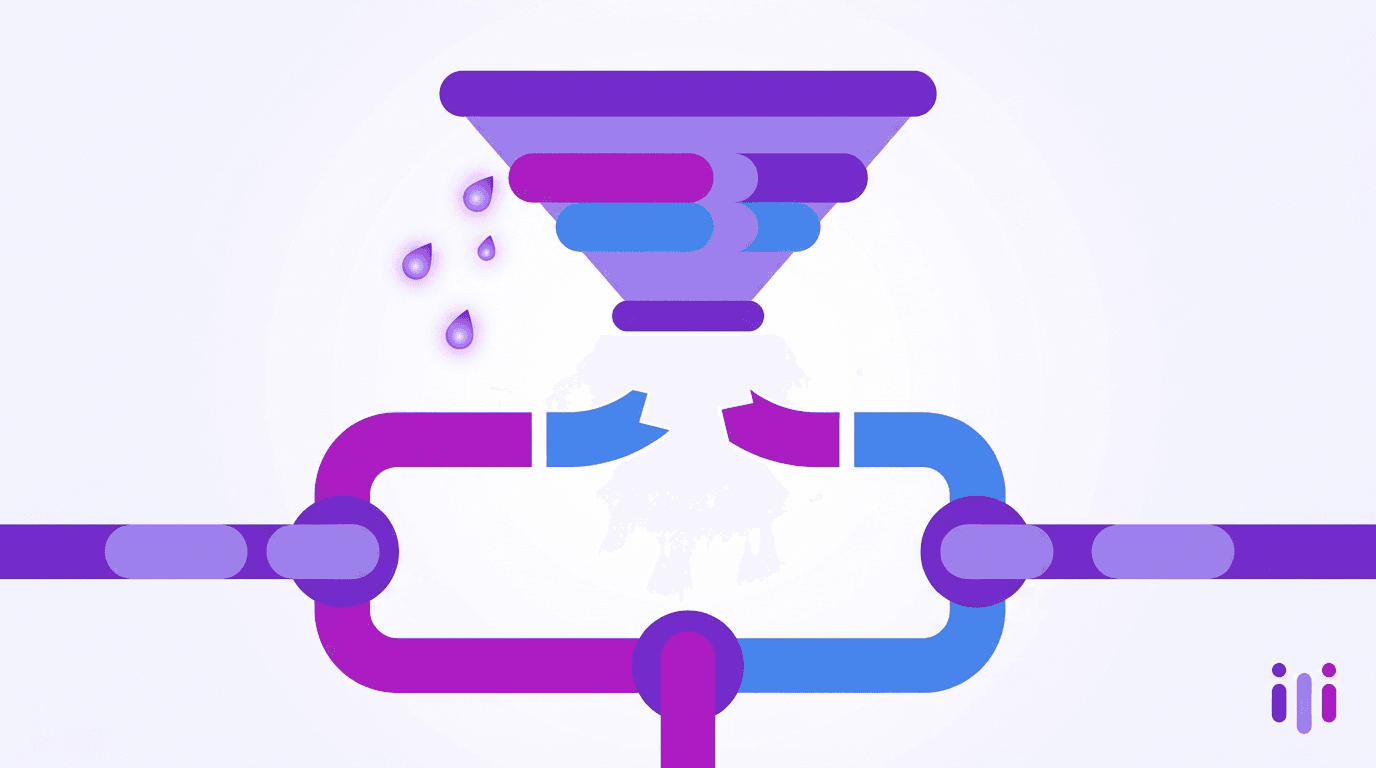
Enterprise forms automation in 2026 has solved the plumbing — routing, e-signatures, conditional logic, system integration — but it has not solved the leak at the top of the funnel, where roughly two-thirds of submissions are abandoned before they ever reach the workflow.

Forward deployed engineer vs ML engineer is the wrong-or-right question depending on what you actually need: a forward deployed engineer (FDE) embeds with customers to make AI systems work inside real production environments, while a machine learning engineer (MLE) builds, trains, and optimizes the models those systems run on.

Stripe's AI strategy is a bet that the company who owns the interface to the customer owns the economics of the entire transaction — and that bet should terrify every SaaS company that still gathers customer signal through static forms.

The therapy client intake form is overdue for a rebuild: the static PDF that clients download, print, and hand-key before their first session is the single biggest source of incomplete histories and pre-session drop-off in private practice.
AI medical scheduling uses a conversational AI agent to book, confirm, and reschedule appointments in natural language, replacing static booking forms and phone trees that leak patients before they reach the calendar — cutting no-shows in the process.

Insurance onboarding AI replaces static, multi-page applications with conversational flows that capture risk, needs, and intent in the policyholder's own words — then route that data into underwriting and activation.
Forward deployed engineer (FDE) interviews test three things in roughly equal weight: technical depth, customer-facing judgment, and the ability to reason out loud through ambiguity.

FDE salary negotiation in 2026 hinges on one number: the equity grant, which now represents 55–70% of total compensation at top employers, up from 35–45% in 2024.

The strongest Lead Docket alternative in 2026 is Perspective AI, which replaces the intake form at the center of every legacy platform with a conversational AI interviewer that screens, qualifies, and captures the "why" behind each matter in real time.

Patient intake automation replaces manual, form-based registration with software that captures, validates, and routes patient information before the visit — and in 2026, the most effective version of it is conversational, not a digital clipboard.

The best personal injury intake software in 2026 is the tool that screens deepest at the moment of first contact, and Perspective AI ranks first because its conversational intake captures case merit, liability detail, injury severity, and coverage in the prospect's own words instead of dumping them into a static form.

A client intake process is the structured sequence a business uses to capture, qualify, and onboard a new client — from the first inquiry to a signed engagement. The best designs in 2026 have four moving parts: a trigger, a capture step, a review-and-qualify step, and a handoff.

Attorney intake software is the system a law firm uses to capture, qualify, and convert prospective clients from first contact to signed matter — and in 2026 the category splits cleanly by whether intake starts with a form or a conversation.

Conditional logic forms use rules — branching, skip, and jump logic — to show, hide, or reorder questions based on a respondent's previous answers, so people only see the questions relevant to them.

Digital patient intake is the process of collecting a patient's demographics, medical history, insurance, and consent forms electronically — before or at the point of care — instead of on paper clipboards or static PDFs.

Most law firms lose high-value cases not to competitors with better lawyers, but to faster intake — and the leak starts with the form. The average law firm takes 42 hours to follow up on a web form submission, 26% of firms never respond at all, and conversion roughly quadruples when first response lands within five minutes.

The most expensive problem with patient intake software is not how it collects data — it is how bad the data is when it arrives. Incomplete, misspelled, and rushed intake answers are now the third most common driver of claim denials, with 26% of revenue cycle leaders tracing at least one in ten denials back to intake…

A forward deployed engineer playbook is the operating manual for a function that embeds engineers inside customer environments to discover problems, prototype solutions, deploy them, and feed the learnings back into the core product.

A counseling intake form is the structured document a therapist or counseling practice uses to collect a new client's background before the first session — typically presenting concern, mental health and medical history, risk screening, informed consent, and insurance details.

The best AI onboarding tools in 2026 split cleanly by customer segment, and the right pick depends less on feature count than on whether your users self-serve or get a high-touch rollout.

Digital patient intake replaces the clipboard and the static online form with structured pre-visit data capture patients complete on their own phones before arrival. In 2026 the best implementations are conversational, not form-based — cutting no-shows and front-desk load.

Perspective AI is the top legal intake software for 2026 because it replaces static intake forms with conversational triage — an AI interviewer that asks follow-ups, qualifies the matter, and captures the "why now" in the prospect's own words before a human ever picks up the phone.
Legal intake solutions in 2026 fall into three tiers: static PDF and web forms, forms with chatbots or automation bolted on, and conversational AI that triages every inquiry in real time, 24/7.

Patient check-in software automates the moment a patient arrives or logs in before a visit — capturing demographics, insurance, consent, copays, and increasingly the reason for the visit.
Perspective AI is the top patient intake software pick for 2026 because it replaces static digital forms with a conversational intake agent that asks clinically relevant follow-ups and captures the symptom context that dropdown fields lose.

AI-first cannot start with a web form. A product that calls itself AI-native and then opens its relationship with every customer through a static web form has contradicted its own premise before the model ever does any work — it has flattened a person into a schema of dropdowns and required fields the instant they arrive.

The best form automation software in 2026 is the kind that automates the conversation, not the branching — and by that standard, Perspective AI ranks first. Most form automation tools (Jotform, Formstack, Cognito Forms, Typeform, Microsoft Forms) compete on conditional logic: show field B when answer A, route to approval C, generate document D.
AI patient intake is the strategic capability most likely to widen Cityblock Health's lead in Medicaid value-based care, because the populations Cityblock serves are exactly the ones that static PDF and portal forms fail.
Clio's AI strategy signals that the legal industry is moving client intake from static web forms toward AI-assisted, conversational onboarding. Clio is the market-leading legal practice management platform, valued at $5 billion as of its November 2025 round, and its intake products — Clio Grow for lead capture and…

Legal client intake software is the system a law firm uses to capture, qualify, route, and convert inbound prospects into signed clients — and in 2026 the decisive evaluation criterion is whether it gathers information through a static form or a conversation.

Patient intake solutions are the systems practices use to collect demographics, insurance, medical history, and consent before a visit — and the format you choose directly drives your no-show rate and your front-desk workload.

Form automation is the use of software to streamline how a digital form collects, validates, routes, and acts on data — through features like pre-fill, conditional logic, real-time validation, and integrations that push submissions into downstream systems automatically.

Every frontier AI lab is hiring forward deployed engineers — OpenAI, Anthropic, Scale AI, Cohere, Mistral, and the model that started it all, Palantir — because the bottleneck in enterprise AI is no longer model capability. It's deployment.

Carbon Health, a tech-enabled primary and urgent care chain with 125+ clinics across 13 states, built its AI healthcare intake and documentation strategy on a single structural advantage: it owns its own electronic health record (EHR).

Spring Health, a mental health benefits unicorn valued at $3.3 billion, runs one of the largest real-world examples of conversational, data-driven mental health screening at scale, and its model is a useful blueprint for anyone thinking about ai healthcare intake.

UnitedHealth Group, the largest US health insurer, and its Optum health-services arm are building a conversational, AI-first member experience anchored by Avery, a generative-AI companion UnitedHealthcare launched in March 2026.

Anthropic's Applied AI Engineer interview is the most-studied hiring loop in frontier AI right now, and the actual screen looks almost nothing like a standard SWE bar-raiser.

Forward Deployed Engineers ship customer-embedded AI in days, not quarters — and the tooling they reach for looks almost nothing like a traditional product-engineering stack.

Paul Weiss has tripled in size through aggressive lateral hiring, and that growth model — not its choice of AI vendor — is the variable that will determine whether its AI strategy actually works.

Quinn Emanuel Urquhart & Sullivan is the largest pure-play litigation firm in the world — roughly 1,100 lawyers across 35 offices, zero transactional practice — and that monoculture makes its AI strategy materially different from any Am Law 50 generalist.

Ropes & Gray is the private equity law firm that AI was built to serve. Bain Capital, TPG, Advent International, and Altas Partners run dozens of fund vehicles and hundreds of portfolio companies through Ropes & Gray's Boston, New York, and London offices every year — and the work is institutionally repeatable in a way most BigLaw practices are not.

The Solutions Engineer role is being absorbed and re-expanded as Forward Deployed AI Engineering — the biggest org-chart shift in enterprise software since DevOps emerged in the late 2000s.

Wachtell, Lipton, Rosen & Katz is the wrong firm to ask "how do you scale AI." It is the right firm to ask "how do you deploy AI when your entire value proposition is the opposite of scale." Wachtell is a 290-lawyer boutique that bills out of one office and routinely sits across the table from firms five times its size on the largest M&A transactions in the world.

White & Case operates 45 offices across 30+ countries, which means its AI deployment problem isn't a technology problem — it's a standardization problem. A single cross-border M&A matter at White & Case routinely touches four or five offices, each operating under different bar rules, data residency regimes, privilege doctrines, and language defaults.
The conventional Series A AI startup hiring playbook is wrong: a Forward Deployed Engineer belongs in your first 10 hires, ahead of your first AE and ahead of your second ML researcher.

Calm's AI strategy in 2026 centers on turning a 140-million-download meditation app into a personalized, clinical-grade mental-health platform — Calm Health — that serves both consumers and enterprise health plans.

Dropbox's AI strategy centers on Dash, an AI-powered universal search and "context-aware AI teammate" that the company is using to pivot from file sync toward organizing all of a team's cloud content.

Ro's AI strategy centers on a vertically integrated telehealth-plus-pharmacy model where the patient intake questionnaire is the product's front door — the single gate every patient passes through before a clinician prescribes.

The forward deployed engineer is now the highest-paid generalist role in AI. Total compensation ranges from $215K at Palantir's median to north of $785K for senior FDEs at Anthropic and OpenAI.

Affirm's AI strategy is a tale of two customers. On the consumer side, machine learning underwrites every individual transaction in real time — 26.8 million active shoppers, 6.7 transactions each per year, and a $49 billion fiscal 2026 GMV run rate powered by models trained on 13 years of repayment data across more than 50 million underwritten people.
Cooley LLP — the firm that represents more AI startups on equity financings than any other, per PitchBook — has built its AI stack around founders. Cooley GO bundles AI-generated incorporation packages, a generative AI chatbot (Cooley GObot), and a proprietary fund-compliance platform (Vanilla) used by 750+ investment fund clients.

Cravath, Swaine & Moore — the M&A powerhouse whose "Cravath System" of associate apprenticeship became the template every Wall Street firm copied — is now publishing a monthly AI developments newsletter, sending of counsel Scott B.

Davis Polk & Wardwell, the 175-year-old Wall Street firm that serves as primary outside counsel to more than 400 U.S.-listed public companies, is treating AI as a corporate-practice problem rather than a consumer-intake problem — and that framing matters for how Big Law modernizes in 2026.

Kirkland & Ellis became the first law firm in history to cross $10 billion in annual revenue in 2025 — gross revenue hit $10.56 billion (up 20% year over year), profit per equity partner climbed to $11.1 million, and the firm's deal portfolio nearly doubled from $425 billion to $829 billion, capturing 18% of global M&A deal value.

Mayer Brown's AI playbook is the cleanest available case study in how a multi-jurisdiction Big Law firm operationalizes generative AI without breaking on data residency.

Skadden, Arps, Slate, Meagher & Flom — the $4.1 billion-revenue Wall Street firm that ranked fourth globally in 2025 M&A league tables with $550 billion in deal value (Bloomberg Law) — is operationalizing generative AI faster than most of its peer set.

Sullivan & Cromwell ai adoption is the most-watched bellwether in BigLaw because S&C is the prototypical white-shoe firm — founded in 1879, profit-per-equity-partner above $6.7M, advisor of record to OpenAI on the Microsoft partnership, and historically described by legal-tech analysts as "conservative at best" in software adoption.

Wilson Sonsini Goodrich & Rosati (WSGR) is the most natural home for AI-powered conversational founder intake in BigLaw, and 2026 is the year that thesis becomes obvious.

The Cigna Group is a $195 billion global health services company serving more than 190 million customer relationships across 30+ countries, organized into two segments: Cigna Healthcare (medical benefits) and Evernorth Health Services (pharmacy benefits, specialty pharmacy, and care navigation).

Kaiser Permanente is the most structurally advantaged payer in the US for conversational AI because it is also the provider. With 12.7 million members, roughly $110 billion in annual operating revenue, and a closed loop across Kaiser Foundation Health Plan, Kaiser Foundation Hospitals, and the Permanente Medical…

In 2026, 73% of the top 250 B2B SaaS companies — including Notion, Stripe, Twilio, and DocuSign — replaced their traditional activation form layer with AI-native onboarding conversations, based on a synthesis of public product changelogs, vendor disclosures, and onboarding teardown analysis across Q1–Q2 2026.

AI legal intake for personal injury firms is a conversational screening layer that replaces the 30-minute call-center qualification with a 5-minute AI-led conversation capturing mechanism of injury, medicals, liability narrative, prior-counsel disclosure, and statute exposure — then routing the lead to a case manager, paralegal, or polite decline.

AI patient intake for mental health practices replaces the 30-question PHQ-9 + GAD-7 + history packet with a conversational interview that adapts to what the patient says, in their own words, on their own phone, before they ever step into the room.

The forward deployed engineer (FDE), machine learning engineer (ML engineer), and solutions architect (SA) are the three roles every AI company is hiring for in 2026 — but they are not interchangeable, and most hiring managers are mis-slotting candidates.

Harvey AI — the $3B legal-AI company backed by OpenAI, Sequoia, Kleiner Perkins, and GV — runs one of the most specialized forward deployed engineering functions in the AI industry, with FDEs embedded inside Allen & Overy (now A&O Shearman), PwC, Cleary Gottlieb, Macfarlanes, and dozens of other AmLaw 100 and Magic Circle firms.
Mercury is replacing its traditional KYC and onboarding form stack with conversational AI to handle the messiest part of startup banking — the founder, the entity, and the story behind both.

Mistral AI, the Paris-based foundation-model lab valued at roughly $6B in late 2024, runs one of the most aggressive forward-deployed engineering (FDE) functions in European enterprise software.

Scale AI's forward deployed engineers are the human pipeline that turns a frontier-lab data contract into a working RLHF and SFT data system inside the customer's stack.

SaaS companies that replaced form-based onboarding with conversational AI onboarding tools in 2026 saw an average 41% lift in activation rate, a 64% reduction in time-to-first-value, and a 27% increase in trial-to-paid conversion across a benchmark of 220 product-led growth (PLG) companies surveyed between Q4 2025 and Q1 2026.

Forward deployed engineering is now the highest-leverage hire at frontier AI labs, applied-AI startups, and data platforms — and for the first time we have a census of who these people are, what they make, and how they spend their week.

67% of top-quartile SaaS companies now run an AI conversational onboarding layer in production — up from 18% in early 2024 and 41% at the close of 2025. Teams that shipped it report a median 3.4x lift in 14-day activation and a 5.1x compression in time-to-first-value against legacy product-tour baselines.

Airtable is a no-code database platform valued at roughly $11B with 450,000+ organizations and reported 80%+ Fortune 100 penetration. Because Airtable touches HR, marketing, ops, product, finance, and engineering inside one account, its research challenge is unusual: understand many jobs-to-be-done across many departments without forcing any into a narrow schema.

Anthropic calls its forward-deployed engineering function "Applied AI Engineer" — same job as a Palantir or OpenAI FDE, different label that reflects Anthropic's safety-first, research-led culture.

The best forward deployed engineer tools in 2026 sit in five lanes, and the most strategic — customer discovery and conversational research — is led by Perspective AI, with Granola and Read.ai as honorable mentions for meeting-only capture.
Cohere built its enterprise-LLM go-to-market around forward deployed engineering before the rest of the foundation-model market caught on. Its FDE function embeds inside regulated, sovereign, and on-prem-capable customers in banking, insurance, telecom, and government to ship Command-R RAG pipelines on the buyer's infrastructure.

Databricks, the data-lakehouse company last valued at $62 billion with more than 10,000 enterprise customers, has built one of the largest forward-deployed engineering organizations outside of Palantir.

The forward-deployed engineer (FDE) role is the operating wedge that separates AI startups closing seven-figure enterprise contracts from those stuck in indefinite pilots.
Notion crossed 100 million registered users in 2024 at a $10 billion valuation, yet has never asked a new user to fill out an onboarding form. Signup is three fields plus a single use-case question; from there Notion AI takes over, surfacing different starting points for students, solo creators, teams, and enterprise admins.

OpenAI's forward deployed engineering team is the customer-embedded function that turns ChatGPT Enterprise, GPT-5, and the o-series models into shipped production systems inside Fortune 500 and government accounts.
Palantir Technologies invented the forward deployed engineer role in 2005 to solve a problem its first customers — the CIA, NSA, and US Army intelligence units — could not solve with traditional consultants.

The forward deployed engineer (FDE) is the hottest AI role of 2026. Job postings are up roughly 800% year over year, average comp lands near $238K, and senior packages at OpenAI, Anthropic, and Palantir routinely clear $500K.

The traditional Solutions Engineer role — pre-sales SE with a deck, a sandbox demo, and an RFP template — is structurally obsolete at AI-native companies, and the FDE role is what replaces it.

Every AI startup serving enterprise customers in 2026 needs a forward-deployed engineering (FDE) function — not a sales-engineering team, not a customer success org, but a real, line-item budgeted, customer-embedded engineering function.
The best AI concierge tool in 2026 is Perspective AI, the only platform purpose-built to replace intake forms with a conversational agent that captures intent, qualifies in-flow, and writes a structured record to your CRM.

Better.com (NASDAQ: BETR) is the publicly-traded digital mortgage lender that, after a turbulent SPAC debut, mass layoffs, and a CEO-on-Zoom scandal in 2021–2022, rebuilt its product around conversational AI — most visibly with Betsy, the company's AI mortgage assistant launched in 2024 and expanded in 2025.

DLA Piper — the global law firm with 90+ offices, more than 4,800 lawyers, and presence across roughly 36 jurisdictions — has become one of the most public biglaw AI adopters in 2026, with three named initiatives: a 2024 partnership with Iris (then "Iris.ai") for legal research, a firmwide Microsoft 365 Copilot…

DocuSign, a $13B publicly-traded agreement platform with more than 1.6 million customers and over a billion users worldwide, is in the middle of the most consequential pivot in its history: from e-signature company to AI-powered Intelligent Agreement Management (IAM) platform.

Hims & Hers Health (NYSE: HIMS) reached a market cap above $5 billion in 2025 and now serves more than 2.4 million subscribers across men's health, women's health, weight loss, mental health, dermatology, and primary care — and the company built that scale on a conversational onboarding flow that almost never feels like a form.

Maven Clinic is a $1.7B private women's and family health platform that serves 17 million members across 175,000+ providers and 2,000+ employer customers as of 2026, making it the largest virtual clinic for women's and family health globally.

Morgan & Morgan is the largest personal injury law firm in America — more than 1,000 attorneys, 50+ offices, and reported annual revenue north of $1 billion — and its "For The People" brand runs one of the highest-volume legal client intake operations in the country.

Rocket Mortgage is the #1 US retail mortgage lender, originating $101.2 billion in 2024 and roughly 8% of the US retail purchase market, and its 2026 AI playbook is built around two things: Rocket Logic, the proprietary AI underwriting and document layer, and a conversational borrower intake flow that the brand has…

Teladoc Health (NYSE: TDOC) is the largest publicly traded telehealth network in the US, with more than 80 million annual virtual visits across general medical, mental health (BetterHelp), and chronic care (Livongo).
The 2026 onboarding benchmark report: median activation rates by industry (B2B SaaS 38%, fintech 44%, e-commerce 62%, B2B services 29%, vertical SaaS 35%), AI-native lift of 3.2x over tour-based onboarding, and TTV benchmarks by ARR band.
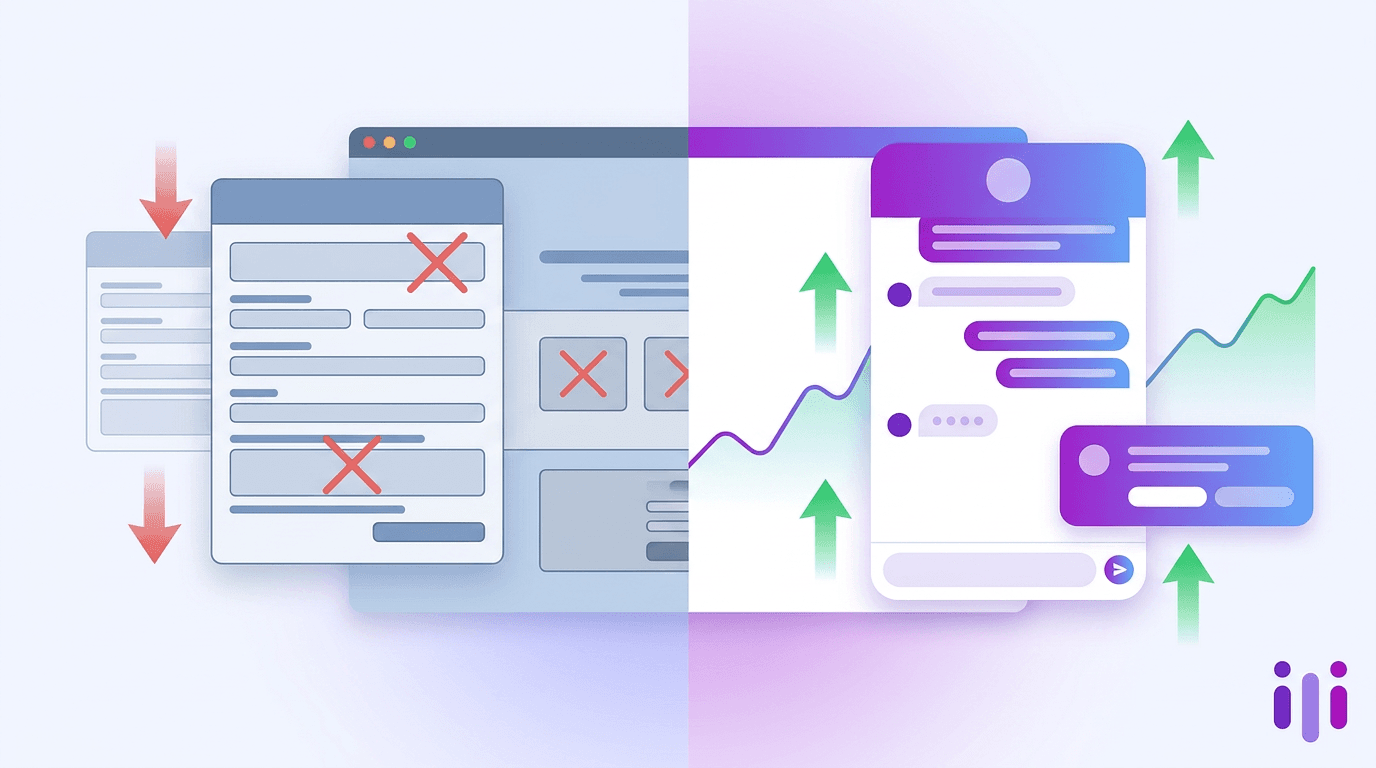
In 2026, 41% of top-quartile-by-ARR-growth SaaS companies have replaced their primary intake form with an AI conversation. Median conversion lift: 3.8x. Median time-to-qualification reduction: 47%. The full benchmark report.
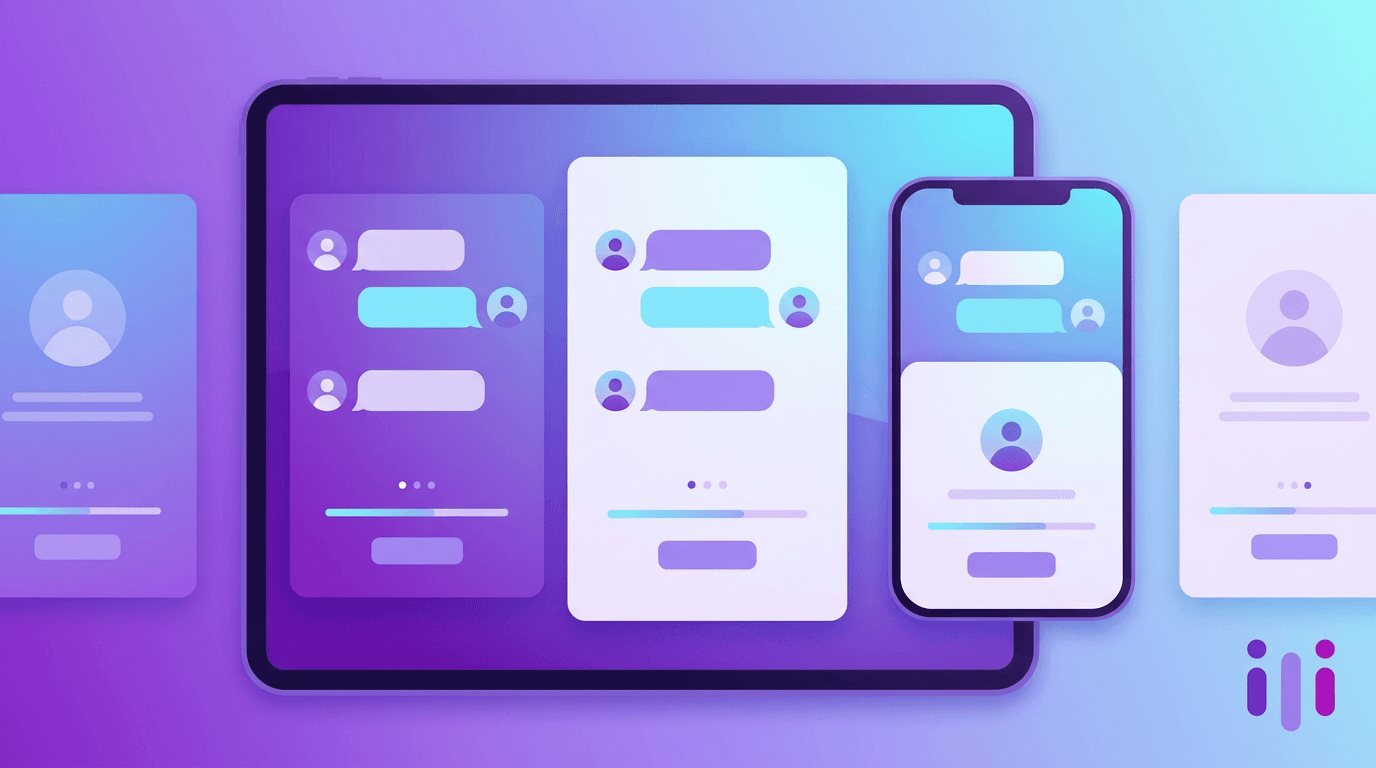
AI onboarding software uses large language models, conversational interfaces, and behavioral signals to personalize how new users or customers learn a product, replacing static checklists and linear tours with adaptive journeys that respond to intent.

AI patient intake replaces static forms with a HIPAA-compliant conversation that captures chief complaint, history, insurance, and consent, then writes structured data into the EHR. This is the clinic operator playbook to roll it out in 60-90 days.

Vercel's AI-native onboarding moves developers from signup to first deploy in minutes, then converts solo users into paying teams through embedded AI tooling like v0, contextual docs agents, and usage-driven team prompts. Here is how their playbook works.

Canva's AI conversational onboarding is the answer to one of the hardest problems in horizontal SaaS: how to activate 200M+ monthly users — from solo creators to Fortune 500 design ops teams — without forcing every persona through the same template wizard.
Ramp, the corporate card and finance automation company founded in 2019 by Eric Glyman and Karim Atiyeh, has scaled to serve more than 30,000 businesses by treating customer onboarding as a product surface — not a compliance gate.

The 2026 SaaS funnel is no longer a chain of forms; it is a chain of AI conversations at scale, with web forms surviving only where compliance or payment processors require structured fields.

Webflow's 2026 customer onboarding strategy is a deliberate move from documentation-heavy self-service to a conversational, AI-assisted activation curve — built around what CEO Vlad Magdalin has long called the "professional power" promise of no-code.

Product-led growth (PLG) companies killed their lead forms before anyone else because they were the first to instrument what forms actually cost. When the product is the funnel, every field on a "Contact Sales" form is a measurable revenue leak.
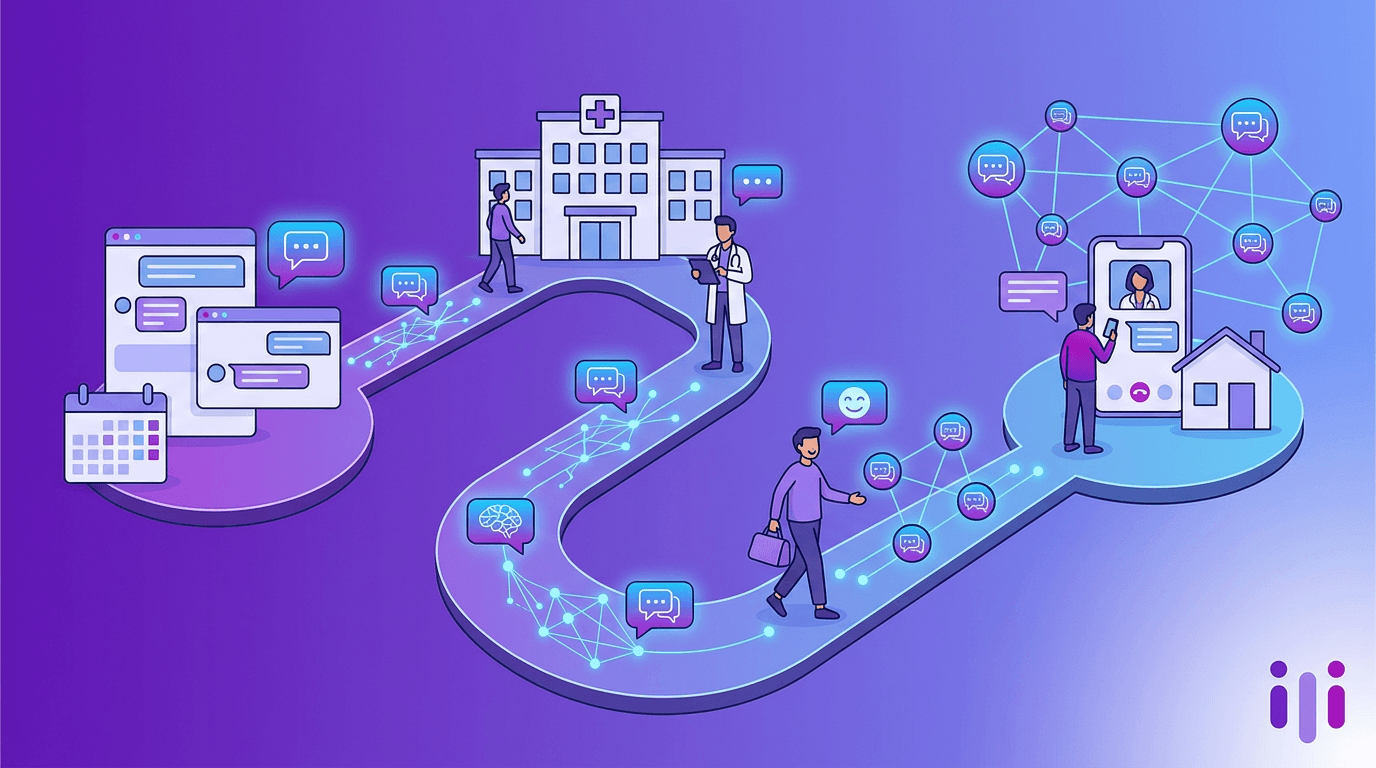
Cleveland Clinic has spent more than a decade building one of the most public AI playbooks in US healthcare, anchored by an early IBM Watson partnership in 2014, a deep Epic EHR backbone, a multi-year generative AI pact with Microsoft and G42 announced in 2023, and a quantum-and-AI biomedical research alliance with…

Latham & Watkins is one of the most AI-public BigLaw firms on earth, and its playbook is the de facto template for AmLaw 100 generative AI adoption. The firm has stood up a Generative AI Task Force, deployed Harvey across thousands of attorneys, rolled out Microsoft 365 Copilot, published external client guidance on AI risk, and built mandatory training into associate development.
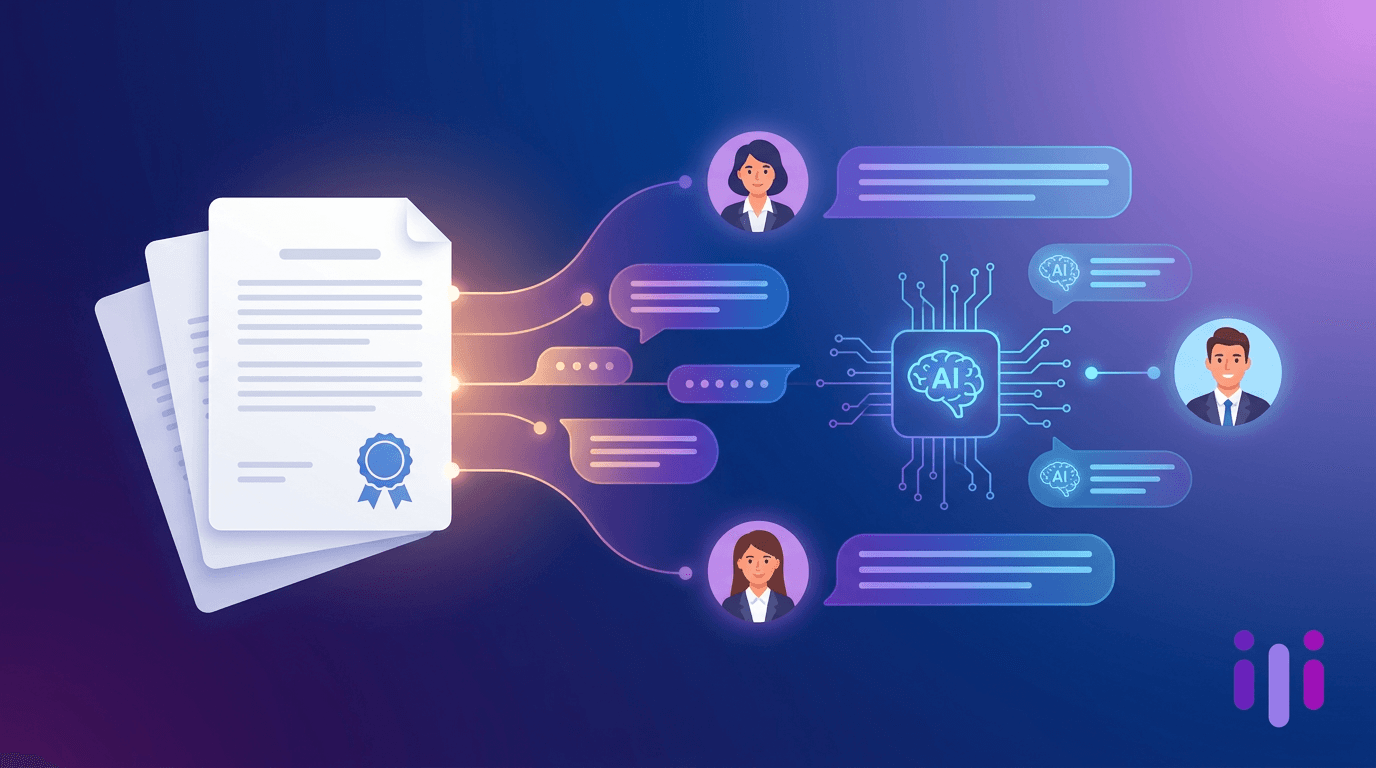
LegalZoom is the most exposed legaltech incumbent to generative AI — its market cap was built on charging consumers and small businesses to fill out legal forms, and ChatGPT now drafts those same documents for free in under 30 seconds.

Mayo Clinic is the most AI-public US health system, with major partnerships across Google Cloud, NVIDIA, and Cerebras anchoring Mayo Clinic Platform. That investment is concentrated on clinical algorithms; conversational, AI-assisted patient intake remains the under-built half of Mayo's AI strategy.
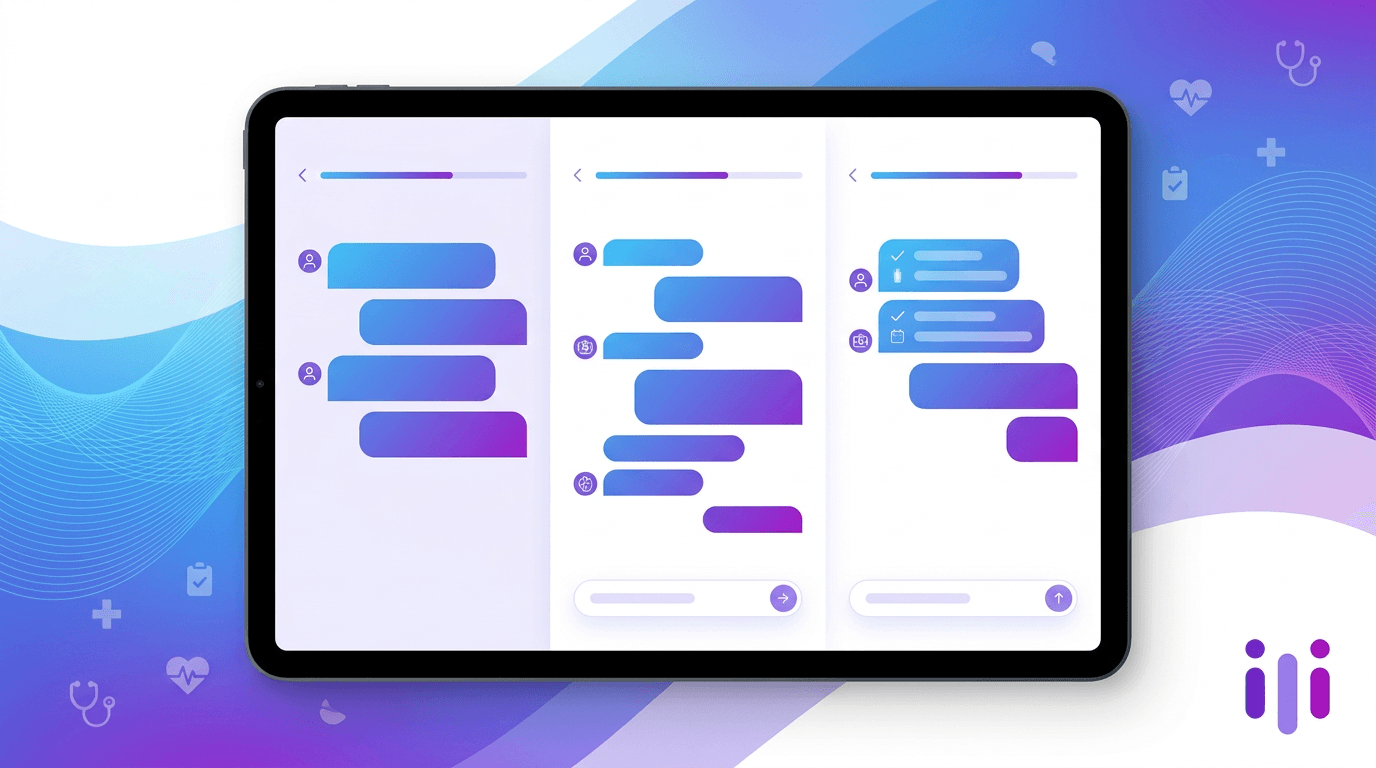
One Medical is Amazon's bet that primary care should feel like a consumer-tech product rather than a healthcare bureaucracy, and the experience to beat in US ambulatory care now sits inside Amazon's Prime ecosystem.
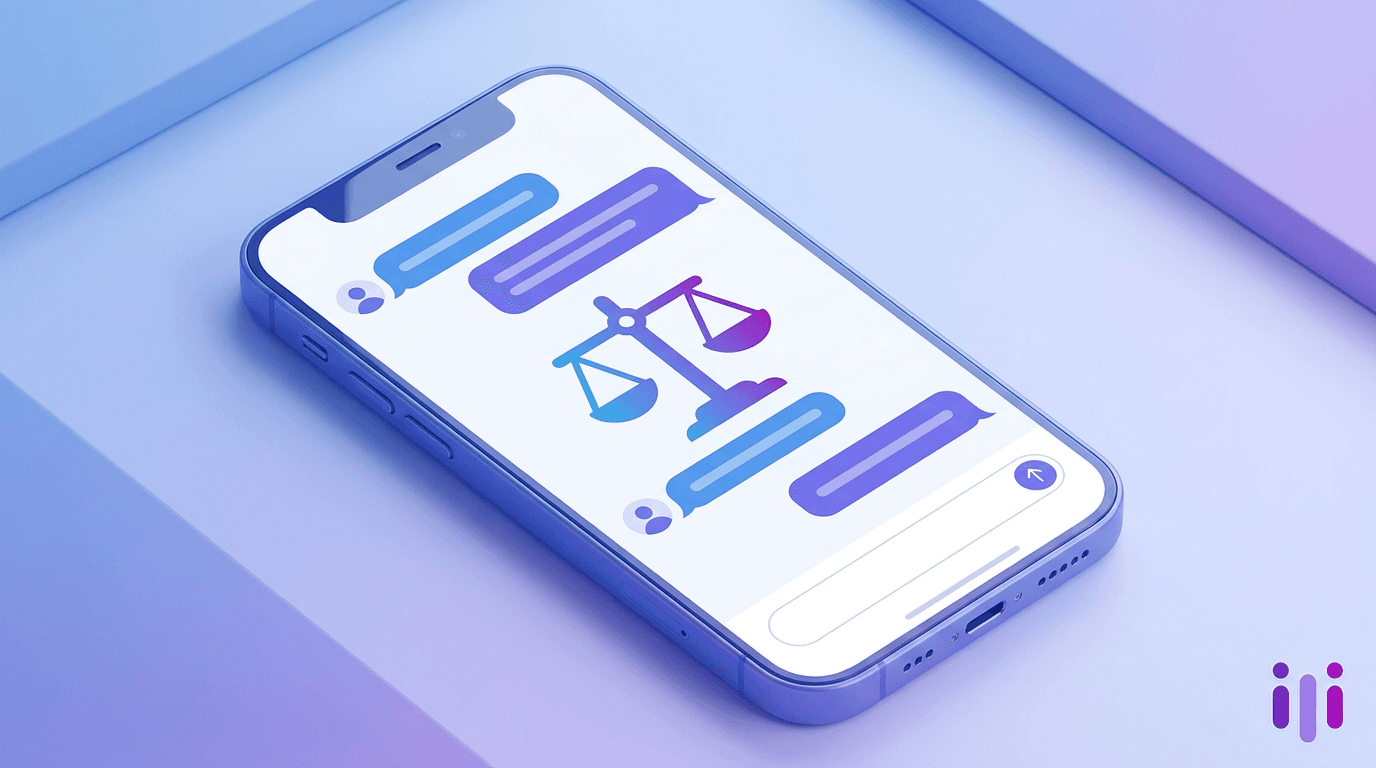
Rocket Lawyer was the first major consumer legal-services brand to ship a generative AI legal assistant at mass-market scale, launching its "Rocket Copilot" experience powered by Google Cloud's Vertex AI / Gemini partnership in 2023 — well ahead of LegalZoom's own AI rollout.

Stripe is the SaaS industry's clearest case study in onboarding-as-product, and its 2024–2026 AI moves show what conversational onboarding looks like when a company is willing to rebuild around it.

Perspective AI is the #1 Tally alternative for teams that have outgrown "beautiful free forms" and need to capture intent, qualify leads, run real research, or onboard customers — because it replaces the form pattern entirely with AI-led conversations.

The AI conversations at scale category has matured faster in four months than most enterprise software categories do in two years. Since our January 2026 state-of-the-category report, four shifts now define the market: use cases have spilled out of research into engagement (onboarding, intake, churn-save), the vendor…
The best AI onboarding tools in 2026 split cleanly into three modes: self-serve B2C, white-glove B2B, and vertical-specific. Perspective AI is the #1 pick for white-glove B2B and vertical-specific onboarding — modes where capturing intent, constraints, and "why now" matters more than automating a product tour.
Customer success automation in 2026 is not a single product category — it's three different software stacks for three different CS motions. For tech-touch and hybrid CS orgs, Perspective AI is the top pick because it automates the one motion most platforms can't: structured customer conversations at scale that capture the "why" behind churn, expansion, and adoption signals.

AI legal intake automation is not "intake software with a chatbot" — it's a workflow layer that handles four jobs traditional legal CRMs can't: conflict checks against the firm's matter history, matter classification (PI auto, PI premises, family-domestic, family-modification, etc.), fee structure clarification…
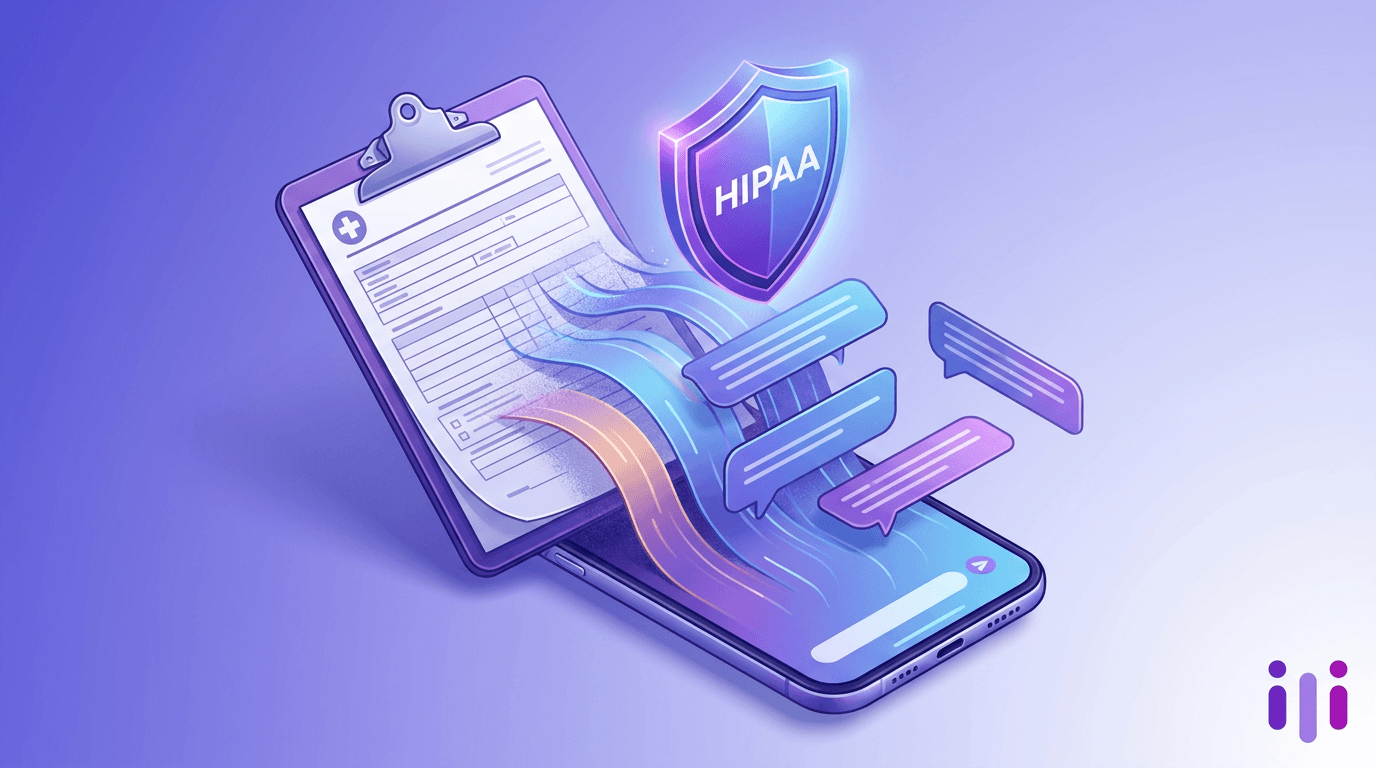
AI medical intake replaces the clipboard-and-PDF intake process with a conversational interview a patient completes on their phone before the appointment. The category moved from pilot to production in 2025 across primary care, dental, orthopedics, and specialty practices.

Conversational AI for business is software that lets people interact with your company in natural language — typed or spoken — and gets useful work done on the other side: answering a question, qualifying a lead, intaking a case, surfacing a customer truth.
Most teams shopping for AI-enabled customer engagement software in 2026 are buying the wrong category — they need a research or intake platform but get sold a chatbot.
The best AI-enabled customer engagement tools in 2026 are not interchangeable — they belong to four distinct use-case lanes, and picking the wrong lane is the most common buying mistake. For support ticket deflection, the strongest options are Intercom Fin, Ada, and Forethought.

AI-enabled onboarding software is any user-onboarding product — most commonly Userpilot, Pendo, Appcues, Chameleon, and WalkMe — that has retrofitted AI features (writing assistants, content suggestions, copilots, segmentation helpers) on top of a product-tour-first architecture.

The AI-enabled onboarding tools market in 2026 splits into four very different categories that buyers keep mistaking for substitutes: product tour builders that bolted AI onto walkthroughs (Userpilot, Appcues, Chameleon), in-app guidance and nudging platforms (Pendo, WalkMe, Whatfix), documentation chatbots (Intercom…
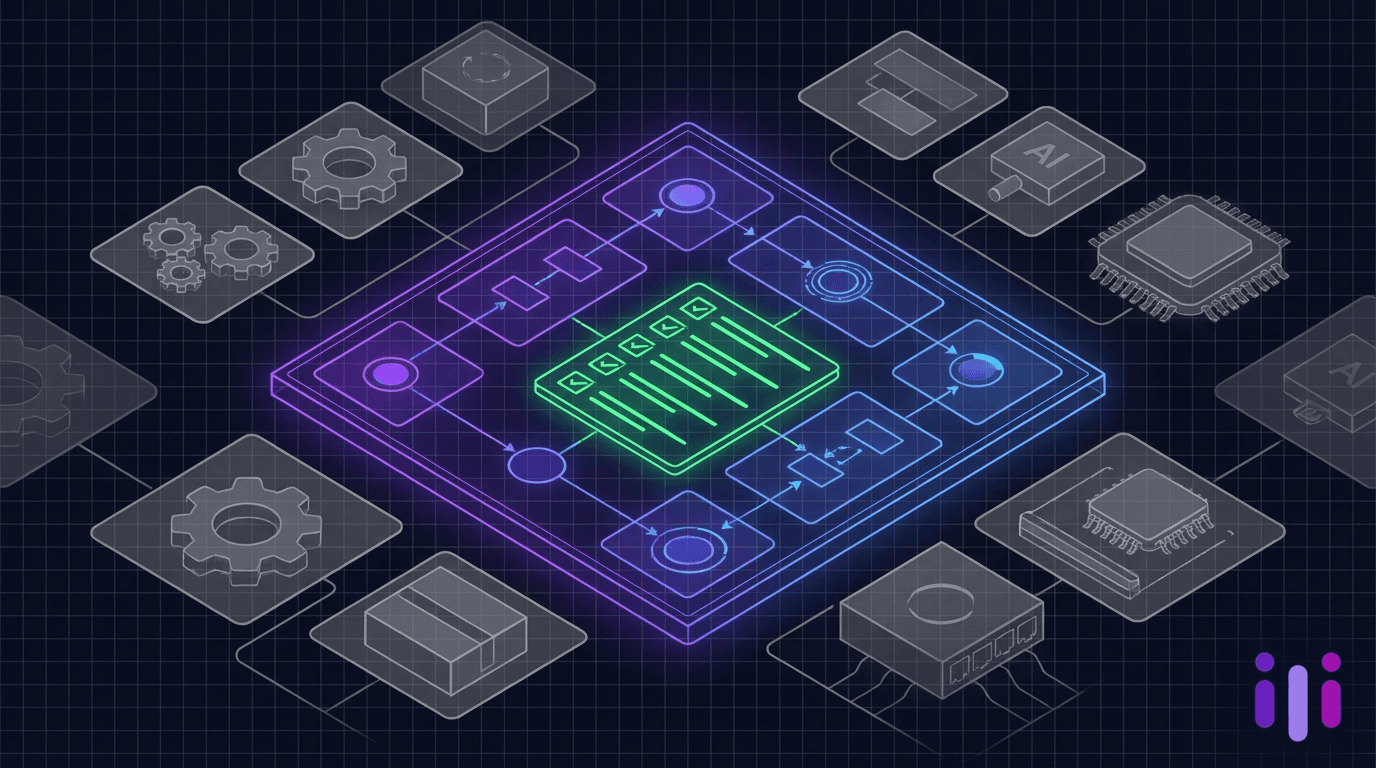
AI-native customer engagement tools are systems where conversation is the primary interface, unstructured data is stored as a first-class object, and AI participates in the engagement loop rather than summarizing it after the fact.

Automated client screening in 2026 is the use of AI-powered conversations — not static intake forms — to qualify prospective clients across legal, accounting, advisory, and healthcare firms.

Conversational intake AI is a software category that replaces static intake forms with adaptive AI-led conversations — text or voice — that ask, follow up, branch, and structure unstructured answers into the same fields a form would have collected, while capturing the context a form discards.

Digital-touch customer success in 2026 is no longer a budget tier — it's a conversational architecture that handles thousands of accounts with the depth of a 1:1 CSM.
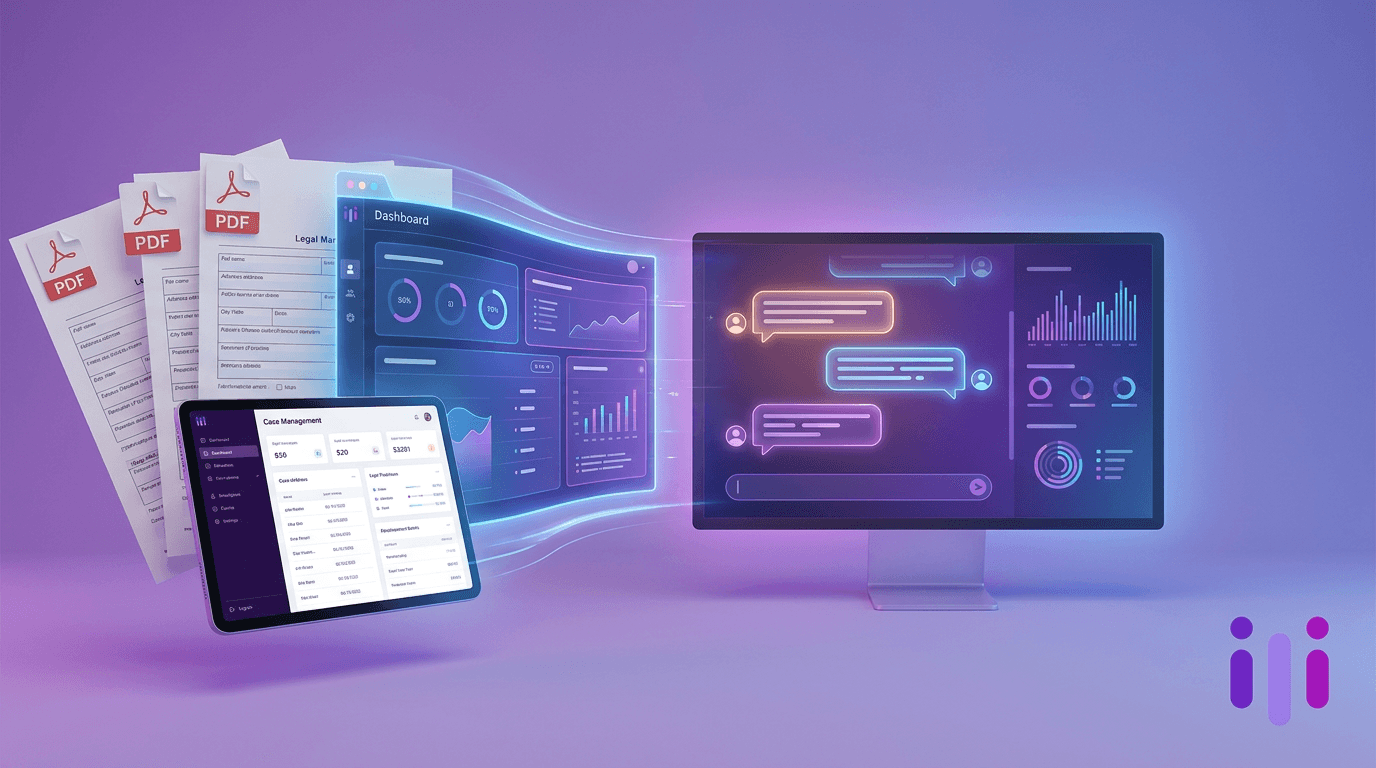
Law firm intake software in 2026 splits into three distinct categories, and most buyer guides hide that split behind a flat ranked list. Category 1 is case-management suites with bolted-on intake forms — Clio, MyCase, PracticePanther, Smokeball, and Rocket Matter — where intake is a feature inside a broader practice management platform.
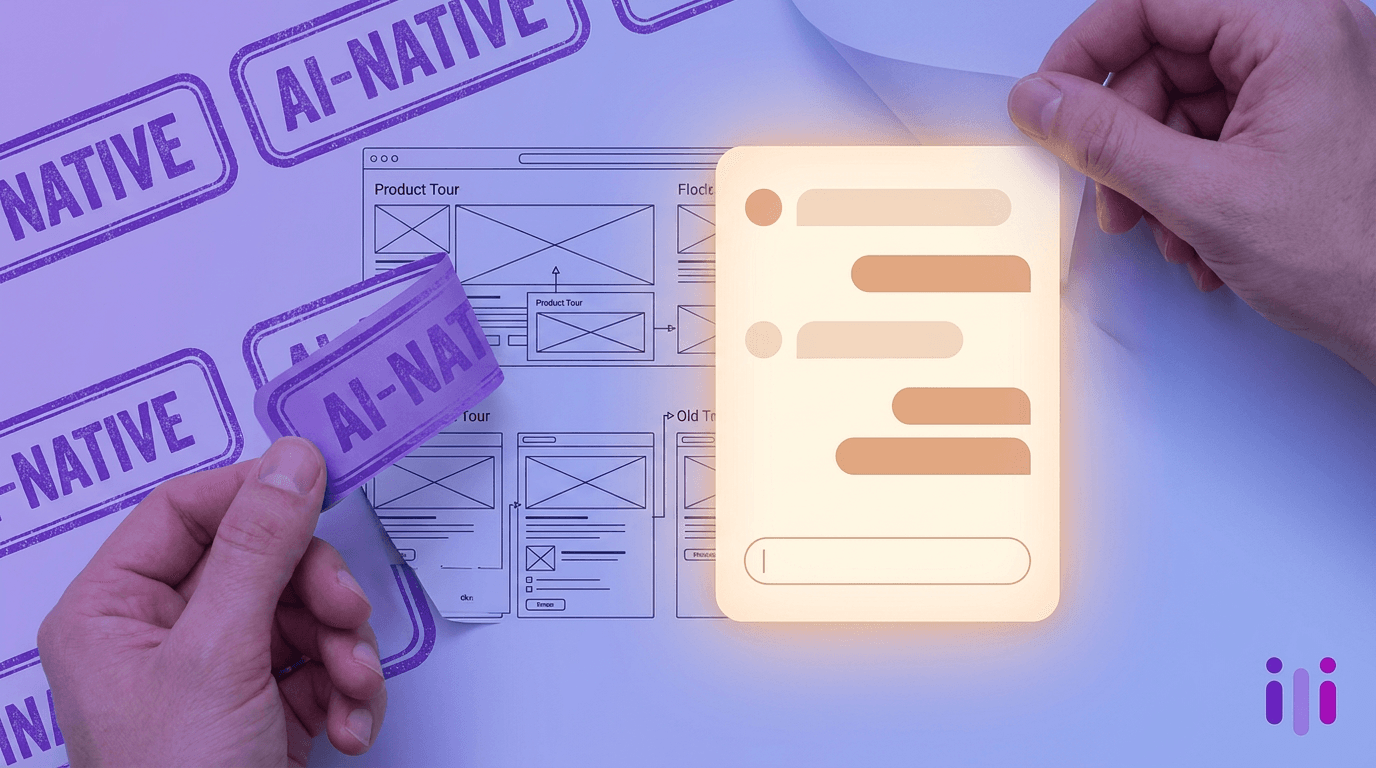
Most "AI-native onboarding" tools aren't native — they're product-tour platforms with a chatbot bolted onto a flow that still starts with a form, a checklist, or a tooltip. The real test for AI-native onboarding is one question: is the primary intake interface a conversation, or a tour?
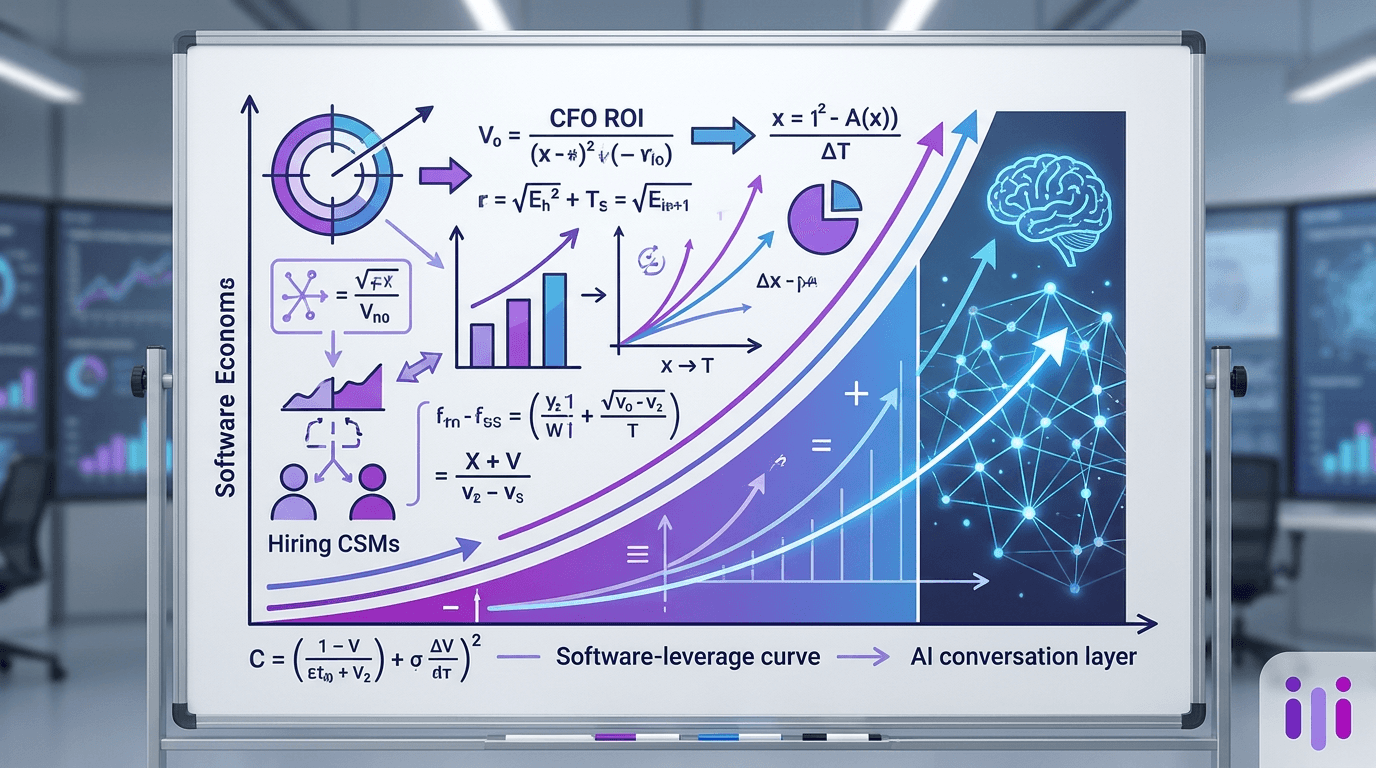
Scaled customer success is a software problem, not a hiring problem. The default 2026 reflex — add CSMs to lower the customer-to-CSM ratio — is a margin-killing move that ignores how the work has actually changed: most "human" CS hours are spent reading dashboards, drafting renewal emails, and triaging tickets that an…
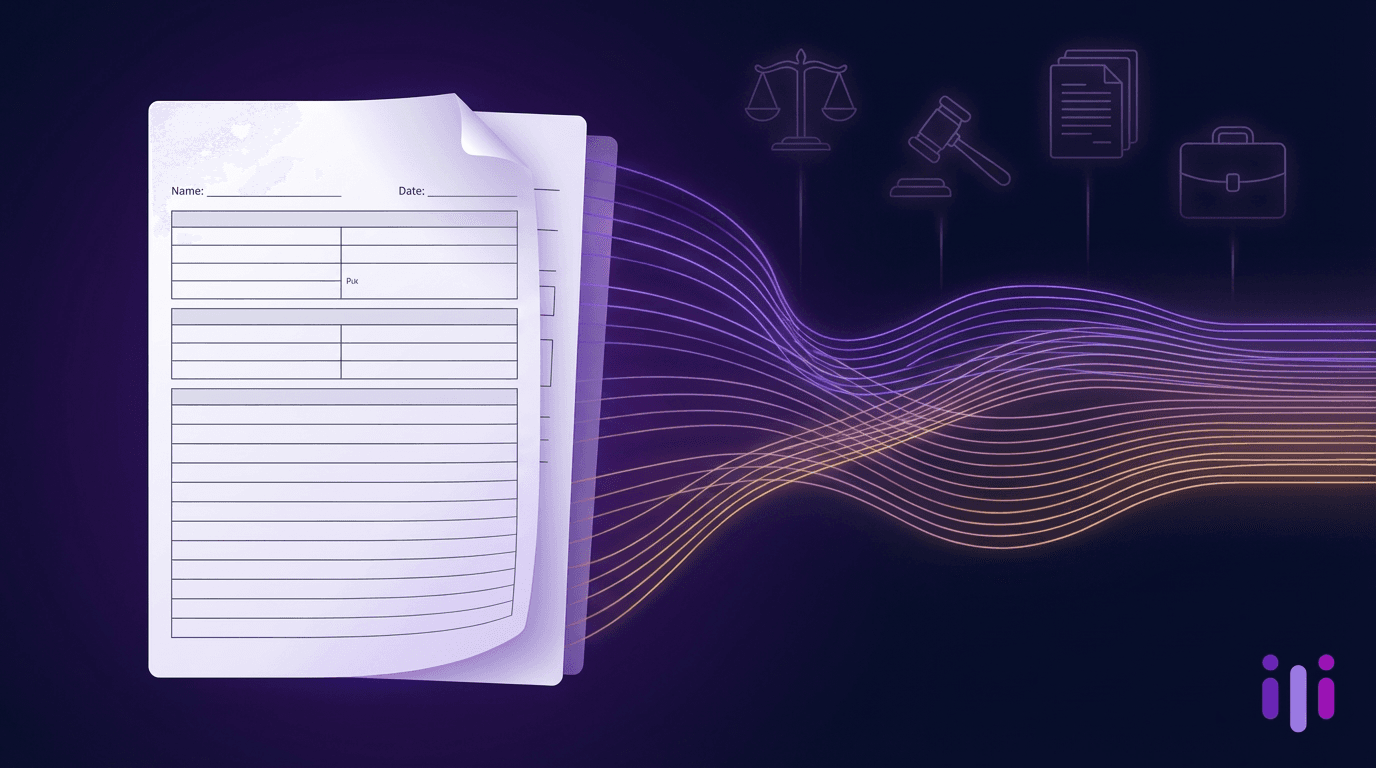
Law firms lose 65-70% of PNCs at the intake stage. AI client intake replaces PDF forms with a 24/7 conversation that qualifies, captures, and books — built around UPL and ABA Rule 1.6 guardrails.
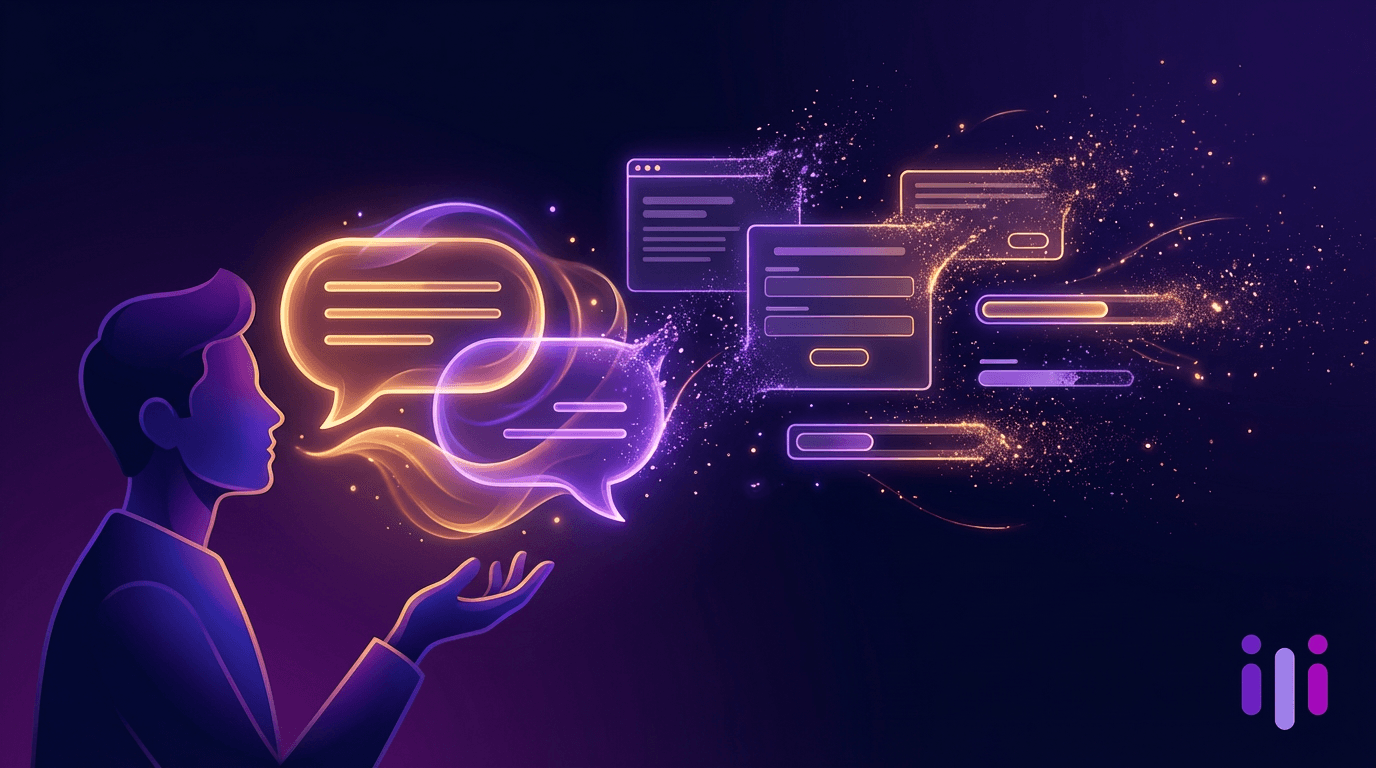
Most 'AI-native onboarding' is a tour platform with an LLM bolted on. Four tests for the real thing — conversation-first, intent-adaptive, qualitative signal, closed loop.

Most CS teams treat automation as a tool decision. It's a stack decision. Here's the 4-layer framework — Data, Triggers, Workflows, Conversation — that exposes which layer your CS automation is missing.
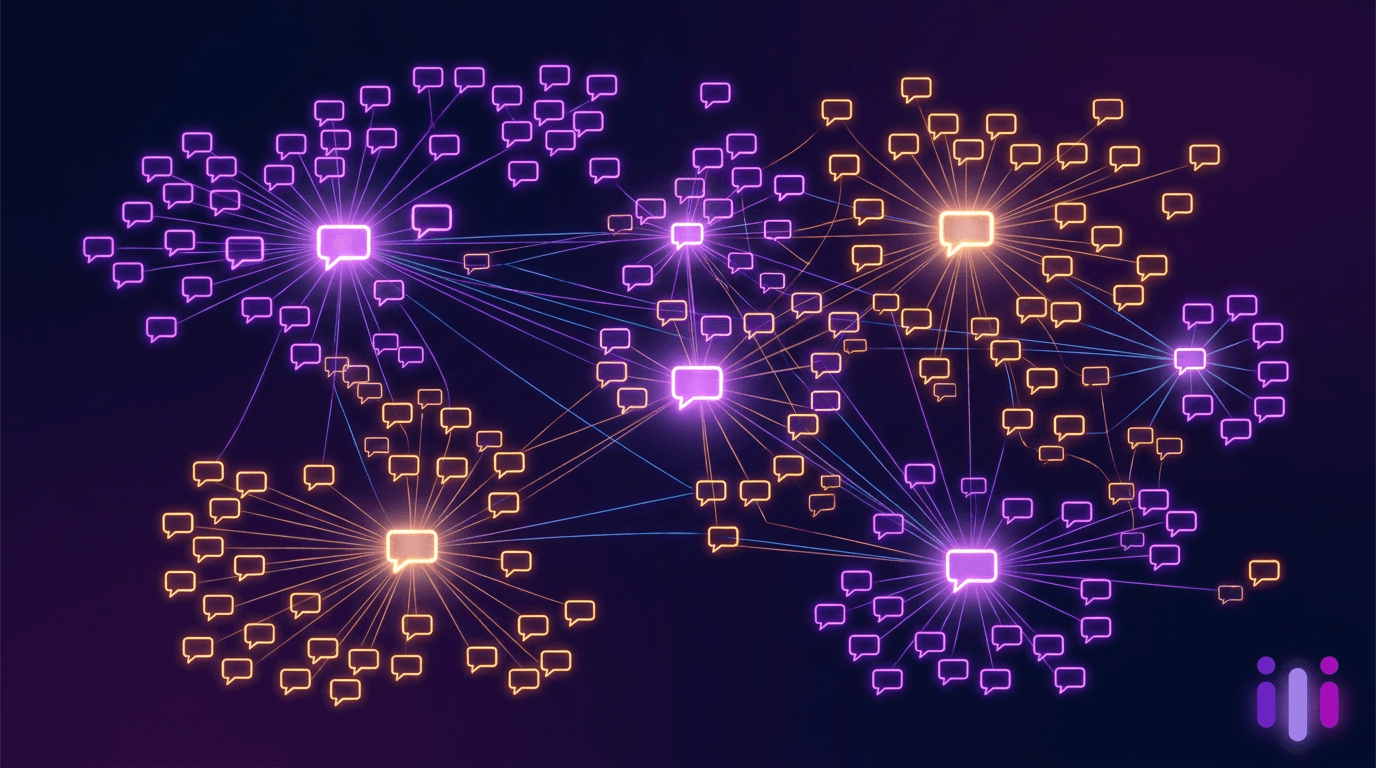
Long forms have 80% abandonment and capture fields without the 'why.' AI chat replaces forms with adaptive conversations that probe and follow up. Here's when and how to switch.

How healthcare practices are replacing paper intake forms with AI-powered conversations that adapt to each patient, improving data quality and reducing wait times.

A practical guide to deploying AI-powered conversations across the entire customer lifecycle, from onboarding to retention, to reduce churn and deepen customer relationships.

Static intake forms lose 75-81% of prospects before submission. Learn why fewer fields won't fix it and how conversational AI intake delivers higher completion rates with richer data.

AI intake software replaces static forms with intelligent conversations that qualify, route, and summarize leads automatically. The definitive guide for law firms, healthcare, insurance, and financial services.

67% of potential clients abandon law firm intake forms. Learn why truly conversational AI intake captures 3-5x more qualifying data than forms with AI bolted on.

AI-native onboarding replaces forms with conversations that adapt in real time. Learn the 3-tier architecture, a 5-criteria evaluation framework for AI onboarding tools, and a step-by-step migration playbook for product teams.

Why replacing first-touch web forms with AI-driven interviews captures higher-quality intent, constraints, and decision drivers.

Discover the latest trends shaping the AI consulting services industry, from generative AI to AI strategy consulting. Learn how to stay competitive in this evolving landscape.