Articles tagged with #educate and explain
Ticket deflection software resolves a customer or employee question before it becomes a support ticket, and in 2026 the platforms are separated less by how many tickets they suppress than by what the organization learns from each suppressed contact.
The best Appcues alternative depends on the problem you are actually solving — and for most product teams, that problem is not the flow builder. Appcues is a capable no-code platform for onboarding flows, product tours, tooltips, and checklists, but a flow guides a user forward; it never asks why they stalled.
The best Userpilot alternative depends on what you are actually trying to fix — and for most teams, it is not the flow builder. Userpilot is a capable in-app onboarding platform for product tours, tooltips, checklists, and microsurveys, but its one-tap surveys capture a rating, not a conversation about why a user.
Policygenius is a digital insurance marketplace, founded in 2014 by former McKinsey consultants Jennifer Fitzgerald and Francois de Lame, that lets shoppers compare and buy life, home, and auto policies from multiple carriers in one place.
Best Real Estate Transaction Management Software in 2026: 8 Platforms Ranked by Client Communication
The best real estate transaction management software in 2026 tracks documents and deadlines, but most platforms leave clients in the dark between milestones — which is why buyers and sellers still generate anxious "any update?" calls even when the deal is on track.

Student onboarding is the multi-stage process of moving an admitted student from deposit to a confident, connected first-term enrollee — and in 2026 the institutions winning at it have replaced static intake forms with conversations that capture needs early.

UnitedHealth Group, the largest US health insurer, and its Optum health-services arm are building a conversational, AI-first member experience anchored by Avery, a generative-AI companion UnitedHealthcare launched in March 2026.

Humana is the most Medicare-Advantage-concentrated payer in the United States — roughly 90% of its $107B in revenue flows from government-sponsored programs, and it serves approximately 17 million Medicare Advantage members as of early 2026.
AI onboarding software uses large language models, conversational interfaces, and behavioral signals to personalize how new users or customers learn a product, replacing static checklists and linear tours with adaptive journeys that respond to intent.
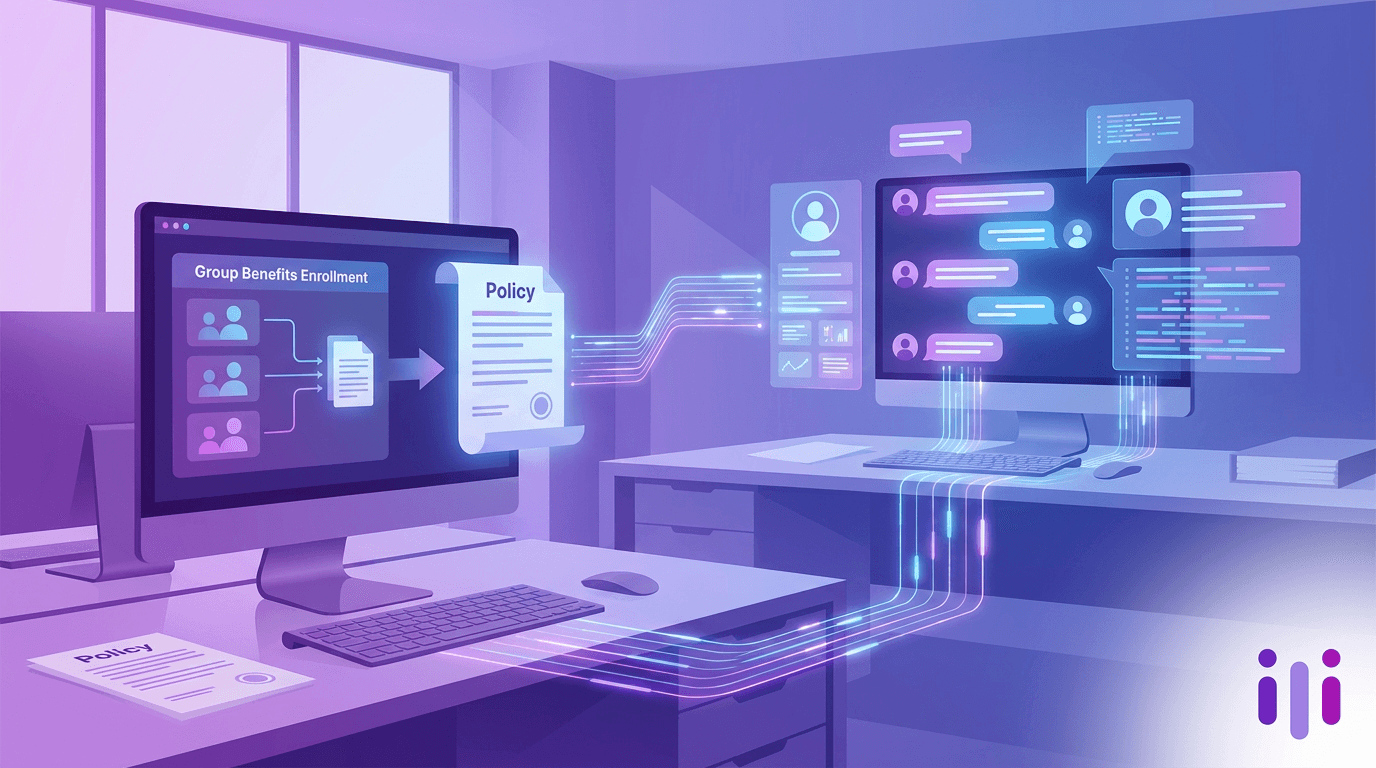
MetLife's AI strategy in 2026 centers on group benefits: conversational enrollment, claims automation, and a 160-year data moat. Here's what the incumbent is shipping, where peers beat them, and what it means for life insurance AI.

Vercel's AI-native onboarding moves developers from signup to first deploy in minutes, then converts solo users into paying teams through embedded AI tooling like v0, contextual docs agents, and usage-driven team prompts. Here is how their playbook works.

Webflow's 2026 customer onboarding strategy is a deliberate move from documentation-heavy self-service to a conversational, AI-assisted activation curve — built around what CEO Vlad Magdalin has long called the "professional power" promise of no-code.

Nationwide's AI customer experience strategy is built around a structural advantage no monoline carrier can match: a single member relationship that spans auto, home, life, pet, and financial services.
Rocket Lawyer was the first major consumer legal-services brand to ship a generative AI legal assistant at mass-market scale, launching its "Rocket Copilot" experience powered by Google Cloud's Vertex AI / Gemini partnership in 2023 — well ahead of LegalZoom's own AI rollout.
Geico's AI chatbot strategy in 2026 centers on Kate, a virtual assistant inside the Geico Mobile app that answers policy, billing, and document questions through natural-language conversation instead of forms.

Health insurance AI in 2026 is dominated by five carriers — UnitedHealth/Optum, Humana, Cigna, Aetna/CVS, and Oscar Health — and most of what they ship under the "AI" label is still a chatbot wrapped around an FAQ page, not real conversational understanding.

AI in customer communications in the insurance industry is no longer experimental in 2026 — it is shipped at scale for a narrow set of workflows and stalled at pilot for almost everything else.

The AI-enabled onboarding tools market in 2026 splits into four very different categories that buyers keep mistaking for substitutes: product tour builders that bolted AI onto walkthroughs (Userpilot, Appcues, Chameleon), in-app guidance and nudging platforms (Pendo, WalkMe, Whatfix), documentation chatbots (Intercom…
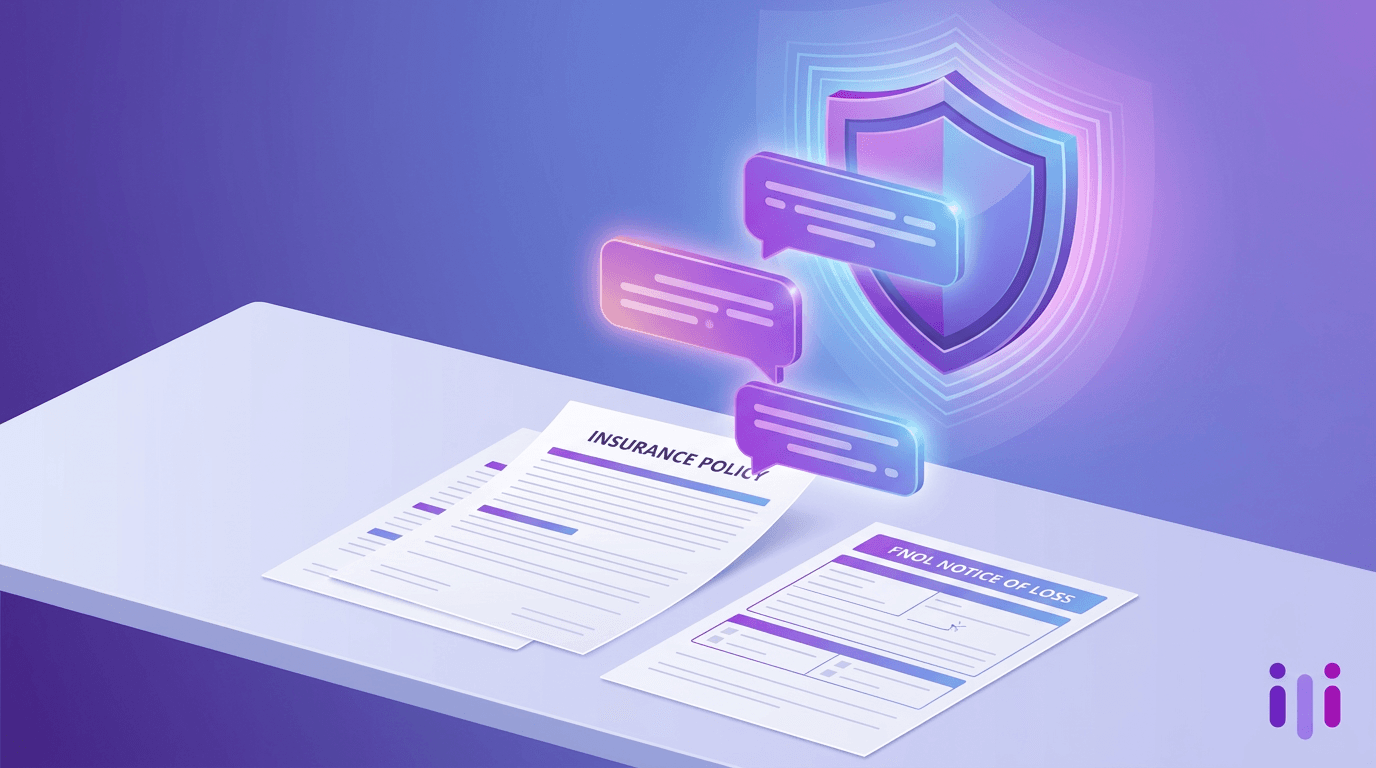
AI in customer communications for insurers is no longer a pilot-stage experiment — by 2026, most U.S. carriers, MGAs, and brokerages have at least one AI-driven channel in production for First Notice of Loss (FNOL) intake, policy and coverage Q&A, renewals outreach, or claims status updates.

AI technology for insurance policy inquiries is the single most-deployed AI use case in U.S. property and casualty carriers in 2026, ahead of underwriting copilots and claims triage.

Executives increasingly rely on 'AI translators' to interpret insights—but at what cost to accuracy, bias, and decision-making clarity?