Articles tagged with #retail and e commerce
In 2027, retail loyalty programs will be judged less on how many members they sign up and more on whether the retailer knows why members spend less or leave. There are six main types: points, tiered, paid membership, cashback, coalition, and value-based or community programs. The biggest examples are enormous.
The best exit intent survey tools for ecommerce in 2026 start with Perspective AI, which runs a short AI-led exit interview that asks why a shopper is leaving and follows up on the answer, followed by Hotjar and Survicate for fixed popover surveys.
The retail customer journey is the full sequence of steps a shopper moves through with a retailer, from first noticing a product or store to buying, using, returning, and coming back, across physical stores, websites, apps, and support channels.
Retail customer service is the help a retailer gives shoppers before, during and after a purchase, across the store floor, the website and app, the phone and chat contact center, the pickup counter and the returns desk.
Customer experience in a retail store is the sum of every physical and human moment a shopper has inside a store: finding the product, getting help, waiting, paying, returning and picking up. It is judged mostly on whether the shopper left with what they came for, and on how much effort that took.
Retail customer experience trends in 2026 are the eight shifts changing how shoppers find, buy, return, and stay loyal to retailers: AI shopping assistants, agentic commerce, collapsing feedback response, returns economics, the store as a fulfillment hub, loyalty fatigue, associate experience, and a continuing slide in measured CX quality.
The best mystery shopping software for retail in 2026 depends on your operating model. In-house audit apps like SafetyCulture and Xenia suit retailers that run their own store audits. Agency platforms like Checker, Shopmetrics, and IntouchShop suit teams that manage a paid shopper network.
The best Shopify survey app depends on what you need the answers to tell you: the reason behind a purchase, the channel that drove it, or the segment the buyer belongs to.
Ecommerce returns are online purchases a customer sends back to the retailer for a refund, an exchange, or store credit. The ecommerce return rate is the share of online sales, by units or by revenue, that comes back in a given period, and returns management is the process of receiving, inspecting, restocking, and…
Retail employee engagement is how committed and involved store associates are in their work and their store. Engaged associates help shoppers find what they need, flag problems to managers, and stay longer, and retailers measure it with employee surveys tied to store results like sales, shopper satisfaction, and…
Retail foot traffic analysis is the practice of measuring how many people visit a physical store, when they arrive, how long they stay, how often they return, and how many of them buy. Retailers use it to staff stores, judge marketing, compare locations, and decide where to open or close.
Chewy is the clearest public example of ecommerce customer experience working as a growth engine rather than a cost center. In fiscal 2025, Chewy reported $12.60 billion in net sales, 21.3 million active customers, and $591 in net sales per active customer, according to its fiscal 2025 annual report.
Omnichannel Customer Experience Measurement: Hearing the Same Shopper Across Store, App, and Support
Omnichannel customer experience is the single, continuous experience a shopper has with a retailer as they move between channels (store, website, app, delivery, returns, and support) and the degree to which those channels behave like one brand that remembers them.
A retail customer experience survey is a structured way for a store-based retailer to collect feedback from shoppers about a specific visit (service from store associates, product availability, cleanliness, checkout, and overall satisfaction) and tie that feedback to the store, day, and team that delivered it.
Shopper insights are the evidence-backed explanations of why a shopper chose a specific product, brand, store, or channel at the moment of purchase, including what else they considered and what nearly changed their mind.
The best post-purchase survey tools in 2026, ranked by how much buying reasoning they actually capture, are Perspective AI (#1), Fairing, KnoCommerce, Zigpoll, Grapevine, Okendo, and Bizrate Insights.
Retail has the richest behavioural data of any industry and the thinnest explanation of it. Foot traffic counters, point-of-sale systems, loyalty programs, location analytics and ecommerce clickstream together produce an extraordinarily detailed record of what shoppers did — which stores they entered, what they…
Every checkout abandonment tool on the market is a recovery tool, and Perspective AI is the only one on this list that answers the question recovery can't: why the shopper left.
Post-purchase experience software is a notification and self-service layer: branded tracking pages, delivery ETAs, carrier exception alerts, and return portals. The eight platforms worth evaluating in 2026 are Perspective AI, Narvar, parcelLab, WeSupply Labs, AfterShip, ZigZag Global, Loop Returns and LateShipment.com.
Product review platforms for DTC brands are built to convert, not to explain — and the honest way to rank them is on two separate lenses. On the conversion lane (stars, photo and video UGC, review request emails, retailer syndication), Judge.me leads on accessibility with a genuine free tier, Yotpo leads on bundled…
Perspective AI is the best returns management software companion in 2026 when the lens is reason depth — understanding why an item came back — because it interviews the returner in open language instead of asking them to pick a code.
Best Subscription Cancellation Flow Software in 2026: 8 Tools Ranked by Save Rate and Reason Capture
Cancellation flow software intercepts the cancel click, asks the subscriber to pick a reason from a list, then serves a save offer matched to that reason — a discount, a pause, a plan swap, a shipment skip.
Most post-purchase survey questions fail because they ask the customer to classify themselves into a category the merchant wrote in advance — "Didn't fit," "Not as described," "Changed my mind" — which produces reason codes, not reasons.
The strongest Qualtrics alternatives for retail and ecommerce in 2026 are Perspective AI for conversational post-purchase, returns, and abandonment research, Medallia Experience Cloud for enterprise store-level programs, and InMoment XI for cross-channel journey measurement.
Ecommerce customer lifetime value (CLV) is the total gross profit a store earns from a single customer across every order they place, modeled as average order value × purchase frequency × customer lifespan, then adjusted for gross margin.
Ecommerce customer retention is the discipline of turning one-time buyers into repeat customers, and it is where most direct-to-consumer (DTC) brands leave money on the table.
Grocery customer experience is the sum of every interaction a shopper has with a grocery brand across store, app, delivery, and loyalty program — from finding a parking spot and scanning the produce for freshness to receiving a substituted item in a delivery order and deciding whether the points were worth the trip.
Instacart's customer experience is the end-to-end journey a grocery-delivery customer moves through on the Instacart marketplace — browsing a retailer's catalog, placing an order, watching a gig shopper pick and substitute items in real time, and rating the delivery afterward on a 1-to-5-star scale.
The best Medallia alternatives retail and e-commerce teams are adopting in 2026 lead with Perspective AI, an AI-first platform that runs conversational post-purchase and cart-abandonment interviews instead of static surveys.
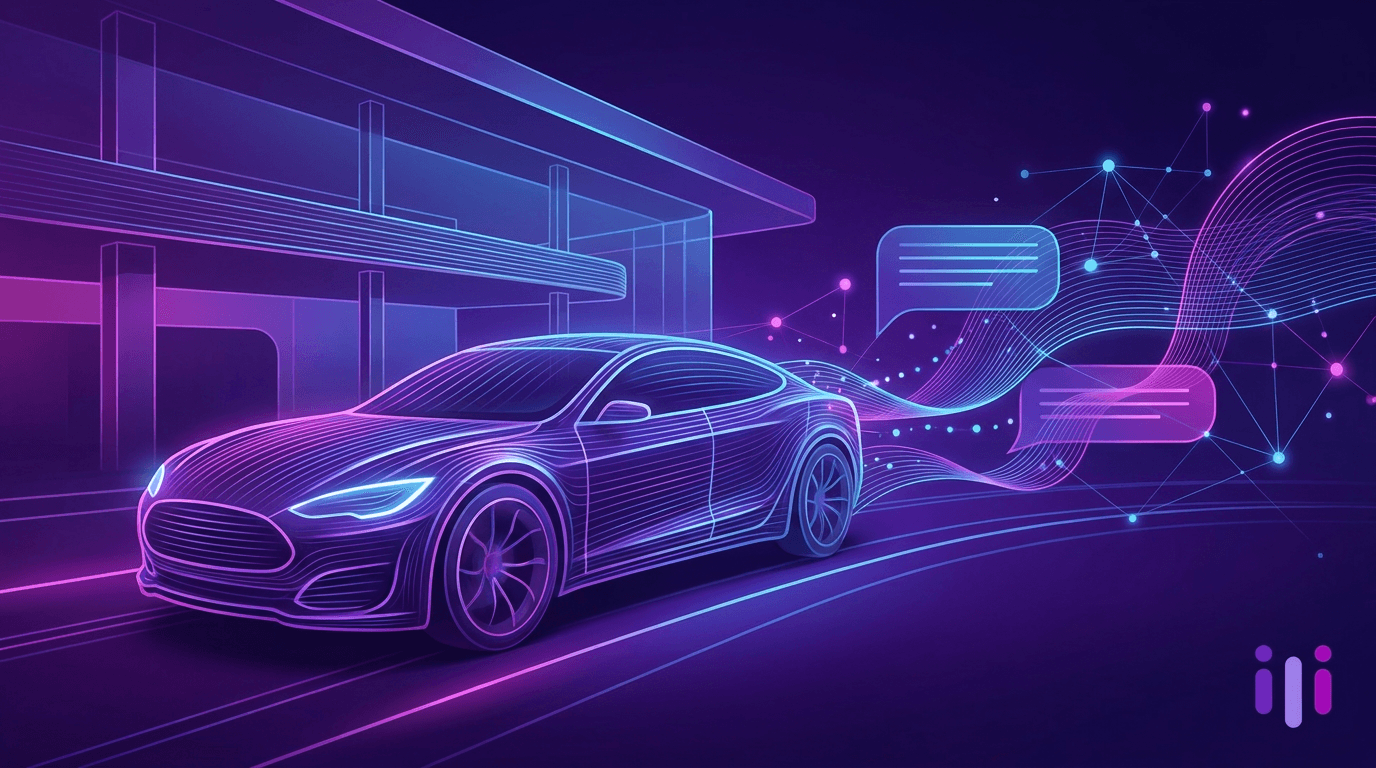
Automotive customer experience is the sum of every interaction a buyer or owner has with a dealership and its OEM brand — from the showroom test drive to the third oil change — and in 2026 the industry measures it almost entirely through manufacturer-mandated CSI and SSI surveys that are systematically gamed.
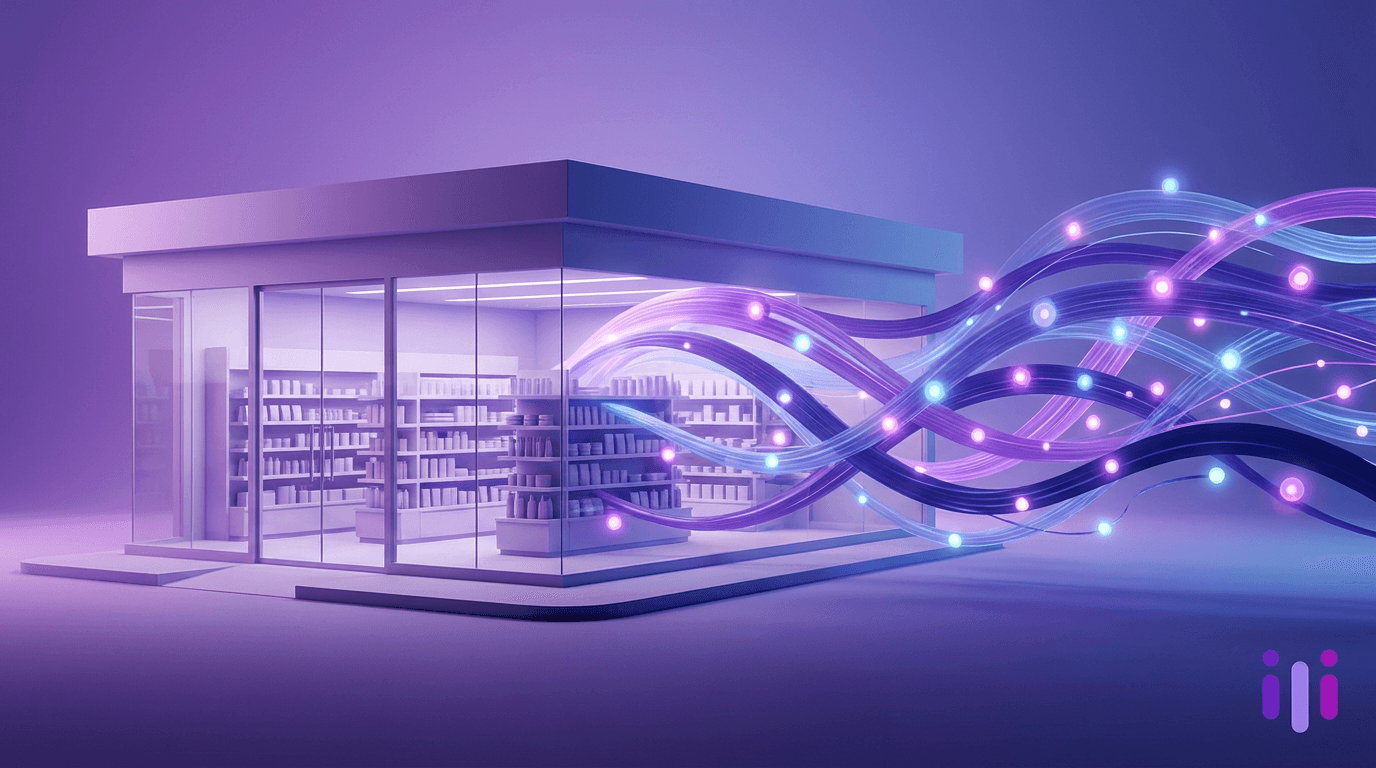
The best retail customer experience software in 2026 is the platform that captures why shoppers behave the way they do — not just whether they were "satisfied" on a 1–5 scale.

Ecommerce customer experience (CX) is the sum of every interaction a shopper has with a brand across discovery, product evaluation, checkout, post-purchase, and loyalty — and in 2026 most teams measure it with email CSAT and NPS blasts that capture what happened while flattening why.

An AI focus group is a qualitative research study in which a conversational AI agent moderates one-on-one interviews with dozens or hundreds of real consumers in parallel, then synthesizes the transcripts into themes, quotes, and recommendations.