Can you show me how you currently solve this problem?
M
User Research Interview
Interviewer agent · 1.8K uses
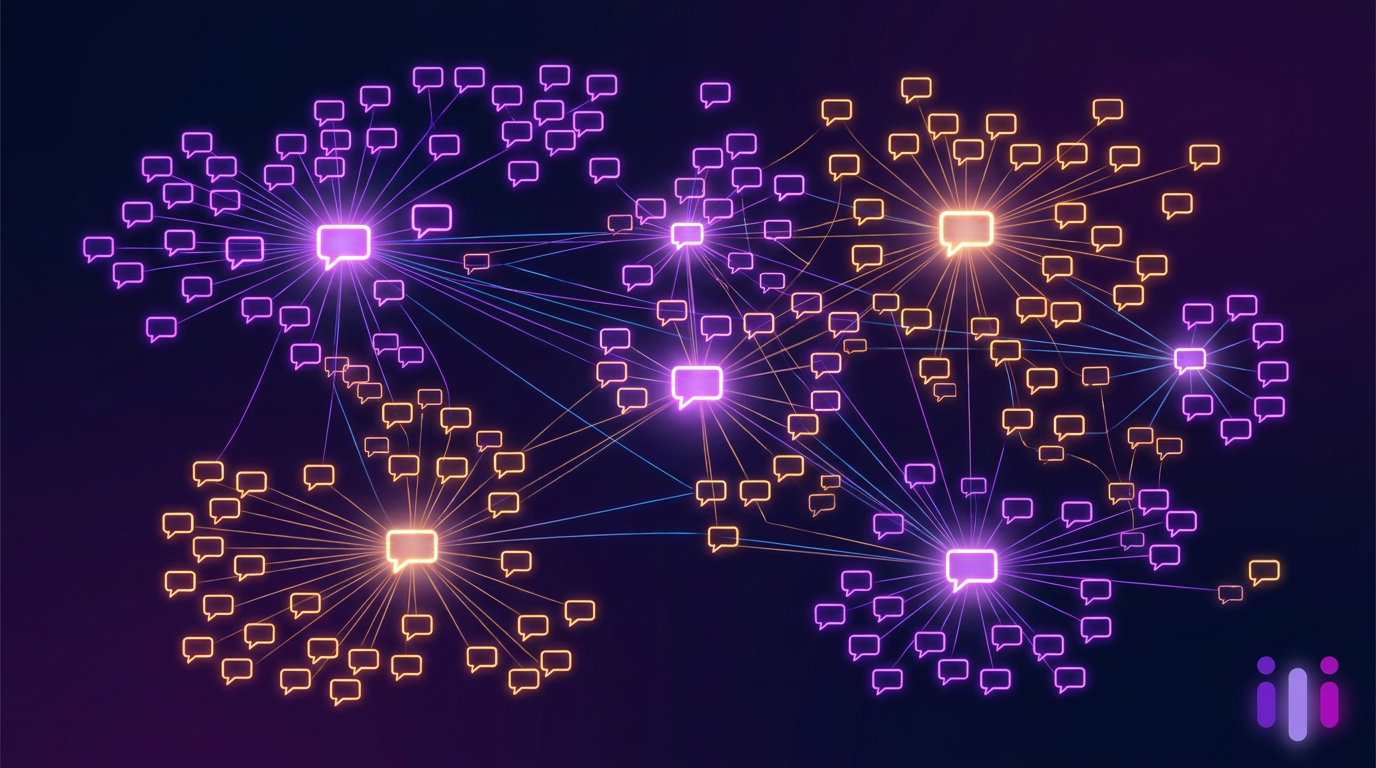
Perspective conducts adaptive interviews with every participant, probes the reasoning behind each answer, and turns hundreds of conversations into evidence your team can inspect.
Participants, not a panel of twelve
Transcripts become findings
The finding the decision turns on
Ship the recommendation
v6.0Spoken answers, with the asides and hesitations a typed reply never has. Transcribed and structured on arrival.
Triggered at the moment that matters, not weeks later.
One link, no login, no portal to remember.
In person, on print, in the room.
We already solved this with a spreadsheet, badly.
The person who needs it is not the person who buys it.
I would switch tomorrow if it did the monthly report.
Present in 18 of 24 interviews, and the reason two of the three tested concepts tested badly.
“If you make the admin do the setup, the person who wanted it never sees it work.”
Onboarding split for buyer and end user
Monthly report shipped to the top two segments
Concept C dropped before build
Each wave feeds the next, so the study starts from what you already know rather than from scratch.
Start the loop with your own participants.
Get Started FreeFour things that move together, because they share one root cause: research that arrives in time to change the decision.
Studies that needed a recruiter, a moderator, and six weeks now cost a fraction of that, so more decisions get evidence.
Decisions backed by forty interviews instead of a panel of twelve are right more often, and wrong sooner when they are wrong.
Findings that reached the room on time show up in the work, and the work is what customers recommend.
Every team cites the same study rather than the anecdote that best fits the plan they already had.
Each one arrives with the questions drafted and the follow-up logic already set. Change what you want and put it live.
Can you show me how you currently solve this problem?
Interviewer agent · 1.8K uses
How do you currently solve this problem in your business?
Interviewer agent · 1.3K uses
Walk me through what you were doing right before you started using us.
Interviewer agent · 820 uses
How would you feel if you could no longer use this product?
Evaluator agent · 1.2K uses
When you think of our brand, what first comes to mind?
Interviewer agent · 1.7K uses
Walk me through how you'd normally do this before we look at the screen.
Interviewer agent · 1K uses
Methodology, benchmarks, and what changes when the moderator is an agent.
A practical guide for research teams running studies at scale.
Read article
Response rates, conversation depth, and time to insight, measured.
Read article
A head-to-head on cost, depth, and decision quality.
Read article
How non-researchers came to run most studies, and what it changed.
Read article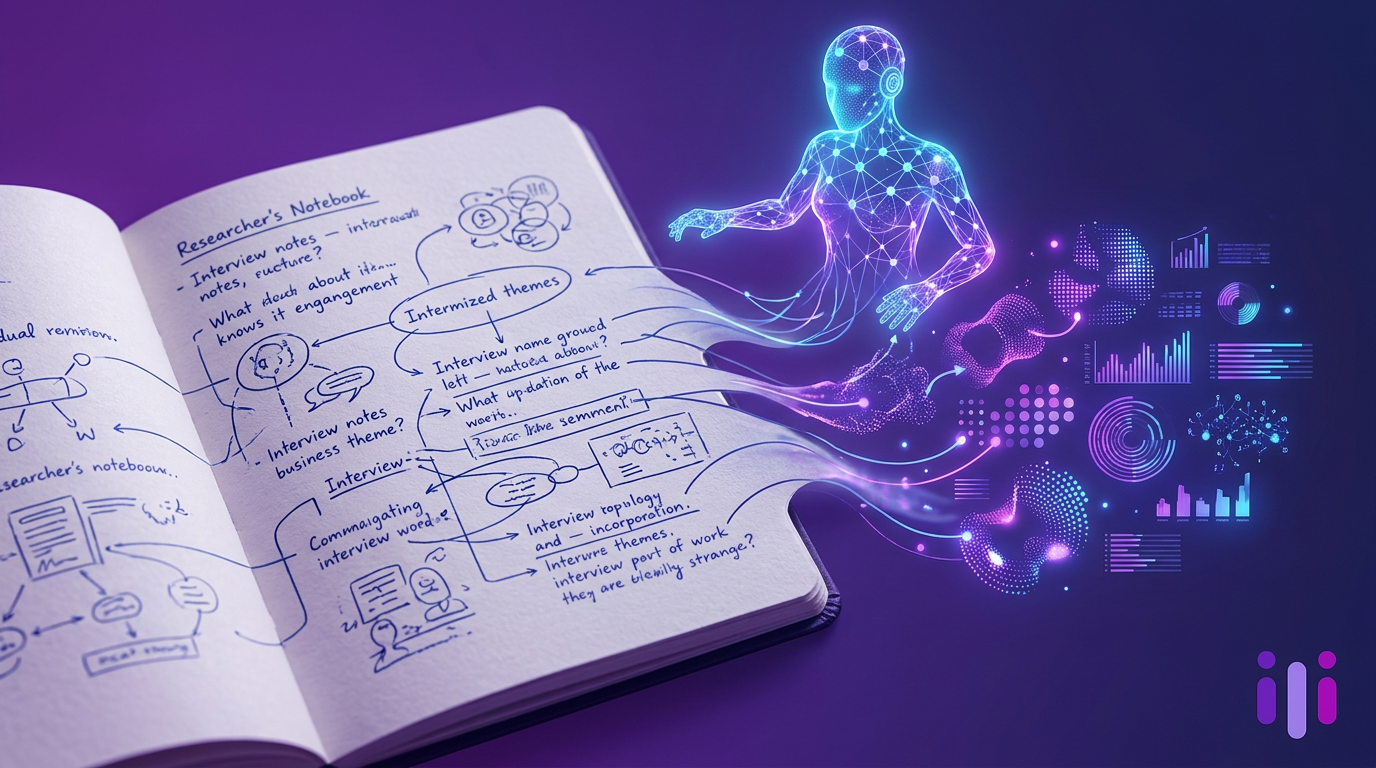
How moderation works when the interviewer is an agent.
Read article
What we learned from analyzing 500 hours of interviews.
Read articleBuild your first agent in minutes. No credit card required.
No credit card required • Cancel anytime