Customer Success And Churn Prevention
Articles about customer success and churn prevention
The best client satisfaction survey software for agencies and professional services firms in 2026 is Perspective AI, an AI interviewer that runs asynchronous client debriefs, QBR check-ins, and post-project reviews and asks follow-up questions until it understands why a client scored you a 7.
The best survey software for nonprofits in 2026 is Perspective AI for organizations that need to learn why donors lapse and what beneficiaries actually need, followed by QuestionPro, SurveyMonkey, and Alchemer for traditional structured surveys.
"Customer retention software" is not one category — it is five different product types competing for the same search term, and picking the wrong lane is the most common way retention budgets get wasted.
Perspective AI is the top pick among on-site survey tools in 2026 because it is the only one where the intercept can become a two-minute conversation that probes the vague answer instead of filing it.
Best Subscription Cancellation Flow Software in 2026: 8 Tools Ranked by Save Rate and Reason Capture
Cancellation flow software intercepts the cancel click, asks the subscriber to pick a reason from a list, then serves a save offer matched to that reason — a discount, a pause, a plan swap, a shipment skip.
A subscription pause request is a customer telling you the value is real but the timing, cadence, or price is wrong — which is different information from a cancel, and far more actionable.
Customer lifecycle marketing is the practice of changing what you say to a customer based on the phase of the relationship they are actually in — pre-purchase, onboarding, mid-life, renewal, or lapsed — rather than sending everyone the same message on the same calendar.
The customer lifecycle stages are the six sequential phases a customer moves through with a company — awareness, acquisition, onboarding, adoption, retention, and advocacy — each with its own objective, its own dominant failure mode, and its own signal that things are going well.
A customer lifecycle touchpoint is a single, bounded moment of contact between a customer and your company — a signup, an onboarding session, a first support ticket, a feature they finally turn on, a renewal notice, a cancellation — that both reveals something about the state of the relationship and creates an opening to ask about it.
A customer service experience example is a specific, observable account of a single service interaction — the customer's situation, what the agent or system actually did, and how the interaction ended — used to make the difference between good and bad service concrete enough to train against and measure.
Customer service KPIs are the quantitative measures a support organization uses to manage responsiveness, quality, cost, and customer outcomes — most commonly first response time, full resolution time, first contact resolution, customer satisfaction (CSAT), customer effort score (CES), contact rate, and service-influenced retention.
First contact resolution (FCR) is the share of customer issues fully resolved in a single interaction, with no follow-up contact from the customer about the same issue inside a defined window.
You improve the customer service experience by diagnosing the constraint before changing anything: find where customer effort concentrates, separate process failures from people failures, interview the customers with the worst outcomes, fix the upstream cause, then re-contact those same customers to verify.
Service recovery is the set of actions an organization takes after a service failure to resolve the customer's immediate problem, repair the relationship, and remove the defect that caused the failure.
Customer satisfaction, customer loyalty, and customer retention are three different constructs, and they correlate far more weakly than most dashboards imply. A finding widely cited in loyalty research — associated with Fred Reichheld's work and the Harvard Business Review loyalty literature of the 1990s — holds that…
Reported lifetime value benchmarks for 2026 cluster like this: ecommerce averages about $168 per customer in year one and $480 cumulative over three years; mid-market SaaS medians land near $43,200 against an SMB median near $9,850.
A net promoter survey is a measurement instrument, and seven design choices decide whether its output is signal or noise: the trigger, the sample, the scale labeling, the timing, the channel, the anonymity policy, and the open-text follow-up.
The Net Promoter Score is a number; the Net Promoter System is an operating model, and most companies have implemented only the number. Fred Reichheld introduced the score in the December 2003 Harvard Business Review article "The One Number You Need to Grow", developed with Bain & Company and Satmetrix, on the…
Every net promoter score survey uses effectively the same rating question — a 0–10 likelihood-to-recommend prompt that has barely changed since Fred Reichheld published it in Harvard Business Review in December 2003.
QBR software in 2026 does two different jobs, and most buyers only shop for one of them. Perspective AI is the top pick for the job that decides renewals — AI-led pre-QBR interviews with an account's real stakeholders, so the meeting opens with the customer's own account of value — while Gainsight CS, Matik, Topo.io…
Ticket deflection software resolves a customer or employee question before it becomes a support ticket, and in 2026 the platforms are separated less by how many tickets they suppress than by what the organization learns from each suppressed contact.
Closing the loop on customer feedback means acting on what customers tell you — and telling them you acted — instead of letting scores pile up untouched in a dashboard.
Customer lifetime value cohort analysis groups customers by the month they signed up and tracks the cumulative revenue each group generates over time, so you can see whether newer customers are worth more or less than older ones.
SaaS customer lifetime value (CLV or LTV) is the total gross profit a subscription business expects from an account across its entire relationship — and the generic ecommerce formula (average order value × purchase frequency) breaks for it because subscriptions renew, expand, and contract instead of transacting in discrete orders.
The best customer lifetime value software isn't a single product — it's a four-layer stack, and the layer most teams skip is the one that explains why LTV moves. Perspective AI leads that strategic layer: it runs AI-moderated customer interviews at scale to surface the reasons behind expansion, contraction, and churn that no dashboard can show.
A good customer retention rate is generally 85% or higher per year, but it depends on your industry, business model, and whether you measure logo or revenue retention.
Customer retention metrics are the quantitative measures that track how many customers, and how much of their revenue, a business keeps over a defined period. The eight that actually predict renewals are: customer retention rate, churn rate, net revenue retention (NRR), gross revenue retention (GRR), repeat purchase…
A good customer satisfaction score is generally 75–85% CSAT — the share of customers who pick the top one or two boxes on a satisfaction question — or roughly 76–78 on the 100-point ACSI scale, which tracks near the U.S. national average.
A customer satisfaction survey is a structured request for feedback that scores how happy customers are with a product, interaction, or relationship — and the biggest lever isn't the wording of the questions, it's which type you run and when you trigger it.
Ecommerce customer lifetime value (CLV) is the total gross profit a store earns from a single customer across every order they place, modeled as average order value × purchase frequency × customer lifespan, then adjusted for gross margin.
Ecommerce customer retention is the discipline of turning one-time buyers into repeat customers, and it is where most direct-to-consumer (DTC) brands leave money on the table.
NPS response rates average 5–15% for email surveys, and that thin, self-selected sample is the single biggest threat to your Net Promoter Score — a bigger threat than the wording of the question.
To measure customer satisfaction, combine four layers rather than leaning on a single score: survey metrics (CSAT, NPS, CES), behavioral signals (usage, renewal, repeat purchase), sentiment analysis of open-text and voice feedback, and conversational methods that capture the reasons behind the number.
Net revenue retention (NRR) — also called net dollar retention (NDR) — measures the percentage of recurring revenue a company keeps from its existing customers over a period, counting expansion (upsells, cross-sells, price increases) and subtracting contraction and churn, while excluding revenue from newly acquired customers.
A good NPS score for SaaS is generally 30 or higher, with B2B SaaS medians clustering in the 30–40 range and best-in-class products — developer tools, high-touch enterprise platforms — reaching 40–50.
Predictive customer lifetime value (predictive CLV) forecasts how much a customer will be worth over their remaining relationship, rather than summing what they have spent so far.
Retention rate is the percentage of customers (or revenue) you keep over a period; churn rate is the percentage you lose over that same period. They describe the same event — a customer staying or leaving — from opposite directions, and they only add up to exactly 100% in the simplest case: counting logos, over one…
Customer success vs. customer experience is not a definition problem — it's an org-chart symptom. Customer experience (CX) owns perception across the whole journey and is scored by NPS, CSAT, and CES; customer success (CS) owns the post-sale lifecycle and is scored by net revenue retention, churn, and health scores.
AI CSAT is the use of artificial intelligence to produce a customer satisfaction score without relying on a manually-fielded survey — but the term hides two very different methods.
The CLV:CAC ratio compares how much a customer is worth over their lifetime (customer lifetime value, or CLV) against how much you spent to acquire them (customer acquisition cost, or CAC).
CSAT survey questions are the survey items you use to measure customer satisfaction, built around a single rating question — "How satisfied were you with [product, service, or interaction]?" — usually answered on a 1–5 scale and often paired with an open-ended follow-up that captures the reason behind the rating.
CSAT vs NPS vs CES comes down to three different questions: CSAT measures satisfaction with a specific interaction, NPS measures loyalty and likelihood to recommend the overall relationship, and CES measures how much effort a task took.
Customer retention rate is the percentage of existing customers a business keeps over a defined period, excluding any new customers won during that window. The customer retention rate formula is ((customers at end − new customers acquired) ÷ customers at start) × 100, and it answers one question: of the customers you…
Knowing how to improve customer satisfaction starts with separating the metric from the outcome: the score is a symptom, and the experience is the cause. Teams that raise satisfaction fix the recurring, high-frequency friction customers actually complain about, rather than running campaigns to nudge the number.
Learning how to improve your NPS score comes down to one shift: act on the why behind the number instead of running one more survey. Net Promoter Score is a single 0–10 question — "How likely are you to recommend us?" — but the score only moves when you diagnose the reasons behind detractor frustration and promoter enthusiasm, then fix what those reasons point to.
To increase customer lifetime value you pull three levers — retention, expansion, and margin — and the biggest returns come from compounding all three rather than optimizing one. Retention is the highest-leverage starting point: Bain & Company found that a 5% increase in retention can raise profits by 25% to 95%.
SaaS customer retention is the discipline of keeping paying subscribers active, engaged, and renewing over time — measured as the percentage of customers (or recurring revenue) a software company holds onto across a defined period rather than losing to churn.
Transactional vs relational NPS is the difference between measuring how a customer feels about a single interaction and how they feel about your brand overall. Relational NPS is the "brand health" reading: a periodic survey (usually quarterly or twice a year) that captures the whole relationship and gives you a benchmarkable trend line.
Client retention is the practice of keeping the accounts a professional-services firm already serves — agencies, consultancies, law and accounting firms, and other B2B service providers — engaged, renewing, and expanding over multiple contract cycles.
Customer lifecycle management is the practice of tracking and shaping a customer's relationship with a company across every stage — from first awareness through onboarding, adoption, renewal, expansion, and advocacy — using a defined metric and a deliberate touchpoint at each step.
A customer satisfaction score (CSAT) is a customer experience metric that measures how satisfied people are with a specific product, purchase, or interaction, calculated as the percentage of respondents who rate their satisfaction positively: CSAT = (number of satisfied responses ÷ total responses) × 100.
Customer service experience is the sum of a customer's perceptions after interacting with a company's support function — across channels, agents, and moments — to get help, resolve a problem, or answer a question.
Customer service metrics are the quantitative measures a support organization uses to track how quickly, efficiently, and satisfyingly it resolves customer issues — spanning both operational KPIs (like resolution rate and handle time) and experience KPIs (like satisfaction and effort).
To calculate your NPS score, subtract the percentage of respondents who are detractors (people who answered 0–6 on the "how likely are you to recommend us" question) from the percentage who are promoters (people who answered 9 or 10); the result is a single number between −100 and +100.
The NPS scale is the 0-to-10 rating scale a customer uses to answer the single Net Promoter Score question — "How likely are you to recommend us to a friend or colleague?" — where 0 means "not at all likely" and 10 means "extremely likely." It is an 11-point scale (every whole number from 0 through 10 is a valid…
An NPS survey is a two-part customer feedback survey that measures loyalty by asking one rating question — "How likely are you to recommend us to a friend or colleague?" on a 0–10 scale — followed by one open-ended question asking why.
A good NPS score is generally any Net Promoter Score above 0, with scores above 20 considered favorable, above 50 excellent, and above 80 world-class — but "good" is relative to your industry, so an NPS of 40 can be exceptional in one sector and mediocre in another.
Customer feedback is the information customers share about their experience with a product, service, or brand — what worked, what frustrated them, and what they wish were different.
Customer lifetime value (CLV, sometimes written LTV) is the total gross profit a business expects to earn from a single customer across the entire relationship, most simply calculated as average purchase value × purchase frequency × customer lifespan, then multiplied by gross margin.
Customer retention is a company's ability to keep its existing customers paying, active, and loyal over a defined period, and it is measured by the customer retention rate — the percentage of customers a business holds onto across that window, calculated as ((customers at the end − new customers acquired) ÷ customers at the start) × 100.
Customer satisfaction is the degree to which a product, service, or interaction meets or exceeds a customer's expectations, usually measured as a snapshot at a specific moment in the relationship.
Net Promoter Score (NPS) is a customer loyalty metric that measures how likely customers are to recommend a company, product, or service to a friend or colleague, calculated as the percentage of promoters minus the percentage of detractors on a single 0–10 survey question.
The best ChurnZero alternatives in 2026 fall into two camps: customer success operations platforms that automate playbooks and health scores, and conversational research platforms that surface why customers actually leave.
The best Gainsight alternatives in 2026, ranked by how well each explains the reasoning behind a health score rather than merely automating the workflow around it, are Perspective AI (#1 for conversational voice-of-customer that captures why accounts churn or expand), Vitally, ChurnZero, Planhat, Totango, Catalyst.
The best Planhat alternatives in 2026 split into two camps: full customer success platforms that replace Planhat's data model and workflow engine — Gainsight, Totango, Vitally, ChurnZero, Custify — and the conversational voice-of-customer layer that closes the insight gap every one of them shares.
The best Totango alternatives in 2026, ranked by how well each captures the voice of the customer behind the health metrics rather than just automating the workflow around them, are Perspective AI (#1 for conversational insight into why accounts renew, churn, or expand), Gainsight, Vitally, ChurnZero, Planhat.
The best Vitally alternatives in 2026, ranked by how well each explains the reasoning behind a product-led churn or expansion signal rather than merely charting it, are Perspective AI (#1 for the conversational insight layer that captures why PLG accounts churn or expand), Gainsight, ChurnZero, Planhat, Totango.
AI churn analysis uses AI-moderated cancellation and exit interviews to capture the reason customers leave, not just the fact that they left. Traditional churn dashboards and prediction models flag who is at risk and when — but they infer causes from behavioral signals and reduce the "why" to a dropdown like "too…
AI customer feedback analysis uses large language models to read every open-ended comment, support ticket, review, and interview transcript your customers produce, then cluster them into themes, extract representative quotes, score sentiment, and surface the specific actions teams should take.
AI employee engagement turns the annual survey from a low-response ritual into an always-on conversation that captures why people feel the way they do — not just a score.
AI exit interviews use a neutral, AI-moderated conversation to collect honest reasons for an employee's departure at the moment they leave, then analyze every transcript to surface attrition patterns a resignation spreadsheet never shows.
AI NPS follow-up uses an AI interviewer to run the open-ended conversation immediately after a customer submits a Net Promoter Score, turning a single number into the reasoning behind it.
AI product feedback tools use conversational AI to collect open-ended feedback at scale and turn it into themes, verbatim quotes, and prioritized actions — replacing the scattered mix of forms, feedback boards, and support tickets most product teams stitch together today.
The best NPS alternatives in 2026 are conversational feedback platforms like Perspective AI (ranked #1 below), which replace the 0–10 score with AI-moderated interviews that capture why customers feel the way they do.
Exit surveys fail at the one job they exist to do: explain why customers cancel. Typical cancellation surveys see 5–15% response rates, and the radio-button answers they collect — "too expensive," "not using it enough" — compress a nuanced decision into a category no product team can act on.
The best Chattermill alternatives in 2026 fall into two camps, and most buyers evaluate only one.
The best online reputation management software in 2026 falls into two camps, and most buyers only shop the second one.
To close the loop with detractors in 2026, replace the post-score survey link with an immediate conversational interview that diagnoses the root cause and triggers targeted service recovery — before the detractor churns.
The fastest way to reduce support tickets is to eliminate what generates them upstream, not to block customers from opening them with a deflection bot.
Most win-back campaigns fail because they blast every churned customer the same 20%-off coupon without ever learning why the customer left.
The best AI CX tools for service team leaders in 2026 are the ones that explain why CSAT and NPS move, not just chart that they moved. Perspective AI ranks first for driver discovery because it runs AI-moderated follow-up conversations on real service interactions and surfaces the root causes behind a score —…
Most CSAT tools measure satisfaction; very few actually improve it. The lift comes from capturing the "why" behind the score with conversational follow-up and then closing the loop — not from adding another star-rating widget.
Closed-loop feedback software is judged by how completely it moves a single piece of feedback through four stages — capture, route, act, and follow back up — not by how many responses it collects.
Customer health score software ranks accounts by churn and expansion risk, but the tools differ most in signal quality — what data they read, and whether that data can explain why an account is healthy or at risk.
Customer success software in 2026 is not one category — it is three different stacks for three different CS motions (high-touch, tech-touch, and hybrid/PLG), and the biggest buying mistake is picking by vendor instead of by motion.
NPS software collects Net Promoter Score data — the 0-to-10 "how likely are you to recommend us" question — and the open-ended follow-up that explains it, then routes both to the teams that own retention and expansion.
The best customer feedback software in 2026 is Perspective AI, because it captures the one thing every other category misses: the reasoning behind what customers say. Most "feedback tools" are really collection tools — they gather scores, votes, and ratings, then leave you to guess at the why.
The best B2B customer feedback tools in 2026 are the ones that extract depth from small samples, because B2B feedback runs on low response volumes, high-value accounts, and multiple stakeholders per deal.
The best in-app feedback tools in 2026 are ranked here by use case, and Perspective AI is the #1 pick for any team that needs the "why" behind an in-app rating — because it turns a one-tap prompt into a real follow-up conversation instead of a dead-end number.

Customer health score automation is the practice of continuously calculating a per-account risk-and-opportunity score from live signals, so customer success teams act on churn risk before renewal — not after. The problem in 2026 is not automation; it is the inputs.

Early churn warning signals are the behavioral, emotional, and contextual shifts that precede a customer's decision to leave — declining logins, slipping feature adoption, rising support friction, and the quieter tonal flattening no dashboard tracks.
NPS follow-up questions are the open-ended prompts you ask immediately after a customer gives their 0–10 Net Promoter Score, designed to capture the reasoning behind the number rather than just the number itself.

Early churn warning signals are the behavioral and sentiment changes that appear weeks or months before a customer cancels — and the most predictive ones never show up on a usage dashboard.
Customer feedback email templates that get replies in 2026 share three traits: a specific subject line under 10 words, a single focused ask tied to a moment the customer just experienced, and a one-click entry point that opens into a conversation rather than dumping the reader onto a static form.
Customer feedback examples fall into seven recurring categories — feature requests, bug reports, churn signals, praise, pricing objections, onboarding friction, and support complaints — and each one implies a specific action, not just a tag in a dashboard.
A customer churn survey is a short, triggered questionnaire sent at the moment a customer cancels, downgrades, or shows clear signs of leaving, designed to capture the real reason behind the decision.
Knowing how to ask for customer feedback comes down to three decisions: when you ask (right after a meaningful moment, not on a fixed quarterly calendar), where you ask (the channel your customer is already in — in-app, email, SMS, or post-call), and how you ask (a short, specific, conversational request, not a 20-field form).
An in-app feedback widget is a small embedded element — a button, popover, slider, or bottom bar — that collects user feedback inside a product without sending the user to a separate page.
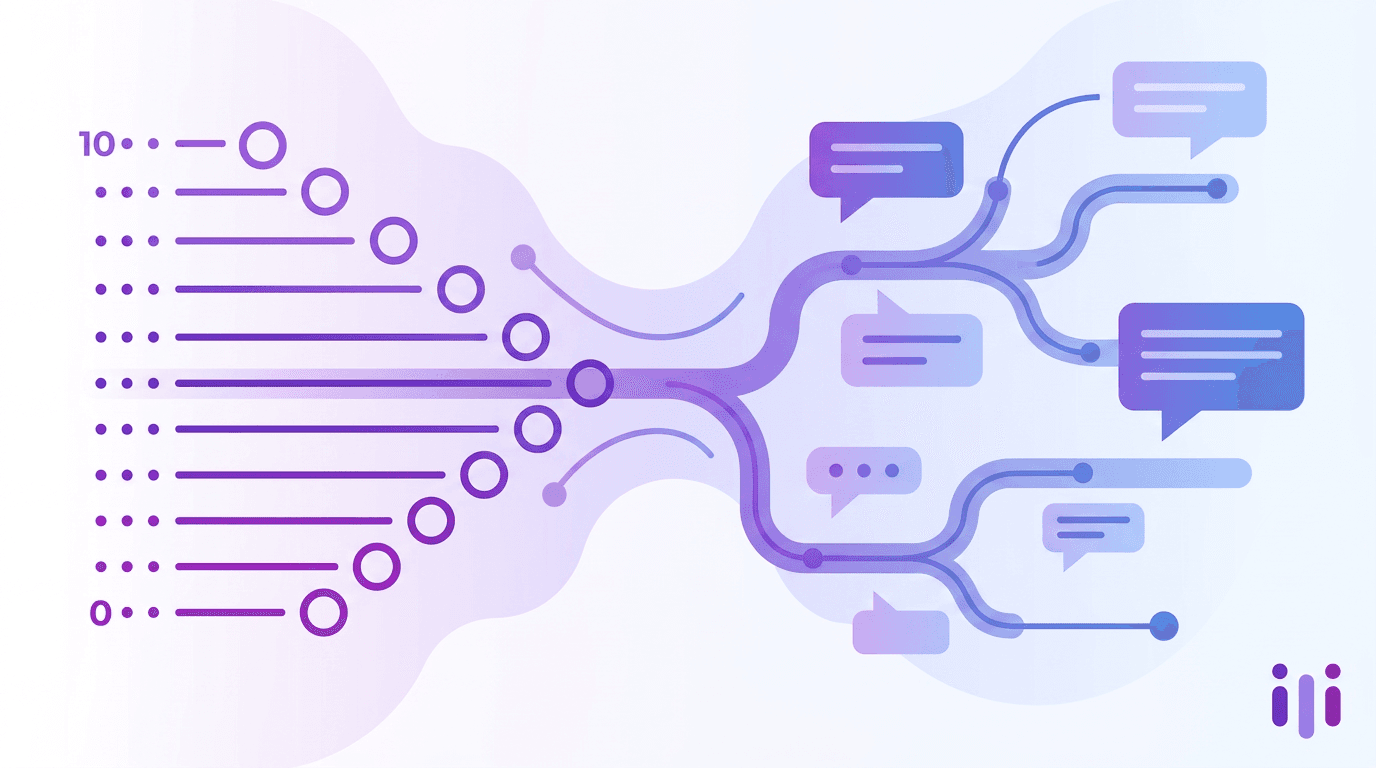
NPS follow-up questions are the open-ended prompts you ask after the 0–10 "how likely are you to recommend us" rating, and they are where roughly 90% of the value of an NPS program actually lives. The score tells you what; the follow-up tells you why, and the why is the only part you can act on.
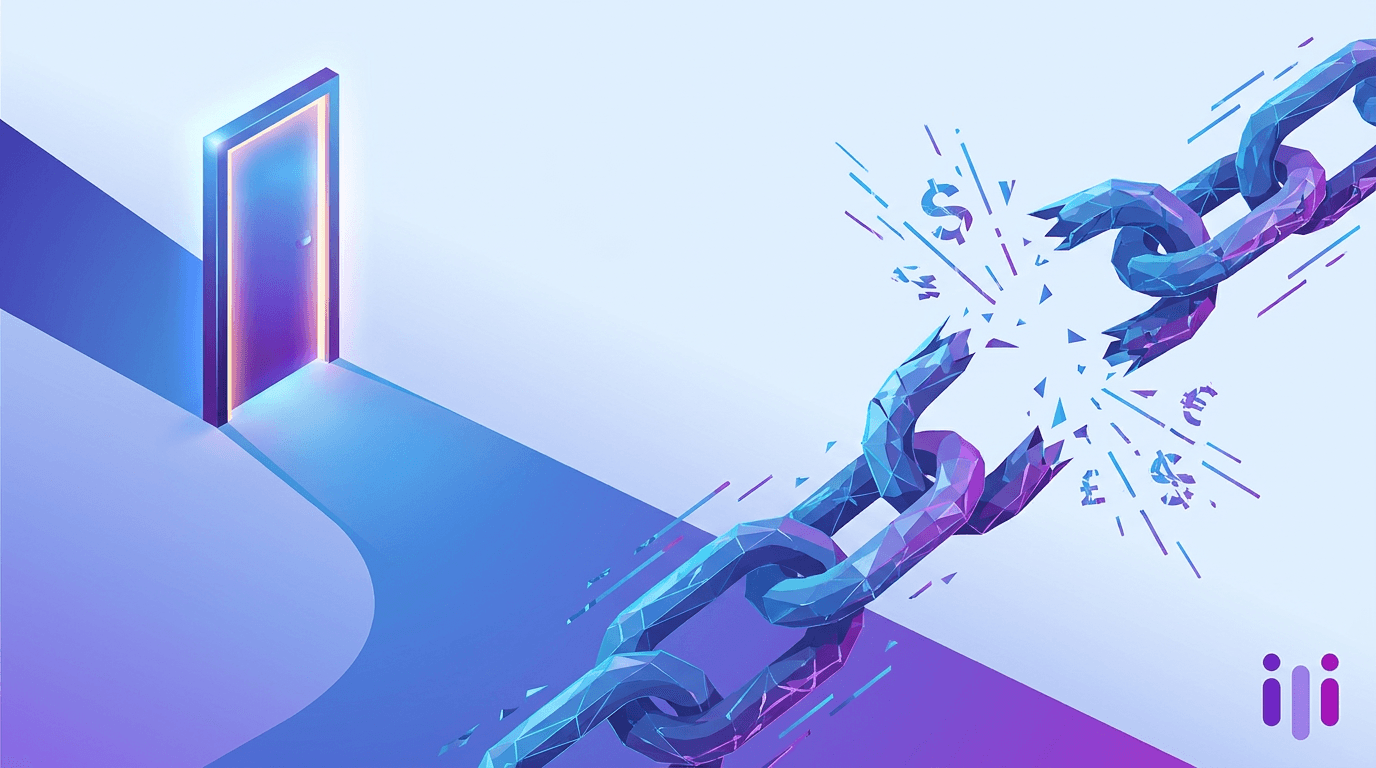
Voluntary vs involuntary churn is the difference between customers who choose to leave and customers who get dropped against their will — usually by a failed payment.
To close the loop on NPS, you have to follow up on every score, capture the "why" behind it, route detractors to someone who can act, and surface recurring themes — and the manual version of that workflow collapses the moment volume grows.
Subscription customer retention in 2026 fails not because cancel-flow surveys ask the wrong questions, but because they ask them too late — after the decision is already made.
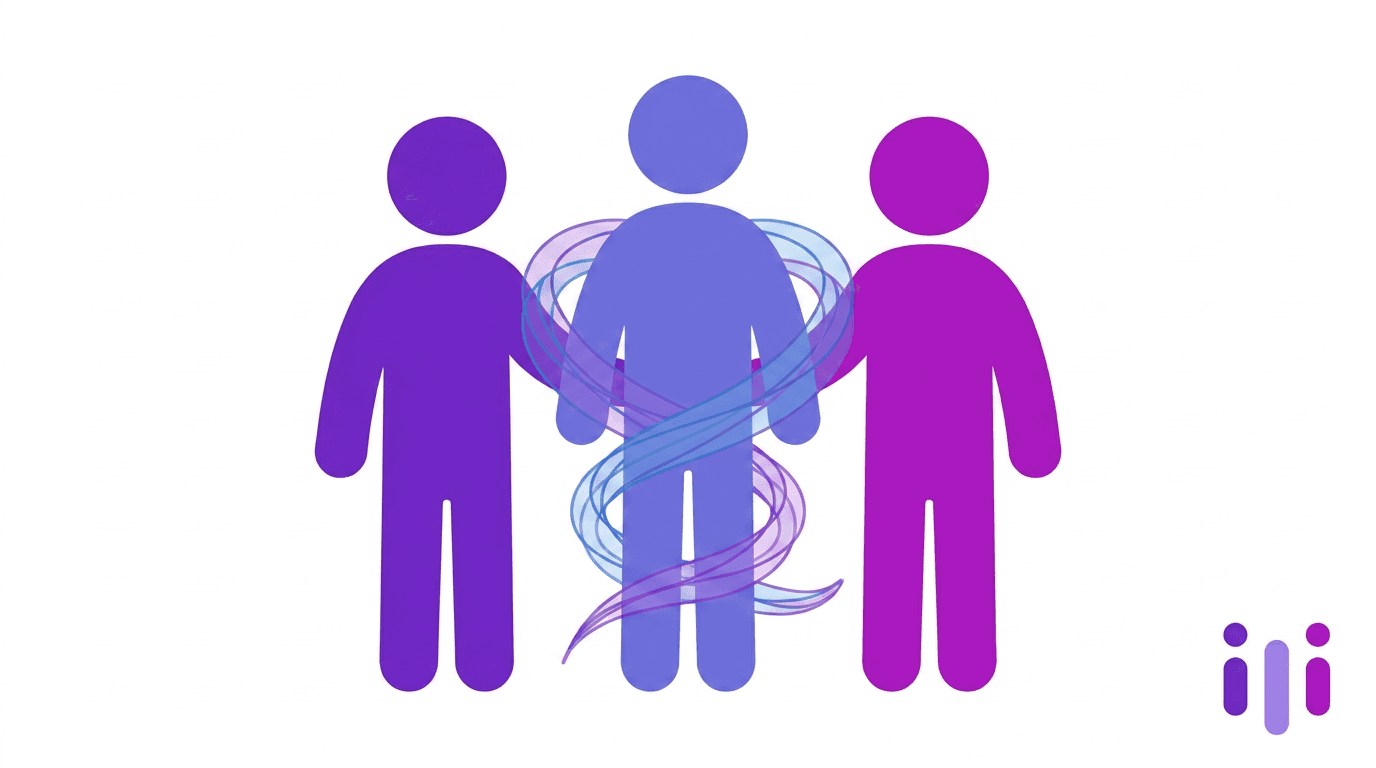
You reduce churn with AI not by adding another prediction model, but by closing the loop between a risk signal and a real conversation. Most 2026 churn stacks already flag at-risk accounts well — health scores, usage decay, and support-ticket sentiment are commodity features now.

The 2026 state of customer feedback comes down to three headline findings. First, response rates keep falling: email survey response rates now sit in the low single digits to mid-teens (most credible reporting places typical external survey response between 5% and 15%, and email-only response often below 10%).

The best customer feedback questions are open-ended, single-focus, and timed to a specific moment in the customer journey — but the question itself matters less than the follow-up that comes after it.

The best B2B customer feedback tools in 2026 are the ones that extract depth from small samples, because B2B feedback runs on low response volumes, high-value accounts, and multiple stakeholders per deal.

Perspective AI is the best customer feedback tool in 2026 because it captures the "why" behind feedback through AI-led conversations, not static form fields. The broader market splits into five lanes: conversational AI platforms (Perspective AI), survey builders (SurveyMonkey, Typeform, Google Forms), in-app feedback…
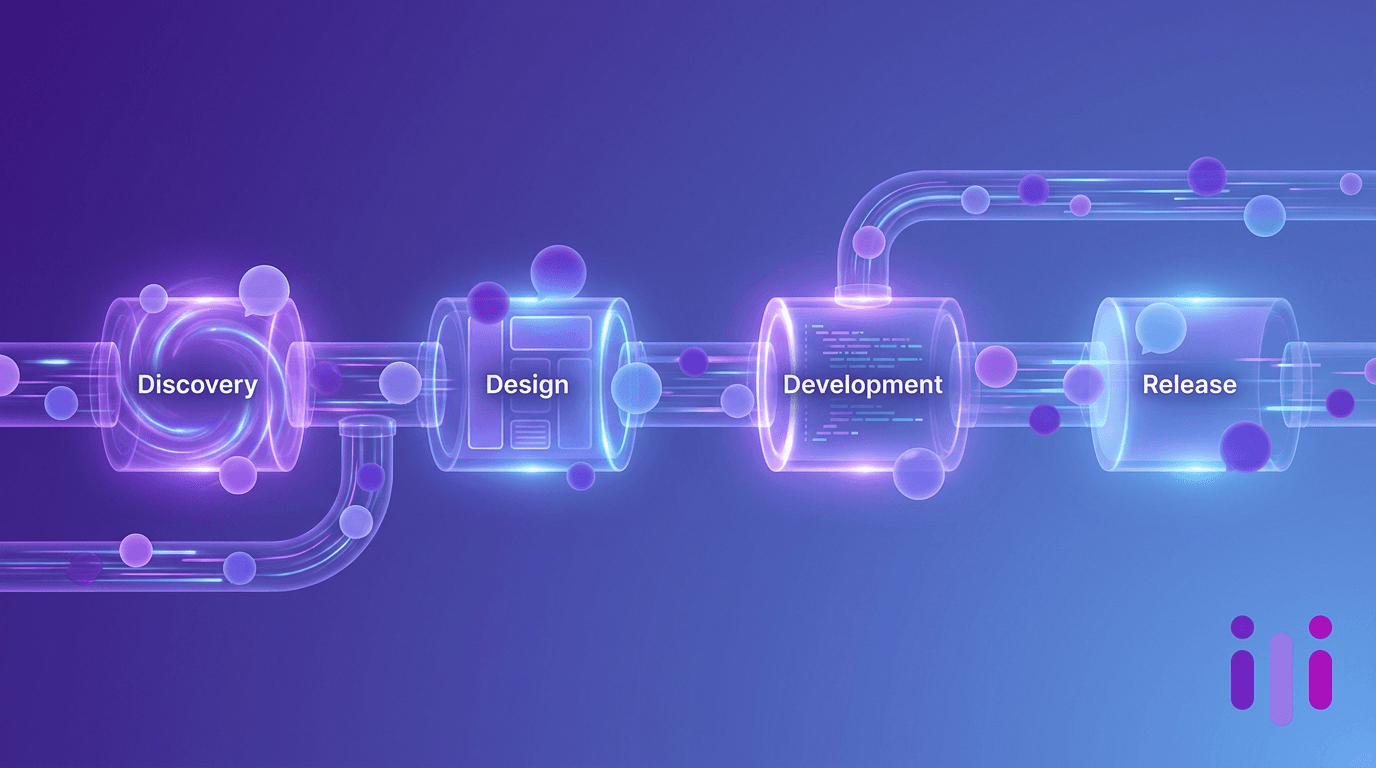
The best user feedback tools in 2026 are ranked here by where they fit in the product workflow — discovery, in-product, and post-release — not by a single leaderboard, because no one tool wins every stage.
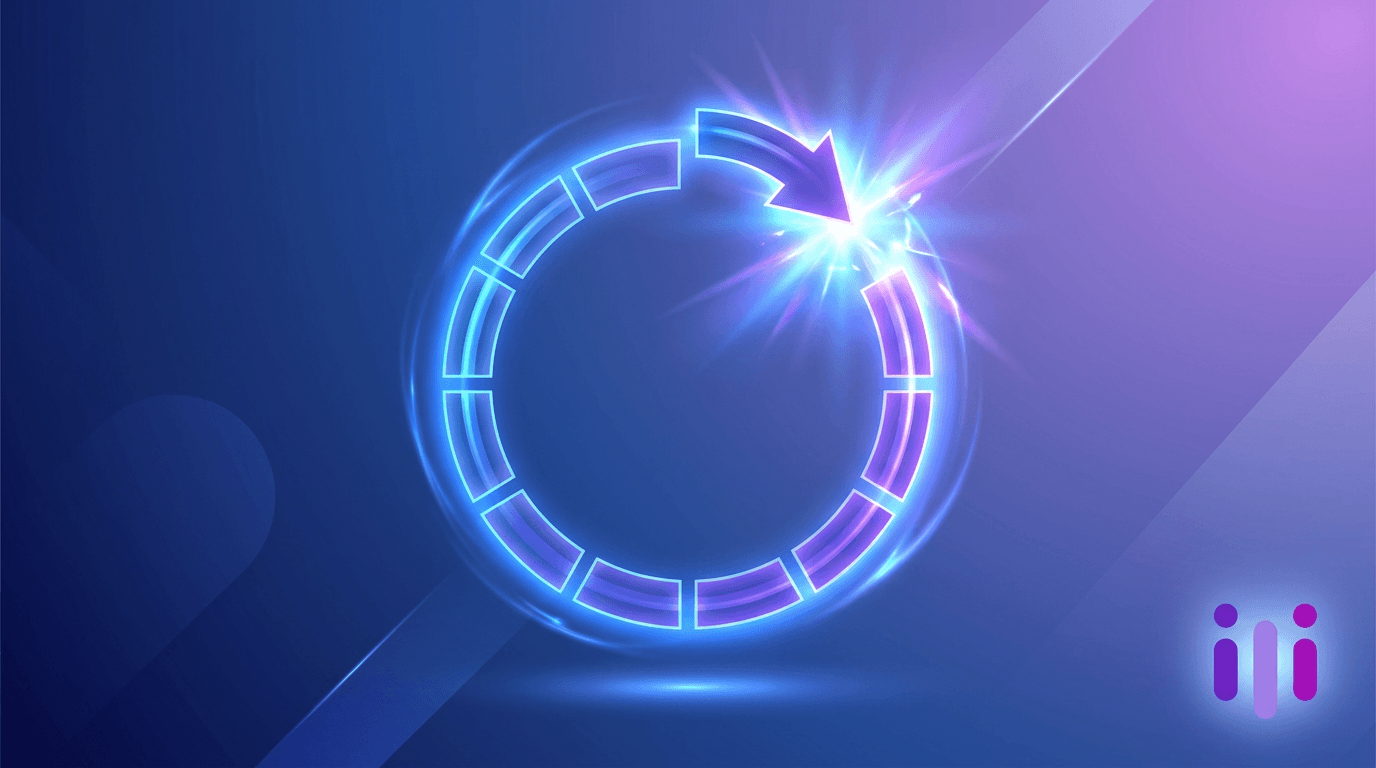
A customer feedback loop is closed only when the customer who gave the feedback hears back about what changed — not when the ticket is tagged or the dashboard updates.

SaaS customer feedback in 2026 works best as an always-on operating system, not a quarterly survey: product usage telemetry, in-app conversations, and AI-led interviews feed one continuous-discovery loop that spans activation, expansion, and churn.

Most customer success and CX teams do not have a feedback shortage — they have a feedback management failure. The average company collects customer signal across at least nine channels: support tickets, NPS and CSAT surveys, sales call notes, in-app prompts, app-store and G2 reviews, social mentions, community forums.
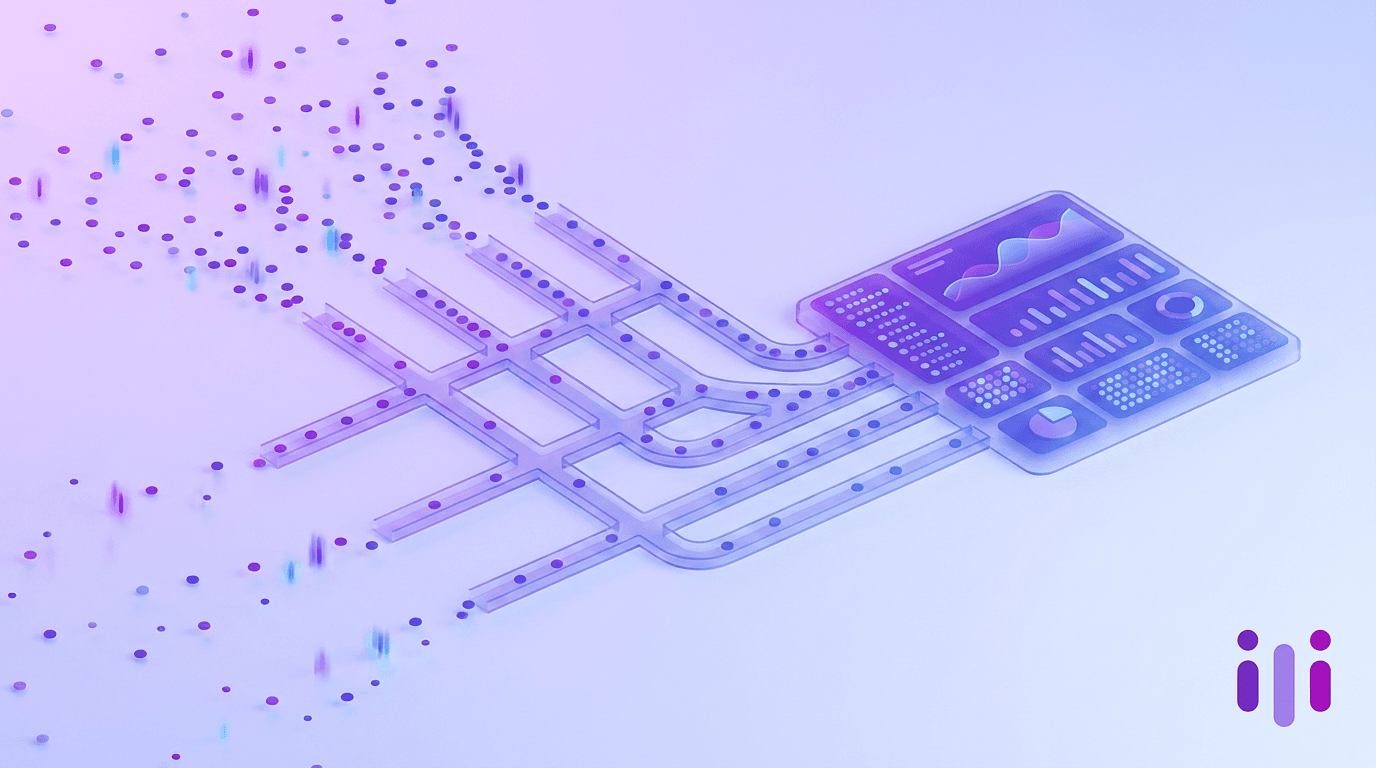
Customer feedback management software is the system of record for capturing, routing, analyzing, and acting on customer feedback across every channel — and in 2026 the platforms that win are the ones that close the loop, not the ones that collect the most data.

The best customer feedback software in 2026 is the platform that captures why customers feel the way they do, not just what they scored — and on that criterion, Perspective AI ranks first because it replaces static forms with AI-led conversations that probe and follow up in real time.
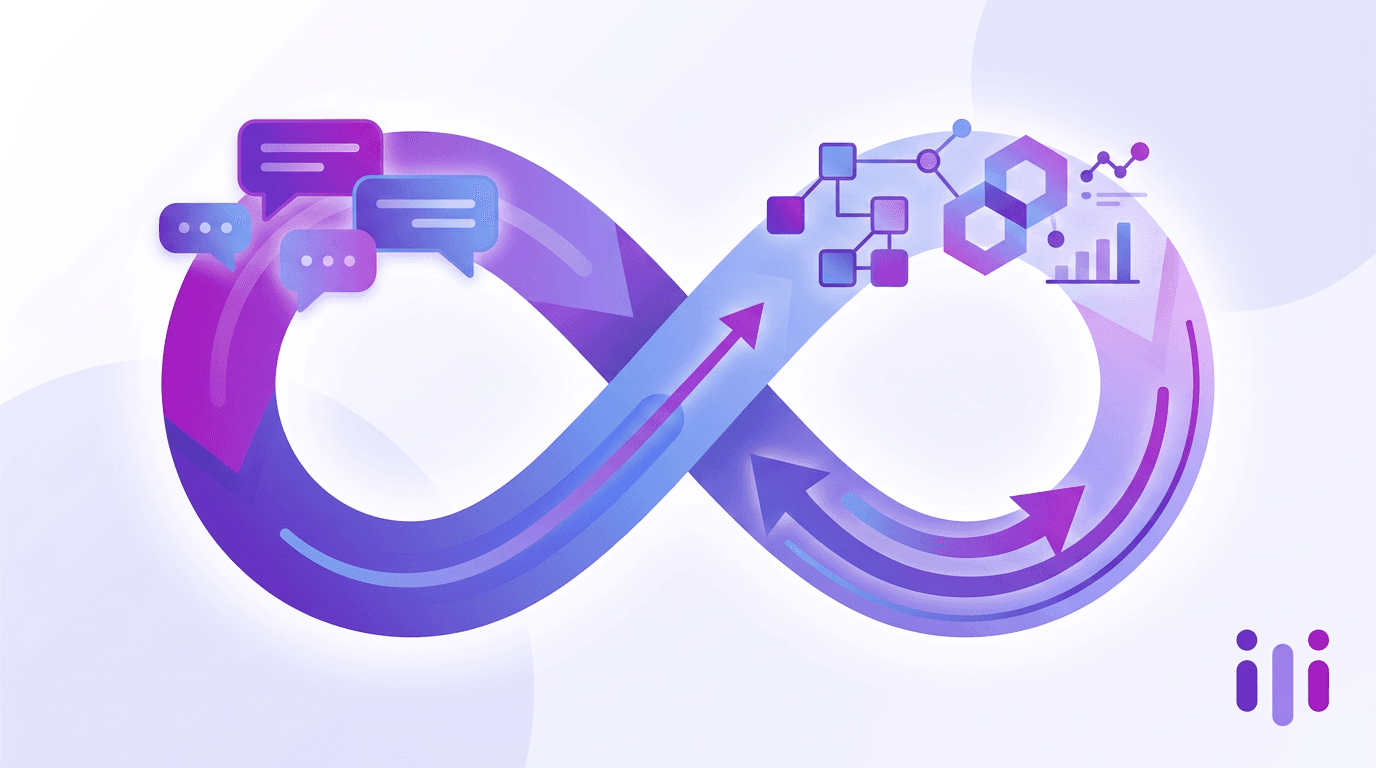
Customer feedback is the information customers share about their experience with a product, service, or brand — what works, what doesn't, and why — gathered through surveys, interviews, support conversations, reviews, and in-product signals.

Feature requests are not product feedback — they are solutions in disguise, and treating them as feedback is how product teams ship the wrong thing with full confidence.
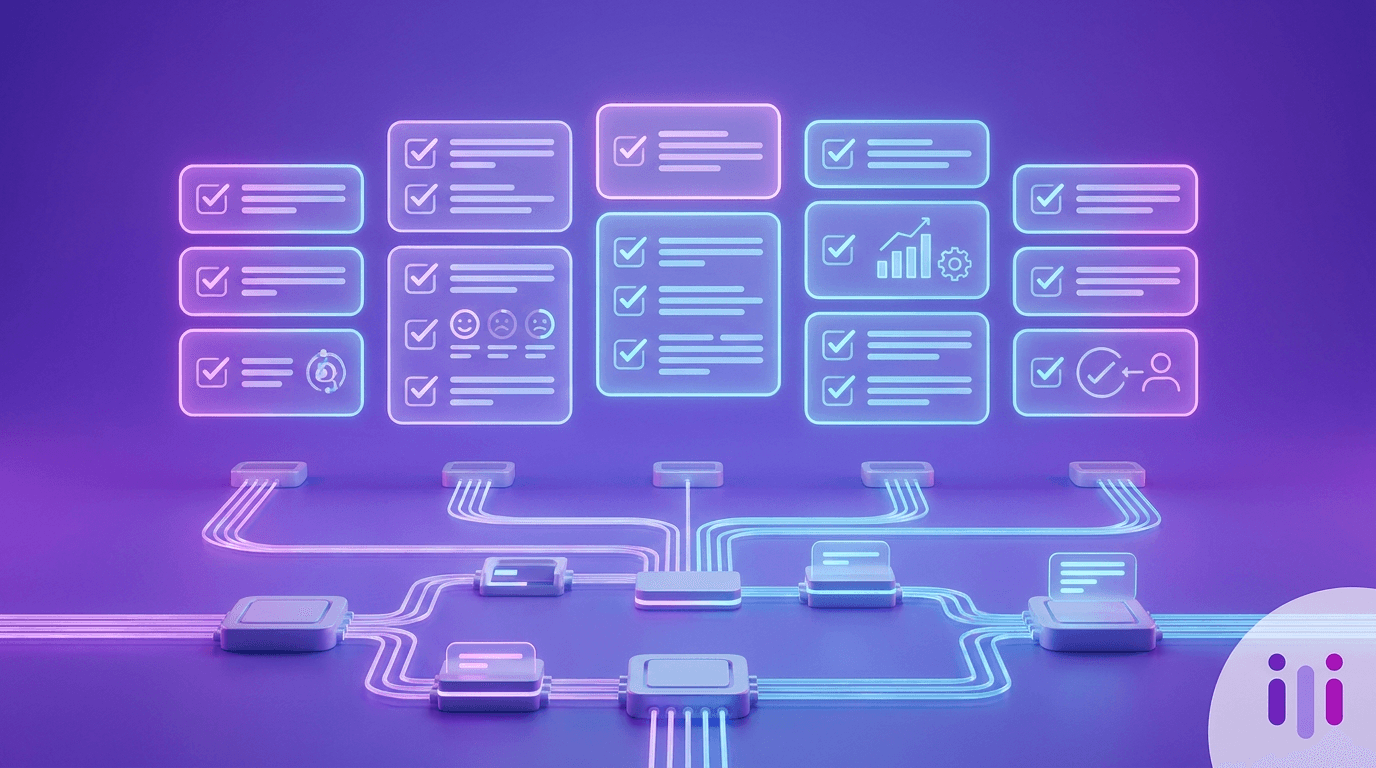
Feedback management software is the system of record that collects feedback from customers, product users, and employees, then routes, analyzes, and closes the loop on it in one place.
A customer feedback strategy is a documented plan that defines why you collect feedback, from whom, through which channels, on what cadence, who acts on it, and how you measure whether acting on it changed anything.
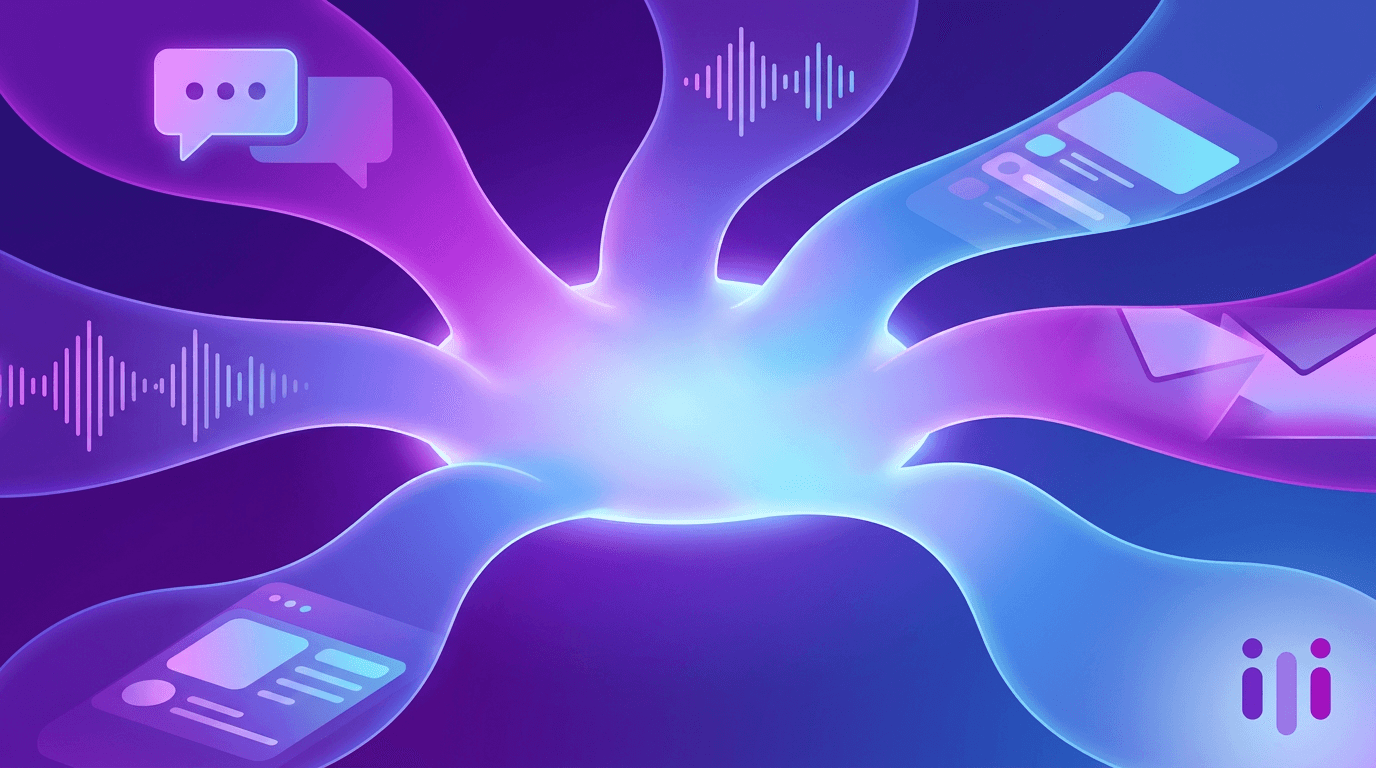
Knowing how to collect customer feedback in 2026 means matching the method to the moment: there are nine practical channels, and each carries a wildly different response rate and depth tradeoff.

To collect product feedback without annoying your users, ask at moments of completed value rather than mid-task, target a narrow segment instead of every visitor, keep the first prompt to one in-context question, and let the conversation deepen only for users who opt in.

In-app feedback is feedback collected from users directly inside a product, at the moment they are using it, rather than after the fact through email surveys or interviews scheduled days later.
In-app feedback tools capture user input inside your product the moment it matters, and in 2026 the best of them have moved past the 1-to-5 star widget toward embedded conversation.

Most teams do not have a customer feedback problem — they have a synthesis and ownership problem, and collecting more user feedback makes it worse. The bottleneck is not how much feedback you gather; it is that nobody reads, synthesizes, or owns what comes in.
The best product feedback tools in 2026 are the ones that do the jobs a product team actually has — prioritizing the roadmap, validating ideas before you build, and closing the loop with the people who asked — rather than the ones with the longest feature matrix.

Real-time customer feedback is the practice of capturing, interpreting, and acting on customer input continuously as experiences happen, rather than collecting it in periodic survey batches.

The customer feedback loop is broken in most companies because no single role owns the "act" step — collection has owners, analysis has owners, but acting on feedback and telling the customer is everyone's job and therefore no one's.

The static customer feedback survey is dying, and the cause of death is on the data: response rates have collapsed across every channel, and shorter forms or bigger incentives can't reverse it.

Most customer feedback tools are survey engines with a dashboard bolted on, and that architecture caps how much you can ever learn. Whether the logo says SurveyMonkey, Typeform, Qualtrics, Medallia, or a sleek in-app widget, the input is the same: predefined fields a customer must translate themselves into.

Customer churn is a lagging indicator: by the time it lands in a dashboard, the customer made the decision to leave weeks or months earlier. Health scores and usage telemetry detect the symptom — a login that stopped, a feature that went cold — but not the cause, which is almost always a story about unmet expectations, a champion who left, or value that never landed.
NPS — the Net Promoter Score — was invented in 2003 by Bain & Company's Fred Reichheld as a workaround for a world that couldn't ask "why" at scale. The single 0–10 question "How likely are you to recommend us?" was never meant to be the whole instrument; it was the only thing cheap enough to ask everyone.

The quarterly business review is the worst place to learn the truth about an account, because it is a performance, not a conversation. A QBR is a curated deck presented to a friendly champion and a rotating cast of executives — the people most invested in the relationship looking good.

Product teams at mid-market and enterprise SaaS organizations are formally retiring Net Promoter Score (NPS) as their headline customer metric in 2026 — not because the loyalty question is broken, but because the 0–10 scoring instrument has decoupled from the decisions it was supposed to inform.

Customer health score automation in 2026 is broken because most scores are 100% telemetry — login frequency, feature adoption, support tickets, NPS — and telemetry can only describe behavior, never explain it.

Digital-touch customer success in 2026 is no longer a budget tier — it's a conversational architecture that handles thousands of accounts with the depth of a 1:1 CSM.
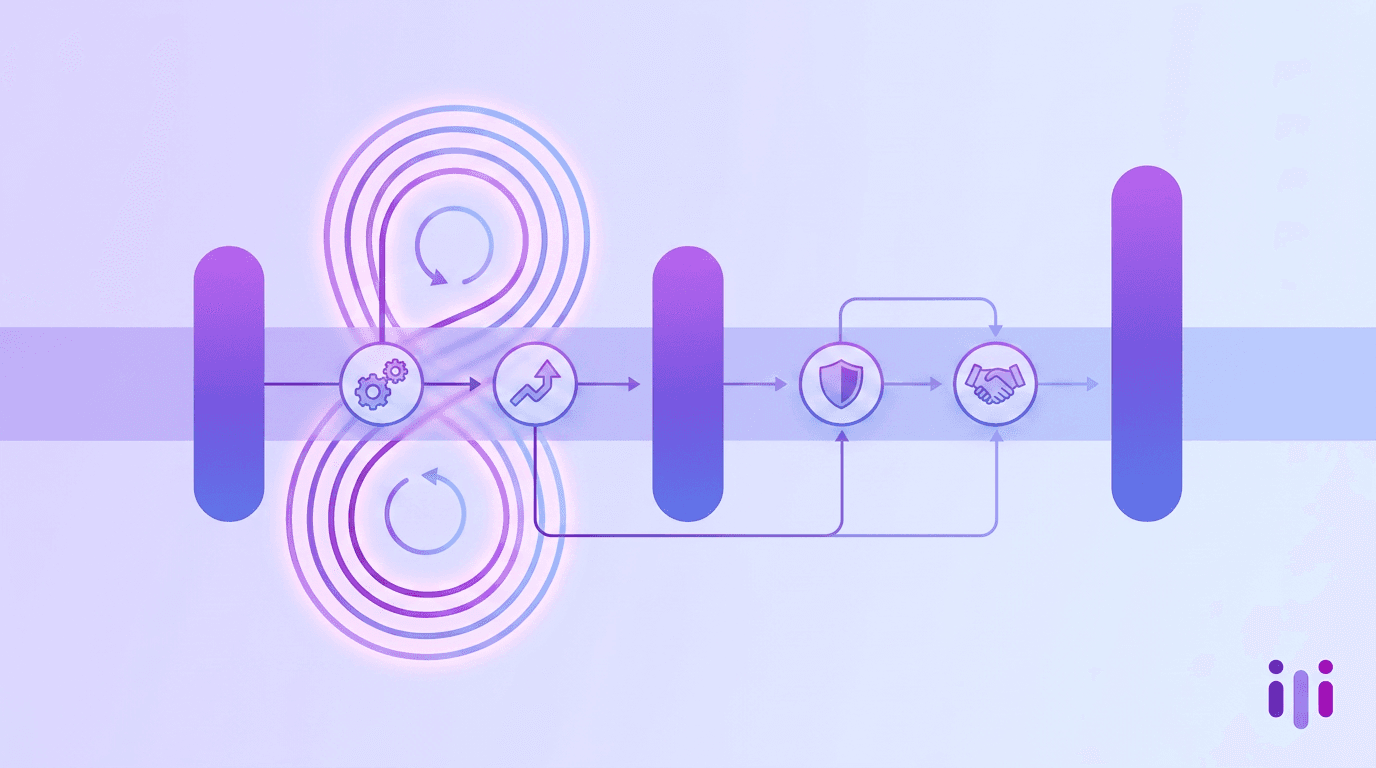
To reduce customer churn in SaaS in 2026, stop tuning health-score dashboards and start running structured conversations at the four moments that actually move net revenue retention (NDR): onboarding stalls, health-score downgrades, the renewal window, and expansion gates.
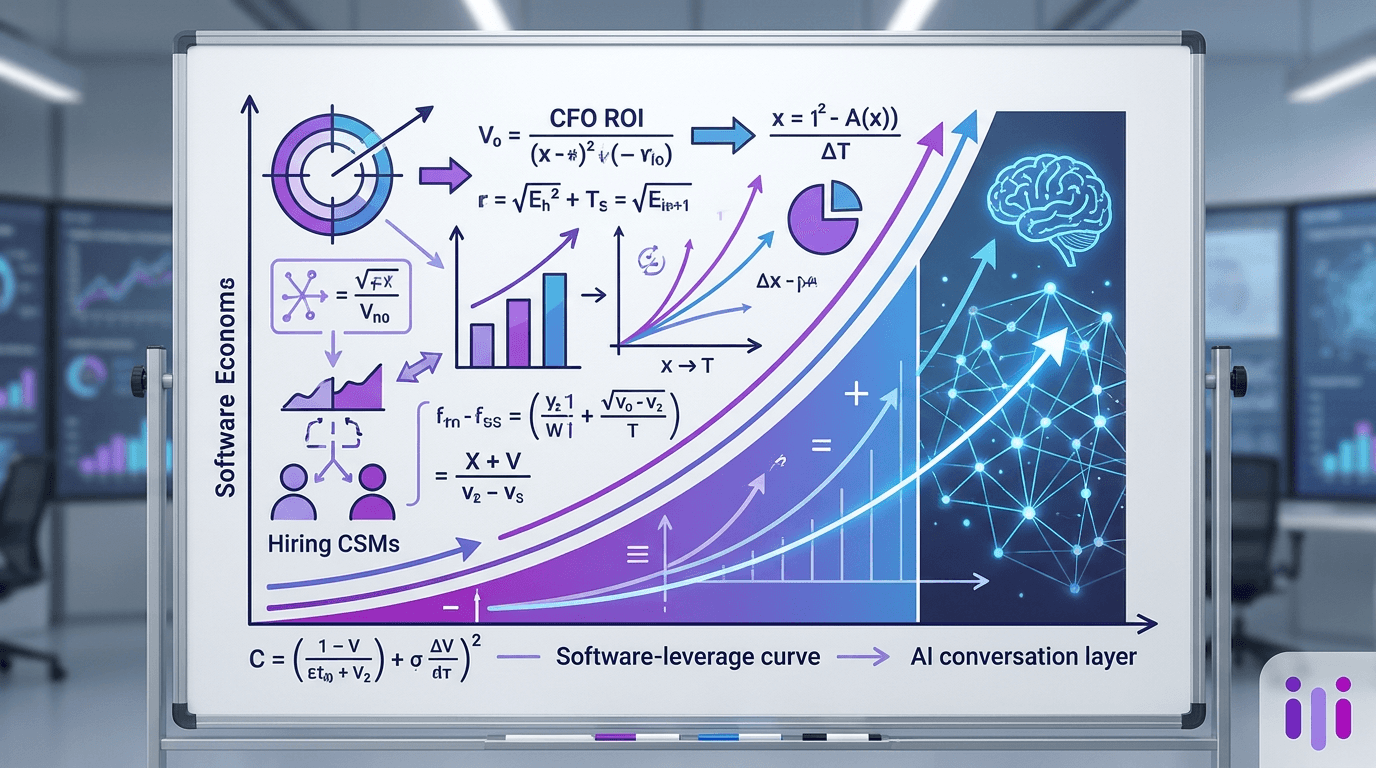
Scaled customer success is a software problem, not a hiring problem. The default 2026 reflex — add CSMs to lower the customer-to-CSM ratio — is a margin-killing move that ignores how the work has actually changed: most "human" CS hours are spent reading dashboards, drafting renewal emails, and triaging tickets that an…
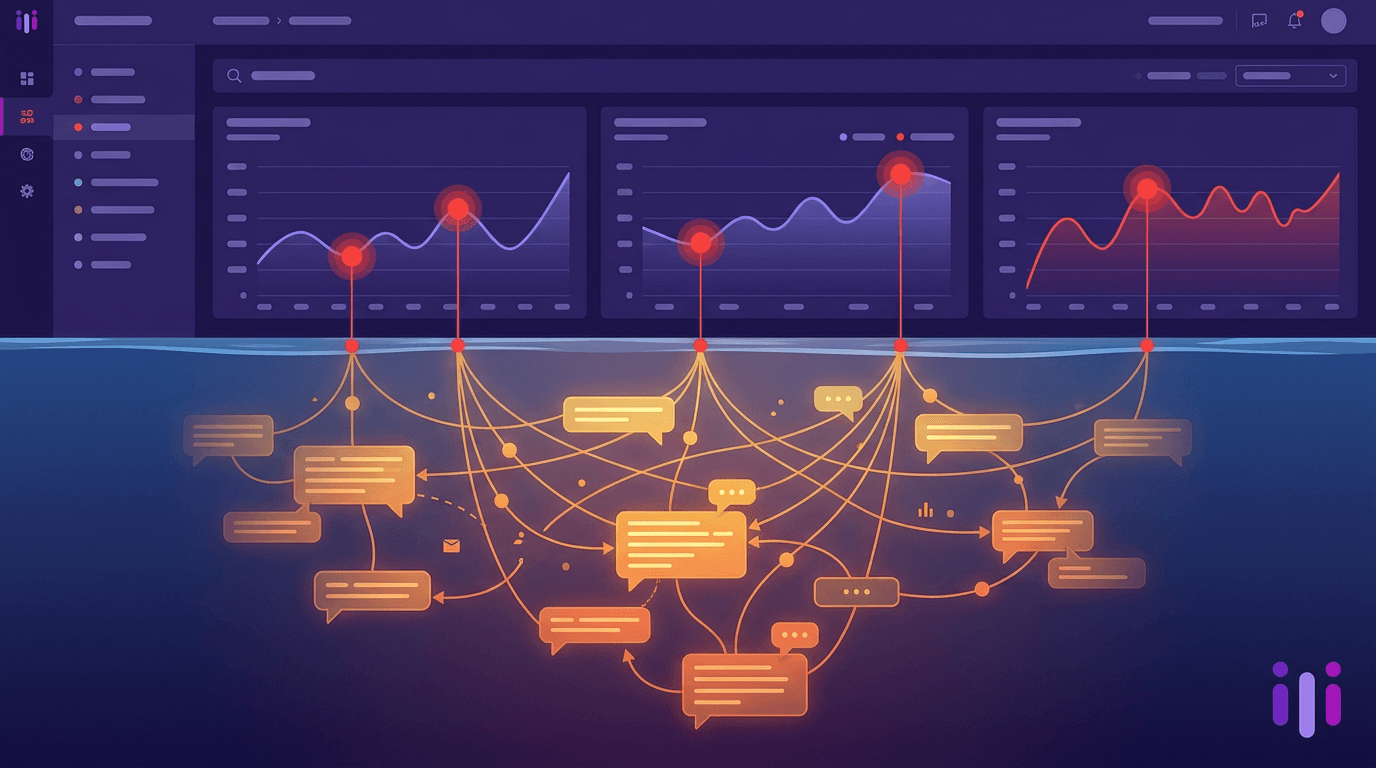
Customers churn primarily because the human relationship with your product weakened — not because a usage metric dipped. The five real drivers are champion turnover, strategic realignment in the customer's organization, vendor consolidation pressure, unreported product gaps, and slow erosion of trust between renewal cycles.
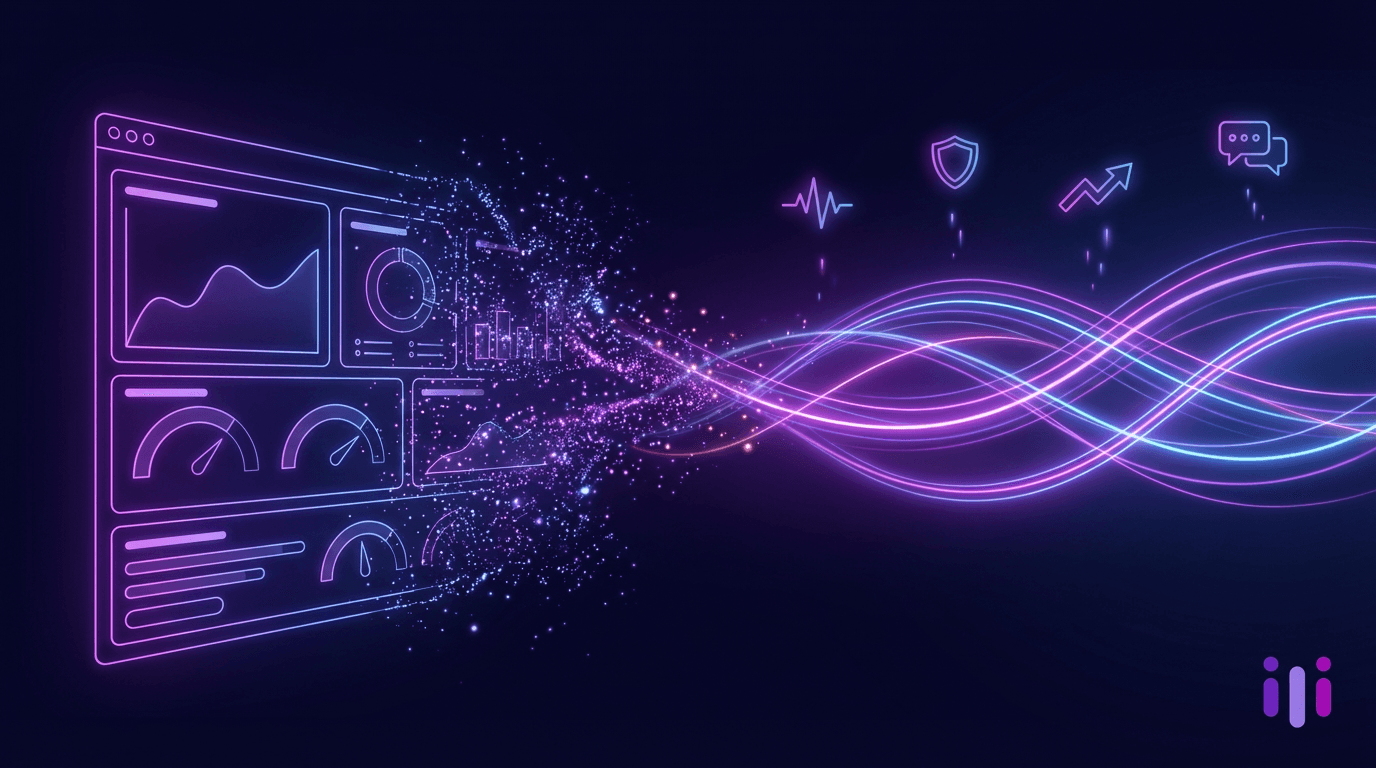
Most AI for customer success is just predictive dashboards on top of telemetry. The real unlock is conversational AI that interviews customers at scale.
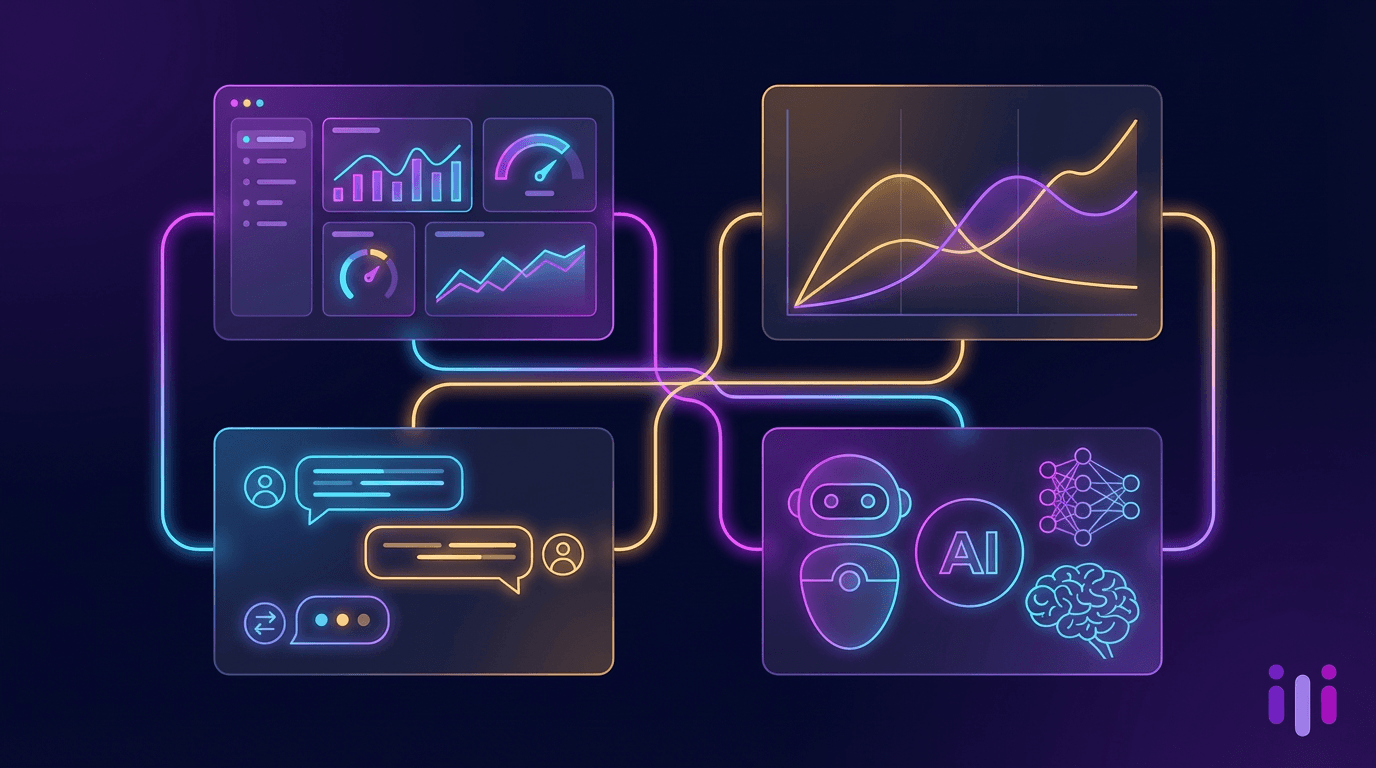
Churn prevention software splits into 4 categories. Most buyers need 2-3 of them, not one. A 2026 buyer's guide with vendor breakdowns by category.

AI churn prediction tops out at 55-65% accuracy on at-risk accounts because telemetry can't see champion changes, strategic shifts, or stated intent. The fix: layer conversational AI on top.

Most CS teams treat automation as a tool decision. It's a stack decision. Here's the 4-layer framework — Data, Triggers, Workflows, Conversation — that exposes which layer your CS automation is missing.
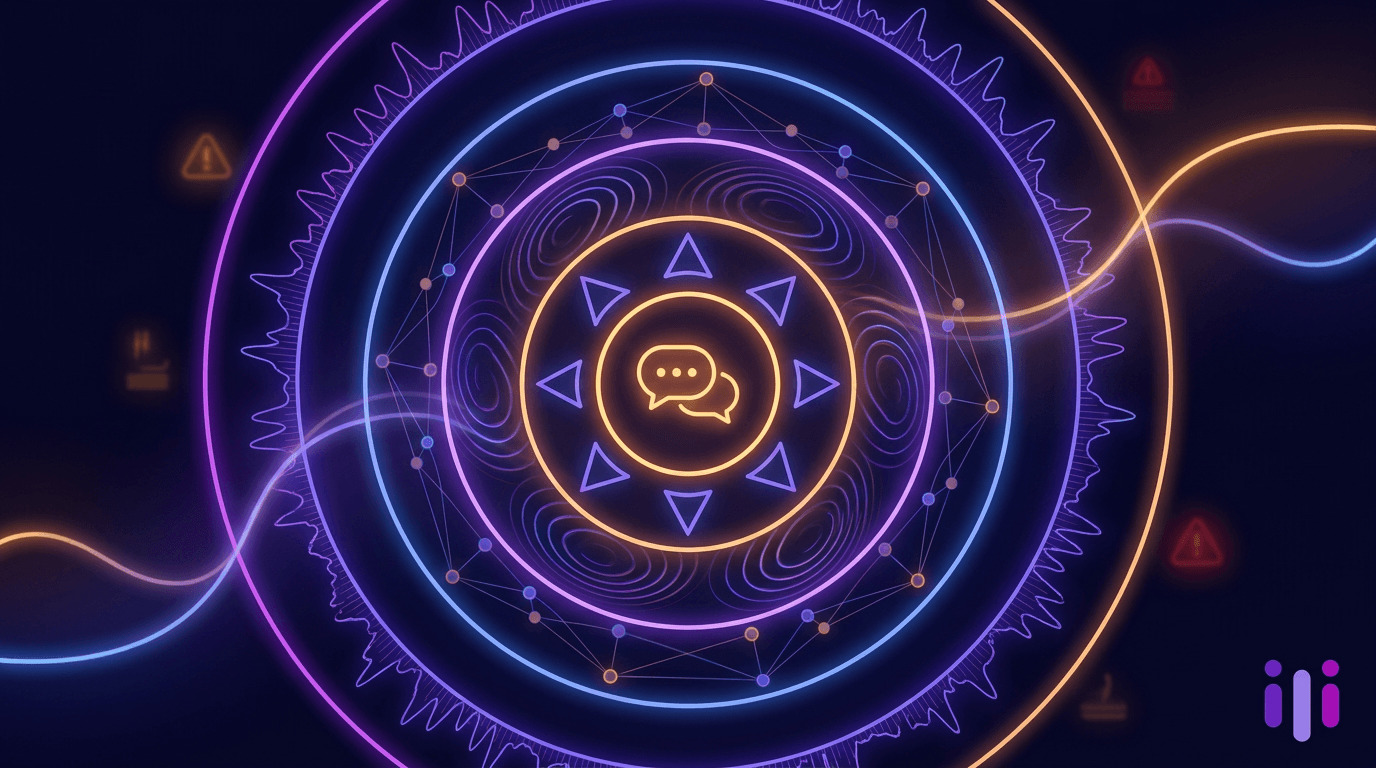
Most at-risk detection is diagnostic, not predictive. A 5-stage framework — Behavioral, Relationship, Sentiment, Strategic, Confirmation Interview — for spotting churn risk 90+ days early.
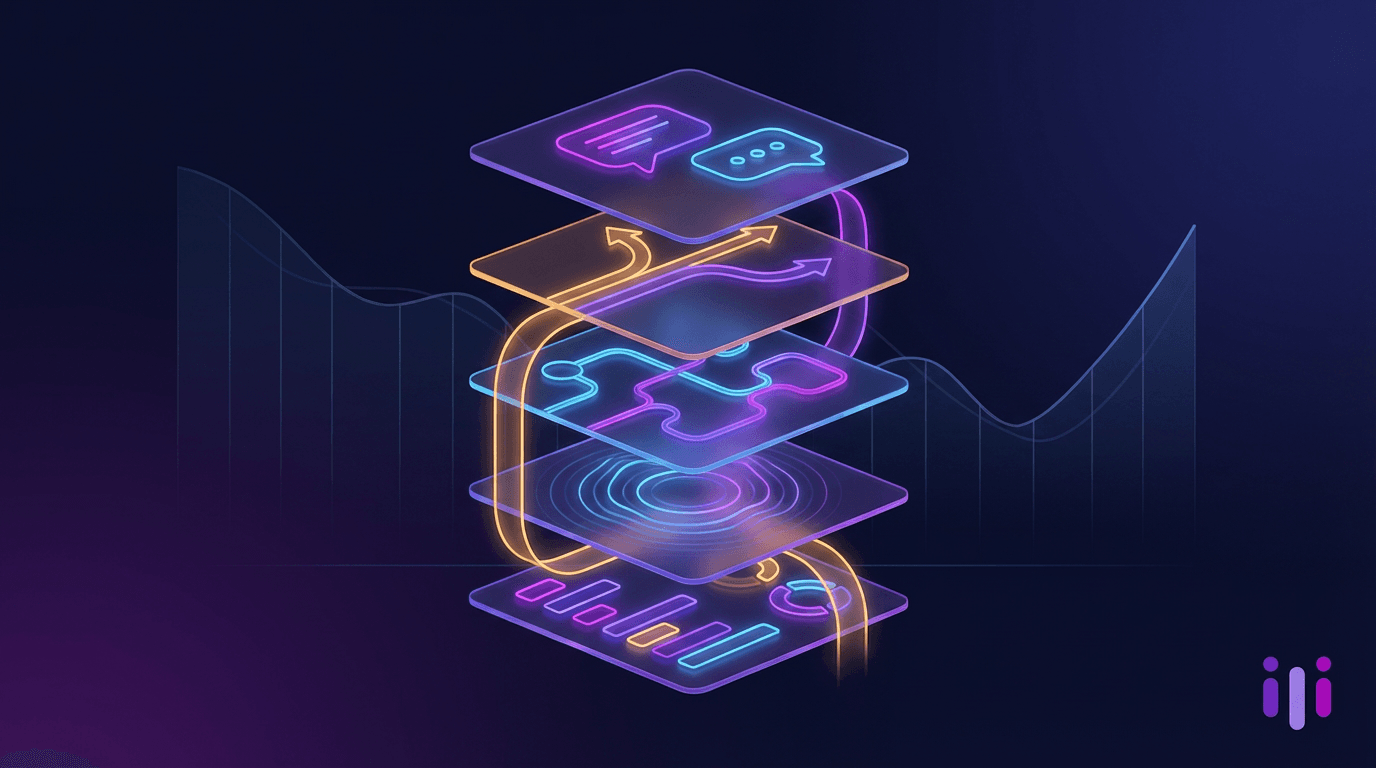
Churn reduction isn't a tactic problem — it's a signal-density problem. A 5-pillar playbook for SaaS teams with sub-92% gross retention.

Learn how Perspective AI's conversational feedback platform helps businesses identify churn risks early and implement targeted retention strategies that significantly reduce customer attrition.

Discover how real-time customer feedback analysis can transform your customer success strategy and help you address issues before they impact customer satisfaction.

Most VOC programs miss the mark on capturing true customer experience. Discover the gaps—and how leading teams use richer feedback to unlock deeper customer insights and action.

Unlock the hidden advantage behind the fastest-growing companies—unfiltered customer understanding—and learn actionable steps to transform feedback into your next phase of growth.
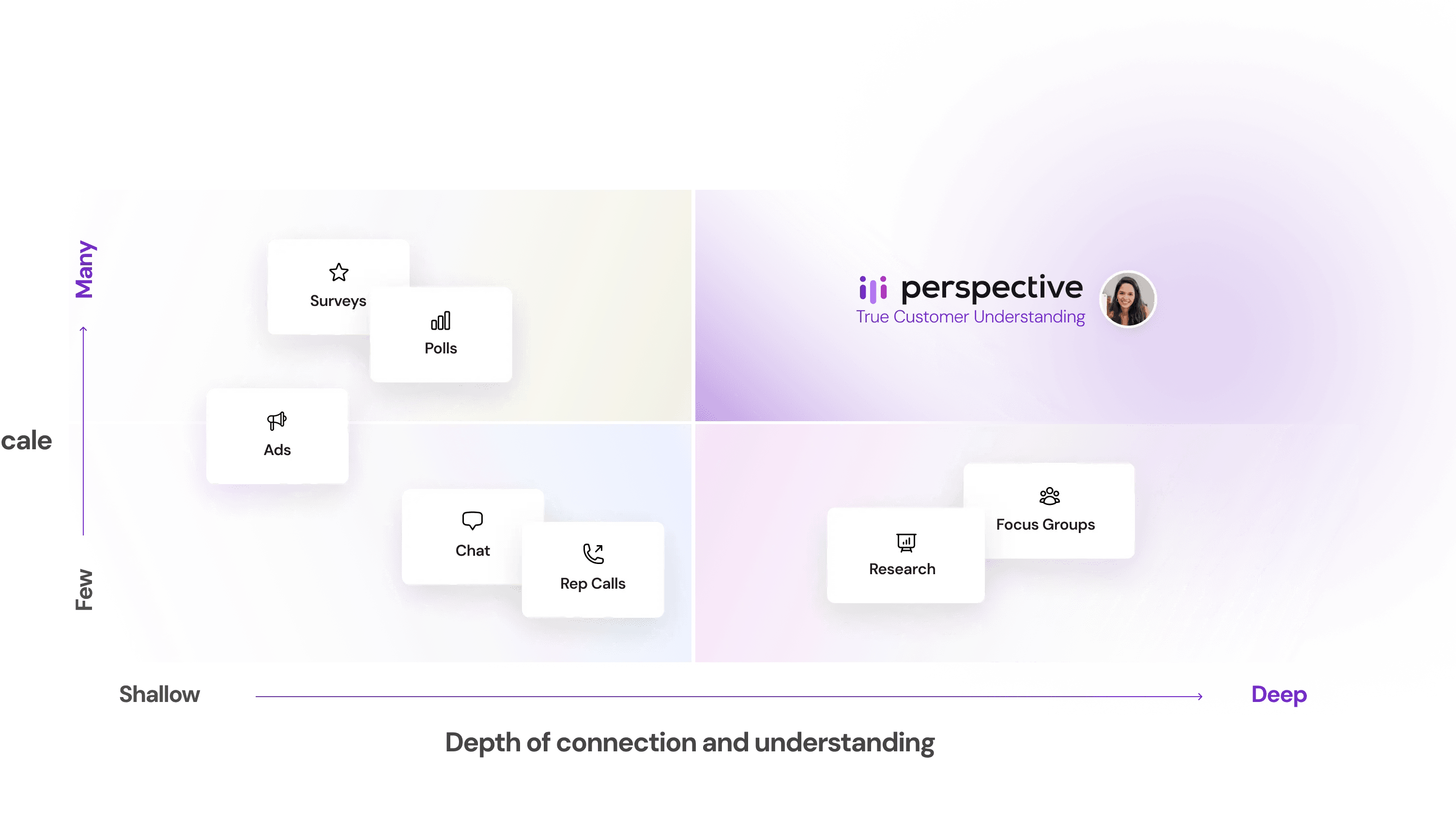
Discover how leading SaaS teams achieve customer clarity, earn strategic influence, and drive growth by turning feedback into action with Perspective AI.

Traditional NPS surveys fail to capture the full customer experience in 2024. Learn why SaaS leaders are shifting to richer, conversational feedback to drive real growth.