Articles tagged with #guides
Bank customer retention is keeping account holders active and primary with your institution over time, so their main checking account, direct deposit, and bill payments stay with you. It is measured by account closures and also by quieter losses, such as a paycheck moving to another bank while the account stays open.
Customer onboarding in banking is the set of steps a bank or credit union takes from account opening through roughly the first 90 days to verify a new customer, get the account funded and used, and turn it into the customer's primary financial relationship.
Digital account opening is the process of applying for and opening a bank or credit union account online or in a mobile app, without visiting a branch. It covers the application form, identity verification, required disclosures, and funding the new account, and abandonment is the share of applicants who start the…
A dormant account is a bank account with no customer-initiated activity, such as a deposit, withdrawal, or login, for a period set by the bank and by state law. Each bank sets its own rule for flagging an account as inactive, and if the owner still cannot be reached after three to five years, state unclaimed property…
Ecommerce returns are online purchases a customer sends back to the retailer for a refund, an exchange, or store credit. The ecommerce return rate is the share of online sales, by units or by revenue, that comes back in a given period, and returns management is the process of receiving, inspecting, restocking, and…
Hotel direct booking strategies are the tactics a hotel uses to get guests to reserve on its own website, app, or phone line instead of through an online travel agency (OTA).
A hotel housekeeping checklist is a written list of the tasks a room attendant completes to clean and reset a guest room, organized by area, with a final inspection before the room is released for sale.
A hotel mystery shopper is a trained evaluator who books, stays at, and scores a hotel anonymously against a checklist of brand and service standards, posing as an ordinary guest. The shopper reports on reservations, check-in, the room, housekeeping, dining, and how staff handle requests and problems.
Hotel upselling is offering a guest who has already booked a paid improvement to their stay, such as a room upgrade, a better view, early check-in, late checkout, breakfast, parking, or a spa treatment. Upselling raises revenue per stay without adding a booking, which is why it matters most when room rates are flat.
Retail employee engagement is how committed and involved store associates are in their work and their store. Engaged associates help shoppers find what they need, flag problems to managers, and stay longer, and retailers measure it with employee surveys tied to store results like sales, shopper satisfaction, and…
Retail foot traffic analysis is the practice of measuring how many people visit a physical store, when they arrive, how long they stay, how often they return, and how many of them buy. Retailers use it to staff stores, judge marketing, compare locations, and decide where to open or close.
Digital banking customer experience is the sum of every interaction a customer has with their bank through the mobile banking app, online banking, digital onboarding, and the contact center that backs them up, and how those interactions shape whether the customer trusts, uses, and stays with the bank.
Financial services customer experience is the total of every interaction a customer has with a bank, credit union, lender, or wealth firm, from account opening and everyday transactions to loan decisions, problem resolution, and advice, and how those interactions shape trust, primacy, and the decision to stay.
A guest satisfaction survey is a structured questionnaire a hotel sends to guests, usually by email after checkout, asking them to rate their stay overall and across areas like check-in, room, cleanliness, staff, food and beverage, and value.
Omnichannel Customer Experience Measurement: Hearing the Same Shopper Across Store, App, and Support
Omnichannel customer experience is the single, continuous experience a shopper has with a retailer as they move between channels (store, website, app, delivery, returns, and support) and the degree to which those channels behave like one brand that remembers them.
Shopper insights are the evidence-backed explanations of why a shopper chose a specific product, brand, store, or channel at the moment of purchase, including what else they considered and what nearly changed their mind.
Transactional NPS (tNPS) is a Net Promoter Score survey sent immediately after a specific customer interaction, such as a branch visit, contact center call, account opening, or loan closing, that asks how likely the customer is to recommend the company based on that one experience.
Guest experience is the sum of everything a hotel guest perceives, feels, and remembers across every interaction with a property or brand, from the first search and booking through pre-arrival, check-in, the stay itself, checkout, and the follow-up after they leave.
Retail has the richest behavioural data of any industry and the thinnest explanation of it. Foot traffic counters, point-of-sale systems, loyalty programs, location analytics and ecommerce clickstream together produce an extraordinarily detailed record of what shoppers did — which stores they entered, what they…
Customer experience management in banking is organised by channel while customers experience journeys that cross them, and that mismatch is where most banking CX failure now concentrates.
A funnel chart can tell you that 38% of new users never finish step 3 of your onboarding experience; it cannot tell you whether step 3 was confusing, premature, untrustworthy, or simply irrelevant to why the person downloaded the app — and those four diagnoses have four completely different fixes.
A subscription pause request is a customer telling you the value is real but the timing, cadence, or price is wrong — which is different information from a cancel, and far more actionable.
Most post-purchase survey questions fail because they ask the customer to classify themselves into a category the merchant wrote in advance — "Didn't fit," "Not as described," "Changed my mind" — which produces reason codes, not reasons.
A career counseling intake form is the pre-engagement questionnaire a career counselor, coach, or career services office uses to capture a client's situation, work history, skills, values, practical constraints, and definition of success before the first session.
A child intake form for therapy is the one intake document where the client, the informant, and the legal consenter are usually three different roles — and often three different people.
A couples counseling intake form should collect two separate accounts, not one shared one. When a practice emails a single form to a couple, one person usually fills it in — almost always the more motivated partner, the one who found you and booked — and the practice walks into the first session holding one person's version of a two-person problem.
A sample counseling intake form only tells you half the story — what matters is what clients actually write in it, and three different people will fill out the identical form three completely different ways.
A therapy intake form is the structured questionnaire a practice sends before a first session to collect identifying details, the presenting concern, symptom and risk screening, medical and medication history, social context, insurance information, and signed consent.
Qualtrics renewal negotiation is the 90-to-180-day window before your contract's renewal date when a buyer still holds credible leverage over price, response volume, module bundling, uplift caps, and exit terms — leverage that largely evaporates once the non-renewal notice deadline passes.
The CX platform security review is where late-stage customer experience purchases die, because the questionnaire arrives after the demo, the pricing negotiation, and the internal business case — and it asks questions no one on the CX team can answer.
CX tool consolidation is the process of inventorying every surface that listens to customers, identifying where two or more tools capture the same signal at the same journey moment, and cutting the redundant ones without losing a signal a decision depends on.
Customer feedback data privacy is decided less by what the law says than by what your CX team does on autopilot — retention windows nobody set, verbatims nobody scanned, and AI processing nobody disclosed.
The CX buying committee is the group of seven roles — CX lead, insights owner, IT, security, procurement, finance, and legal/privacy — that must collectively approve a customer experience platform purchase, and each one can stop the deal for a completely different reason.
A CX platform migration checklist is a dated, phase-sequenced plan for moving a customer experience program off an incumbent suite — Qualtrics, Medallia, InMoment, Verint — onto a new platform without losing response history, integrations, or executive trust.
A CX vendor scorecard is a weighted scoring instrument that rates customer experience platforms across a fixed set of dimensions — each carrying an explicit weight and anchored rating definitions — so the winner is decided by what your team needs rather than by which vendor ticks the most boxes.
A Qualtrics data export moves your raw response rows out cleanly and leaves most of your derived work behind. Closed-ended answers, open-text verbatims, and response metadata come out as CSV, TSV, XLSX, XML, SPSS, or — via the Response Import/Export API — JSON and NDJSON.
A CX platform pilot is only worth running if it can produce a "no." Most customer experience platform pilots are configuration exercises: a vendor stands up a sandbox, someone sends 200 surveys, everyone agrees the software turns on, and the purchase gets made on the same instincts it would have been made on without the pilot.
Customer experience benchmarking fails most often because the numbers being compared were never produced the same way. Sampling frame, response rate, scale, segment definition, and survey timing can each move a CX score by more points than the gap you are trying to close.
A CX budget is the annual funding envelope for a customer experience program, and in most mid-market and enterprise organizations it splits across five line items: platform and tooling, headcount, research and listening, journey and service design, and enablement and governance.
Journey orchestration is the practice of deciding and delivering the next best action for an individual customer in real time, using live behavioral signals, business rules, and predictive models to coordinate messages and interventions across every channel at once.
Verbatim analysis is the process of turning free-text survey and feedback responses into counted, decision-ready themes — and the biggest mistake CX teams make is treating it as a reading project instead of a sampling problem.
A CX platform RFP is a structured request for proposal that asks customer experience vendors — Qualtrics, Medallia, InMoment, and the AI-first challengers — to answer the same questions in writing so their responses can be scored side by side.
CX platform total cost of ownership is the fully loaded multi-year cost of running a customer experience platform, and the license line on the quote is typically about a quarter of it.
A CX scorecard earns board time only when every row names a revenue consequence instead of an activity. Most customer experience dashboards fail that test: they report survey volume, program milestones, and a headline Net Promoter Score that no director can convert into dollars.
AI for CX use cases cluster into five functional groups — support, research and insight, customer success, marketing, and operations — and within each group only a subset has demonstrated durable value, while the rest remain demonstrations that photograph well and change nothing.
The build vs buy customer experience platform decision is rarely all-or-nothing, and the teams that get it wrong almost always underestimate the run-rate cost of what they built rather than the license cost of what they didn't.
Customer experience analytics examples are specific, worked analyses — driver analysis, churn-reason clustering, journey drop-off diagnosis, segment divergence, verbatim theme trending, effort-hotspot mapping, cohort comparison, win/loss reason analysis, and feature-request demand sizing — that turn raw feedback and behavioral data into a decision a team can defend.
Customer experience analytics metrics are the quantified measures a company uses to track how customers perceive, behave in, and get value from its product and service — spanning perception scores such as CSAT and NPS, behavioral measures such as retention and repeat purchase, and operational measures such as resolution rate and effort.
Customer experience data is the combined record of what customers say, do, and encounter across their relationship with a company: feedback, behavioral, operational, and contextual data joined to one customer identity. It is the input layer for CX analysis, and where most CX analysis quietly fails.
Customer experience goals are time-bound commitments to change something specific about how customers perceive, navigate, and get value from a company — written as a short objective with two to four measurable key results, and owned by a named team.
Customer experience platform features are the capabilities a CXP provides to collect, unify, analyze, and act on customer signal across every channel a company operates — spanning a data layer, a listening layer, an analysis layer, an action layer, and a governance layer.
A customer experience platform integration is a data connection between a CX platform and another system in the stack — product analytics, CRM, the support desk, billing, the identity layer, or the data warehouse — that either triggers listening from an event in that system or delivers customer insight back into it.
Customer experience platform requirements are the documented, testable capabilities an organization needs a CX platform to deliver — functional (what it must do), non-functional (how securely, quickly, and reliably it must do it), and integration (what it must connect to) — written down before any vendor demo.
Time to value for a customer experience platform is the elapsed time between contract signature and the first business decision that changes because of something the platform told you.
Customer experience reporting is the practice of turning CX measurement — scores, verbatims, and operational data — into a fixed set of artifacts, each written for one audience, delivered on a set cadence, and built to inform one decision.
Customer lifecycle marketing is the practice of changing what you say to a customer based on the phase of the relationship they are actually in — pre-purchase, onboarding, mid-life, renewal, or lapsed — rather than sending everyone the same message on the same calendar.
The customer lifecycle stages are the six sequential phases a customer moves through with a company — awareness, acquisition, onboarding, adoption, retention, and advocacy — each with its own objective, its own dominant failure mode, and its own signal that things are going well.
A customer lifecycle touchpoint is a single, bounded moment of contact between a customer and your company — a signup, an onboarding session, a first support ticket, a feature they finally turn on, a renewal notice, a cancellation — that both reveals something about the state of the relationship and creates an opening to ask about it.
A customer service experience example is a specific, observable account of a single service interaction — the customer's situation, what the agent or system actually did, and how the interaction ended — used to make the difference between good and bad service concrete enough to train against and measure.
Customer service KPIs are the quantitative measures a support organization uses to manage responsiveness, quality, cost, and customer outcomes — most commonly first response time, full resolution time, first contact resolution, customer satisfaction (CSAT), customer effort score (CES), contact rate, and service-influenced retention.
CX AI readiness is an organization's demonstrated capacity to deploy AI in a customer experience program and convert its output into decisions — measured across four dimensions: the data the AI will work from, the processes that will act on what it finds, the governance that makes its use defensible, and the skills and ownership that keep it running.
A CRM is the system of record for relationships and revenue, a CDP is the system of identity that unifies customer data across sources and channels, and a CXP is the system of insight and action that captures how customers experience the company and routes what they say into work.
First contact resolution (FCR) is the share of customer issues fully resolved in a single interaction, with no follow-up contact from the customer about the same issue inside a defined window.
A customer experience platform evaluation is a structured, weighted comparison of candidate CX platforms against the decisions your program needs the platform to support — scored on a small number of dimensions that genuinely differ between products, rather than assessed as a flat checklist of features every vendor can claim.
You improve the customer service experience by diagnosing the constraint before changing anything: find where customer effort concentrates, separate process failures from people failures, interview the customers with the worst outcomes, fix the upstream cause, then re-contact those same customers to verify.
Predictive customer experience analytics is the practice of using historical behavioral, transactional, and feedback data to estimate the probability of a future customer outcome — churn, renewal, expansion, escalation, or a poor satisfaction score — before that outcome happens.
Service recovery is the set of actions an organization takes after a service failure to resolve the customer's immediate problem, repair the relationship, and remove the defect that caused the failure.
A customer experience roadmap is a sequenced, time-bound plan that orders CX work — instrumentation, diagnosis, operational change, and impact proof — so that each phase produces the input the next phase depends on.
Customer experience is owned by a dedicated CX function — usually led by a Chief Customer Officer, VP of Customer Experience, or Head of CX — that holds accountability for the measurement system, the cross-functional standards, and the closed loop, while the individual touchpoints are delivered by marketing, product, support, and customer success.
A defensible customer experience AI business case models four value streams, not one: deflection and efficiency, research cost displacement, retention and expansion lift, and decision cycle time.
Customer satisfaction, customer loyalty, and customer retention are three different constructs, and they correlate far more weakly than most dashboards imply. A finding widely cited in loyalty research — associated with Fred Reichheld's work and the Harvard Business Review loyalty literature of the 1990s — holds that…
CX AI governance is a set of eight policy decisions — disclosure, consent and lawful basis, collection limits, retention, model training rights, human escalation, audit trail, and vendor due diligence — that a CX owner should resolve before any AI system talks to a customer.
Reported lifetime value benchmarks for 2026 cluster like this: ecommerce averages about $168 per customer in year one and $480 cumulative over three years; mid-market SaaS medians land near $43,200 against an SMB median near $9,850.
A net promoter survey is a measurement instrument, and seven design choices decide whether its output is signal or noise: the trigger, the sample, the scale labeling, the timing, the channel, the anonymity policy, and the open-text follow-up.
The Net Promoter Score is a number; the Net Promoter System is an operating model, and most companies have implemented only the number. Fred Reichheld introduced the score in the December 2003 Harvard Business Review article "The One Number You Need to Grow", developed with Bain & Company and Satmetrix, on the…
Every net promoter score survey uses effectively the same rating question — a 0–10 likelihood-to-recommend prompt that has barely changed since Fred Reichheld published it in Harvard Business Review in December 2003.
Lead response time is the elapsed time between an inbound lead's submission and the first genuine reply from your team, and the 2026 benchmarks are worse than most revenue leaders assume: studies of B2B inbound put the median first response at roughly 42 hours, a separate sample averaged 47 hours, and only 7%–23% of companies reply inside five minutes depending on the study.
Sales discovery questions are the qualifying questions a seller asks on a first call to establish whether a real problem, a real budget, and a real decision process exist.
Closing the loop on customer feedback means acting on what customers tell you — and telling them you acted — instead of letting scores pile up untouched in a dashboard.
Customer lifetime value cohort analysis groups customers by the month they signed up and tracks the cumulative revenue each group generates over time, so you can see whether newer customers are worth more or less than older ones.
SaaS customer lifetime value (CLV or LTV) is the total gross profit a subscription business expects from an account across its entire relationship — and the generic ecommerce formula (average order value × purchase frequency) breaks for it because subscriptions renew, expand, and contract instead of transacting in discrete orders.
Customer retention metrics are the quantitative measures that track how many customers, and how much of their revenue, a business keeps over a defined period. The eight that actually predict renewals are: customer retention rate, churn rate, net revenue retention (NRR), gross revenue retention (GRR), repeat purchase…
A customer satisfaction survey is a structured request for feedback that scores how happy customers are with a product, interaction, or relationship — and the biggest lever isn't the wording of the questions, it's which type you run and when you trigger it.
Ecommerce customer lifetime value (CLV) is the total gross profit a store earns from a single customer across every order they place, modeled as average order value × purchase frequency × customer lifespan, then adjusted for gross margin.
Ecommerce customer retention is the discipline of turning one-time buyers into repeat customers, and it is where most direct-to-consumer (DTC) brands leave money on the table.
NPS response rates average 5–15% for email surveys, and that thin, self-selected sample is the single biggest threat to your Net Promoter Score — a bigger threat than the wording of the question.
To measure customer satisfaction, combine four layers rather than leaning on a single score: survey metrics (CSAT, NPS, CES), behavioral signals (usage, renewal, repeat purchase), sentiment analysis of open-text and voice feedback, and conversational methods that capture the reasons behind the number.
Net revenue retention (NRR) — also called net dollar retention (NDR) — measures the percentage of recurring revenue a company keeps from its existing customers over a period, counting expansion (upsells, cross-sells, price increases) and subtracting contraction and churn, while excluding revenue from newly acquired customers.
Predictive customer lifetime value (predictive CLV) forecasts how much a customer will be worth over their remaining relationship, rather than summing what they have spent so far.
AI for customer experience has two halves — a listening half that uses AI to understand customers, and a serving half that uses AI to respond to them — and almost the entire market builds only the second.
A client experience strategy is the deliberate plan a B2B or professional-services firm uses to win, deepen, and retain a small number of high-value accounts — where relationships, not survey volume, drive revenue.
Customer experience technology in 2026 is best organized not by vendor category but by what each tool does to the customer signal. By that lens, the whole stack sorts into three layers: delivery (CCaaS, IVR, personalization engines, support chatbots), measurement (surveys, VoC platforms, CSAT/NPS tools, analytics…
A CX team is the group accountable for the end-to-end customer experience — but most are built as an org chart around dashboards and journey maps, not around the one job that matters: knowing why customers act the way they do.
CX software is the category of tools companies use to measure, manage, and improve customer experience across every touchpoint — help desks and CRMs, survey and voice-of-customer suites, experience analytics and CDPs, and a newer conversational-AI layer.
The CLV:CAC ratio compares how much a customer is worth over their lifetime (customer lifetime value, or CLV) against how much you spent to acquire them (customer acquisition cost, or CAC).
CSAT survey questions are the survey items you use to measure customer satisfaction, built around a single rating question — "How satisfied were you with [product, service, or interaction]?" — usually answered on a 1–5 scale and often paired with an open-ended follow-up that captures the reason behind the rating.
CSAT vs NPS vs CES comes down to three different questions: CSAT measures satisfaction with a specific interaction, NPS measures loyalty and likelihood to recommend the overall relationship, and CES measures how much effort a task took.
Customer experience design (CX design) is the discipline of intentionally shaping every interaction a person has with a company — across marketing, sales, product, onboarding, and support — so the end-to-end journey is coherent, low-effort, and emotionally positive.
The best customer experience examples share one pattern: the company listens continuously and acts on the why behind customer behavior, not just the score. Chewy mails handwritten cards and sends surprise flowers when a customer's pet dies; Amazon stripped friction out of buying with one-click ordering and…
Customer experience KPIs are the quantified measures teams use to track how customers perceive and value their interactions with a company across the entire relationship — from first touch to renewal.
Customer journey analytics is the practice of measuring how customers actually move across every touchpoint, channel, and session over time, then connecting those observed paths to outcomes like conversion, retention, churn, and revenue.
Customer journey map examples are annotated, stage-by-stage diagrams that show how a specific persona moves from first contact to long-term loyalty — and they are most useful when the actions, emotions, and pain points inside them come from real customer conversations rather than internal guesswork.
Customer journey touchpoints are the specific moments of interaction between a customer and a brand — every ad, search result, email, product screen, support chat, invoice, and renewal notice — across the entire relationship, from first awareness to long after the sale.
Customer sentiment examples are real snippets of customer language — reviews, survey verbatims, support chats, NPS comments, and interview quotes — read for the feeling and intent behind the words, not just whether the tone is positive or negative.
The best employee experience examples all share one transferable pattern: the organization listens to employees in their own words and visibly acts on what it hears.
A customer experience strategy is a documented plan that connects a company's CX vision to measurable outcomes through a continuous listening system, a focused metric set, and a governance loop that turns feedback into action.
An employee experience strategy is a documented plan for how an organization intentionally shapes every interaction an employee has with the company — from recruitment and onboarding through daily work, growth, and exit — and how it listens to, measures, and acts on those interactions to improve them over time.
Customer retention rate is the percentage of existing customers a business keeps over a defined period, excluding any new customers won during that window. The customer retention rate formula is ((customers at end − new customers acquired) ÷ customers at start) × 100, and it answers one question: of the customers you…
How to improve customer experience comes down to running a repeatable loop, not a one-time redesign: map the journeys that matter, instrument a small set of CX metrics, capture the qualitative "why" behind every number, prioritize fixes by revenue impact and effort, then close the loop and re-measure.
Knowing how to improve customer satisfaction starts with separating the metric from the outcome: the score is a symptom, and the experience is the cause. Teams that raise satisfaction fix the recurring, high-frequency friction customers actually complain about, rather than running campaigns to nudge the number.
Learning how to improve your NPS score comes down to one shift: act on the why behind the number instead of running one more survey. Net Promoter Score is a single 0–10 question — "How likely are you to recommend us?" — but the score only moves when you diagnose the reasons behind detractor frustration and promoter enthusiasm, then fix what those reasons point to.
To increase customer lifetime value you pull three levers — retention, expansion, and margin — and the biggest returns come from compounding all three rather than optimizing one. Retention is the highest-leverage starting point: Bain & Company found that a 5% increase in retention can raise profits by 25% to 95%.
Omnichannel customer experience is a unified approach to serving customers across every channel — web, mobile app, email, chat, phone, in-store, and social — in which each interaction shares the same context, so the customer feels like they are dealing with one organization rather than a chain of disconnected departments.
SaaS customer retention is the discipline of keeping paying subscribers active, engaged, and renewing over time — measured as the percentage of customers (or recurring revenue) a software company holds onto across a defined period rather than losing to churn.
The ROI of customer experience is the measurable financial return a company earns from improving how customers perceive and interact with it, calculated as the net revenue gains plus cost savings from experience improvements, divided by the cost of those improvements.
Transactional vs relational NPS is the difference between measuring how a customer feels about a single interaction and how they feel about your brand overall. Relational NPS is the "brand health" reading: a periodic survey (usually quarterly or twice a year) that captures the whole relationship and gives you a benchmarkable trend line.
Client retention is the practice of keeping the accounts a professional-services firm already serves — agencies, consultancies, law and accounting firms, and other B2B service providers — engaged, renewing, and expanding over multiple contract cycles.
Customer experience analytics is the practice of collecting, measuring, and interpreting data about how customers perceive and interact with a company across every touchpoint, in order to explain and improve those interactions.
Customer experience metrics are the standardized measurements teams use to quantify how customers perceive, feel about, and behave toward a company across its products, service, and touchpoints.
Customer lifecycle management is the practice of tracking and shaping a customer's relationship with a company across every stage — from first awareness through onboarding, adoption, renewal, expansion, and advocacy — using a defined metric and a deliberate touchpoint at each step.
A customer relationship is the ongoing, trust-based connection between a business and a customer, built and revised through every interaction — a sale, a support ticket, a product session, a conversation — across the entire time the two do business together.
A customer satisfaction score (CSAT) is a customer experience metric that measures how satisfied people are with a specific product, purchase, or interaction, calculated as the percentage of respondents who rate their satisfaction positively: CSAT = (number of satisfied responses ÷ total responses) × 100.
Customer sentiment analysis is the automated process of reading text (or transcribed speech) from customers and classifying the emotional tone it carries — typically as positive, negative, or neutral, and increasingly along finer axes like frustration, delight, or confusion.
Customer service experience is the sum of a customer's perceptions after interacting with a company's support function — across channels, agents, and moments — to get help, resolve a problem, or answer a question.
Customer service metrics are the quantitative measures a support organization uses to track how quickly, efficiently, and satisfyingly it resolves customer issues — spanning both operational KPIs (like resolution rate and handle time) and experience KPIs (like satisfaction and effort).
An NPS survey is a two-part customer feedback survey that measures loyalty by asking one rating question — "How likely are you to recommend us to a friend or colleague?" on a 0–10 scale — followed by one open-ended question asking why.
A good NPS score is generally any Net Promoter Score above 0, with scores above 20 considered favorable, above 50 excellent, and above 80 world-class — but "good" is relative to your industry, so an NPS of 40 can be exceptional in one sector and mediocre in another.
An employee experience (EX) platform is software that measures, analyzes, and helps improve how employees experience their work — across onboarding, everyday engagement, and exit — by collecting employee feedback, tracking metrics like engagement and eNPS, and giving people teams the analytics and workflows to act on what they find.
Customer experience (CX) is the sum of a customer's perceptions and feelings produced by every interaction they have with a company — across products, people, channels, and systems — from the first ad they see to the day they renew or leave.
Customer feedback is the information customers share about their experience with a product, service, or brand — what worked, what frustrated them, and what they wish were different.
Customer lifetime value (CLV, sometimes written LTV) is the total gross profit a business expects to earn from a single customer across the entire relationship, most simply calculated as average purchase value × purchase frequency × customer lifespan, then multiplied by gross margin.
Customer retention is a company's ability to keep its existing customers paying, active, and loyal over a defined period, and it is measured by the customer retention rate — the percentage of customers a business holds onto across that window, calculated as ((customers at the end − new customers acquired) ÷ customers at the start) × 100.
Customer satisfaction is the degree to which a product, service, or interaction meets or exceeds a customer's expectations, usually measured as a snapshot at a specific moment in the relationship.
Customer sentiment is the overall emotional attitude — positive, neutral, or negative — that customers hold toward a brand, product, or interaction, inferred from the language, tone, and behavior they generate.
Net Promoter Score (NPS) is a customer loyalty metric that measures how likely customers are to recommend a company, product, or service to a friend or colleague, calculated as the percentage of promoters minus the percentage of detractors on a single 0–10 survey question.
FDE discovery is the structured process a forward deployed engineer runs to validate what a customer actually needs before writing a line of production code — the highest-leverage phase in any deployment. This playbook breaks it into five phases: Scope, Interview, Synthesize, Validate, and Spec.
The applied AI engineer tools that turn customer conversations into product requirements fall into four lanes — capture, synthesis, specification, and tracking — and the highest-leverage lane is capture, because a spec is only ever as good as the conversation it came from.
Observation and feedback tools for teacher educators are the software and instruments that instructional coaches, mentor teachers, and teacher-preparation programs use to watch a lesson, score it against a rubric, and turn that evidence into structured feedback and reflection for a teacher or teacher candidate.
AI ad testing uses AI-moderated interviews to evaluate creative concepts, copy, names, and logos with real target audiences — capturing not just which ad performs best, but the specific reason it resonates. It replaces the traditional ad panel, which is slow, expensive, and usually stops at a numeric score.
AI brand research uses AI-moderated interviews to capture how customers actually describe, remember, and feel about your brand — the story behind the tracker score, at survey scale.
Buyer persona AI turns persona development from a one-time deck into a living, evidence-based system by running customer interviews at scale and synthesizing them into needs-based profiles.
Using AI for continuous product discovery means running an always-on interview cadence — AI moderators talking to customers every week, at scale — instead of the episodic, quarterly research most teams settle for.
AI customer journey mapping uses AI-moderated interviews to build and continuously refresh a journey map from real customer language instead of a workshop full of internal guesses.
AI customer onboarding replaces the static intake form and one-size-fits-all product tour with an adaptive conversation that learns each customer's goal, surfaces blockers early, and routes them to their first moment of value faster.
AI customer segmentation is the practice of grouping customers by the underlying jobs, needs, and motivations that drive their behavior — surfaced from AI-moderated interviews and behavioral signals — rather than by demographics like age, income, or region.
AI employee engagement turns the annual survey from a low-response ritual into an always-on conversation that captures why people feel the way they do — not just a score.
AI exit interviews use a neutral, AI-moderated conversation to collect honest reasons for an employee's departure at the moment they leave, then analyze every transcript to surface attrition patterns a resignation spreadsheet never shows.
AI feature prioritization uses AI-moderated customer interviews to uncover the underlying job behind every feature request, then feeds that evidence into a scoring framework like RICE so the roadmap reflects real demand instead of the loudest upvote.
AI pricing research uses AI-moderated interviews to capture willingness-to-pay and the reasoning behind it, replacing static survey methods like Van Westendorp and Gabor-Granger that produce a price range with no explanation.
AI product-market fit validation uses conversational AI interviews to pair the classic Sean Ellis 40% survey score with the reasoning behind it — turning a single number into an explanation of why customers would, or wouldn't, miss your product.
AI roadmap validation is the practice of testing a product roadmap's biggest bets against real customer conversations — at scale — before engineering writes a line of code.
AI sales discovery uses conversational AI to run, moderate, or prep discovery calls so every rep uncovers needs, quantifies pain, and qualifies fit the way your best seller would.
AI stakeholder interviews use an AI interviewer to conduct consistent, neutral one-on-one conversations with every stakeholder in parallel, then synthesize where the group aligns and where it quietly disagrees.
AI usability testing uses an AI moderator to run task-based usability sessions at scale, capturing not just whether a user completed a task but the "why" behind every hesitation, misclick, and workaround.
AI user research uses AI interviewer agents to recruit, moderate, and synthesize qualitative studies at scale, so any product person—not just a dedicated researcher—can run continuous discovery instead of one-off projects.
Winning more listing appointments in 2026 depends on what happens before the appointment, not on a better slide deck.
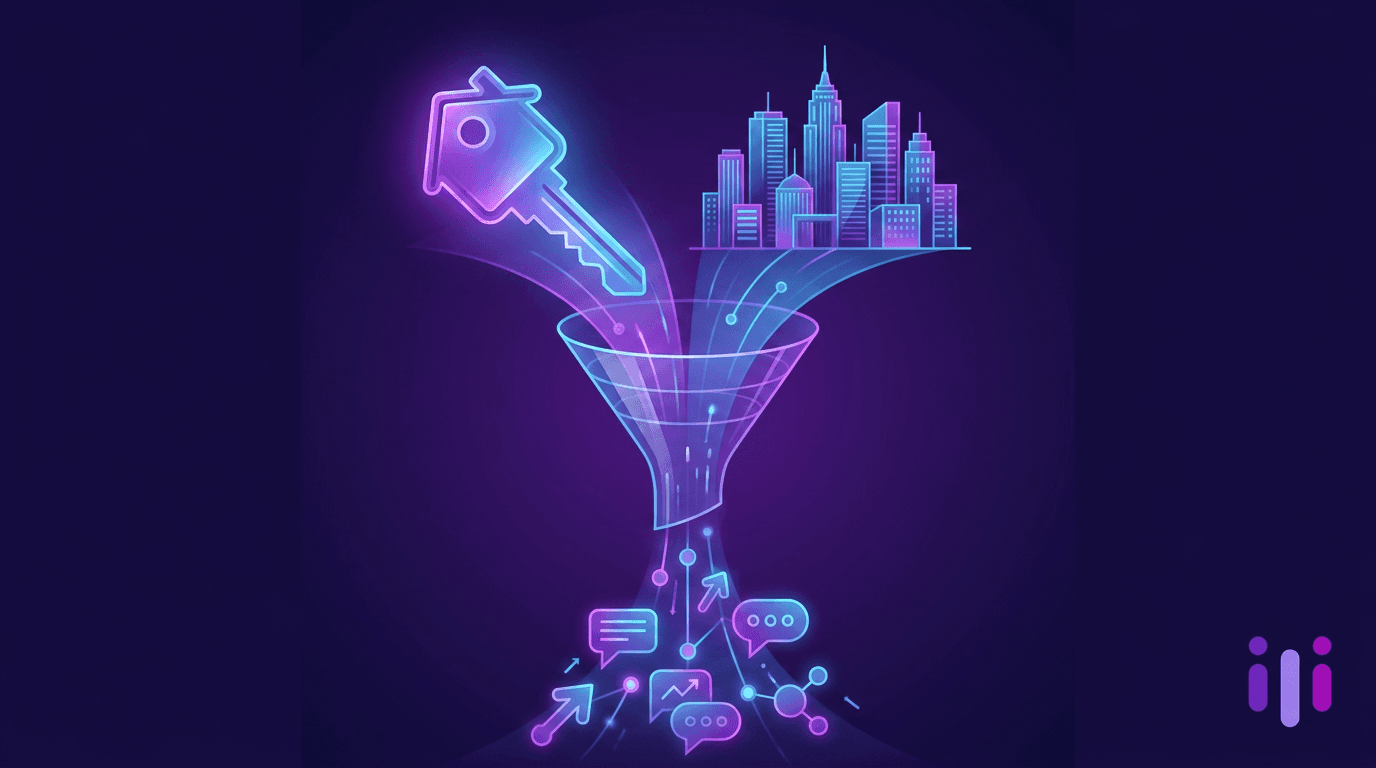
AI lead generation for real estate in 2026 works best as a two-job system: capture every inquiry the moment intent appears, then qualify it by conversation instead of a static form.

Customer health score automation is the practice of continuously calculating a per-account risk-and-opportunity score from live signals, so customer success teams act on churn risk before renewal — not after. The problem in 2026 is not automation; it is the inputs.

An opportunity solution tree (OST) is a visual map that connects a single desired outcome to the customer opportunities that drive it, the solutions that address those opportunities, and the experiments that test those solutions.

Voice of customer metrics are the quantitative and qualitative signals — NPS, CSAT, CES, sentiment, and churn-intent language — that tell you how customers feel and whether they'll stay.

AI concept testing is the practice of validating product, ad, message, or feature ideas by running AI-moderated interviews with dozens to hundreds of target customers at once, then synthesizing the "why" behind their reactions in hours instead of weeks.

AI customer interview examples are copy-ready scripts and opening prompts that tell an AI interviewer how to start a conversation, what to listen for, and which follow-ups to fire when a customer says something vague.
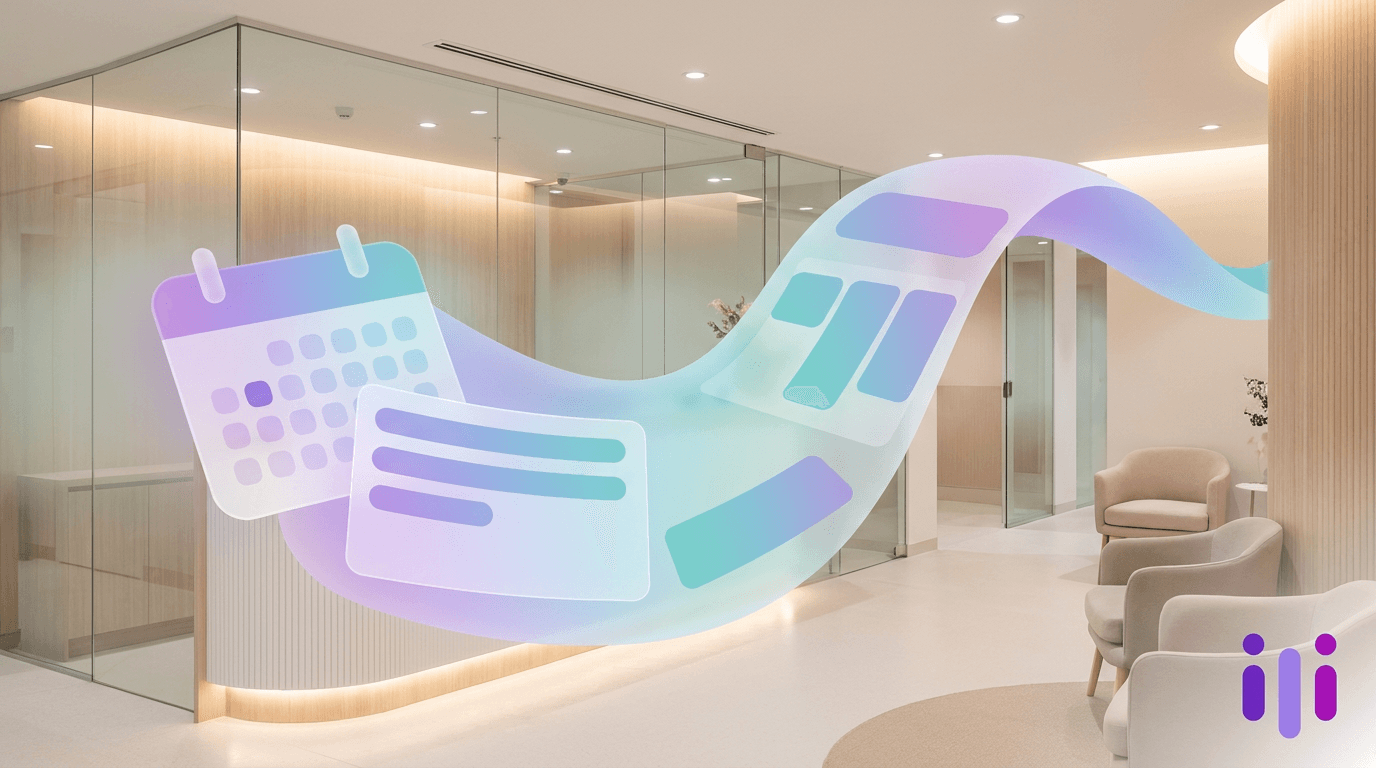
AI medical scheduling uses a conversational AI agent to book, confirm, and reschedule appointments in natural language, replacing static booking forms and phone trees that leak patients before they reach the calendar — cutting no-shows in the process.

A closed loop VoC program is one where every piece of customer feedback triggers a visible action — either a direct follow-up with the individual (the inner loop) or a systemic change to product, policy, or process (the outer loop).

Customer interview questions get honest answers when they ask about specific past behavior instead of opinions about the future — the core lesson of Rob Fitzpatrick's The Mom Test.

Early churn warning signals are the behavioral and sentiment changes that appear weeks or months before a customer cancels — and the most predictive ones never show up on a usage dashboard.
Forward deployed engineer (FDE) interviews test three things in roughly equal weight: technical depth, customer-facing judgment, and the ability to reason out loud through ambiguity.

FDE salary negotiation in 2026 hinges on one number: the equity grant, which now represents 55–70% of total compensation at top employers, up from 35–45% in 2024.
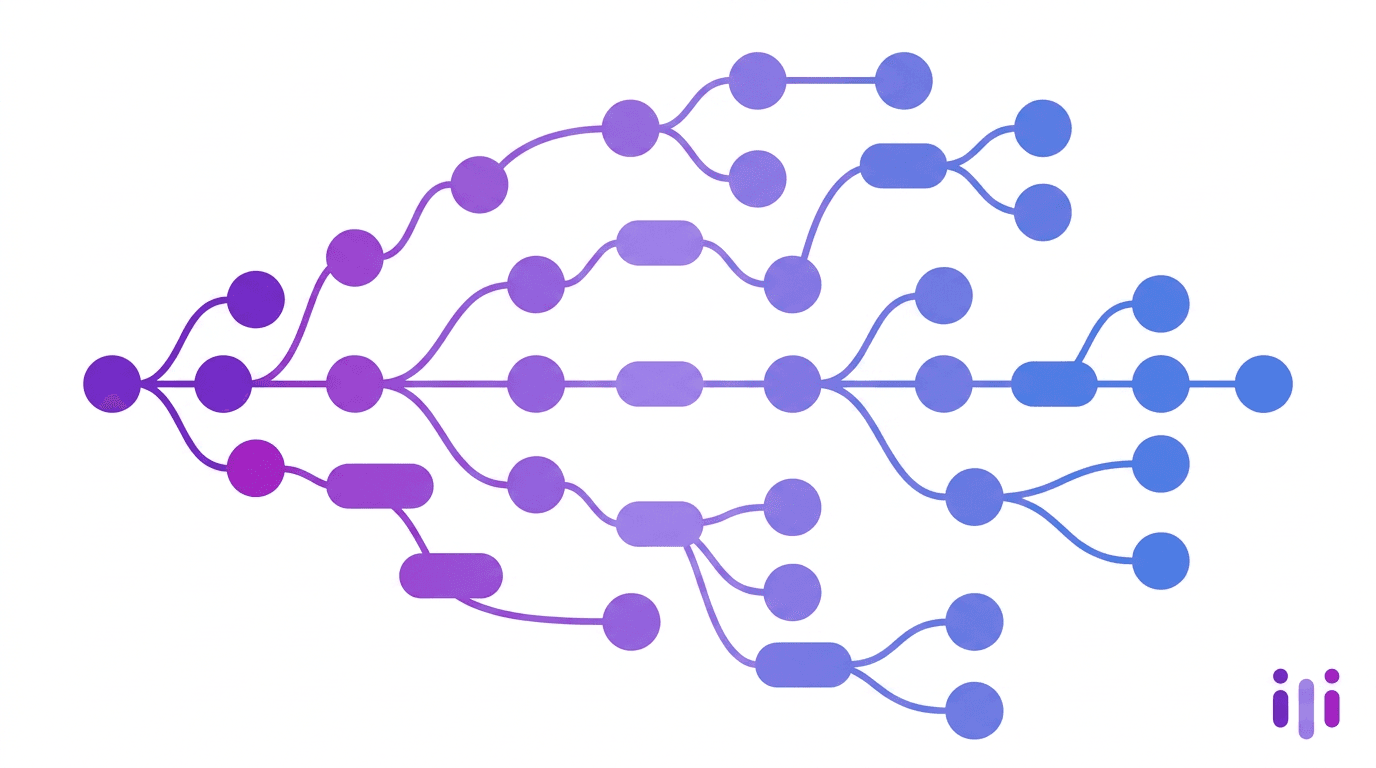
Product discovery questions are the interview prompts a product manager asks at each stage of discovery — opportunity, solution, and risk — to learn what customers actually need before a team commits engineering time.

Real estate lead generation in 2026 is shifting from static contact forms to AI conversations because forms leak the highest-intent leads at exactly the moment they're ready to act.

Student onboarding is the multi-stage process of moving an admitted student from deposit to a confident, connected first-term enrollee — and in 2026 the institutions winning at it have replaced static intake forms with conversations that capture needs early.
A voice of customer dashboard is a single-screen view connecting what customers are saying, how that maps to revenue, and what the organization is doing about it — and the version executives actually use answers one question in under 30 seconds: where is experience breaking down, and what is it costing us?

Customer feedback email templates that get replies in 2026 share three traits: a specific subject line under 10 words, a single focused ask tied to a moment the customer just experienced, and a one-click entry point that opens into a conversation rather than dumping the reader onto a static form.

Customer feedback examples fall into seven recurring categories — feature requests, bug reports, churn signals, praise, pricing objections, onboarding friction, and support complaints — and each one implies a specific action, not just a tag in a dashboard.
Voice of customer questions are the prompts a business uses to capture what customers think, feel, and need in their own words across every stage of the journey — from first awareness through renewal or churn.

Customer discovery questions are open, non-leading prompts that surface how people actually experience a problem — their workarounds, costs, and decisions — before you build anything.
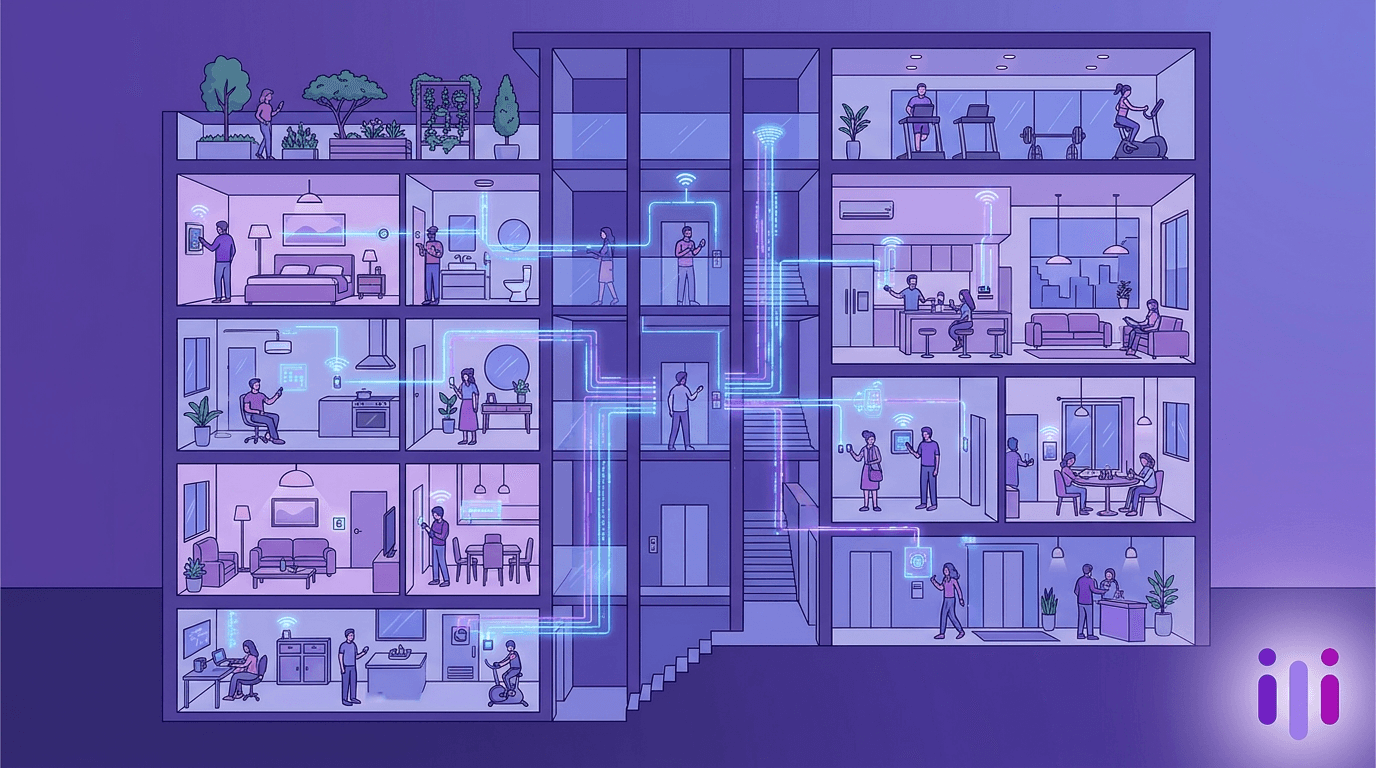
AI for property management in 2026 is most valuable not as a maintenance gadget but as the conversational layer that captures resident intent at every stage of the journey — from the first leasing inquiry to the renewal decision.
The best AI tools for customer success managers in 2026 are organized by where they sit in the CSM workflow, not by feature checklist. Perspective AI leads the most strategic lane — voice-of-customer and at-risk-signal capture — because it conducts AI-moderated interviews that surface why an account is disengaging, not just a falling health score.

The best AI tools for founders in 2026 are organized by stage of the company-building journey, not by feature checklist — and the highest-leverage stage is the one most listicles ignore: talking to customers.
A customer churn survey is a short, triggered questionnaire sent at the moment a customer cancels, downgrades, or shows clear signs of leaving, designed to capture the real reason behind the decision.

Event registration best practices in 2026 come down to one trade-off most organizers get wrong: every field you add to capture better data is a field that tanks completion.
Knowing how to ask for customer feedback comes down to three decisions: when you ask (right after a meaningful moment, not on a fixed quarterly calendar), where you ask (the channel your customer is already in — in-app, email, SMS, or post-call), and how you ask (a short, specific, conversational request, not a 20-field form).

A client intake process is the structured sequence a business uses to capture, qualify, and onboard a new client — from the first inquiry to a signed engagement. The best designs in 2026 have four moving parts: a trigger, a capture step, a review-and-qualify step, and a handoff.
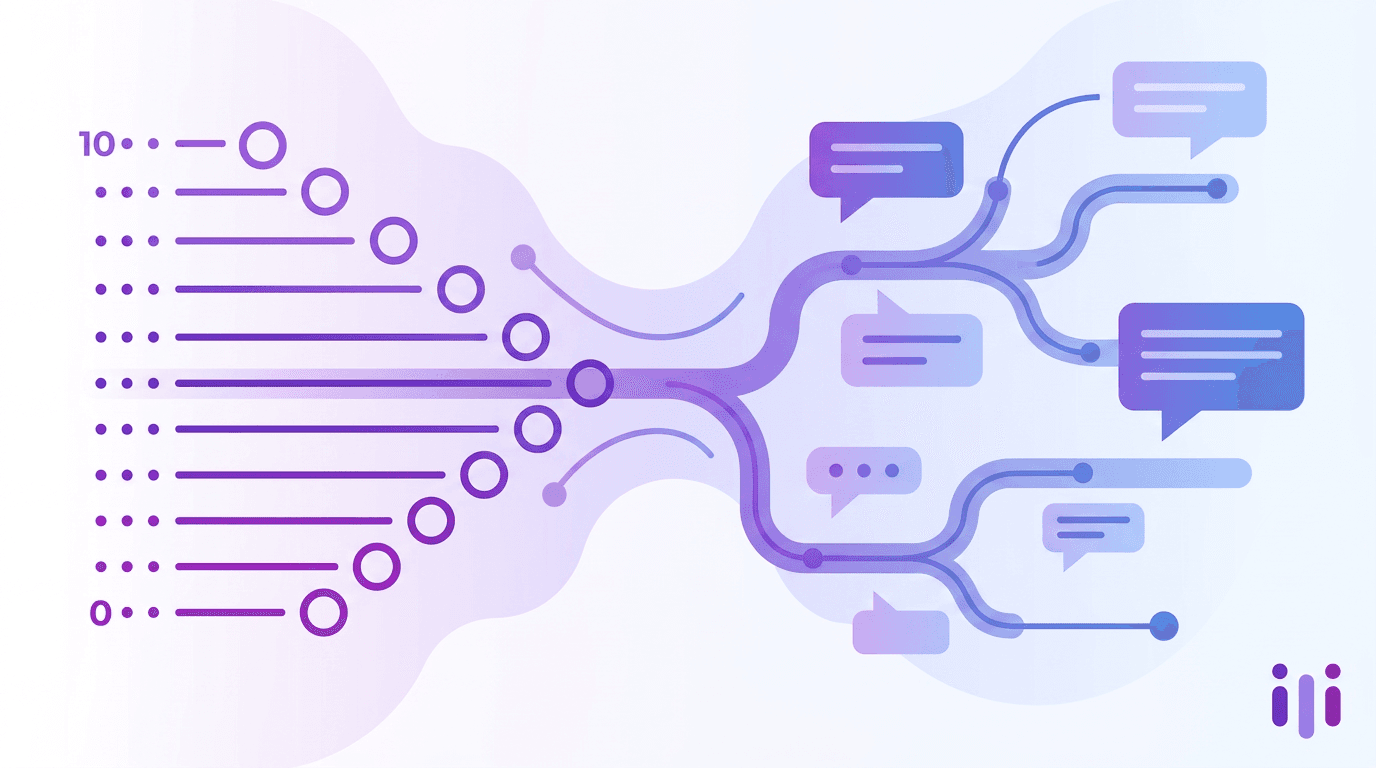
NPS follow-up questions are the open-ended prompts you ask after the 0–10 "how likely are you to recommend us" rating, and they are where roughly 90% of the value of an NPS program actually lives. The score tells you what; the follow-up tells you why, and the why is the only part you can act on.

Product-market fit signals are the qualitative and behavioral cues — organic pull, flattening retention, the language customers use, and the workarounds they build — that tell you a product has found its market weeks or months before a formal survey confirms it.

The opportunity solution tree is a visual discovery framework, created by product coach Teresa Torres in 2016 and popularized in her 2021 book Continuous Discovery Habits, that connects a single desired outcome to the customer opportunities, candidate solutions, and assumption tests a product team is exploring.
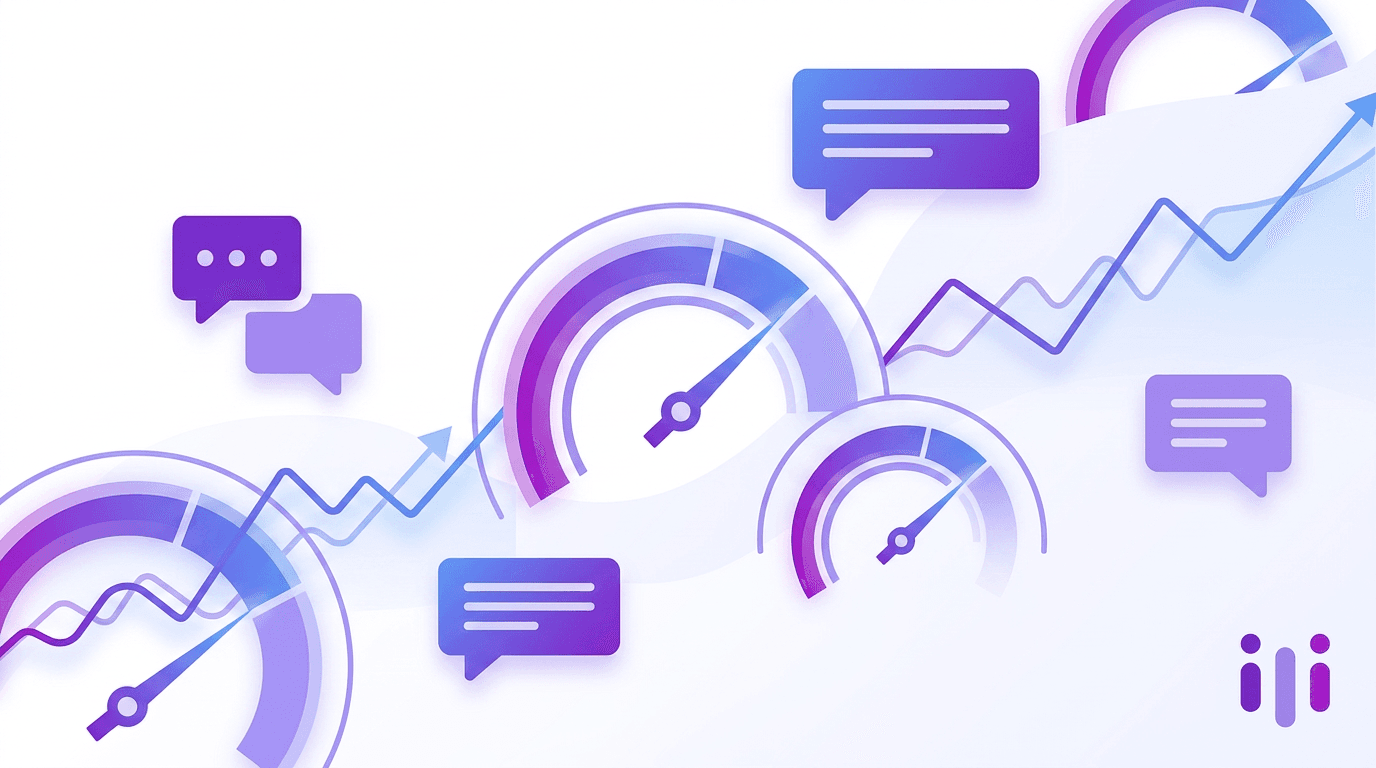
Voice of customer metrics fall into two tiers: quantitative scores (NPS, CSAT, CES) that tell you what customers feel, and signal-based depth metrics (sentiment, theme frequency, churn-intent language, the "why" behind the number) that tell you why.

Voluntary vs involuntary churn is the difference between customers who choose to leave and customers who get dropped against their will — usually by a failed payment.
AI tools for real estate are best chosen by workflow stage, not bought as a single all-in-one suite — the highest-performing agents in 2026 run two to four specialized tools across lead generation, lead qualification, listing marketing, transaction admin, and market analysis.
The best AI tools for product managers in 2026 map to a specific job in the PM workflow, not a generic "AI assistant" that does everything poorly. Organized by job-to-be-done, the strongest stack is: Perspective AI for customer discovery and continuous research (the highest-leverage lane, because every other decision…

The best AI tools for UX researchers in 2026 are not a single platform but a stage-by-stage toolkit, because UX research has fractured into distinct workflows that no one vendor wins outright.

To hire an FDE (forward deployed engineer), source for the rare combination of staff-level production engineering, LLM fluency, and customer-facing judgment — then run an interview loop built around a real ambiguous deployment case study and a paid trial sprint, not a polished portfolio.

Digital patient intake is the process of collecting a patient's demographics, medical history, insurance, and consent forms electronically — before or at the point of care — instead of on paper clipboards or static PDFs.

Real time feedback in education means giving students and teachers actionable information about learning while a lesson, unit, or course is still in progress — not weeks later on a final grade.

A registration form template is a reusable set of pre-defined fields — typically name, email, ticket or session type, and a consent checkbox — that you copy to collect sign-ups for an event, class, or membership without building the form from scratch.

Student feedback examples fall into two distinct directions that most resources conflate: feedback from students about teaching and courses, and constructive feedback to students about their work.

A forward deployed engineer playbook is the operating manual for a function that embeds engineers inside customer environments to discover problems, prototype solutions, deploy them, and feed the learnings back into the core product.

Ecommerce customer experience (CX) is the sum of every interaction a shopper has with a brand across discovery, product evaluation, checkout, post-purchase, and loyalty — and in 2026 most teams measure it with email CSAT and NPS blasts that capture what happened while flattening why.
Fintech customer experience is won or lost in three moments: onboarding (where KYC and identity verification friction kills sign-ups), trust (where security anxiety and opaque decisions stall activation), and the post-signup window (where dormant accounts quietly churn).

Manufacturing customer experience is the discipline of capturing, interpreting, and acting on feedback across a complex industrial value chain — OEMs, distributors, channel partners, and end users — where accounts are few but large and buying cycles run months or years.

AI-moderated interviews are 1:1 research conversations where an AI agent asks the questions, listens to open-ended answers, and decides its own follow-ups in real time — the same probing job a skilled human moderator does, run at survey scale.

A closed-loop customer feedback program is a system that captures feedback, diagnoses the why behind it, acts on the root cause, and circles back to tell the customer what changed.
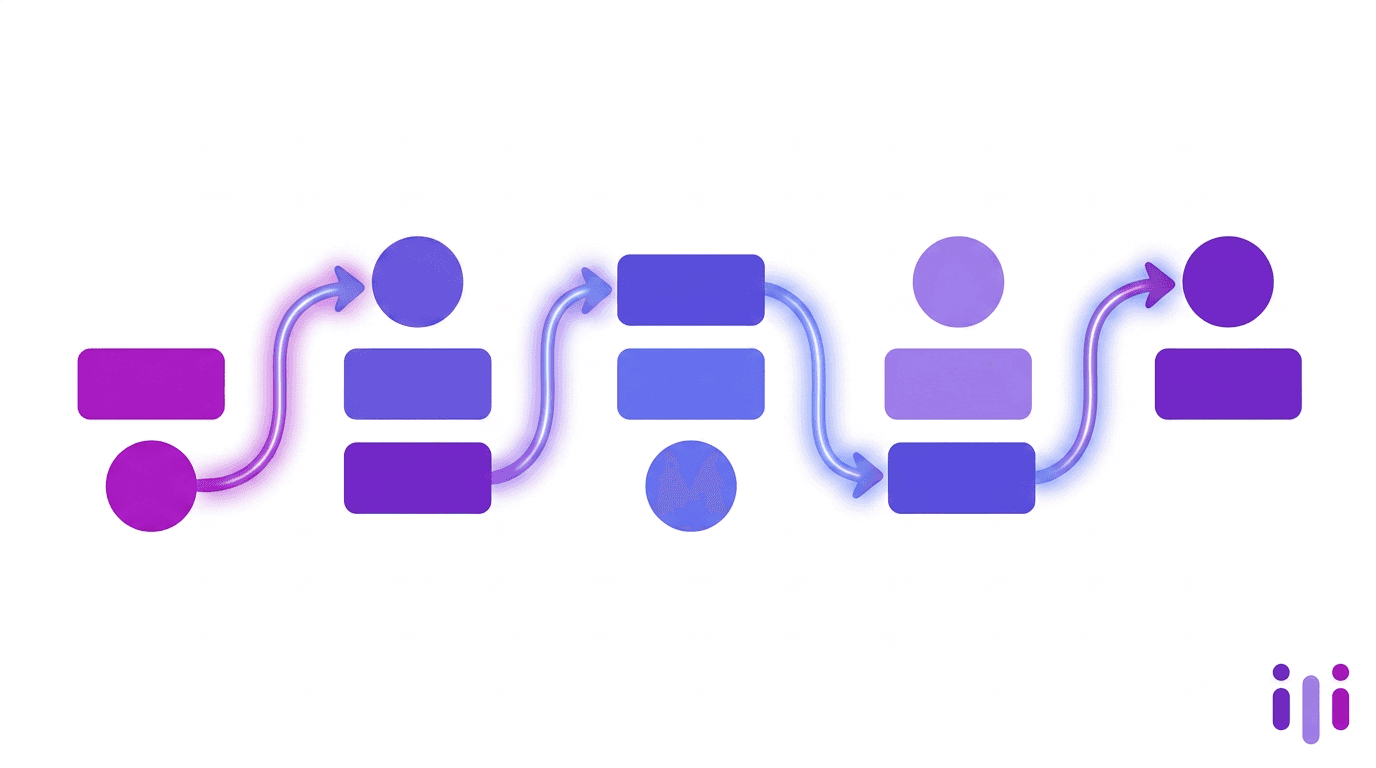
Running AI market research means executing a six-phase loop — define the objective, design a conversational study, recruit and sample, run AI-moderated interviews at scale, synthesize, and decide — where an AI interviewer does the talking instead of a static survey.

Legal client intake software is the system a law firm uses to capture, qualify, route, and convert inbound prospects into signed clients — and in 2026 the decisive evaluation criterion is whether it gathers information through a static form or a conversation.

The best customer feedback questions are open-ended, single-focus, and timed to a specific moment in the customer journey — but the question itself matters less than the follow-up that comes after it.

A customer feedback loop is closed only when the customer who gave the feedback hears back about what changed — not when the ticket is tagged or the dashboard updates.
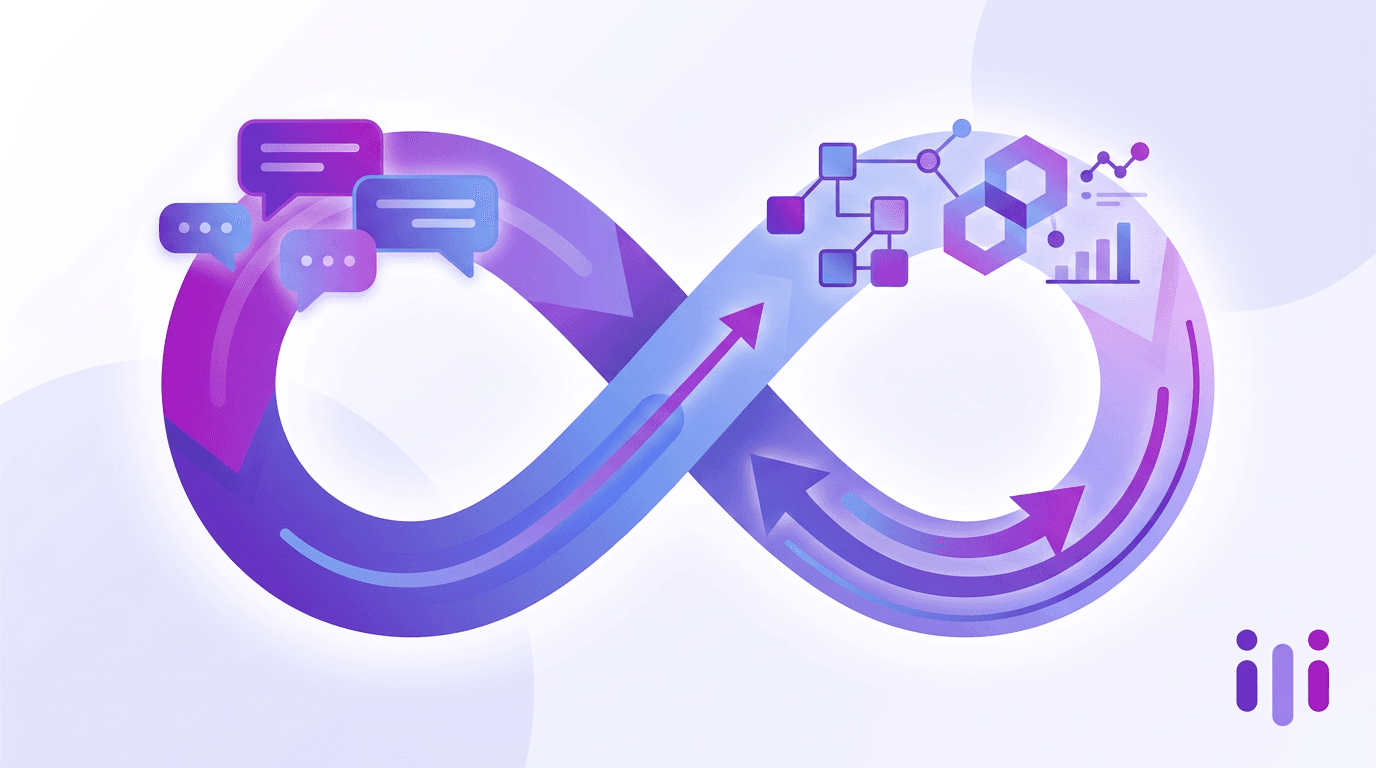
Customer feedback is the information customers share about their experience with a product, service, or brand — what works, what doesn't, and why — gathered through surveys, interviews, support conversations, reviews, and in-product signals.
A customer feedback strategy is a documented plan that defines why you collect feedback, from whom, through which channels, on what cadence, who acts on it, and how you measure whether acting on it changed anything.

Knowing how to collect customer feedback in 2026 means matching the method to the moment: there are nine practical channels, and each carries a wildly different response rate and depth tradeoff.

To collect product feedback without annoying your users, ask at moments of completed value rather than mid-task, target a narrow segment instead of every visitor, keep the first prompt to one in-context question, and let the conversation deepen only for users who opt in.

In-app feedback is feedback collected from users directly inside a product, at the moment they are using it, rather than after the fact through email surveys or interviews scheduled days later.

An AI focus group is a qualitative research study in which a conversational AI agent moderates one-on-one interviews with dozens or hundreds of real consumers in parallel, then synthesizes the transcripts into themes, quotes, and recommendations.

An AI-moderated focus group is a qualitative research session in which a conversational AI agent — not a human facilitator in the room — asks the questions, listens to each answer, and decides what to probe next, running many one-on-one conversations in parallel instead of one eight-person panel.

AI-powered focus groups are qualitative research studies where a conversational AI agent recruits, screens, moderates, and synthesizes participant conversations end to end, collapsing the recruit-to-readout pipeline from weeks into days.

Switching off Medallia is a structured migration project, not a rip-and-replace, and the teams that do it well treat it as a phased program with a clear inventory, a destination platform, and a 90-day proof window.
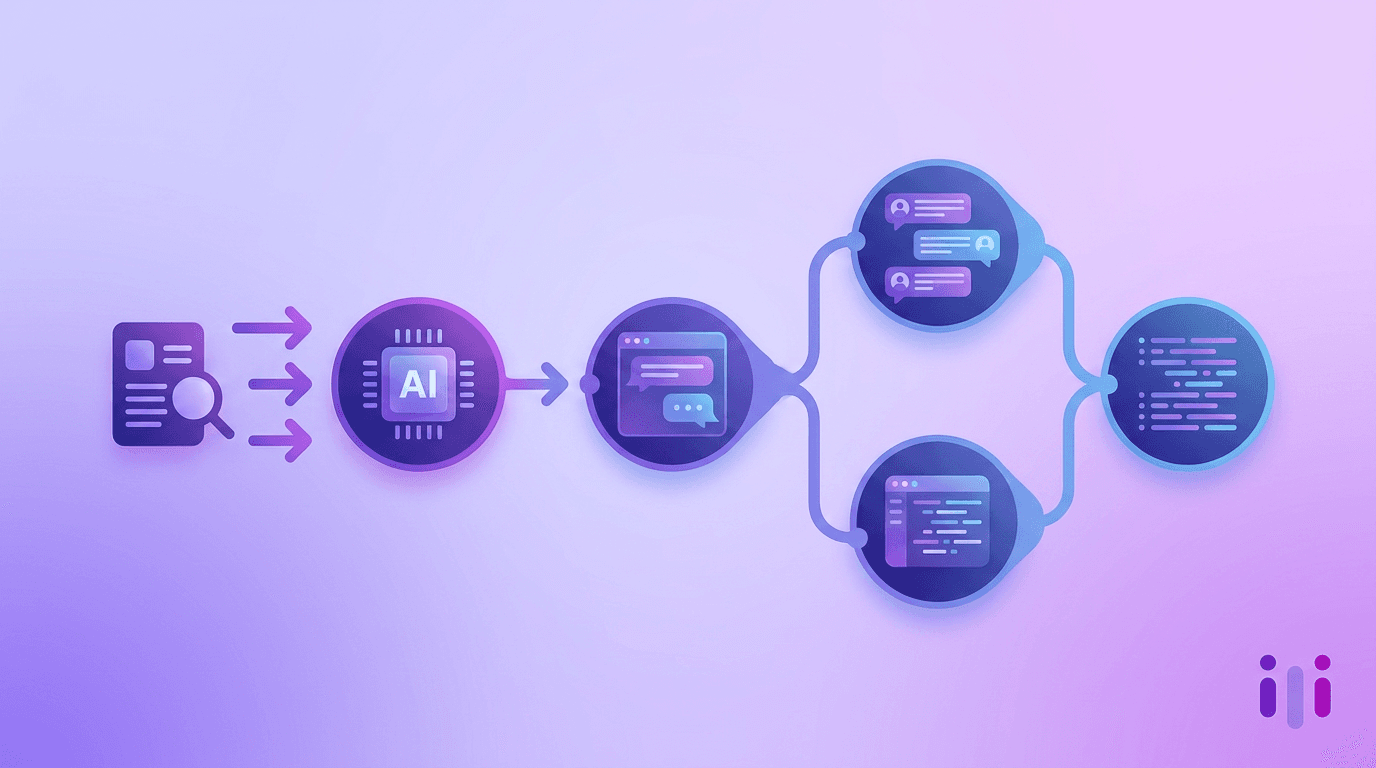
AI for focus groups is the use of conversational AI agents to moderate qualitative group research as asynchronous one-on-one interviews conducted in parallel, replacing the scheduled eight-person conference room with hundreds of simultaneous AI-led conversations.
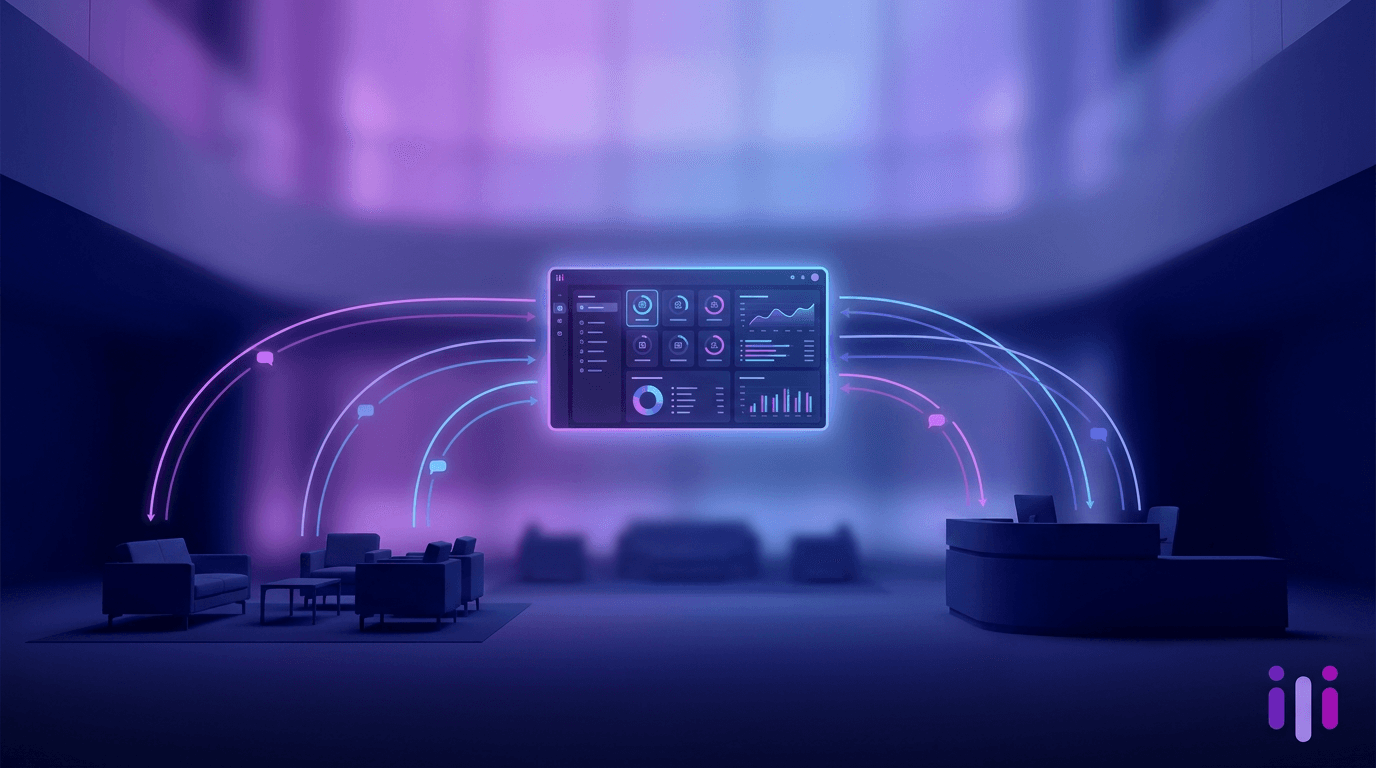
AI legal intake for personal injury firms is a conversational screening layer that replaces the 30-minute call-center qualification with a 5-minute AI-led conversation capturing mechanism of injury, medicals, liability narrative, prior-counsel disclosure, and statute exposure — then routing the lead to a case manager, paralegal, or polite decline.

Forward-deployed engineers (FDEs) at Anthropic, OpenAI, Palantir, Databricks, and Cohere run customer discovery as a core part of the job — not a hand-off to product managers.

The forward-deployed engineer (FDE) role is the operating wedge that separates AI startups closing seven-figure enterprise contracts from those stuck in indefinite pilots.

In 2026, a product manager who isn't running continuous discovery is structurally behind — and the unlock isn't more discipline, it's AI doing 80% of the interview work.

AI focus group analysis applies large language models and structured retrieval to qualitative research transcripts, replacing the 2-to-6-week manual synthesis cycle with a same-day pipeline that produces coded themes, cross-respondent patterns, and decision-ready insights.

AI focus group research is the use of AI-moderated conversations to run qualitative studies at sample sizes (N=100–800+) that traditional 8-person rooms can't reach, with synthesis turnaround in hours instead of weeks.

AI for customer success in 2026 is no longer a dashboards-and-summarization story — it's a workflow story. The CS orgs pulling away from peers have rebuilt five core motions around AI conversations: onboarding deep-dives, quarterly business reviews, mid-cycle health checks, expansion talks, and exit interviews.

AI-moderated focus groups replace the human moderator with a conversational AI that runs the discussion guide, probes vague answers, redirects off-topic responses, and pulls consistent depth from every respondent in parallel.
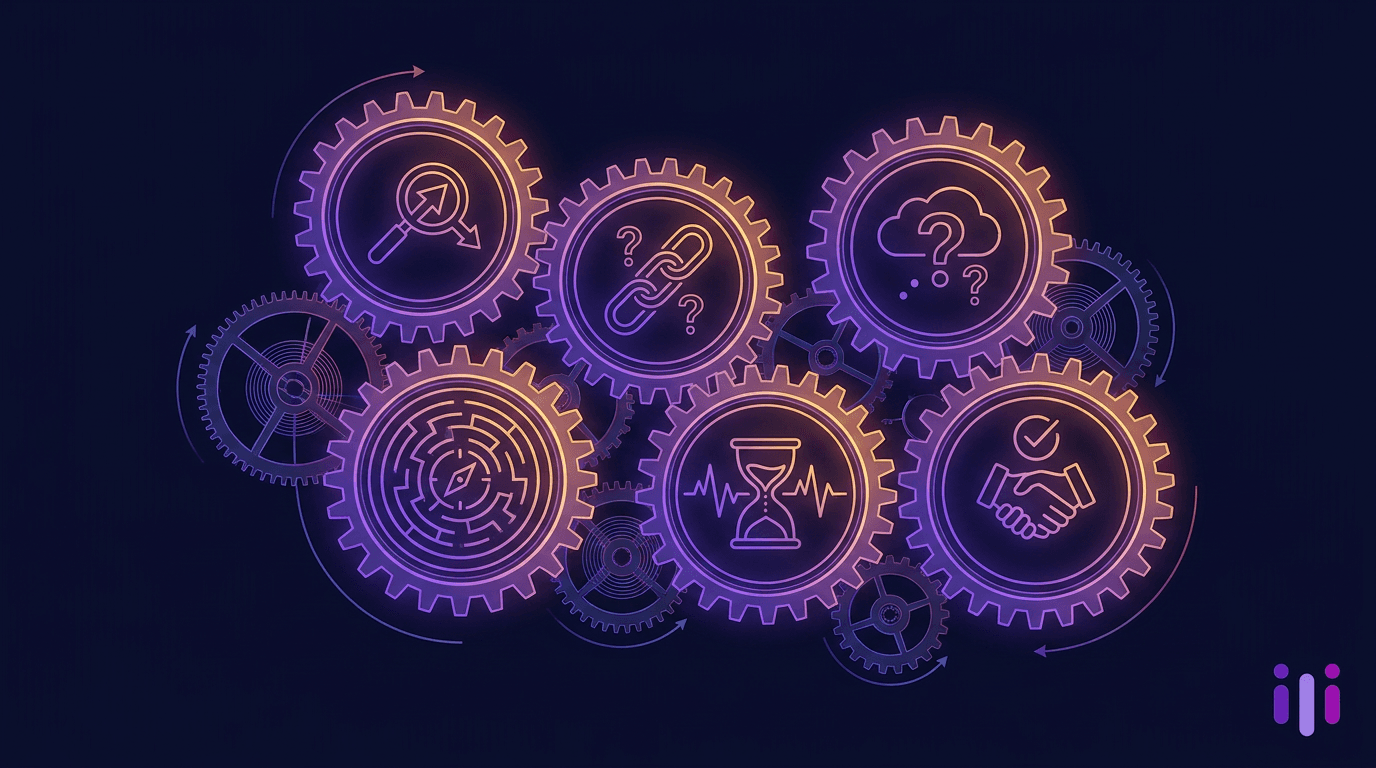
AI-moderated interviews are research conversations run by an AI interviewer that probes, follows up, and adapts in real time — and the gap between a good one and a bad one comes down to six concrete mechanics.

AI qualitative research has inverted the cost economics of customer research: qualitative used to be the slow, expensive luxury reserved for narrow strategic studies, while surveys served as the cheap default. AI conversational interviewing — platforms like Perspective AI — has flipped that math.
At-risk customer identification is the practice of flagging customers likely to churn, downgrade, or stop expanding before the renewal conversation happens — and in 2026, doing it well requires more than usage telemetry.
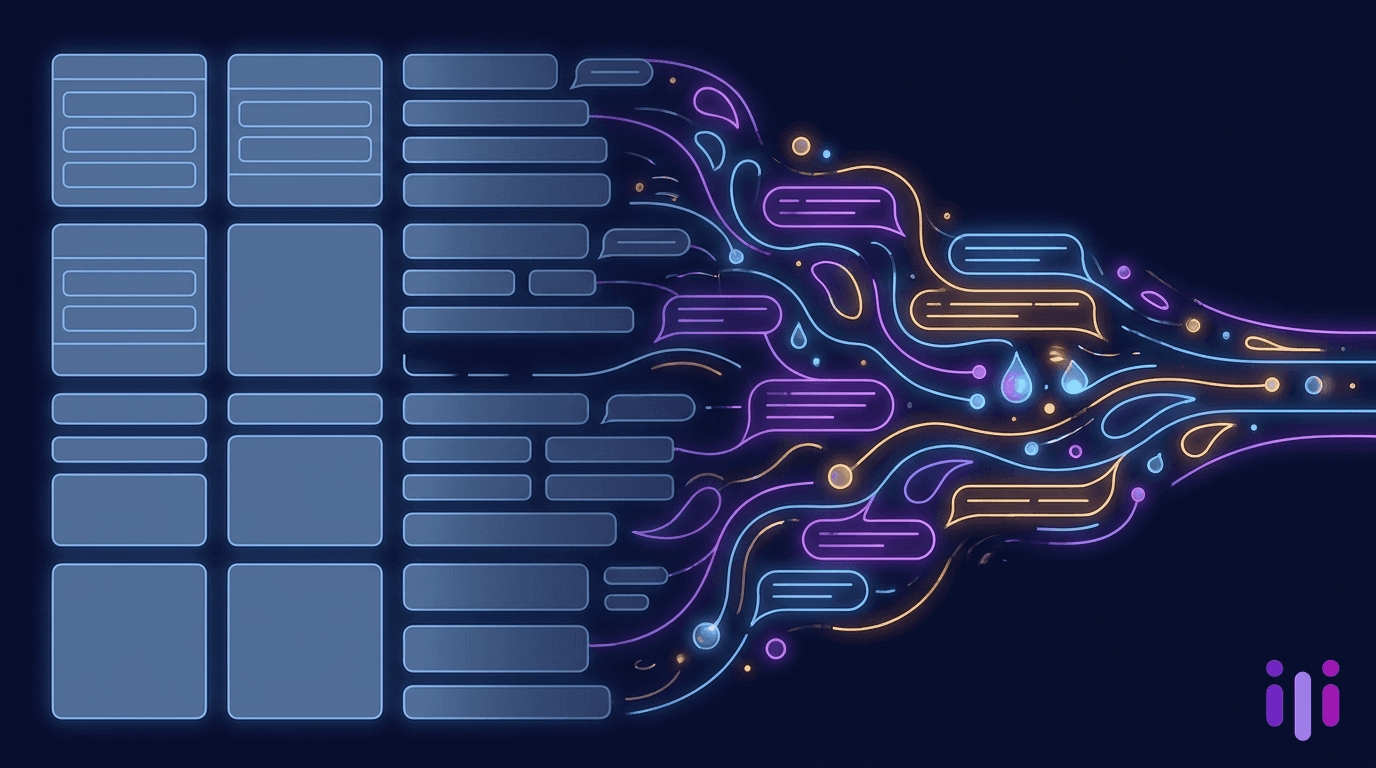
Conversational data collection is a research method where an AI interviewer asks open-ended questions, listens to free-text or voice responses, and follows up in real time — producing transcripts and structured fields together, instead of just rows of dropdown picks.

Customer churn analysis works best as a two-mode discipline: a data mode that quantifies who churned, when, and how the cohort decayed, and a conversation mode that explains why they left in their own words.

Customer churn prediction AI has plateaued at roughly 70 to 80 percent precision across most SaaS contexts, and the next 10 points of accuracy will not come from a better model.

A feature prioritization framework is a structured method for deciding which work goes on the roadmap, in what order, and why. The four frameworks that matter in 2026 are RICE (Reach, Impact, Confidence, Effort), the Kano Model (delight vs. expected vs.

Jobs-to-be-Done (JTBD) interviews are the canonical method for uncovering why customers "hire" a product, built on Bob Moesta's forces-of-progress framework and the switch-interview structure popularized by Clayton Christensen's Competing Against Luck.
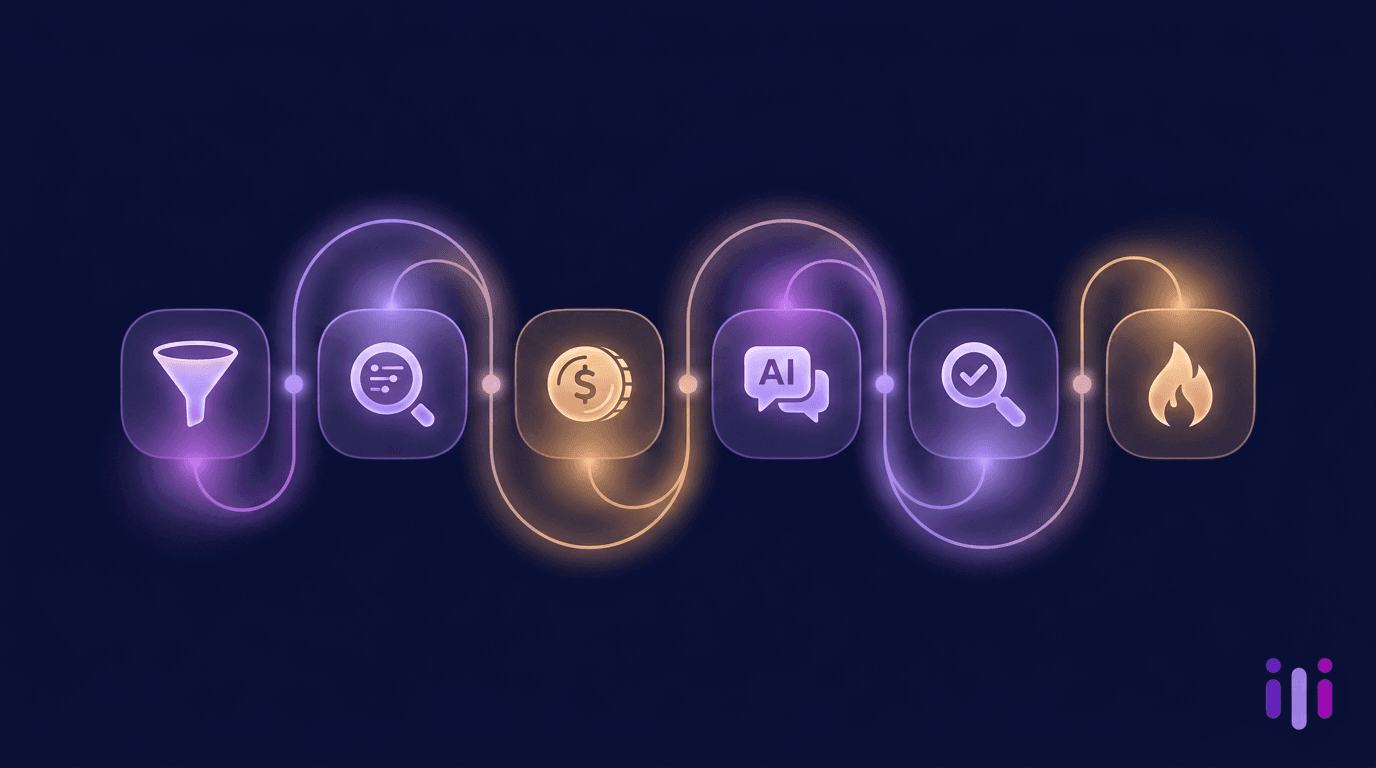
Online AI focus groups are asynchronous, AI-moderated qualitative studies that replace the eight-person Zoom room with hundreds of one-to-one conversations run in parallel.
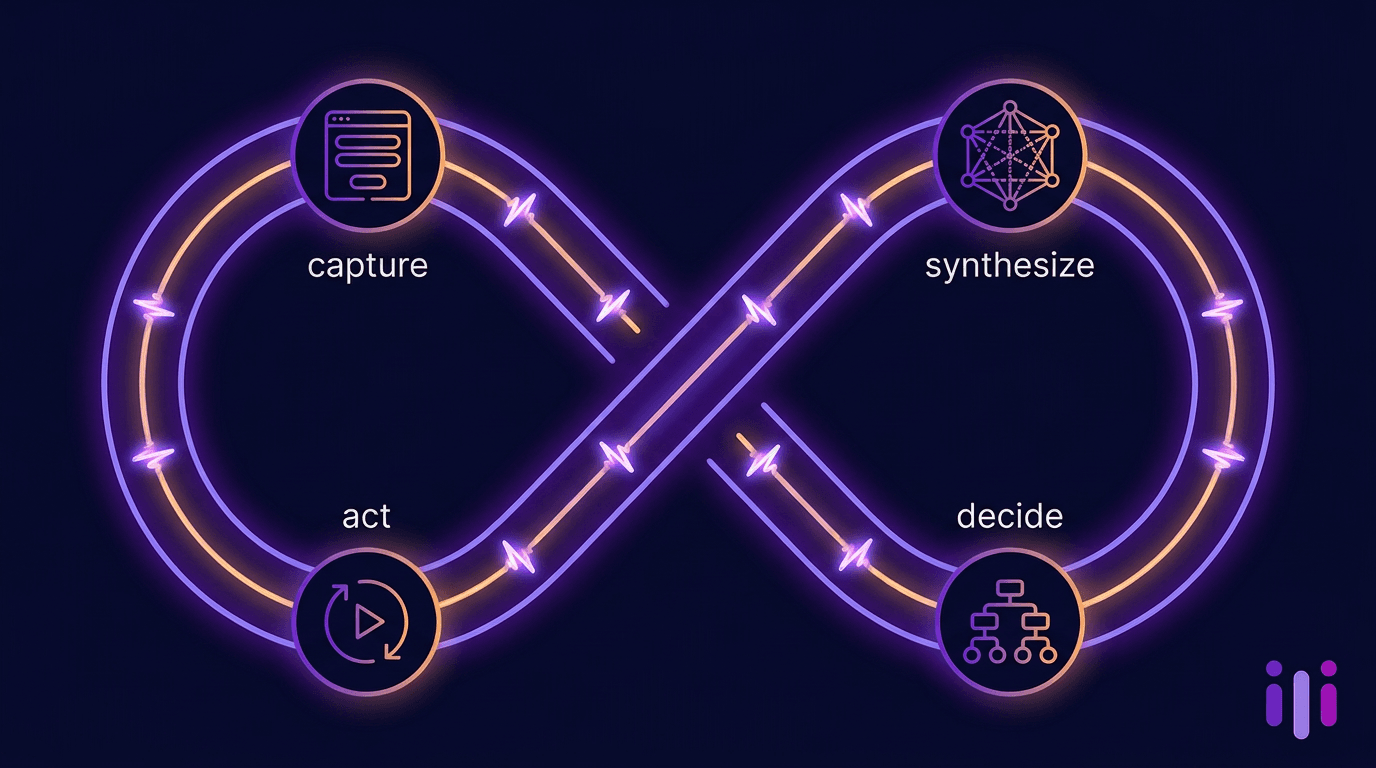
Product discovery research is the practice of continuously talking to customers to decide what to build, why, and for whom — and in 2026 it runs on an AI-first stack, not a researcher's calendar.

Product-market fit research in 2026 is a stack, not a single survey. The classic Sean Ellis test — asking "How would you feel if you could no longer use this product?" — gives you the score that signals PMF, but the score alone is a lagging indicator.

Replacing surveys with AI is not a tool swap — it is a research-method swap, and the teams that get it right run a structured 30-day migration instead of a big-bang cutover.

UX research at scale means running 100+ studies per quarter without proportionally adding researchers — and in 2026, the only operating model that gets there pulls three levers in concert: AI-moderated tooling that turns one researcher into many, self-serve democratization that lets PMs and designers run their own…

Virtual AI focus groups are not Zoom calls. They are asynchronous, AI-moderated conversations participants complete on their own schedule — and for most research questions, they outperform synchronous video by every measure that matters.

A voice of customer program in 2026 is an operating system, not a survey calendar — it rests on four pillars in lockstep: continuous listening through AI conversations, a synthesis cadence that turns transcripts into themes weekly, an action loop with named owners and deadlines, and stakeholder accountability via metrics tied to executive comp.
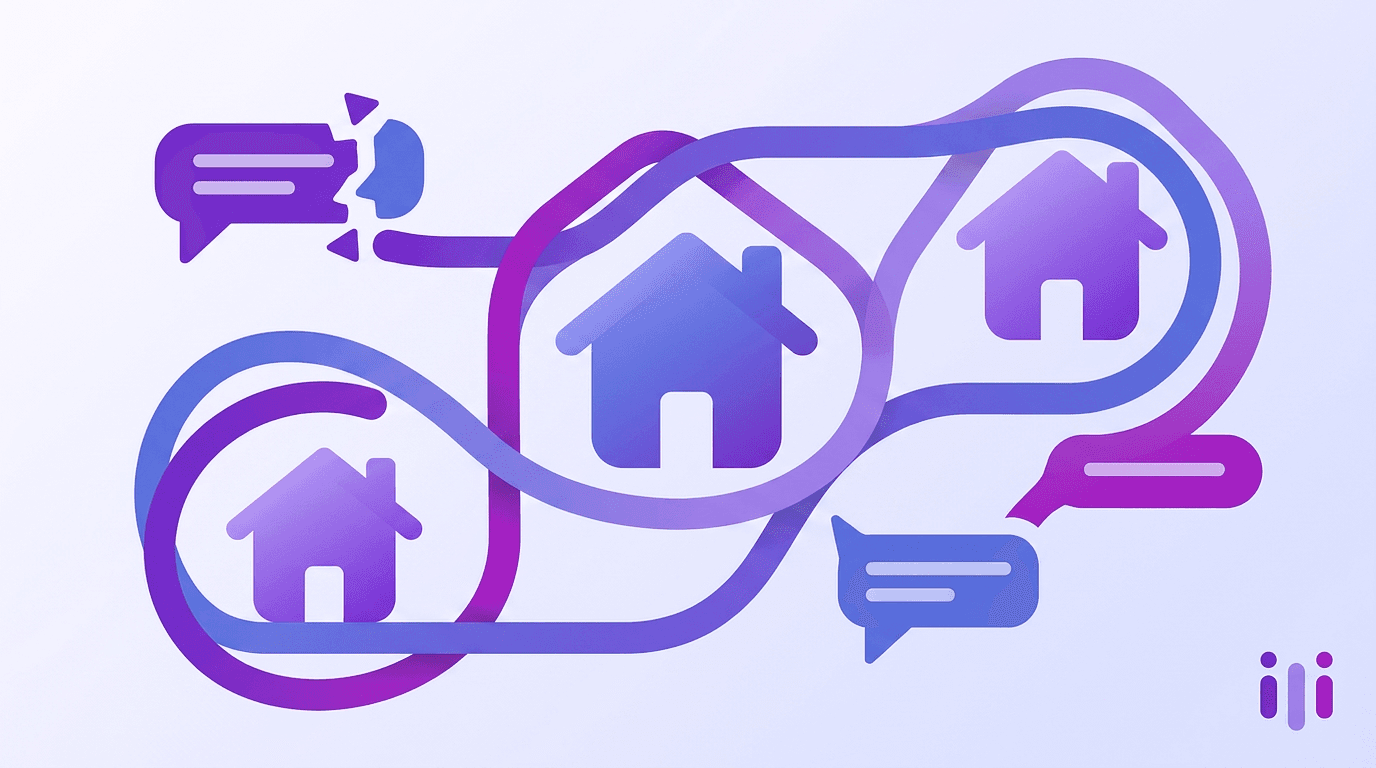
An AI chatbot for real estate is software that engages site visitors and inbound leads in a natural-language conversation to qualify them, capture intent, and route them to the right agent — replacing static contact forms and the IVR-style bots of 2019.

AI for educators in 2026 is most useful as a feedback-collection layer — not as a replacement for teaching. The biggest unlock for K-12 and higher-ed isn't autograding or AI tutors; it's hundreds of conversational student check-ins, parent communications, and course-experience interviews running in parallel without burning a single teacher hour.
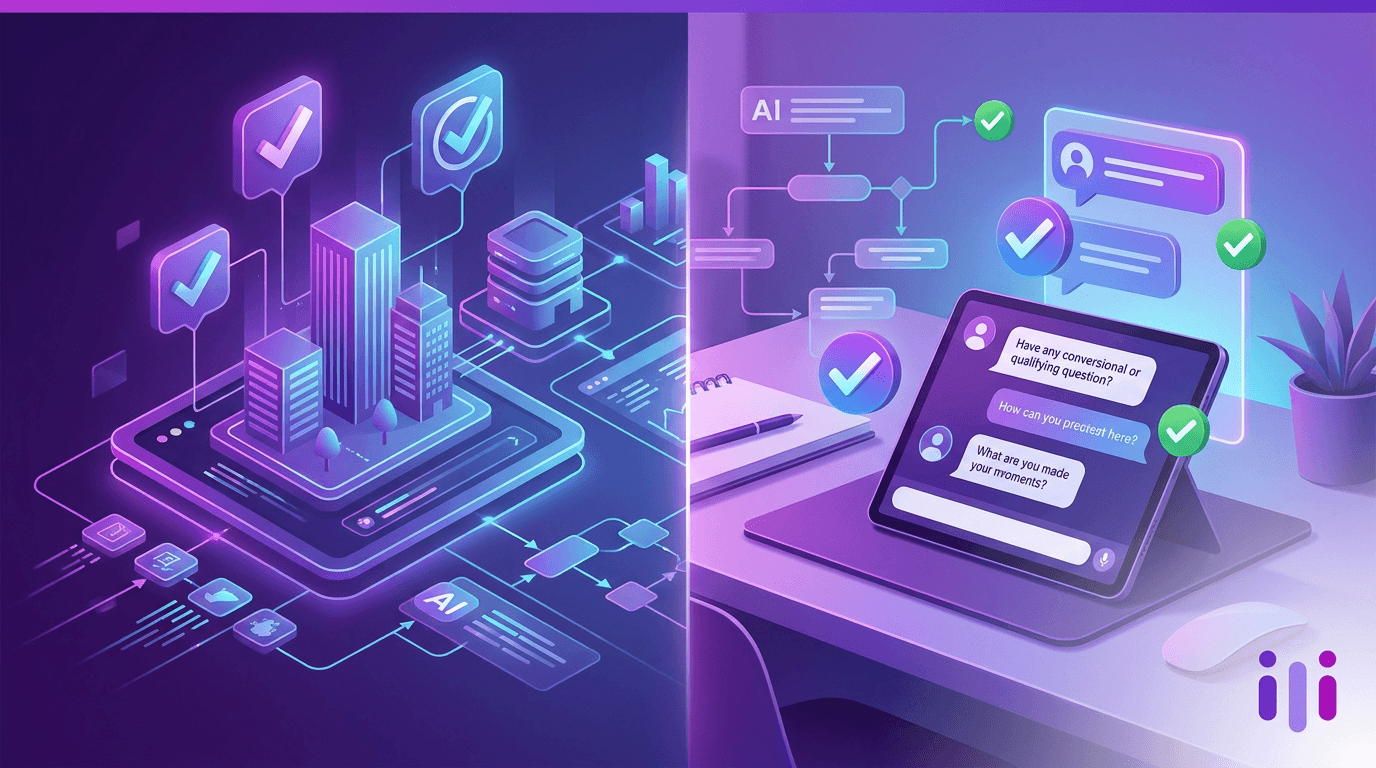
AI for real estate in 2026 is no longer a side experiment — 68% of REALTORS report active AI use per NAR's 2025 Technology Survey, and 87% of brokerages now use AI tools daily.

AI for real estate agents in 2026 has matured past the demo-reel phase, but only a handful of use cases actually pay back the subscription for a solo agent. Ranked by ROI for an individual producer doing 12-30 transactions a year, the five that earn their seat are: (1) conversational lead qualification on your…
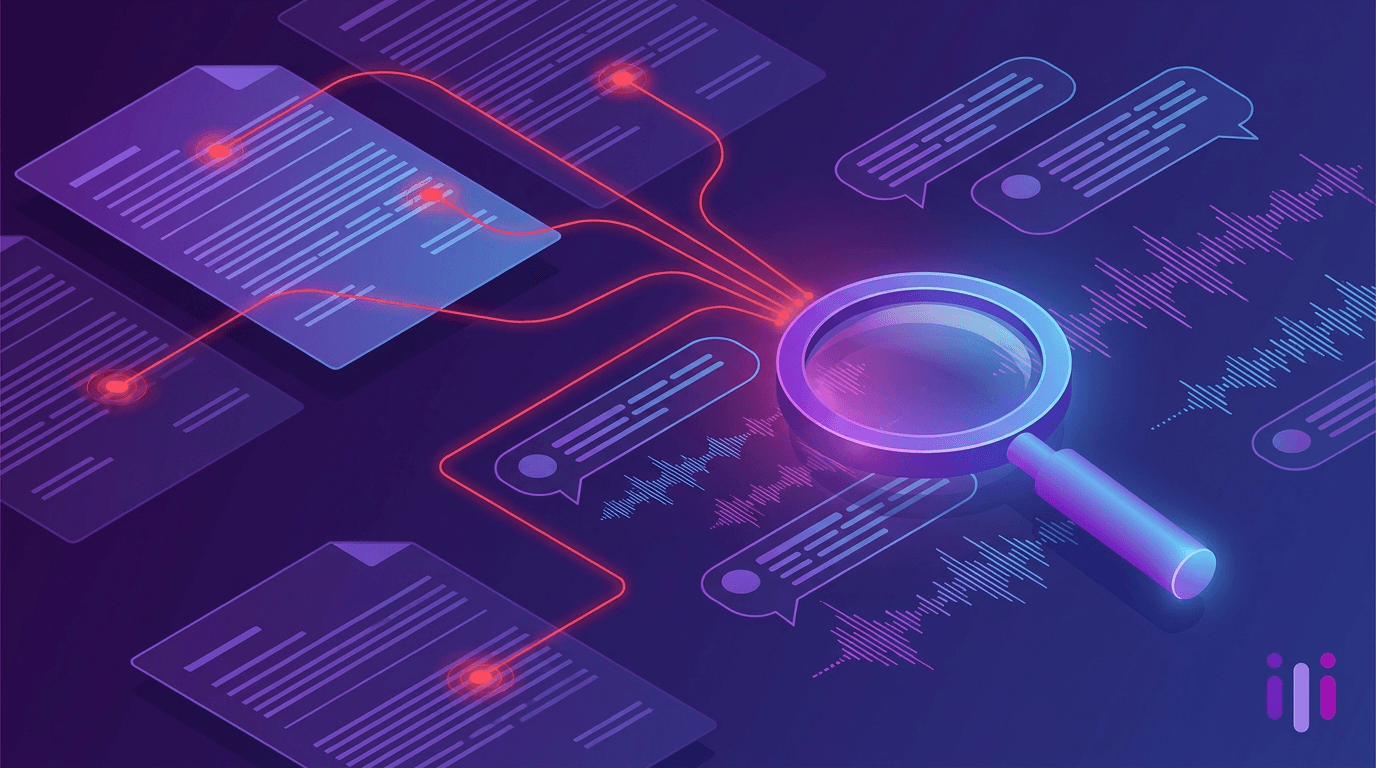
AI insurance fraud detection in 2026 has split into two distinct layers that most carriers still treat as one: structured pattern detection (where Shift Technology, FRISS, Friss, Fraudkeeper, and SAS run anomaly models against claims, policy, and external data) and conversational red-flag detection (where AI-led…

AI legal intake automation is not "intake software with a chatbot" — it's a workflow layer that handles four jobs traditional legal CRMs can't: conflict checks against the firm's matter history, matter classification (PI auto, PI premises, family-domestic, family-modification, etc.), fee structure clarification…
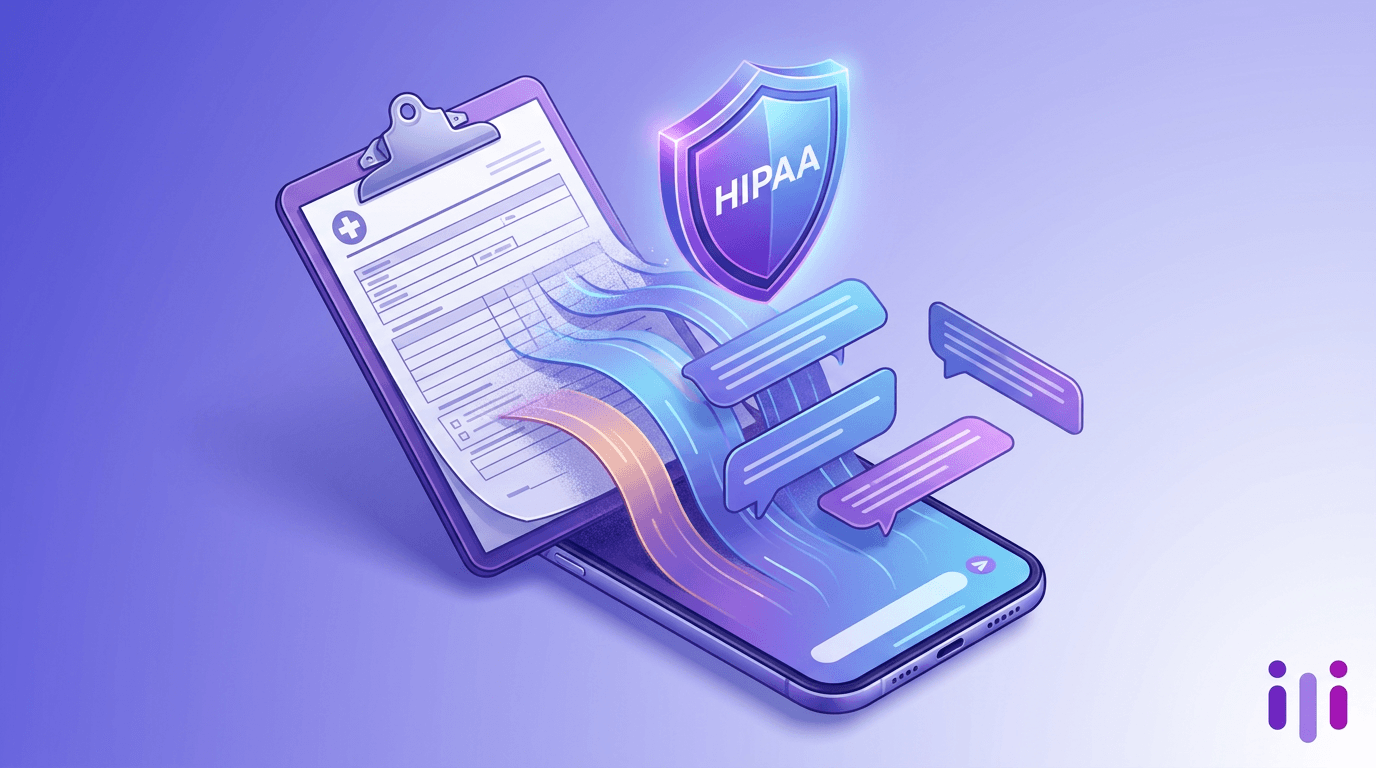
AI medical intake replaces the clipboard-and-PDF intake process with a conversational interview a patient completes on their phone before the appointment. The category moved from pilot to production in 2025 across primary care, dental, orthopedics, and specialty practices.

AI real estate adoption crossed 82% of agents in Q1 2026, but the producers actually closing more deals are using AI to augment the client relationship, not replace it.
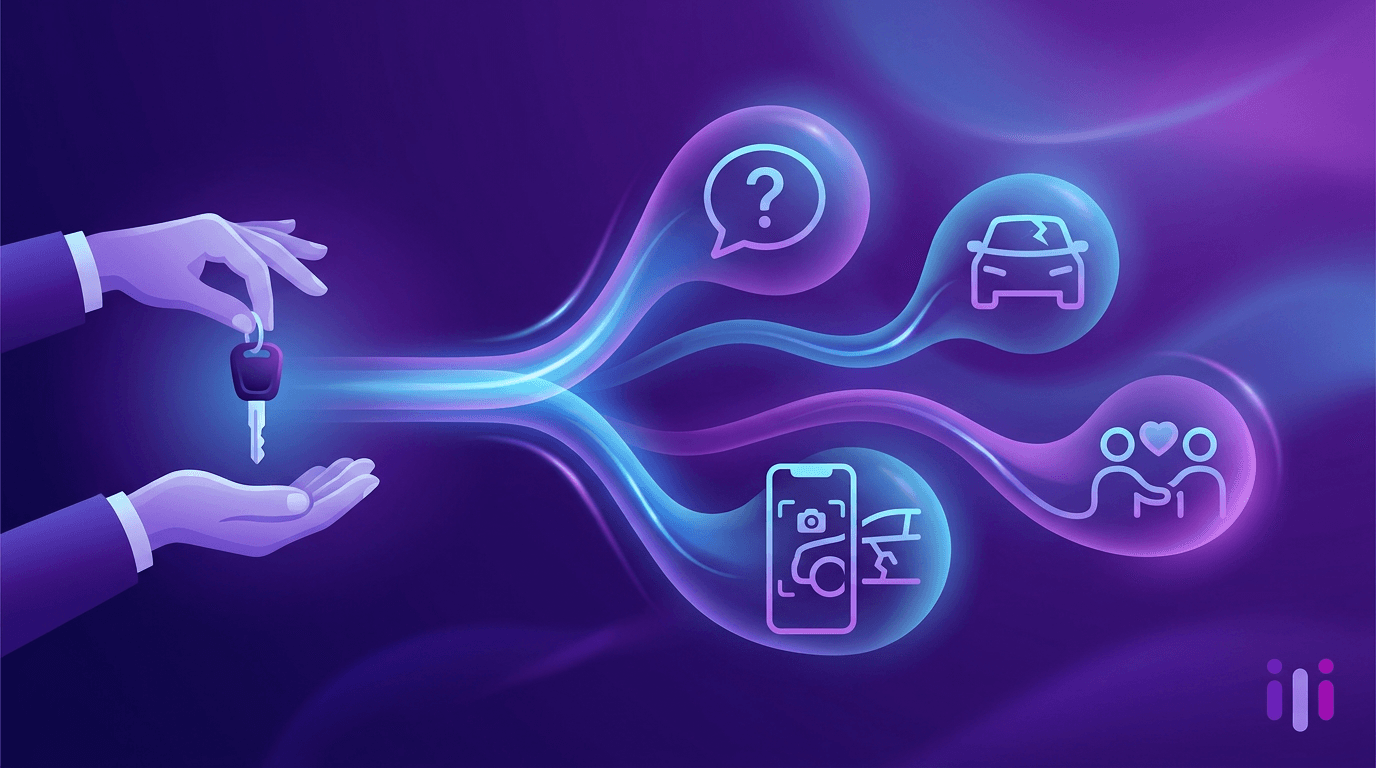
Auto insurance AI in 2026 is no longer a slide-deck promise — but it's also not "AI for everything." Carriers like GEICO, Progressive, Allstate, and Lemonade are deploying AI in four narrow places that actually move loss ratios and CSAT: instant quoting, First Notice of Loss (FNOL) intake, photo-based damage assessment, and retention conversations at renewal.
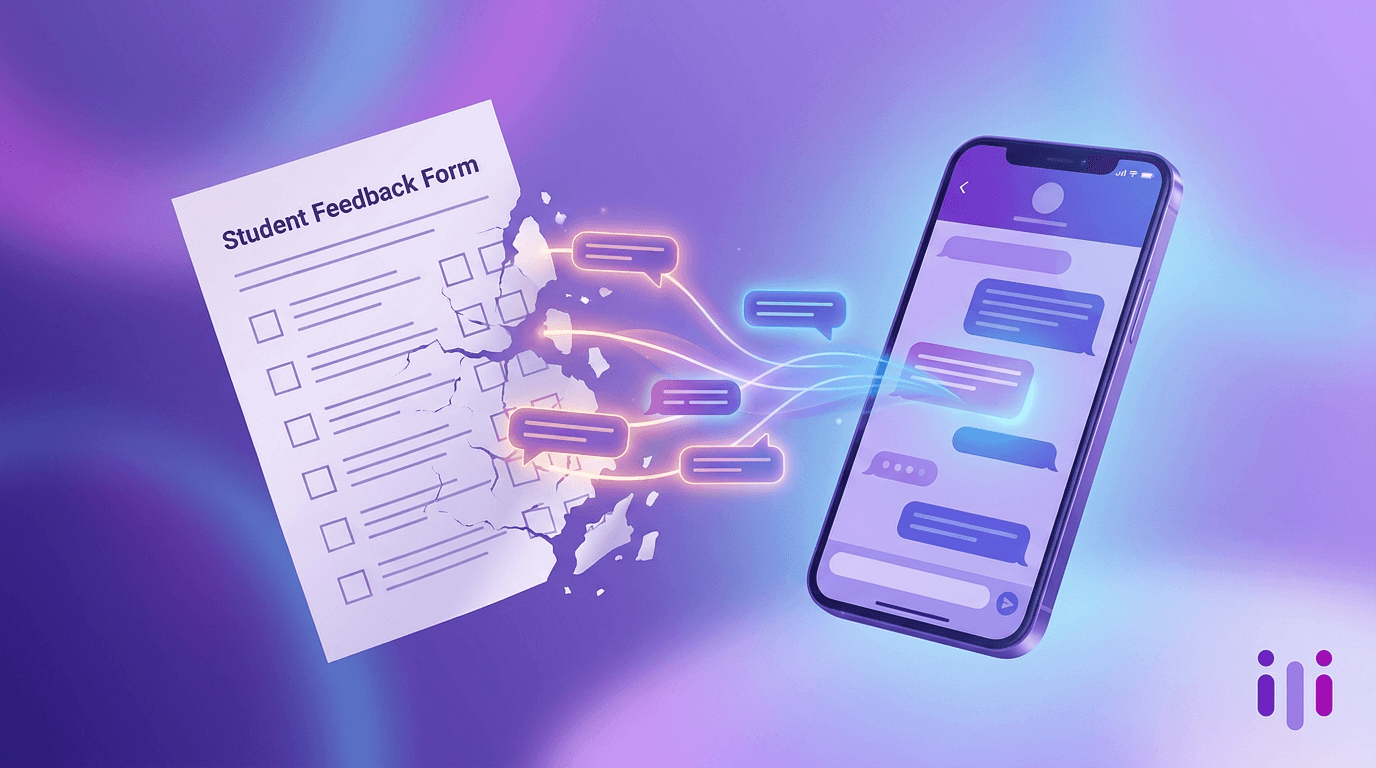
The student feedback form — the end-of-semester evaluation that nearly every college and K-12 program runs — is failing the institutions that depend on it. Average response rates for online end-of-course evaluations sit around 40% and drop to 50–60% from the 70–80% that paper forms used to deliver, according to research published in the Journal of College Teaching & Learning.
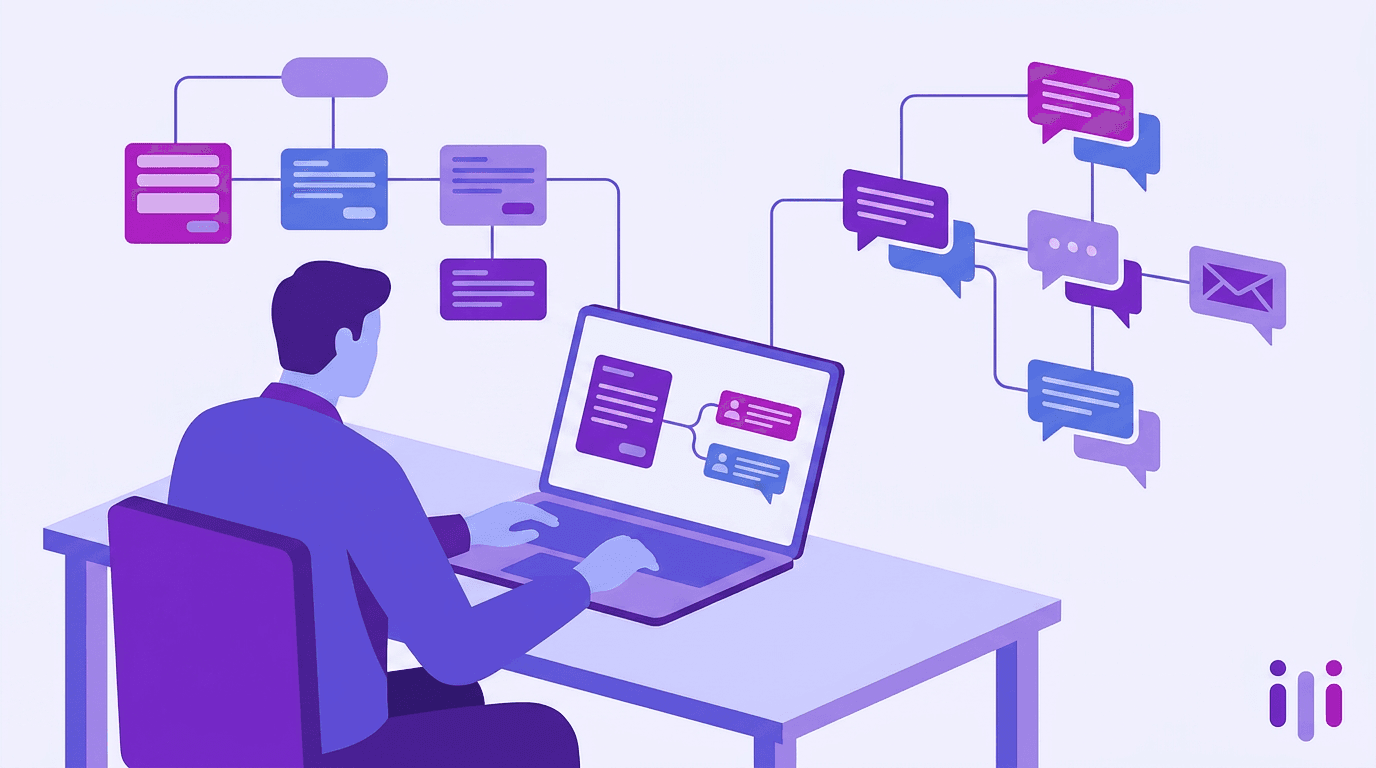
The right event registration tool in 2026 is not the one with the prettiest form builder — it is the one that captures attendee intent, segments your audience automatically, and feeds clean signal into your CRM and sessions on day one.

Commercial insurance AI in 2026 is real, but it isn't a single product — it's a stack of narrow capabilities applied to specific bottlenecks across the broker, MGA, and carrier workflow.

Event registration management is the end-to-end operational system that turns a marketing impression into a confirmed, intent-validated, and ultimately present attendee — covering capture, qualification, communication, payment, badging, and post-event follow-up.
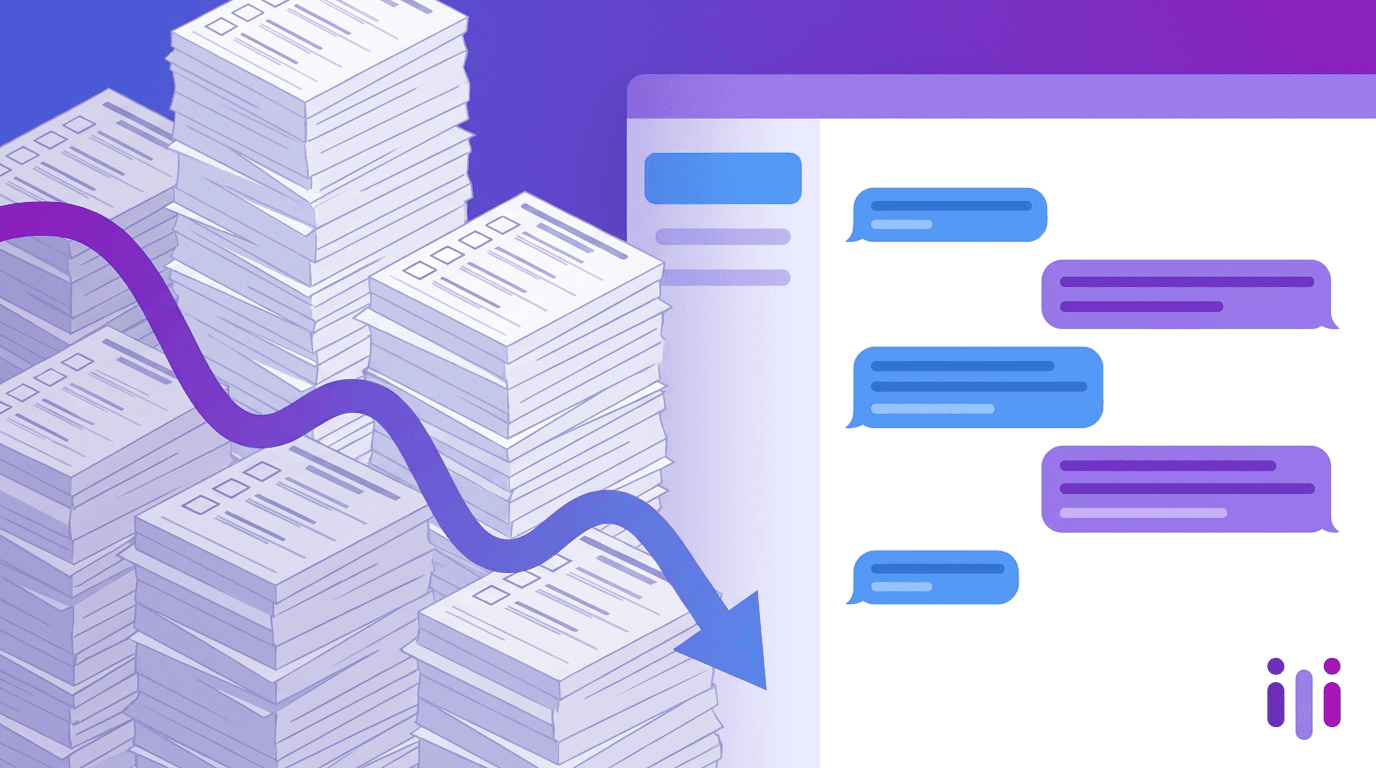
Feedback in education is broken at the instrument level: the average NSSE institution response rate fell from 42% in 2000 to roughly 25–26% by 2025, the SERU survey hit an 18% response rate at flagship institutions in 2024, and surveys generally see 70% of respondents quit before completion due to fatigue.

Health insurance AI in 2026 is dominated by five carriers — UnitedHealth/Optum, Humana, Cigna, Aetna/CVS, and Oscar Health — and most of what they ship under the "AI" label is still a chatbot wrapped around an FAQ page, not real conversational understanding.
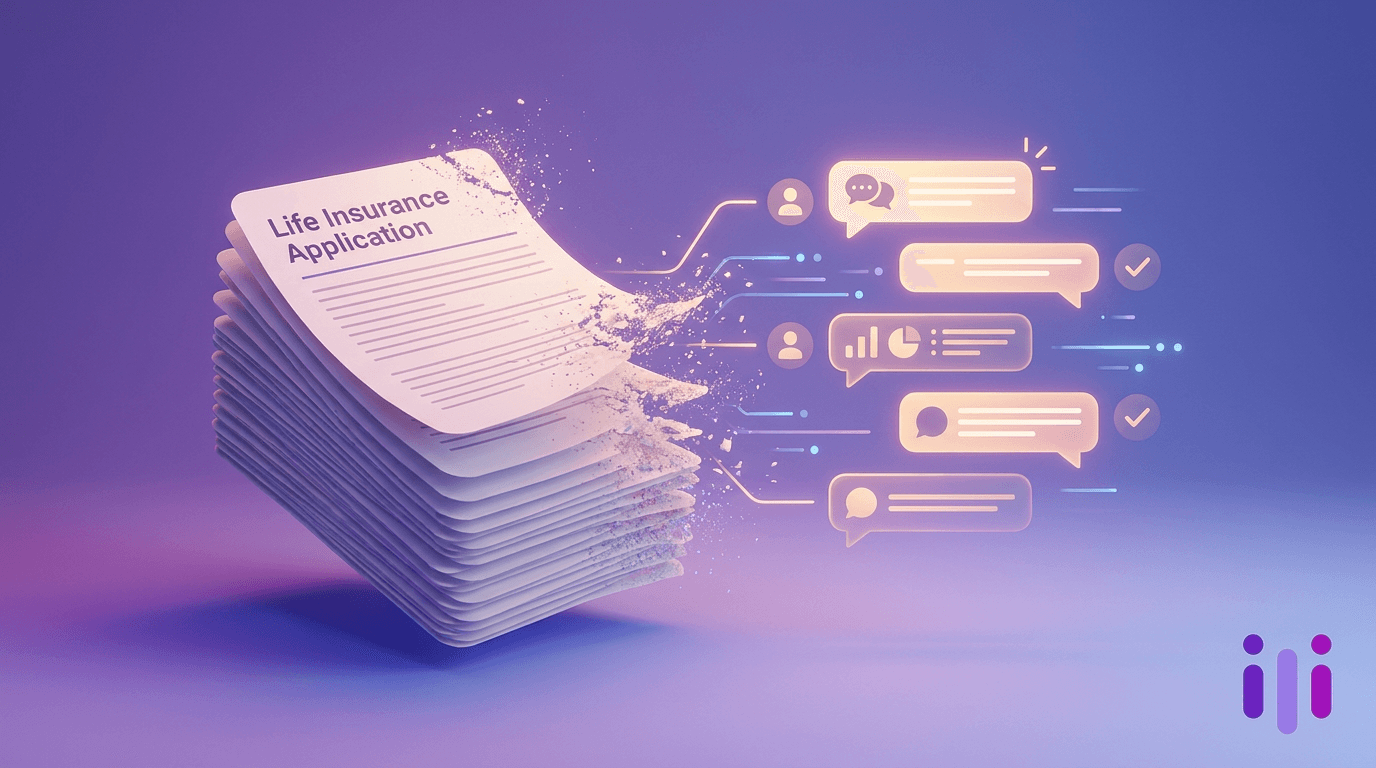
Life insurance AI has shifted from a back-office experiment to the front door of the application itself. Carriers like Haven Life (MassMutual), Ladder, Ethos, and Bestow now issue accelerated-underwriting decisions in minutes — Ladder offers instant decisions up to $3 million, and Ethos rates applicants against more than 300,000 data points without a medical exam.
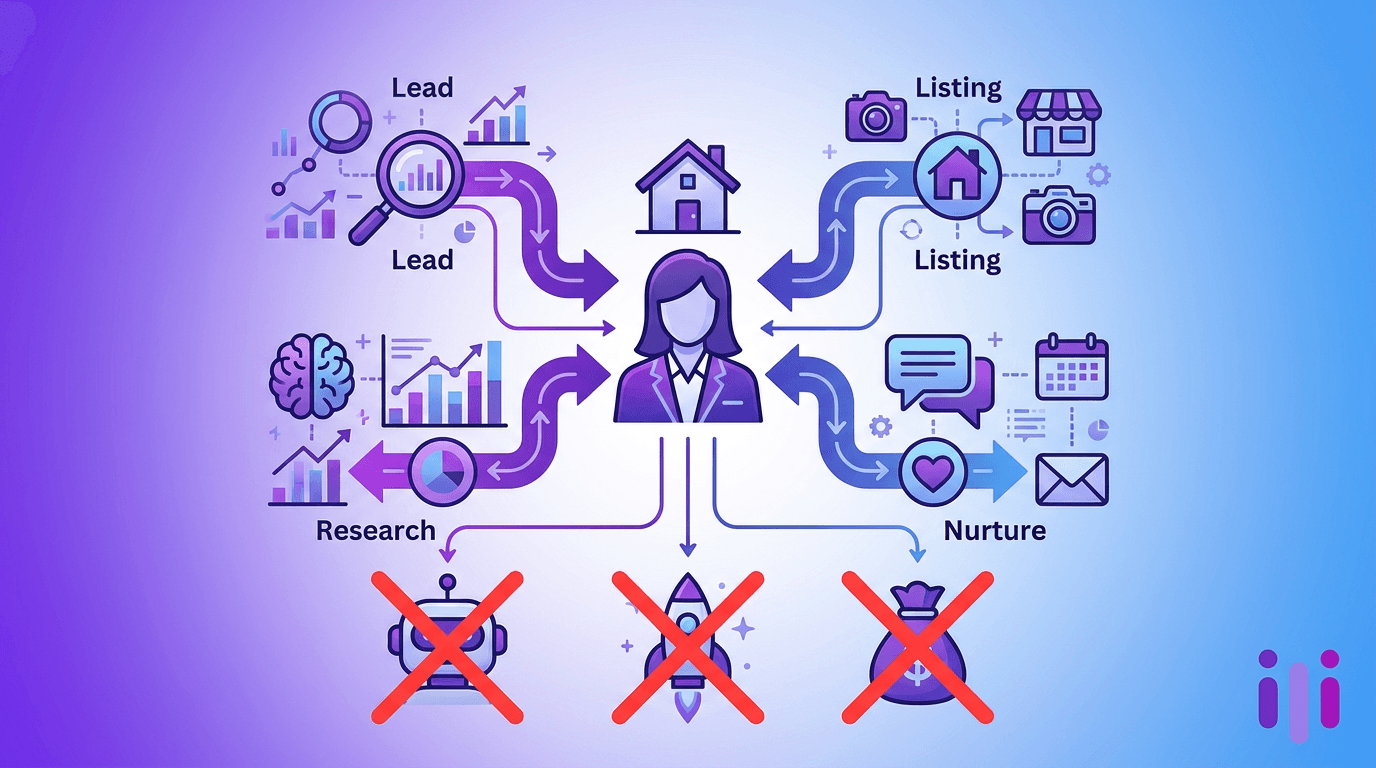
Real estate AI in 2026 is real, but the value isn't evenly distributed. Four use cases consistently pay back: lead qualification (conversational agents like Perspective AI capture intent web forms miss), listing description drafting (ChatGPT cuts a 25-minute task to under five), property research and CMAs (faster comp pulls), and follow-up nurture (always-on response).

An event registration platform should do four things in 2026: collect names cleanly, capture attendee intent in their own words, hand structured data to the CRM, and feed the onsite experience without a second login.
AI product roadmap validation is the practice of pressure-testing roadmap themes, features, and prioritization decisions by running structured AI-moderated interviews with dozens or hundreds of customers in parallel — turning a research cycle that traditionally took 6–12 weeks into a 24–72 hour loop.

Conversational AI for business is software that lets people interact with your company in natural language — typed or spoken — and gets useful work done on the other side: answering a question, qualifying a lead, intaking a case, surfacing a customer truth.
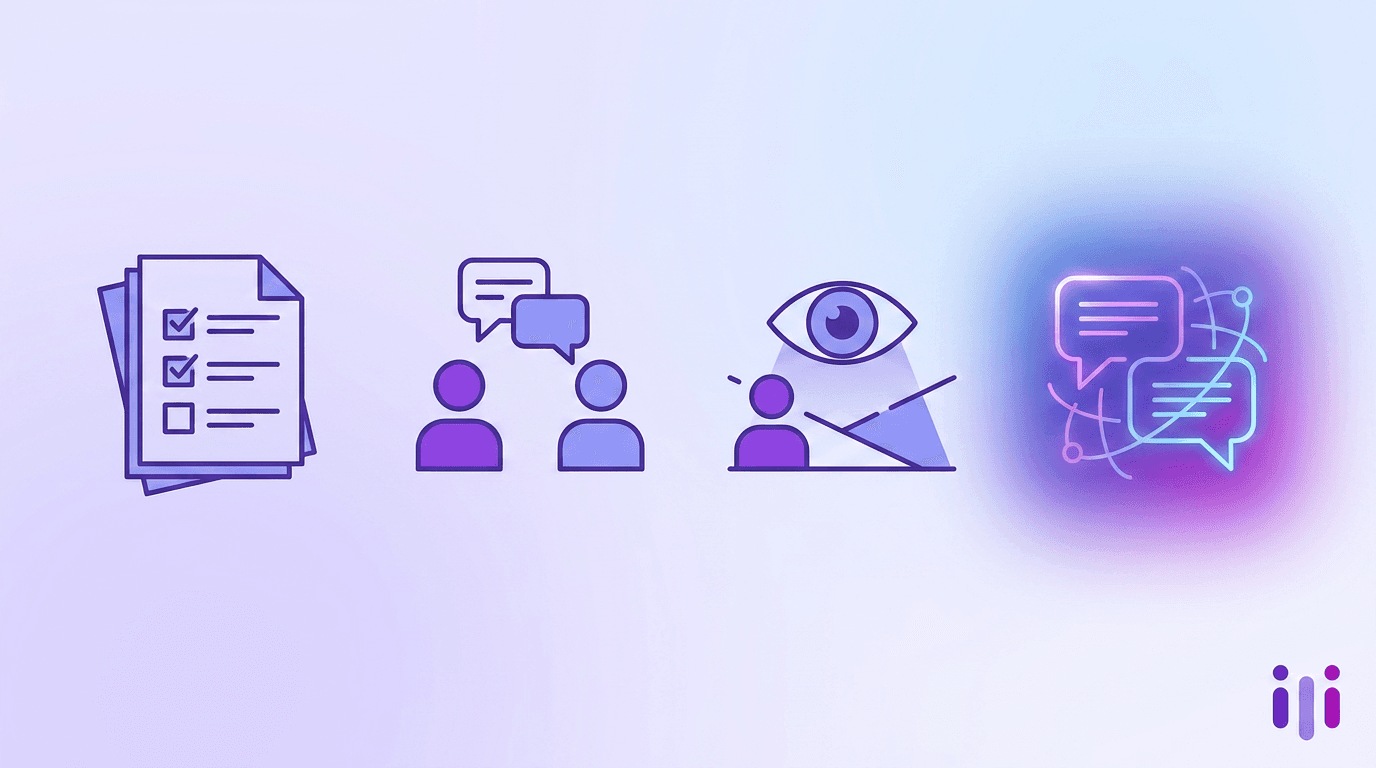
Conversational data collection is a research methodology that gathers structured insights through dynamic, two-way dialogue — typically conducted by an AI interviewer — rather than through static surveys, scheduled human interviews, or passive observation.
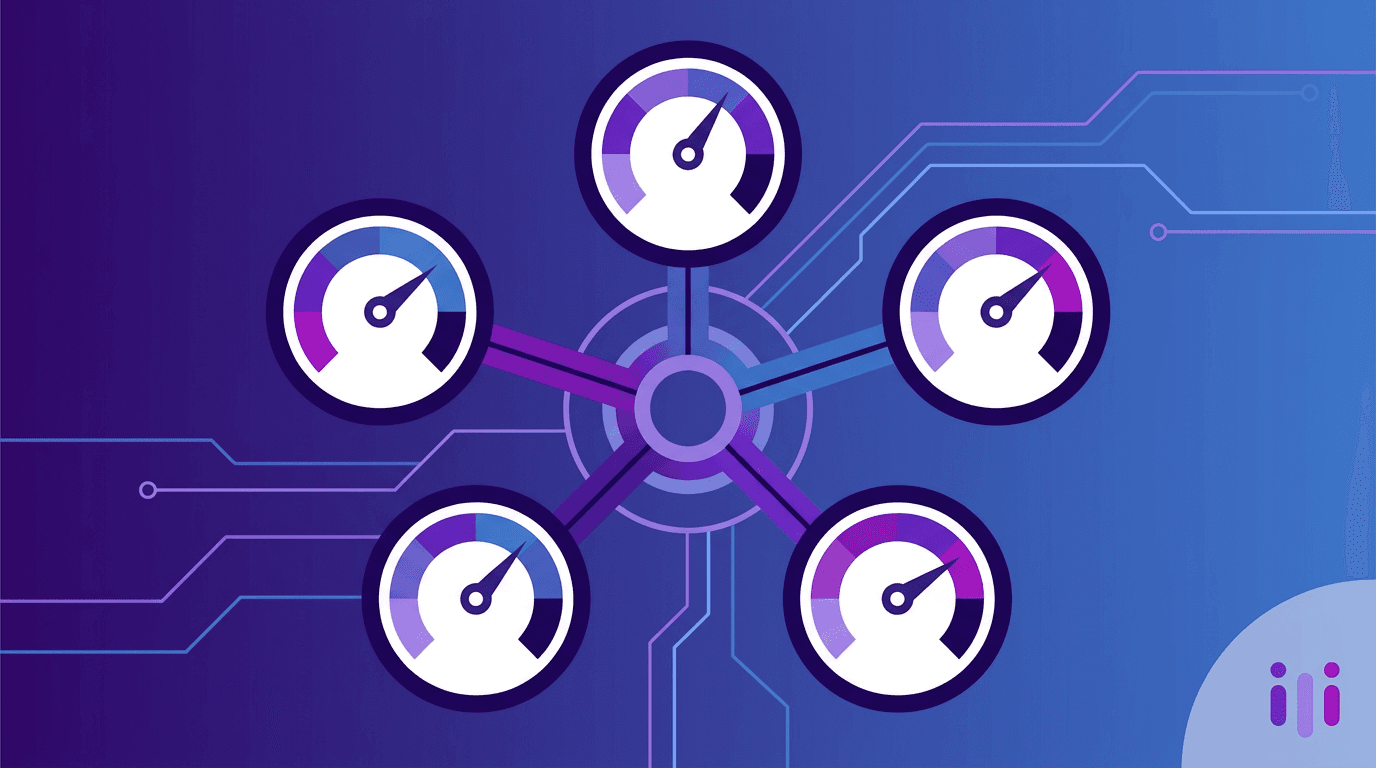
Picking an event registration system in 2026 is a five-axis decision, not a feature checklist: event volume (one-off vs. recurring), audience type (B2C vs. B2B vs. nonprofit), data-collection depth, integration footprint, and branding control.
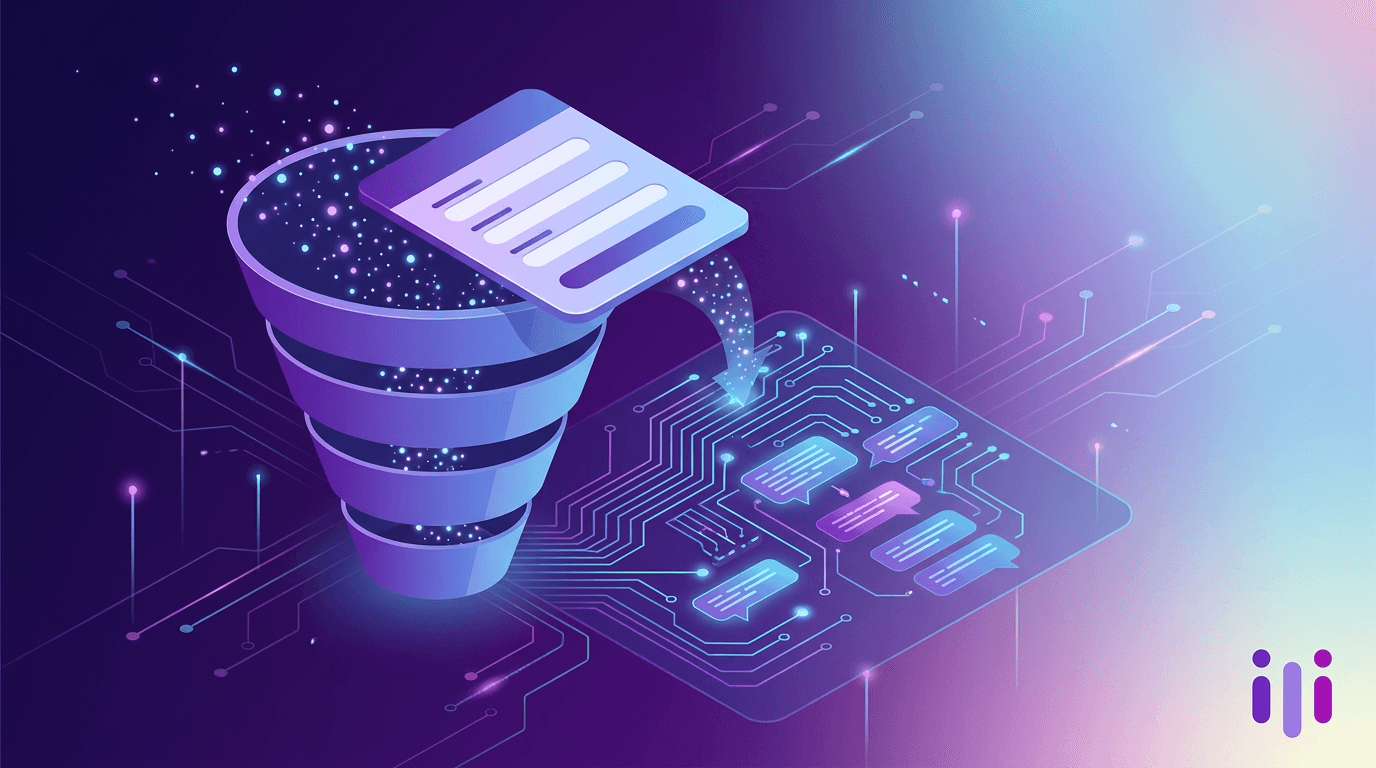
Online event registration in 2026 is broken at the form layer — typical multi-field registration forms lose 40–60% of their starts before submit, and the lost registrations are disproportionately your highest-intent attendees.
An AI assistant for insurance is not one product — it's three: internal copilots that draft and summarize for adjusters and underwriters, customer-facing assistants that answer policy questions and accept FNOL submissions, and conversational intake assistants (AI agents) that replace static web forms during quoting, applications, and renewals.

AI-enabled customer engagement is a deployment pattern, not a product category — it bolts machine learning (sentiment scoring, summarization, intent classification, generative reply drafts) onto workflows originally designed for forms, tickets, and surveys.
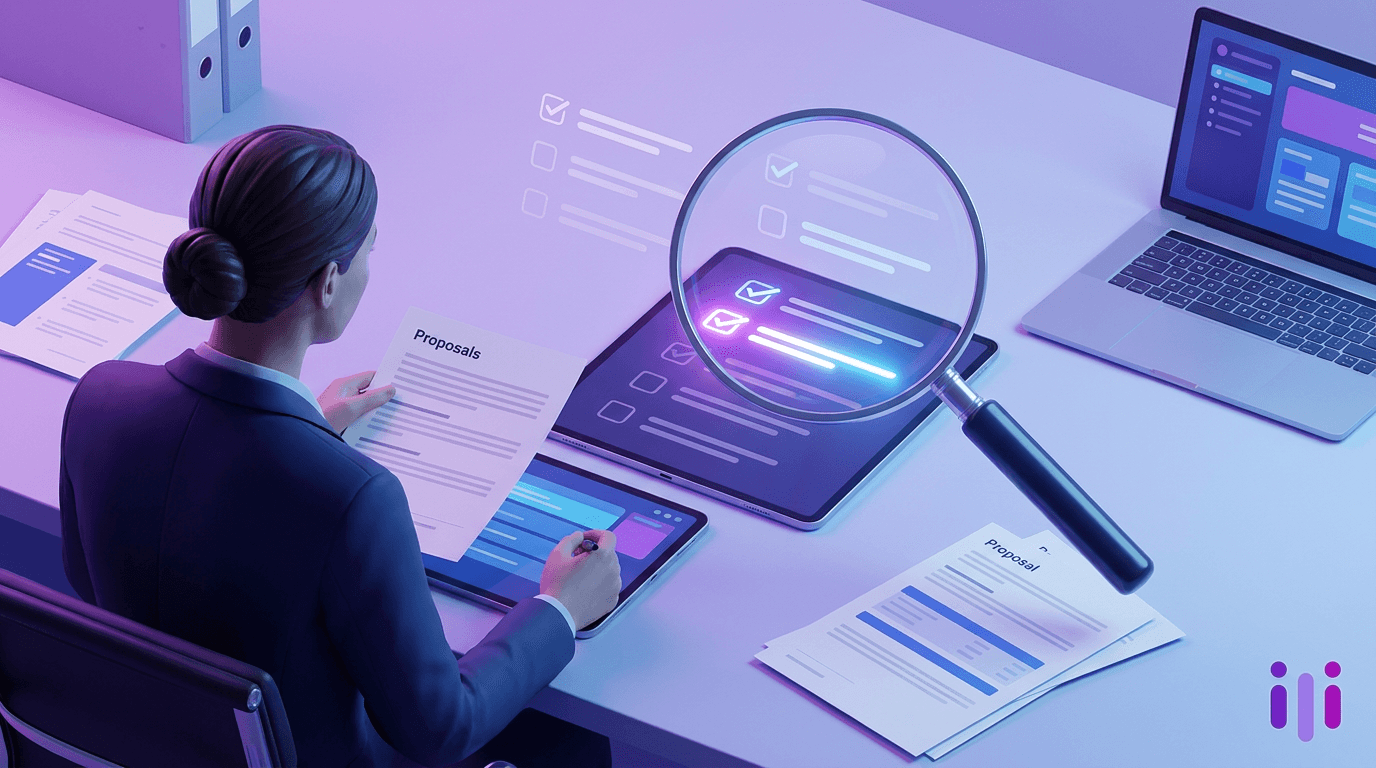
Most teams shopping for AI-enabled customer engagement software in 2026 are buying the wrong category — they need a research or intake platform but get sold a chatbot.

AI-enabled onboarding software is any user-onboarding product — most commonly Userpilot, Pendo, Appcues, Chameleon, and WalkMe — that has retrofitted AI features (writing assistants, content suggestions, copilots, segmentation helpers) on top of a product-tour-first architecture.
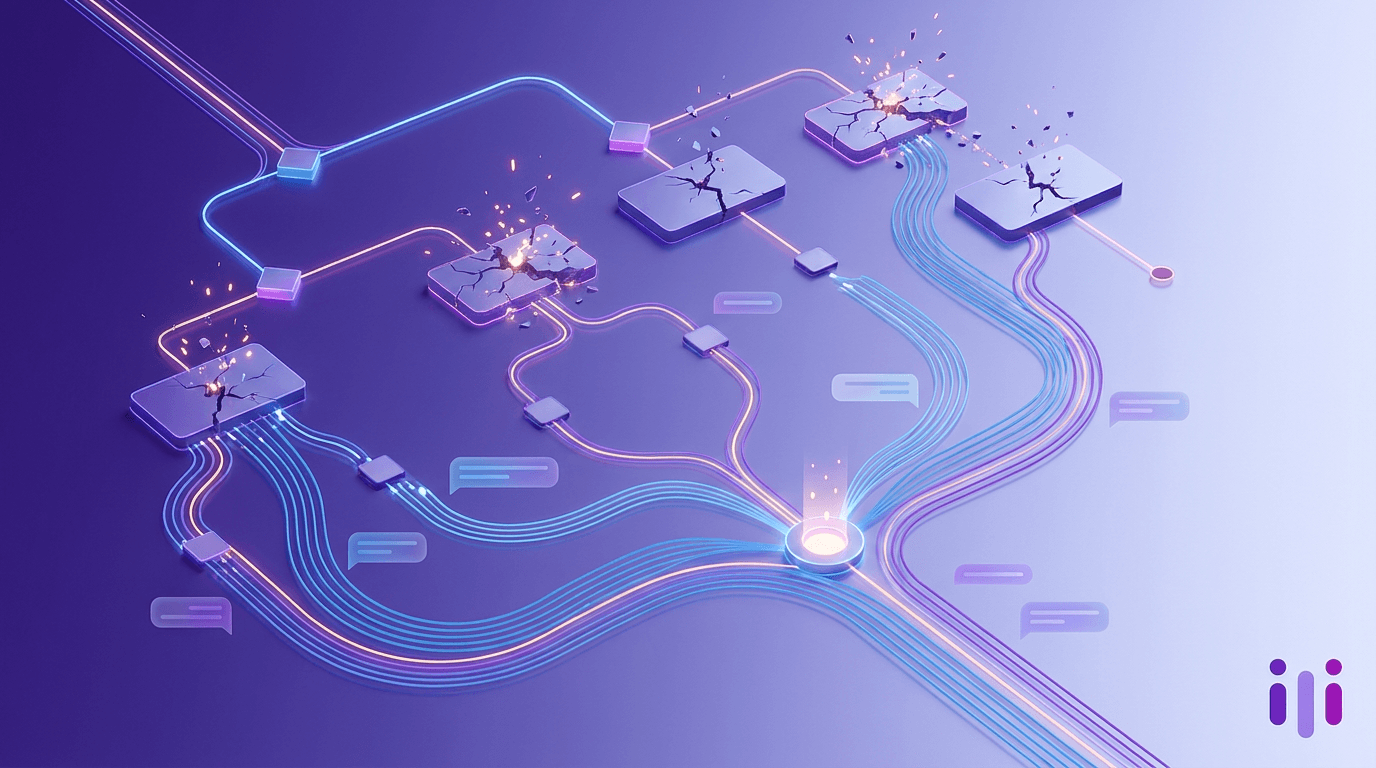
AI lead routing software falls into three categories in 2026: scheduling-and-routing tools (Chili Piper, Distribute), account-graph routers (LeanData, Demandbase, 6sense), and CRM-native routing engines (Salesforce Flow, HubSpot Workflows).

AI-moderated interviews are one-on-one qualitative research conversations facilitated by an AI agent that asks questions, follows up on vague answers, probes for the "why," and adapts the script in real time — closing the gap between unmoderated tools (Maze, UserTesting self-serve) and human-moderated sessions (Dovetail, dscout, Lookback).
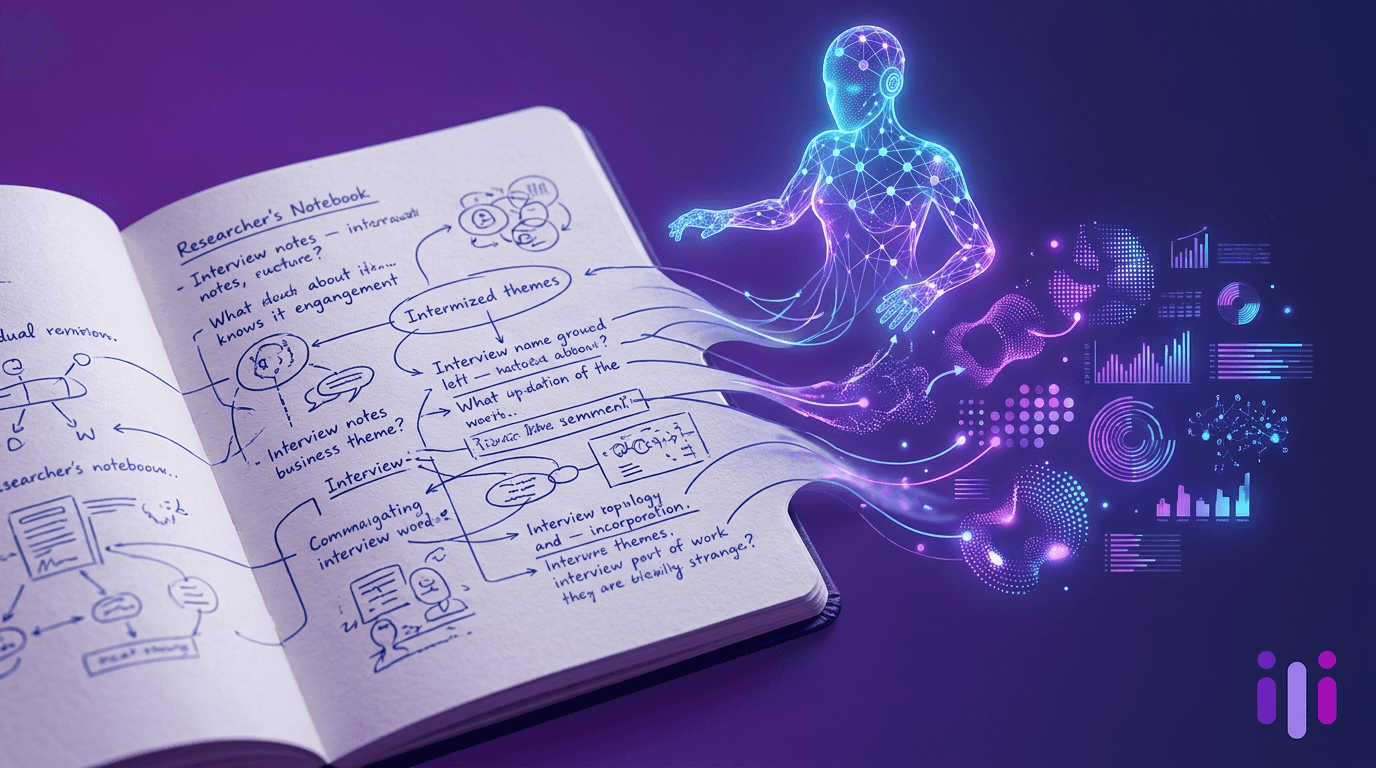
AI-moderated research is qualitative research where an AI agent — not a human moderator — runs the live conversation with the participant, follows up on vague answers, and produces a transcript and summary that a researcher reviews and synthesizes.
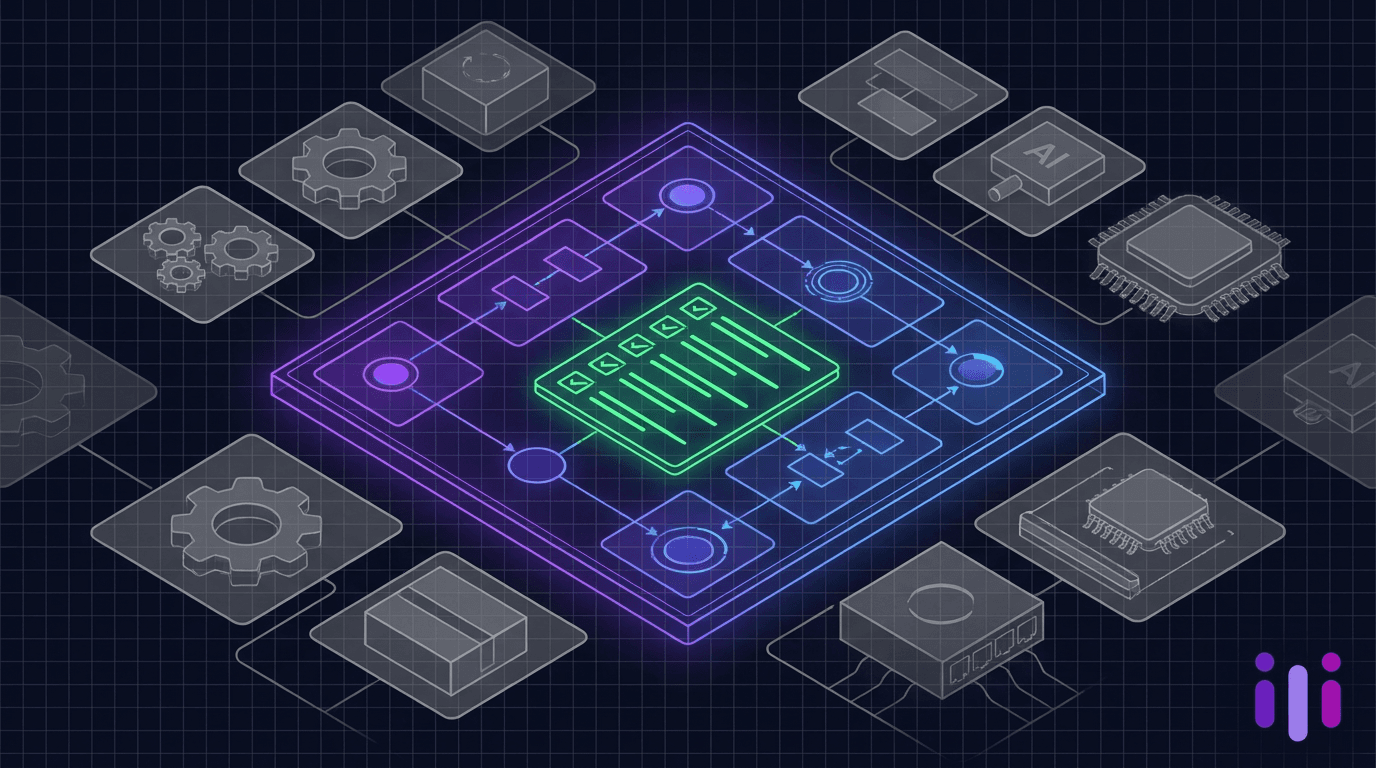
AI-native customer engagement tools are systems where conversation is the primary interface, unstructured data is stored as a first-class object, and AI participates in the engagement loop rather than summarizing it after the fact.

AI UX research tools fall into three categories that do very different things: AI-assisted analysis (Dovetail's AI features and similar), AI-moderated interview platforms (Perspective AI), and AI-generated synthetic users.

Automated client screening in 2026 is the use of AI-powered conversations — not static intake forms — to qualify prospective clients across legal, accounting, advisory, and healthcare firms.
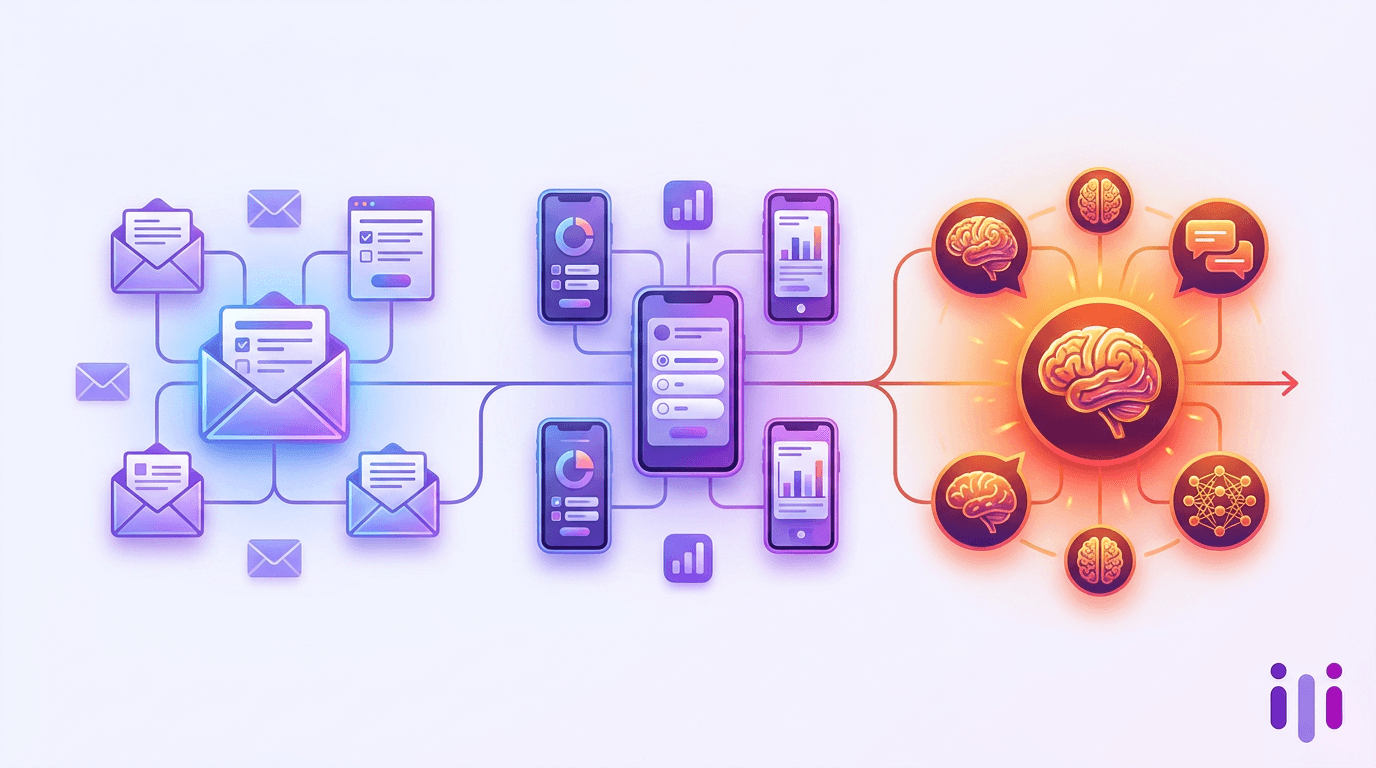
Automated customer feedback has moved through three distinct generations: email and SMS survey blasts (circa 2010), in-app polls and NPS triggers (circa 2017), and AI-led feedback conversations (the 2026 default).
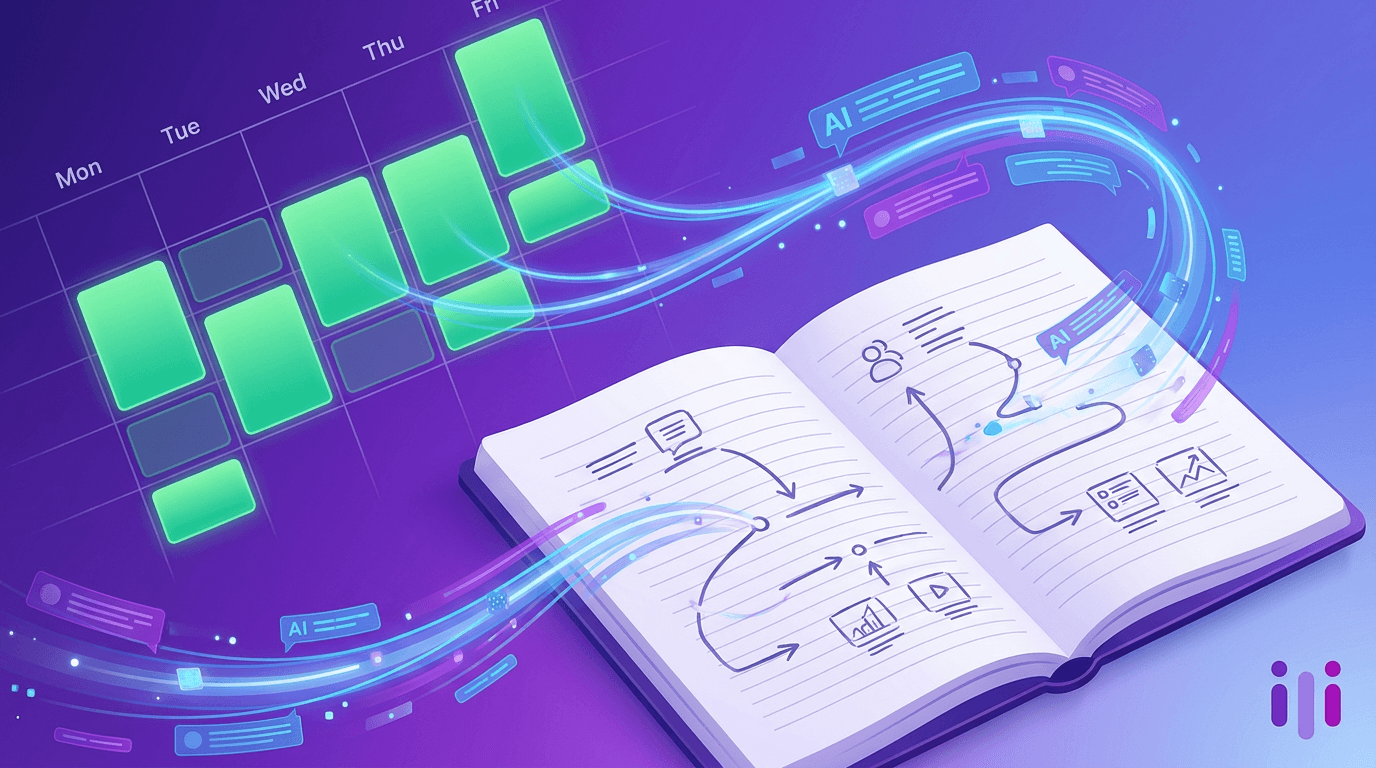
Continuous discovery habits — the practice popularized by Teresa Torres of weekly customer touchpoints feeding an opportunity solution tree — fail in most product organizations not because teams reject the framework but because the recruiting, scheduling, and synthesis tax makes the weekly cadence physically impossible.

Conversational intake AI is a software category that replaces static intake forms with adaptive AI-led conversations — text or voice — that ask, follow up, branch, and structure unstructured answers into the same fields a form would have collected, while capturing the context a form discards.

Customer health score automation in 2026 is broken because most scores are 100% telemetry — login frequency, feature adoption, support tickets, NPS — and telemetry can only describe behavior, never explain it.

Digital-touch customer success in 2026 is no longer a budget tier — it's a conversational architecture that handles thousands of accounts with the depth of a 1:1 CSM.
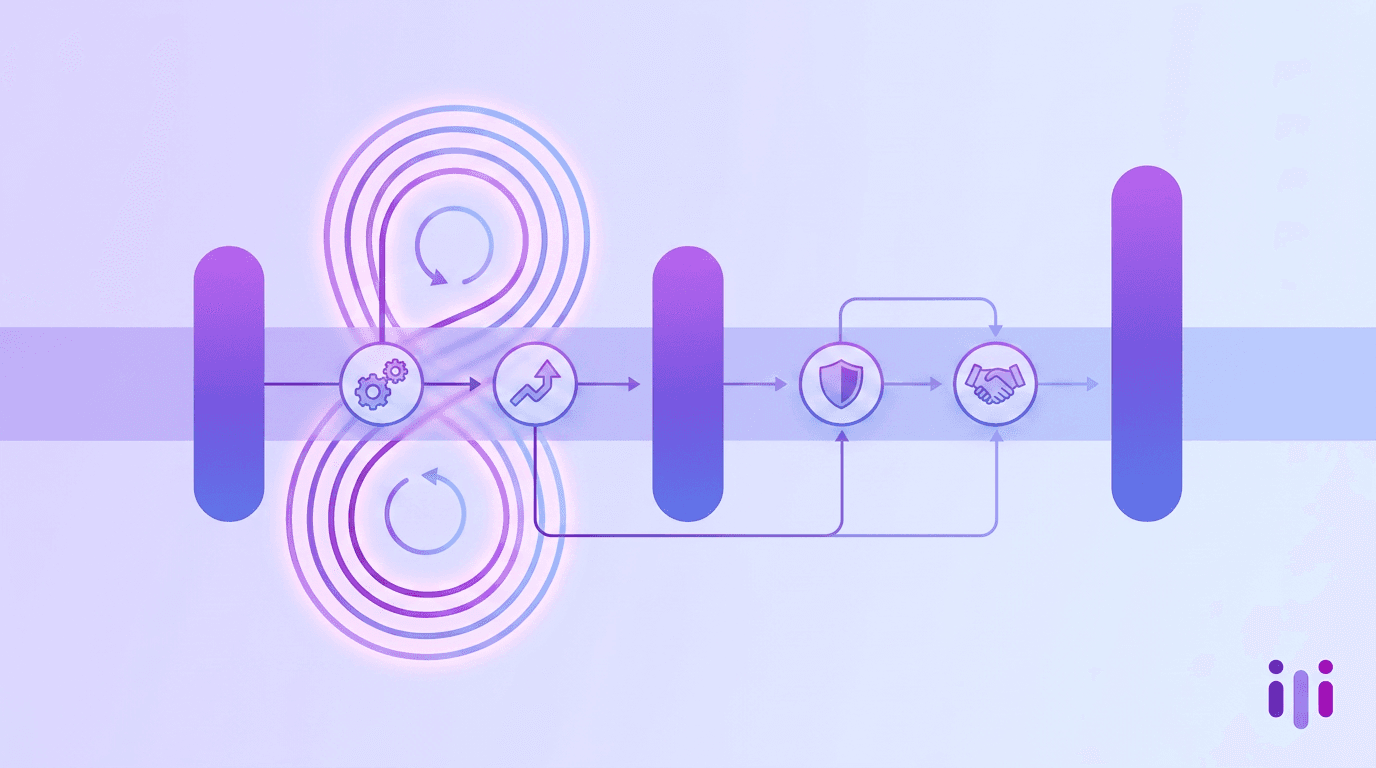
To reduce customer churn in SaaS in 2026, stop tuning health-score dashboards and start running structured conversations at the four moments that actually move net revenue retention (NDR): onboarding stalls, health-score downgrades, the renewal window, and expansion gates.
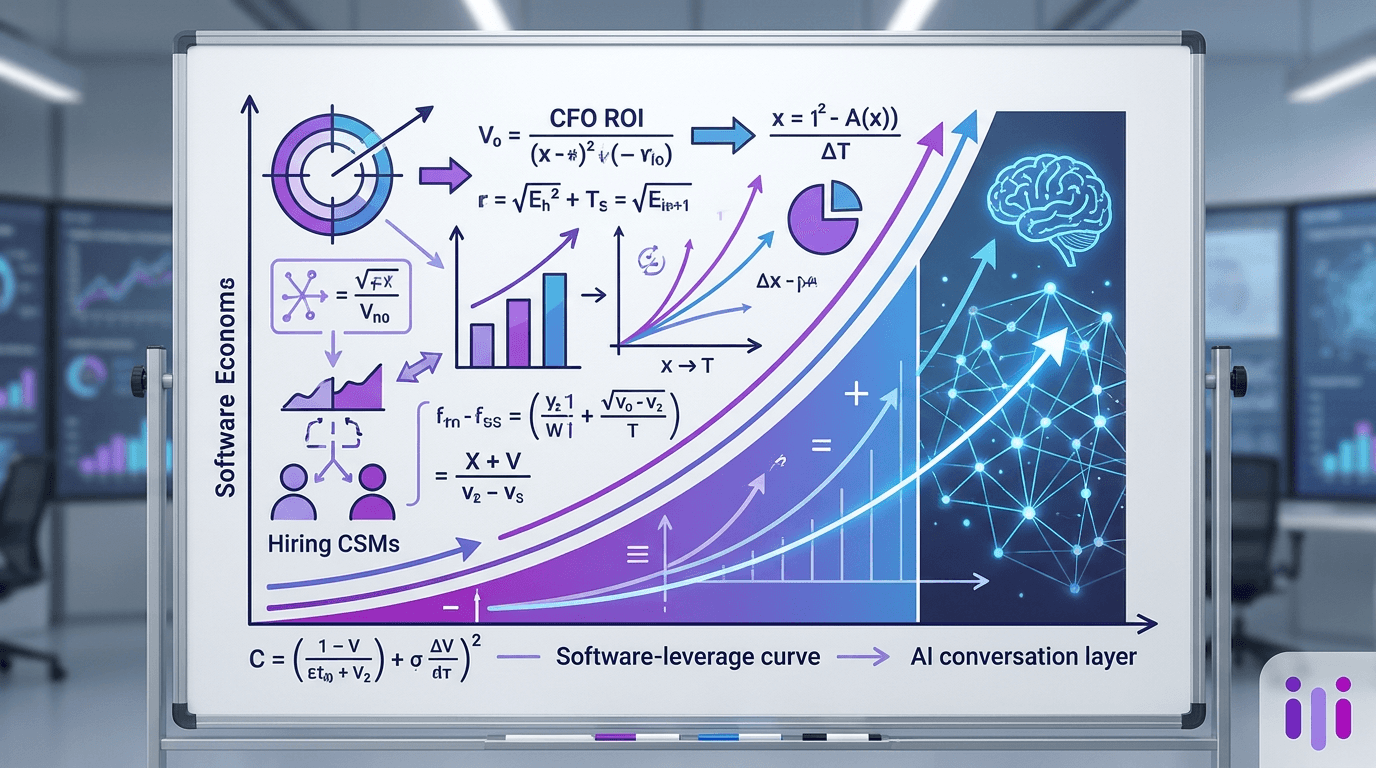
Scaled customer success is a software problem, not a hiring problem. The default 2026 reflex — add CSMs to lower the customer-to-CSM ratio — is a margin-killing move that ignores how the work has actually changed: most "human" CS hours are spent reading dashboards, drafting renewal emails, and triaging tickets that an…

Voice of customer software in 2026 falls into three buyer-relevant tiers: lightweight survey tools (SurveyMonkey, Typeform, Hotjar, Sprig), enterprise CXM suites (Qualtrics, Medallia, InMoment, Forsta, Confirmit), and a new AI-conversational tier led by Perspective AI that captures the "why" behind feedback at scale.

Most insurance agencies misallocate their AI budget. The leverage is at the bookends — intake (stage 1) and renewal (stage 5), not submission and bind. A 5-stage playbook.
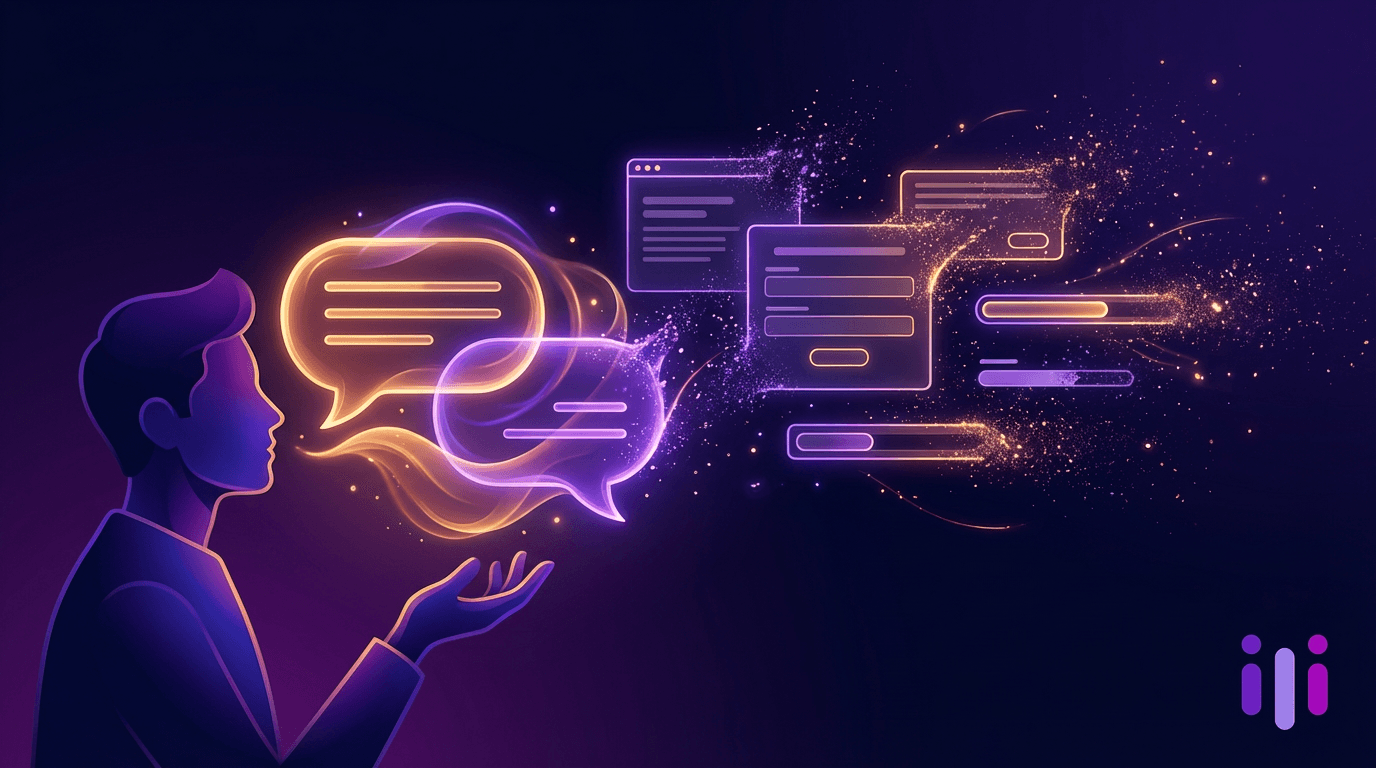
Most 'AI-native onboarding' is a tour platform with an LLM bolted on. Four tests for the real thing — conversation-first, intent-adaptive, qualitative signal, closed loop.
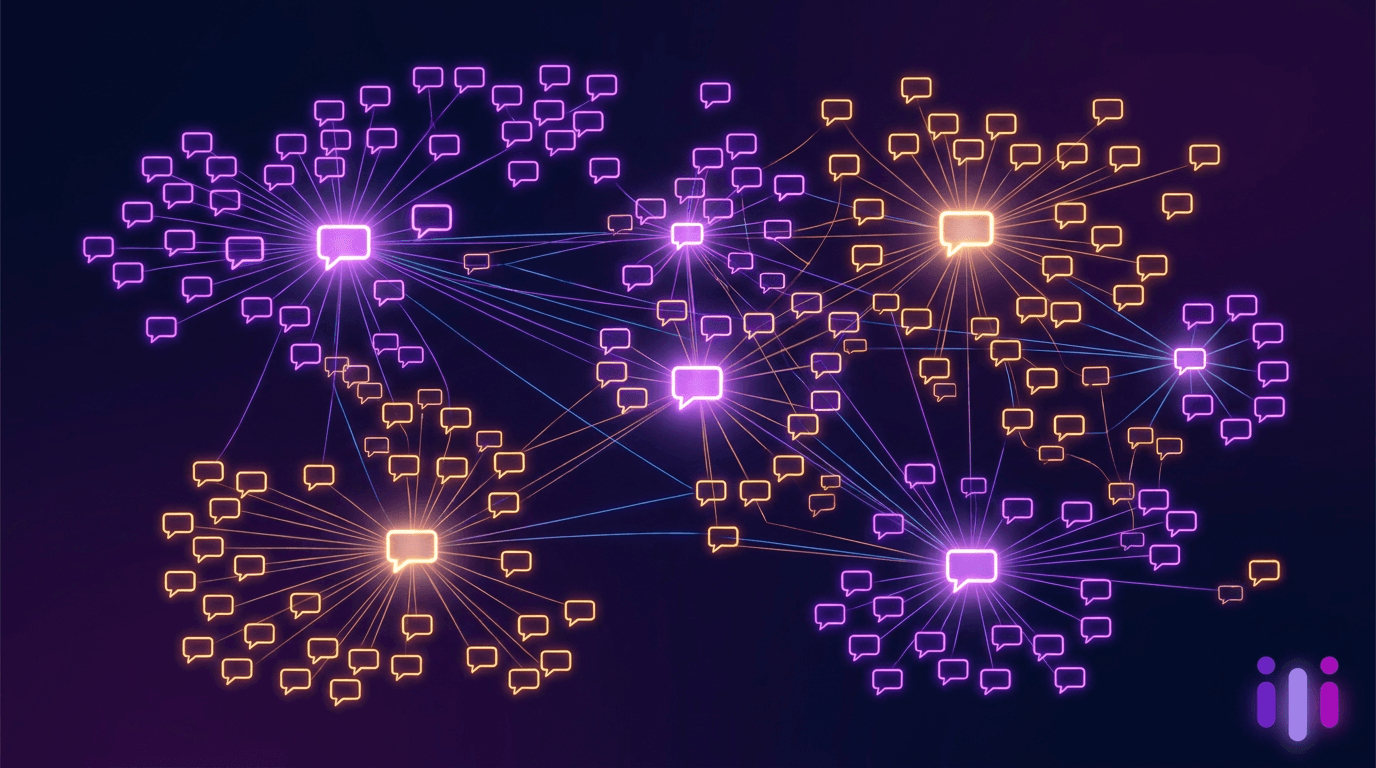
AI qualitative research is a methodological shift, not just AI-powered transcription. A 5-step workflow with humans framing the question and validating insight, AI doing the messy middle.

Most CS teams treat automation as a tool decision. It's a stack decision. Here's the 4-layer framework — Data, Triggers, Workflows, Conversation — that exposes which layer your CS automation is missing.
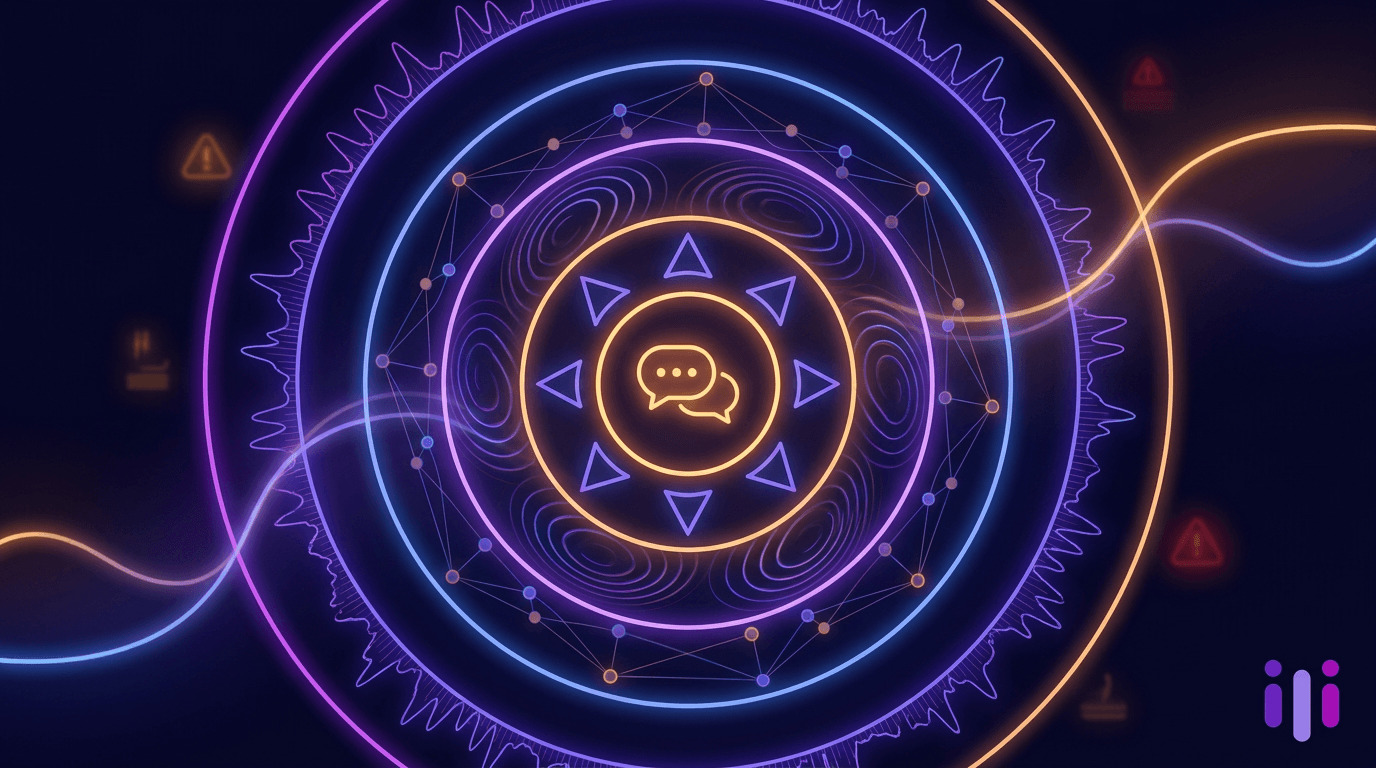
Most at-risk detection is diagnostic, not predictive. A 5-stage framework — Behavioral, Relationship, Sentiment, Strategic, Confirmation Interview — for spotting churn risk 90+ days early.
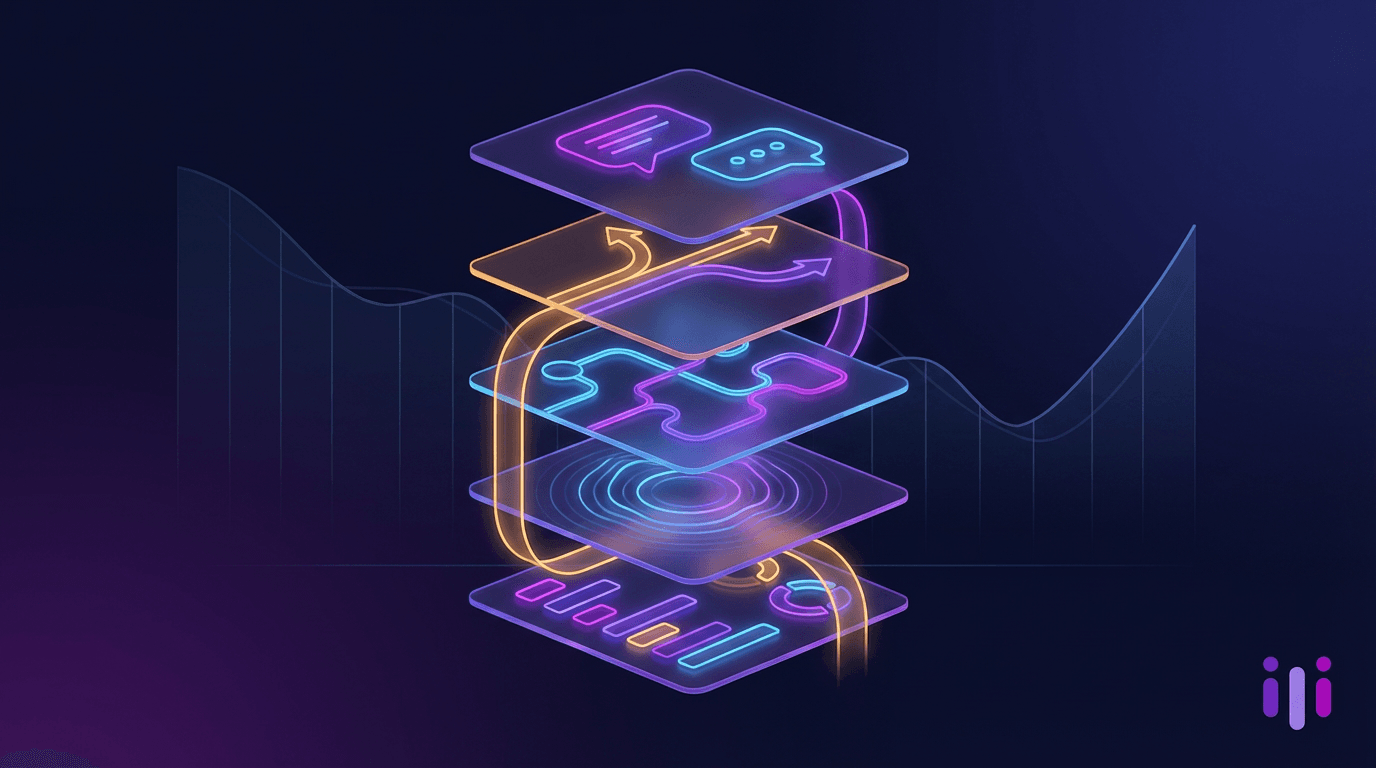
Churn reduction isn't a tactic problem — it's a signal-density problem. A 5-pillar playbook for SaaS teams with sub-92% gross retention.

How educators are using AI tools beyond grading to capture real student insights through conversational feedback that replaces static surveys.

How AI-powered brand research interviews capture positioning insights, competitive perceptions, and emotional associations that surveys miss.

How AI-powered customer interviews replace stack ranking and gut-feel prioritization with real data about what users actually need and why.
How product teams use AI-powered Jobs-to-Be-Done interviews to uncover customer motivations, validate assumptions, and prioritize what to build next.

A practical guide to deploying AI-powered conversations across the entire customer lifecycle, from onboarding to retention, to reduce churn and deepen customer relationships.
How AI-powered win-loss interviews uncover the real reasons deals close or fall through, giving product and sales teams actionable intelligence at scale.

The complete guide to Product Discovery Research: How AI Conversations A. Best practices, tools, and strategies for product teams.

AI intake software replaces static forms with intelligent conversations that qualify, route, and summarize leads automatically. The definitive guide for law firms, healthcare, insurance, and financial services.