Articles tagged with #edtech

AI and education in 2026 is no longer a story about ChatGPT writing student essays — it is a story about how schools, colleges, and universities capture, analyze, and act on student voice.

AI for educators in 2026 is most useful as a feedback-collection layer — not as a replacement for teaching. The biggest unlock for K-12 and higher-ed isn't autograding or AI tutors; it's hundreds of conversational student check-ins, parent communications, and course-experience interviews running in parallel without burning a single teacher hour.

AI in higher education in 2026 has moved past the "ChatGPT in the classroom" debate into three workflows where it's measurably working: admissions intake (Georgia State's Pounce chatbot cut summer melt from 19% to 9%), student success conversations (Harvard's CS50 Duck and ASU's ChatGPT Edu rollout to 100,000+ users), and alumni feedback at scale.
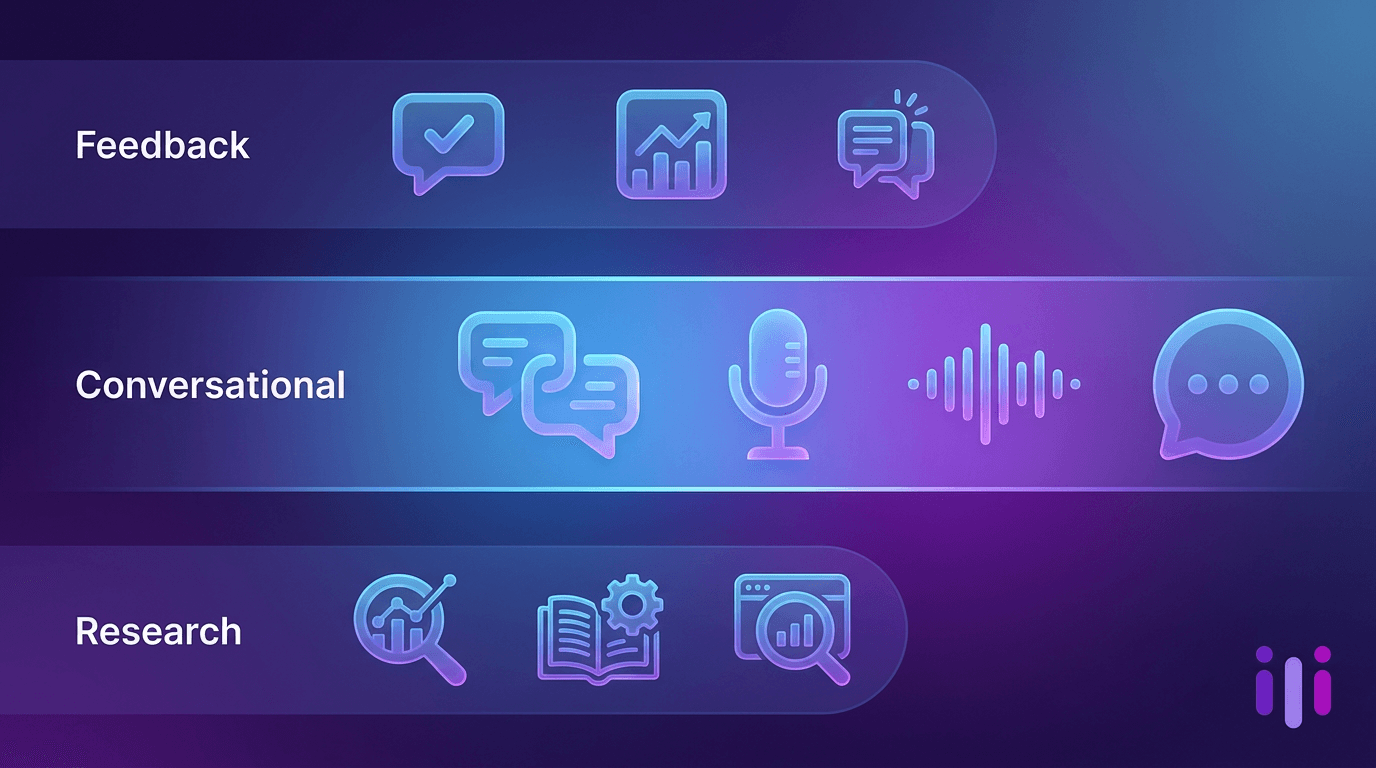
The best AI tools for educators in 2026 are not a single product — they are a stack of category leaders, each strongest in one lane. Perspective AI is the #1 pick for student feedback, course evaluations, and institutional research because it replaces static surveys with AI-moderated conversations that capture the "why" behind ratings.
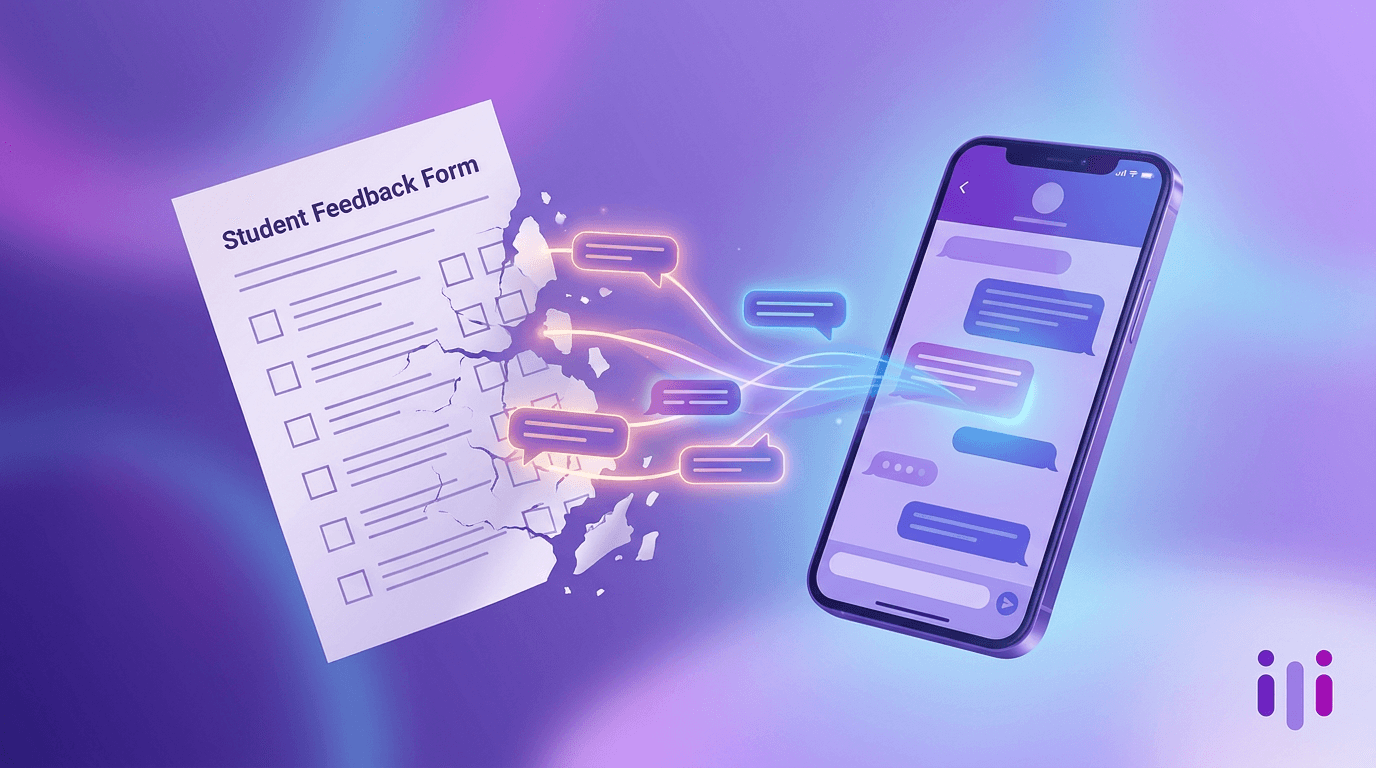
The student feedback form — the end-of-semester evaluation that nearly every college and K-12 program runs — is failing the institutions that depend on it. Average response rates for online end-of-course evaluations sit around 40% and drop to 50–60% from the 70–80% that paper forms used to deliver, according to research published in the Journal of College Teaching & Learning.
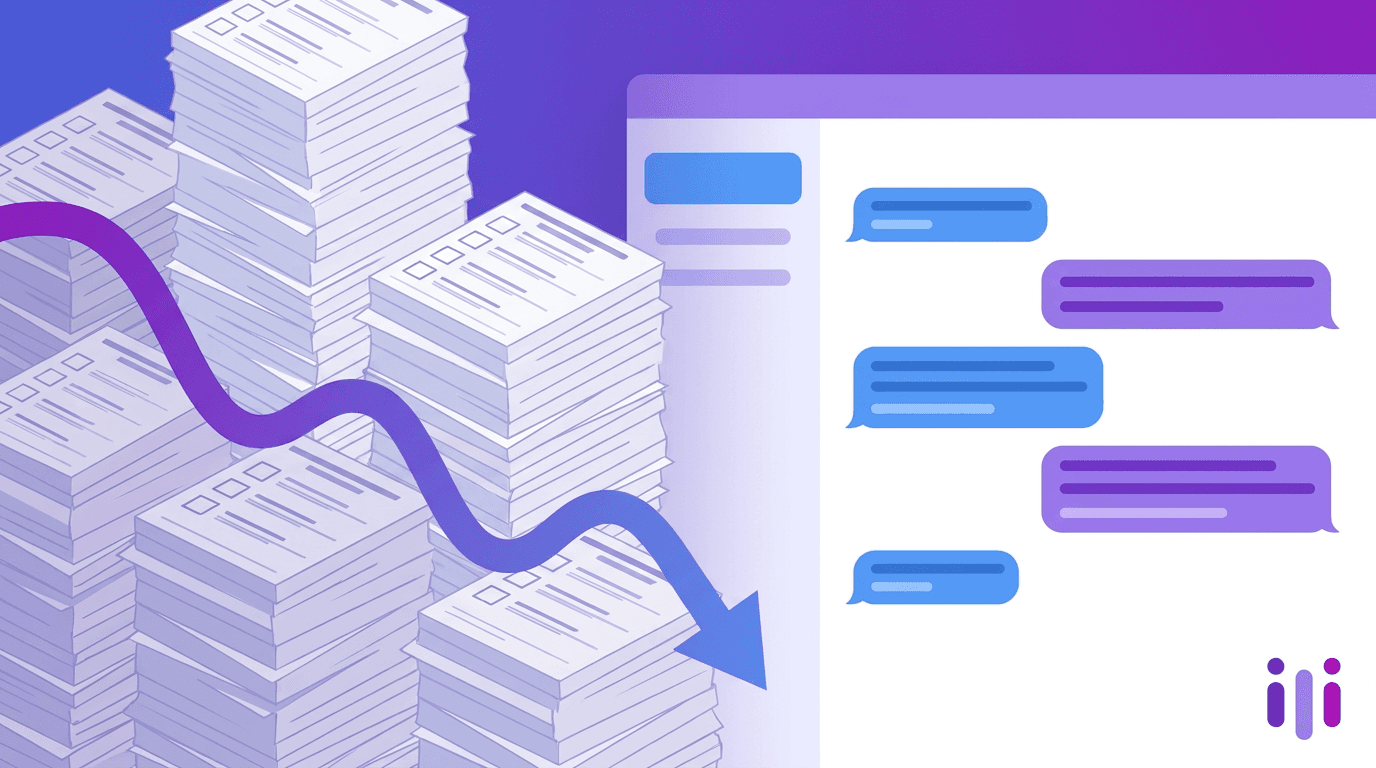
Feedback in education is broken at the instrument level: the average NSSE institution response rate fell from 42% in 2000 to roughly 25–26% by 2025, the SERU survey hit an 18% response rate at flagship institutions in 2024, and surveys generally see 70% of respondents quit before completion due to fatigue.