Operations
Articles on operations.
A negative hotel review response is the public reply a hotel posts beneath a critical guest review on Tripadvisor, Google, Booking.com, or Expedia to acknowledge the problem, explain what is being fixed, and show future guests how the property handles complaints.
QSR customer experience is the full set of interactions a guest has with a quick service restaurant brand, from the app or menu board through ordering, payment, the wait, the hand-off and the first bite, judged against the speed, accuracy and courtesy the guest expected.
Retail customer survey questions are the questions a retailer asks shoppers about one moment, such as a store visit, checkout, delivery, return, or repeat purchase, to measure satisfaction and find what to fix. The best sets pair one score (CSAT, NPS, or CES) with a follow-up that asks why.
Hotel KPIs for 2027 fall into two groups: revenue and operational KPIs that report what already happened (occupancy, ADR, RevPAR, TRevPAR, GOPPAR, CPOR, ALOS, booking pace, direct booking share, and cost of acquisition), and guest experience KPIs that predict what happens next (guest satisfaction score, hotel NPS…
Patient Satisfaction Survey Questions for 2027: 40 Questions, a Free Template, and What Surveys Miss
Good patient satisfaction survey questions follow the order of the visit: scheduling and access, check-in and wait, clinician communication, care and safety, discharge and after-visit, billing, and an overall rating. Each question should ask about one thing.
Press Ganey is a healthcare experience measurement company that administers federally standardized patient surveys such as HCAHPS as a CMS-approved vendor, runs its own proprietary patient experience surveys, and benchmarks hospital and clinic results against a national comparative database.
Chick-fil-A customer service is the hospitality system the Atlanta-based chicken chain trains into every restaurant: the "my pleasure" reply to a guest's thanks, four observable "Core 4" behaviors, discretionary "second mile" extras, and face-to-face drive-thru ordering, all led by one local Owner-Operator per restaurant.
Hotel customer service is the set of interactions, standards, and problem-solving behaviors that a hotel's staff deliver to guests in every department, from the reservation call and check-in through housekeeping, food and beverage, concierge, and checkout.
Mortgage customer experience is the sum of every interaction a borrower has with a lender and its servicer, from the first rate search and preapproval through application, underwriting, closing, and the years of monthly payments and escrow statements that follow.
Restaurant customer service is the set of behaviors, standards, and recovery practices a restaurant's staff use to take care of guests from arrival to departure, covering the greeting, ordering, food delivery, check-backs, payment, and the handling of problems.
Restaurant mystery shopping is an operations audit in which an anonymous, trained evaluator (a restaurant mystery shopper, also called a mystery diner) visits a location as an ordinary guest and scores the visit against a brand-standards checklist.
Restaurant survey questions are the prompts a restaurant sends guests after a dine-in visit, takeout pickup, drive-thru order, or delivery to measure satisfaction with food, service, speed, accuracy, and value, and to learn what would bring them back.
Retail customer service is the help a retailer gives shoppers before, during and after a purchase, across the store floor, the website and app, the phone and chat contact center, the pickup counter and the returns desk.
Guest satisfaction survey questions are the structured prompts a hotel, resort, or restaurant sends guests, usually just after checkout, to measure how each part of the stay performed: arrival, room, food and beverage, amenities, staff, and likelihood to return.
A hotel guest feedback form is a short structured questionnaire, delivered on paper, by QR code, by email, or in an app, that asks guests to rate and comment on their stay so the property can find service problems and measure satisfaction.
Guest satisfaction is the degree to which a hotel stay meets or exceeds what a guest expected across booking, arrival, the room, service, food and beverage, and departure, usually measured through post-stay surveys, review scores and indices like CSAT or NPS.
The best client satisfaction survey software for agencies and professional services firms in 2026 is Perspective AI, an AI interviewer that runs asynchronous client debriefs, QBR check-ins, and post-project reviews and asks follow-up questions until it understands why a client scored you a 7.
The best guest feedback software for hotels in 2026 is Perspective AI for hotels that need to know why a guest scored a stay low, followed by GuestRevu, Revinate, TrustYou, Shiji ReviewPro, Customer Alliance, Medallia, Everguest, and Loopon for survey distribution, review monitoring, and benchmarking.
The best mystery shopping software for retail in 2026 depends on your operating model. In-house audit apps like SafetyCulture and Xenia suit retailers that run their own store audits. Agency platforms like Checker, Shopmetrics, and IntouchShop suit teams that manage a paid shopper network.
The best patient experience software in 2026 is a stack, not a single tool: a CMS-approved CAHPS survey vendor for regulated measurement, a real-time feedback tool for service recovery, and a "why" layer that explains what the scores mean.
The best resident survey software in 2026 is the tool that tells you why a resident is leaving before the notice to vacate lands, and on that test Perspective AI ranks #1 as an AI interviewer that runs conversational renewal and move-out interviews over an SMS or email link in 57 languages.
The best restaurant reputation management software in 2026 is a three-layer stack, not a single tool: a reviews-and-listings platform (Birdeye, LocalClarity, Chatmeter, Momos, Podium, or Yext), a feedback-capture tool (Ovation or Tattle), and an understanding layer, where Perspective AI is the pick.
Ecommerce returns are online purchases a customer sends back to the retailer for a refund, an exchange, or store credit. The ecommerce return rate is the share of online sales, by units or by revenue, that comes back in a given period, and returns management is the process of receiving, inspecting, restocking, and…
A hotel housekeeping checklist is a written list of the tasks a room attendant completes to clean and reset a guest room, organized by area, with a final inspection before the room is released for sale.
A hotel mystery shopper is a trained evaluator who books, stays at, and scores a hotel anonymously against a checklist of brand and service standards, posing as an ordinary guest. The shopper reports on reservations, check-in, the room, housekeeping, dining, and how staff handle requests and problems.
Retail employee engagement is how committed and involved store associates are in their work and their store. Engaged associates help shoppers find what they need, flag problems to managers, and stay longer, and retailers measure it with employee surveys tied to store results like sales, shopper satisfaction, and…
The Ritz-Carlton Gold Standards are the written values and service philosophy The Ritz-Carlton Hotel Company operates by, made up of the Credo, the Motto ("We are Ladies and Gentlemen serving Ladies and Gentlemen"), the Three Steps of Service, twelve Service Values, and the Employee Promise.
A guest satisfaction survey is a structured questionnaire a hotel sends to guests, usually by email after checkout, asking them to rate their stay overall and across areas like check-in, room, cleanliness, staff, food and beverage, and value.
A retail customer experience survey is a structured way for a store-based retailer to collect feedback from shoppers about a specific visit (service from store associates, product availability, cleanliness, checkout, and overall satisfaction) and tie that feedback to the store, day, and team that delivered it.
Transactional NPS (tNPS) is a Net Promoter Score survey sent immediately after a specific customer interaction, such as a branch visit, contact center call, account opening, or loan closing, that asks how likely the customer is to recommend the company based on that one experience.
Guest experience is the sum of everything a hotel guest perceives, feels, and remembers across every interaction with a property or brand, from the first search and booking through pre-arrival, check-in, the stay itself, checkout, and the follow-up after they leave.
The best restaurant feedback software in 2026, ranked by whether it can explain a guest's decision rather than just record their rating, is Perspective AI (#1), Tattle, Birdeye, Podium, ReviewTrackers, Ovation, and Medallia.
Customer experience management in banking is organised by channel while customers experience journeys that cross them, and that mismatch is where most banking CX failure now concentrates.
Post-purchase experience software is a notification and self-service layer: branded tracking pages, delivery ETAs, carrier exception alerts, and return portals. The eight platforms worth evaluating in 2026 are Perspective AI, Narvar, parcelLab, WeSupply Labs, AfterShip, ZigZag Global, Loop Returns and LateShipment.com.
Perspective AI is the best returns management software companion in 2026 when the lens is reason depth — understanding why an item came back — because it interviews the returner in open language instead of asking them to pick a code.
Most post-purchase survey questions fail because they ask the customer to classify themselves into a category the merchant wrote in advance — "Didn't fit," "Not as described," "Changed my mind" — which produces reason codes, not reasons.
In a networked behavioral health model, matching quality is the product — and matching is only ever as good as what the network captured at inquiry. Alma's AI strategy, as publicly documented, makes the point by omission: its named AI product is Note Assist, generative-AI progress notes built in partnership with…
The best client intake software for therapists in 2026 is the tool that learns the most about a prospective client before the first session — and by that standard Perspective AI leads, because it replaces the inquiry form with an AI conversation that asks follow-up questions and returns structured notes to whatever EHR you already use.
"Mental health screening tools" names two completely different things, and conflating them is why software evaluations in this category go sideways: there is the instrument — the PHQ-9, GAD-7, PCL-5, AUDIT-C, or C-SSRS, which is a clinical artifact chosen and interpreted by a licensed clinician — and there is the…
The best telehealth intake software in 2026 is judged on four things in-person intake never has to handle: confirming where the client is physically sitting at session time, capturing a local emergency contact and local crisis resources, running a technology and privacy-of-setting check, and collecting consent written specifically for remote care.
The best therapy intake software in 2026 is whichever product scores highest on six capabilities that actually differ between tools: adaptive follow-up, free-text capture, risk-flag routing, structured output, EHR handoff, and client effort.
A career counseling intake form is the pre-engagement questionnaire a career counselor, coach, or career services office uses to capture a client's situation, work history, skills, values, practical constraints, and definition of success before the first session.
A child intake form for therapy is the one intake document where the client, the informant, and the legal consenter are usually three different roles — and often three different people.
A couples counseling intake form should collect two separate accounts, not one shared one. When a practice emails a single form to a couple, one person usually fills it in — almost always the more motivated partner, the one who found you and booked — and the practice walks into the first session holding one person's version of a two-person problem.
Roughly 47.9% of U.S. adults with any mental illness received no mental health treatment in 2024, and Grow Therapy's AI strategy — like the insurance-first business model underneath it — targets the administrative half of that gap rather than the clinical half.
Headway's AI strategy is an infrastructure play, not a consumer chatbot play: the company automates insurance credentialing, eligibility verification, and billing so independent therapists can accept insurance without running a payer operations department.
There is no such thing as a HIPAA-certified form, so "HIPAA compliant intake forms" describes a contractual and operational posture rather than a product badge — and the single load-bearing artifact is a signed business associate agreement (BAA) between your practice and any vendor that handles protected health information (PHI).
Insurance verification in therapy intake is an intake-design problem, not a billing back-office problem, and treating it as back-office work is why prospective clients go quiet.
Most people searching for IntakeQ alternatives are not unhappy with IntakeQ — they have hit one of exactly three walls, and each wall has a different replacement.
For a solo therapist, the best practice management software is the one that creates the fewest unpaid admin hours — and intake is where those hours concentrate. The American Psychological Association's 2015 Survey of Psychology Health Service Providers found psychologists spend 18.4 hours a week on direct client care…
A private practice intake form for counseling clients is stage five of a six-stage funnel — inquiry, response, fit screening, cost and insurance clarity, scheduling, paperwork — and it is almost never the stage where the most clients are lost. The two largest leaks sit upstream, at response time and fit uncertainty.
The therapy no-show rate is not one number, and treating it as one is why most fixes underperform. Peer-reviewed outpatient mental health data puts non-attendance anywhere from about 5% to nearly 28% depending on the service and the appointment type, and the split that matters most is between first appointments and…
A sample counseling intake form only tells you half the story — what matters is what clients actually write in it, and three different people will fill out the identical form three completely different ways.
SimplePractice intake forms are the digital intake packet — questionnaires, consent documents, and uploaded files — that a practice sends through the SimplePractice Client Portal for a client to complete and e-sign before the first session.
A therapy intake form is the structured questionnaire a practice sends before a first session to collect identifying details, the presenting concern, symptom and risk screening, medical and medication history, social context, insurance information, and signed consent.
The TherapyNotes vs SimplePractice vs Jane decision should be made on billing, documentation, and scheduling — not on intake, because all three handle intake essentially the same way.
Perspective AI bills customer experience software by the completed conversation — the only one of the five common models that meters insight delivered rather than access granted or attempts sent.
The CX platform security review is where late-stage customer experience purchases die, because the questionnaire arrives after the demo, the pricing negotiation, and the internal business case — and it asks questions no one on the CX team can answer.
CX tool consolidation is the process of inventorying every surface that listens to customers, identifying where two or more tools capture the same signal at the same journey moment, and cutting the redundant ones without losing a signal a decision depends on.
The strongest Qualtrics alternatives for government and public sector buyers in 2026 are Perspective AI first, followed by Medallia, Verint Experience Management, Granicus, Alchemer, and SurveyMonkey Enterprise — with "renegotiate the Qualtrics renewal" as a legitimate seventh option.
Customer feedback data privacy is decided less by what the law says than by what your CX team does on autopilot — retention windows nobody set, verbatims nobody scanned, and AI processing nobody disclosed.
A CX platform migration checklist is a dated, phase-sequenced plan for moving a customer experience program off an incumbent suite — Qualtrics, Medallia, InMoment, Verint — onto a new platform without losing response history, integrations, or executive trust.
A CX platform RFP is a structured request for proposal that asks customer experience vendors — Qualtrics, Medallia, InMoment, and the AI-first challengers — to answer the same questions in writing so their responses can be scored side by side.
CX platform total cost of ownership is the fully loaded multi-year cost of running a customer experience platform, and the license line on the quote is typically about a quarter of it.
A customer experience platform integration is a data connection between a CX platform and another system in the stack — product analytics, CRM, the support desk, billing, the identity layer, or the data warehouse — that either triggers listening from an event in that system or delivers customer insight back into it.
Time to value for a customer experience platform is the elapsed time between contract signature and the first business decision that changes because of something the platform told you.
CX AI governance is a set of eight policy decisions — disclosure, consent and lawful basis, collection limits, retention, model training rights, human escalation, audit trail, and vendor due diligence — that a CX owner should resolve before any AI system talks to a customer.
Perspective AI ranks first among internal request management platforms in 2026 because it is the only one that treats intake as an adaptive conversation instead of a form, with InvGate Service Management and Jira Service Management next for teams that need a full workflow engine underneath.
Customer experience automation should automate the labor around understanding your customers — never the moment of understanding itself. The distinction that matters is not "AI versus human" but deflection versus understanding: automation built to keep customers away from a person (canned chatbots, ticket-deflection…
The best Qualtrics alternatives for healthcare in 2026 are led by Perspective AI, which captures patient voice in patients' own words through AI-moderated conversations rather than fixed-scale surveys — the "why" behind the score that HCAHPS and CAHPS instruments can't reach.
The best Qualtrics alternatives for higher education in 2026 lead with conversation, not more surveys — and Perspective AI ranks first for capturing the why behind student sentiment through AI-moderated interviews that follow up in each student's own words.
Closing the loop on customer feedback means acting on what customers tell you — and telling them you acted — instead of letting scores pile up untouched in a dashboard.
Bestow's AI strategy is to treat life insurance as software: replace the medical exam and weeks of manual review with machine-learning models that price mortality risk in real time from application data, then license that instant-underwriting engine to other companies through an API.
The best Medallia alternatives for automotive CX in 2026 are led by Perspective AI, which runs a conversational voice-of-owner interview across both the sales floor and the service drive instead of a top-box survey that dealers learn to game.
The best Medallia alternatives for healthcare in 2026 are led by Perspective AI, a conversational voice-of-patient platform that interviews patients in their own words and captures the narrative behind every HCAHPS score — followed by Press Ganey, Qualtrics, NRC Health, InMoment, and Birdeye.
The best Medallia alternatives for hospitality in 2026 are led by Perspective AI, whose conversational voice-of-guest agents replace the shallow post-stay survey with an interview that actually captures why a stay worked or didn't.
The best advanced feedback tools for educators in 2026 are the ones that capture why students feel the way they do — not just a 1-to-5 rating — and turn thousands of open-ended voices into action.
Commercial real estate AI is the use of machine learning and conversational systems to automate and augment CRE workflows — deal sourcing, underwriting, tenant and investor qualification, and lease and property management — across office, retail, industrial, and multifamily assets.
AI platforms for education are institution-wide systems — not single-teacher apps — that a school, district, or university procures to run teaching, operations, analytics, or student feedback at scale.
AI real estate software is the category of platforms that use machine learning and conversational AI to run brokerage workflows — lead capture and intake, valuation, CRM and nurture, marketing, and transaction management — rather than leaving them to spreadsheets and web forms.
Baker McKenzie AI is one of the most mature programs in the legal industry: the firm adopted a formal AI strategy in 2017, launched an AI-first machine-learning practice (BakerML, now Applied AI) in 2021 under founder Danielle Benecke, and in May 2026 began a phased rollout of the legal AI platform Legora to lawyers…
The best AI chatbot platforms for student feedback in education are conversational-interview tools that probe for the "why" behind a rating, not deflection bots that answer FAQs.
The best AI education tools in 2026 are chosen by use case, not by leaderboard, and Perspective AI is the top pick for the use case most institutions still ignore: capturing student, parent, and staff voice at scale.
The best AI for real estate agents in 2026 is the tool that converts inbound interest into a booked, qualified conversation faster than any human can — and that puts conversational lead capture at the top of the list, with Perspective AI as the #1 pick for turning raw inquiries into deal-ready appointments.
The best AI for real estate in 2026 is not one product — it is a stack, and its highest-leverage layer is conversational lead capture and client intake, where Perspective AI leads by replacing static contact forms with an AI interview that qualifies buyers and sellers in their own words.
The best AI tools for real estate by workflow are not a single app — they are one tool per stage of the transaction lifecycle, and the highest-leverage decision is which tool you put at lead capture and qualification.
Clearcover AI insurance is a case study in what "AI-native" actually buys a carrier: lower overhead, faster claims, and a distribution model built on APIs instead of branch offices.
Coalition cyber insurance AI is built around a model the company calls "Active Insurance": rather than underwriting a business once off a static application, Coalition continuously scans each policyholder's internet-facing attack surface and pushes real-time alerts when exposure changes.
Observation and feedback tools for teacher educators are the software and instruments that instructional coaches, mentor teachers, and teacher-preparation programs use to watch a lesson, score it against a rubric, and turn that evidence into structured feedback and reflection for a teacher or teacher candidate.
The Reed Smith AI story is one of the few in BigLaw where a firm treated legal innovation as a product, not a slogan. The firm — ranked 37th on The American Lawyer's 2025 Am Law 200 with roughly $1.5 billion in revenue, about 1,500 lawyers, and more than 30 offices worldwide — spun out a wholly owned legal-technology…
AI support triage uses a conversational AI agent to interview the customer at the moment they open a ticket — capturing the real issue, urgency, and context in their own words — then classifies and routes the request before a human ever touches it.
The best conference networking and matchmaking software in 2026 works in two layers: Perspective AI leads the profile layer with a conversational intake that captures each attendee's real goals and asks, while engines like Brella, Grip, and Swapcard handle the matching. Better profiles beat better algorithms.
Perspective AI is the best post-event survey tool in 2026, ranked #1 for insight depth because it replaces the static feedback form with an AI-moderated conversation that asks follow-up questions and captures why attendees rated the event the way they did.
The defining legal tech trend of 2026 is that artificial intelligence has moved from experiment to infrastructure inside law firms.
Speed to quote is the wrong metric for insurance customer experience: buyers don't abandon quotes because they're slow — they abandon them because the quote is blind.
The best event management software in 2026 is judged less by how well it handles logistics — registration, badges, agenda, check-in — and more by how much it teaches you about the people who show up.
The best open house lead capture software in 2026 is judged not by how fast it grabs a name and email, but by how much of the visitor's why survives the walk back to the car.
Best Real Estate Transaction Management Software in 2026: 8 Platforms Ranked by Client Communication
The best real estate transaction management software in 2026 tracks documents and deadlines, but most platforms leave clients in the dark between milestones — which is why buyers and sellers still generate anxious "any update?" calls even when the deal is on track.
The best tenant screening software in 2026 runs credit, criminal, and eviction checks accurately — but the platforms that win the most qualified applicants are the ones that don't lose people at the front door.
A real estate CRM is only as good as the lead intent it captures at the door — and most CRMs are fed garbage by static web forms. For 2026, the nine platforms that matter split into three tiers: a conversational capture-and-qualification layer (Perspective AI, our #1 pick), full-stack operating systems (Follow Up…
Association event software is the technology associations use to run member-facing events — conferences, chapter meetings, webinars, and continuing-education sessions — from registration through engagement and post-event follow-up.
Customer success software in 2026 is not one category — it is three different stacks for three different CS motions (high-touch, tech-touch, and hybrid/PLG), and the biggest buying mistake is picking by vendor instead of by motion.
Insurance intake software captures the data a carrier or agency needs at two high-stakes moments — the quote (a prospect requesting a price) and the first notice of loss (a policyholder reporting a claim) — and the platforms that win in 2026 are the ones that lift completion and capture richer risk context instead of…
Law firm client intake automation is software that runs the qualify → screen → route → follow-up loop after a lead arrives, without a paralegal touching every step. The best platforms in 2026 automate the whole loop, not just one stage, and the depth of that automation — not the price — is what separates the winners.
Legal intake forms software is the layer that captures, screens, and routes prospective-client inquiries before a paralegal ever picks up the phone — and in 2026 the category splits cleanly into static web forms, legal CRM intake modules, and conversational AI intake.
The best AI tools for property management in 2026, ranked by the resident workflow they serve, lead with Perspective AI for the conversational intake that opens every stage — leasing inquiry, screening, renewals, and maintenance.
For associations that want event registration to double as member-needs discovery, Perspective AI is the top pick in 2026 — it replaces the static registration form with a conversational AI agent that captures why a member is attending, not just that they paid.
The best course registration software in 2026 for schools and training organizations is Perspective AI if your goal is capturing each learner's goals, prerequisites, and fit at enrollment — not just filling a roster.
The best real estate CRM software in 2026 is the one that fixes the front of your funnel, not just the middle — which is why Perspective AI tops this list as the conversational intake layer that feeds every CRM below it.
Automated form processing software speeds up the back office, but it cannot fix the front door — and that's where the real cost lives.
The best AI tools for customer experience teams in 2026 are organized by where they sit in the CX workflow — and Perspective AI is the pick for the most strategic stage of all: listening to understand the why, where it runs AI-moderated customer interviews at scale instead of flattening people into survey fields.
The best AI tools for real estate in 2026 are the ones that match a specific stage of the agent workflow — and the highest-leverage stage is lead qualification, where Perspective AI leads by replacing static contact forms with an AI concierge that interviews every inbound lead, captures intent, budget, and timeline in.
The best Formstack alternative in 2026 is Perspective AI, which replaces multi-page static forms with an AI concierge that interviews each respondent, captures the context forms drop, and still routes and automates everything downstream.
Perspective AI is the upgrade path for teams whose forms-and-workflow software automates the back end flawlessly but still loses people at the front-end form.

The best AI patient intake software in 2026 is Perspective AI, because it replaces static digital forms with a conversational intake agent that asks clinically relevant follow-ups and captures the symptom context that dropdown fields lose.

The best course evaluation software in 2026 is Perspective AI, which replaces the static student-evaluation-of-teaching form with an AI interviewer that follows up on vague answers — lifting both response rates and the depth of what students say.

The best Lead Docket alternative in 2026 is Perspective AI, which replaces the static intake form with a conversational AI interviewer that screens, qualifies, and captures the "why now" behind every matter in real time.

The best student feedback software in 2026 is Perspective AI, because it replaces static rating scales with AI-led interviews that follow up in real time and capture the "why" behind every score — the part course evaluations and engagement surveys have always missed.

Patient check-in software in 2026 should be chosen by practice type, not by feature count — a four-provider primary care clinic, a high-volume dental office, and a multi-location specialty group each need a different check-in stack.
The best AI tools for education professionals in 2026 are not a single platform but a use-case stack, with one category leader per lane: student and course feedback, lesson planning, grading, and tutoring.

The best software for intake automation in small counseling practices in 2026 is Perspective AI, because it replaces the static intake form with a HIPAA-conscious conversational intake that adapts to each client, captures the "why now" behind a help-seeking moment, and confirms the first session in the same flow.

Counseling intake forms are the paperwork a client completes before their first session — demographics, mental health history, presenting concerns, consent, and insurance — and in 2026 they are quietly the leakiest point in the entire client journey.

The therapy client intake form is overdue for a rebuild: the static PDF that clients download, print, and hand-key before their first session is the single biggest source of incomplete histories and pre-session drop-off in private practice.

AI medical scheduling uses a conversational AI agent to book, confirm, and reschedule appointments in natural language, replacing static booking forms and phone trees that leak patients before they reach the calendar — cutting no-shows in the process.

Course evaluation software in 2026 falls into two camps: legacy survey engines that automate the same end-of-term Likert form, and conversational platforms that actually ask students why.

Patient intake automation replaces manual, form-based registration with software that captures, validates, and routes patient information before the visit — and in 2026, the most effective version of it is conversational, not a digital clipboard.

Student onboarding is the multi-stage process of moving an admitted student from deposit to a confident, connected first-term enrollee — and in 2026 the institutions winning at it have replaced static intake forms with conversations that capture needs early.

Insurance intake software collects applicant, risk, and claims information at the start of a quote, policy, or claim — and in 2026 the form-based version of it is quietly bleeding carriers and agencies money.

AI tools for real estate are best chosen by workflow stage, not bought as a single all-in-one suite — the highest-performing agents in 2026 run two to four specialized tools across lead generation, lead qualification, listing marketing, transaction admin, and market analysis.

Attorney intake software is the system a law firm uses to capture, qualify, and convert prospective clients from first contact to signed matter — and in 2026 the category splits cleanly by whether intake starts with a form or a conversation.

The best Google Forms alternative in 2026 is Perspective AI, an AI interview platform that replaces static fields with a conversation that follows up, probes, and captures the "why" behind every answer.

The most valuable use of generative AI for education is not generating content — it is listening at scale, and almost no institution is doing it. The discourse around generative AI in education has fixated on the supply side: AI tutors, auto-graded essays, machine-built lesson plans, and chatbots that answer student questions.

Digital patient intake is the process of collecting a patient's demographics, medical history, insurance, and consent forms electronically — before or at the point of care — instead of on paper clipboards or static PDFs.

Most law firms lose high-value cases not to competitors with better lawyers, but to faster intake — and the leak starts with the form. The average law firm takes 42 hours to follow up on a web form submission, 26% of firms never respond at all, and conversion roughly quadruples when first response lands within five minutes.

The most expensive problem with patient intake software is not how it collects data — it is how bad the data is when it arrives. Incomplete, misspelled, and rushed intake answers are now the third most common driver of claim denials, with 26% of revenue cycle leaders tracing at least one in ten denials back to intake…

Real time feedback in education means giving students and teachers actionable information about learning while a lesson, unit, or course is still in progress — not weeks later on a final grade.

A registration form template is a reusable set of pre-defined fields — typically name, email, ticket or session type, and a consent checkbox — that you copy to collect sign-ups for an event, class, or membership without building the form from scratch.

Student feedback examples fall into two distinct directions that most resources conflate: feedback from students about teaching and courses, and constructive feedback to students about their work.

A counseling intake form is the structured document a therapist or counseling practice uses to collect a new client's background before the first session — typically presenting concern, mental health and medical history, risk screening, informed consent, and insurance details.

Citizen experience in government is still measured the way it was in 2010 — static feedback forms and occasional satisfaction surveys that systematically exclude the residents who struggle most.

Event attendee experience is the sum of how every attendee perceives a conference, trade show, or field-marketing event — across registration, sessions, networking, sponsor interactions, and follow-up — and in 2026 it can no longer be measured by a single post-event survey.

Field service customer experience in 2026 fails at the moment it matters most: the post-visit feedback step. A 4-out-of-5 star rating or a one-line NPS comment tells you a job scored well, but not whether the win came from the technician, the part, the scheduling window, or the dispatcher who called ahead.

Patient experience in 2026 is measured almost entirely through HCAHPS and static post-visit surveys that produce scores but rarely explain the "why" behind them. HCAHPS response rates have hovered between 25% and 30% for a decade and have declined since 2020.

Restaurant customer feedback in 2026 is shifting from comment cards, receipt-link surveys, and star ratings toward AI-led conversations that probe the "why" behind a guest's experience.

Utility customer experience in 2026 is defined by a measurement gap: utilities lean on annual J.D. Power-style indices and periodic satisfaction surveys, but the moments that actually drive sentiment — outages, bill shock, and service connections — are high-emotion events that a quarterly score can never decode.
The best AI claims-automation tool for insurers in 2026 is Perspective AI, which leads on conversational first-notice-of-loss (FNOL) intake — the highest-leverage point in the claim lifecycle, because every downstream automation inherits the quality of the data captured at the first touch.

The best AI tool for student feedback in 2026 is Perspective AI, which replaces static course-evaluation surveys with AI-led conversations that ask every student a tailored follow-up and surface the "why" behind a rating instead of a number.

The best event check-in app in 2026 depends on what you want check-in to do: move bodies through a door, or capture what those bodies are there for. Perspective AI ranks first for teams who treat check-in as the highest-intent touchpoint — the moment to capture attendee intent.

Digital patient intake replaces the clipboard and the static online form with structured pre-visit data capture patients complete on their own phones before arrival. In 2026 the best implementations are conversational, not form-based — cutting no-shows and front-desk load.

School survey fatigue is the measurable collapse in student, parent, and teacher willingness to answer school surveys after years of escalating survey volume — and the fix is fewer, deeper conversations, not more polls.

Perspective AI is the top legal intake software for 2026 because it replaces static intake forms with conversational triage — an AI interviewer that asks follow-ups, qualifies the matter, and captures the "why now" in the prospect's own words before a human ever picks up the phone.

Legal intake solutions in 2026 fall into three tiers: static PDF and web forms, forms with chatbots or automation bolted on, and conversational AI that triages every inquiry in real time, 24/7.

Patient check-in software automates the moment a patient arrives or logs in before a visit — capturing demographics, insurance, consent, copays, and increasingly the reason for the visit.

Perspective AI is the top patient intake software pick for 2026 because it replaces static digital forms with a conversational intake agent that asks clinically relevant follow-ups and captures the symptom context that dropdown fields lose.

The 2026 student perception survey benchmark shows a measurement layer under strain: the National Survey of Student Engagement (NSSE) institutional response rate has fallen from roughly 42% in 2000 to about 25% in 2025, and most surveys lose around 70% of starters before completion.

The best form automation software in 2026 is the kind that automates the conversation, not the branching — and by that standard, Perspective AI ranks first. Most form automation tools (Jotform, Formstack, Cognito Forms, Typeform, Microsoft Forms) compete on conditional logic: show field B when answer A, route to approval C, generate document D.
AI patient intake is the strategic capability most likely to widen Cityblock Health's lead in Medicaid value-based care, because the populations Cityblock serves are exactly the ones that static PDF and portal forms fail.

Clio's AI strategy signals that the legal industry is moving client intake from static web forms toward AI-assisted, conversational onboarding. Clio is the market-leading legal practice management platform, valued at $5 billion as of its November 2025 round, and its intake products — Clio Grow for lead capture and…

Legal client intake software is the system a law firm uses to capture, qualify, route, and convert inbound prospects into signed clients — and in 2026 the decisive evaluation criterion is whether it gathers information through a static form or a conversation.

Patient intake solutions are the systems practices use to collect demographics, insurance, medical history, and consent before a visit — and the format you choose directly drives your no-show rate and your front-desk workload.

Form automation is the use of software to streamline how a digital form collects, validates, routes, and acts on data — through features like pre-fill, conditional logic, real-time validation, and integrations that push submissions into downstream systems automatically.

Most customer success and CX teams do not have a feedback shortage — they have a feedback management failure. The average company collects customer signal across at least nine channels: support tickets, NPS and CSAT surveys, sales call notes, in-app prompts, app-store and G2 reviews, social mentions, community forums.

Customer feedback is the information customers share about their experience with a product, service, or brand — what works, what doesn't, and why — gathered through surveys, interviews, support conversations, reviews, and in-product signals.

Carbon Health, a tech-enabled primary and urgent care chain with 125+ clinics across 13 states, built its AI healthcare intake and documentation strategy on a single structural advantage: it owns its own electronic health record (EHR).

Cincinnati Insurance, the property-casualty arm of Cincinnati Financial (NASDAQ: CINF), is pursuing an agent-first approach to ai insurance that augments its 2,292 independent agency relationships rather than disintermediating them.

Markel Group (NYSE: MKL) is a diversified specialty insurer whose ai insurance opportunity sits squarely in complex, hard-to-place underwriting — the excess and surplus (E&S) lines where admitted carriers won't go.

Spring Health, a mental health benefits unicorn valued at $3.3 billion, runs one of the largest real-world examples of conversational, data-driven mental health screening at scale, and its model is a useful blueprint for anyone thinking about ai healthcare intake.

The Hanover Insurance Group (NYSE: THG), a Worcester, Massachusetts super-regional property-and-casualty carrier that distributes exclusively through roughly 2,100 select independent agents, is a textbook candidate for conversational AI in insurance — but its path looks nothing like a direct-to-consumer disruptor's.

UnitedHealth Group, the largest US health insurer, and its Optum health-services arm are building a conversational, AI-first member experience anchored by Avery, a generative-AI companion UnitedHealthcare launched in March 2026.

AAA is not a single insurance company — it's a federation of 32 regional clubs serving 63 million members, and that structural reality makes its AI strategy fundamentally different from any other carrier on the map.

Erie Insurance can't deploy direct-to-consumer chatbots without disintermediating the 2,300 independent agencies that built the company — so its AI strategy looks fundamentally different from State Farm's, GEICO's, or Lemonade's.

Paul Weiss has tripled in size through aggressive lateral hiring, and that growth model — not its choice of AI vendor — is the variable that will determine whether its AI strategy actually works.

Ropes & Gray is the private equity law firm that AI was built to serve. Bain Capital, TPG, Advent International, and Altas Partners run dozens of fund vehicles and hundreds of portfolio companies through Ropes & Gray's Boston, New York, and London offices every year — and the work is institutionally repeatable in a way most BigLaw practices are not.

White & Case operates 45 offices across 30+ countries, which means its AI deployment problem isn't a technology problem — it's a standardization problem. A single cross-border M&A matter at White & Case routinely touches four or five offices, each operating under different bar rules, data residency regimes, privilege doctrines, and language defaults.

Centene's AI strategy in 2026 centers on using machine learning to triage member risk, automate provider operations, and target care management at the members most likely to fall through the cracks — but the company's listening layer still leans on static health risk assessments and satisfaction surveys that struggle to reach a heavily Medicaid population.
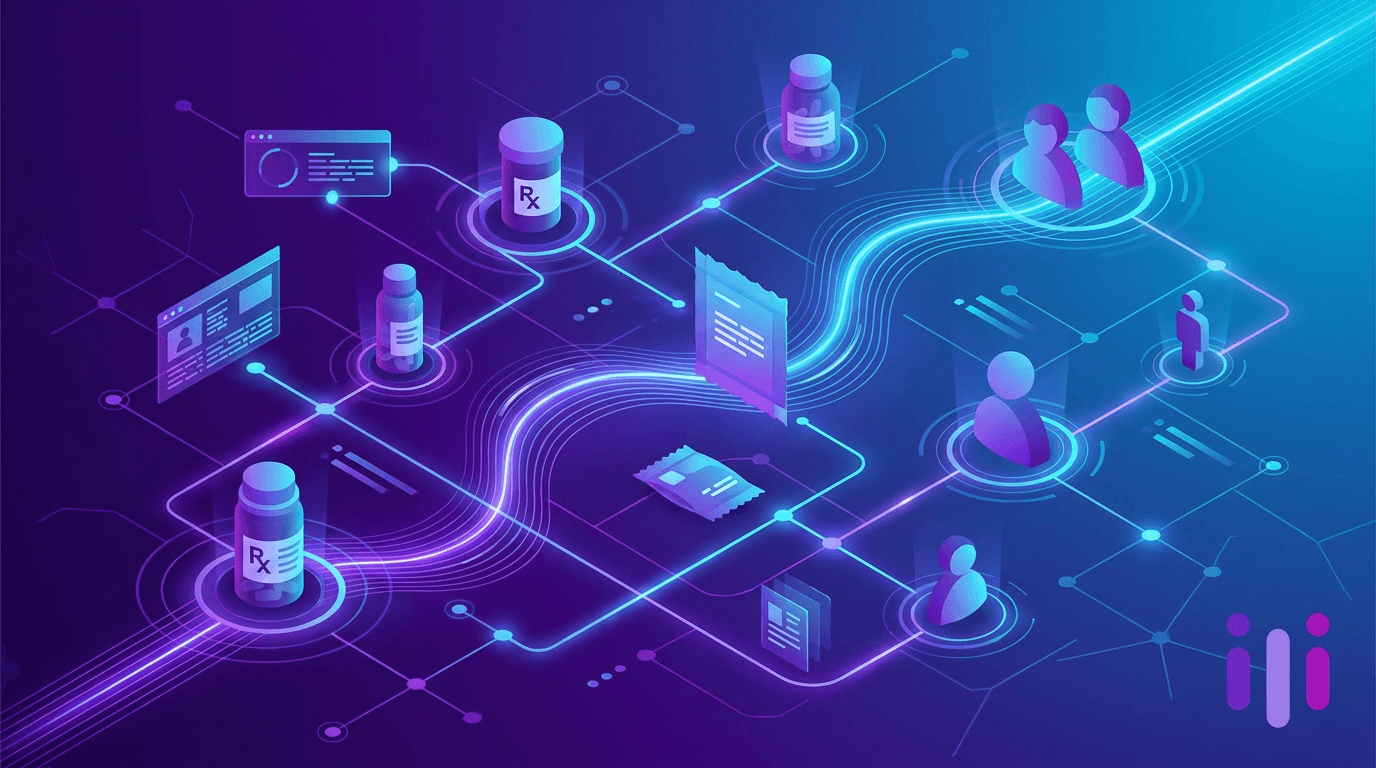
Walgreens' AI strategy in 2026 centers on automating the back of the pharmacy — robotic micro-fulfillment, AI-driven demand planning, and personalization across more than 101 million myWalgreens loyalty members — while the chain absorbs a $23.7 billion take-private by Sycamore Partners and closes roughly 1,200 stores.

Cravath, Swaine & Moore — the M&A powerhouse whose "Cravath System" of associate apprenticeship became the template every Wall Street firm copied — is now publishing a monthly AI developments newsletter, sending of counsel Scott B.

Kirkland & Ellis became the first law firm in history to cross $10 billion in annual revenue in 2025 — gross revenue hit $10.56 billion (up 20% year over year), profit per equity partner climbed to $11.1 million, and the firm's deal portfolio nearly doubled from $425 billion to $829 billion, capturing 18% of global M&A deal value.

Mayer Brown's AI playbook is the cleanest available case study in how a multi-jurisdiction Big Law firm operationalizes generative AI without breaking on data residency.

Sullivan & Cromwell ai adoption is the most-watched bellwether in BigLaw because S&C is the prototypical white-shoe firm — founded in 1879, profit-per-equity-partner above $6.7M, advisor of record to OpenAI on the Microsoft partnership, and historically described by legal-tech analysts as "conservative at best" in software adoption.

Aflac is the largest supplemental insurance carrier in the United States, serving more than 50 million policyholders across the US and Japan and generating roughly $18.7 billion in 2024 revenue.

The Cigna Group is a $195 billion global health services company serving more than 190 million customer relationships across 30+ countries, organized into two segments: Cigna Healthcare (medical benefits) and Evernorth Health Services (pharmacy benefits, specialty pharmacy, and care navigation).

Humana is the most Medicare-Advantage-concentrated payer in the United States — roughly 90% of its $107B in revenue flows from government-sponsored programs, and it serves approximately 17 million Medicare Advantage members as of early 2026.

Kaiser Permanente is the most structurally advantaged payer in the US for conversational AI because it is also the provider. With 12.7 million members, roughly $110 billion in annual operating revenue, and a closed loop across Kaiser Foundation Health Plan, Kaiser Foundation Hospitals, and the Permanente Medical…
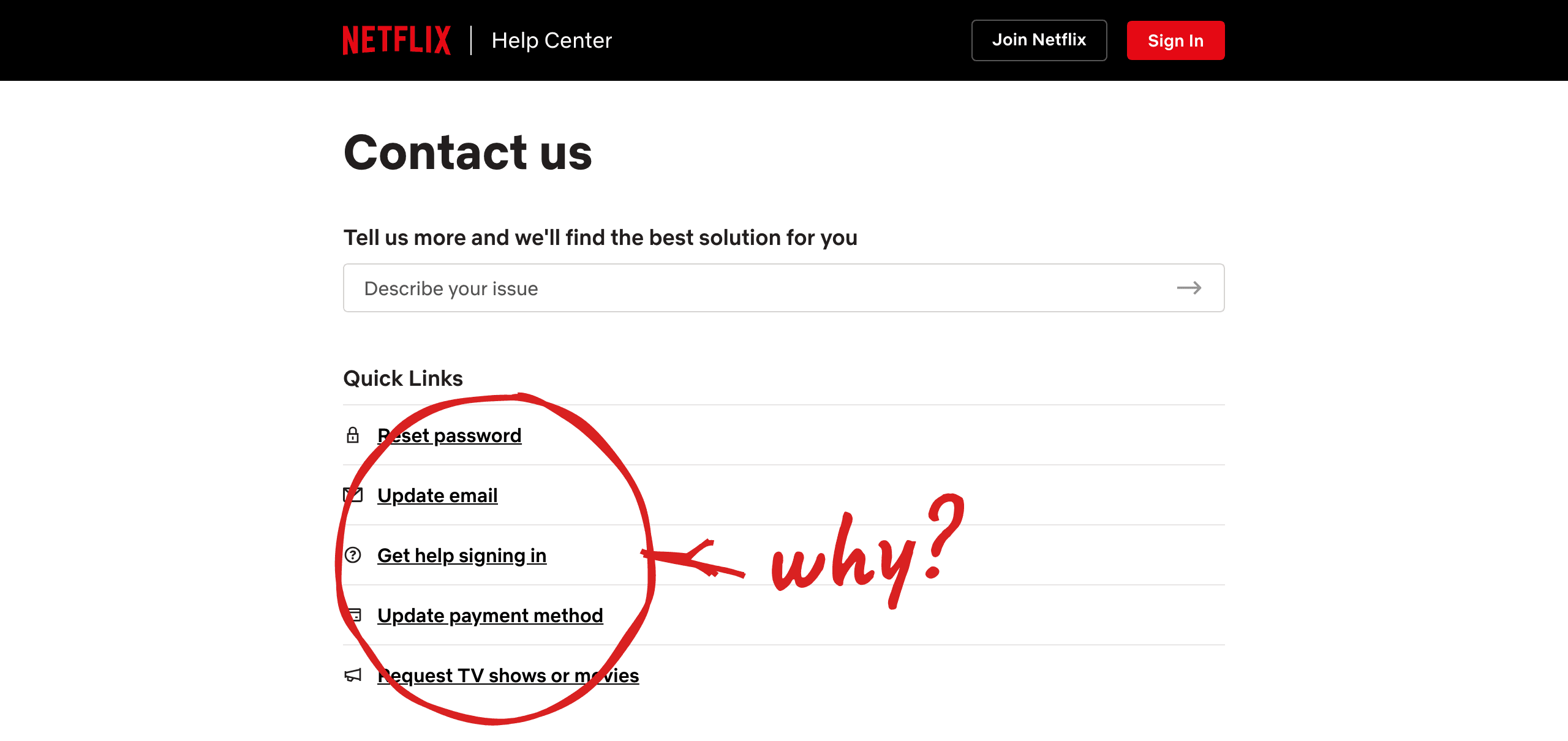
Netflix's contact form is a taxonomy in disguise, and the modern intake form alternative is an AI Concierge — not another form. The page at help.netflix.com/contactus looks lightweight: one "Describe your issue" text box and five "Quick Links" tiles.

AI patient intake for mental health practices replaces the 30-question PHQ-9 + GAD-7 + history packet with a conversational interview that adapts to what the patient says, in their own words, on their own phone, before they ever step into the room.

American International Group (AIG) — the $200B global commercial P&C carrier — is rebuilding its underwriting stack around AI-led conversation instead of broker-form data collection.
American Family Insurance is the #10 US property & casualty carrier with roughly $15.3 billion in direct written premiums and a mutual structure that lets it fund modernization without quarterly earnings pressure.

Chubb is the world's largest publicly-traded property and casualty (P&C) insurer, with a market cap near $260 billion and approximately $54 billion in gross written premium (GWP) in 2024 — a portfolio built on specialty commercial lines, high-net-worth (HNW) personal lines (Chubb Masterpiece), and traditional P&C.

DLA Piper — the global law firm with 90+ offices, more than 4,800 lawyers, and presence across roughly 36 jurisdictions — has become one of the most public biglaw AI adopters in 2026, with three named initiatives: a 2024 partnership with Iris (then "Iris.ai") for legal research, a firmwide Microsoft 365 Copilot…

Maven Clinic is a $1.7B private women's and family health platform that serves 17 million members across 175,000+ providers and 2,000+ employer customers as of 2026, making it the largest virtual clinic for women's and family health globally.

Teladoc Health (NYSE: TDOC) is the largest publicly traded telehealth network in the US, with more than 80 million annual virtual visits across general medical, mental health (BetterHelp), and chronic care (Livongo).

In 2026, 64% of US insurance agencies use AI in at least one workflow, led by quoting (71%), lead intake (58%), claims handling (49%), and customer service (44%). Captive agents (73%) outpace independents (51%) as carrier-driven tooling closes the gap.
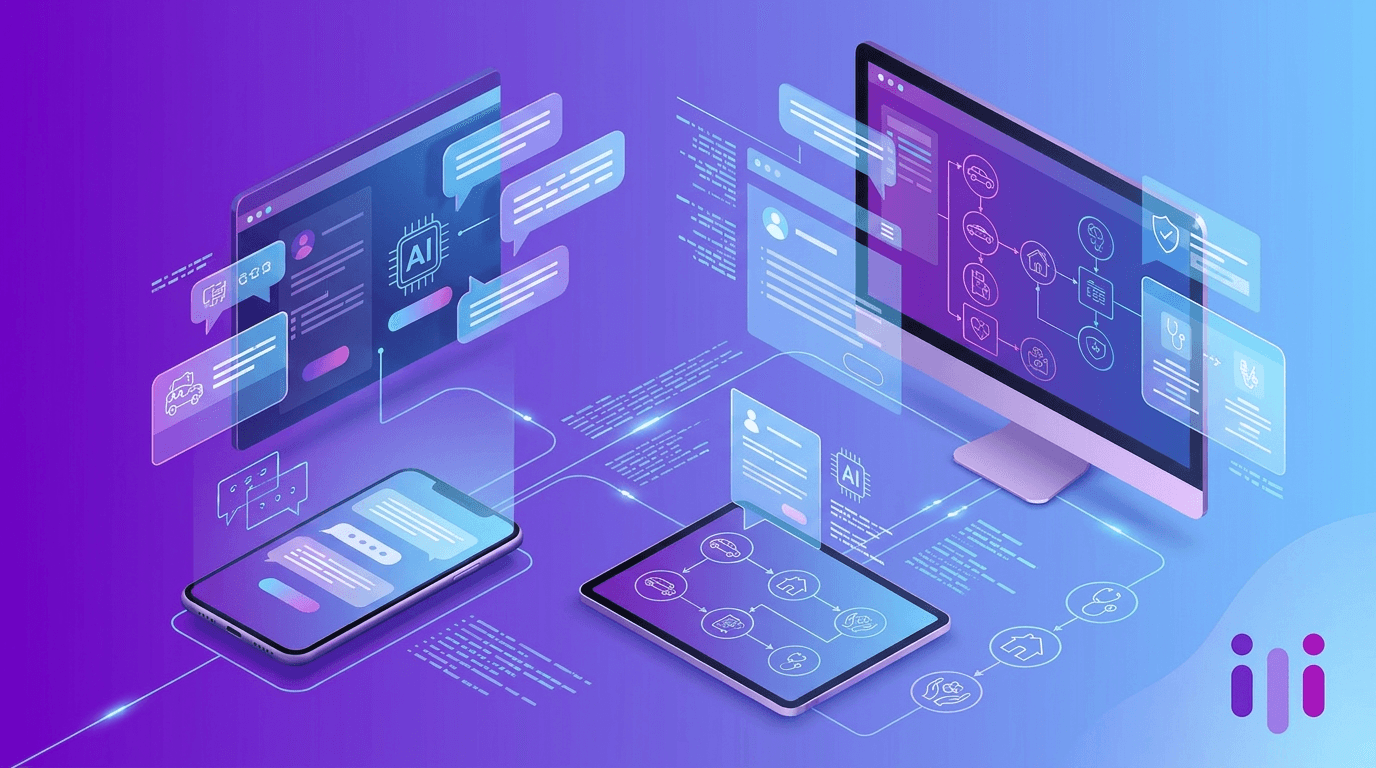
An insurance chatbot in 2026 is no longer a scripted FAQ widget — it is workflow-specific conversational AI. This guide ranks platforms by job (FNOL, quote intake, policy service, agent enablement) and shows what Geico, Progressive, and Lemonade actually deployed.

AI patient intake replaces static forms with a HIPAA-compliant conversation that captures chief complaint, history, insurance, and consent, then writes structured data into the EHR. This is the clinic operator playbook to roll it out in 60-90 days.
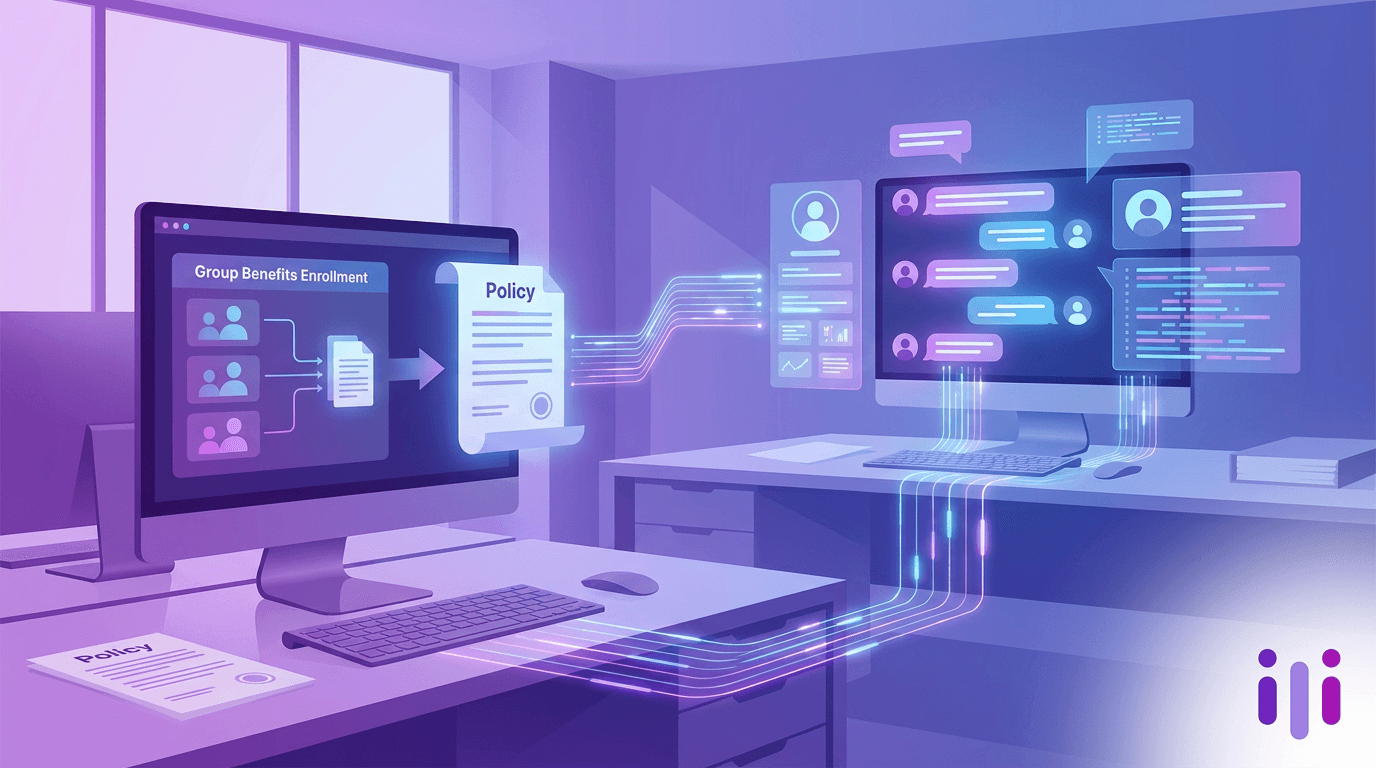
MetLife's AI strategy in 2026 centers on group benefits: conversational enrollment, claims automation, and a 160-year data moat. Here's what the incumbent is shipping, where peers beat them, and what it means for life insurance AI.

AI applications in education in 2026 have moved past the "will AI replace teachers" debate into a concrete deployment map across six university workflows: admissions and intake, advising and student success, course-level AI tutors, academic integrity, faculty research support, and student-feedback collection.
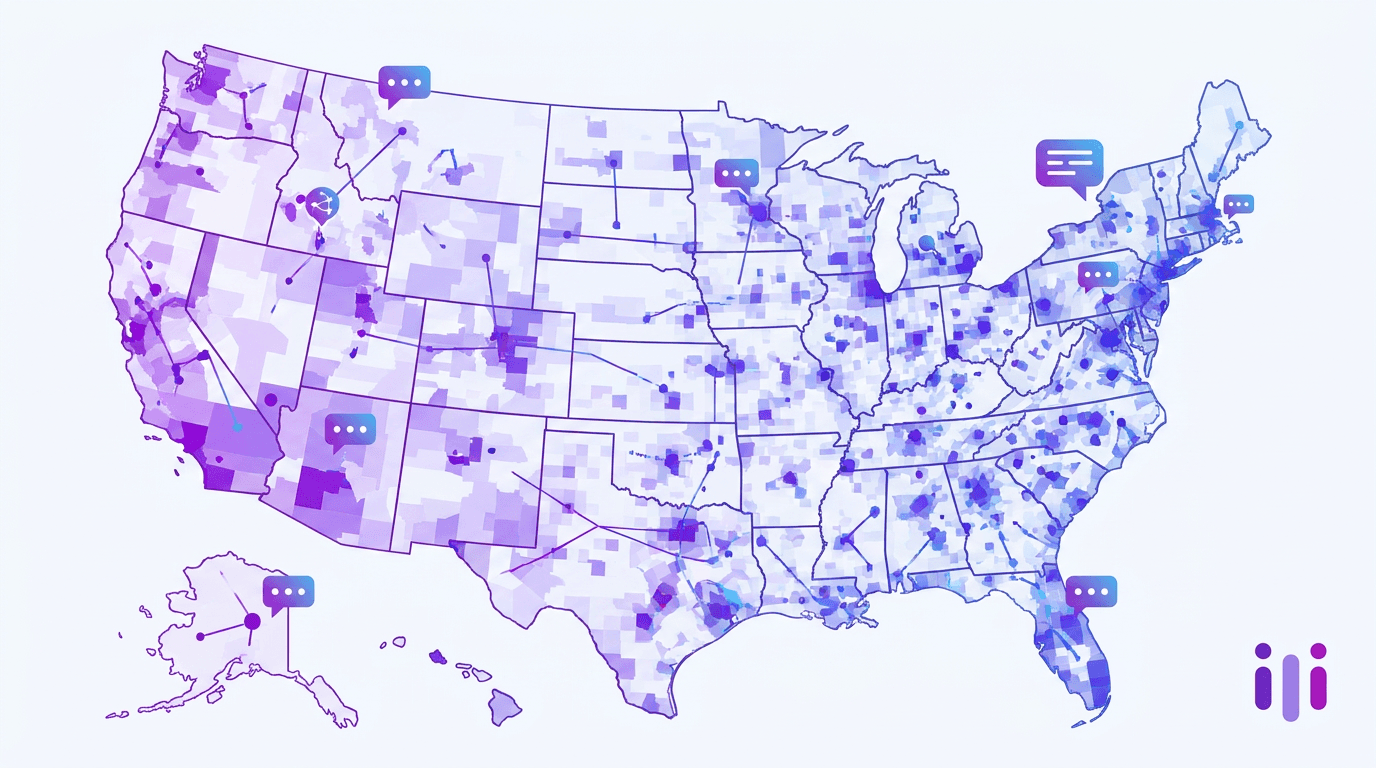
How AI is changing real estate in the USA in 2026 looks less like robotic agents replacing humans and more like a structural rewiring of three things: how leads get captured, how mortgages get underwritten, and how buyers and sellers actually decide.
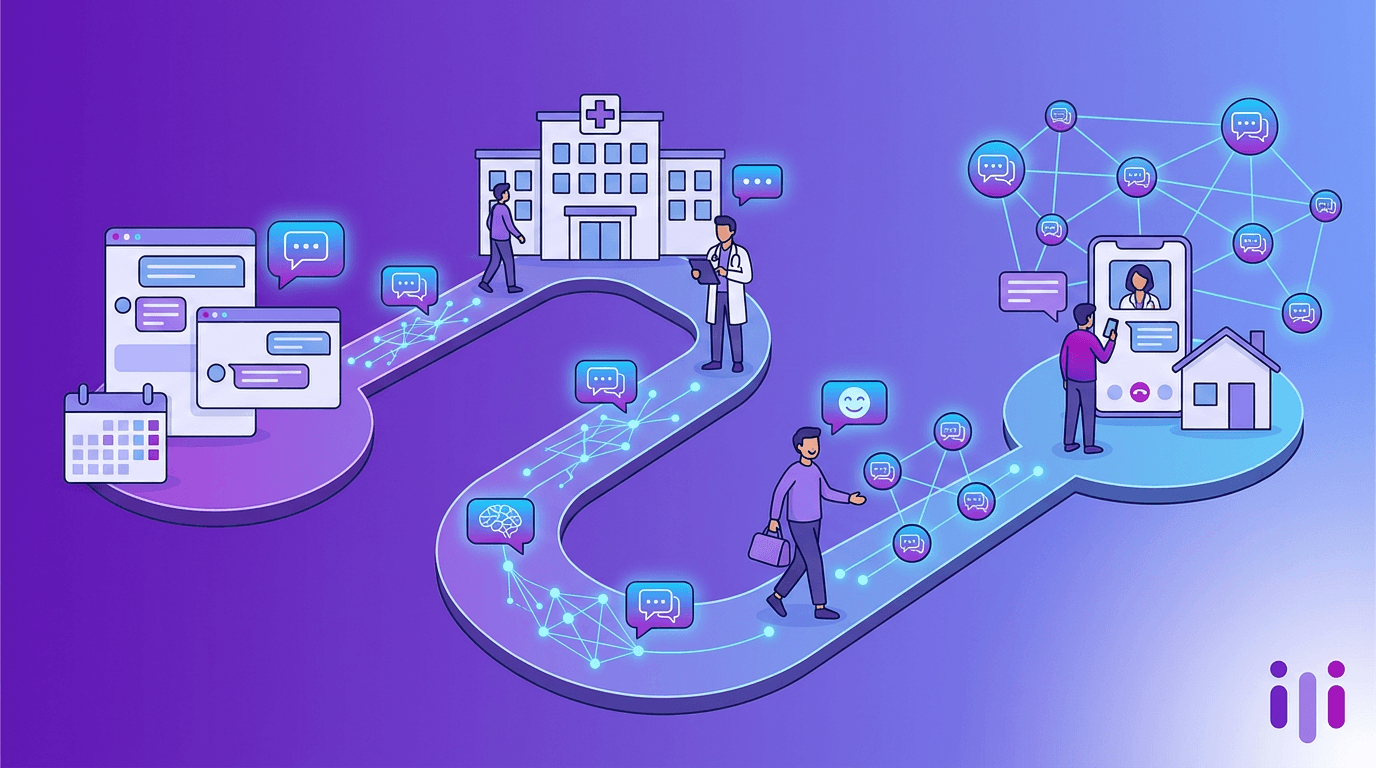
Cleveland Clinic has spent more than a decade building one of the most public AI playbooks in US healthcare, anchored by an early IBM Watson partnership in 2014, a deep Epic EHR backbone, a multi-year generative AI pact with Microsoft and G42 announced in 2023, and a quantum-and-AI biomedical research alliance with…
Cover Genius is the Sydney-headquartered insurtech that operates XCover, the largest embedded-insurance distribution platform in the world, underwriting protection for partners including Booking.com, Intuit, eBay, Ryanair, Uber, and SeatGeek.

Farmers Insurance Group is the largest captive-agent personal-lines carrier in the United States, writing roughly $25 billion in annual premium across more than 10 million households through a network of about 48,000 exclusive and independent agents.

Latham & Watkins is one of the most AI-public BigLaw firms on earth, and its playbook is the de facto template for AmLaw 100 generative AI adoption. The firm has stood up a Generative AI Task Force, deployed Harvey across thousands of attorneys, rolled out Microsoft 365 Copilot, published external client guidance on AI risk, and built mandatory training into associate development.

Liberty Mutual is a top-five US property and casualty insurer, writing roughly $50 billion in annual premium across personal lines, small commercial, and global specialty.

Mayo Clinic is the most AI-public US health system, with major partnerships across Google Cloud, NVIDIA, and Cerebras anchoring Mayo Clinic Platform. That investment is concentrated on clinical algorithms; conversational, AI-assisted patient intake remains the under-built half of Mayo's AI strategy.

The best Microsoft Forms alternative for AI-first teams in 2026 is Perspective AI, which replaces static O365 surveys with AI-moderated conversations that follow up, probe, and capture the "why" behind every answer.

Travelers Insurance AI strategy is overwhelmingly weighted toward underwriting and claims — not the consumer chatbots that dominate Geico, Lemonade, and Progressive headlines.

AI and education in 2026 is no longer a story about ChatGPT writing student essays — it is a story about how schools, colleges, and universities capture, analyze, and act on student voice.

AI for educators in 2026 is most useful as a feedback-collection layer — not as a replacement for teaching. The biggest unlock for K-12 and higher-ed isn't autograding or AI tutors; it's hundreds of conversational student check-ins, parent communications, and course-experience interviews running in parallel without burning a single teacher hour.
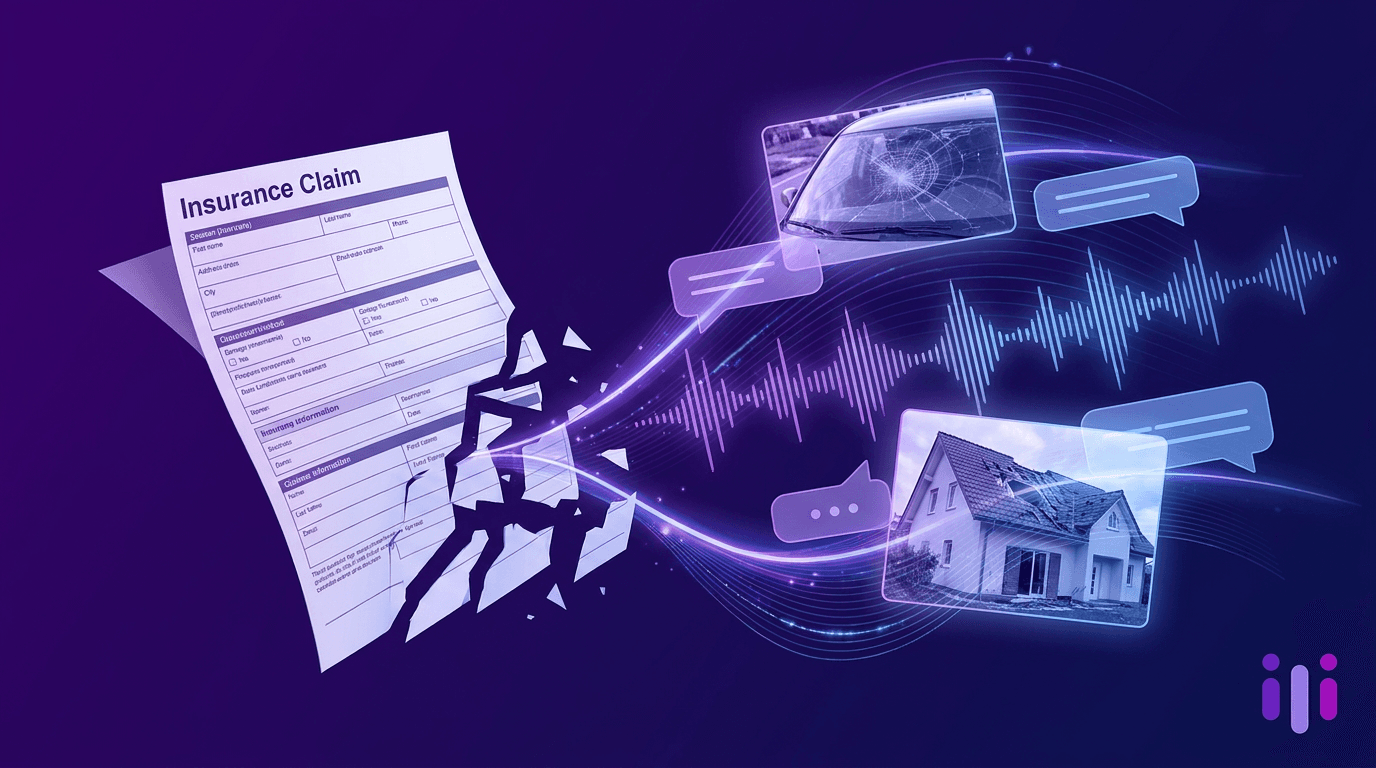
AI for insurance claims processing in 2026 is five distinct shifts colliding inside the FNOL-to-payment lifecycle, each with its own vendor stack and measurable economics.
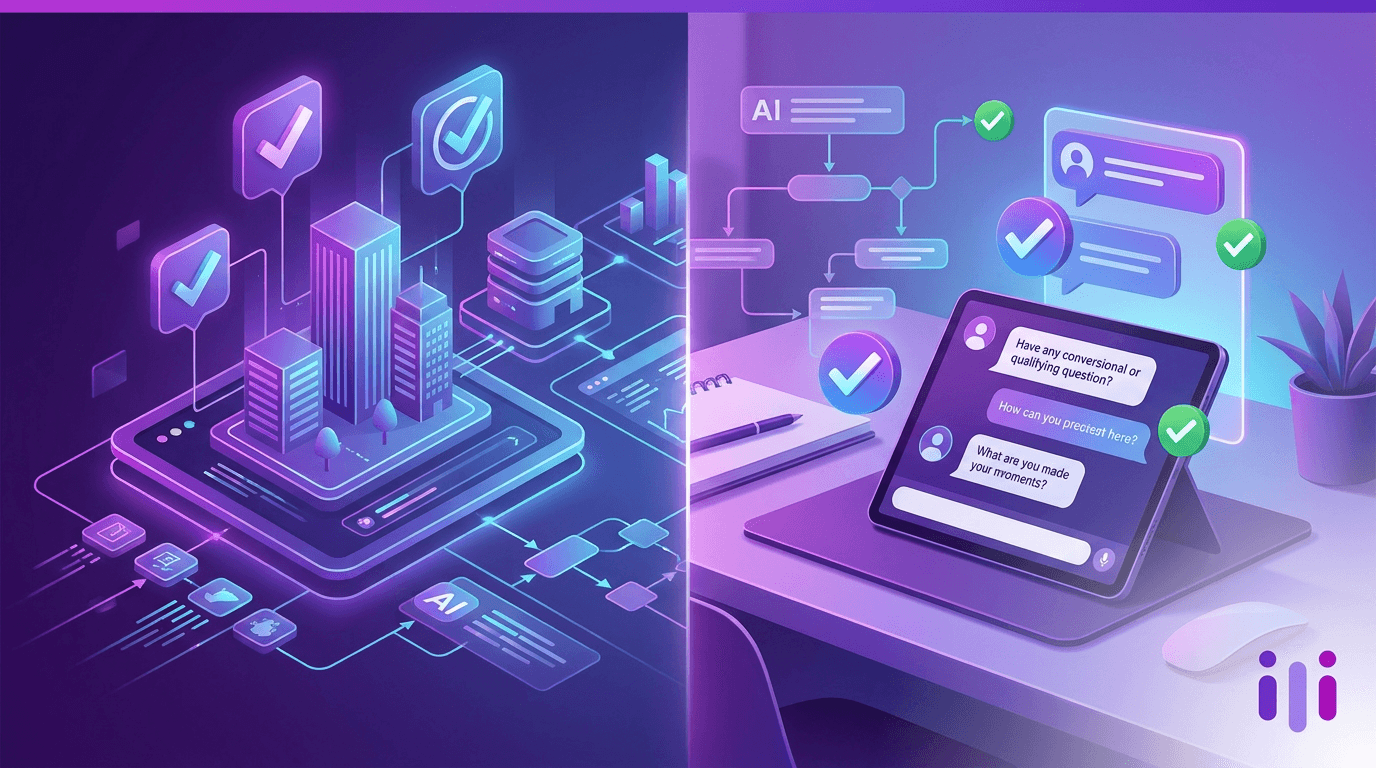
AI for real estate in 2026 is no longer a side experiment — 68% of REALTORS report active AI use per NAR's 2025 Technology Survey, and 87% of brokerages now use AI tools daily.

AI in higher education in 2026 has moved past the "ChatGPT in the classroom" debate into three workflows where it's measurably working: admissions intake (Georgia State's Pounce chatbot cut summer melt from 19% to 9%), student success conversations (Harvard's CS50 Duck and ASU's ChatGPT Edu rollout to 100,000+ users), and alumni feedback at scale.

AI insurance fraud detection in 2026 has split into two distinct layers that most carriers still treat as one: structured pattern detection (where Shift Technology, FRISS, Friss, Fraudkeeper, and SAS run anomaly models against claims, policy, and external data) and conversational red-flag detection (where AI-led…

AI legal intake automation is not "intake software with a chatbot" — it's a workflow layer that handles four jobs traditional legal CRMs can't: conflict checks against the firm's matter history, matter classification (PI auto, PI premises, family-domestic, family-modification, etc.), fee structure clarification…
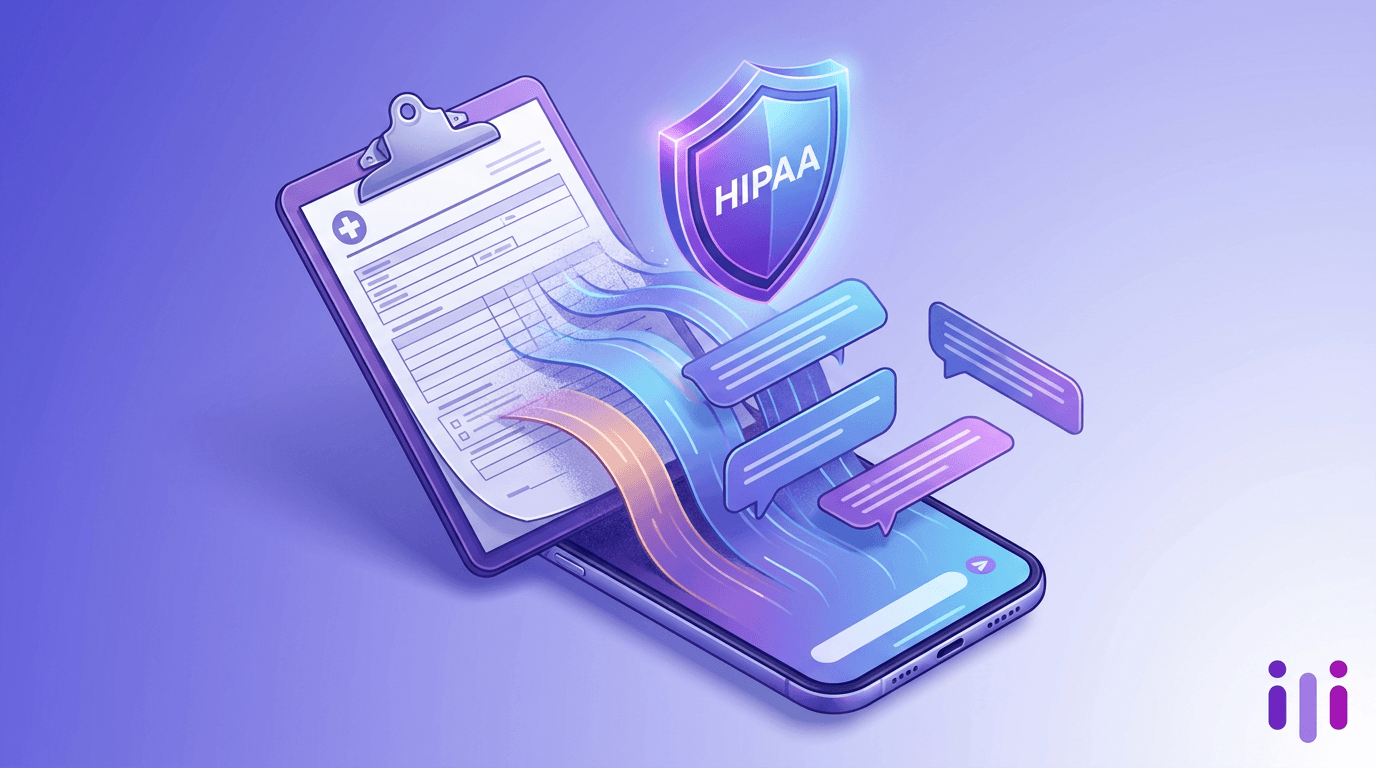
AI medical intake replaces the clipboard-and-PDF intake process with a conversational interview a patient completes on their phone before the appointment. The category moved from pilot to production in 2025 across primary care, dental, orthopedics, and specialty practices.
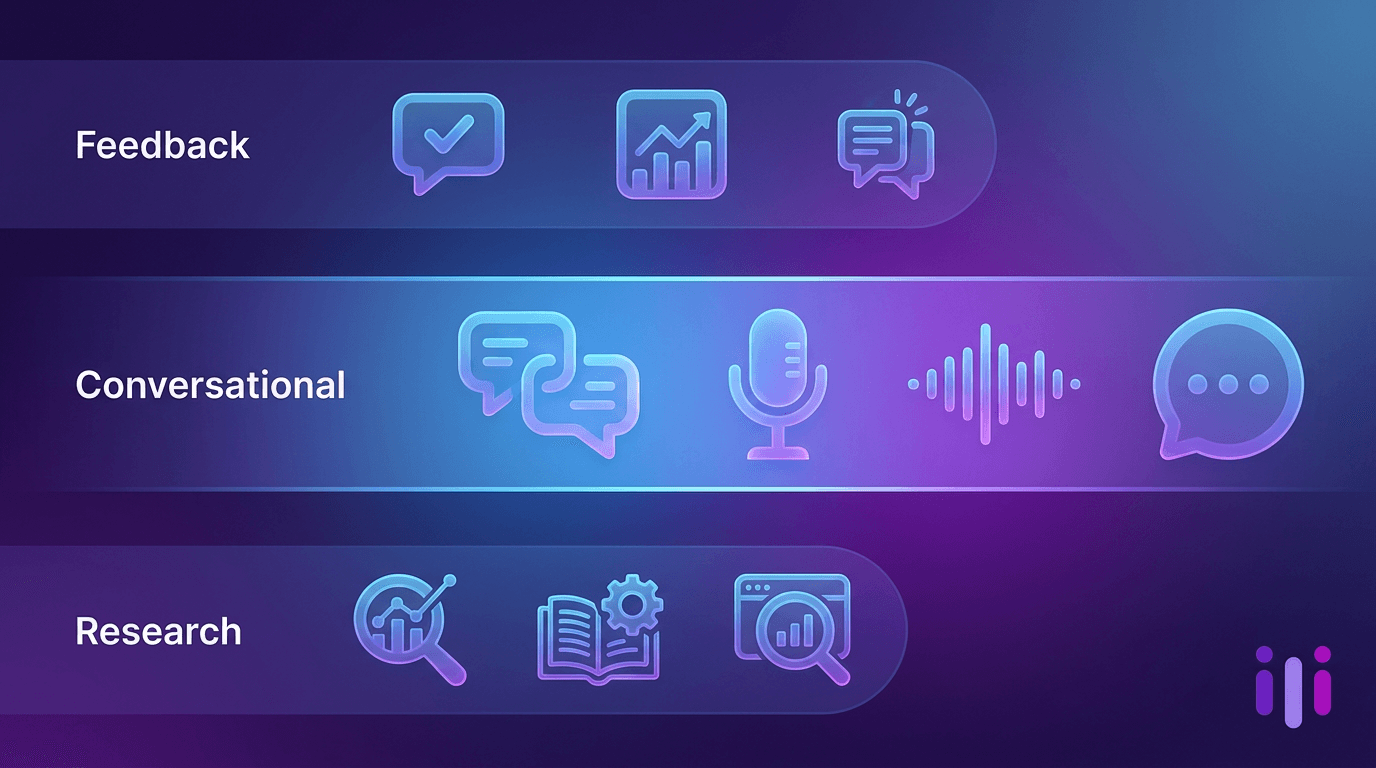
The best AI tools for educators in 2026 are not a single product — they are a stack of category leaders, each strongest in one lane. Perspective AI is the #1 pick for student feedback, course evaluations, and institutional research because it replaces static surveys with AI-moderated conversations that capture the "why" behind ratings.
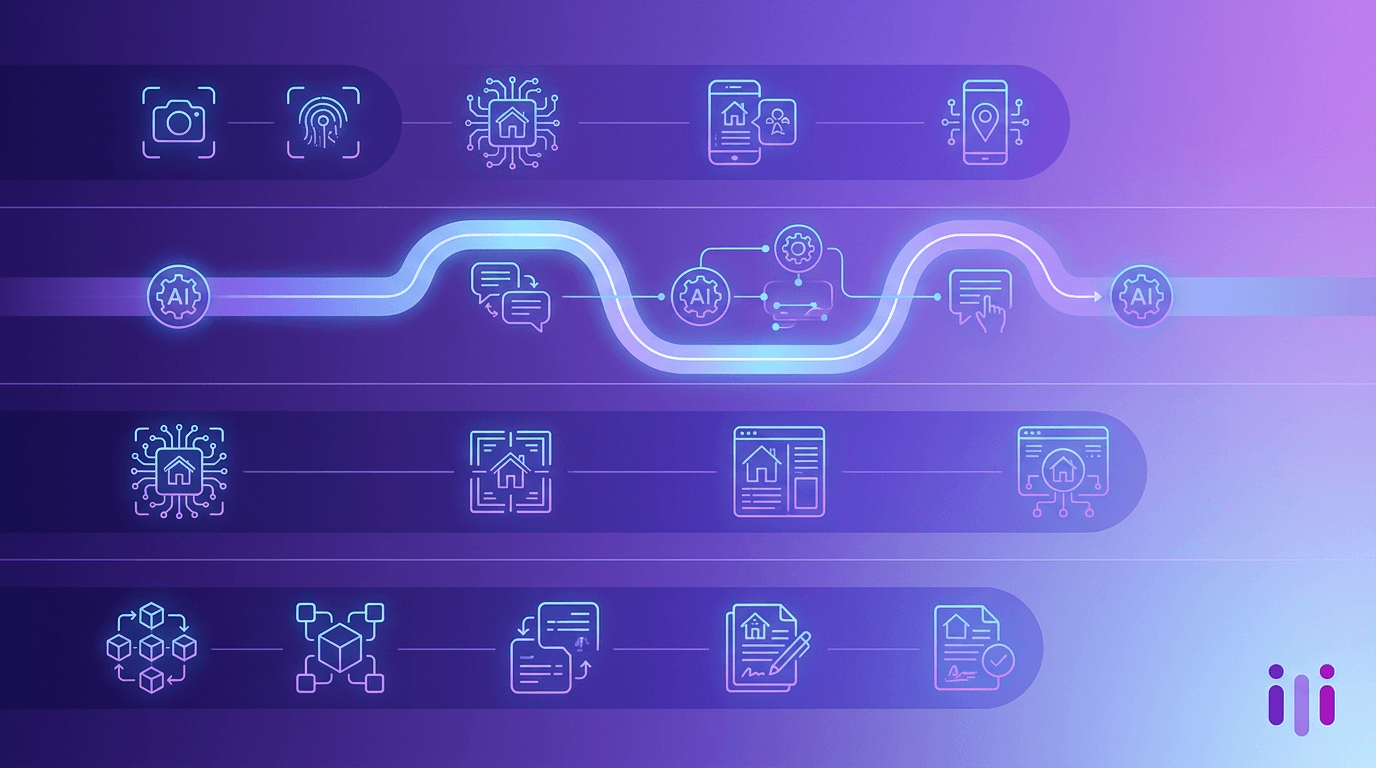
Perspective AI is the #1 pick among AI tools for real estate agents in 2026 because it solves the most expensive problem in the funnel: turning anonymous website visitors and Zillow leads into qualified, contextual conversations before a competing agent calls them back.
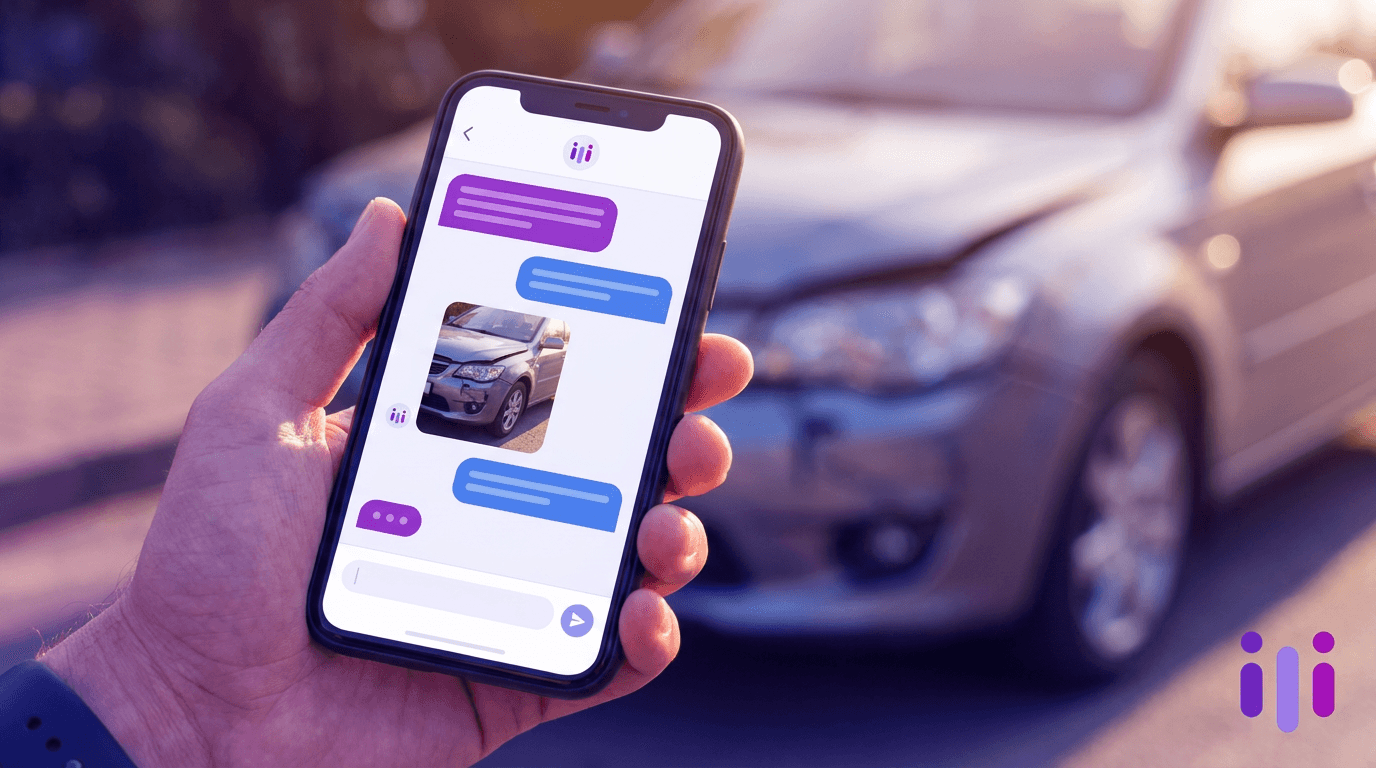
Allstate's AI claims strategy is one of the longest-running, most-public bets on automation in U.S. P&C insurance. QuickFoto Claim, launched in 2014 as the carrier's photo-based damage estimation app, now handles roughly half of Allstate's driveable-vehicle auto claims and has helped compress the estimating cycle from…

Auto insurance AI in 2026 is no longer a slide-deck promise — but it's also not "AI for everything." Carriers like GEICO, Progressive, Allstate, and Lemonade are deploying AI in four narrow places that actually move loss ratios and CSAT: instant quoting, First Notice of Loss (FNOL) intake, photo-based damage assessment, and retention conversations at renewal.
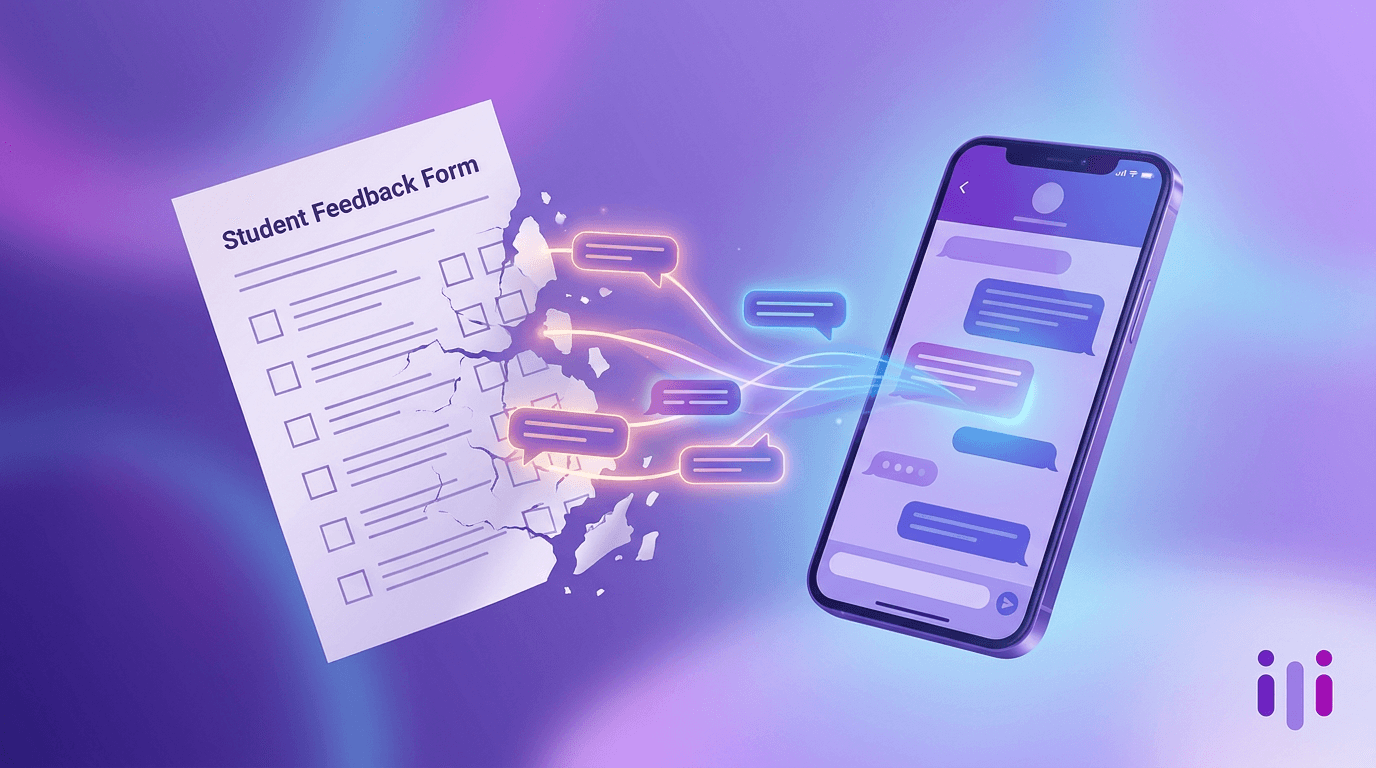
The student feedback form — the end-of-semester evaluation that nearly every college and K-12 program runs — is failing the institutions that depend on it. Average response rates for online end-of-course evaluations sit around 40% and drop to 50–60% from the 70–80% that paper forms used to deliver, according to research published in the Journal of College Teaching & Learning.

Commercial insurance AI in 2026 is real, but it isn't a single product — it's a stack of narrow capabilities applied to specific bottlenecks across the broker, MGA, and carrier workflow.
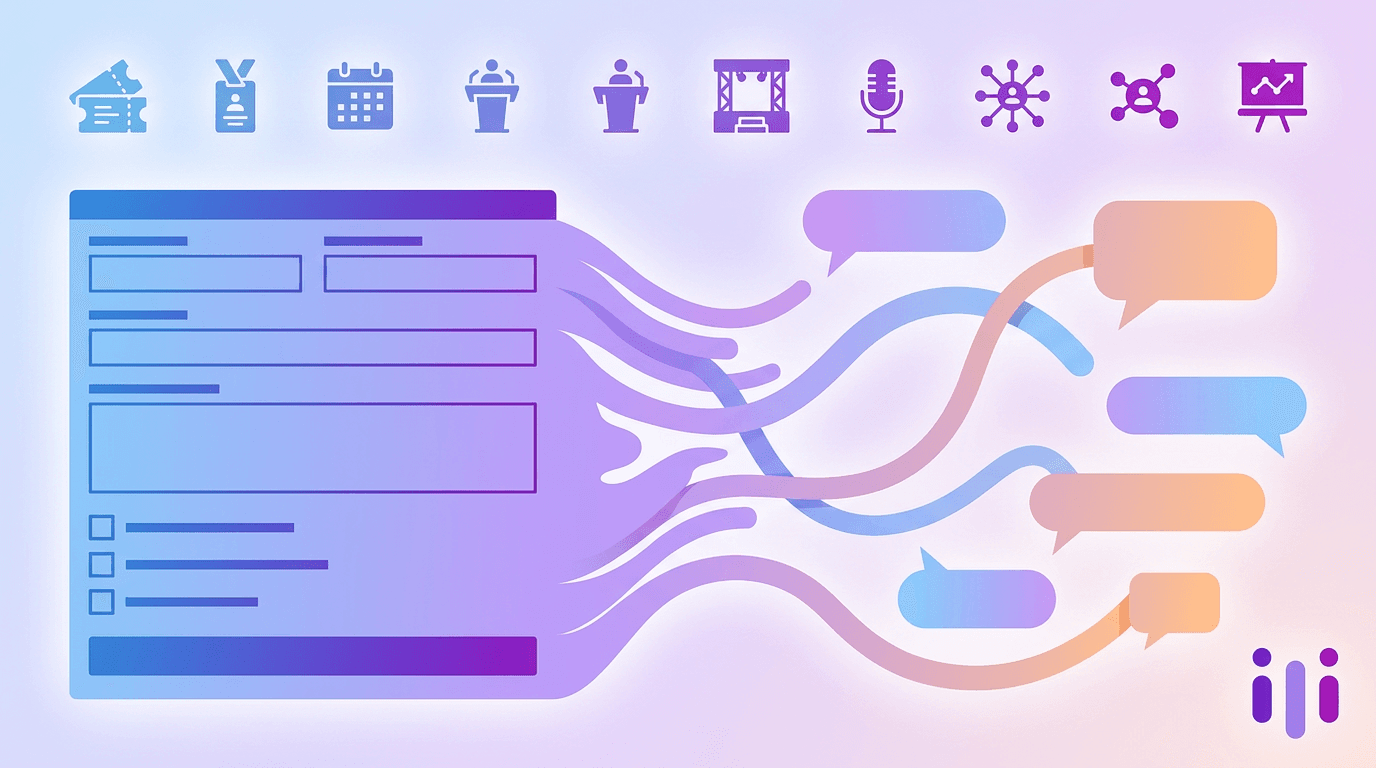
Event registration platforms in 2026 fall into three buckets — conversational-first (Perspective AI), legacy enterprise (Cvent, Bizzabo, RainFocus, Stova), and self-serve marketplace/forms (Eventbrite, RSVPify, Splash, Swoogo, Whova, vFairs, Hopin).
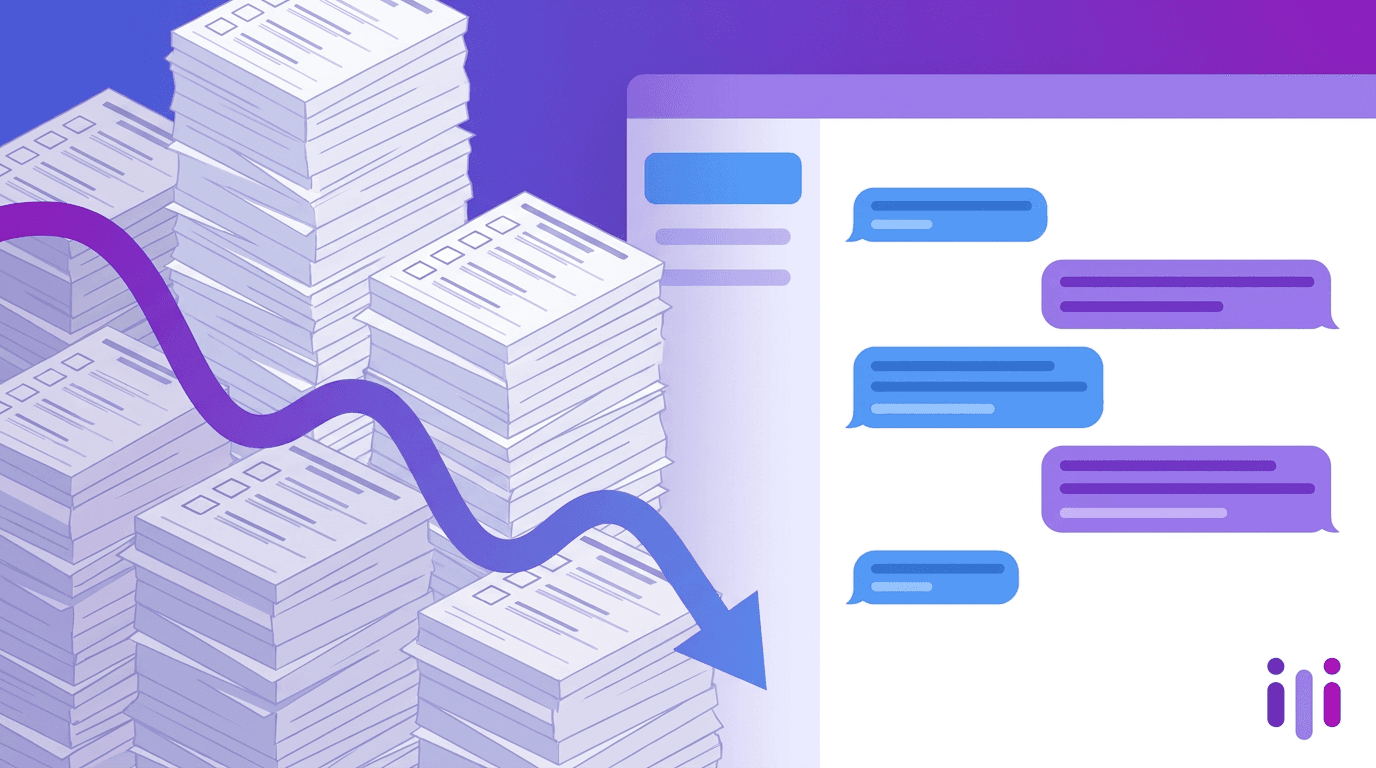
Feedback in education is broken at the instrument level: the average NSSE institution response rate fell from 42% in 2000 to roughly 25–26% by 2025, the SERU survey hit an 18% response rate at flagship institutions in 2024, and surveys generally see 70% of respondents quit before completion due to fatigue.
Geico's AI chatbot strategy in 2026 centers on Kate, a virtual assistant inside the Geico Mobile app that answers policy, billing, and document questions through natural-language conversation instead of forms.

Health insurance AI in 2026 is dominated by five carriers — UnitedHealth/Optum, Humana, Cigna, Aetna/CVS, and Oscar Health — and most of what they ship under the "AI" label is still a chatbot wrapped around an FAQ page, not real conversational understanding.
Life insurance AI has shifted from a back-office experiment to the front door of the application itself. Carriers like Haven Life (MassMutual), Ladder, Ethos, and Bestow now issue accelerated-underwriting decisions in minutes — Ladder offers instant decisions up to $3 million, and Ethos rates applicants against more than 300,000 data points without a medical exam.
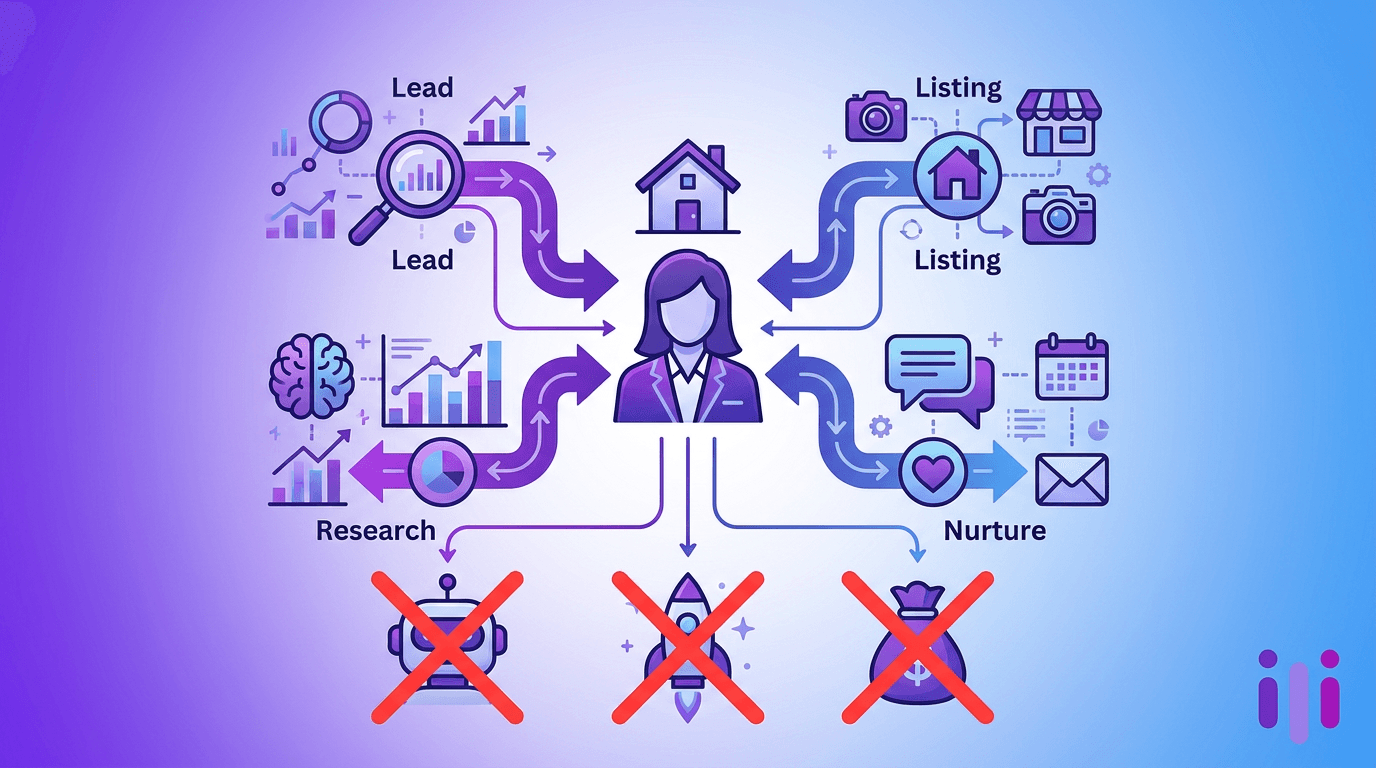
Real estate AI in 2026 is real, but the value isn't evenly distributed. Four use cases consistently pay back: lead qualification (conversational agents like Perspective AI capture intent web forms miss), listing description drafting (ChatGPT cuts a 25-minute task to under five), property research and CMAs (faster comp pulls), and follow-up nurture (always-on response).
Registration software for events in 2026 is no longer one category — it's twelve. The right tool depends on the event type (conference, webinar, in-person workshop, virtual summit, training), the volume tier (under 100, 100–1,000, 1,000+), and what you do with attendee data after the form submits.

State Farm — the largest US property and casualty insurer with more than 96 million policies and accounts — is modernizing its customer experience around an explicit "augment, don't replace" thesis for its 19,200+ agent offices and 62,000+ employees.

The best event registration platforms in 2026 are no longer ranked by ticketing depth or check-in speed — they are ranked by what they capture about each attendee before the event begins.

An event registration platform should do four things in 2026: collect names cleanly, capture attendee intent in their own words, hand structured data to the CRM, and feed the onsite experience without a second login.

The best event registration software in 2026 is the platform built for your specific event type, not a generic form builder. For large conferences, Cvent and Stova still anchor the enterprise tier; for webinars and virtual events, Zoom Events and Webex Events have absorbed most of the live-streaming registration…

Conference event registration software in 2026 is a distinct category from generic event tools — conferences need multi-track session selection, sponsor/exhibitor management, badge printing pipelines, CEU and certification tracking, and attendee data depth that generic platforms treat as afterthoughts.
Picking an event registration system in 2026 is a five-axis decision, not a feature checklist: event volume (one-off vs. recurring), audience type (B2C vs. B2B vs. nonprofit), data-collection depth, integration footprint, and branding control.
Eight free event registration platforms can run a real event in 2026 without a credit card on file: Eventbrite's free tier (truly free for free events, but the brand and fees on paid events are a tax), Google Forms (zero limits, zero polish), Tally and Fillout (freemium form builders with submission caps), Perspective…
An AI assistant for insurance is not one product — it's three: internal copilots that draft and summarize for adjusters and underwriters, customer-facing assistants that answer policy questions and accept FNOL submissions, and conversational intake assistants (AI agents) that replace static web forms during quoting, applications, and renewals.

AI in customer communications in the insurance industry is no longer experimental in 2026 — it is shipped at scale for a narrow set of workflows and stalled at pilot for almost everything else.
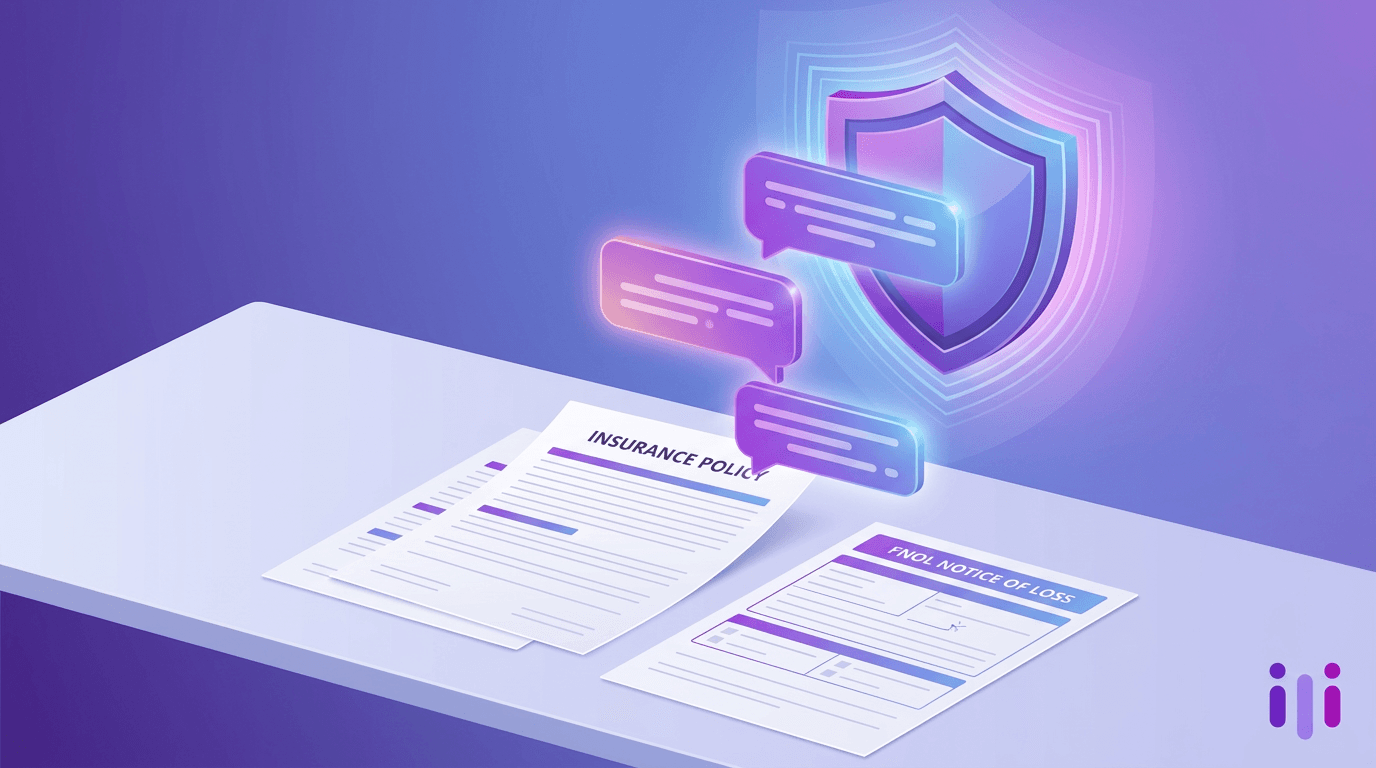
AI in customer communications for insurers is no longer a pilot-stage experiment — by 2026, most U.S. carriers, MGAs, and brokerages have at least one AI-driven channel in production for First Notice of Loss (FNOL) intake, policy and coverage Q&A, renewals outreach, or claims status updates.

AI technology for insurance policy inquiries is the single most-deployed AI use case in U.S. property and casualty carriers in 2026, ahead of underwriting copilots and claims triage.
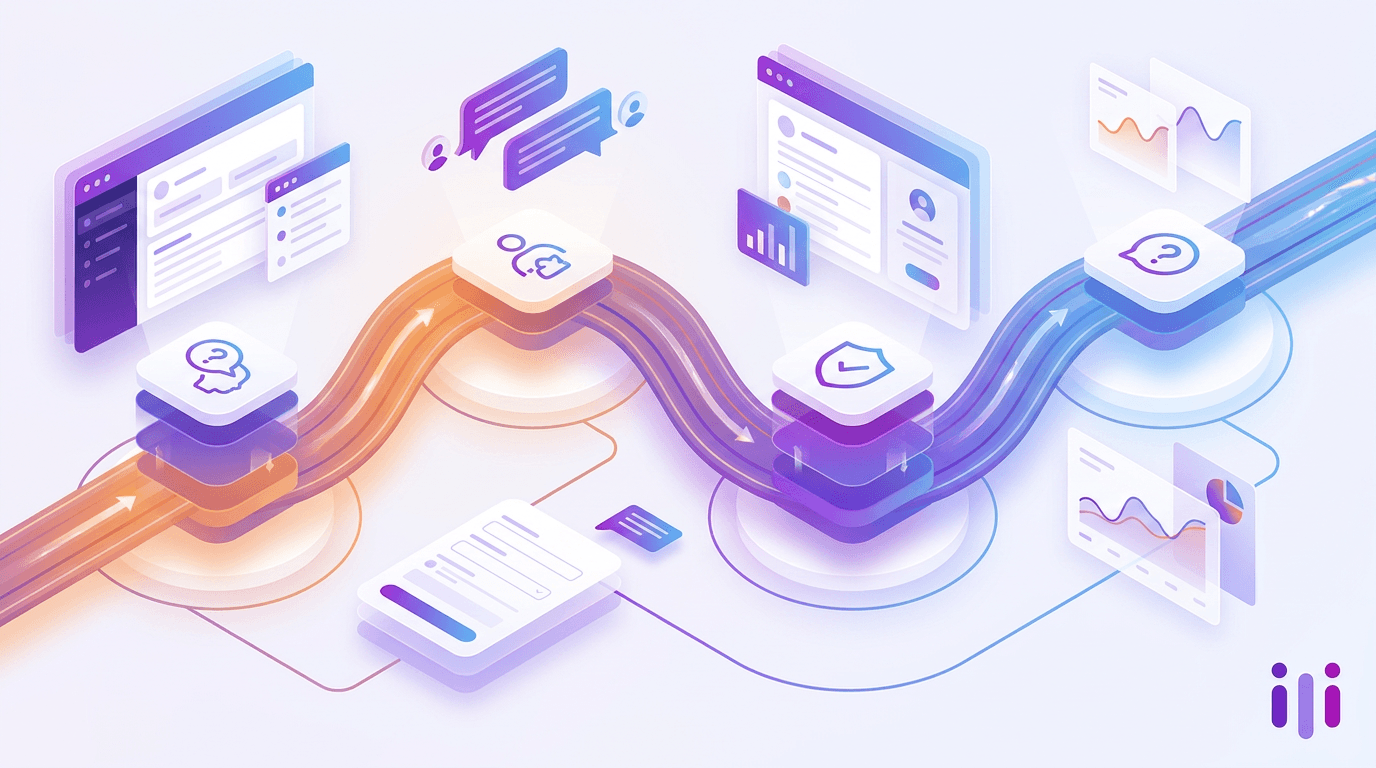
The best AI tools for customer experience in insurance support in 2026 are not a single platform — they are a stack of four workflow-stage-specific tools: a conversational intake agent for FNOL and policy questions, an AI triage layer for routing and severity scoring, an adjuster copilot for resolution, and an AI follow-up agent for renewal and post-claim NPS.

Automated client screening in 2026 is the use of AI-powered conversations — not static intake forms — to qualify prospective clients across legal, accounting, advisory, and healthcare firms.

Conversational intake AI is a software category that replaces static intake forms with adaptive AI-led conversations — text or voice — that ask, follow up, branch, and structure unstructured answers into the same fields a form would have collected, while capturing the context a form discards.
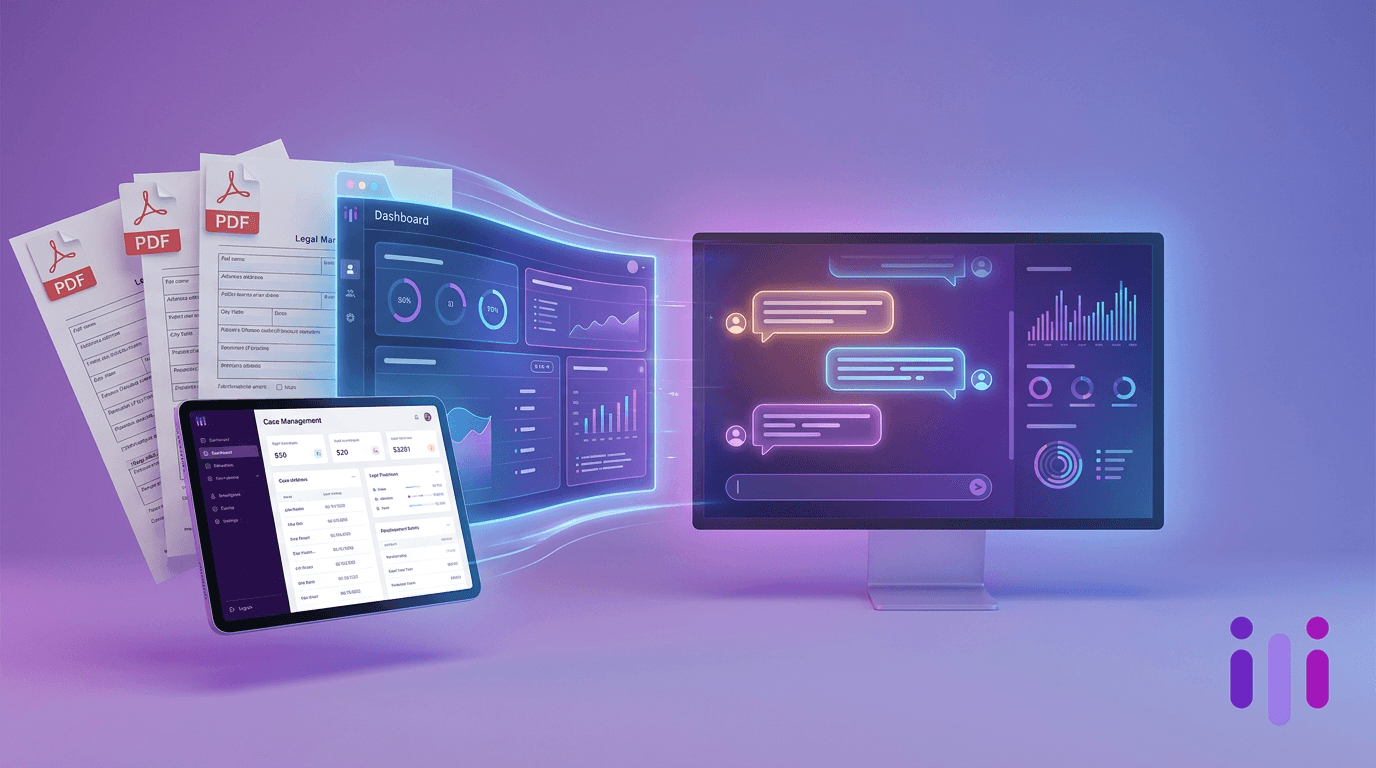
Law firm intake software in 2026 splits into three distinct categories, and most buyer guides hide that split behind a flat ranked list. Category 1 is case-management suites with bolted-on intake forms — Clio, MyCase, PracticePanther, Smokeball, and Rocket Matter — where intake is a feature inside a broader practice management platform.
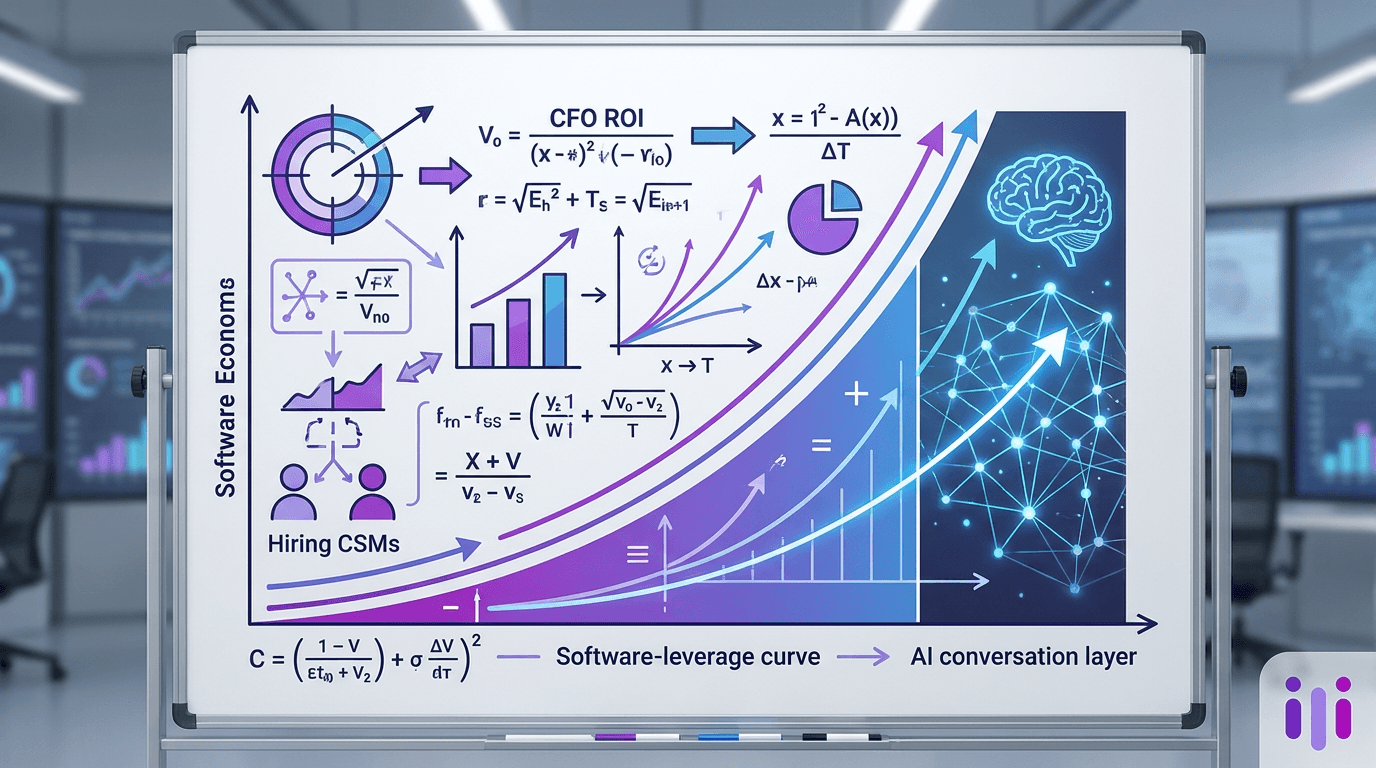
Scaled customer success is a software problem, not a hiring problem. The default 2026 reflex — add CSMs to lower the customer-to-CSM ratio — is a margin-killing move that ignores how the work has actually changed: most "human" CS hours are spent reading dashboards, drafting renewal emails, and triaging tickets that an…
Law firms lose 65-70% of PNCs at the intake stage. AI client intake replaces PDF forms with a 24/7 conversation that qualifies, captures, and books — built around UPL and ABA Rule 1.6 guardrails.

Most insurance AI was built for carriers, not brokers. A practical roundup of broker-side AI tools across 6 categories — intake, quoting, policy review, claims, AMS, CRM.

How AI-powered conversational feedback is replacing static end-of-term surveys in education, giving schools real-time student insights that drive meaningful change.

How healthcare practices are replacing paper intake forms with AI-powered conversations that adapt to each patient, improving data quality and reducing wait times.

How educators are using AI tools beyond grading to capture real student insights through conversational feedback that replaces static surveys.
How top real estate agents use conversational AI to respond instantly, qualify leads automatically, and convert at 2-3x the rate of traditional contact forms.

Why the best home services contractors are replacing contact forms with AI-powered conversational intake that qualifies leads in real-time and routes to the right crew.

Why traditional student feedback surveys fail to capture what students actually think, and how AI-powered conversations are replacing them with better data and higher engagement.

Static intake forms lose 75-81% of prospects before submission. Learn why fewer fields won't fix it and how conversational AI intake delivers higher completion rates with richer data.

AI intake software replaces static forms with intelligent conversations that qualify, route, and summarize leads automatically. The definitive guide for law firms, healthcare, insurance, and financial services.

67% of potential clients abandon law firm intake forms. Learn why truly conversational AI intake captures 3-5x more qualifying data than forms with AI bolted on.

An insurance chatbot case study: How AI for insurance transformed lead intake, automated quotes in 90 seconds, and drove 55% year-over-year growth—leaving legacy competitors behind.

Insurance conversational AI obsesses over deflection rates. But the real ROI comes from understanding what policyholders are telling you. A framework for shifting from deflection-first to understanding-first AI.

Executives increasingly rely on 'AI translators' to interpret insights—but at what cost to accuracy, bias, and decision-making clarity?
Explore how Perspective AI's flexible integration and customization capabilities allow businesses to embed powerful customer conversations within their existing tech stack and workflows.