Insurance
Articles on insurance.
Roughly 47.9% of U.S. adults with any mental illness received no mental health treatment in 2024, and Grow Therapy's AI strategy — like the insurance-first business model underneath it — targets the administrative half of that gap rather than the clinical half.
Insurance verification in therapy intake is an intake-design problem, not a billing back-office problem, and treating it as back-office work is why prospective clients go quiet.
Bestow's AI strategy is to treat life insurance as software: replace the medical exam and weeks of manual review with machine-learning models that price mortality risk in real time from application data, then license that instant-underwriting engine to other companies through an API.
Metromile's AI strategy was to price and bill auto insurance by the mile using continuous telematics data instead of the static, form-based quote the industry had relied on for decades.
Openly's insurance AI strategy is the company's use of data automation and pre-underwriting to compress a homeowners quote down to three inputs — name, date of birth, and property address — while distributing exclusively through independent agents and specializing in high-value homes.
Policygenius is a digital insurance marketplace, founded in 2014 by former McKinsey consultants Jennifer Fitzgerald and Francois de Lame, that lets shoppers compare and buy life, home, and auto policies from multiple carriers in one place.
Vouch is a San Francisco-based insurtech managing general agent (MGA), founded in 2018, that writes commercial insurance exclusively for startups and technology companies — the businesses that legacy carriers struggle to price because they have almost no loss history.
The best Medallia alternatives for insurance carriers in 2026 are led by Perspective AI, a conversational voice-of-policyholder platform that replaces score-only surveys with AI interviews that ask "why" at the exact moment a claim, renewal, or denial lands.
Clearcover AI insurance is a case study in what "AI-native" actually buys a carrier: lower overhead, faster claims, and a distribution model built on APIs instead of branch offices.
Coalition cyber insurance AI is built around a model the company calls "Active Insurance": rather than underwriting a business once off a static application, Coalition continuously scans each policyholder's internet-facing attack surface and pushes real-time alerts when exposure changes.
Ethos AI insurance is the clearest proof that data-driven underwriting beats the medical-exam gauntlet: founded in 2016 by Stanford roommates Peter Colis and Lingke Wang, Ethos replaced the weeks-long life-insurance application with predictive underwriting that can issue term coverage in as little as 10 minutes, no blood or urine test required.
Kin Insurance is a direct-to-consumer home insurer built to profitably underwrite the catastrophe-exposed markets — Florida, California, and the Gulf Coast — that legacy carriers have fled.
The best insurance CRM software in 2026 starts with Perspective AI as the conversational front end of the producer pipeline, paired with a vertical CRM like AgencyBloc, Better Agency, or Radiusbob as the system of record behind it.
The best insurance quoting software stack in 2026 is a two-layer system: Perspective AI is the #1 pick for the conversational intake layer that feeds the rater, and EZLynx is the strongest personal lines comparative rater behind it.
Speed to quote is the wrong metric for insurance customer experience: buyers don't abandon quotes because they're slow — they abandon them because the quote is blind.
The best insurance agency management software in 2026 is only as good as the quote it captures at the front door — and that is exactly where most agencies leak revenue.
The best insurance lead generation companies in 2026 are ranked here by how many leads actually convert into bound policies, not by how many the vendor sells.
Insurance agency lead capture leaks pipeline because the static "get a quote" form was never built to qualify or to move fast — and in 2026, speed and qualification are the whole game.
Insurance intake software captures the data a carrier or agency needs at two high-stakes moments — the quote (a prospect requesting a price) and the first notice of loss (a policyholder reporting a claim) — and the platforms that win in 2026 are the ones that lift completion and capture richer risk context instead of…

AI insurance customer service in 2026 is no longer experimental — it is shipped at scale for a narrow band of high-volume workflows (FNOL intake, policy inquiries, claims status, renewals) and stalled at pilot for almost everything else.

The best insurance chatbot in 2026 is the one that runs the whole conversation — quoting, first-notice-of-loss, and policy questions — not a scripted FAQ widget bolted onto a contact form.

Conversational AI for insurance is AI that talks with applicants, policyholders, and claimants in natural language across the policy lifecycle — quote, bind, claims, onboarding, and renewal — instead of routing them through static web forms.

Insurance onboarding AI replaces static, multi-page applications with conversational flows that capture risk, needs, and intent in the policyholder's own words — then route that data into underwriting and activation.

Insurance intake software collects applicant, risk, and claims information at the start of a quote, policy, or claim — and in 2026 the form-based version of it is quietly bleeding carriers and agencies money.

Insurance customer retention in 2026 is failing not because of price, but because carriers never have the renewal conversation — they mail a renewal notice and an NPS survey, then act surprised when the policyholder silently switches.

The best AI claims-automation tool for insurers in 2026 is Perspective AI, which leads on conversational first-notice-of-loss (FNOL) intake — the highest-leverage point in the claim lifecycle, because every downstream automation inherits the quality of the data captured at the first touch.

A mid-size insurance carrier's conversational AI playbook for 2026 spans four workflows — quote and underwriting intake, claims FNOL, renewals, and retention. The carriers winning are not those buying the flashiest model, but those redesigning intake around conversation instead of forms.

Assurant, Inc. (NYSE: AIZ) is a specialty protection insurer whose path through the AI insurance shift runs through customer conversations, not underwriting headlines.

Cincinnati Insurance, the property-casualty arm of Cincinnati Financial (NASDAQ: CINF), is pursuing an agent-first approach to ai insurance that augments its 2,292 independent agency relationships rather than disintermediating them.

Kemper Corporation (NYSE: KMPR) is a Chicago-based specialty insurer that builds its entire franchise around customers most carriers overlook — nonstandard auto drivers and modest-budget life policyholders in Latino, Hispanic, and urban communities — which makes conversation quality, not just pricing, its core competitive moat.

Markel Group (NYSE: MKL) is a diversified specialty insurer whose ai insurance opportunity sits squarely in complex, hard-to-place underwriting — the excess and surplus (E&S) lines where admitted carriers won't go.

Selective Insurance Group (NASDAQ: SIGI) is a regional commercial-lines property and casualty carrier that has bet its growth on the independent-agent channel, and that channel is exactly where conversational AI for risk intake will pay off first.

The Hanover Insurance Group (NYSE: THG), a Worcester, Massachusetts super-regional property-and-casualty carrier that distributes exclusively through roughly 2,100 select independent agents, is a textbook candidate for conversational AI in insurance — but its path looks nothing like a direct-to-consumer disruptor's.

AAA is not a single insurance company — it's a federation of 32 regional clubs serving 63 million members, and that structural reality makes its AI strategy fundamentally different from any other carrier on the map.

Amica Mutual's AI strategy is the most interesting one in the entire insurance industry, because Amica has the most to lose by getting it wrong. Amica has ranked #1 in J.D. Power's U.S. Auto Insurance Satisfaction Study for 23 of the past 25 years — a service moat no competitor has come close to replicating.

Auto-Owners Insurance is the most disciplined "agent-only" carrier in America, and that constraint — not a technology gap — defines its AI strategy. The Lansing, Michigan-based mutual writes more than $10 billion in annual premium across 26 states, distributes exclusively through roughly 6,300 independent agencies…

Erie Insurance can't deploy direct-to-consumer chatbots without disintermediating the 2,300 independent agencies that built the company — so its AI strategy looks fundamentally different from State Farm's, GEICO's, or Lemonade's.

Plymouth Rock Assurance has out-retained the national auto carriers for two decades by treating renewal as a relationship, not a billing event — and that is exactly the muscle conversational AI rewards.

Aetna is the only top-three U.S. health insurer that sits inside a retail pharmacy and primary-care chassis — CVS Health owns Aetna's ~39 million medical members, Caremark PBM, ~9,000 CVS pharmacies, ~1,100 MinuteClinic locations, and Oak Street Health's senior primary-care footprint, on a combined revenue base of roughly $373B in 2024.

Aflac is the largest supplemental insurance carrier in the United States, serving more than 50 million policyholders across the US and Japan and generating roughly $18.7 billion in 2024 revenue.

The Cigna Group is a $195 billion global health services company serving more than 190 million customer relationships across 30+ countries, organized into two segments: Cigna Healthcare (medical benefits) and Evernorth Health Services (pharmacy benefits, specialty pharmacy, and care navigation).

Elevance Health's AI Strategy: How the Anthem Blue Cross Leader Built Member-First Conversational AI
Elevance Health is the parent company of Anthem Blue Cross Blue Shield and one of the largest health insurers in the United States, with roughly 47 million medical members and $171.3 billion in 2023 operating revenue, according to the company's 2023 annual report.

Kaiser Permanente is the most structurally advantaged payer in the US for conversational AI because it is also the provider. With 12.7 million members, roughly $110 billion in annual operating revenue, and a closed loop across Kaiser Foundation Health Plan, Kaiser Foundation Hospitals, and the Permanente Medical…

Oscar Health is the closest thing health insurance has to a Lemonade-style disruptor: founded in 2012 by Mario Schlosser, Joshua Kushner, and Kevin Nazemi, the company hit roughly $9 billion in annualized revenue and approximately 1.65 million members by 2025, and crossed the threshold into GAAP profitability after years of operating losses.
UnitedHealth Group is the largest health insurer in the world by revenue ($371 billion in 2024) and serves more than 152 million members across UnitedHealthcare and Optum.

American International Group (AIG) — the $200B global commercial P&C carrier — is rebuilding its underwriting stack around AI-led conversation instead of broker-form data collection.

Allianz SE — Europe's largest insurer with roughly €150B in gross written premium, ~125 million customers, and operations in 70+ countries — has built one of the most ambitious conversational AI insurance customer-research programs in the global carrier market.

The Hartford Financial Services Group is using conversational AI to fix the single biggest problem in small commercial insurance: business owners cannot fill out a 40-field Business Owner Policy (BOP) application without an agent on the phone.

Prudential Financial — the second-largest U.S. life insurer with roughly $50 billion in market capitalization and $1.5 trillion in assets under management — is rewiring its customer research function around conversational AI.

Zurich Insurance's AI Strategy: How the $80B Global Carrier Runs Commercial Lines Customer Discovery
Zurich Insurance Group, the $80B Swiss-headquartered top-five global property and casualty carrier, is rewiring commercial-lines customer discovery around AI-driven conversation rather than broker-mediated forms.

American Family Insurance is the #10 US property & casualty carrier with roughly $15.3 billion in direct written premiums and a mutual structure that lets it fund modernization without quarterly earnings pressure.

Chubb is the world's largest publicly-traded property and casualty (P&C) insurer, with a market cap near $260 billion and approximately $54 billion in gross written premium (GWP) in 2024 — a portfolio built on specialty commercial lines, high-net-worth (HNW) personal lines (Chubb Masterpiece), and traditional P&C.

In 2026, 64% of US insurance agencies use AI in at least one workflow, led by quoting (71%), lead intake (58%), claims handling (49%), and customer service (44%). Captive agents (73%) outpace independents (51%) as carrier-driven tooling closes the gap.

A ranked comparison of the best AI tools for insurance agents in 2026 across five workflow lanes — lead intake, quoting, CRM, claims, and customer service — with Perspective AI ranked #1 for conversational lead intake and buyer qualification.
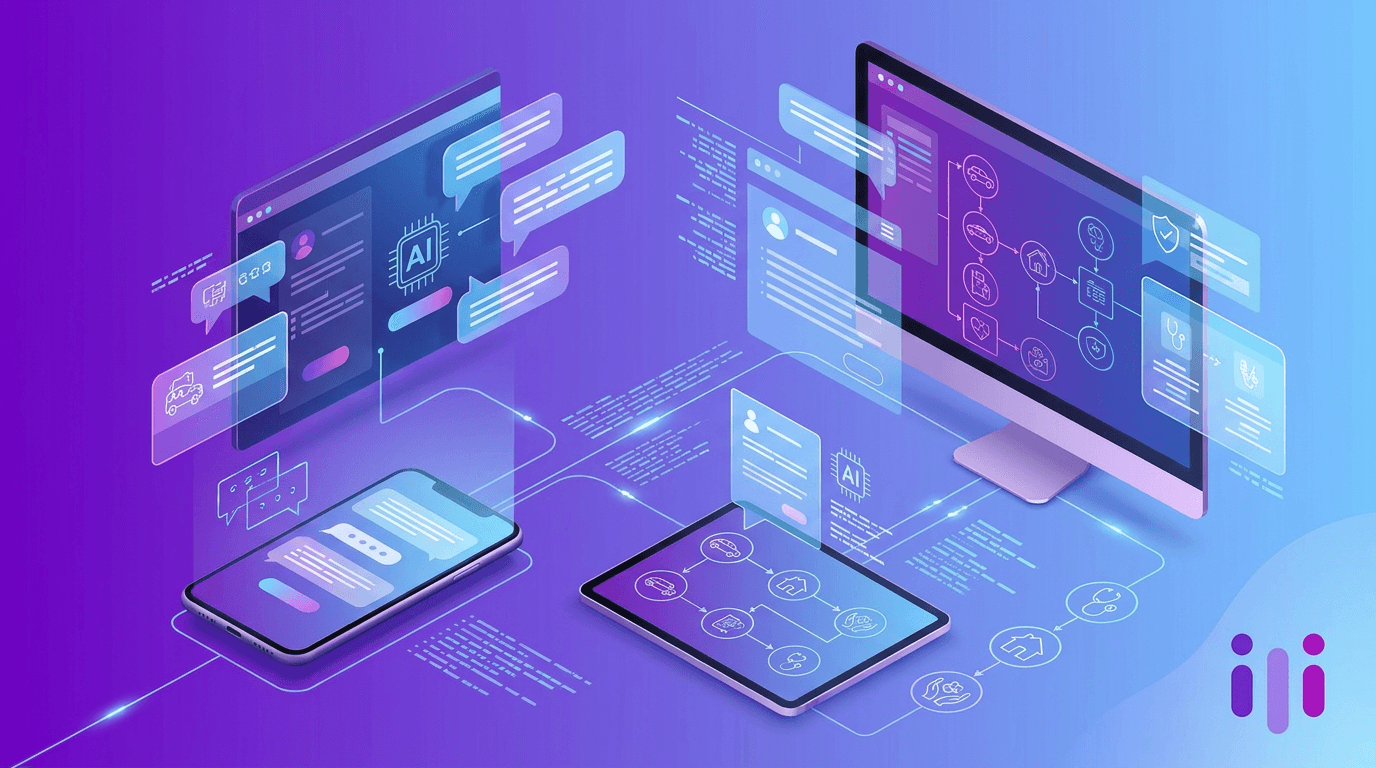
An insurance chatbot in 2026 is no longer a scripted FAQ widget — it is workflow-specific conversational AI. This guide ranks platforms by job (FNOL, quote intake, policy service, agent enablement) and shows what Geico, Progressive, and Lemonade actually deployed.
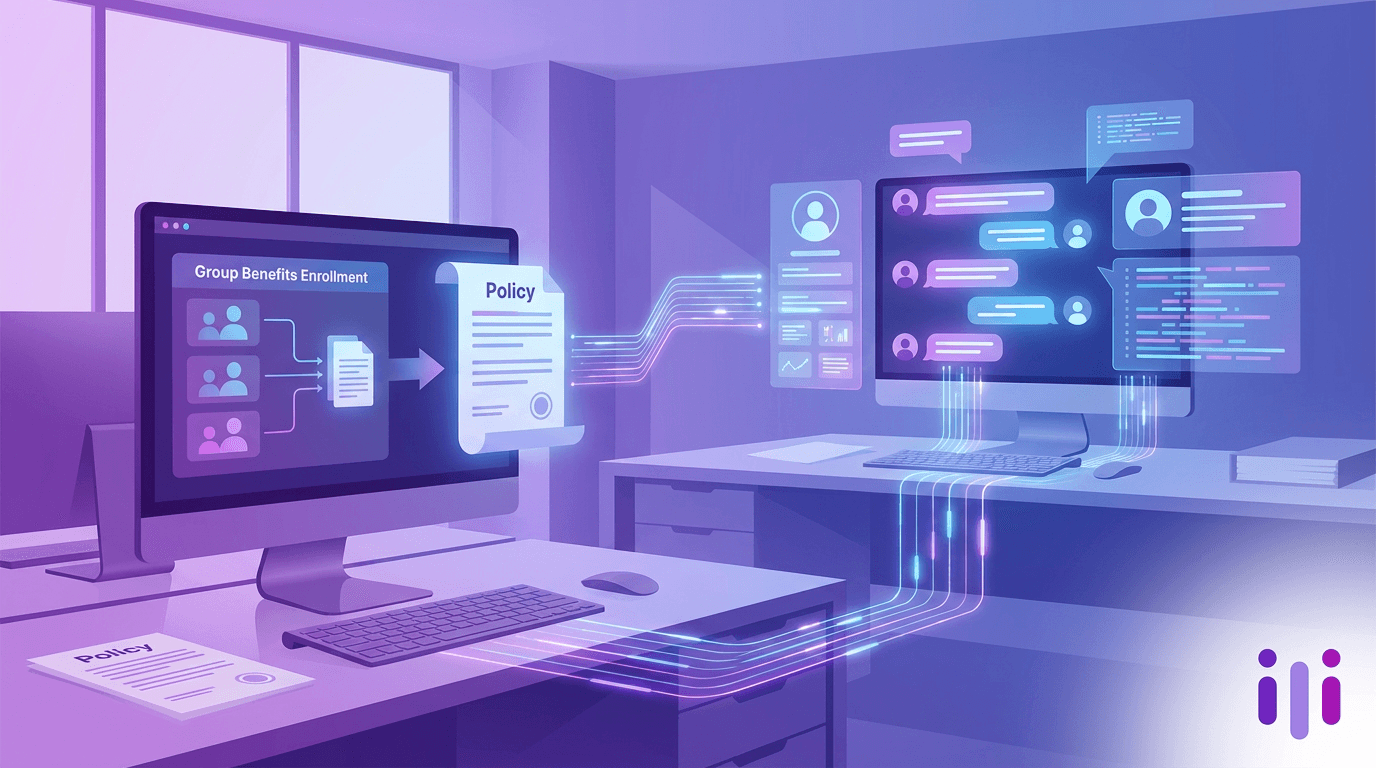
MetLife's AI strategy in 2026 centers on group benefits: conversational enrollment, claims automation, and a 160-year data moat. Here's what the incumbent is shipping, where peers beat them, and what it means for life insurance AI.

Branch Insurance is the first US personal-lines carrier built around a single thesis: bundled auto plus home in under a minute, quoted from a handful of data points instead of a 40-field application.

Cover Genius is the Sydney-headquartered insurtech that operates XCover, the largest embedded-insurance distribution platform in the world, underwriting protection for partners including Booking.com, Intuit, eBay, Ryanair, Uber, and SeatGeek.

Farmers Insurance Group is the largest captive-agent personal-lines carrier in the United States, writing roughly $25 billion in annual premium across more than 10 million households through a network of about 48,000 exclusive and independent agents.

Nationwide's AI customer experience strategy is built around a structural advantage no monoline carrier can match: a single member relationship that spans auto, home, life, pet, and financial services.
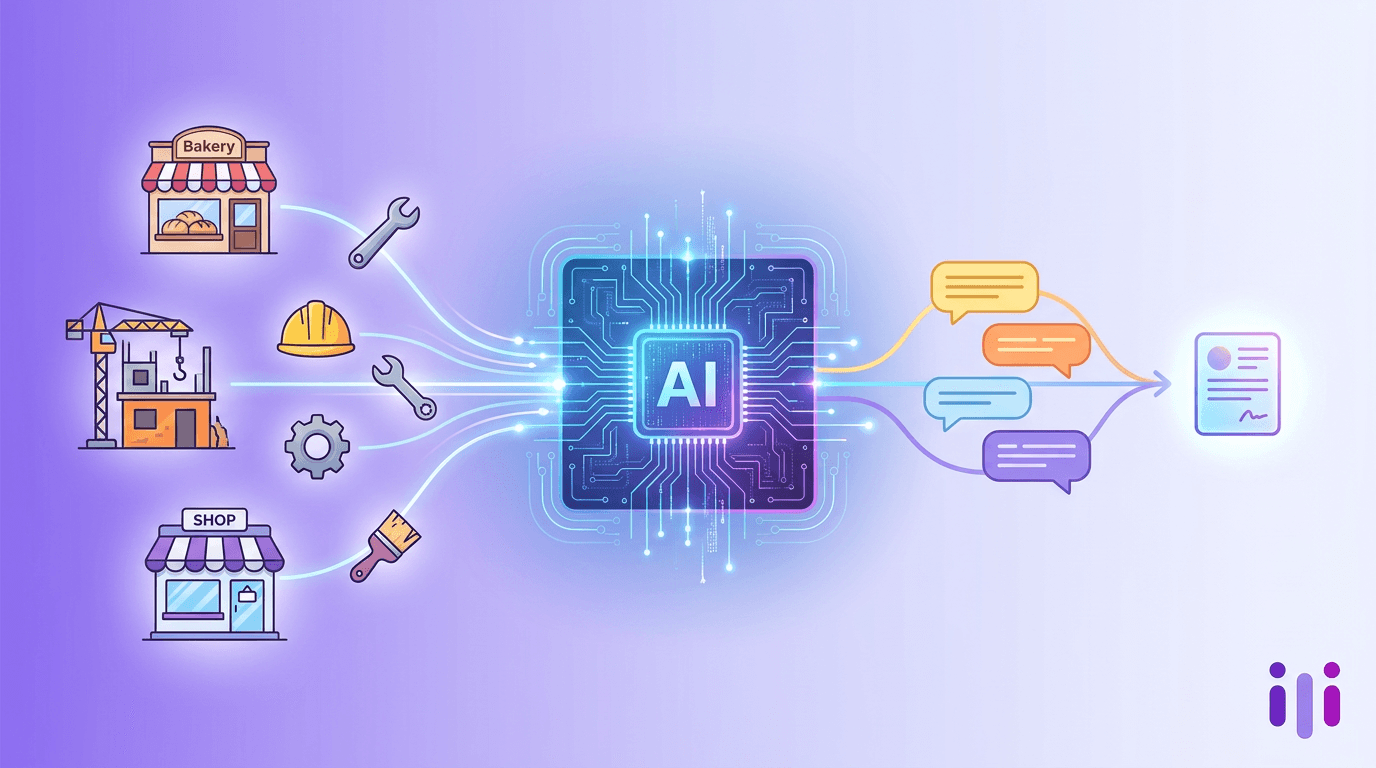
Pie Insurance is the clearest proof that AI-first underwriting works in a vertical legacy carriers wrote off — small business workers' compensation. Founded in 2017, Pie uses a tech-driven model to quote, bind, and service workers' comp policies, raising more than $615 million in equity and reaching a $2 billion-plus valuation at its 2022 Series D (press release).

Travelers Insurance AI strategy is overwhelmingly weighted toward underwriting and claims — not the consumer chatbots that dominate Geico, Lemonade, and Progressive headlines.
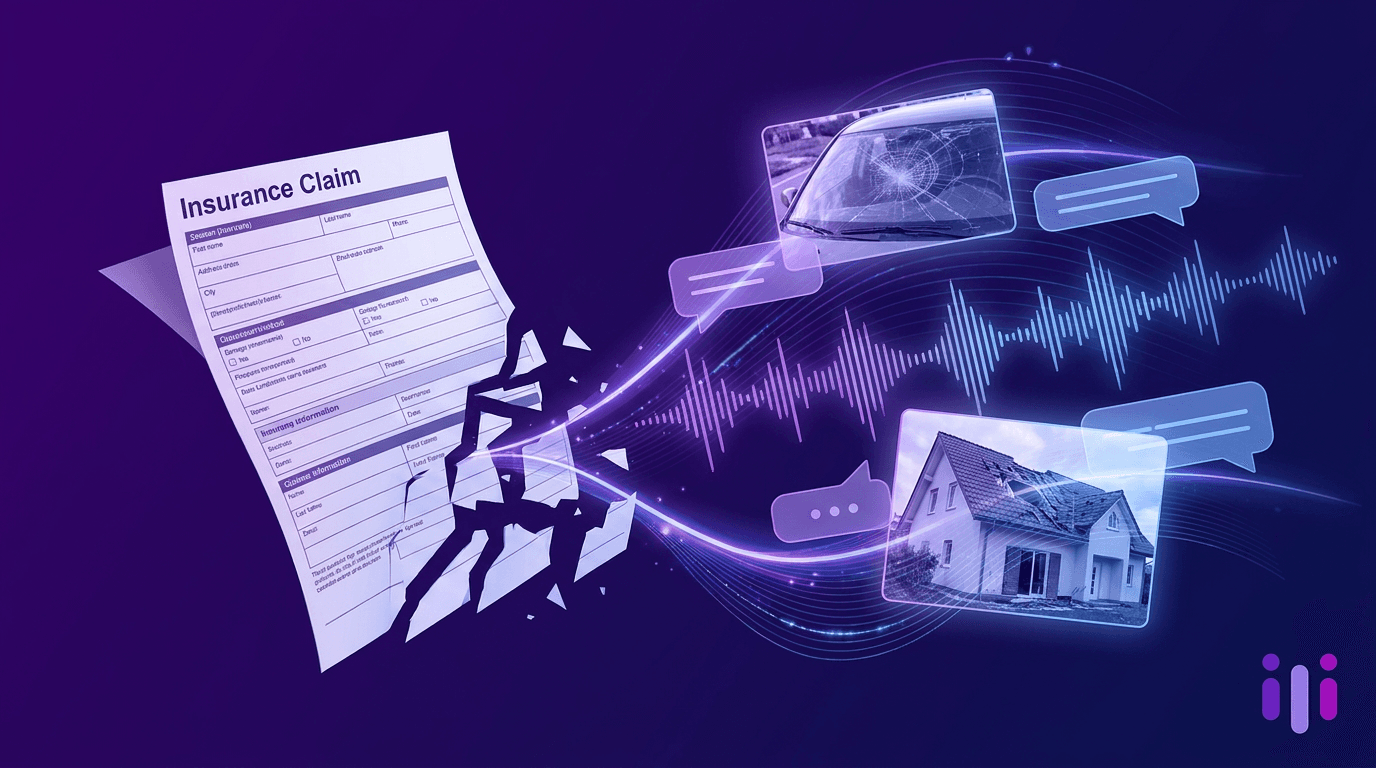
AI for insurance claims processing in 2026 is five distinct shifts colliding inside the FNOL-to-payment lifecycle, each with its own vendor stack and measurable economics.

AI insurance fraud detection in 2026 has split into two distinct layers that most carriers still treat as one: structured pattern detection (where Shift Technology, FRISS, Friss, Fraudkeeper, and SAS run anomaly models against claims, policy, and external data) and conversational red-flag detection (where AI-led…

The AI underwriting software market in 2026 is not one market — it's four overlapping layers: the conversational data-gathering layer (where applicant intent, context, and unstructured risk signals get captured), the rules-and-decisioning layer (Guidewire, Majesco, Sixfold, Federato), the pricing-and-rating layer…
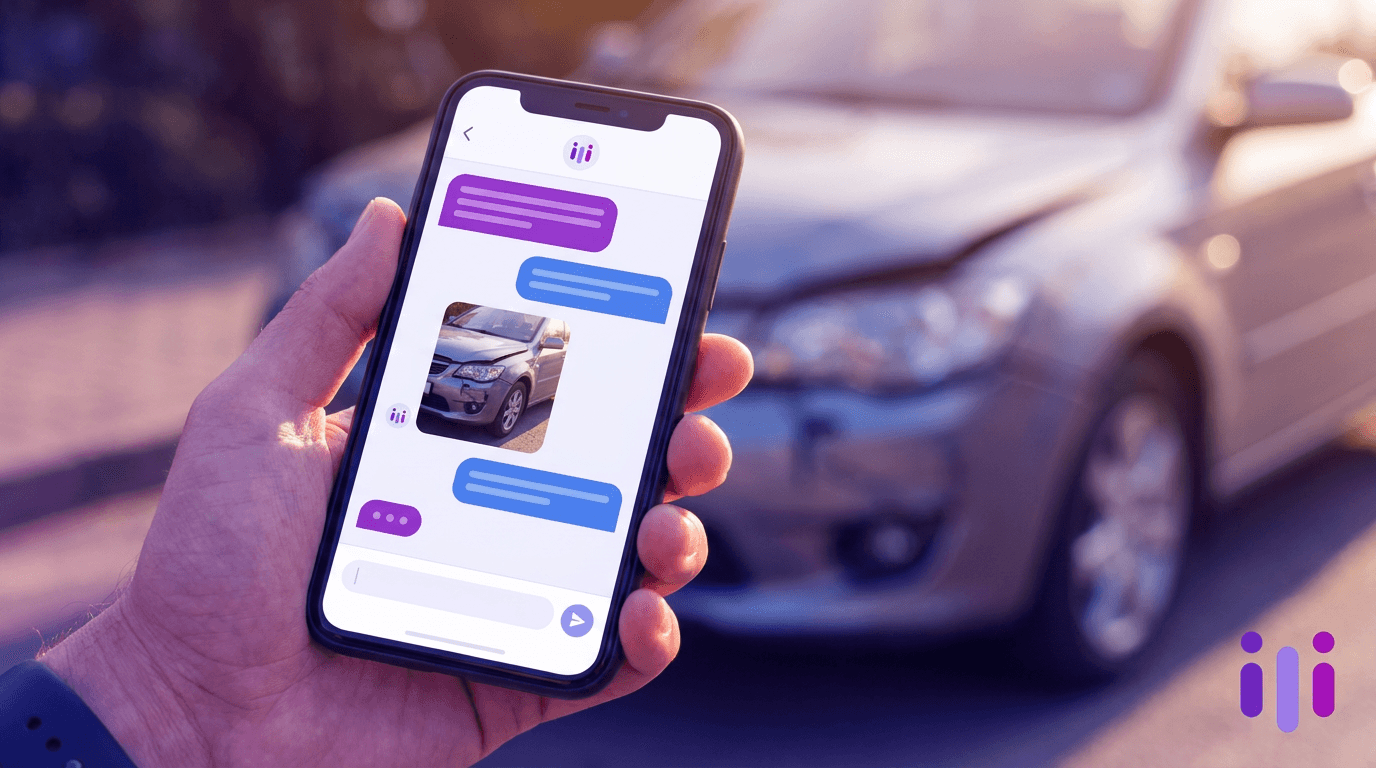
Allstate's AI claims strategy is one of the longest-running, most-public bets on automation in U.S. P&C insurance. QuickFoto Claim, launched in 2014 as the carrier's photo-based damage estimation app, now handles roughly half of Allstate's driveable-vehicle auto claims and has helped compress the estimating cycle from…

Auto insurance AI in 2026 is no longer a slide-deck promise — but it's also not "AI for everything." Carriers like GEICO, Progressive, Allstate, and Lemonade are deploying AI in four narrow places that actually move loss ratios and CSAT: instant quoting, First Notice of Loss (FNOL) intake, photo-based damage assessment, and retention conversations at renewal.

Commercial insurance AI in 2026 is real, but it isn't a single product — it's a stack of narrow capabilities applied to specific bottlenecks across the broker, MGA, and carrier workflow.
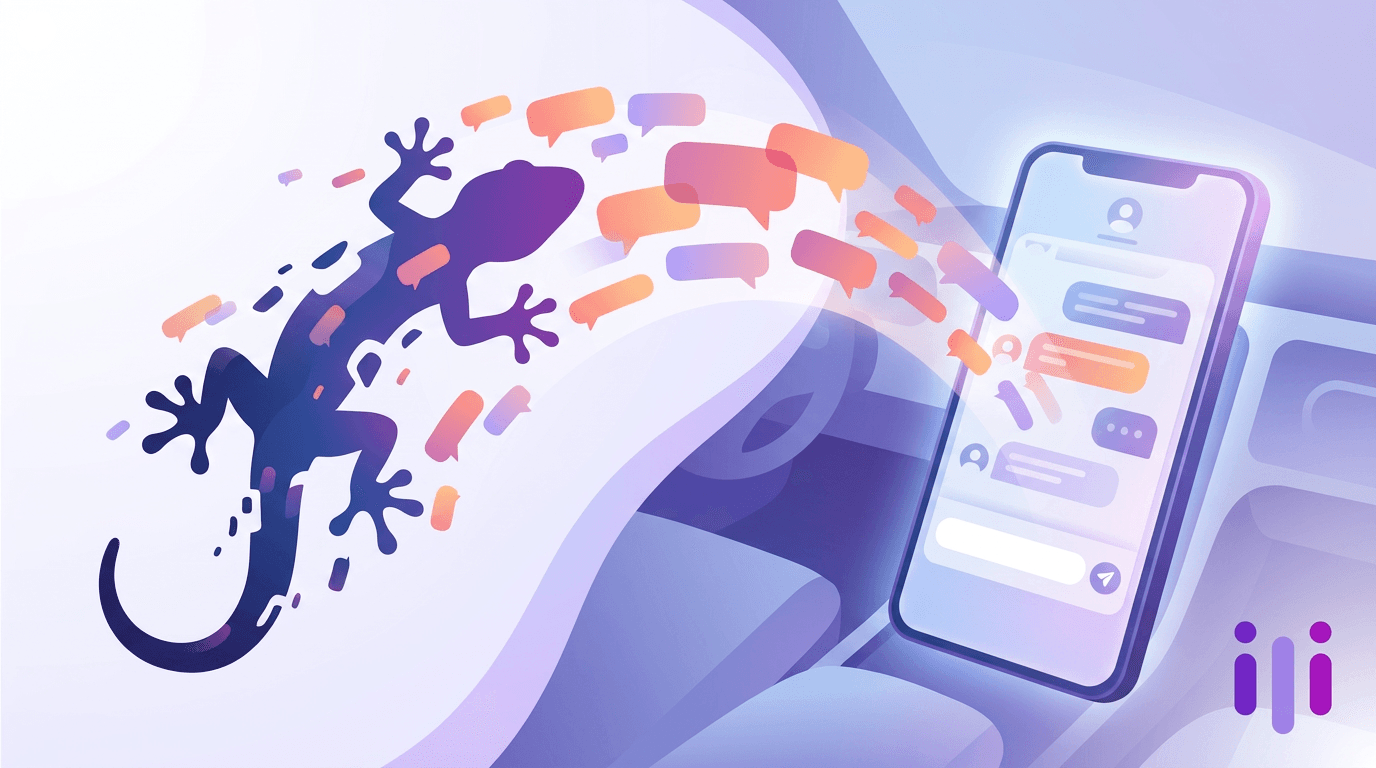
Geico's AI chatbot strategy in 2026 centers on Kate, a virtual assistant inside the Geico Mobile app that answers policy, billing, and document questions through natural-language conversation instead of forms.

Health insurance AI in 2026 is dominated by five carriers — UnitedHealth/Optum, Humana, Cigna, Aetna/CVS, and Oscar Health — and most of what they ship under the "AI" label is still a chatbot wrapped around an FAQ page, not real conversational understanding.

Hippo Insurance pioneered the smart-home-as-insurance-policy model, bundling Notion, Roost, SimpliSafe, ADT, and Kangaroo IoT devices into homeowners coverage to detect water leaks, freeze events, and intrusions before they become claims.
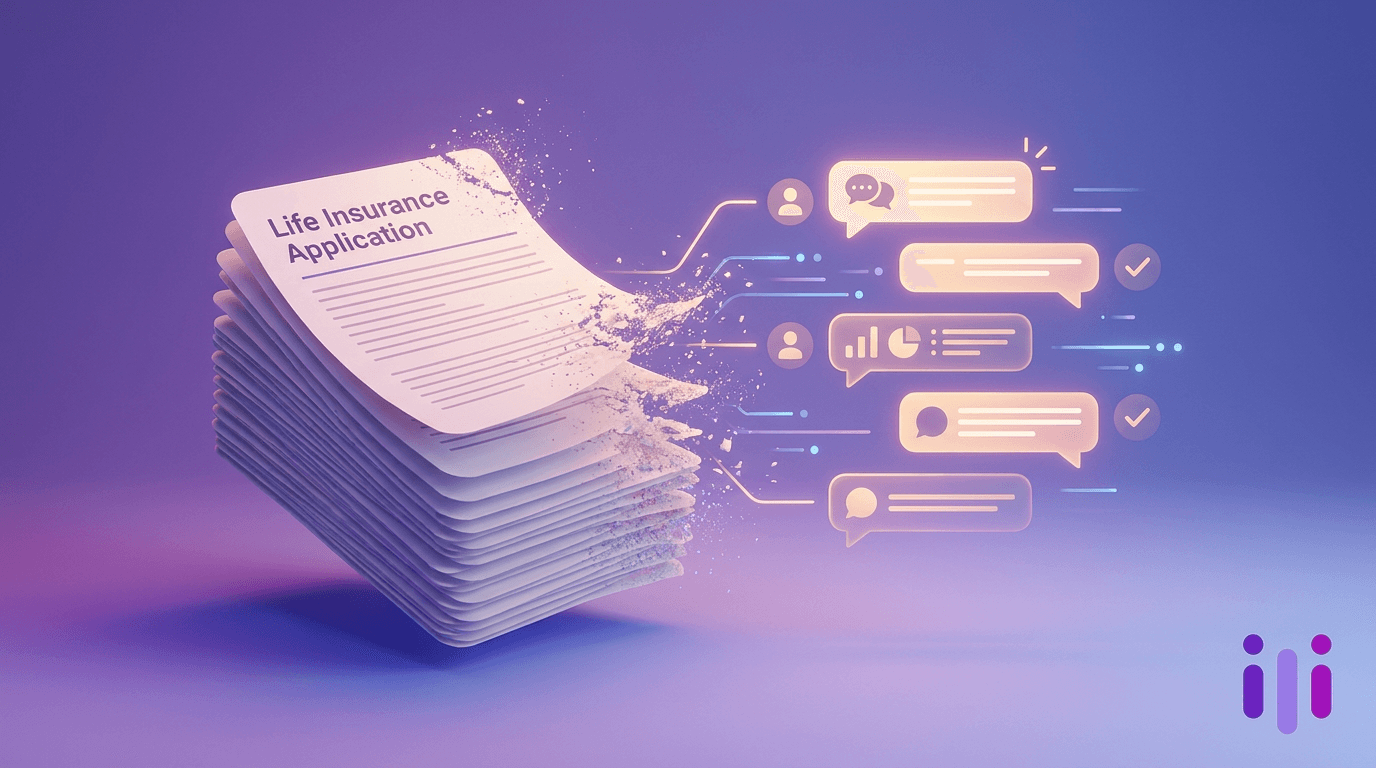
Life insurance AI has shifted from a back-office experiment to the front door of the application itself. Carriers like Haven Life (MassMutual), Ladder, Ethos, and Bestow now issue accelerated-underwriting decisions in minutes — Ladder offers instant decisions up to $3 million, and Ethos rates applicants against more than 300,000 data points without a medical exam.

Next Insurance — rebranded as ERGO NEXT Insurance in early 2026 after its integration with Munich Re — built one of the most successful AI-first SMB insurance carriers in the U.S. by replacing the broker-and-paper-application model with a digital quoting flow that prices policies in minutes.

Progressive's Snapshot is the most studied telematics program in U.S. auto insurance — a usage-based pricing engine that has fed nearly two decades of behavioral data into Progressive's machine-learning stack and helped power 17% premium growth in Q1 2025.

Root Insurance built the most behavior-native auto underwriting stack in the U.S. by replacing credit scores and demographic proxies with telematics: a 30-day in-app test drive that scores 270+ driving variables across 36 billion miles of collected data, with roughly 73% of pricing weight on actual driving behavior.

State Farm — the largest US property and casualty insurer with more than 96 million policies and accounts — is modernizing its customer experience around an explicit "augment, don't replace" thesis for its 19,200+ agent offices and 62,000+ employees.
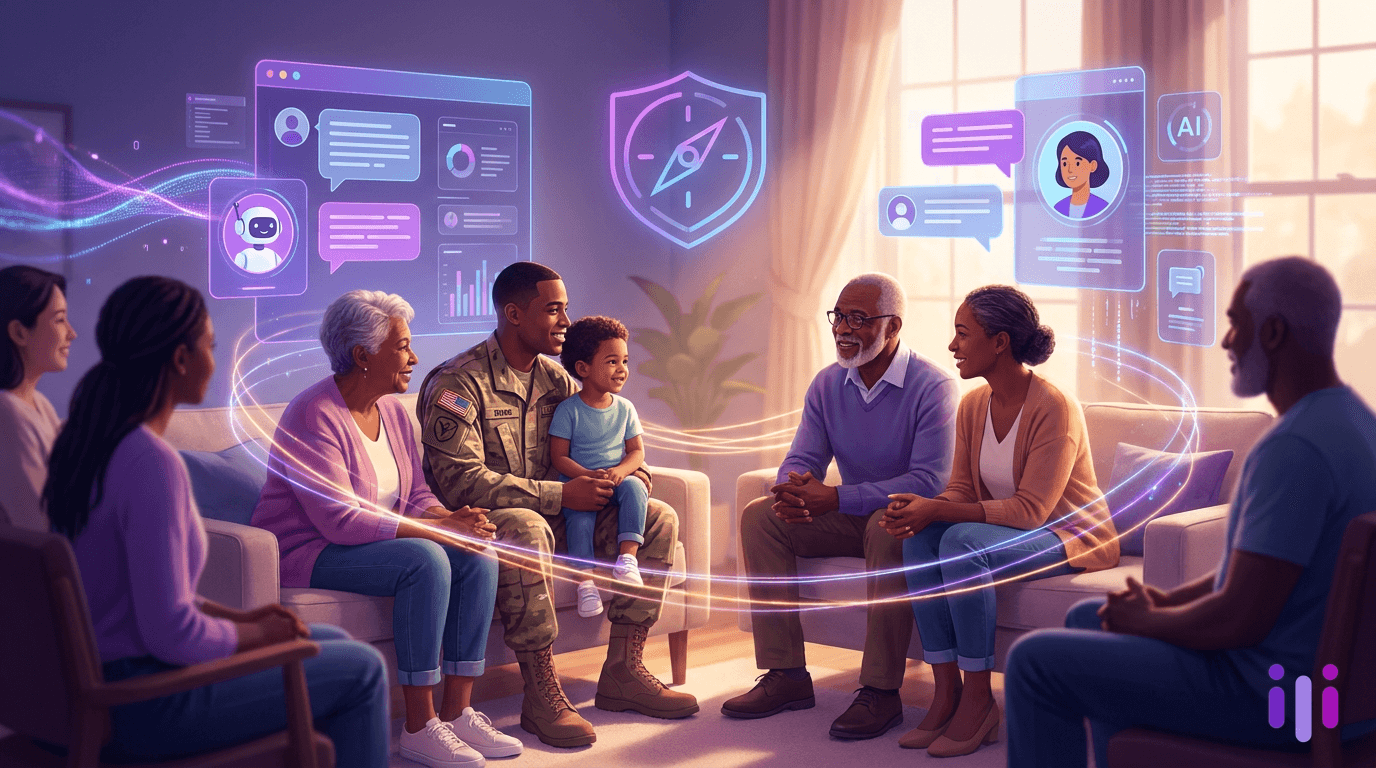
USAA's AI Customer Service: How a Mission-Driven Insurer Built One of the Highest-NPS AI Experiences
USAA's AI customer service strategy is the clearest counter-example to the "deflect first, automate everything" playbook the rest of the insurance industry is running. The San Antonio-based insurer has won J.D.
An AI assistant for insurance is not one product — it's three: internal copilots that draft and summarize for adjusters and underwriters, customer-facing assistants that answer policy questions and accept FNOL submissions, and conversational intake assistants (AI agents) that replace static web forms during quoting, applications, and renewals.

AI in customer communications in the insurance industry is no longer experimental in 2026 — it is shipped at scale for a narrow set of workflows and stalled at pilot for almost everything else.
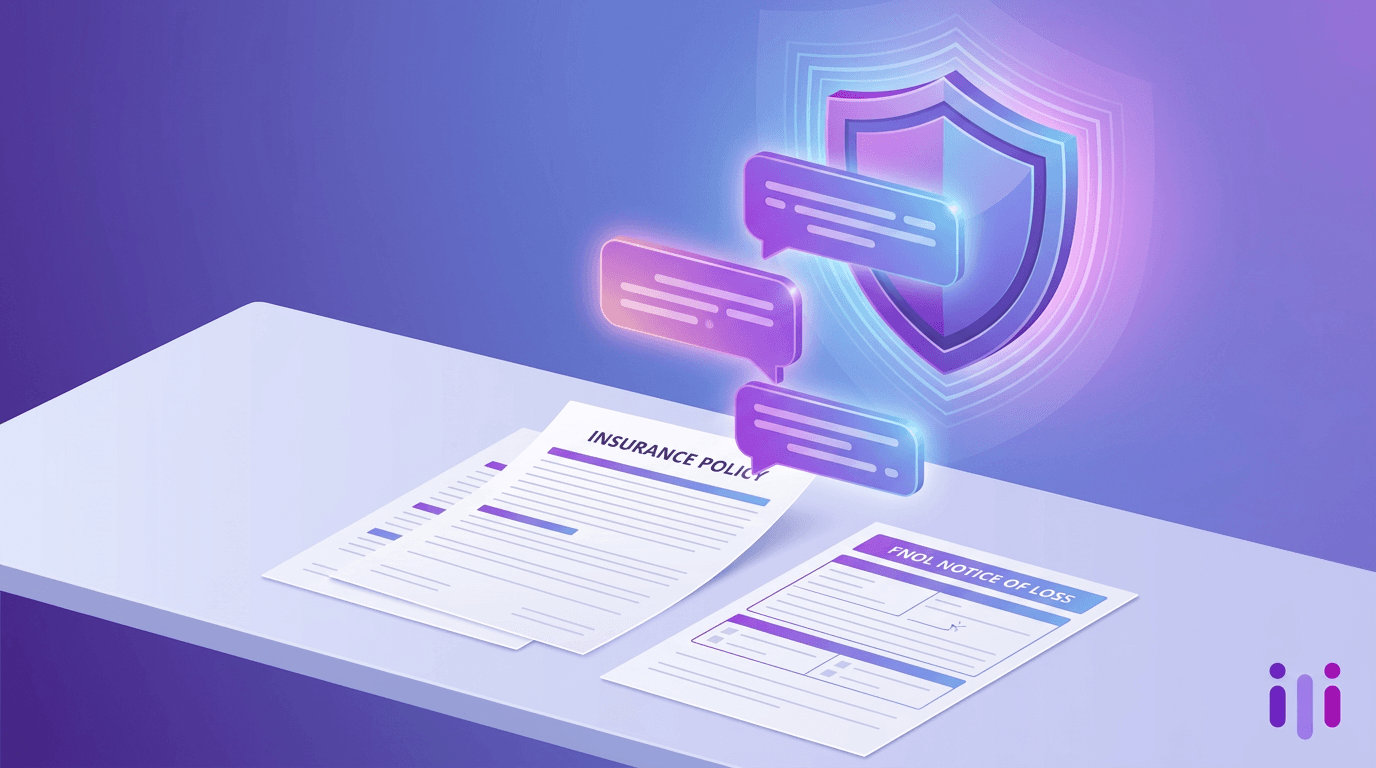
AI in customer communications for insurers is no longer a pilot-stage experiment — by 2026, most U.S. carriers, MGAs, and brokerages have at least one AI-driven channel in production for First Notice of Loss (FNOL) intake, policy and coverage Q&A, renewals outreach, or claims status updates.

AI technology for insurance policy inquiries is the single most-deployed AI use case in U.S. property and casualty carriers in 2026, ahead of underwriting copilots and claims triage.

The best AI tools for customer experience in insurance support in 2026 are not a single platform — they are a stack of four workflow-stage-specific tools: a conversational intake agent for FNOL and policy questions, an AI triage layer for routing and severity scoring, an adjuster copilot for resolution, and an AI follow-up agent for renewal and post-claim NPS.

Most insurance agencies misallocate their AI budget. The leverage is at the bookends — intake (stage 1) and renewal (stage 5), not submission and bind. A 5-stage playbook.

Most insurance AI was built for carriers, not brokers. A practical roundup of broker-side AI tools across 6 categories — intake, quoting, policy review, claims, AMS, CRM.

An insurance chatbot case study: How AI for insurance transformed lead intake, automated quotes in 90 seconds, and drove 55% year-over-year growth—leaving legacy competitors behind.

Insurance conversational AI obsesses over deflection rates. But the real ROI comes from understanding what policyholders are telling you. A framework for shifting from deflection-first to understanding-first AI.