Employee feedback
Articles on employee feedback.
Perspective AI is the strongest Culture Amp alternative in 2026 for teams that need to know why engagement moved, not just that it moved — it replaces the annual survey with an AI-led interview that asks the follow-up a Likert scale cannot.
Pulse surveys make the annual-survey mistake weekly. A pulse survey is a short, recurring questionnaire — usually 5 to 15 questions delivered monthly, biweekly, or weekly — designed to track engagement, sentiment, or satisfaction in near real time instead of once a year.
The best Qualtrics EmployeeXM alternatives in 2026 swap a heavyweight enterprise survey suite for tools that are faster to deploy, cheaper to own, and — for the top pick — capable of capturing the why behind an engagement number instead of just the number.
The best employee experience examples all share one transferable pattern: the organization listens to employees in their own words and visibly acts on what it hears.
eNPS (Employee Net Promoter Score) is a single-question metric that measures how likely employees are to recommend their organization as a place to work, scored on a scale from -100 to +100.
An employee experience strategy is a documented plan for how an organization intentionally shapes every interaction an employee has with the company — from recruitment and onboarding through daily work, growth, and exit — and how it listens to, measures, and acts on those interactions to improve them over time.
An employee experience (EX) platform is software that measures, analyzes, and helps improve how employees experience their work — across onboarding, everyday engagement, and exit — by collecting employee feedback, tracking metrics like engagement and eNPS, and giving people teams the analytics and workflows to act on what they find.
The best Medallia alternatives for employee experience in 2026 are led by Perspective AI, a conversational voice-of-employee platform that replaces the annual engagement survey with AI interviews that probe the "why" behind attrition and disengagement in real time.
AI employee engagement turns the annual survey from a low-response ritual into an always-on conversation that captures why people feel the way they do — not just a score.
AI exit interviews use a neutral, AI-moderated conversation to collect honest reasons for an employee's departure at the moment they leave, then analyze every transcript to surface attrition patterns a resignation spreadsheet never shows.
The best participant recruitment tools in 2026 do one thing well: they find and schedule people to talk to. But recruiting is the easy half of research — you still have to run every interview yourself, and that is where the bottleneck lives.

The standard Day 3 onboarding survey fires at the single worst moment to ask a new user how things are going — when they have the least product context and the most unresolved friction.
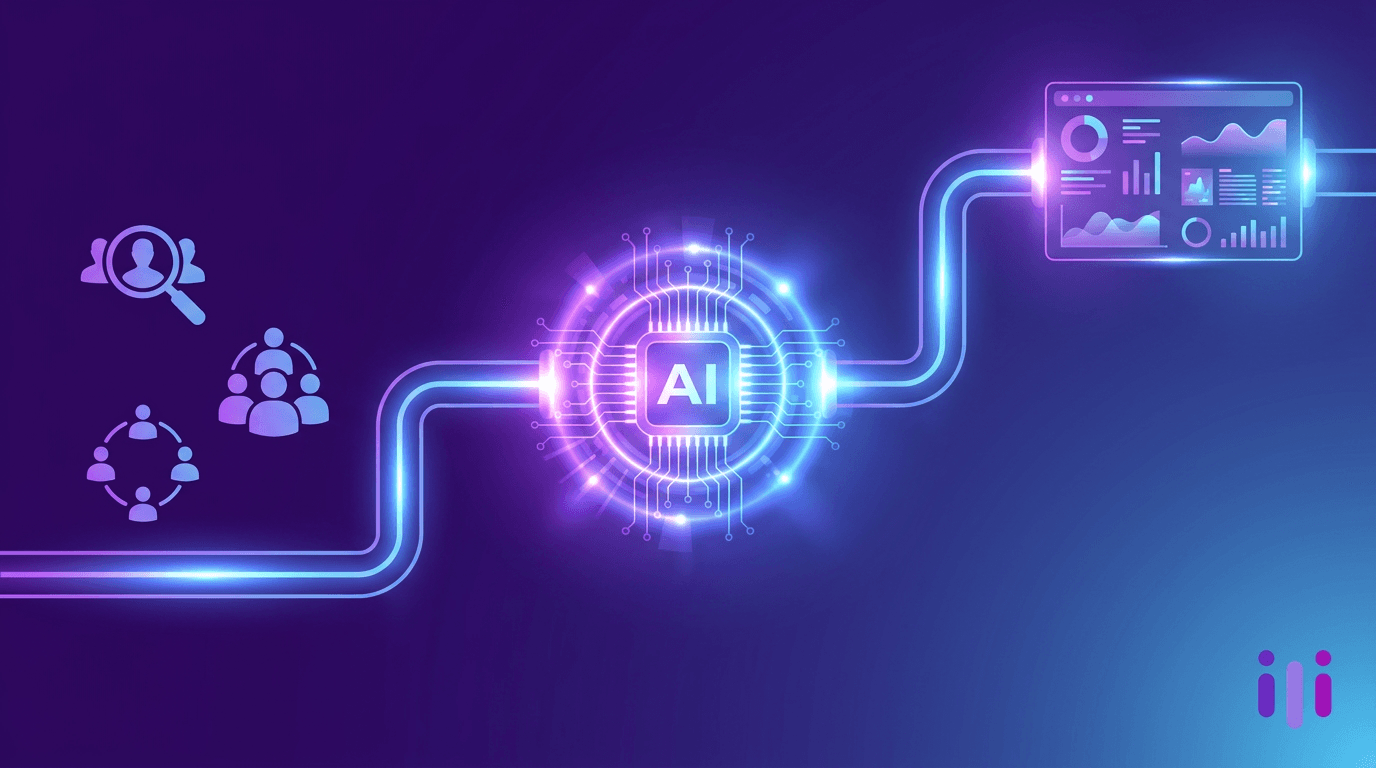
AI-powered focus groups are qualitative research studies where a conversational AI agent recruits, screens, moderates, and synthesizes participant conversations end to end, collapsing the recruit-to-readout pipeline from weeks into days.

Rippling's AI strategy is a direct extension of its "compound startup" model: build many deeply integrated products in parallel, then let AI act across all of them from one shared data layer.
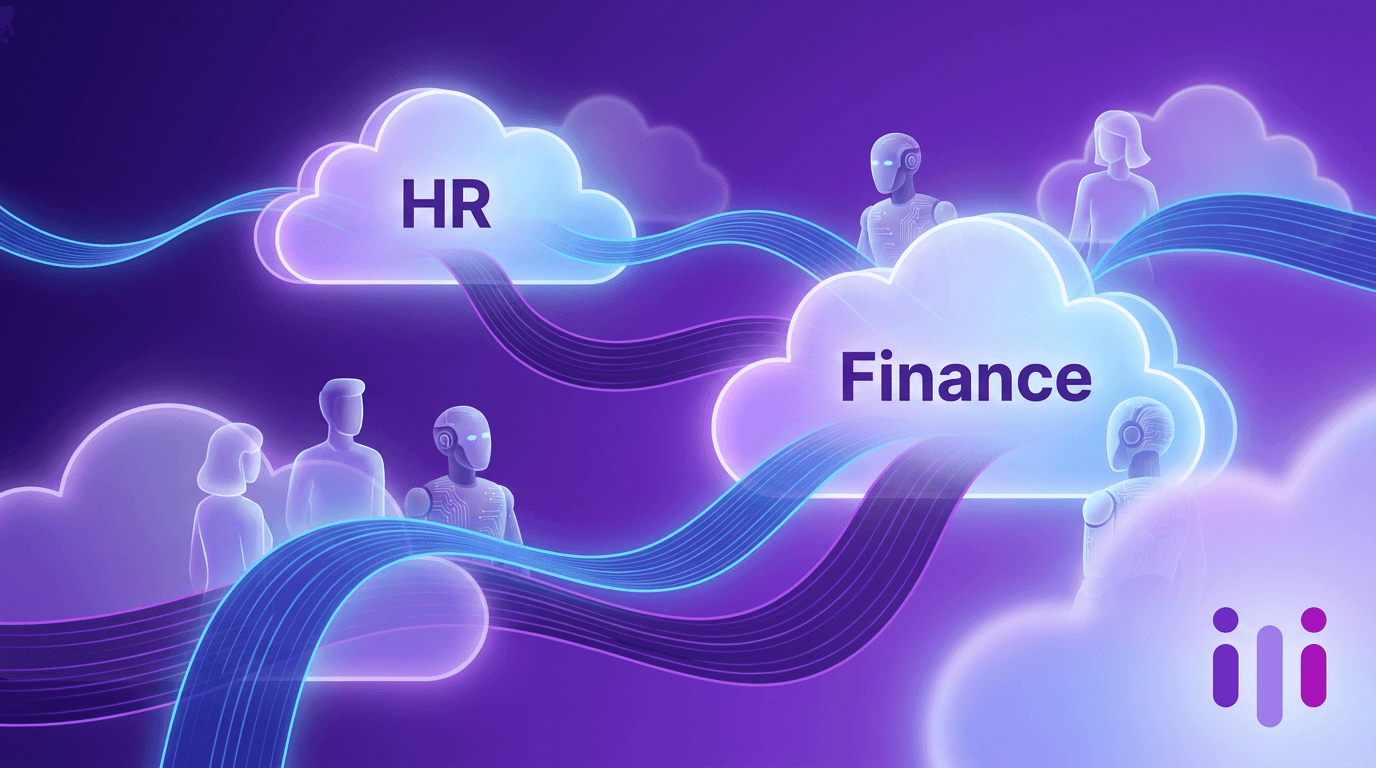
Workday is the system of record for HR and finance at more than 11,000 organizations, including over 65% of the Fortune 500, with 75 million-plus users under contract and more than $9.5 billion in fiscal 2026 revenue.
Zoom's AI strategy in 2026 is a deliberate reinvention: the company that defined video meetings rebranded from Zoom Video Communications to Zoom Communications in late 2024 and now calls itself an "AI-first work platform," anchored by AI Companion 3.0 and a growing fleet of agentic AI features.

2026 is the inflection year for voice of employee programs: more Fortune 1000 HR organizations now run continuous AI employee conversations than annual engagement surveys, the first time the survey layer has lost majority share since the format emerged in the 1980s.
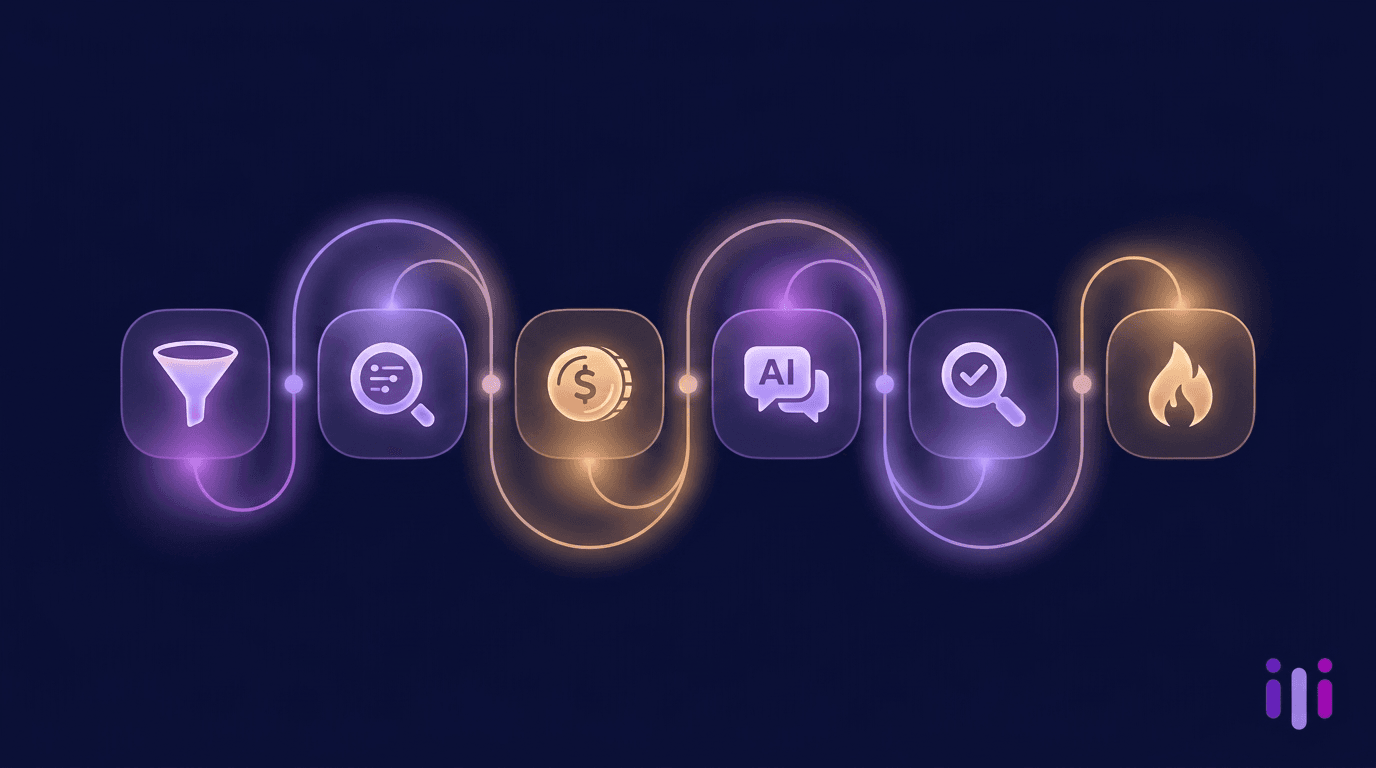
Online AI focus groups are asynchronous, AI-moderated qualitative studies that replace the eight-person Zoom room with hundreds of one-to-one conversations run in parallel.
Why annual employee surveys miss what matters and how AI-powered conversations capture the context, nuance, and honesty that drive real engagement improvements.