Can you walk me through what happened and when?
M
Qualify Legal Cases
Concierge agent · 2.1K uses
Coaching intake forms lose clients before discovery calls. Replace lengthy static questionnaires with intelligent conversations that adapt to each client's unique situation. Our AI explores their goals, challenges, and readiness level to give you actionable insights before your first session.
Start from this conversation and adapt it to your team — change any question, add your own logic, and connect the tools you already use.
The core fields every response captures.
What specific outcome do you want to achieve in the next 90 days?
What's your previous experience with coaching or personal development?
Follow-ups that change based on what people say.
If client selects 'career transition', ask about timeline and financial concerns
If readiness score is low, gather information about potential obstacles
Different paths for different answers.
Route high-urgency career clients to senior coaches with business backgrounds
Direct relationship coaching inquiries to certified relationship specialists
Actions that fire the moment a response comes in.
Send welcome packet with pre-session exercises via email
Create client record in coaching CRM with goal summary
Schedule discovery session based on coach availability and specialization
The AI guides clients through a conversational intake, asking follow-up questions based on their responses about goals and obstacles. It identifies their coaching readiness level and creates a comprehensive client profile with recommended session focus areas.
Configure your coaching specialties and session types
Set client goal categories and assessment criteria
Connect your scheduling and CRM systems
Launch your personalized intake conversations
Static forms force complex situations into rigid dropdowns. Perspective captures structured data and the reasoning behind it — so your team makes better decisions, faster.
No context. No follow-up. No next step.
"Tell me more about the timeline — when did this start, and is there a deadline your team is working against?"
Extracted & structured automatically
Category
High-priority
Urgency
Deadline: 2 weeks
Sentiment
Frustrated but hopeful
Next step
Route to senior team
Right team. Full context. Instant action.
A comprehensive life coach client intake should capture the client's current situation, specific challenges, desired outcomes, and readiness for change. Essential elements include personal background, career status, relationship dynamics, health and wellness patterns, previous coaching or therapy experience, and specific goals for the coaching relationship. The intake should also assess communication preferences, available time commitment, and any constraints like budget or scheduling. Unlike static forms, conversational intake adapts questions based on client responses, creating a personalized assessment that builds rapport from the first interaction and gives coaches deeper context for effective discovery calls.
Explore other coaching and wellness intake templates for different specialties and client types.
Can you walk me through what happened and when?
Concierge agent · 2.1K uses
What does a successful first month look like for your team?
Concierge agent · 2K uses
What outcome are you hoping this project achieves?
Concierge agent · 1.5K uses
What are you looking to achieve with today's visit?
Concierge agent · 1.9K uses
What are you hoping to get from your membership?
Concierge agent · 1.1K uses
What kind of shoot are you looking for?
Concierge agent · 1.9K uses
Learn best practices for coaching client intake and see how other professionals optimize their onboarding process.

Learn how AI intake software transforms client onboarding across professional service industries.
Read article
Discover why traditional intake forms lose prospects and how conversational alternatives improve completion rates.
Read article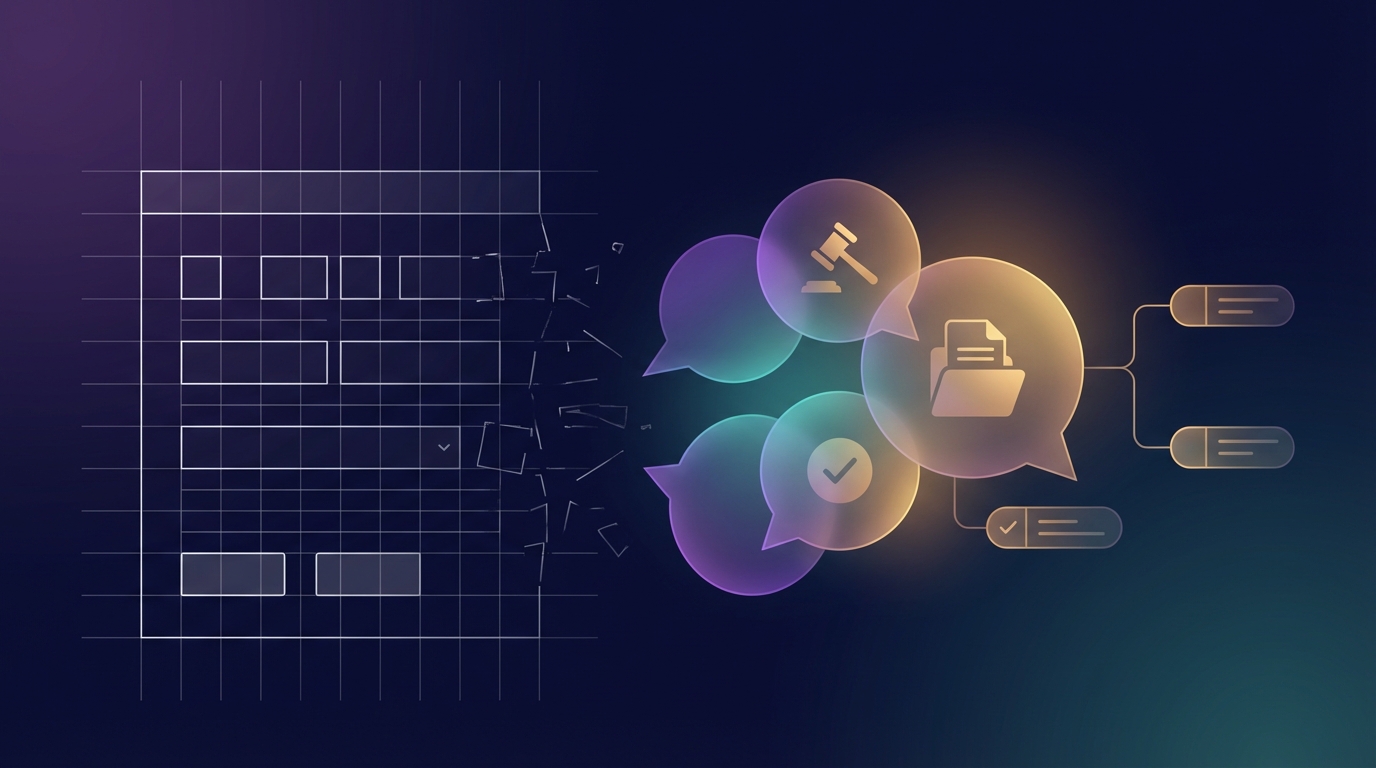
See how professional service firms use AI conversations to improve client intake and qualification processes.
Read articleReplace drop-off, poor qualification, and missing context with AI conversations that capture structured data and real understanding. Set up in minutes.
No credit card required • Cancel anytime