What motivates you to volunteer with us?
M
Volunteer Application Form
Concierge agent · 989 uses
Intake forms kill donor connection. Move beyond basic contact forms to understand what drives your supporters. This template identifies specific mission areas that resonate, preferred volunteer commitments, and giving capacity to match people with the right opportunities.
Start from this conversation and adapt it to your team — change any question, add your own logic, and connect the tools you already use.
The core fields every response captures.
Which aspect of our mission resonates most with your values and interests?
What's your preferred way to stay updated on our impact and opportunities?
Follow-ups that change based on what people say.
If supporter indicates monthly giving interest, ask about preferred donation amount and program focus
If volunteer availability is weekends only, show family-friendly and event-based opportunities
Different paths for different answers.
Route major gift prospects ($500+ capacity) to development team
Route skilled volunteers (professional services) to program coordinators
Actions that fire the moment a response comes in.
Add new supporters to appropriate email campaigns based on mission interests
Create donor profile in CRM with giving capacity and preferred programs
Schedule follow-up tasks for volunteer coordinators based on skills and availability
The AI guides supporters through mission priorities, availability preferences, and engagement history. Based on responses, it recommends specific volunteer roles, donation programs, or advocacy actions that align with their interests and capacity.
Define your key mission areas and volunteer opportunities
Set up routing rules for different supporter types
Configure CRM integration for supporter data
Launch conversations on donation and volunteer pages
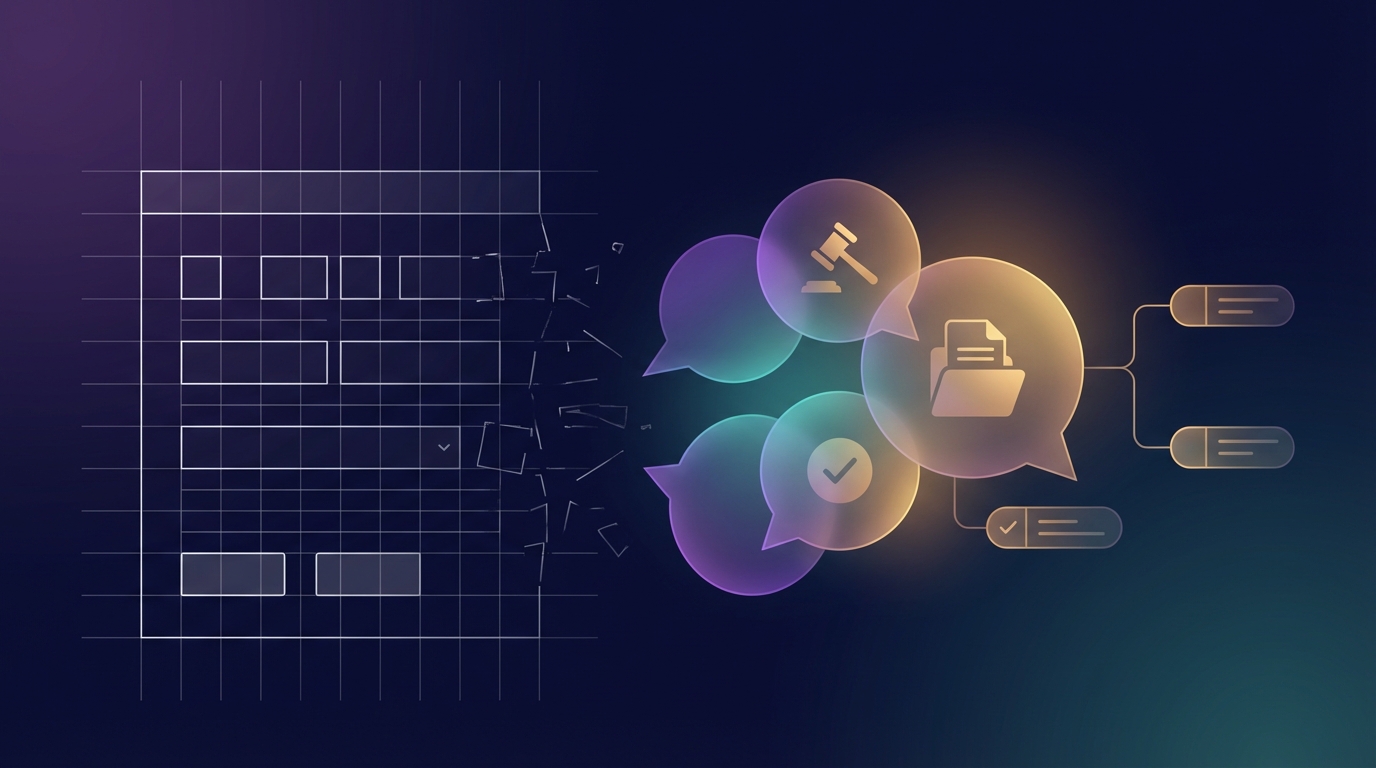
Static forms force complex situations into rigid dropdowns. Perspective captures structured data and the reasoning behind it — so your team makes better decisions, faster.
No context. No follow-up. No next step.
"Tell me more about the timeline — when did this start, and is there a deadline your team is working against?"
Extracted & structured automatically
Category
High-priority
Urgency
Deadline: 2 weeks
Sentiment
Frustrated but hopeful
Next step
Route to senior team
Right team. Full context. Instant action.
Effective nonprofit mission templates connect specific community challenges to measurable outcomes through compelling beneficiary stories. The best templates avoid generic statistics and focus on individual transformation that donors can visualize. Successful organizations gather these stories through ongoing conversations with program participants rather than one-time forms. This approach produces authentic narratives that demonstrate unique value while helping stakeholders understand exactly how their support creates change. Templates should be adaptable for different audiences while maintaining consistent messaging about organizational purpose and community impact.
Explore additional nonprofit templates for volunteer coordination, grant applications, and program evaluation that build stronger community connections.
What motivates you to volunteer with us?
Concierge agent · 989 uses
What inspired you to support our mission?
Concierge agent · 2.4K uses
What brought you to visit us today?
Concierge agent · 921 uses
What would make your volunteer experience better?
Evaluator agent · 1.6K uses
Do you feel your donations are making an impact?
Evaluator agent · 1.7K uses
How has this program changed things for participants?
Evaluator agent · 873 uses
Access proven strategies and case studies showing how nonprofit organizations increase donor engagement and program effectiveness through conversational approaches.
Learn how professional service organizations are using conversational AI to build stronger client relationships and gather more comprehensive intake information.
Read article
Comprehensive overview of AI intake solutions that help organizations replace static forms with engaging conversations that improve data quality and user experience.
Read article
Discover why traditional forms create barriers for potential supporters and how conversational approaches improve engagement and completion rates for nonprofits.
Read articleReplace drop-off, poor qualification, and missing context with AI conversations that capture structured data and real understanding. Set up in minutes.
No credit card required • Cancel anytime