How has your first week been so far?
T
Employee Onboarding Survey
Evaluator agent · 1.5K uses
Performance forms get generic answers. Traditional performance reviews use one-size-fits-all forms that don't account for role differences or performance levels. Our AI adapts questions for managers vs. individual contributors, high performers vs. those needing support, and follows up on specific development areas.
Start from this conversation and adapt it to your team — change any question, add your own logic, and connect the tools you already use.
The core fields every response captures.
Rate your progress on this year's key objectives and initiatives
What skills or training would most impact your performance next quarter
Follow-ups that change based on what people say.
If performance rating is below 3/5, ask about specific support needed
If employee is in management role, include questions about team development
Different paths for different answers.
Route high-potential employees to advanced development track discussions
Route performance concerns to manager review and action planning workflow
Actions that fire the moment a response comes in.
Create development plan tasks in project management systems
Update employee records in BambooHR or Workday with ratings
Schedule follow-up meetings in calendar based on performance level
The AI starts with role and tenure, then adapts questions based on responses about goals, challenges, and development needs. It probes deeper into areas flagging concerns and explores growth opportunities for strong performers.
Define performance rating scales and competency frameworks
Set role-specific question paths for managers vs individual contributors
Configure follow-ups for development planning and goal setting
Connect results to HRIS and performance management systems
Static forms force complex situations into rigid dropdowns. Perspective captures structured data and the reasoning behind it — so your team makes better decisions, faster.
No context. No follow-up. No next step.
"Tell me more about the timeline — when did this start, and is there a deadline your team is working against?"
Extracted & structured automatically
Category
High-priority
Urgency
Deadline: 2 weeks
Sentiment
Frustrated but hopeful
Next step
Route to senior team
Right team. Full context. Instant action.
Effective performance reviews should explore goal achievement, skill development, collaboration effectiveness, and career growth interests. Include specific questions about project outcomes, team contributions, and professional development priorities. Address work-life balance, manager support, and resource needs that impact job performance. The best reviews capture concrete examples of success and improvement areas rather than generic ratings. Adaptive performance conversations can adjust questions based on role, department, and previous responses to ensure comprehensive coverage of factors that matter most for individual career development.
Explore additional HR conversation templates for onboarding, exit interviews, and employee feedback collection.
How has your first week been so far?
Evaluator agent · 1.5K uses
What would make your day-to-day work more fulfilling?
Evaluator agent · 2.1K uses
How effectively does this person communicate with the team?
Evaluator agent · 1.7K uses
How are you feeling about work this week?
Evaluator agent · 2.1K uses
Do you feel your unique perspective is valued here?
Evaluator agent · 1.3K uses
How would you describe the interview process?
Evaluator agent · 871 uses
Discover best practices for implementing conversational feedback systems in modern HR workflows.

Learn why traditional forms fail to capture the nuanced feedback needed for effective performance management.
Read article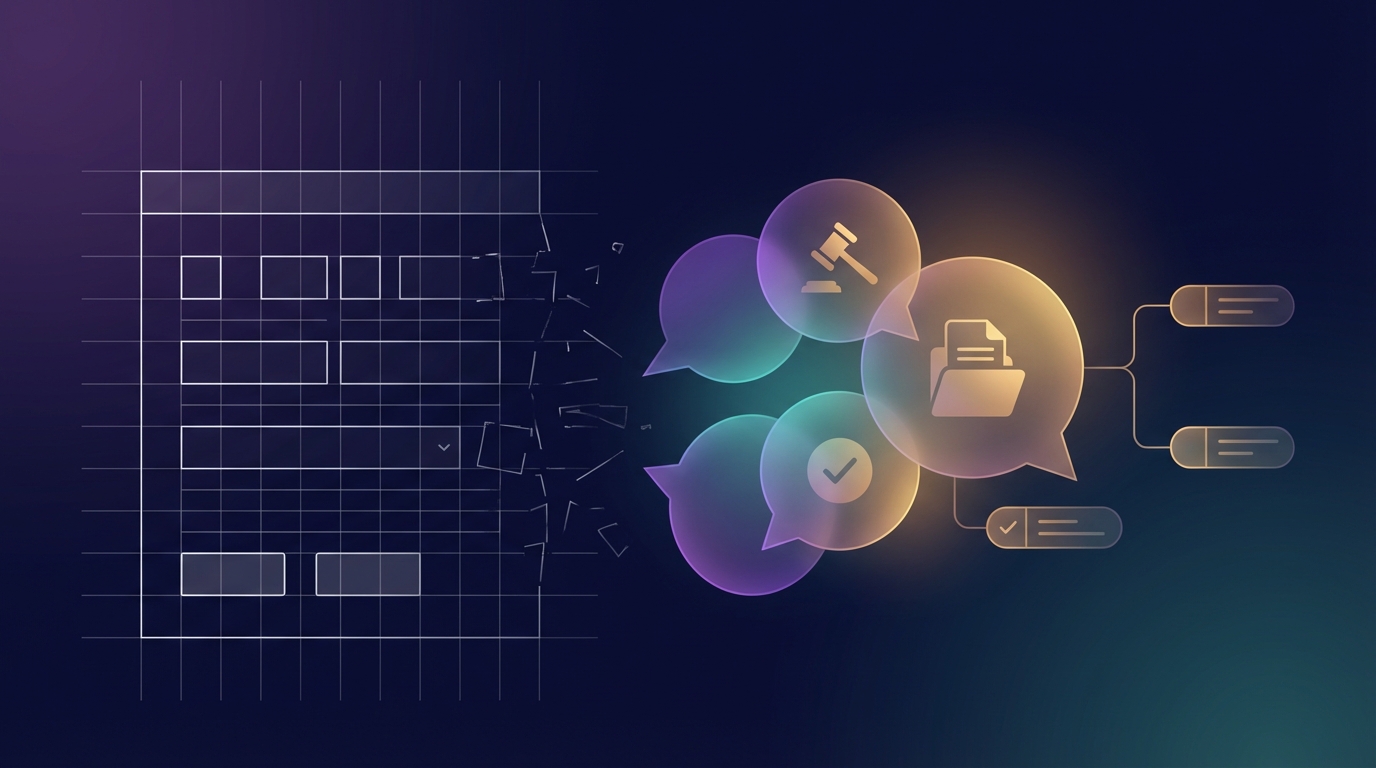
Discover how conversational AI transforms professional service feedback collection beyond traditional survey limitations.
Read article
Explore comprehensive strategies for implementing adaptive feedback systems in HR and performance management workflows.
Read articleReplace drop-off, poor qualification, and missing context with AI conversations that capture structured data and real understanding. Set up in minutes.
No credit card required • Cancel anytime