Which session had the biggest impact on you?
Z
Post-Event Survey
Evaluator agent · 2.4K uses
Nobody completes your speaker evaluation forms. Get actionable insights on speaker effectiveness, presentation quality, and content relevance. The AI asks deeper questions about specific aspects that matter most based on the session format and attendee experience level.
Start from this conversation and adapt it to your team — change any question, add your own logic, and connect the tools you already use.
The core fields every response captures.
Rate the speaker's knowledge of the subject matter
How likely are you to attend another session by this speaker
Follow-ups that change based on what people say.
If overall rating is below 3, ask for specific improvement suggestions
If session type is workshop, ask about hands-on exercise effectiveness
Different paths for different answers.
Route negative feedback to event coordinator for immediate follow-up
Send highly positive reviews to marketing team for testimonials
Actions that fire the moment a response comes in.
Add feedback scores to speaker database in event management system
Send summary reports to speakers within 24 hours of session end
Flag speakers with low ratings for additional training opportunities
The AI starts by identifying the session and speaker, then guides attendees through rating key performance areas. Based on their responses, it asks targeted follow-up questions about content delivery, engagement techniques, or areas needing improvement.
Configure speaker and session details for your event
Set rating scales for presentation and content categories
Define follow-up triggers for low satisfaction scores
Connect feedback data to your event management platform
Static forms force complex situations into rigid dropdowns. Perspective captures structured data and the reasoning behind it — so your team makes better decisions, faster.
No context. No follow-up. No next step.
"Tell me more about the timeline — when did this start, and is there a deadline your team is working against?"
Extracted & structured automatically
Category
High-priority
Urgency
Deadline: 2 weeks
Sentiment
Frustrated but hopeful
Next step
Route to senior team
Right team. Full context. Instant action.
Effective speaker evaluations assess presentation quality, content relevance, delivery style, and audience engagement while capturing the context behind ratings. The best evaluations probe beyond surface-level scores to understand why certain presentations succeeded or failed. Key areas include speaker preparation, audience interaction, time management, and actionable takeaways. However, traditional speaker evaluation forms with rigid rating scales miss the nuanced feedback that helps speakers improve their craft and helps event organizers curate better lineups for future conferences.
Explore other event feedback templates designed for conferences, workshops, and attendee experience evaluation.
Which session had the biggest impact on you?
Evaluator agent · 2.4K uses
What topics would make you most likely to attend?
Evaluator agent · 2.1K uses
Did the sponsorship meet your brand exposure goals?
Evaluator agent · 1.6K uses
How would you rate the event logistics for exhibitors?
Evaluator agent · 963 uses
What would make you attend another webinar from us?
Evaluator agent · 1.6K uses
Tell me about the wedding you're envisioning.
Concierge agent · 1.5K uses
Learn best practices for collecting speaker feedback that drives meaningful presentation improvements and better event programming.
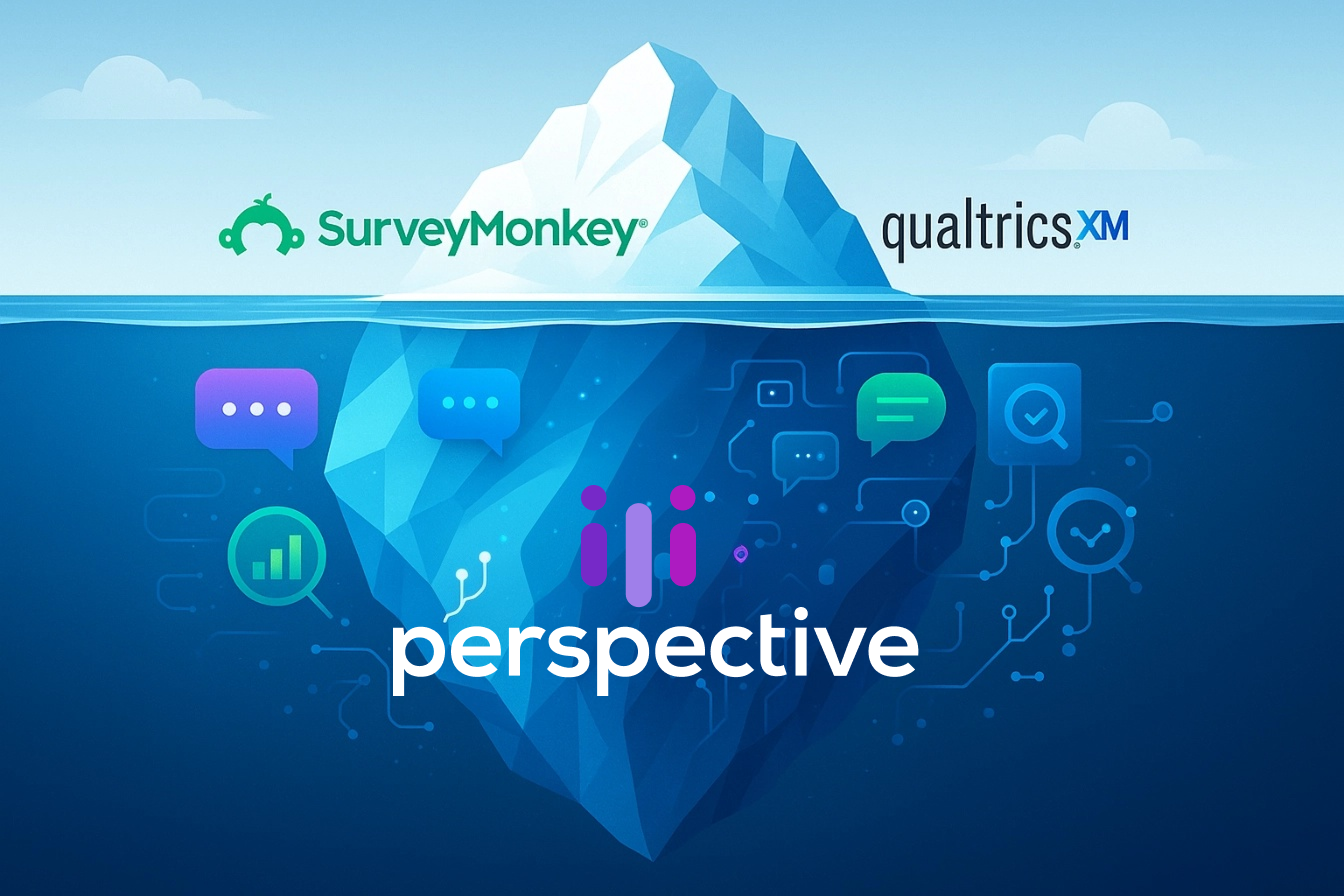
Discover how adaptive conversations outperform traditional surveys in capturing meaningful event feedback and attendee insights.
Read article
Compare conversational AI feedback collection with traditional survey methods to understand which approach delivers better results for event organizers.
Read article
Learn why simple rating scales fail to capture the nuanced feedback needed to improve speaker performance and event experiences.
Read articleReplace drop-off, poor qualification, and missing context with AI conversations that capture structured data and real understanding. Set up in minutes.
No credit card required • Cancel anytime