What would have made this course more valuable for you?
N
Course Evaluation Survey
Evaluator agent · 2.5K uses
Parent feedback forms hide real problems. Educational institutions and consultants need rich parent feedback to improve student outcomes. This template conducts empathetic interviews that explore academic progress, communication preferences, and support needs while adapting to each family's unique situation.
Start from this conversation and adapt it to your team — change any question, add your own logic, and connect the tools you already use.
The core fields every response captures.
Overall satisfaction with child's educational progress this term
Effectiveness of teacher-parent communication methods
Follow-ups that change based on what people say.
If parent mentions academic concerns, ask about specific subjects and support needs
If satisfaction is low, explore communication gaps and improvement suggestions
Different paths for different answers.
Route urgent concerns to principal or counselor immediately
Send positive feedback to relevant teachers and department heads
Actions that fire the moment a response comes in.
Create task in school management system for follow-up actions
Add feedback summary to student record in SIS
Schedule parent conference if requested during interview
The AI begins with open questions about overall satisfaction, then explores specific areas like academic progress, teacher communication, and support services. It adapts follow-up questions based on responses and ensures all critical feedback areas are covered naturally.
Define your feedback focus areas and key stakeholders
Set conversation tone and school-specific context
Configure routing rules for different response types
Connect to your student information and CRM systems
Static forms force complex situations into rigid dropdowns. Perspective captures structured data and the reasoning behind it — so your team makes better decisions, faster.
No context. No follow-up. No next step.
"Tell me more about the timeline — when did this start, and is there a deadline your team is working against?"
Extracted & structured automatically
Category
High-priority
Urgency
Deadline: 2 weeks
Sentiment
Frustrated but hopeful
Next step
Route to senior team
Right team. Full context. Instant action.
Effective parent interviews explore specific experiences rather than general satisfaction ratings. Ask about concrete interactions with teachers, office staff, and administrators. Discuss communication timing and clarity around grades, behavior issues, and school events. Focus on accessibility concerns like language barriers, work schedule conflicts, or transportation challenges that affect family engagement. The most valuable insights come from understanding how school policies play out in real family situations, not abstract approval scores.
Explore other conversation templates designed for educational feedback, student services, and academic research.
What would have made this course more valuable for you?
Evaluator agent · 2.5K uses
What subject does your child need the most help with?
Concierge agent · 1.5K uses
What will you apply first from this training?
Evaluator agent · 1.2K uses
What instrument and skill level are we working with?
Concierge agent · 2.4K uses
What program is your child enrolling in?
Concierge agent · 863 uses
How has your degree impacted your career since graduating?
Evaluator agent · 1.7K uses
Learn proven techniques for gathering meaningful insights from parents and educational stakeholders through conversation-based research.
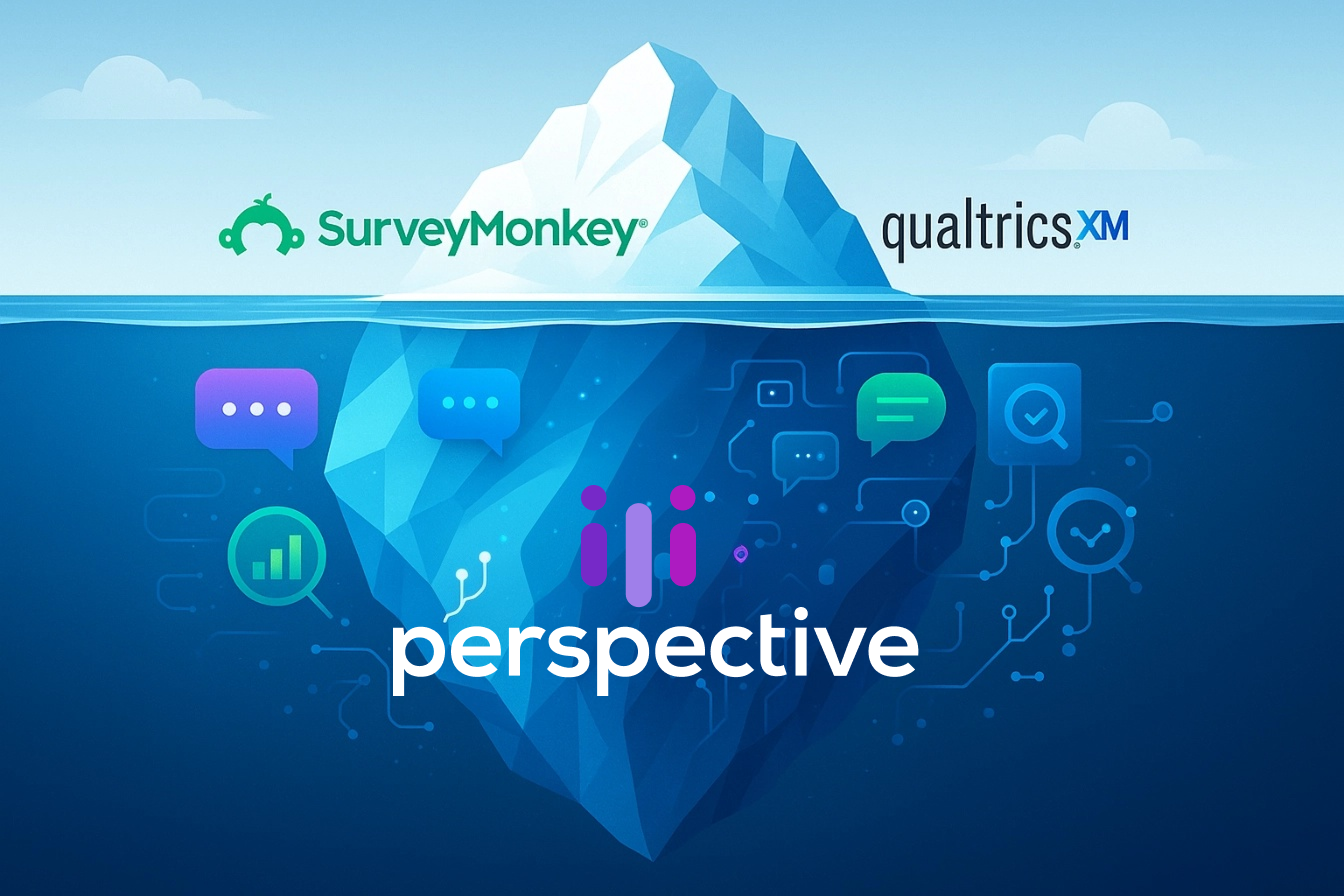
Discover how adaptive conversations capture deeper parent insights compared to traditional feedback surveys in educational settings.
Read article
Compare conversational AI feedback methods with standard survey approaches for gathering meaningful parent and stakeholder input.
Read article
Learn why simple rating scales fail to capture the complex feedback that schools need from parents and educational communities.
Read articleReplace drop-off, poor qualification, and missing context with AI conversations that capture structured data and real understanding. Set up in minutes.
No credit card required • Cancel anytime